

Museum Paleis Het Loo by KAAN Architecten – A Contemporary Underground Extension Beneath Baroque Grandeur
Museum Paleis Het Loo by KAAN Architecten combines underground expansion, baroque restoration, and modern museum design, harmonizing heritage with contemporary innovation.


In 2023, KAAN Architecten completed the ambitious renovation and extension of Museum Paleis Het Loo in Apeldoorn, the Netherlands. Originally built in 1686 as a royal hunting palace for King William III and Queen Mary, Paleis Het Loo is one of the country’s most visited museums, celebrated for its baroque architecture and historic gardens. The recent transformation blends architectural heritage with modern functionality, ensuring that the palace continues to serve as a cultural landmark for future generations.
A Seamless Underground Expansion
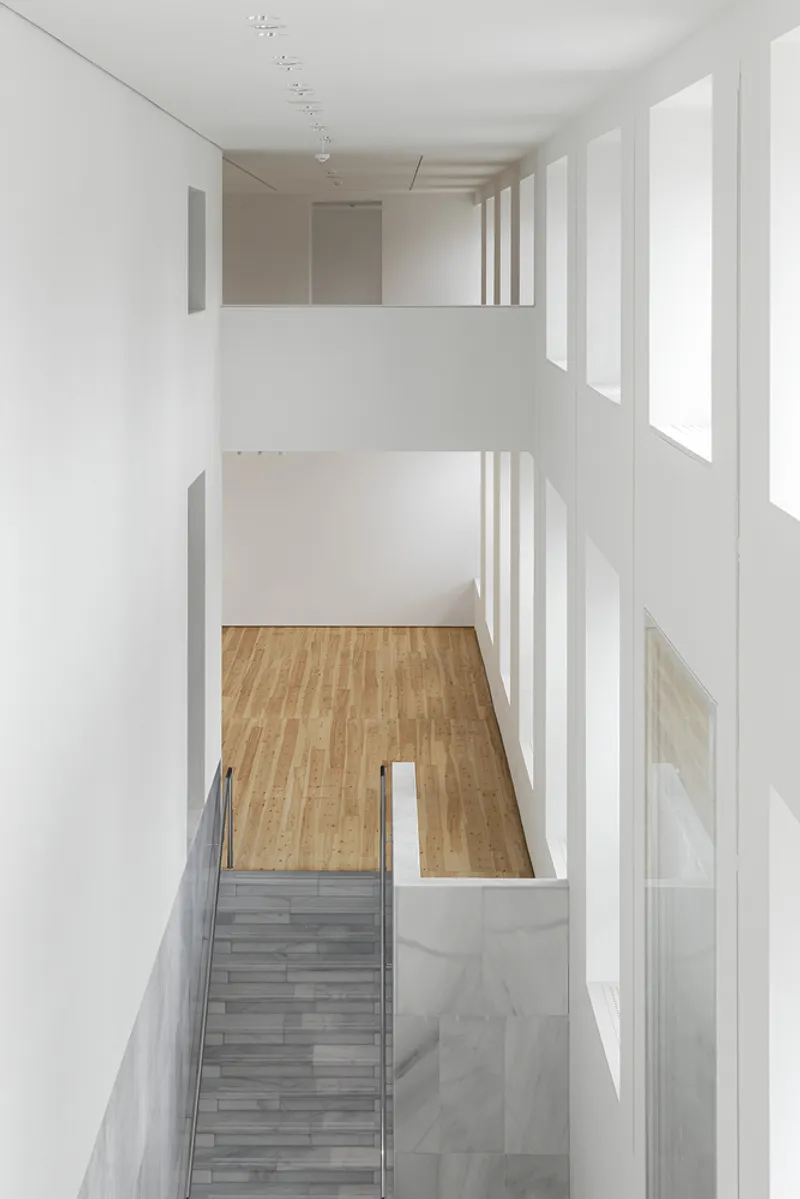
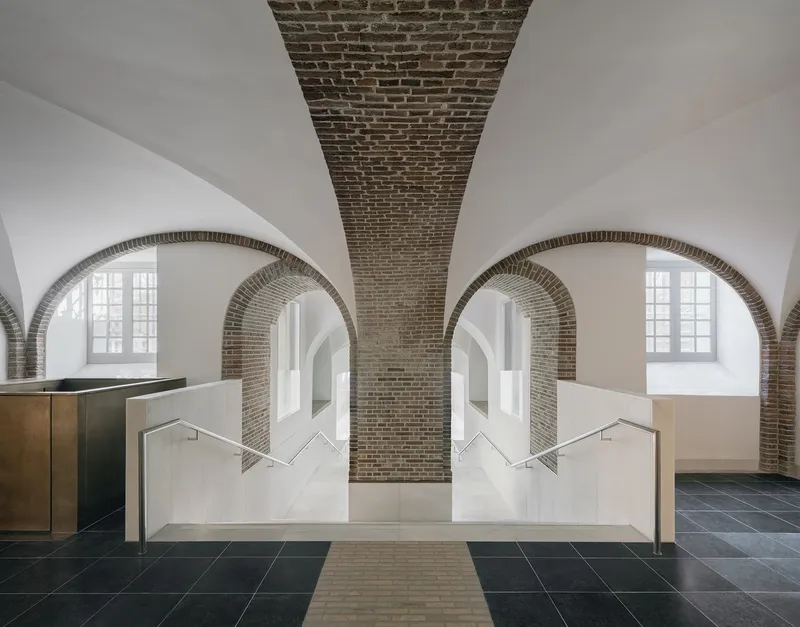
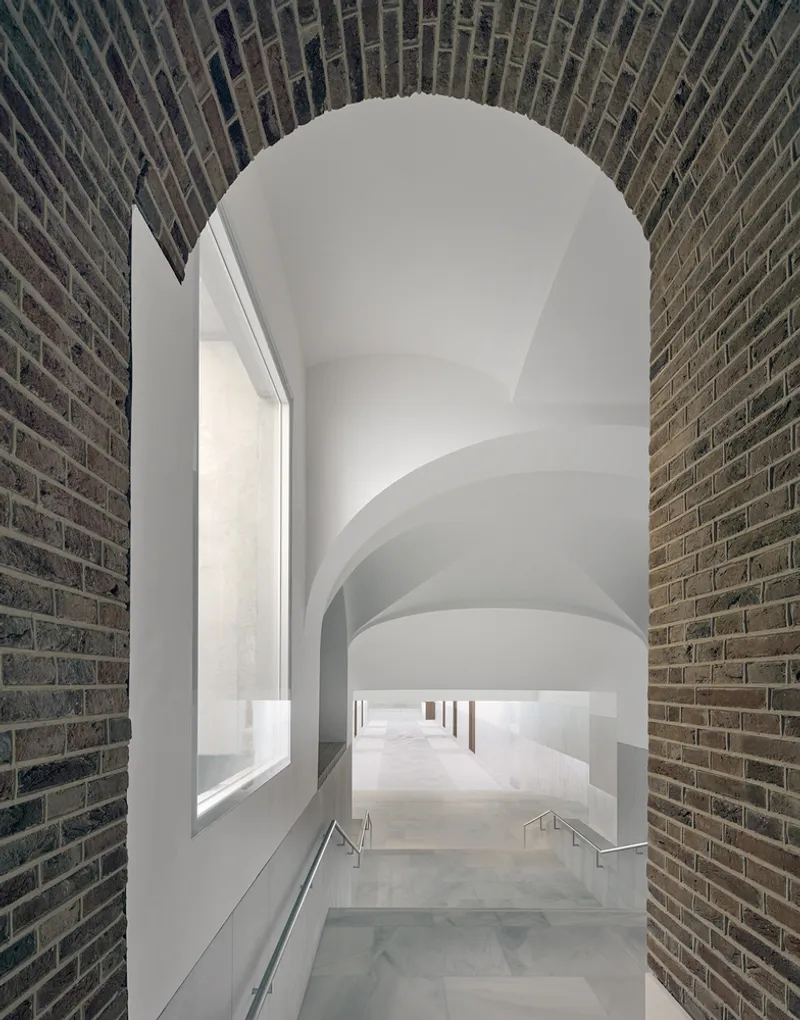
The extension of over 5,000 m² is ingeniously placed underground, preserving the palace’s baroque silhouette and historic setting. Inspired by the site’s historic connection to landscape and water, the architects integrated new water features as architectural elements, allowing light to filter dramatically into subterranean spaces. This design strategy respects the palace’s baroque order while adding a 21st-century layer of innovation.
The Bassecour – From Courtyard to Reflective Roof
At the heart of the transformation lies the Bassecour, once a grassy forecourt for horses. Today, it has been reimagined as a central gathering space with a fountain and four shallow glass ponds. These reflective water surfaces echo the palace’s monumental architecture while serving as a roof for the underground extension, channeling daylight into the Grand Foyer below.
The Grand Foyer – A New Cultural Axis
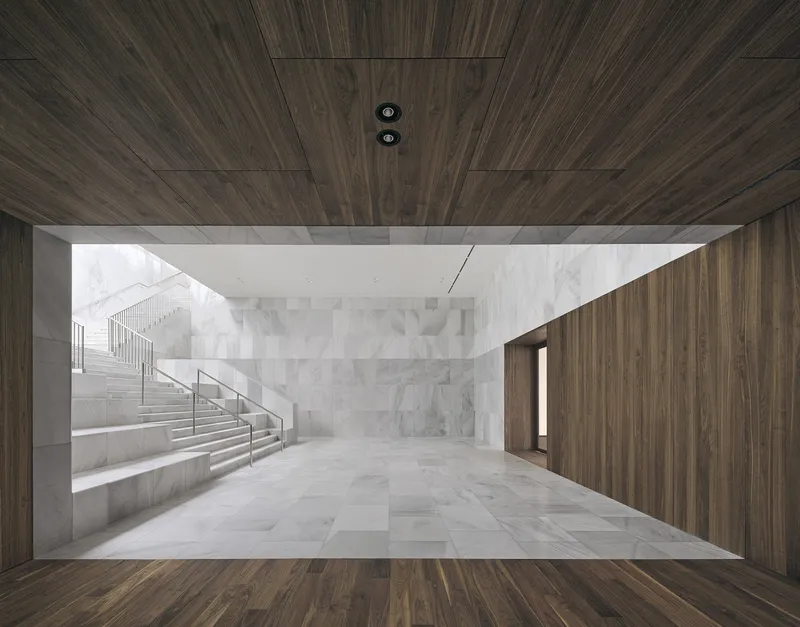
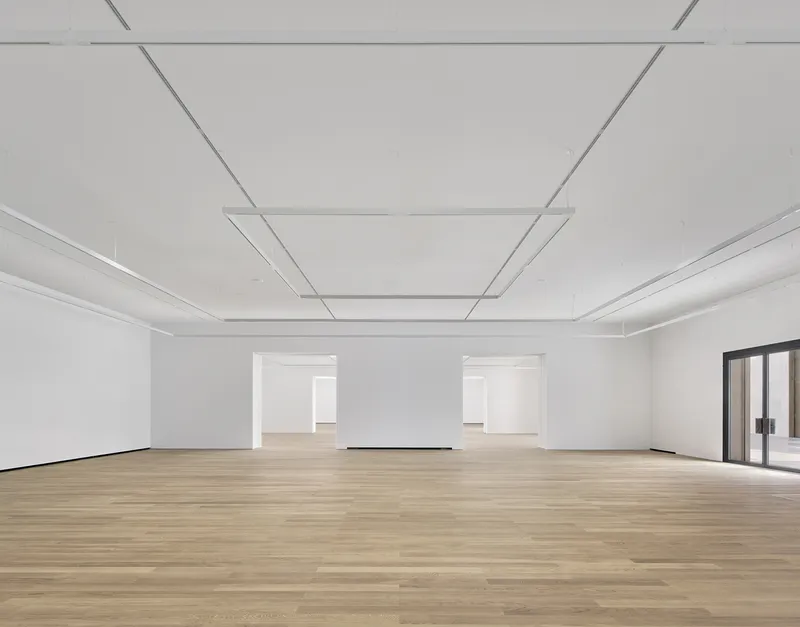
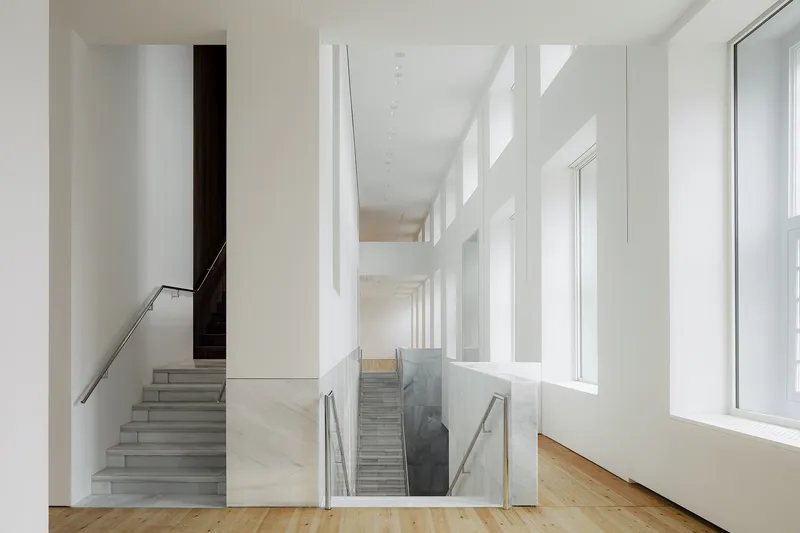
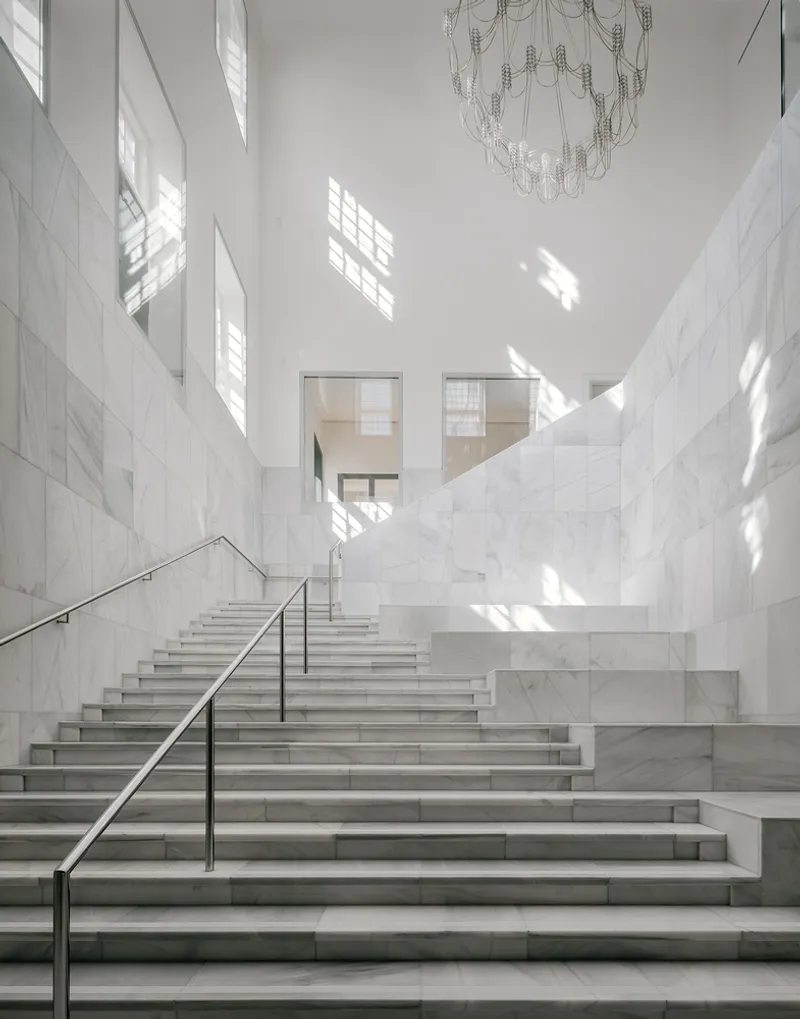
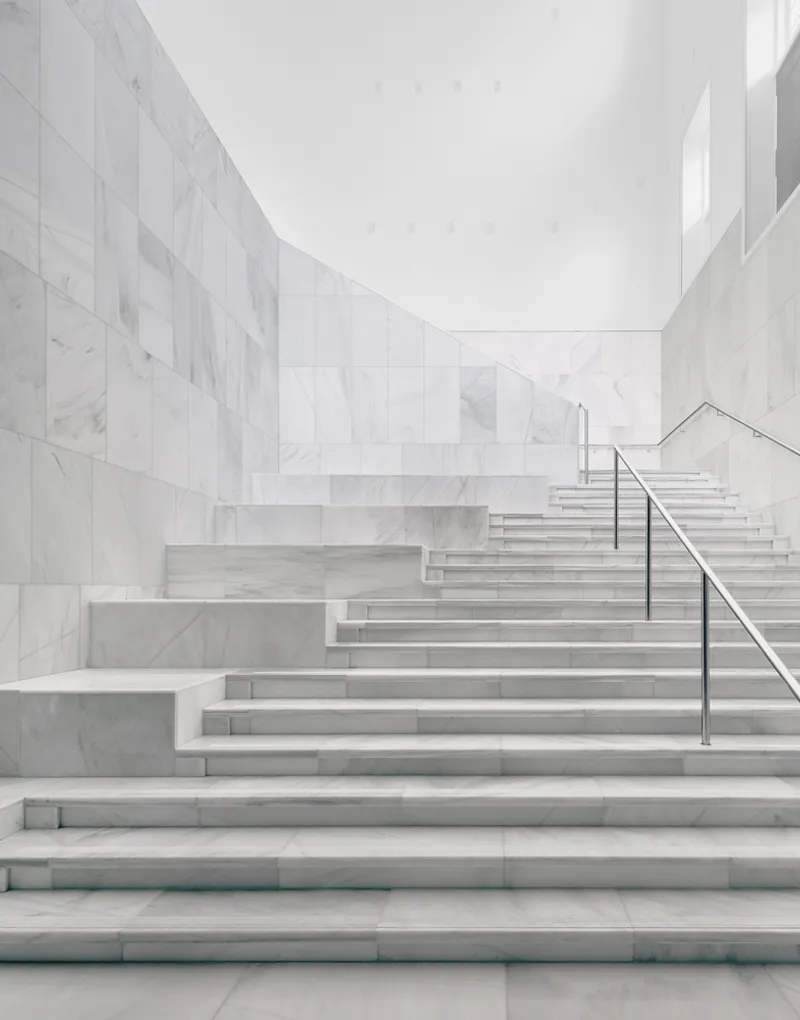
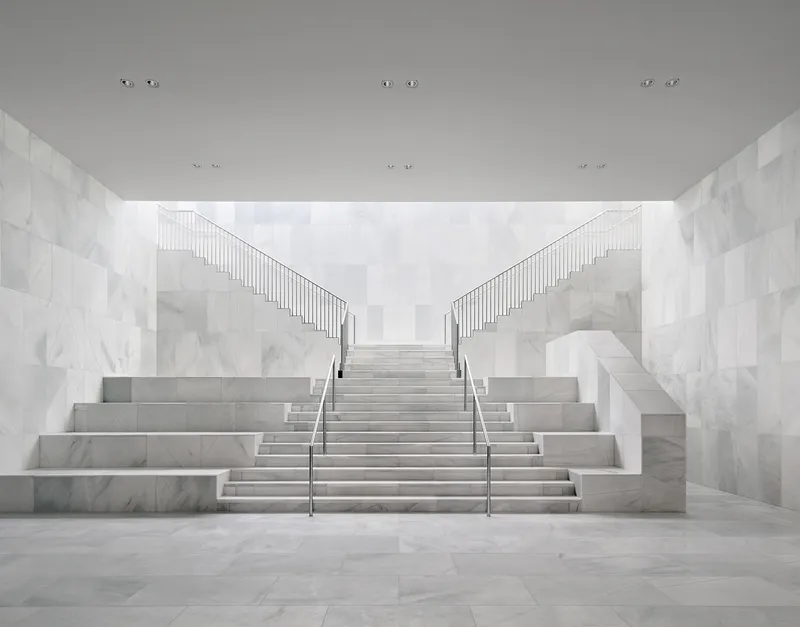
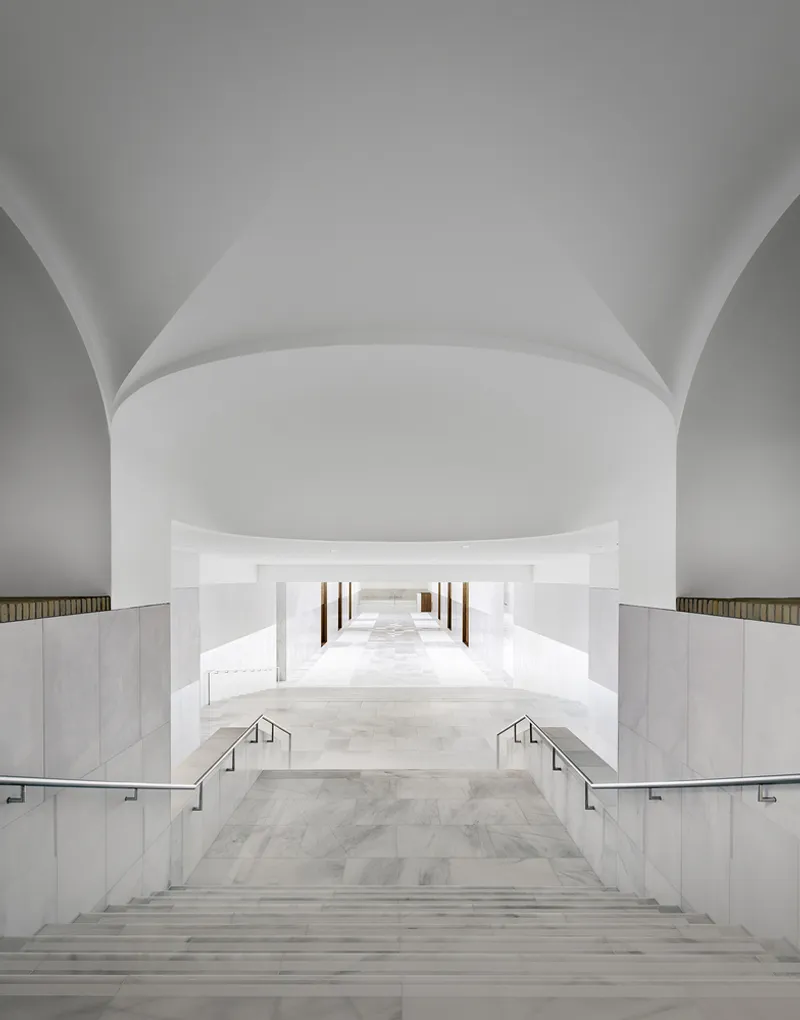
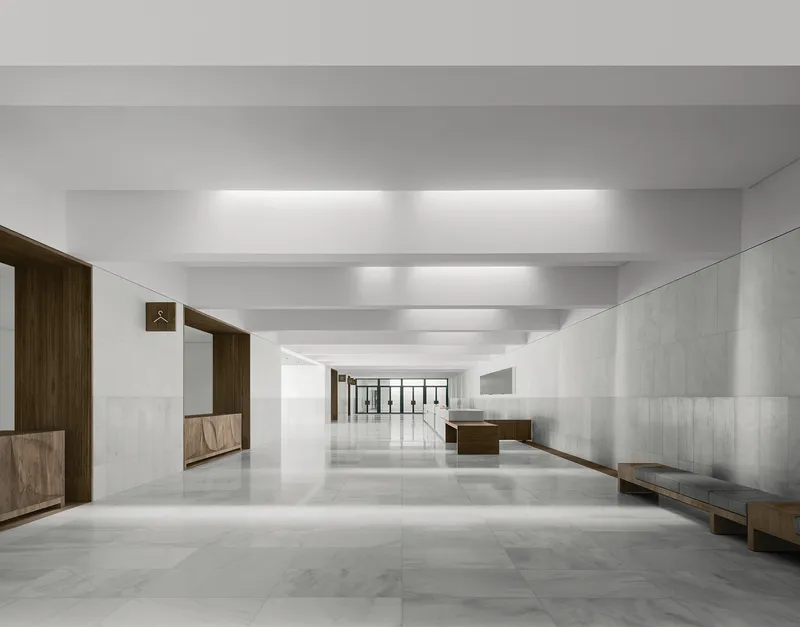
Descending into the underground levels, visitors encounter the Grand Foyer, a light-filled central hub that links the old and new sections of the palace. Directly beneath the fountain, a wind rose marks the spatial core, guiding guests toward temporary exhibition halls, the House of Orange permanent exhibition, or the Junior Palace children’s museum. High ceilings, marble finishes, and walnut details create an atmosphere of both monumentality and intimacy, staying true to the palace’s historical grandeur.
Respecting and Restoring Heritage
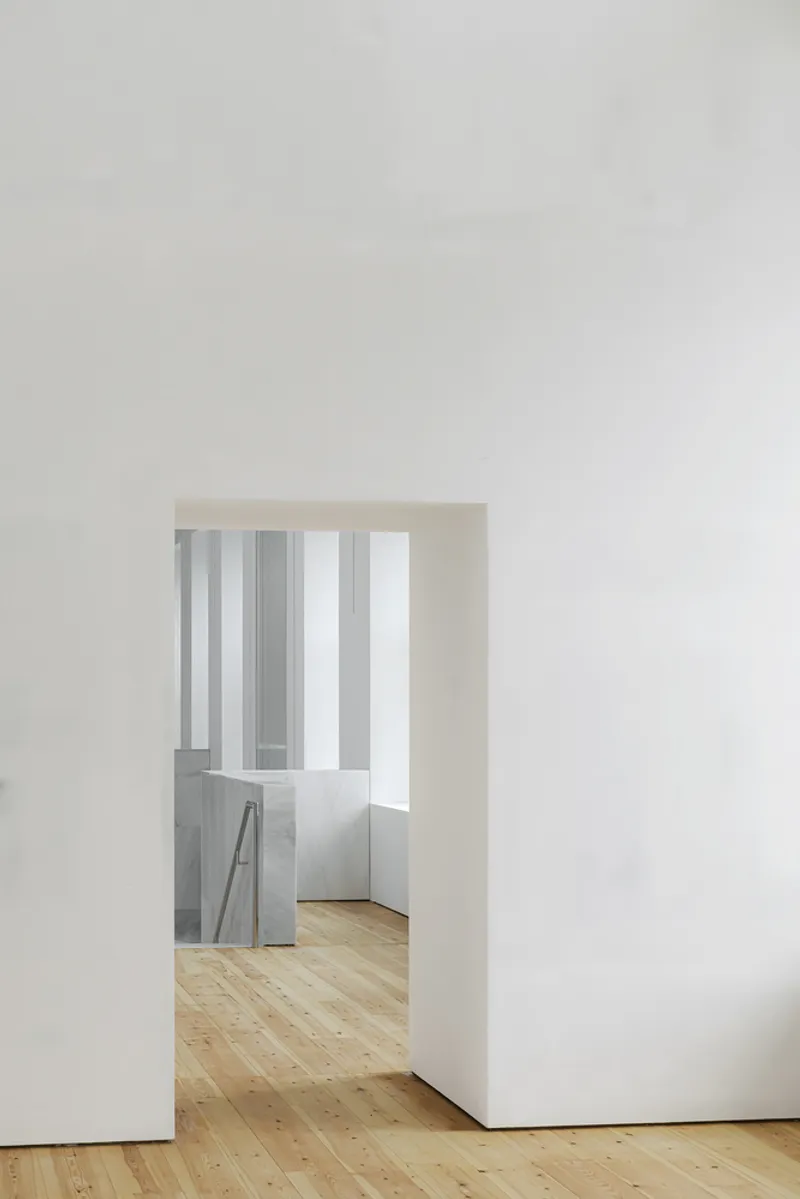
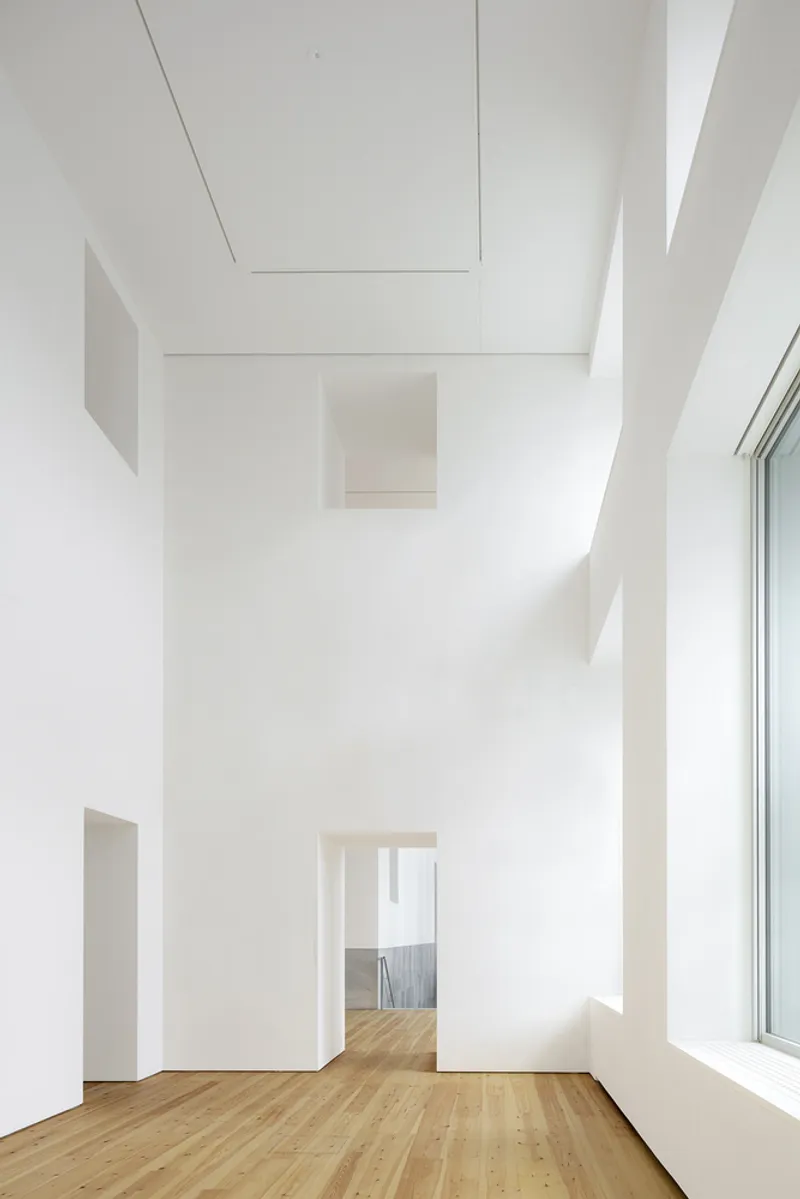
Alongside the extension, Paleis Het Loo underwent a meticulous restoration. Climate systems, visitor amenities, and exhibition facilities were upgraded, while the historic wings were reprogrammed with new galleries. A new staircase to the Corps de Logis roof offers panoramic views of the gardens and palace grounds, enriching the visitor experience. The old ballroom, once a space of royal festivities, has been reborn as a restaurant with interiors echoing the ornate tapestries and metallic shimmer of baroque halls.
Materiality and Craftsmanship
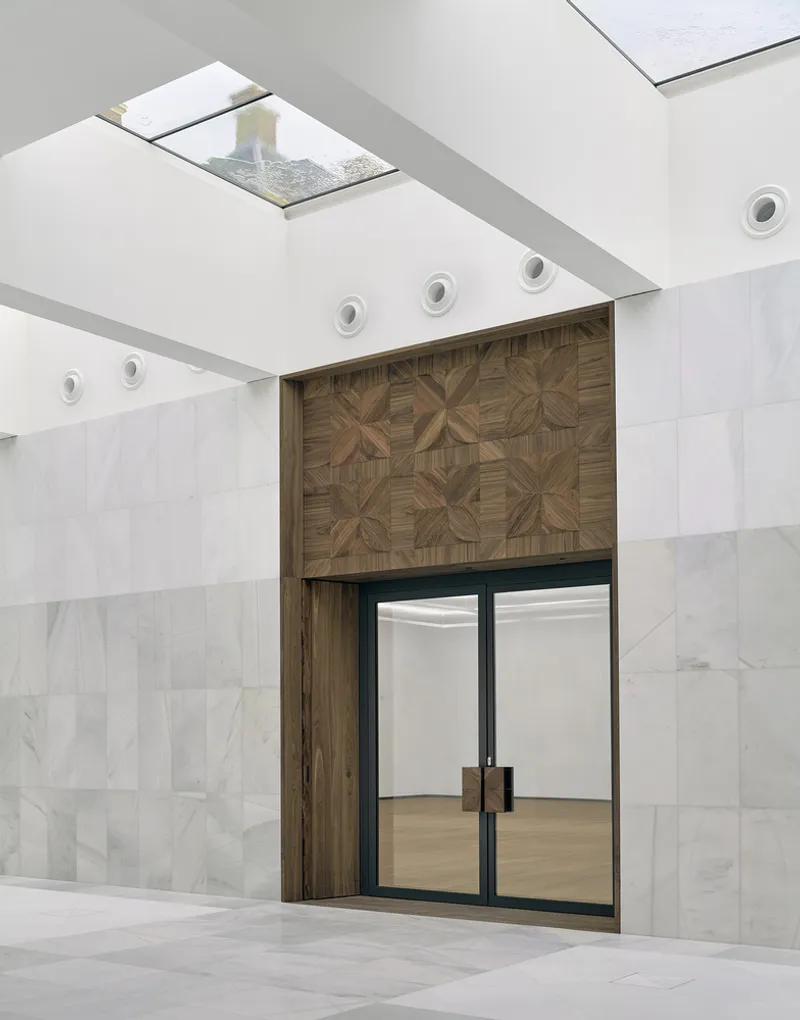
Prof. Dikkie Scipio of KAAN Architecten emphasizes that architecture at Paleis Het Loo is not only about visual impact but also tactile experience. Finely crafted marble floors, walnut doors patterned with orange blossom motifs, and shimmering wall fabrics create a layered sensory journey. The design merges restraint with opulence, ensuring that the extension complements rather than overshadows the palace.
A New Chapter for a Historic Landmark
With its underground expansion, restored palace interiors, and enhanced visitor facilities, Paleis Het Loo now embodies the dialogue between past and present. The project demonstrates how architectural heritage can be preserved while adapting to contemporary cultural needs, ensuring that one of the Netherlands’ most iconic palaces continues to inspire, educate, and captivate audiences worldwide.
All Photographs are works of Simon Menges, Sebastian van Damme


Popular Articles
Popular articles from the community


U.GA Architects Wraps an Oval Rooftop Pool in Curved Board-Formed Concrete on Busan's Jeollidan-gil
In Busan's Jeonpo-dong, a 454 m² mixed-use block stacks a neighborhood facility, guest rooms and an oval rooftop pool inside spiraling concrete walls.

Juan García Correa, John González and Claudia Rueda Sink a Circular Amphitheater into a Manizales Engineering Building
On the La Nubia campus in Manizales, Colombia, the S1 Building folds labs and offices into a hillside of ramped lawns that double as a campus route.

GROUP A Strips a 1969 Rotterdam Harbor Headquarters to Its Frame and Wraps It in Timber Louvers
In Rotterdam's M4H harbor district, Ferro Offices reuses a 1969 frame, adds one timber storey and reaches BREEAM-NL Outstanding.

Cube Design Draws an Ecological Corridor Between Two Shenzhen Hills with the Nankai Building
Beside Shenzhen's container docks, the Nankai Building pairs stacked balconies with a climbing green screen to connect two hillsides across its height.

Similar Reads
You might also enjoy these articles


Hodi-Mandai Geram
Project Function: Preservation and revitalization of the Intangible heritage and socio-spatial identity of the Hodi by Housing, Cultural Memory Center, Sacred Grove, landscape, local tourism economy


Olio Towers: A Mid-Rise for Performers That Fuses Housing, Rehearsal, and Stage
Located blocks from Houston's Theater District, this modular tower stacks living units around a central performance atrium.

Oasis: Modular Green Housing Carved into Dhaka's Urban Fabric
A shortlisted Plugin Housing entry reclaims unauthorized settlements in Dhaka with stepped concrete volumes, green roofs, and ventilation-driven design.

Black Hole: A Floating Megastructure for the Post-Physical Era
Emiliano Mazzarotto envisions a spherical, self-scaling arena where e-sports, digital hotels, and holographic stadiums replace traditional public space.

Explore Cultural Architecture Competitions
Discover active competitions in this discipline

Challenge to reimagine the Iron Throne

Photograph architecture without architects

Illustrate the lost glory of Angkor Wat - Render Challenge

Bring back Drive In's
Comments (0)
Please login or sign up to add comments
No comments yet. Be the first to comment!