

MyouKei-An House by kvalito: A Meditative Wooden Retreat in Ibaraki, Japan
Minimalist wooden retreat by kvalito in Ibaraki, blending privacy, flexibility, and temple harmony for a retiring female priest.


A Retirement Sanctuary Rooted in Tradition
Nestled along the pathway to a historic temple in Ibaraki, MyouKei-An House is a humble, single-story wooden dwelling designed as a serene retirement home for a 12th-generation female priest. Conceived by kvalito, the compact 66-square-meter structure replaces a prefabricated warehouse and garage, transforming the temple grounds while respecting the spiritual and spatial context of the site.
This architectural gesture not only provides a place of rest but also revitalizes the visual landscape of the approach to the temple, creating a balance between new construction and centuries-old tradition.
Quiet Exterior, Private Interior
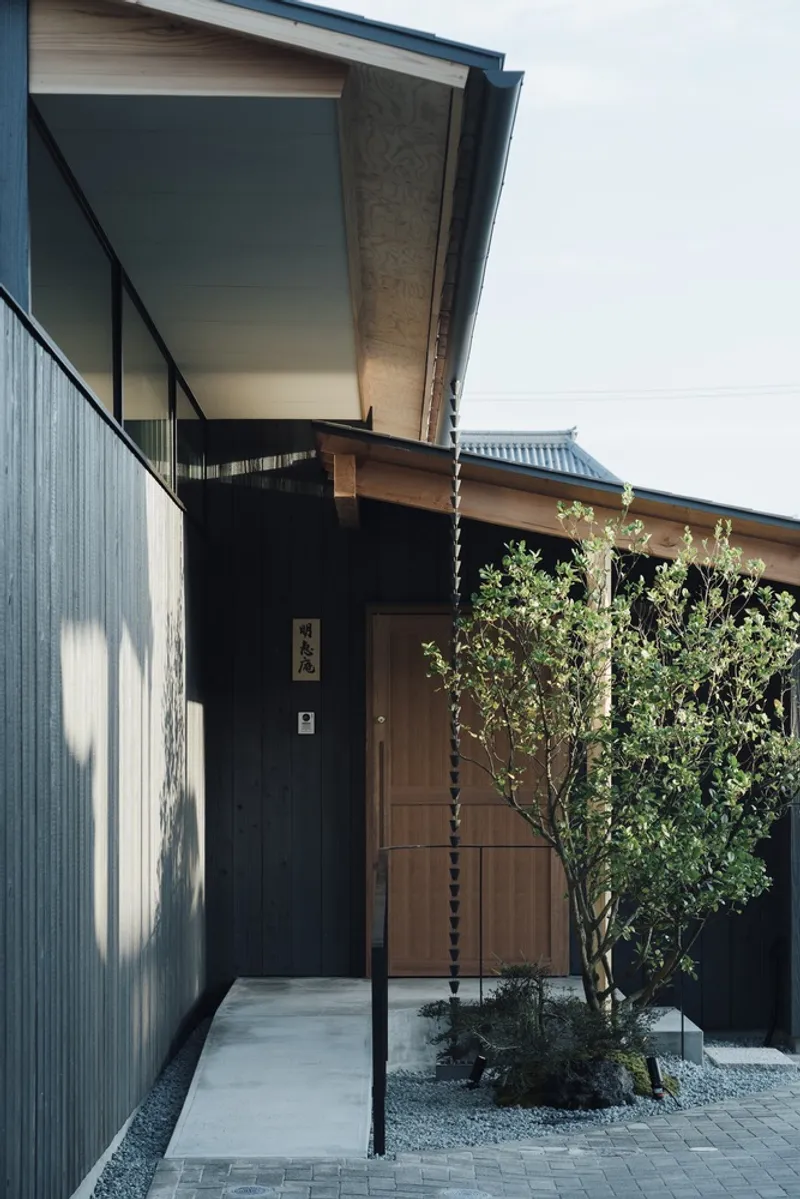
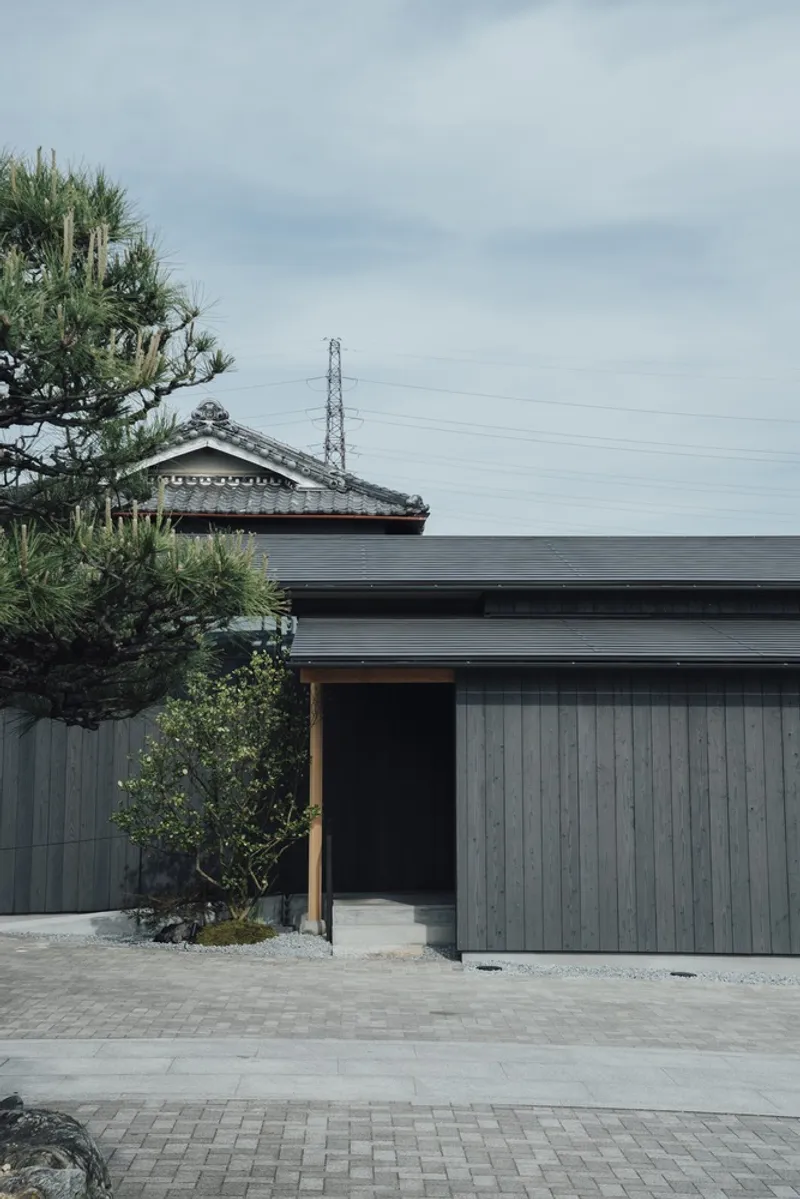
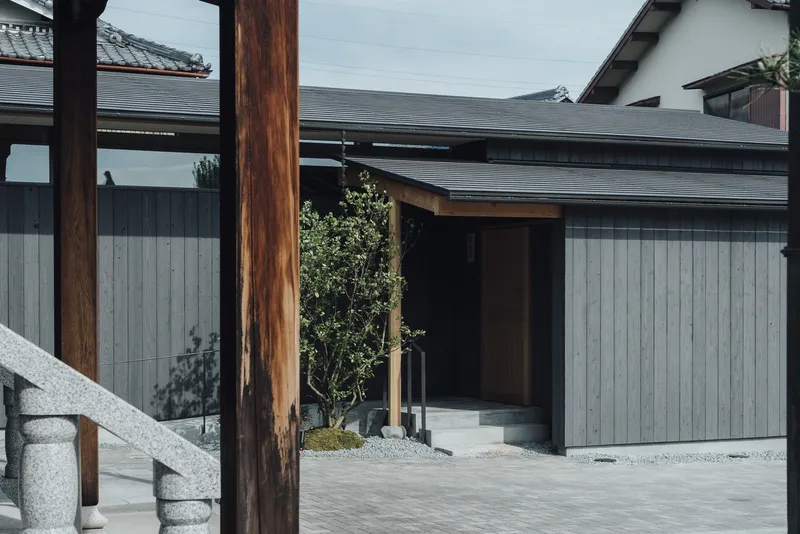
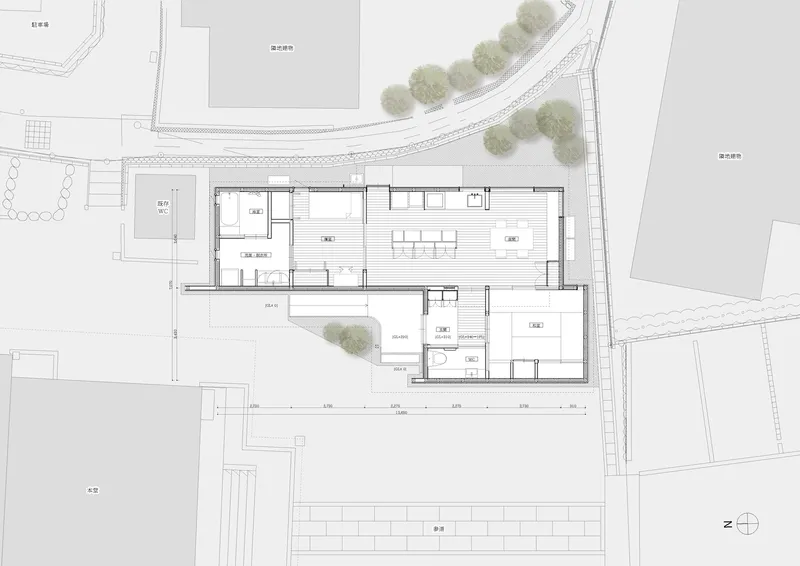
Given its position along a public pathway, privacy was a primary concern for the client. Instead of opening the house to the street, the architects designed a discreet facade—a quiet backdrop that blends with the surroundings while shielding the interior. A slightly extended wall cleverly conceals an existing toilet facility, demonstrating thoughtful site integration.
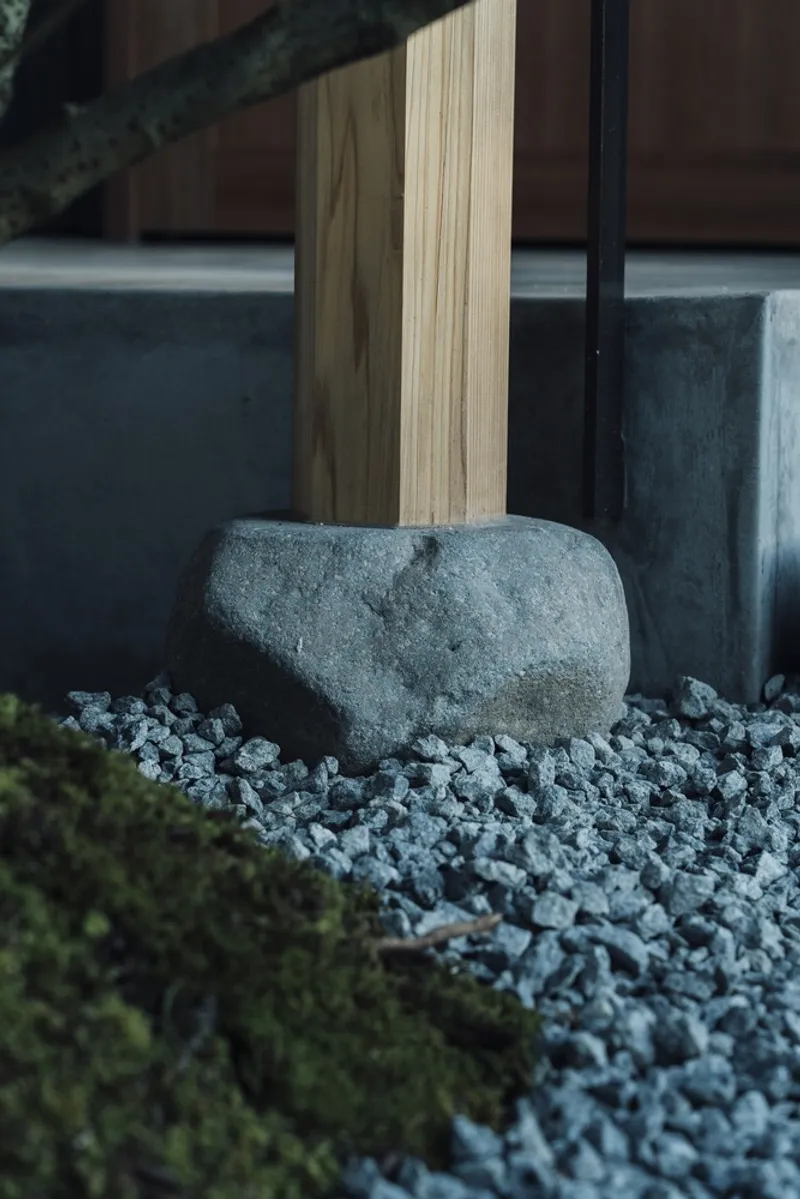
The exterior cladding features charred timber treated with a gray-hued impregnated coating, evoking the aesthetic of the temple’s tiled roof while offering enhanced durability. The subdued material palette and muted tone anchor the house within its sacred context, allowing it to harmonize with the temple without mimicking it.
Spatial Strategy: Borrowed Scenery and Site Efficiency
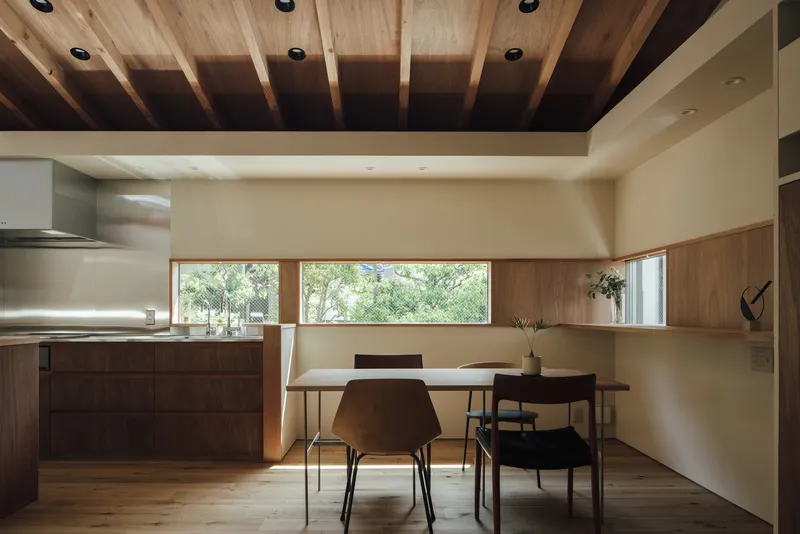
Despite the site's irregular triangular shape and limited area, the design strategically maximizes spatial quality. The house’s orientation leverages neighboring greenery as borrowed scenery, transforming constraints into opportunities for visual expansion and emotional calm.
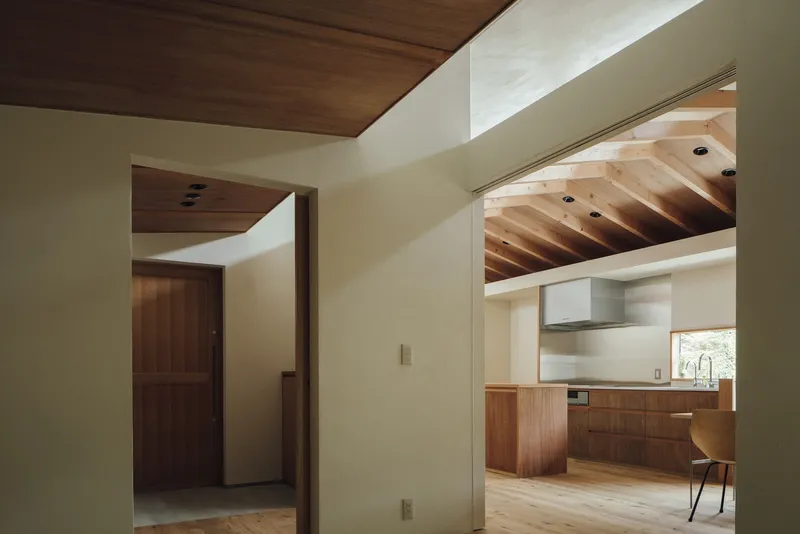
The internal layout thoughtfully separates private and guest zones. Visitors enter through a dedicated threshold, with the living area and guest room arranged to maintain fluidity and privacy. The rectangular main volume was conceived for future flexibility, allowing the space to adapt as needs evolve.
Interior Composition: Layers of Light, Form, and Use
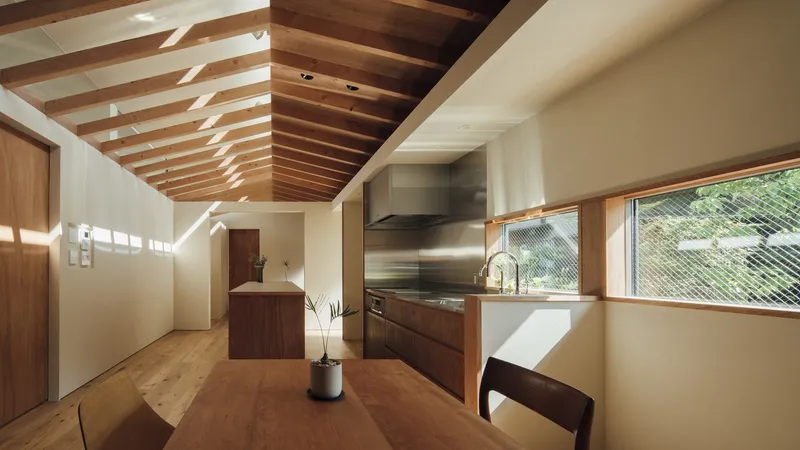
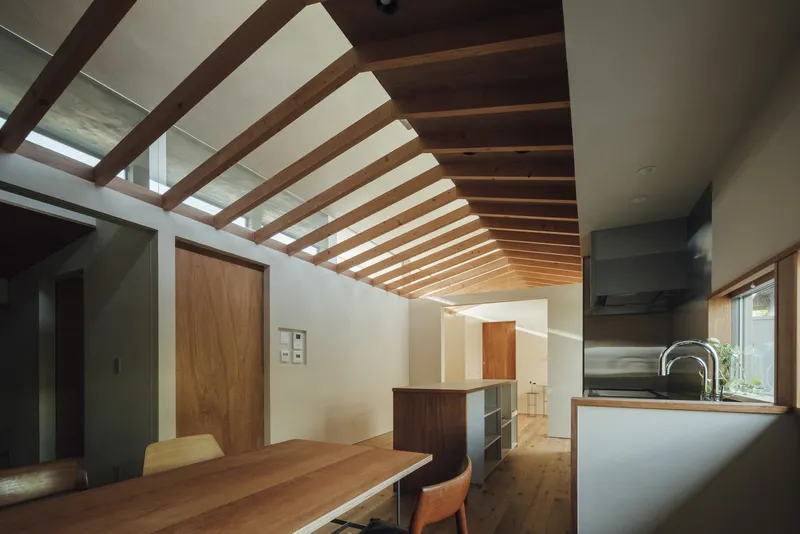
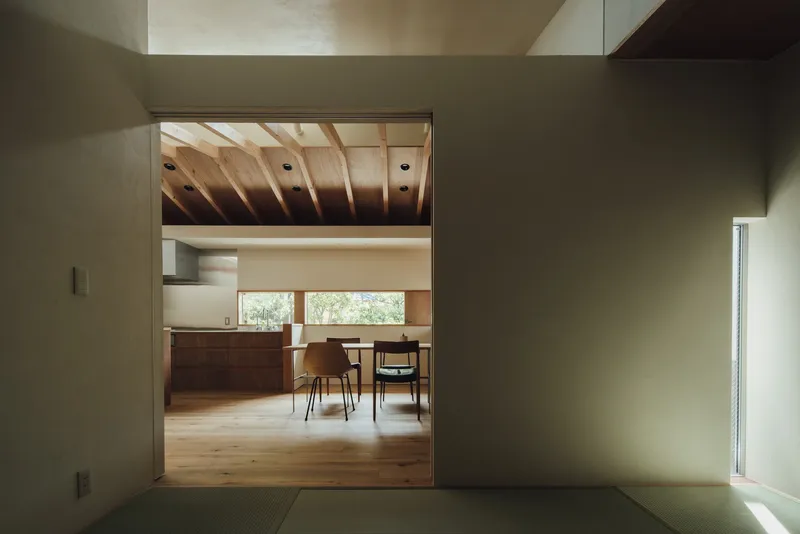
Inside, the architecture promotes both physical comfort and spiritual contemplation. The main living area features a gabled roof structure with exposed diagonal timber supports, eliminating tie bars to create an abstract yet warm spatial volume.
The house’s spatial flow is highly adaptable. Through a system of sliding doors, the living room, bedroom, and a traditional tatami room can merge into one open space or be separated as required. This expandable floor plan responds to the client’s daily rhythms, encouraging intuitive living.
Vertical variation is also embraced: the gabled roof produces a contrasting spatial experience where one side of the room is intimate and low-ceilinged, and the other is high and illuminated by clerestory lighting—merging "internal" and "external" qualities within a single structure.
Architectural Intent: Impermanence and Transformation
For architect Kazuya Mizukami, MyouKei-An is more than a residence; it is a meditative study in ephemeral living and lasting space. He acknowledges that an architect's role is temporary, while a home continues to evolve with its inhabitants. By setting the frame—the “light and space proportions”—the house provides a resilient and poetic base for life to unfold.
The contrast between structural abstraction and the figurative reality of daily life allows this small house to transcend its size. It becomes a vessel for seasonal change, daily rituals, and moments of solitude—a place where spatial modesty meets emotional richness.
A House for Living Lightly and Meaningfully
MyouKei-An House stands as a quiet triumph of context-driven architecture, where material honesty, flexibility, and sensitivity to environment and client create a refined and deeply personal retreat. Rooted in Japanese architectural tradition and crafted with a modern sensibility, the house is a testament to how small spaces can hold profound experiences.
All Photographs are works of Tatsuya Tabii




Popular Articles
Popular articles from the community


Co-Life: Senior Housing Design That Reconnects Older Adults With the City
Co-Life reimagines senior housing design through healing gardens, shared streets, workshops, and a sustainable community across generations.

The Earth Pod: 3D Printed Homes for Resilient Refugee Communities
The Earth Pod reimagines refugee housing through 3D printed homes made from clay, combining resilience, self-sufficiency, and rapid shelter.

Hill & Cross Opera: Sculptural Opera House Architecture Shaped by Tallinn’s Landscape and Identity
Hill & Cross Opera reimagines opera house architecture in Tallinn through its sculptural hill, civic plaza, glass wave and a luminous cross.

Lunar Spiral: Space Architecture Shaped by the Mathematics of the Universe
Lunar Spiral reimagines space architecture through Fibonacci geometry, lunar regolith, levitating habitats, and self-sustaining Moon living.


Similar Reads
You might also enjoy these articles


Hodi-Mandai Geram
Project Function: Preservation and revitalization of the Intangible heritage and socio-spatial identity of the Hodi by Housing, Cultural Memory Center, Sacred Grove, landscape, local tourism economy


Olio Towers: A Mid-Rise for Performers That Fuses Housing, Rehearsal, and Stage
Located blocks from Houston's Theater District, this modular tower stacks living units around a central performance atrium.

Oasis: Modular Green Housing Carved into Dhaka's Urban Fabric
A shortlisted Plugin Housing entry reclaims unauthorized settlements in Dhaka with stepped concrete volumes, green roofs, and ventilation-driven design.

Black Hole: A Floating Megastructure for the Post-Physical Era
Emiliano Mazzarotto envisions a spherical, self-scaling arena where e-sports, digital hotels, and holographic stadiums replace traditional public space.


Explore Traditional Japanese Competitions
Discover active competitions in this discipline



Challenge to reimagine the Iron Throne


Photograph architecture without architects


Illustrate the lost glory of Angkor Wat - Render Challenge


Design challenge to reuse E-waste
Comments (0)
Please login or sign up to add comments
No comments yet. Be the first to comment!