

Mystery in Oasis , cultural center
A Green Approach

1- The Design Process
Back in the time, when the technology that we exploit nowadays didn't exist, people used some creative and also effective ways to design their environment. By considering these methods and strategies and the convenience of modern technology, we can obtain an optimum design. Cultural and climatic aspects were the most needed matters to contemplate and required solutions. One of the most significant and desired answers was to study the behaviour of the indigenous people and their lives. There are two strategies utilized to gather data in this project, one of them is Survey Analysis design (SAD), and the other one is Pattern Assistance Design (PAD). After searching and analyzing different samples in different patterns and studying constructed architectural buildings, considering the evolution of the formation of Morocco, we detected that narrow alleys and condensed construction of the buildings were the solutions to climatic and also social sustainability and interaction aspects (Figure 1), which in this project we have used this concept in various spots. Apart from the theory mentioned above, we have also exploited some historical and cultural Moroccan architectural elements such as central courtyard (Figure 2), a Moroccan pattern as a coverage (Figure 3), and tensile structure. These strategies were used to first bring a sense of Déjà vu for the indigenous visitors and introduce Morocco's rich architecture and culture to the tourists and foreigners.
 Figure 1: The base concept, achieved from the urban formation of Morocco .
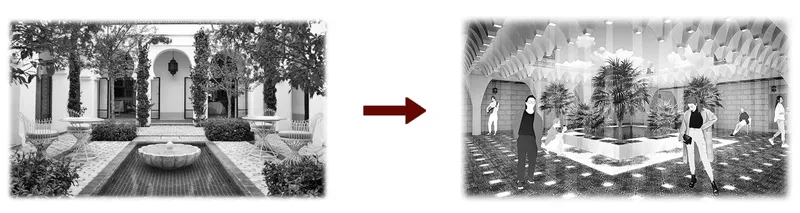 Figure 2: Moroccan Architectural element, central courtyard
 Figure 3: The pattern was obtained from Moroccan architecture, then was being reformed.
In the first steps of the design, we have worked on numerous concepts that gradually some were chosen. After working on these concepts, some others were omitted, and finally, by improving the left ones, we reached our desired design. During the period of about three months, we have worked on the concept, composition, and interior design and site design in a trial and error method and during this time, making a 3D of the model in Sketchup and Rhino programs. After reaching the almost desired configuration, the work began to speed up as it was improved and modified until we reached the final destination, which was the presentation.
2- Design Principles and Elements organization
The strategy for locating the functional spaces was based on the fact that we needed a strong connection among these spaces; at the same time, we wanted to create a central courtyard at the heart of the project to determine a firm interaction among the visitors. The aforementioned narrow alleys have been implemented to give the visitors a framed view of the lake. This strategy has been used in Morocco for thermal comfort as natural ventilation occurs through these alleys, and the buildings shade over their surroundings.
Same functional spaces were decided to be located approximately to one another. These spaces are adjoined together by a portico or arcade (Riwaq) as a semi-open space. It allows people to walk from an open space to a semi-open area and then in an enclosed space hierarchically. In order to expand the view of the users, there are ramps and platforms implemented that can move people to different elevations. In this project, it was attempted to transmit the energy of the central courtyard and semi-open spaces to the open area of the site at a suitable pace that benefits everybody.
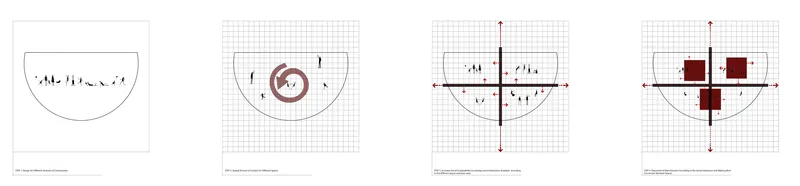 Figure 4: The Design Formation
3- Materials
In addition to the mentioned contents, choosing materials were one of the most important criteria related to the abidance by the principles of the context and also the culture. The materials used in this project are chosen according to the past users' experiences and also new technologies and data that have made a living more convenient based on scientific factors and substantiated documents. For the roofs of the main spaces, red bricks were considered that are seen and used vastly in Morocco. For the walls (Figure 4), materials with lower U-value are used that can be the best option for this climate. In this project, the built environment reached the lowest amount that decreased the portion of the carbon footprints through the building construction. In addition to that, in the construction of the site, vernacular materials and panels associated with the climate of Morocco have been used that do not require complicated technology, and even native and indigenous people can help in construction (Table 1).
 Table 1; Element Description
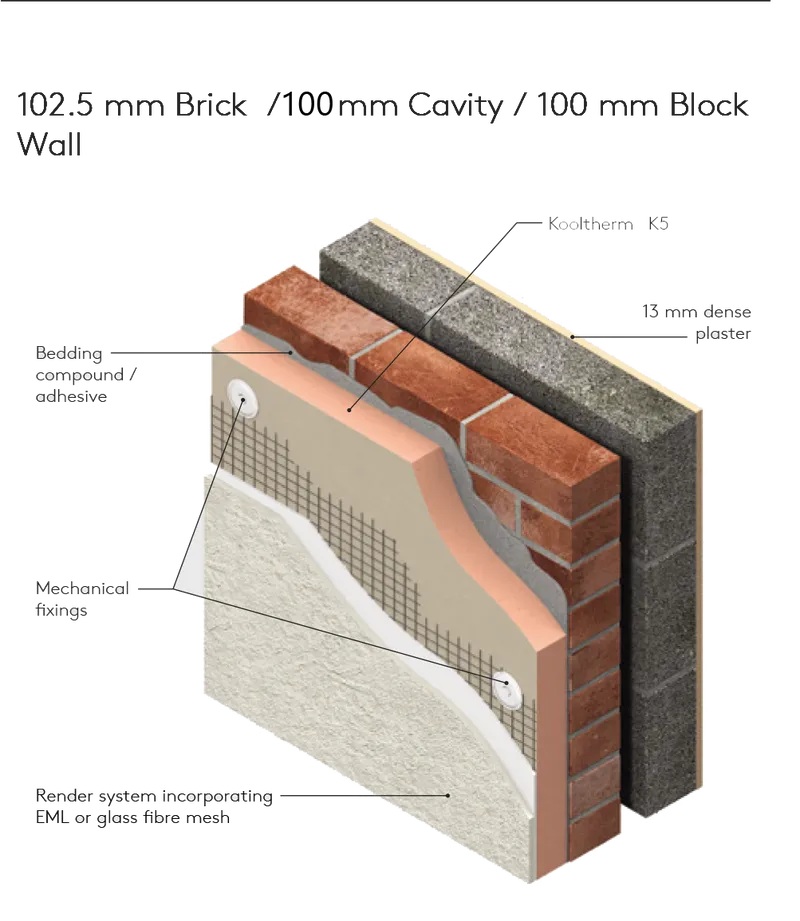 Figure 5: Layers of the exterior walls
4- Design Strategies
Active and passive design strategies have been utilized in this design. Vernacular materials with a high heat capacity, such as brick, have been used as the means to the thermal comfort of the occupants and also to reduce the usage of the consumed energy. Lack of fresh water in Morocco, especially in the location of the site, has been one of the dilemmas the users face and caused the designers to think of methods to solve this problem in a low-cost and economical way. As a flexible design, we have come up with an innovative system to gather the rainwater. This system is implemented in the central courtyard. In the seasons with high precipitation, some flexible pipes are connected to intended places, and rainwater is steered down to a reservoir. The tubes get connected to an object that also is considered a shader which has been designed as a roof for the central courtyard. In the sunny and hot seasons, the pipes will be removed.
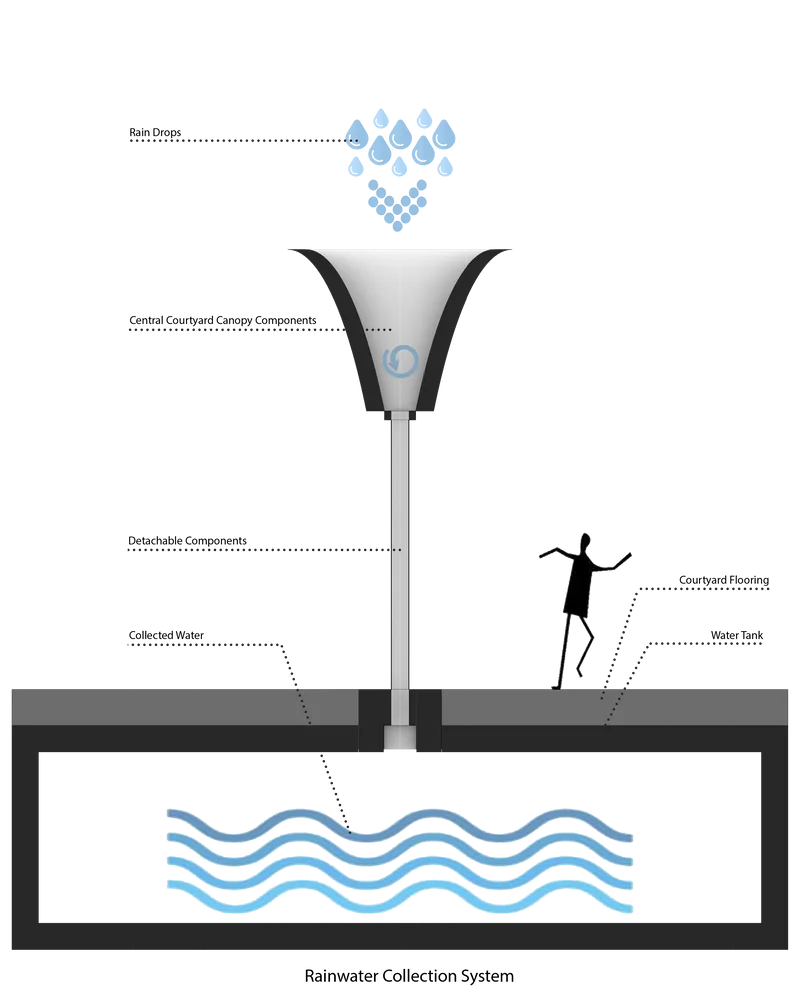 Figure 6: The pipes are added, the water is being gathered in a tank.
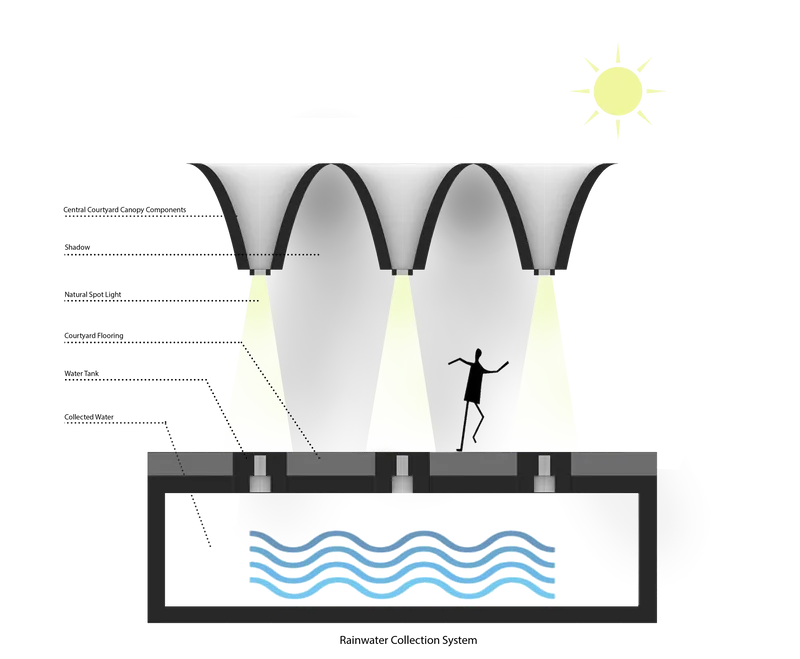 Figure 7: The pipes are removed, the sunlight beams through the roof elements.
There are some holes positioned through the walls and the domes of the construction that work as a Windcatcher, helping with the ventilation and also cooling the weather. Considering the natural ventilation has been one of the most criteria information of the building, that is to say, using the narrow alleys and spatial gathering centres had both climatic and social reasons.
Another method used in this design was the usage of ceiling fans. The electricity required for these fans is generated by the "Pavegen tiles". Pavegen's tiles are electro-magnetic. The top surface is made partly from recycled materials (rubber from old truck tyres). Put very simply; the tiles have flywheels beneath them that spin when walked on, producing up to 7W with every footstep (www.thegreenage.co.uk). This way, we can use the electricity produced by these tiles in the building.
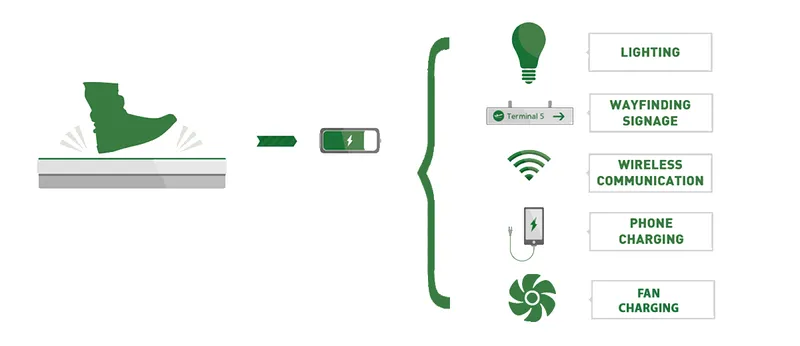 Figure 8: Electricity usage generated by the pavegen tiles.
Considering the sustainable methods used in the design of this building, we can say that this construction can be known as a green building that does not require a lot of energy and also does not harm the environment.



Popular Articles
Popular articles from the community

Temporary Home for Dogs: A Reversed Zoo Rethinks Animal Shelter Architecture
In Bucharest, a sinuous corridor and freed landscape flip the logic of containment, designing a shelter that works to make itself unnecessary.
Extended Shell: Retrofitting Kolkata's Balconies as Living Urban Thresholds
A modular retrofit system recovers the social and environmental intelligence of Kolkata's historic verandas for contemporary Park Street residents.

Singing Woman: An Opera House That Performs Before the Curtain Rises
Ovidiu Cristian Pavel's conceptual opera house translates Estonia's choral identity into a sculpted waterfront landmark facing the Baltic Sea.

The Amber Palace Opera: A Geological Fiction Surfaces on Tallinn's Baltic Waterfront
Pierre Brillard reimagines a Baltic legend as a public landscape, opera house, and waterfront promenade rooted in Tallinn's coastal identity.

Similar Reads
You might also enjoy these articles
The Rhythm of Seasons
A Farmers' Market Connecting Nature and the City

More Than a Building-Designing a Living System
More Than a Building-Designing a Living System
Base Beyond
DESERT COMPOUND ARID: TOURISM OF ABSENCE AND ABUNDANCE

Explore Green Oasis Competitions
Discover active competitions in this discipline


Comments (0)
Please login or sign up to add comments
No comments yet. Be the first to comment!