

NARRATIVE POEM OF THE SECOND ELEMENT
Around the oil drilling platform, we have carried out a series of thinking and transformation.

01 Concept
As such structures in offshore settlements, offshore drilling platforms form an extremely vivid image of industrial heritage cases due to their strong visual and sensory impact. The design will transform an abandoned oil rig into a museum. Oil rigs act like an "intermediary" concept of land-sea connectivity, resulting in a smooth shift in function and space. In this way, water and sea have become the main theme of the water museum, making it focus on forming a three-level relationship: the deep sea is far away, the Mediterranean Sea is adjacent and the Adriatic Sea is near.
02 Design methodology
First: museums
The second element of this design theme refers to the element of water in the ancient Greek theory of the composition of the world. Some philosophers advocate that water is the source of all things, constructing all things, symbolizing the richness and purification of life. The narrative poem derived from the element of water not only represents the entry into the building itself from the perspective of water. In this design, you describe the extraction of oil from seawater, the treatment of oil and gas pollution in seawater, and the evacuation of oil well equipment, a series of ideas about the relationship between man and the ocean in mutual dispossession. According to Christianity, square symbols symbolize individuals. The shell form of the Museum Road residence is shaped according to the connotation of stacking, separating and dissolving, representing the relationship between man and the sea, from being close to the sea to being close to the sea and then away from the sea. The emergence of the museum also implies a deconstructed monument, which not only contains the ecological reflection of the building on the surrounding sea, but also the internal space is like the narrative story on the monument, showing people the story of space. At the same time, the building concept also includes the concept of the use and recycling of new energy. Only in this way can the biota above the waves and below the currents be enriched for generations, reflecting the original intention of the architectural design.
Second: residential
If the design of the museum alludes to the past and the present, then the residence represents the future of humanity. The scattered neighborhoods reunited by bridges. The house conveys the concept of community, and green plants are planted on the roof, representing new life and light. Short-term housing for artists, students, marine biology researchers and refugees. One can view the residential area through the four floors of the museum, looking into the future as if looking at the sea.
Third: the pier
There is an outdoor corridor behind the pier. After disembarking, visitors can choose to go to a museum or residential area. The width of the pier and corridor is about 1.5m~3.5m. The pier stands above sea level, halfway between the residence and the museum. The design is a somatosensory device designed to provide visitors with visual tactile and other ways to experience the gap between people and the ocean in corridors and devices. In this experience of "variability", we can not only feel the unique environmental experience, but also experience deeper problems.

Popular Articles
Popular articles from the community

Tsunami Convergenics: Turning Catastrophic Ocean Forces into Underwater Housing Infrastructure
A speculative underwater settlement off the coast of Onagawa, Japan, treats tsunamis and typhoons as energy sources rather than threats.

Cloaked Colonization: A Mobile Underwater Habitat That Moves Like a Fish
Micah Abaya's shortlisted EHC Pacific entry reimagines ocean settlement as a dispersed network of self-sustaining architectural organisms.

Temporary Home for Dogs: A Reversed Zoo Rethinks Animal Shelter Architecture
In Bucharest, a sinuous corridor and freed landscape flip the logic of containment, designing a shelter that works to make itself unnecessary.

The Amber Palace Opera: A Geological Fiction Surfaces on Tallinn's Baltic Waterfront
Pierre Brillard reimagines a Baltic legend as a public landscape, opera house, and waterfront promenade rooted in Tallinn's coastal identity.

Similar Reads
You might also enjoy these articles

The Rhythm of Seasons
A Farmers' Market Connecting Nature and the City

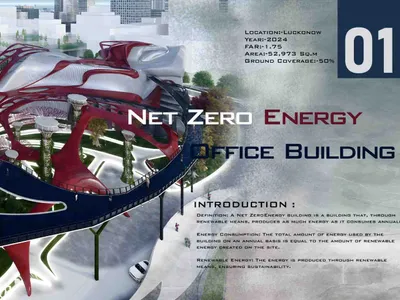
More Than a Building-Designing a Living System
More Than a Building-Designing a Living System
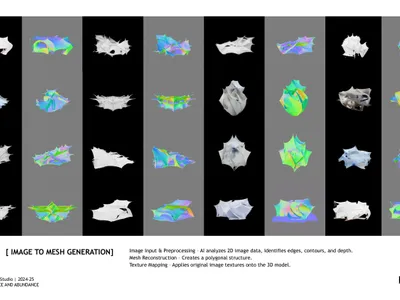
Base Beyond
DESERT COMPOUND ARID: TOURISM OF ABSENCE AND ABUNDANCE

Explore Poetic Architecture Competitions
Discover active competitions in this discipline


Challenge to reimagine the Iron Throne

Photograph architecture without architects

Illustrate the lost glory of Angkor Wat - Render Challenge

Design challenge to reuse E-waste
Comments (0)
Please login or sign up to add comments
No comments yet. Be the first to comment!