
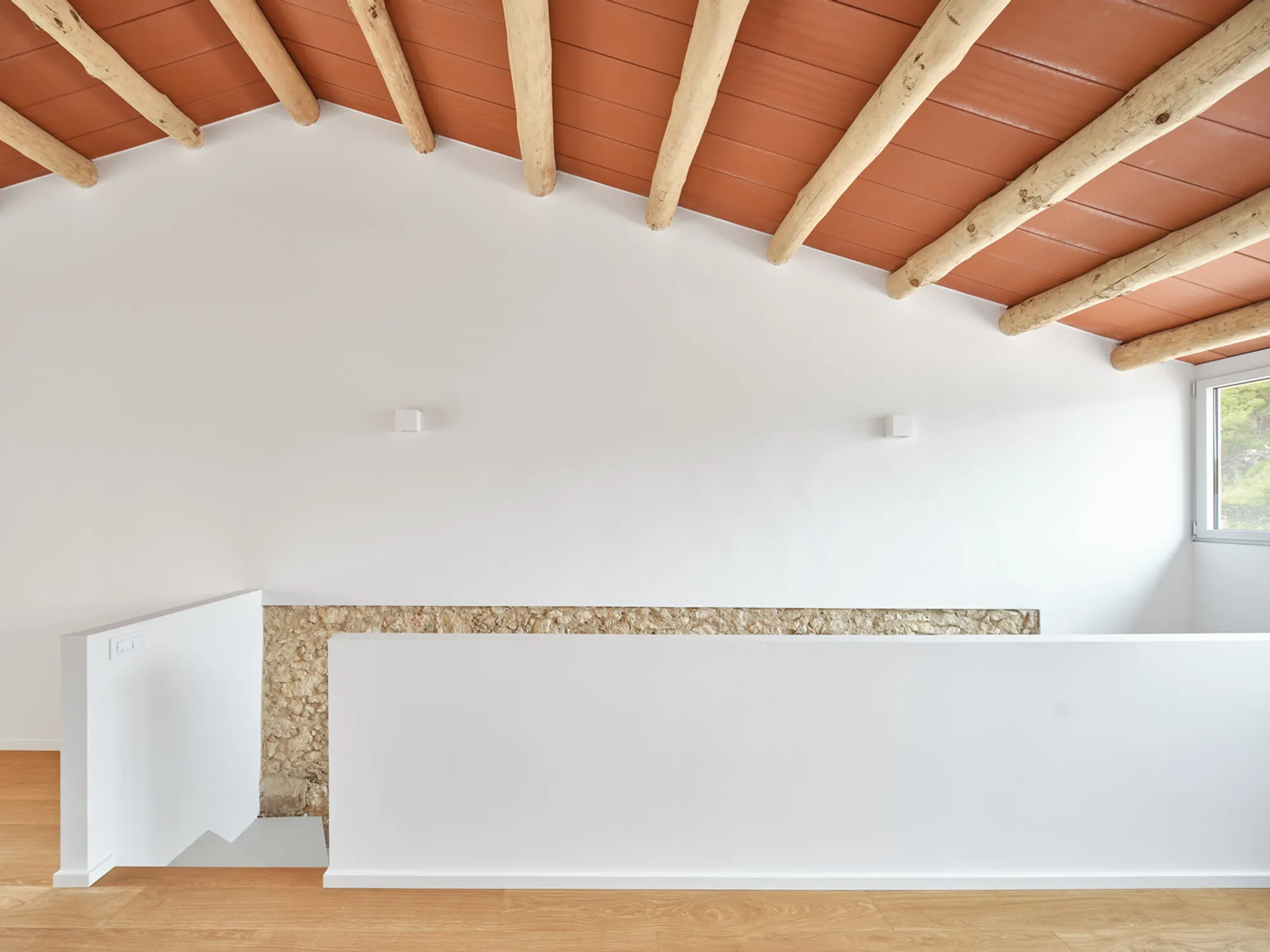
Narrow House Renovation: House of Pipu and Marta by Menhir Arquitectura
A poetic and sustainable narrow house renovation transforming a 3.5-meter-wide plot into a spatially rich urban sanctuary in Spain.


A Creative Renovation of a 3.5-Meter-Wide Urban Dwelling in Spain
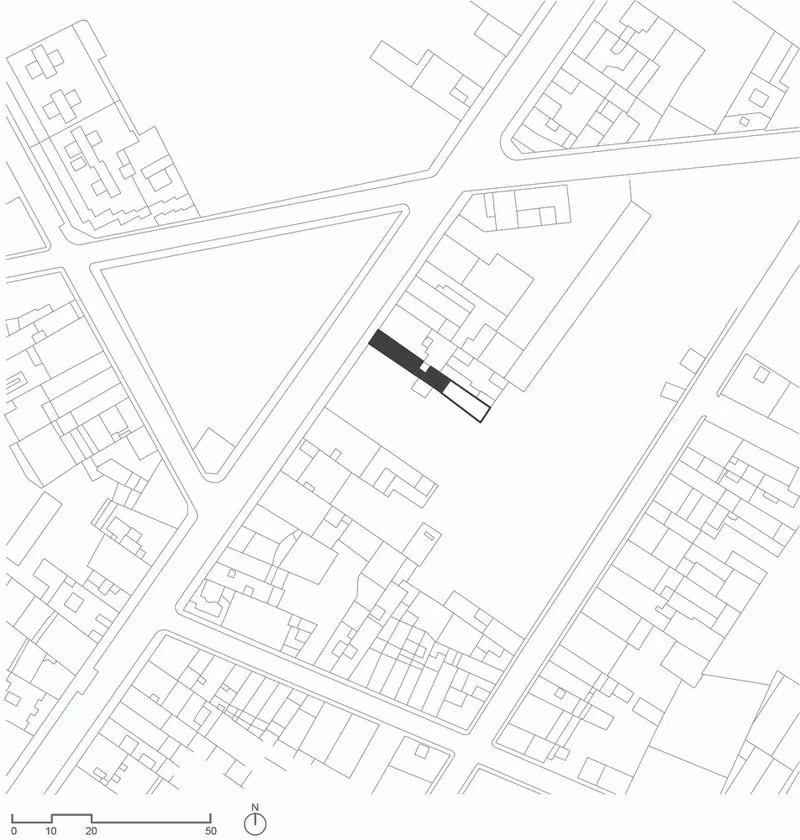
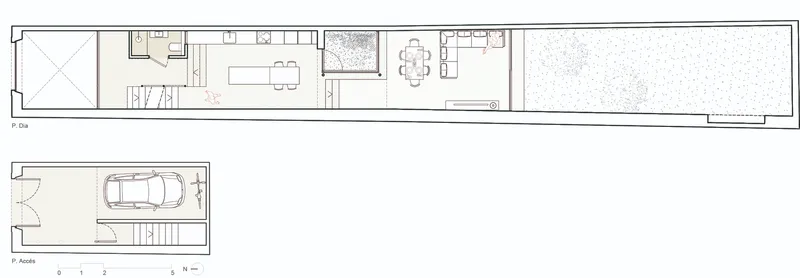
Nestled in the historic heart of Vilafranca del Penedès, Spain, the House of Pipu and Marta by Menhir Arquitectura is a striking example of how a narrow house renovation can breathe new life into a compact urban plot. Measuring just 3.5 meters in width and 35 meters in length, the property posed a spatial challenge transformed into architectural opportunity through strategic intervention, sectional planning, and preservation of original materials.
Sectional Architecture that Elevates Spatial Flow
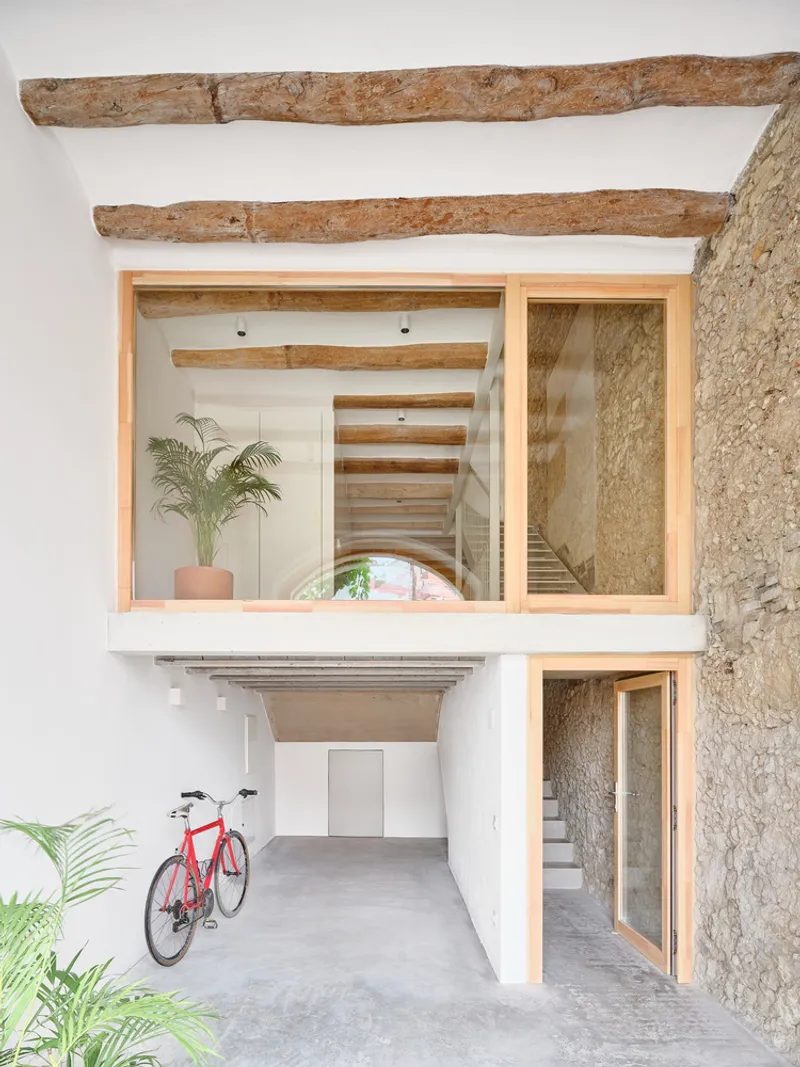
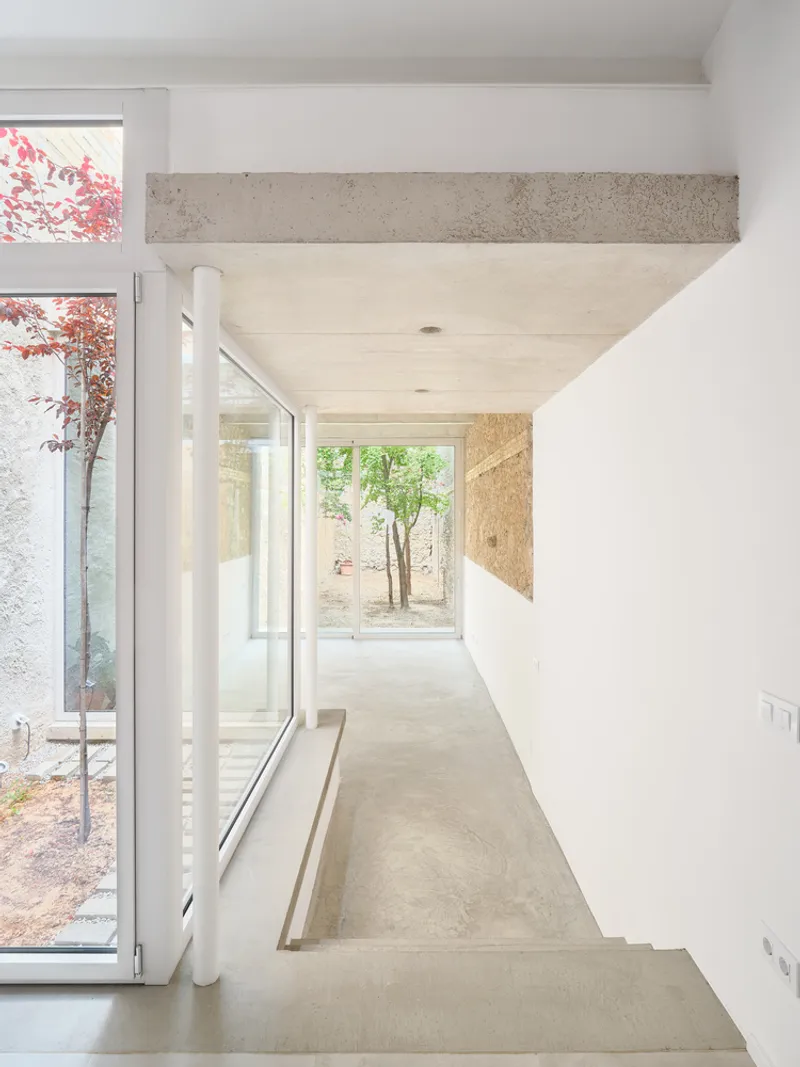
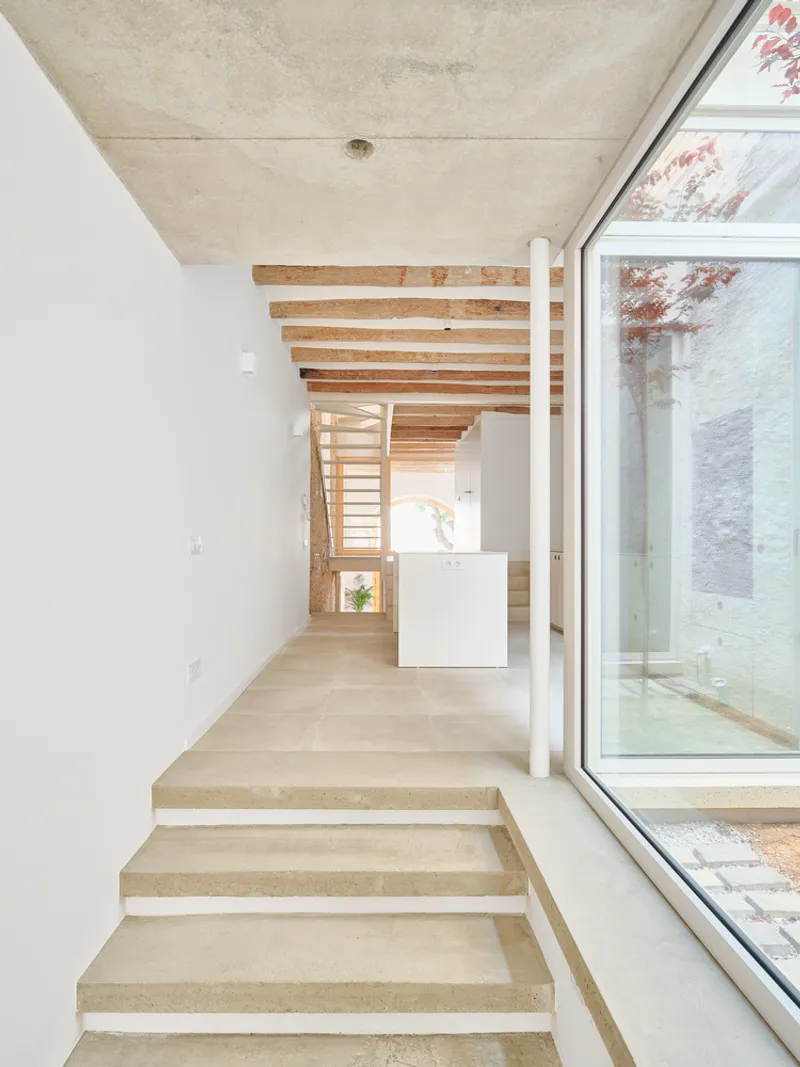
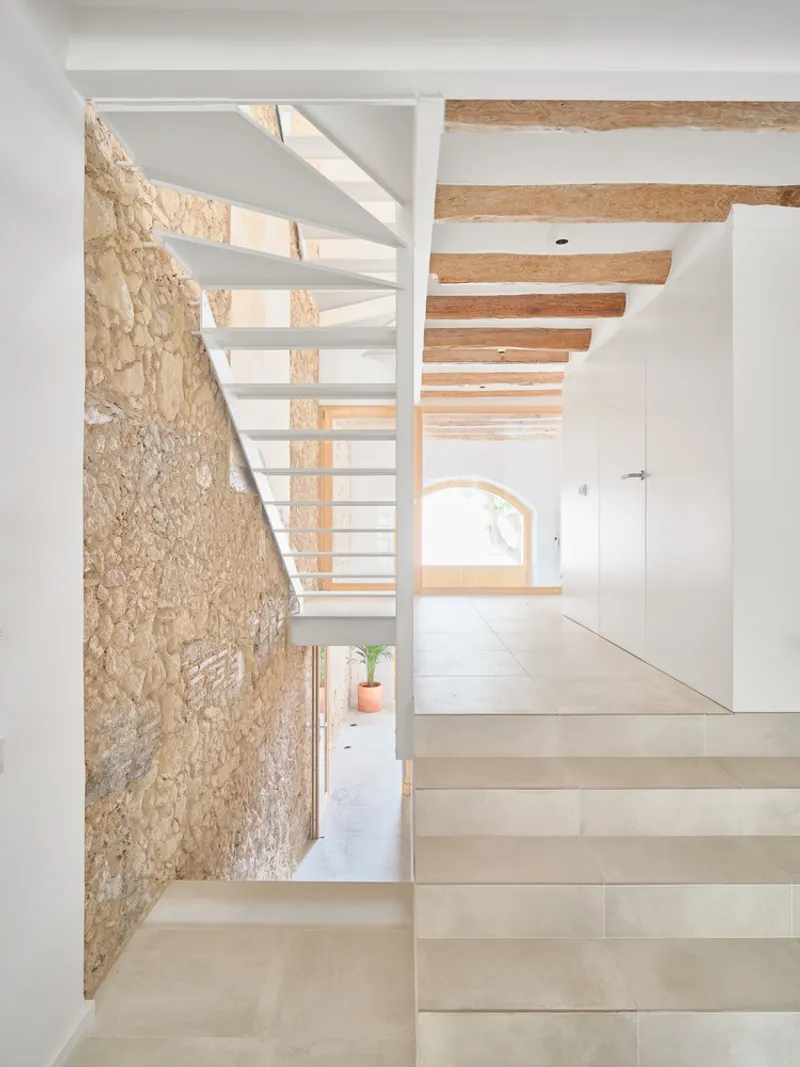
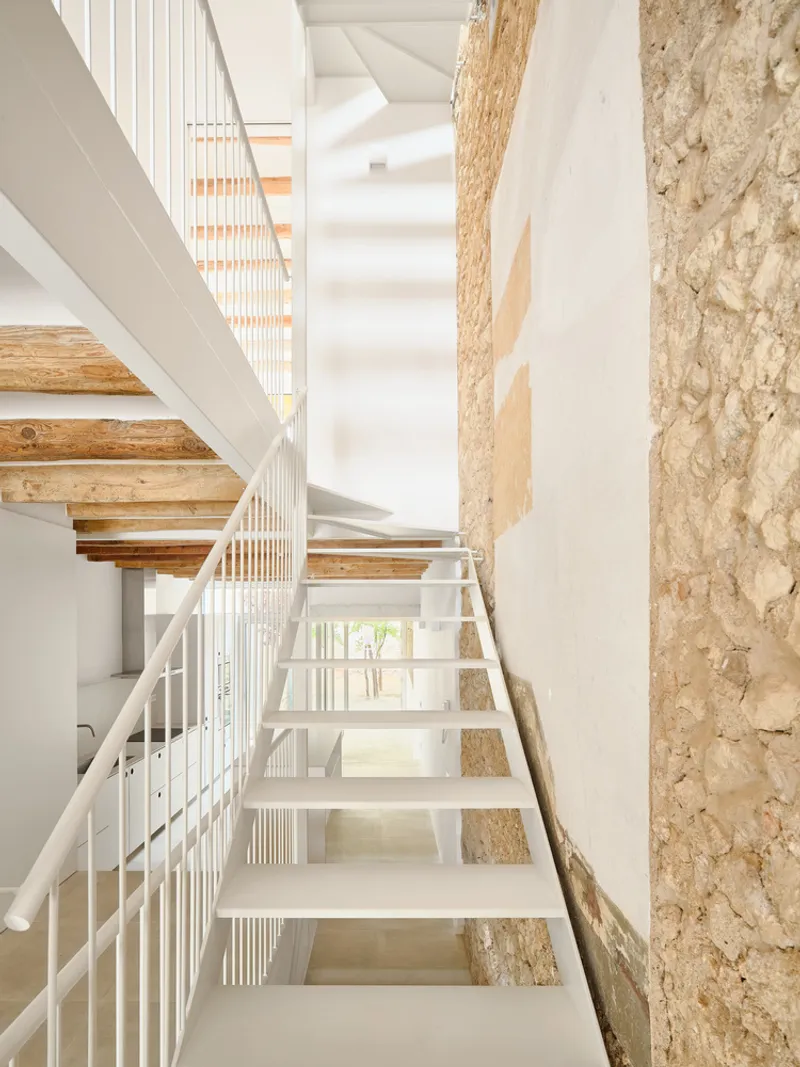
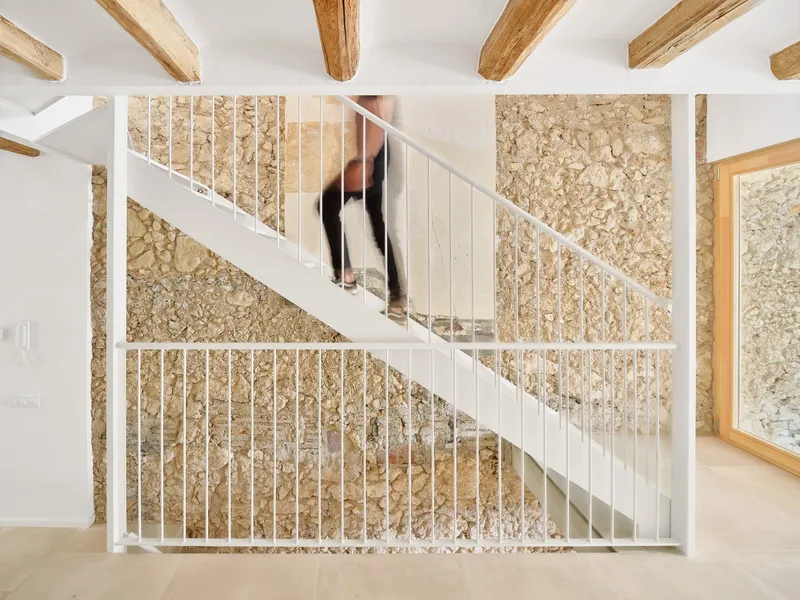
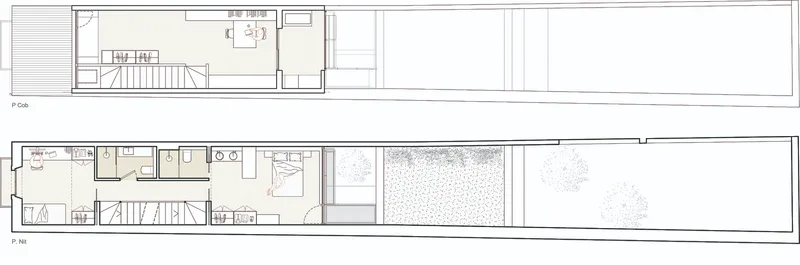
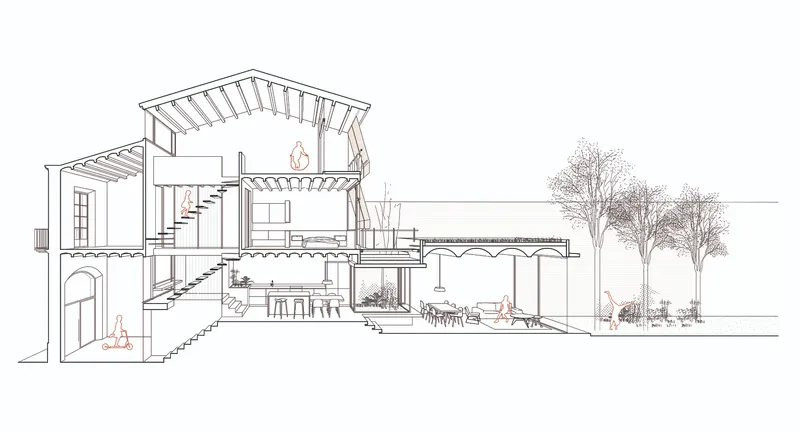
Originally comprising a ground floor, mezzanine, first floor, and attic, the existing structure offered limited ceiling heights and irregular levels. Menhir Arquitectura responded with a sectional approach—each space assigned a unique elevation—creating a cascading sequence of rooms. This deliberate layering allows the home to flow between communal and private areas while embracing vertical and horizontal circulation.
Seamless Integration of Old and New
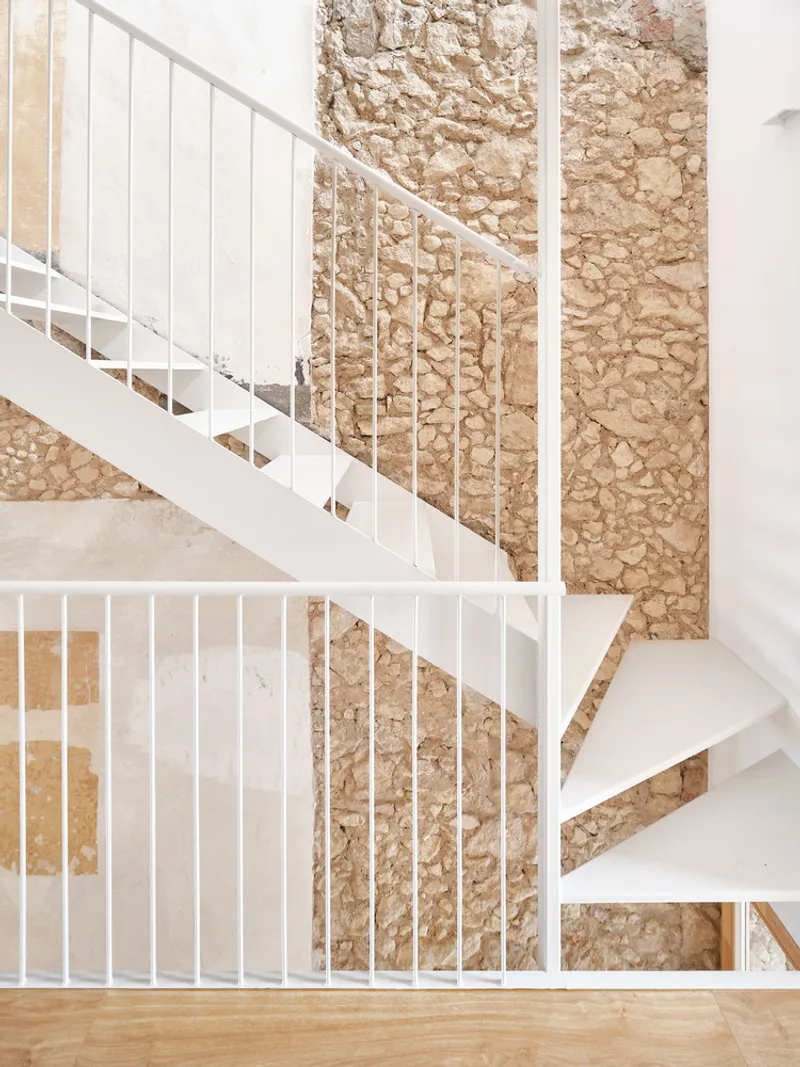
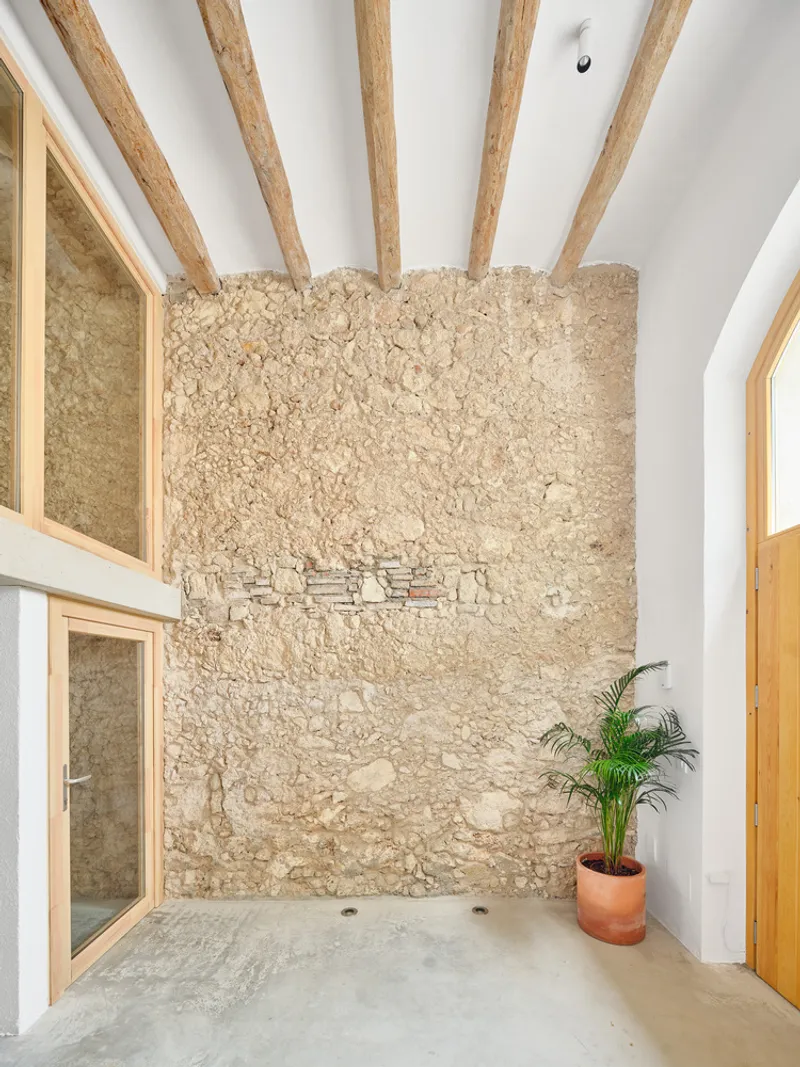
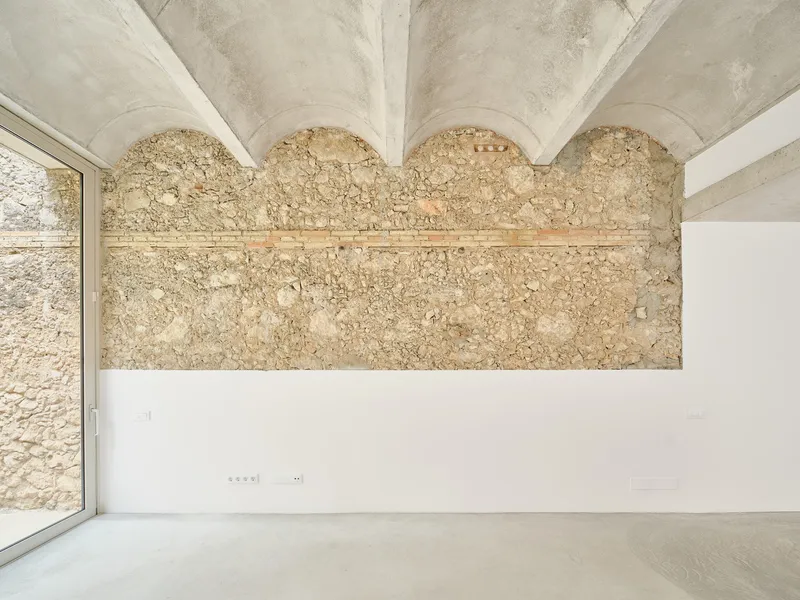
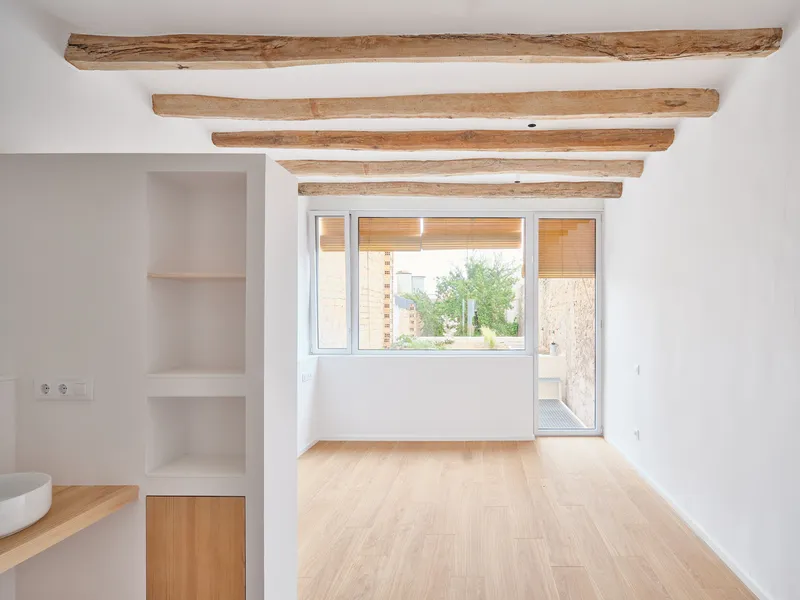
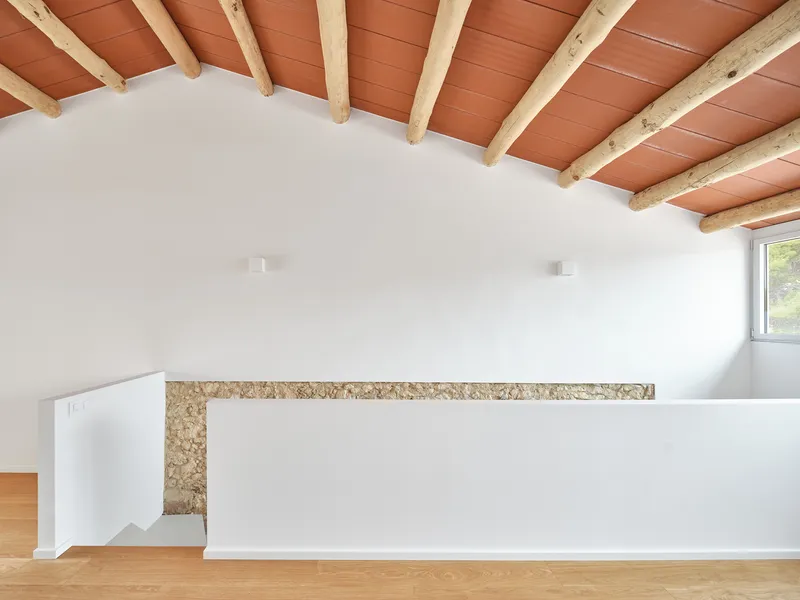
Only the street-facing facade, key structural slabs, and the robust party walls were retained, meticulously dismantled, and restored. The restoration emphasizes texture and material honesty, enhancing the home’s identity through its heritage fabric. Stone party walls are left exposed throughout, offering a tactile journey from the entrance to the attic, while the new interventions integrate seamlessly into the old footprint.
Garden Living: A Pavilion Immersed in Nature
At the rear, a high-walled patio garden defined by mature mulberry trees becomes the heart of the home. The living room is relocated here, encased in glass, and topped by a monolithic concrete slab roof. This new pavilion is subtly detached from the original structure by an intermediate courtyard, creating a moment of transition and planting one of the original mulberry trees as a symbol of continuity.
Green Roof and Private Terraces
The roof of the garden pavilion is transformed into a green rooftop terrace, offering direct access from the main bedroom and reinforcing the vertical integration of nature. This private retreat merges sustainable design with thoughtful architecture, providing outdoor living within the confines of an urban envelope.
Passive Solar Design and Efficient Climate Control
With a southeast-facing glass facade, the house is designed to maximize passive solar gain in winter while utilizing traditional Alicante shutters and the mass of the party walls for summer shading. Energy efficiency is further ensured through underfloor heating powered by an aerothermal system, while careful attention to thermal insulation, airtight detailing, and bridge-free construction enhances environmental performance.
An Urban Sanctuary of Architectural Precision
More than a renovation, the House of Pipu and Marta exemplifies how narrow urban dwellings can be reimagined through intelligent design, sustainable strategies, and spatial creativity. With its rhythmic transitions, material honesty, and refined detailing, the house becomes a modern sanctuary—where past and present coexist, and every square meter is activated with purpose and beauty.




Popular Articles
Popular articles from the community


Play: Fragments of Their World
Familiar architecture becomes modular playground design, creating safe spaces where displaced children can learn, connect, imagine and play.

The Earth Pod: 3D Printed Homes for Resilient Refugee Communities
The Earth Pod reimagines refugee housing through 3D printed homes made from clay, combining resilience, self-sufficiency, and rapid shelter.

Co-life: Sustainable Architecture for Age-Friendly Community Living
Co-life reimagines sustainable architecture for seniors through courtyards, rammed earth, shared gardens, and spaces designed for belonging.

The Musturak Paradise: Senior Living Architecture for a Connected Future in Temara, Morocco
The Musturak Paradise reimagines senior living architecture in Temara via private homes, social spaces, culture, community, and shared care.


Similar Reads
You might also enjoy these articles


Hodi-Mandai Geram
Project Function: Preservation and revitalization of the Intangible heritage and socio-spatial identity of the Hodi by Housing, Cultural Memory Center, Sacred Grove, landscape, local tourism economy


Olio Towers: A Mid-Rise for Performers That Fuses Housing, Rehearsal, and Stage
Located blocks from Houston's Theater District, this modular tower stacks living units around a central performance atrium.

Oasis: Modular Green Housing Carved into Dhaka's Urban Fabric
A shortlisted Plugin Housing entry reclaims unauthorized settlements in Dhaka with stepped concrete volumes, green roofs, and ventilation-driven design.

Black Hole: A Floating Megastructure for the Post-Physical Era
Emiliano Mazzarotto envisions a spherical, self-scaling arena where e-sports, digital hotels, and holographic stadiums replace traditional public space.


Explore Architecture Competitions
Discover active competitions in this discipline



Challenge to reimagine the Iron Throne


Photograph architecture without architects


Illustrate the lost glory of Angkor Wat - Render Challenge


Design challenge to reuse E-waste
Comments (0)
Please login or sign up to add comments
No comments yet. Be the first to comment!