
Narrow Timber Cabin Design: The Cabin of Sails by Advanced Architecture Lab + Wiki World
An ultra-narrow timber cabin in Wuhan reconnects residents with nature through minimalist design, sustainable construction, and spatial intimacy.


A Minimalist Retreat Rooted in Nature and Innovation
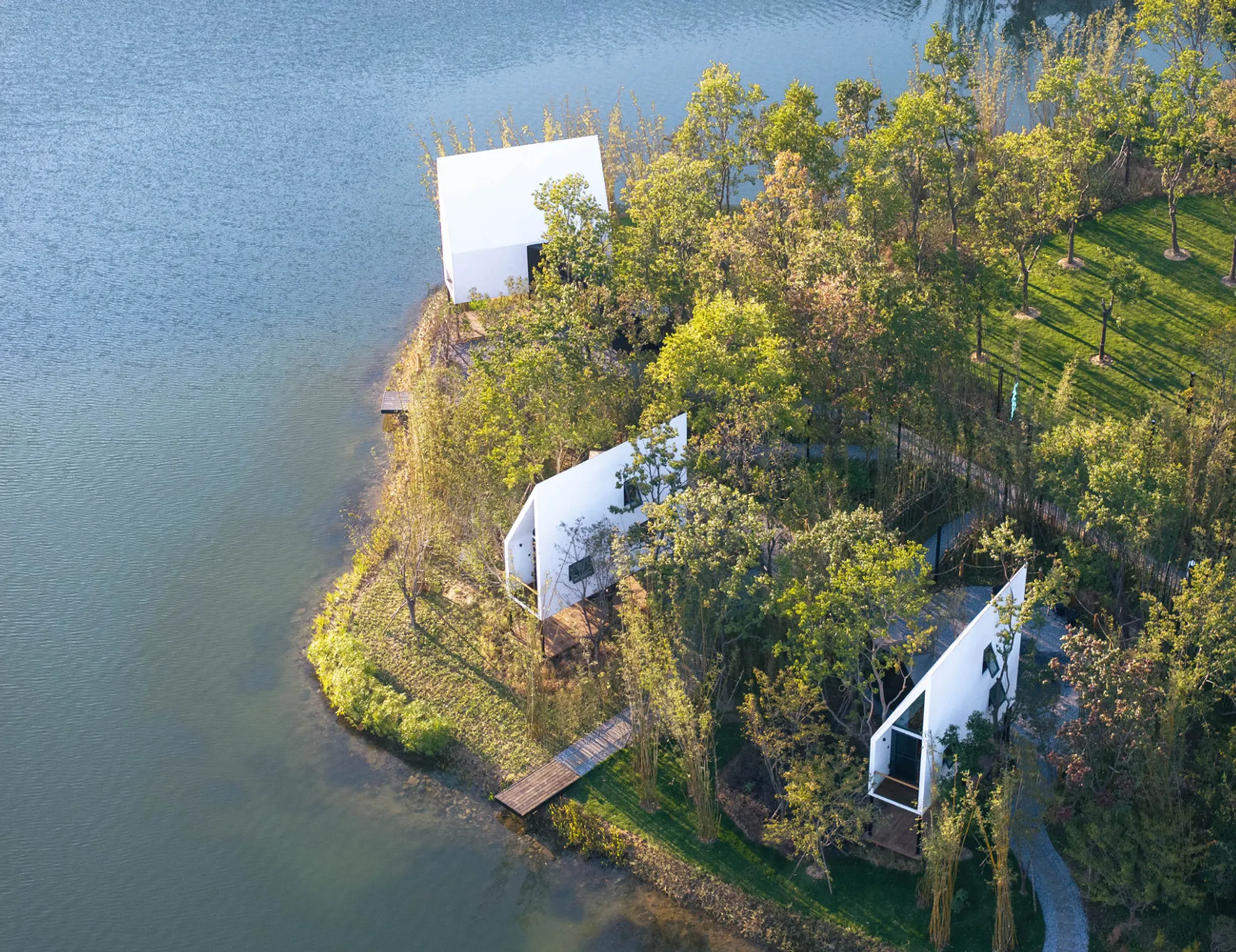
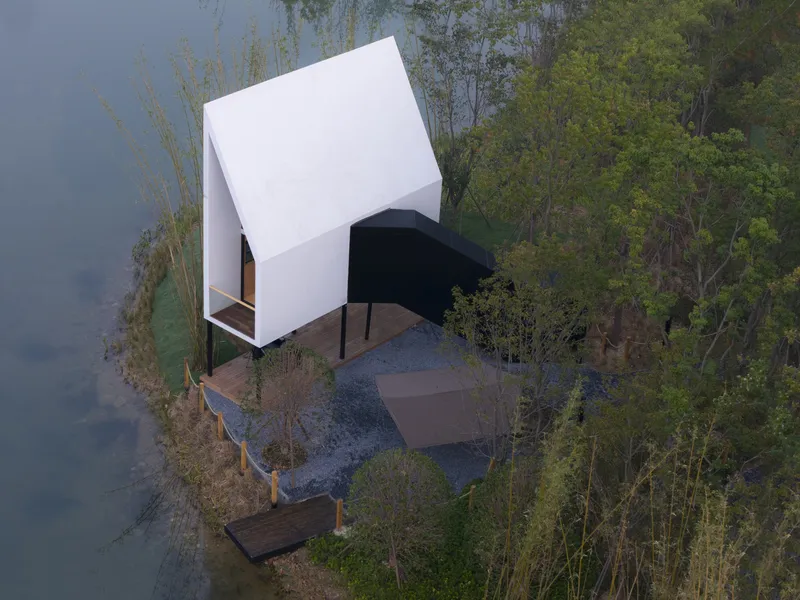
The Cabin of Sails, designed by Advanced Architecture Lab in collaboration with Wiki World, is a groundbreaking architectural project located in Wuhan Ganlushan Culture Creativity City, China. Completed in 2024, this 80 m² cabin represents a bold experiment in minimalist living and sustainable timber construction. Positioned within a vast cultural and tourism complex, the cabin aims to create an isolated, intimate spatial experience that reconnects people with nature through the radical idea of extreme narrowness—a home only two meters wide.
Conceptual Inspiration: Sailing as a Metaphor for Shelter
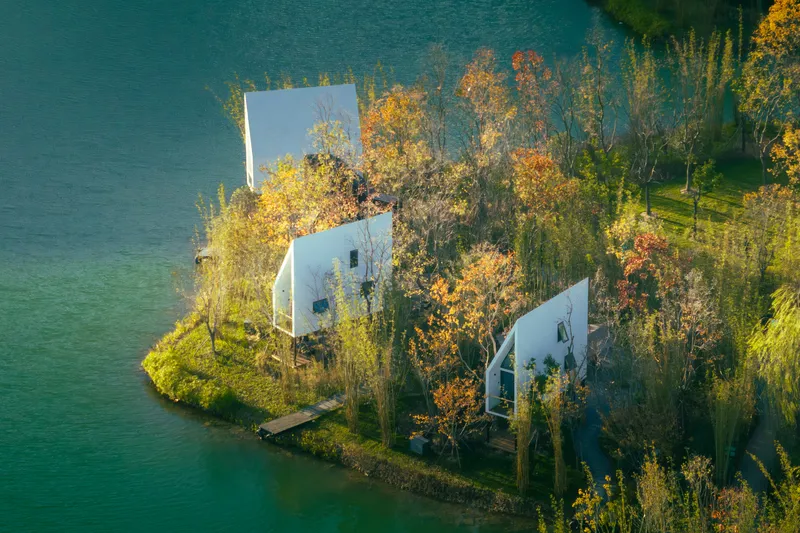
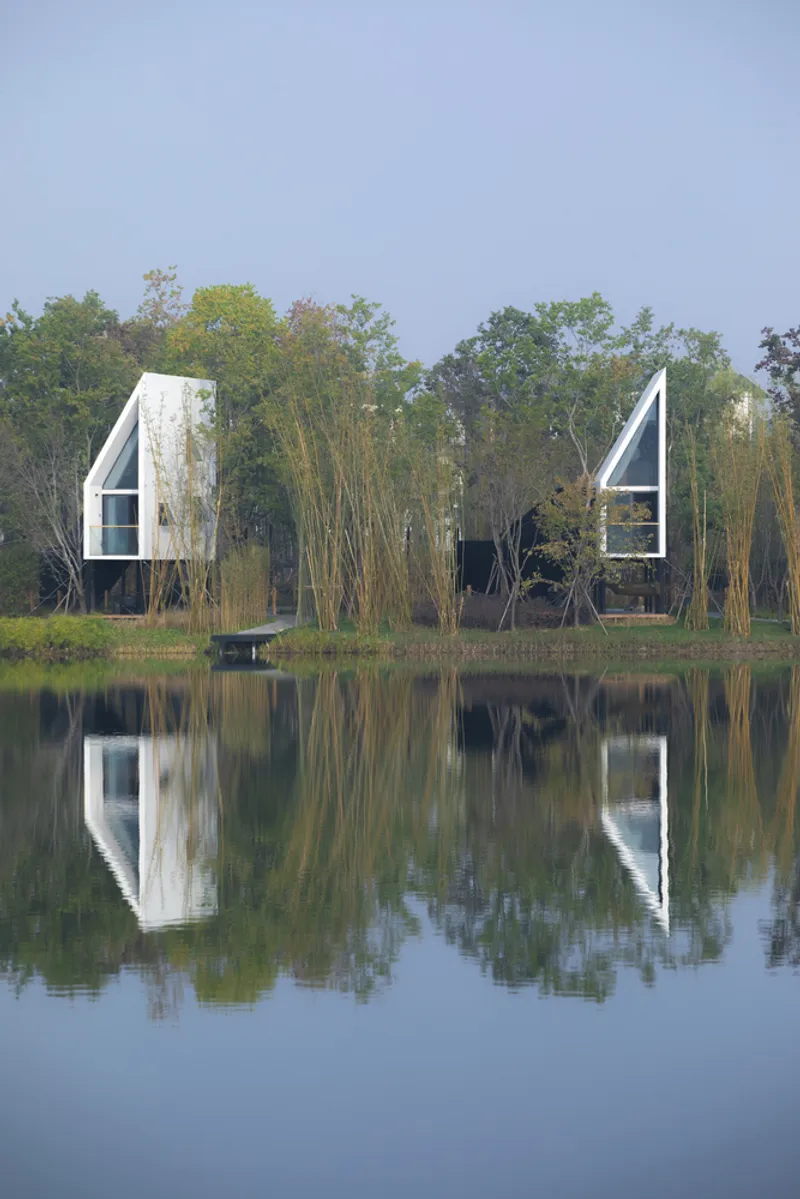
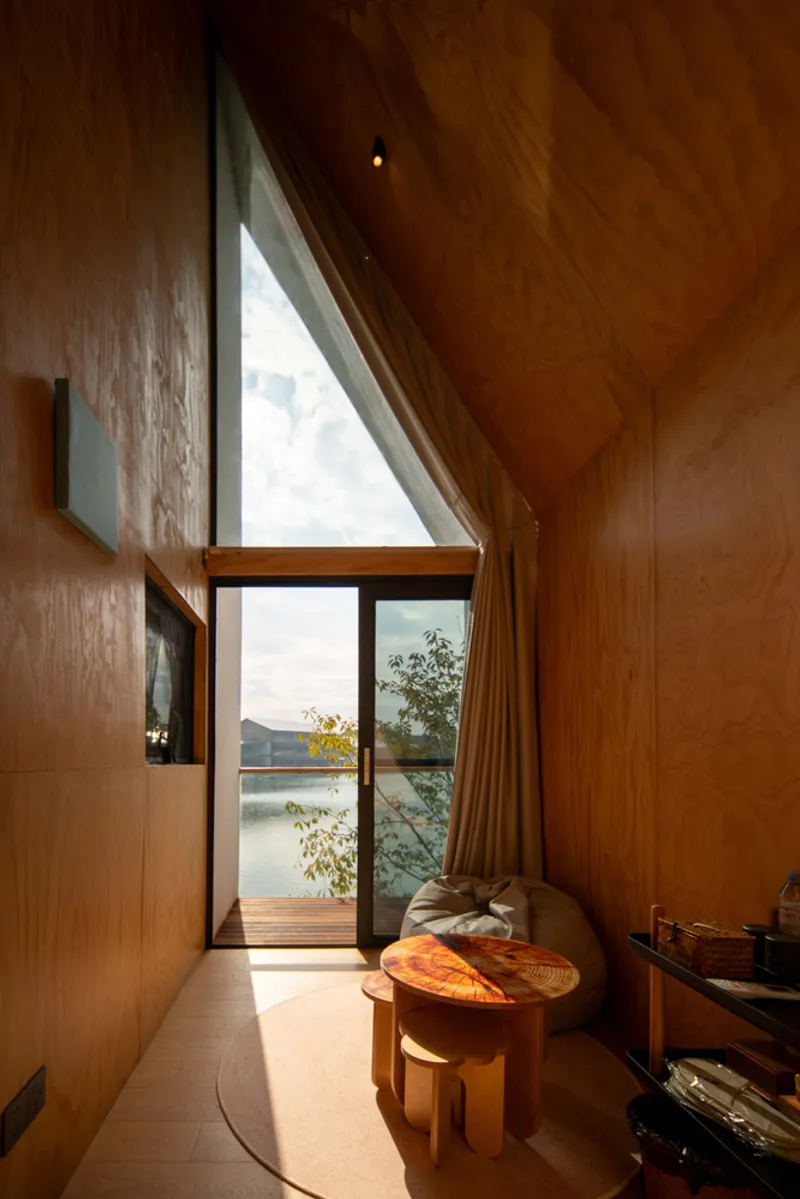
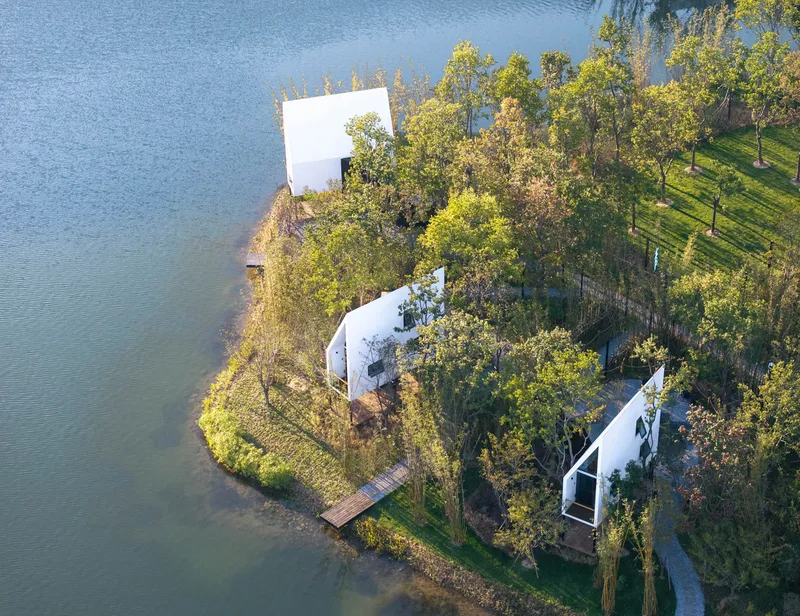
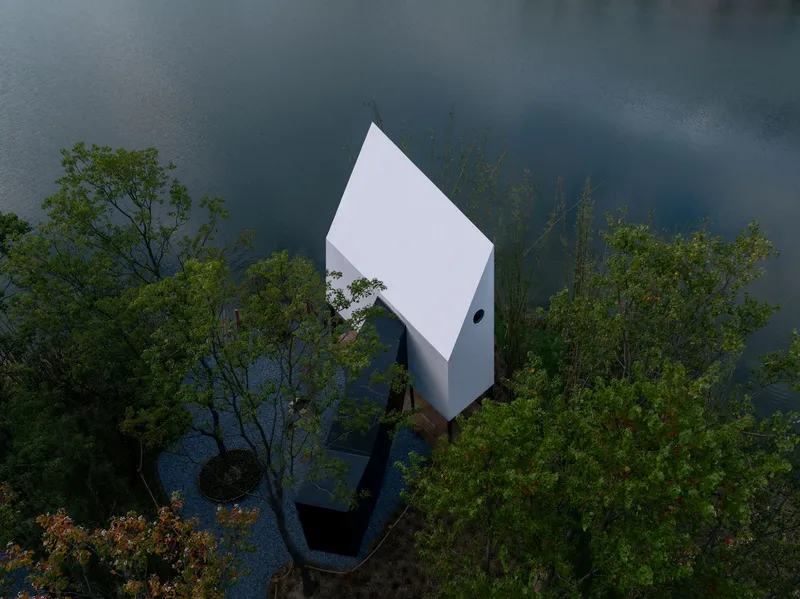
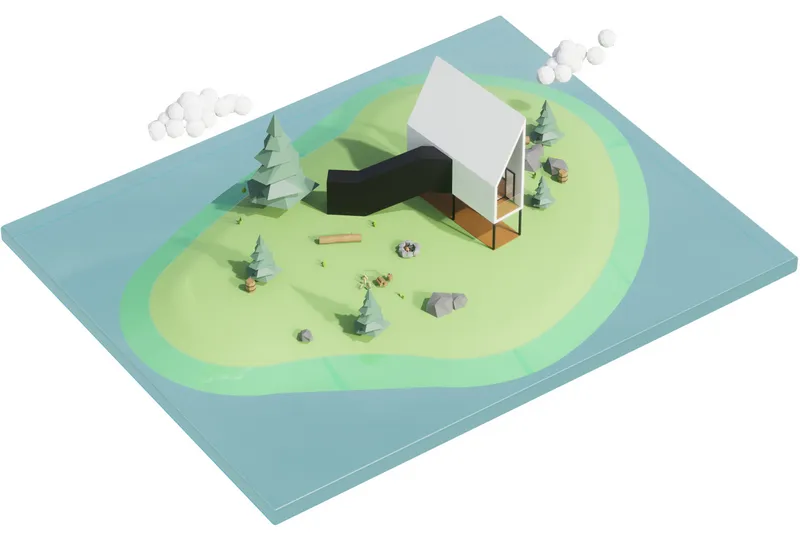
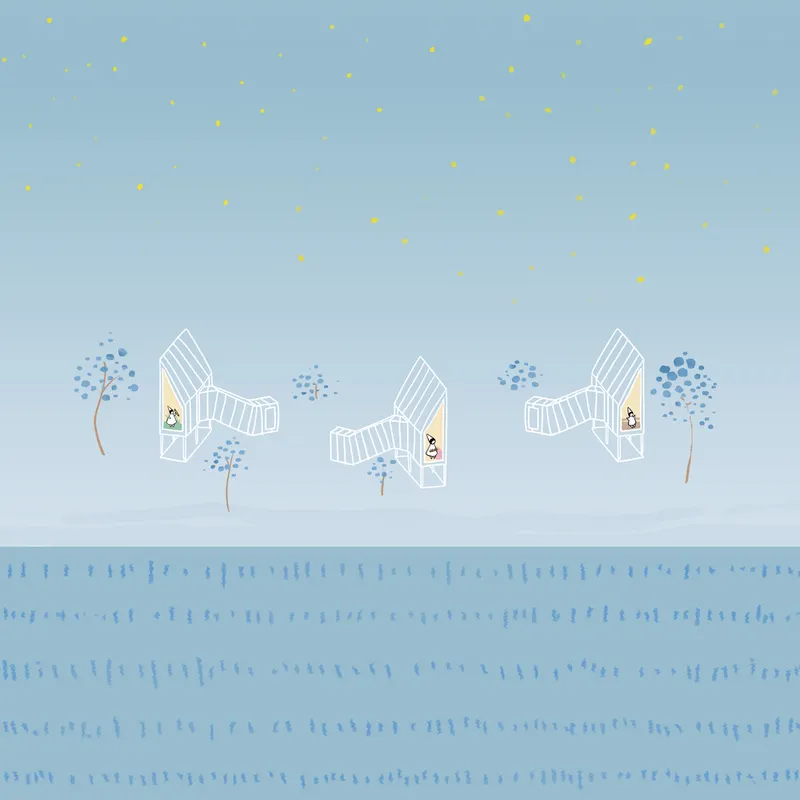
Inspired by the imagery of a sailboat mooring on a secluded island, the architects envisioned a slender, ultra-thin cabin that floats above the ground like a sail in the sky. The narrow form echoes the width of a double bed, challenging conventional notions of residential space while celebrating simplicity and closeness to natural elements. The sail-shaped wooden cabin shelters a spacious terrace beneath, inviting occupants to experience the wind, water, and horizon in an immersive way.
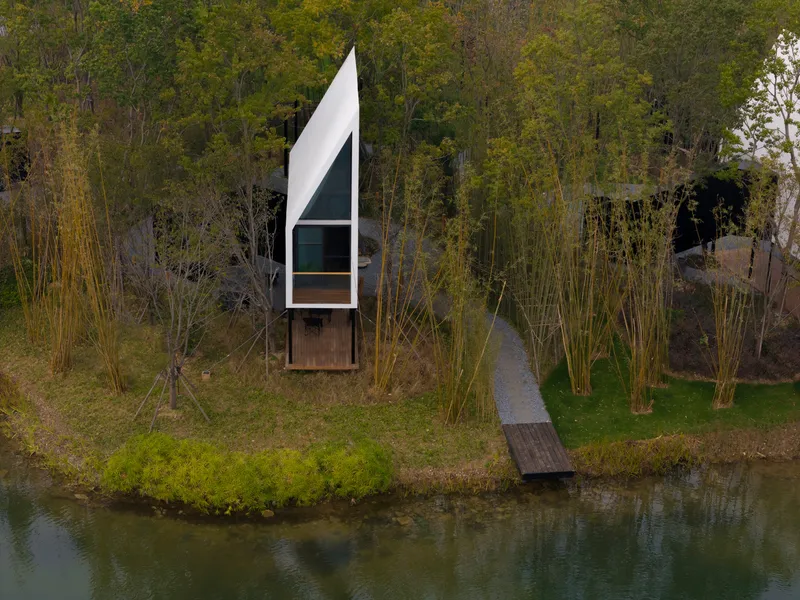
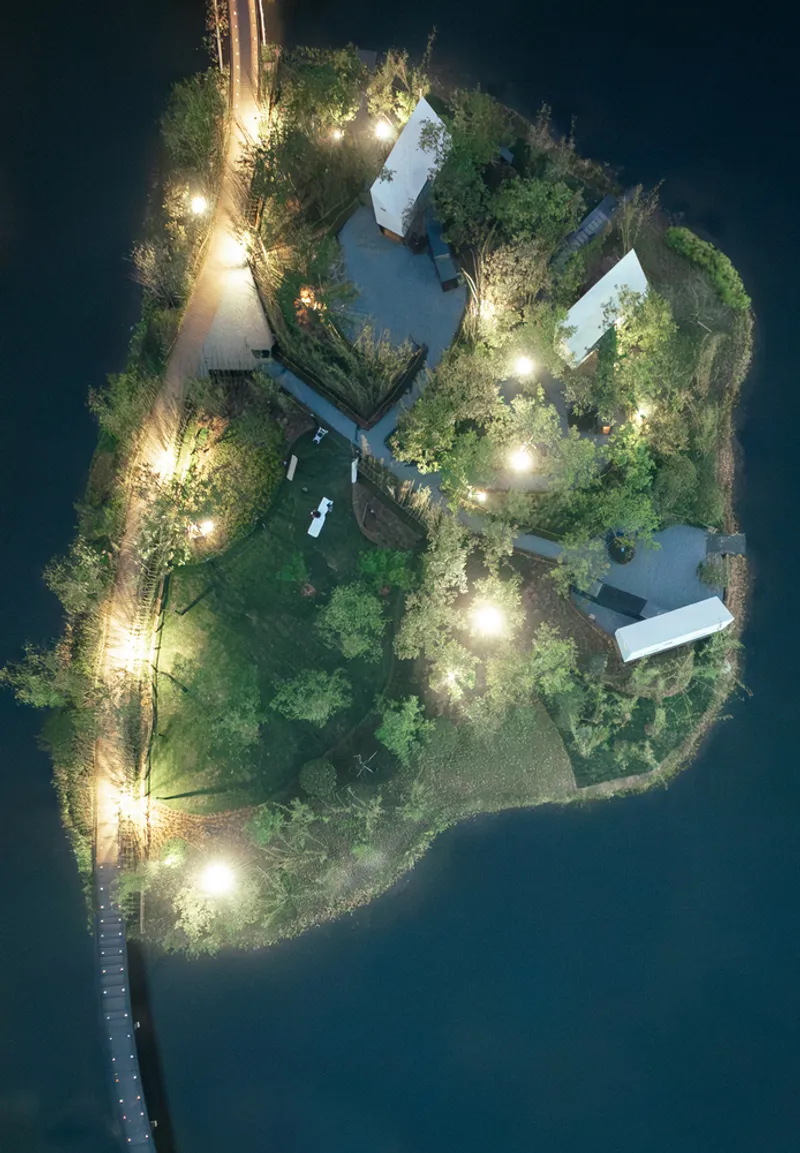
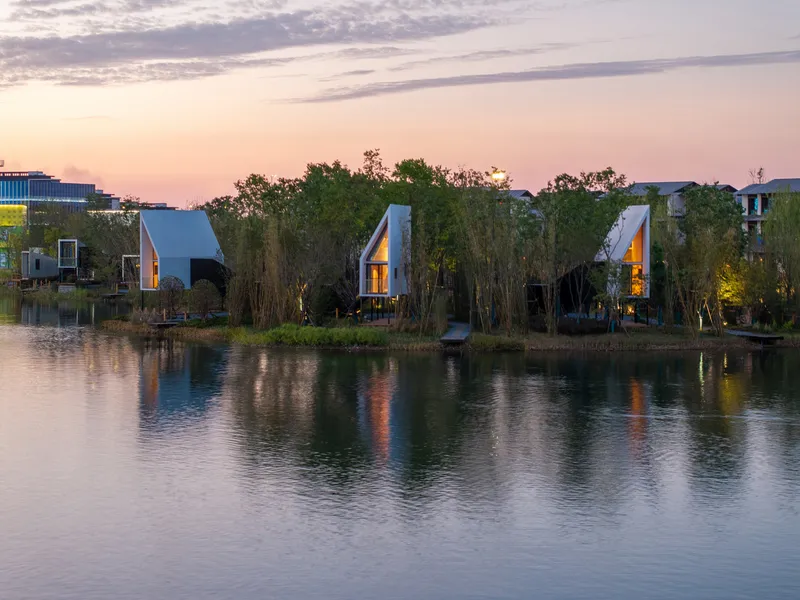
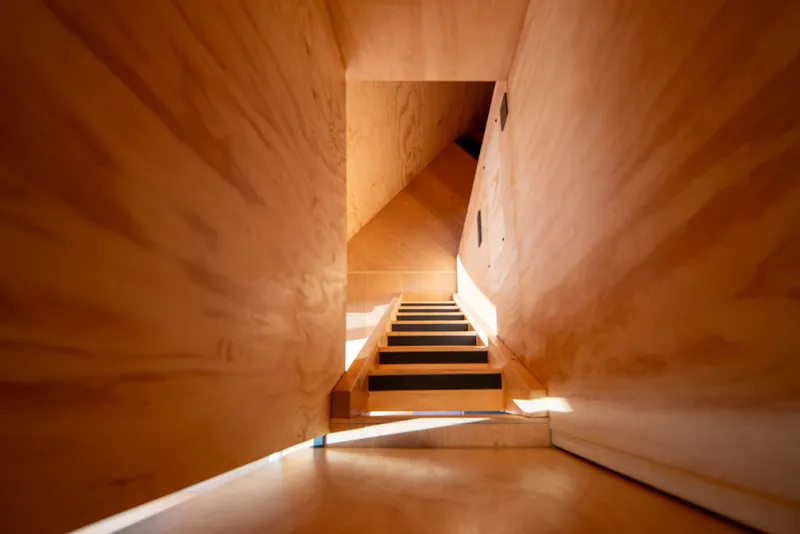
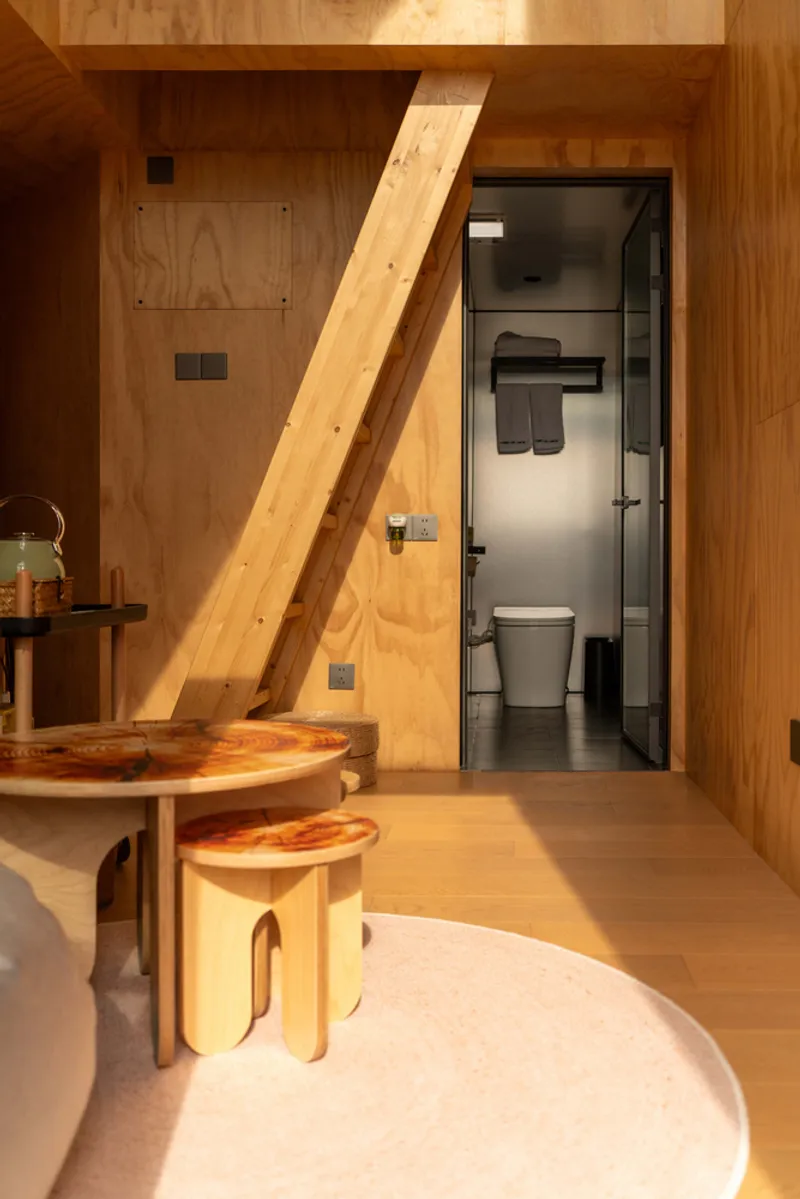
Access to the cabin is deliberately intimate: visitors cross a dark bridge to enter the slender structure, then ascend a narrow 80-centimeter-wide staircase leading to an open loft bedroom. Each cabin sits on the water’s edge with a private dock, accessible only by boat, emphasizing the sense of isolation and retreat.
A Radical Experiment in Small-Scale Living
The design of The Cabin of Sails is an extreme residential experiment that redefines living behavior in relation to environment and scale. By constraining the living space to just two meters in width, the project emphasizes materiality and sensory experience over spatial abundance. This intentional “smallness” fosters heightened awareness and a closer relationship to the natural world.
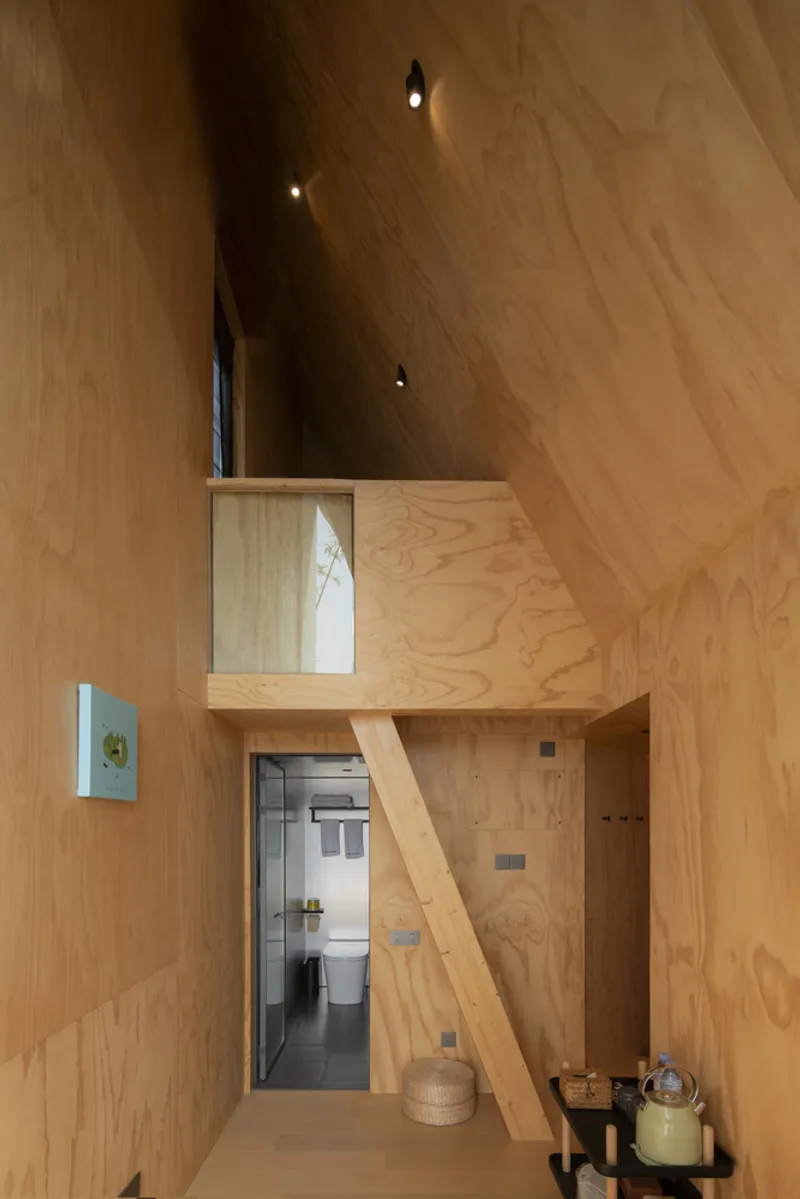
The architects acknowledge the tension between architecture and nature, seeking to minimize intrusion into the woodland by preserving all existing trees and bamboo. The cabins are elevated above the ground on slender supports, allowing the forest floor and natural textures to remain untouched. No artificial landscaping or walls interrupt the native ecosystem.
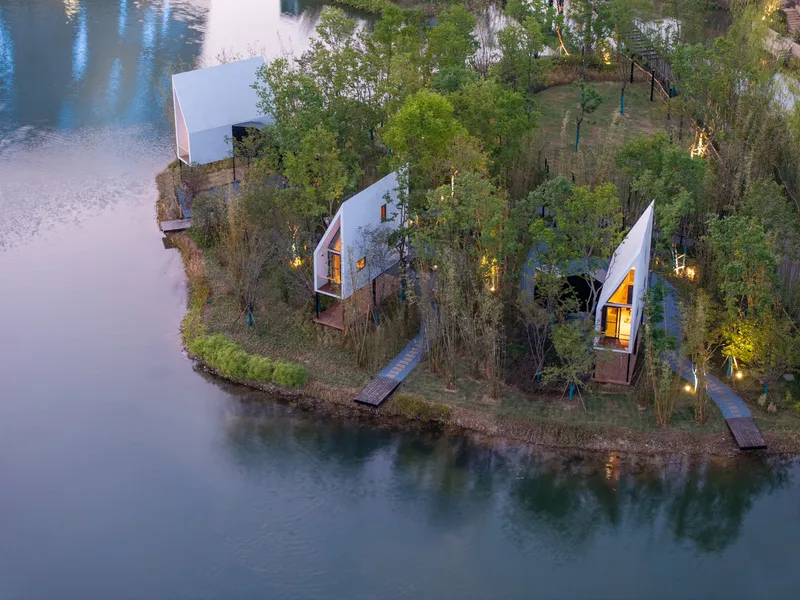
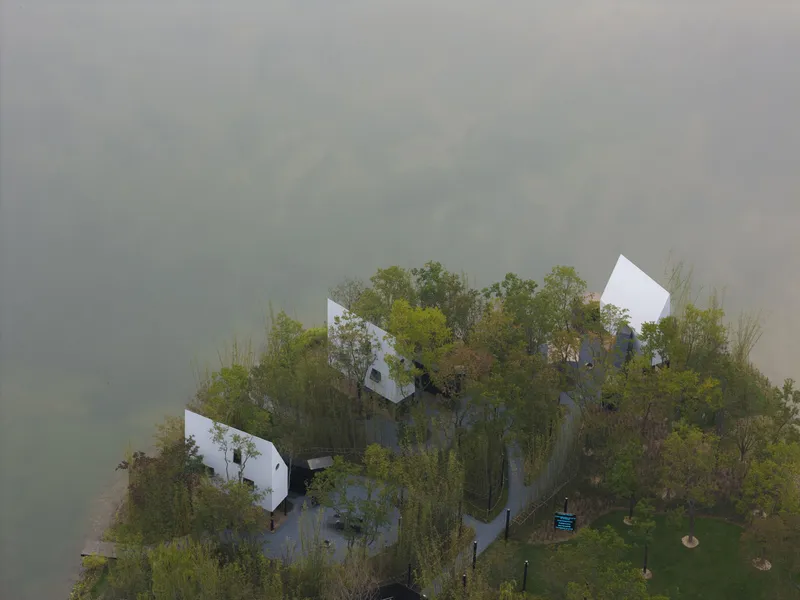
Advanced Timber Construction and Prefabrication
The cabin’s structure is realized entirely through a glued timber system, with digitally designed and custom-fabricated components and joints that allow for 100% prefabrication. This precise assembly method enhances sustainability and efficiency, supporting Wiki World’s philosophy of natural construction.
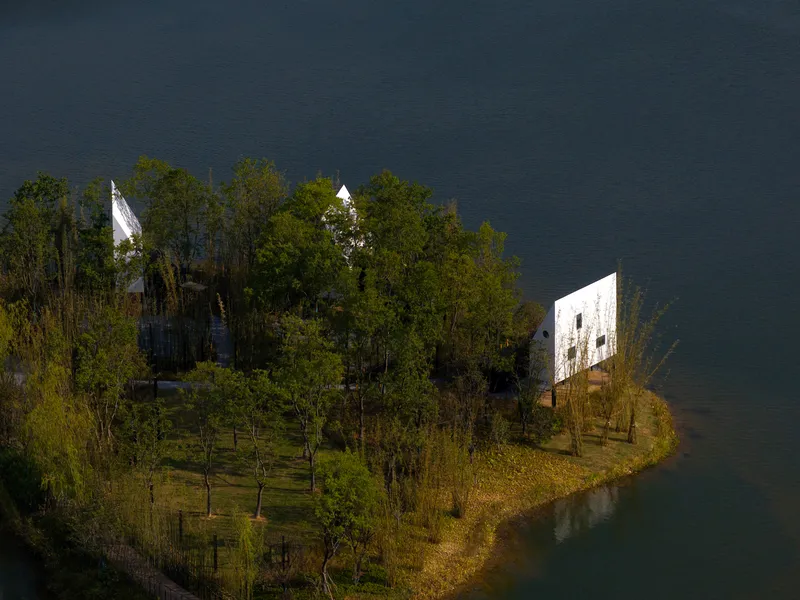
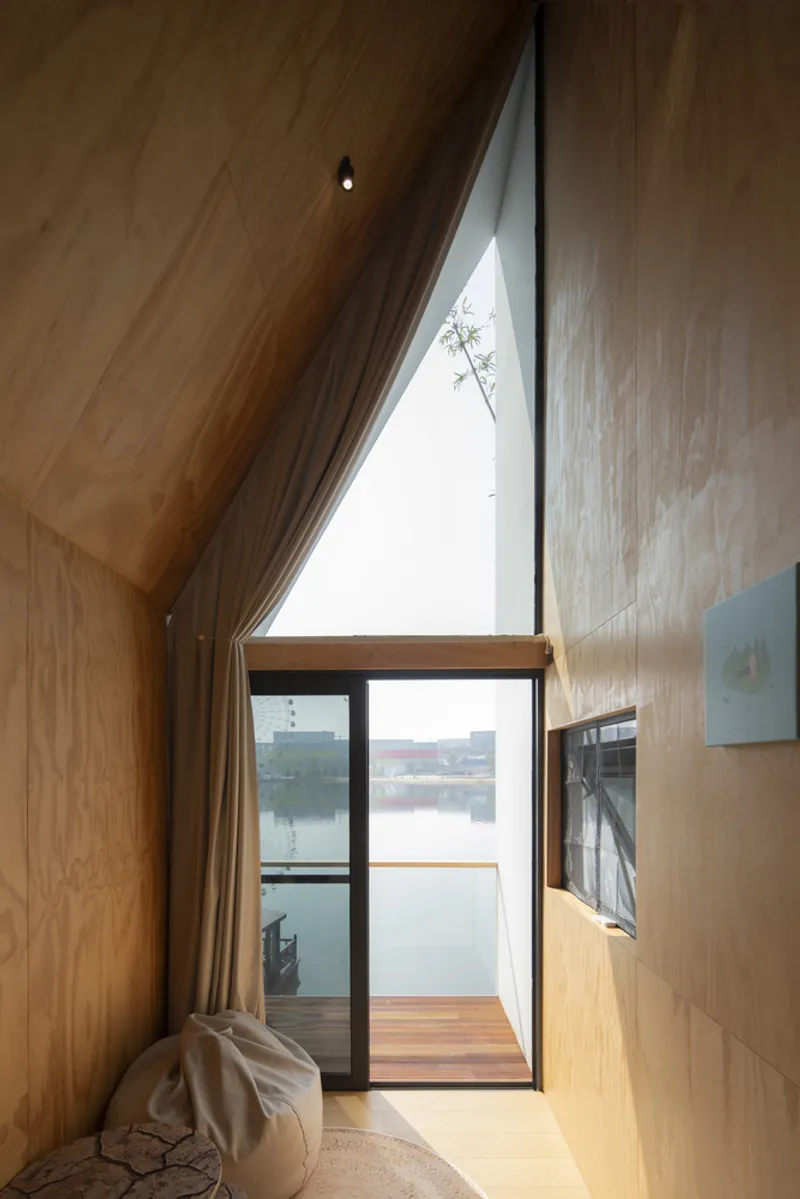
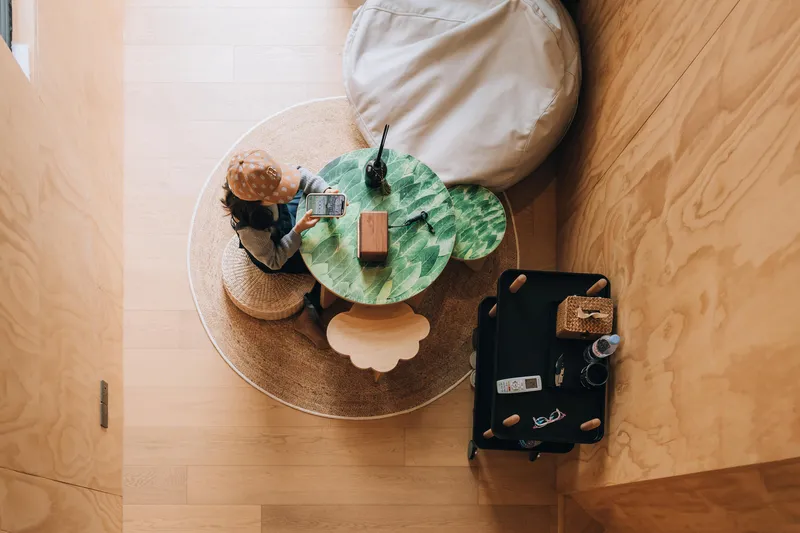
The carbonized wood façade is hand-fired using traditional wild wood techniques, giving each cabin a tactile, natural appearance that blends seamlessly with the surrounding forest. Small metal connectors link the modular cabins, making them akin to building blocks arranged carefully in nature’s framework.
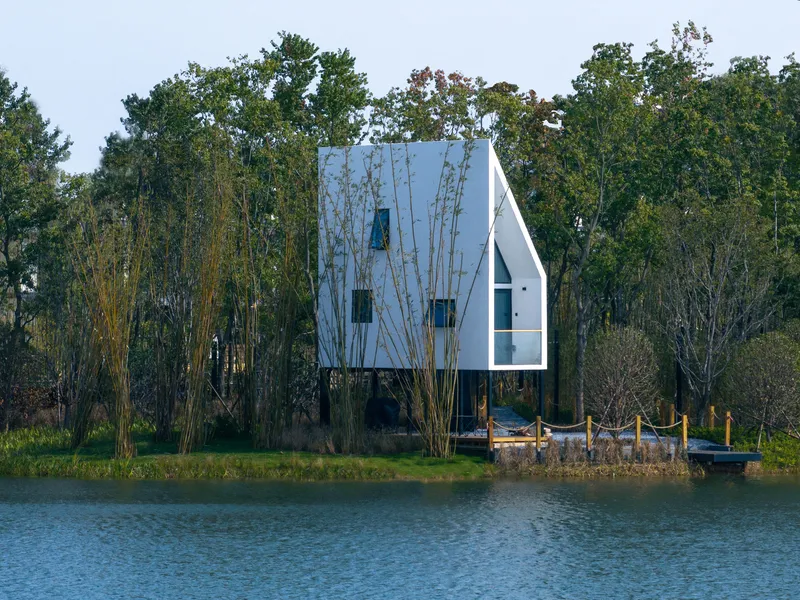
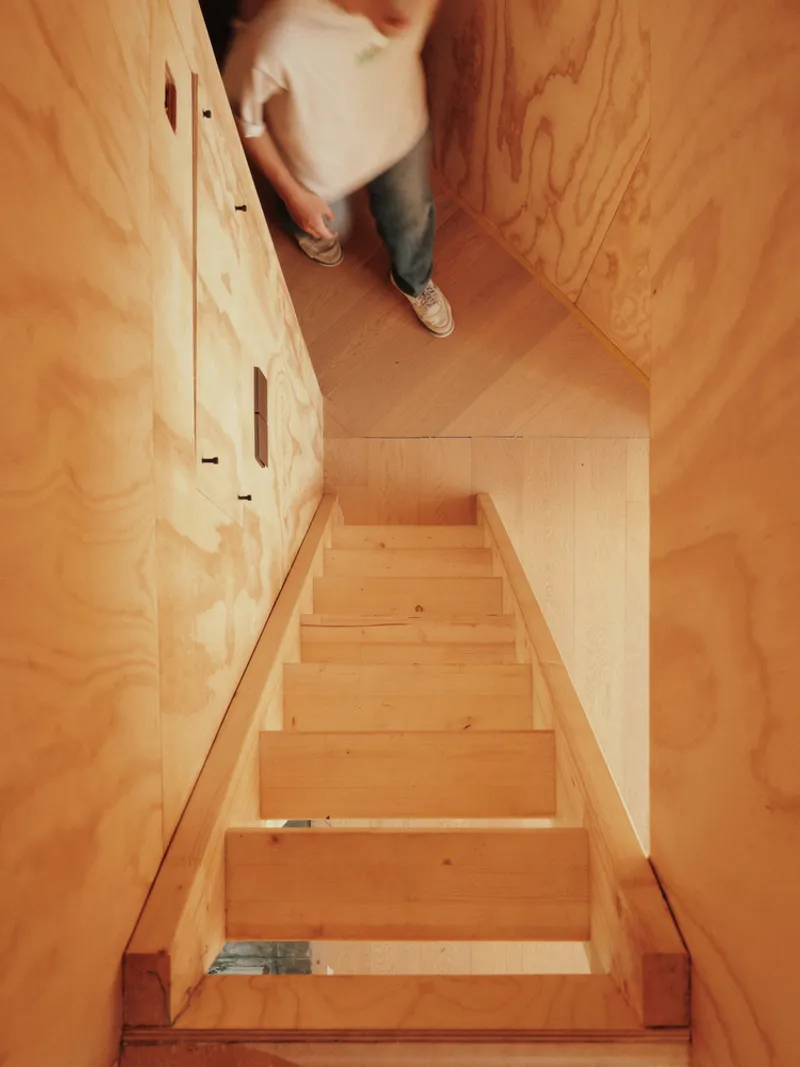
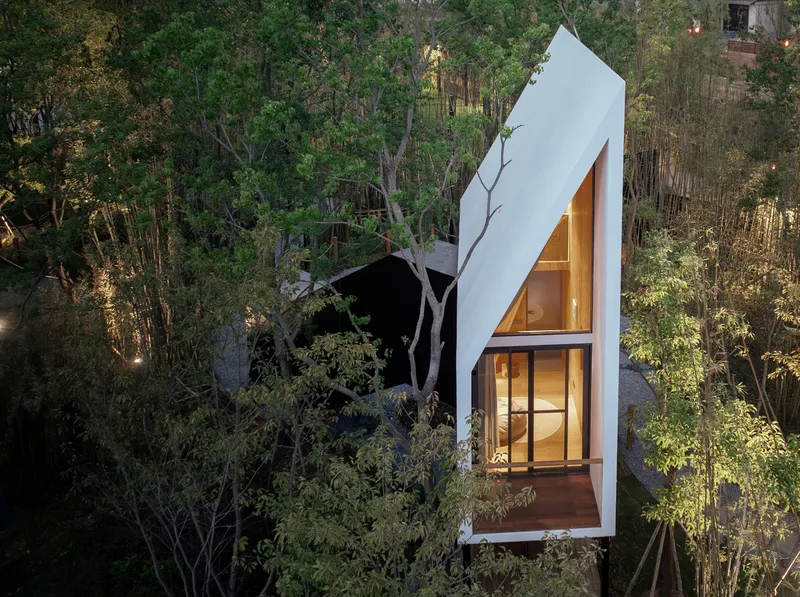
Integration with the Environment and the “Island Living Plan”
The Cabin of Sails is part of the larger "Island Living Plan," which explores the possibilities of returning to nature through different spatial typologies. Situated within a cultural and tourism complex, these cabins act as secluded retreats fostering reflection and simplicity.
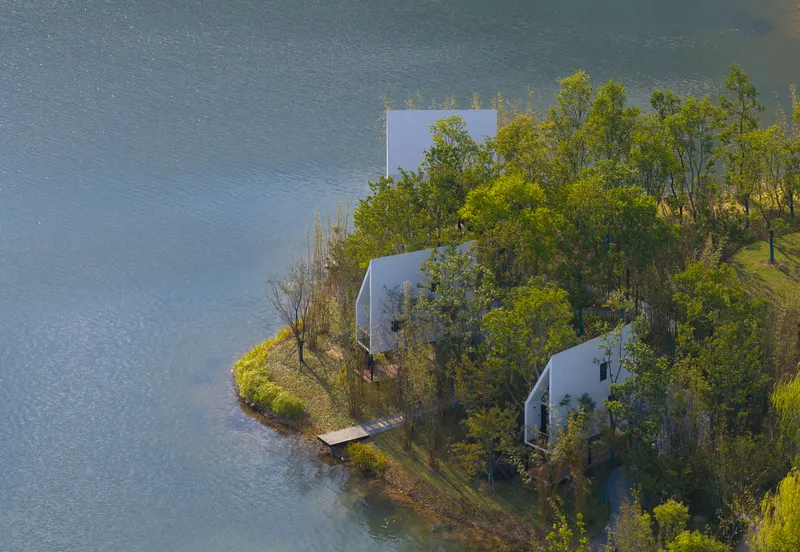
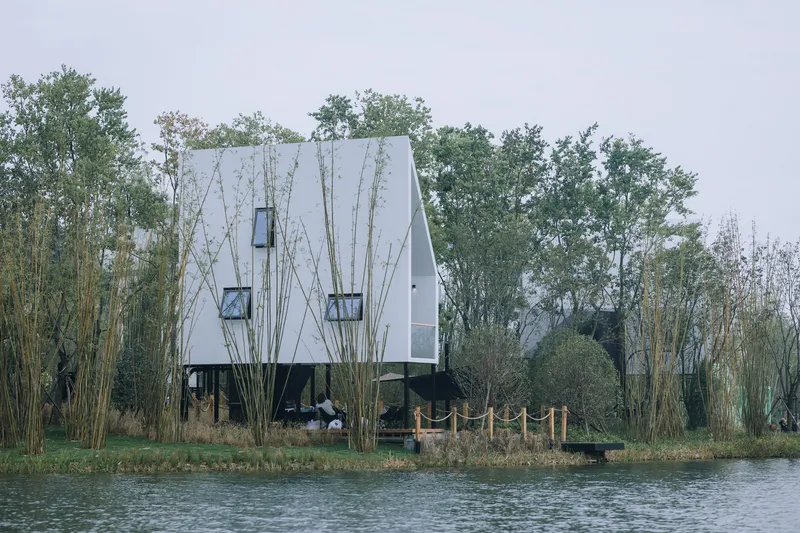
Elevated platforms, minimal footprint, and a natural materials palette establish a sensitive dialogue between architecture and landscape. The design rejects imposing forms in favor of delicate interventions that encourage barefoot walks on terraces, listening to leaves, and peaceful coexistence with the environment.
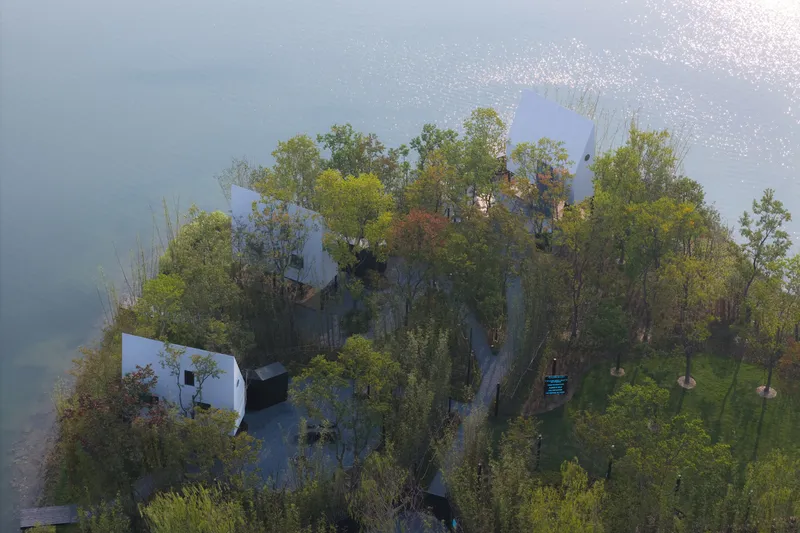
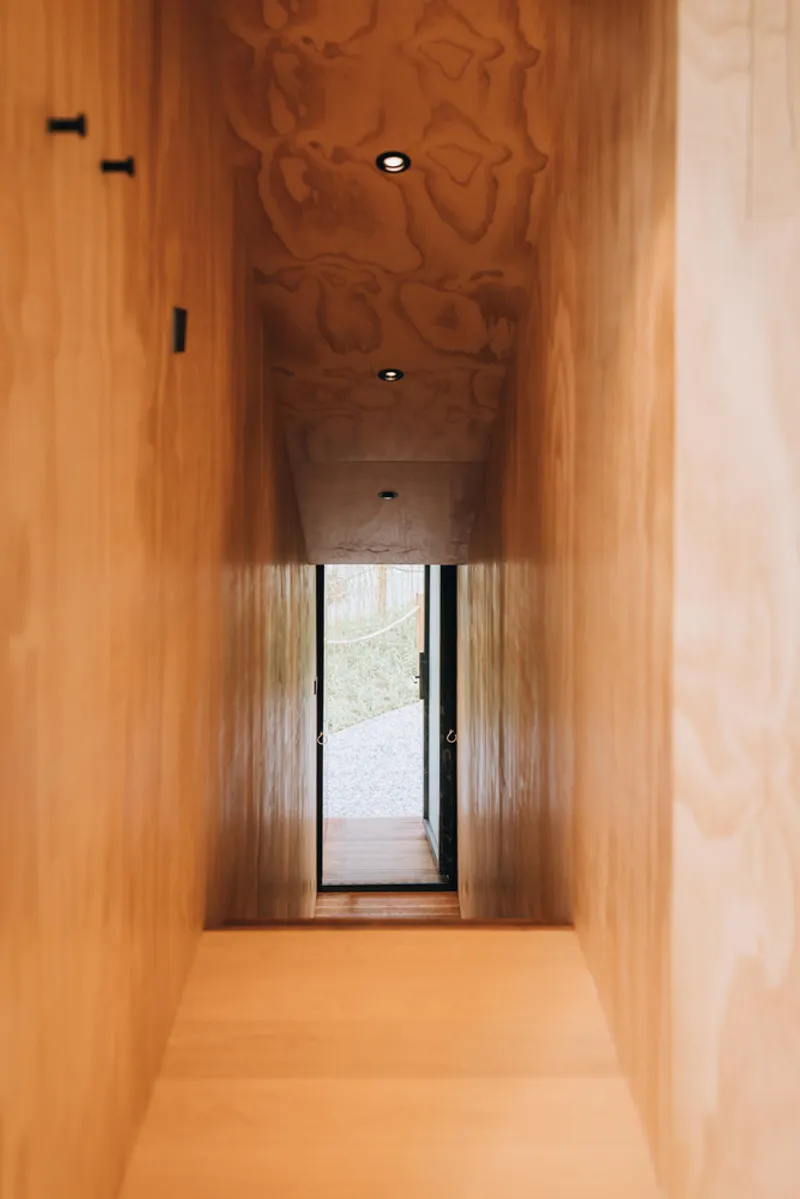
Redefining Shelter Through Narrow Timber Architecture
The Cabin of Sails challenges architectural conventions by prioritizing narrowness, natural construction, and environmental harmony. This timber cabin elevates small-scale design into an experiential exploration of space, nature, and sustainable living.
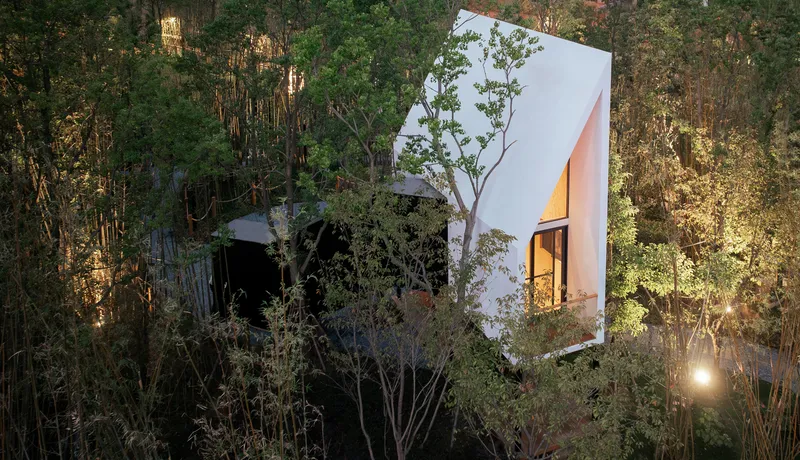
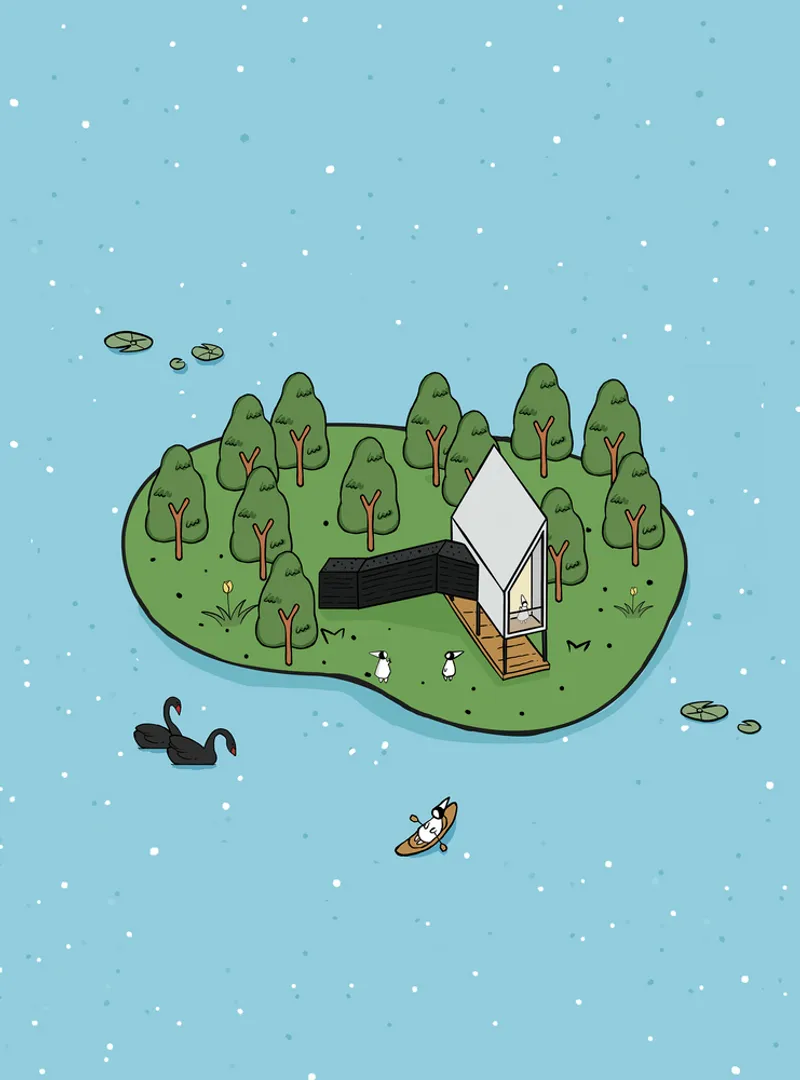
Through its refined craftsmanship and innovative structural approach, the cabin serves as a model for future architecture seeking to balance human presence and ecological preservation. It invites users to embrace simplicity, sensitivity, and intimacy with the natural world in a uniquely poetic way.
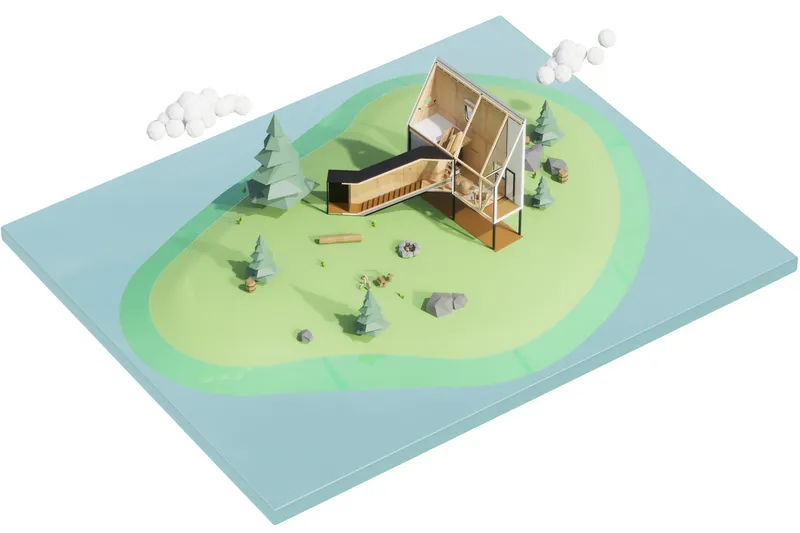
All Photographs are works of Wiki World, Arch-Exist, Yanjun Pan



Popular Articles
Popular articles from the community


Lunar Spiral: Space Architecture Shaped by the Mathematics of the Universe
Lunar Spiral reimagines space architecture through Fibonacci geometry, lunar regolith, levitating habitats, and self-sustaining Moon living.

The Earth Pod: 3D Printed Homes for Resilient Refugee Communities
The Earth Pod reimagines refugee housing through 3D printed homes made from clay, combining resilience, self-sufficiency, and rapid shelter.

Riyadh For All: Intergenerational Urban Design for Active Aging in Rabat
Riyadh For All reimagines urban design in Rabat with intergenerational co-living, adaptive courtyards, and Moroccan cultural exchange today.

Co-Life: Senior Housing Design That Reconnects Older Adults With the City
Co-Life reimagines senior housing design through healing gardens, shared streets, workshops, and a sustainable community across generations.

Similar Reads
You might also enjoy these articles


FAMM Arquitectura Organizes Ten Villas Around Courtyards and Jungle in Nosara, Costa Rica
El Molino pairs two elongated volumes with deep overhangs and timber louvers to build a compact coastal community five minutes from the beach.

Oscar Niemeyer's Ibirapuera Park Pavilions Define São Paulo's Cultural Identity in Concrete and Curve
A constellation of modernist volumes set within São Paulo's most important urban park, conceived for the city's 400th anniversary in 1954.
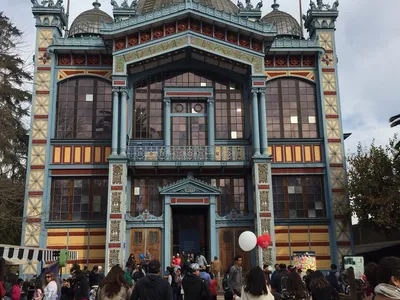
How Henri Picq's 1889 Paris Pavilion Traveled 11,000 Kilometers to Become Santiago's Artequín Museum
A prefabricated iron and glass pavilion built for the Paris Universal Exposition found a second life as a children's art museum in Chile.

Sanjay Puri Architects Wraps a Jaipur Office Tower in Capsule-Shaped Green Buffers
A nine-level climate-responsive workplace near Jaipur Airport uses stacked planter terraces and aluminium screens to fight 40°C heat.
Explore Architecture Competitions
Discover active competitions in this discipline



Challenge to reimagine the Iron Throne


Photograph architecture without architects


Illustrate the lost glory of Angkor Wat - Render Challenge


Design challenge to reuse E-waste
Comments (0)
Please login or sign up to add comments
No comments yet. Be the first to comment!