
Nature-Based School Architecture: The Garzón School by Rosan Bosch Studio in Uruguay
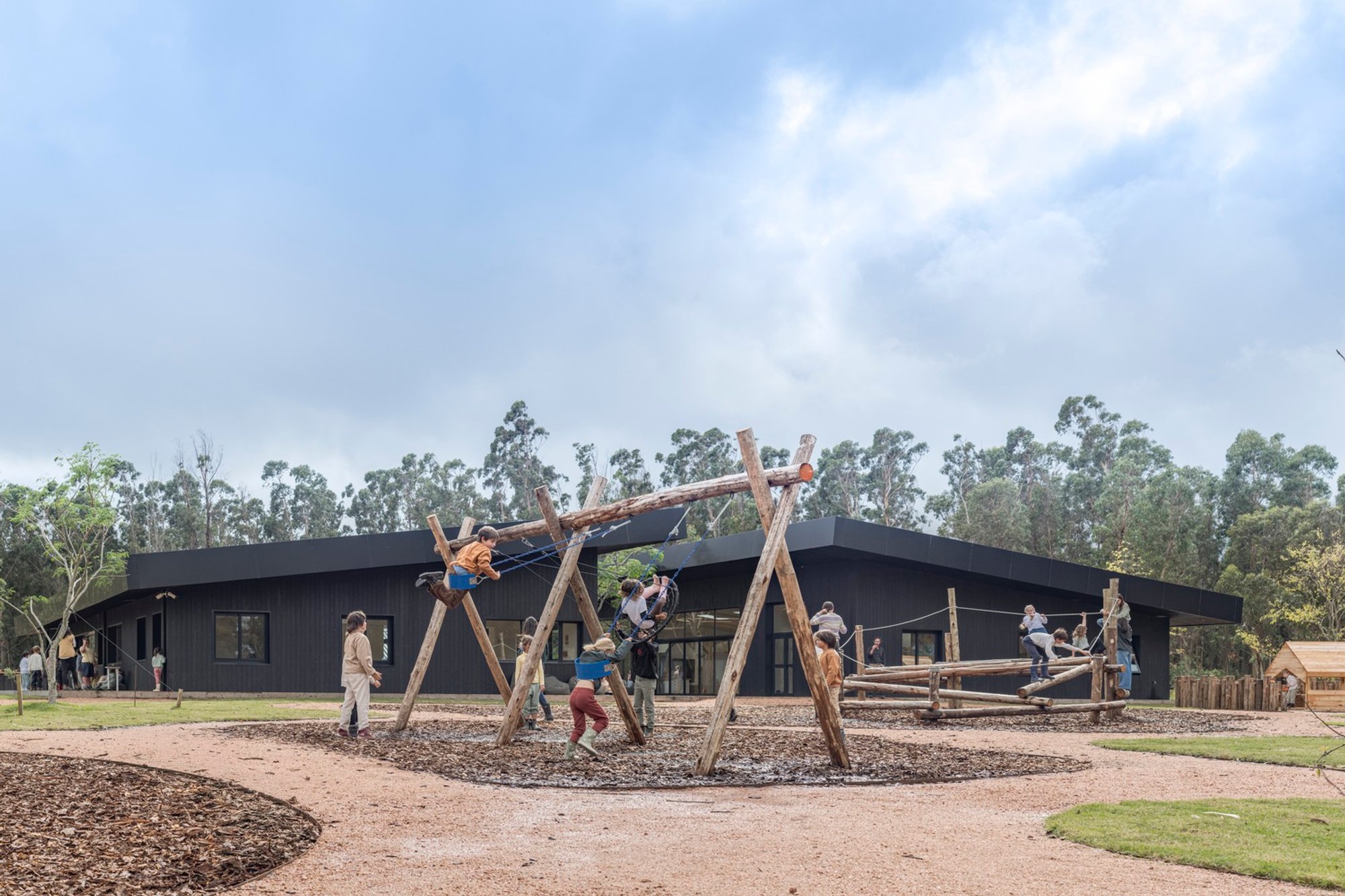
The Garzón School in Uruguay exemplifies nature-based school architecture, blending learning environments seamlessly with forest landscapes and sustainable design.

In the lush eucalyptus forests of Manantiales, Uruguay, Rosan Bosch Studio has crafted an inspiring new chapter in educational design with the nature-based school architecture of The Garzón School. This innovative campus transcends conventional school models by dissolving the boundaries between indoor and outdoor learning, deeply embedding education within the natural landscape. Rooted in biophilic design principles and a progressive educational philosophy, the project sets a new standard for how architecture can nurture creativity, autonomy, and connection to the environment.
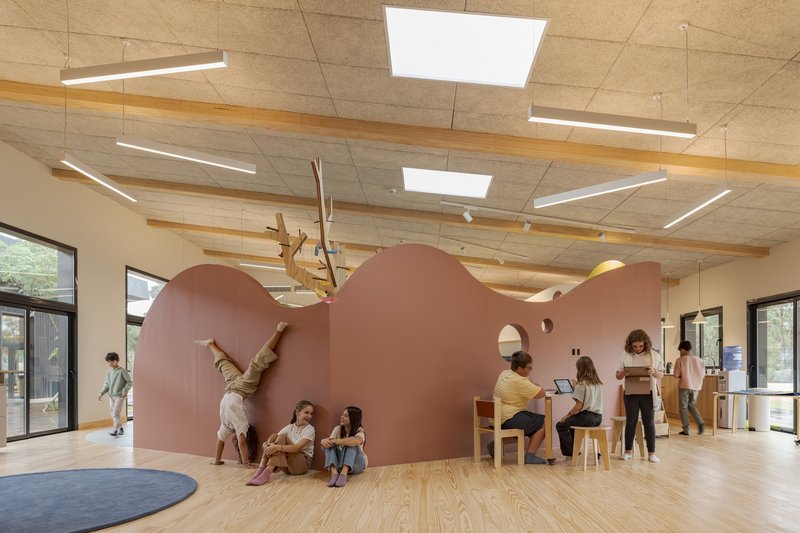
A Campus Immersed in Nature’s Classroom
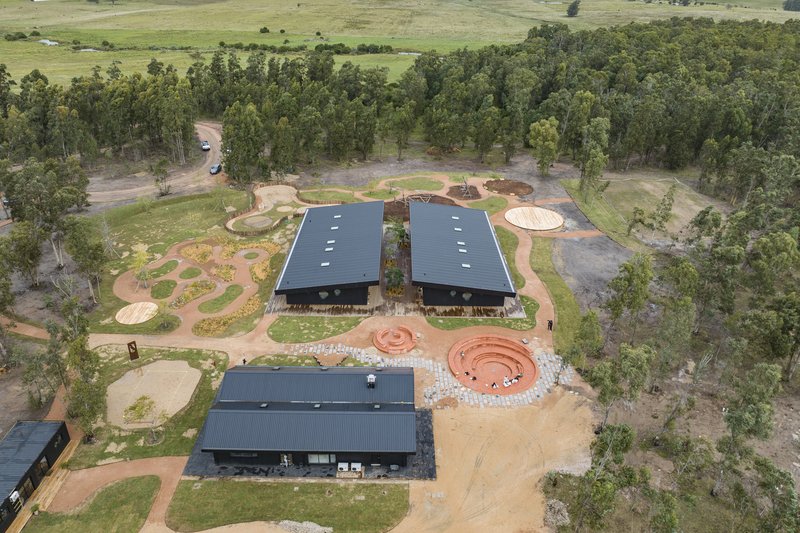
The Garzón School embraces its setting—a dense, untamed eucalyptus forest—as a core component of its identity. The landscape itself becomes a vital learning partner, guiding the curriculum and daily experience. Here, nature is not an occasional backdrop but the very fabric of the school’s teaching environment. The campus is designed so that the physical journey through meadows, lakes, and wooded areas mirrors the students’ path to discovery and growth.
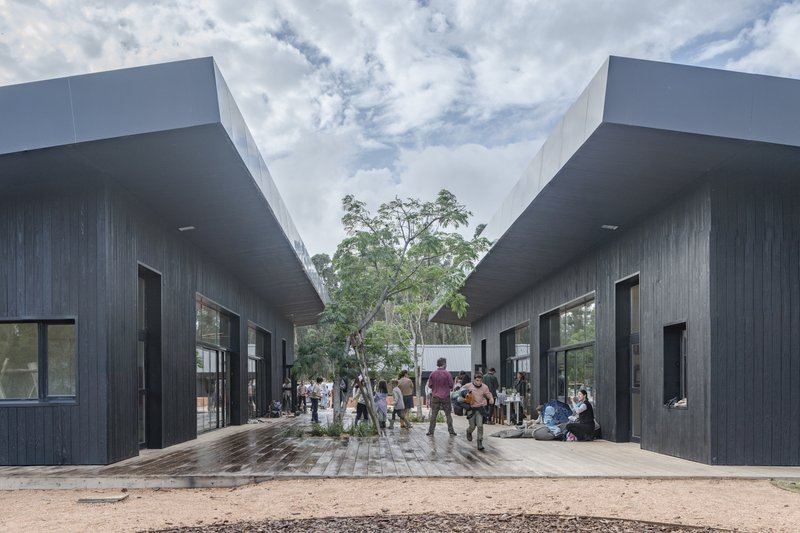
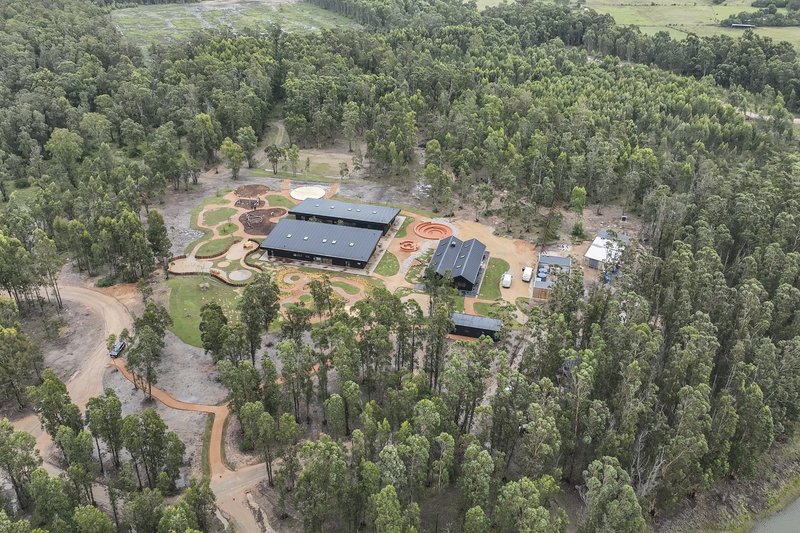
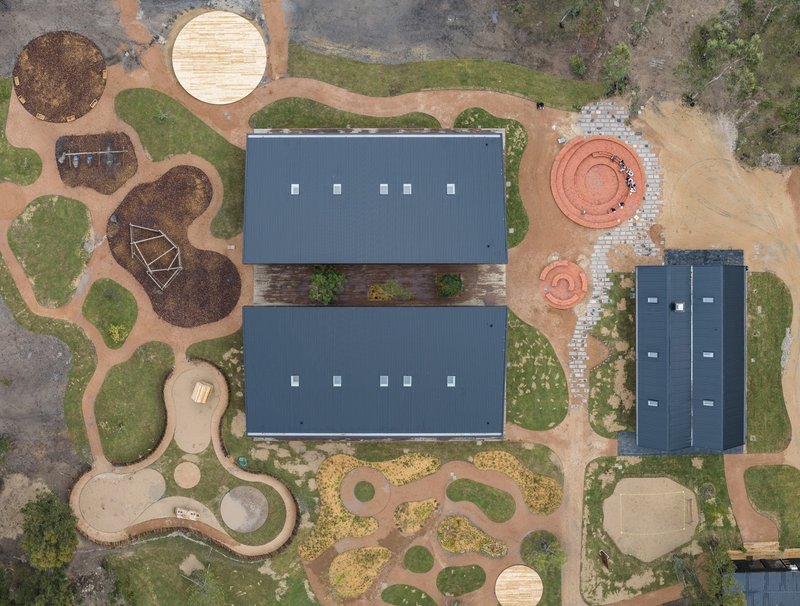
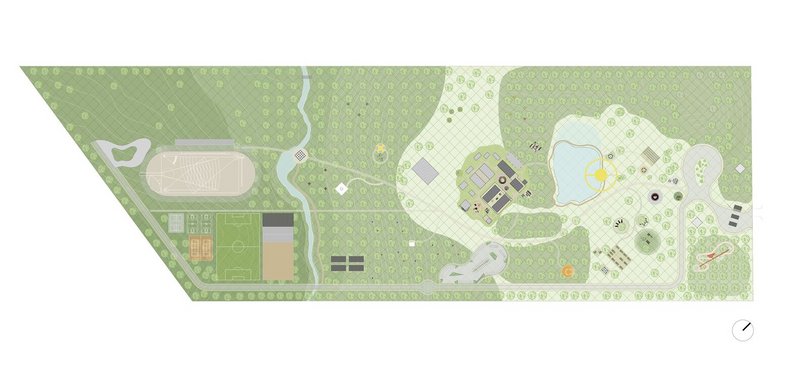
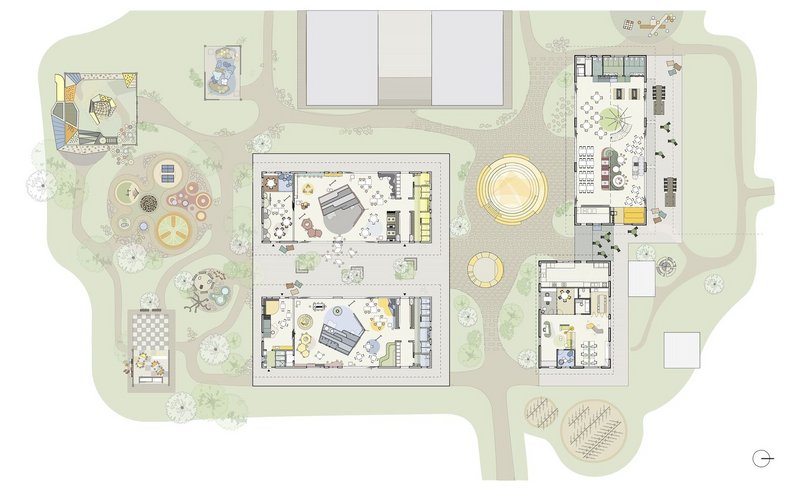
Rosan Bosch Studio’s masterplan integrates the school “village” seamlessly into this landscape, ensuring that every building and outdoor space encourages exploration and experiential learning. The mantra “the school is the park, and the park is the school” reflects the vision of an education system grounded in the environment, fostering a lifelong curiosity and respect for nature.
Innovative Learning Zones Inspired by Nature
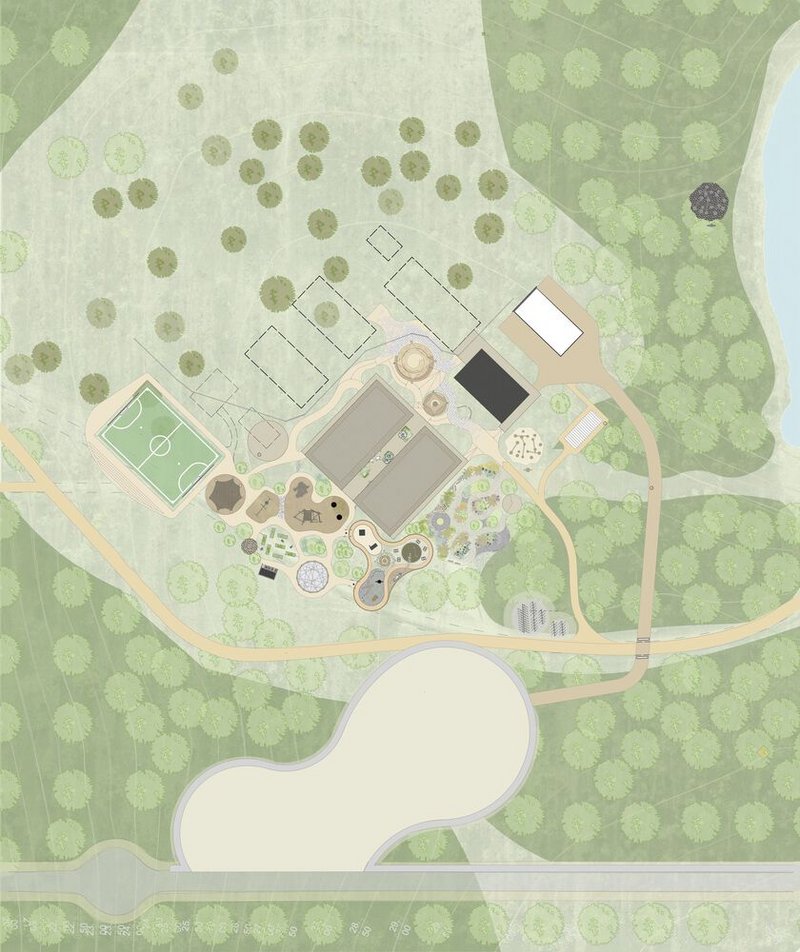
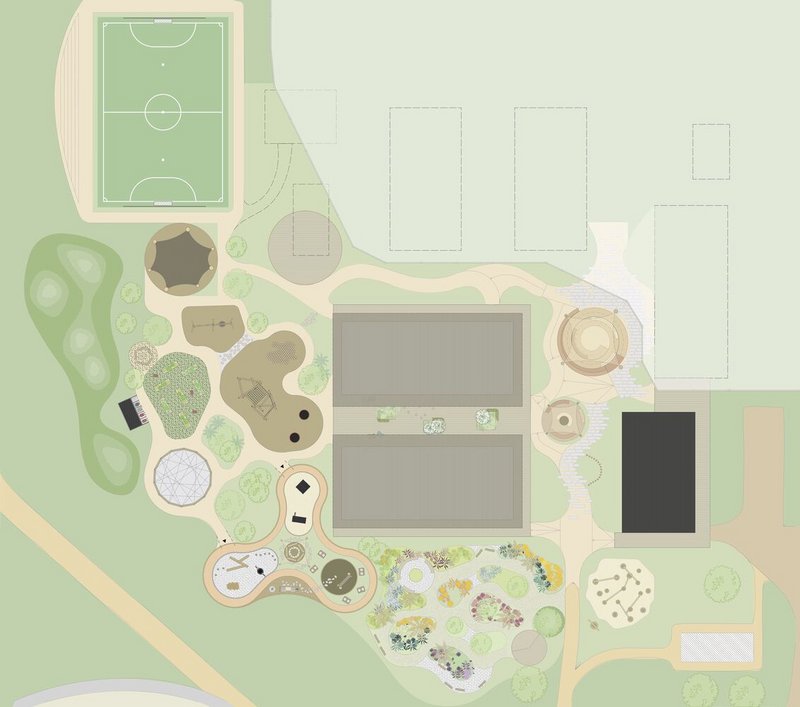
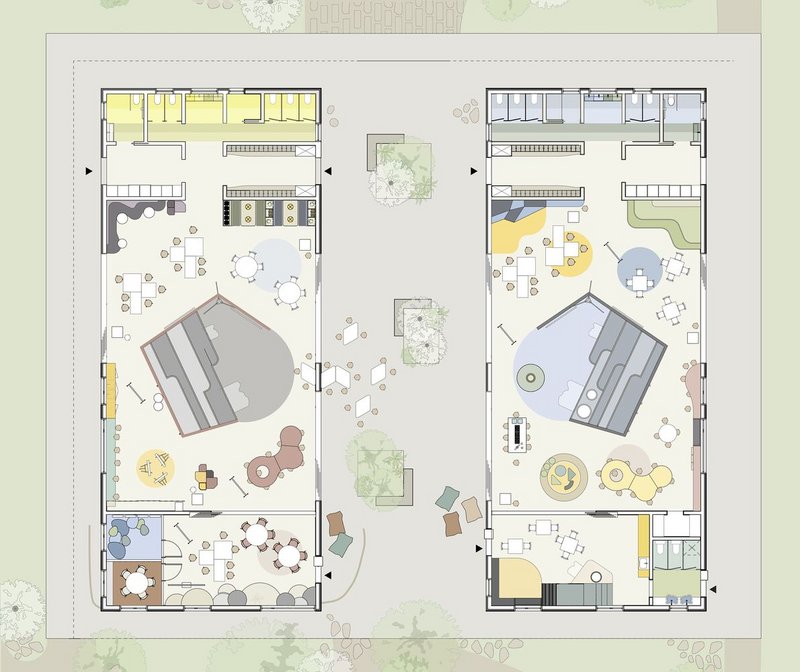
Central to the project is a series of six distinct learning zones, or “Learning Worlds,” each drawing inspiration from natural phenomena and human social behaviors: Mountain Top, Cave, Campfire, Watering Hole, Hands-on, and Movement. These zones support diverse learning styles and pedagogical methods, promoting student agency and inclusion. Students are empowered to navigate their own educational journeys through inquiry, experimentation, and self-expression.
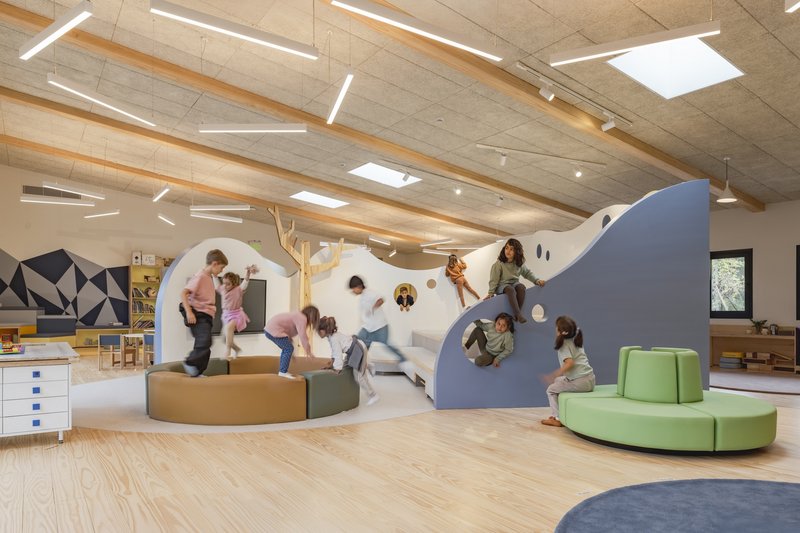
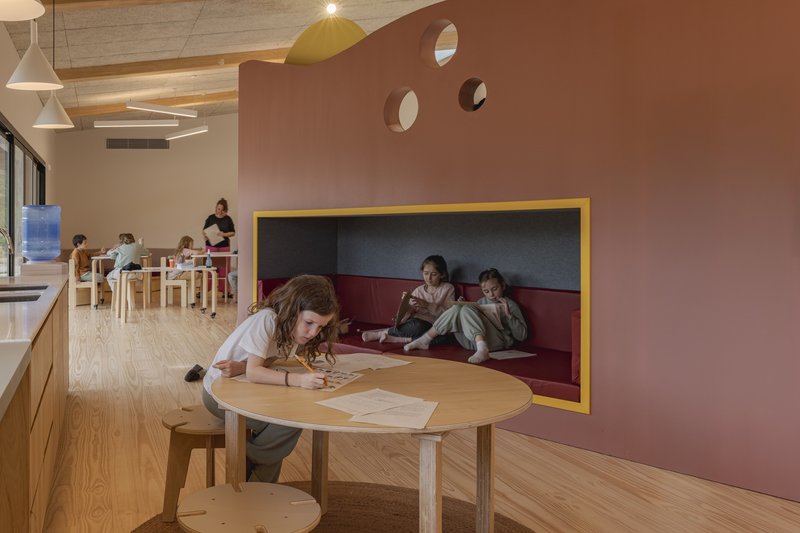
This differentiated spatial program not only enriches academic engagement but also encourages collaboration, reflection, and physical activity—elements vital to holistic development.
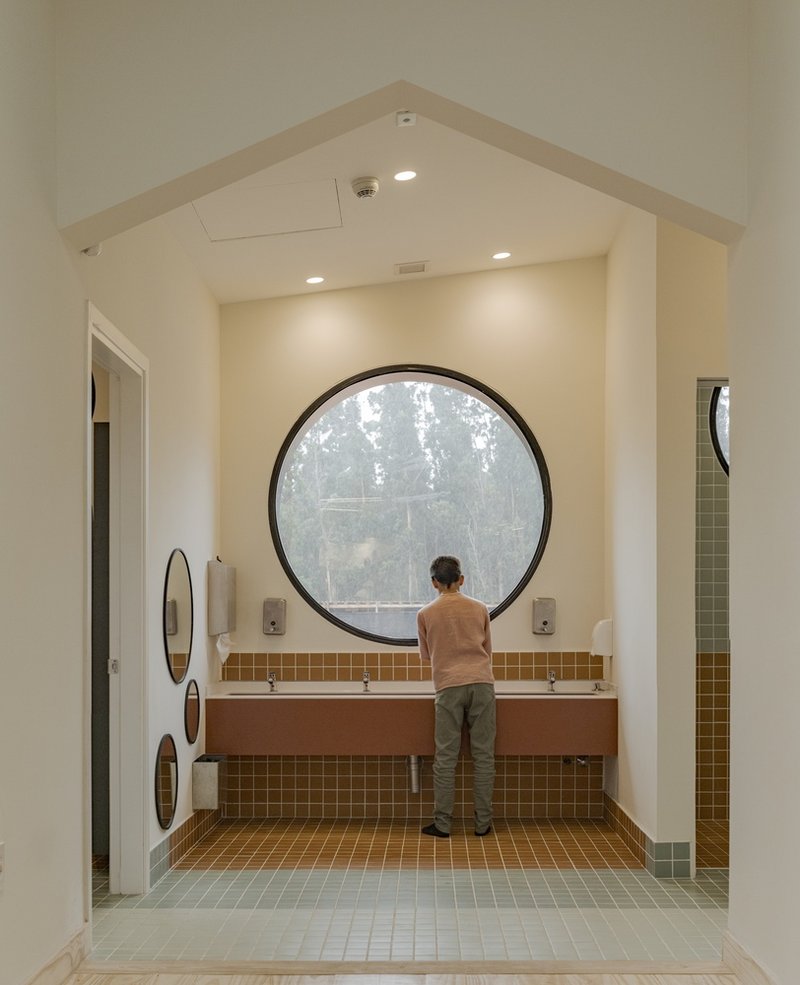
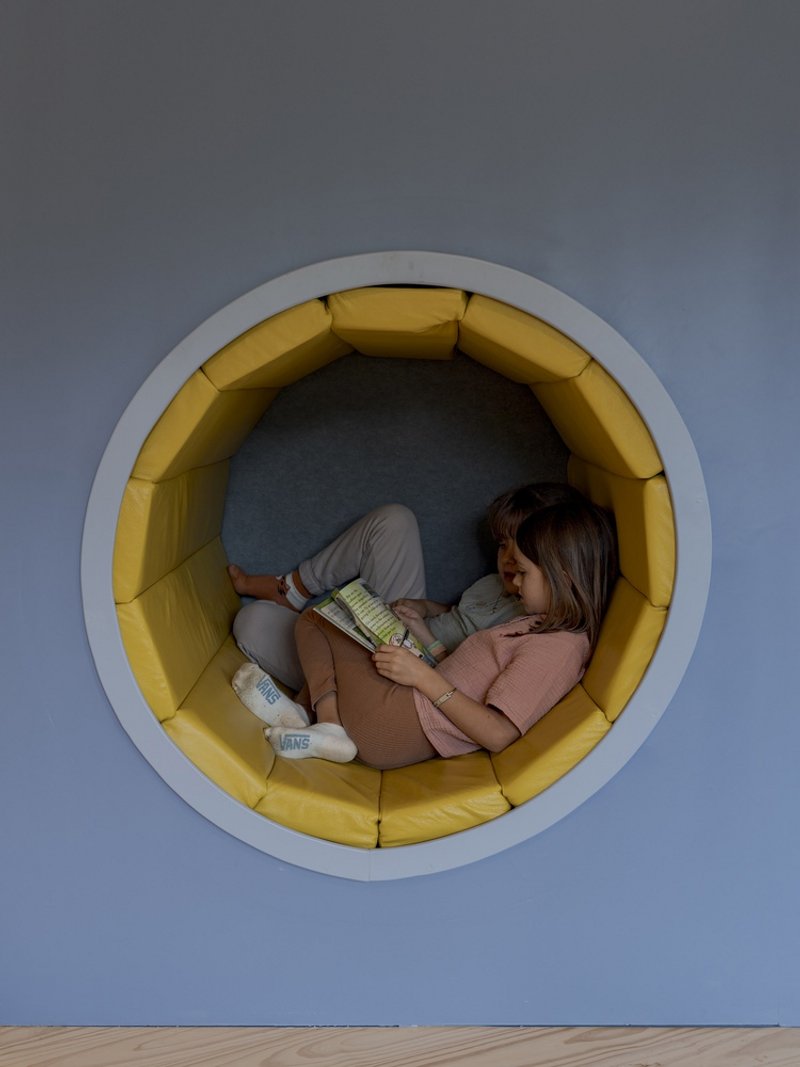
Architecture That Reflects Nature and Sustainability
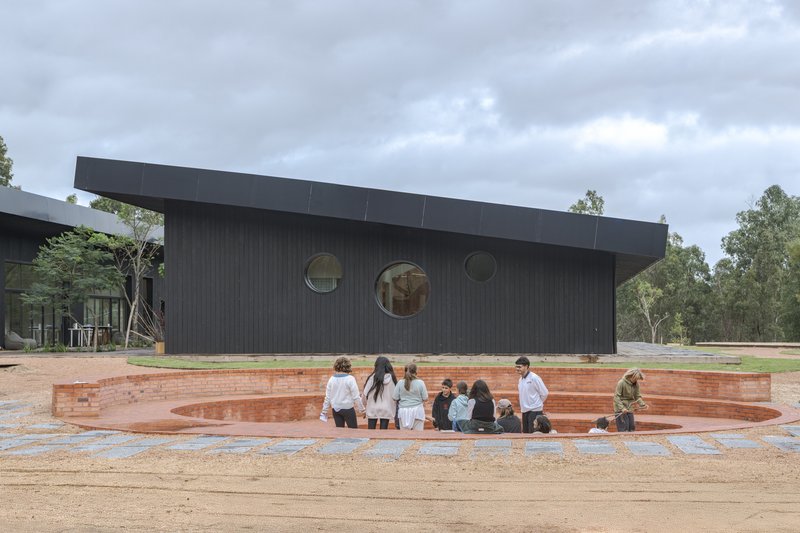
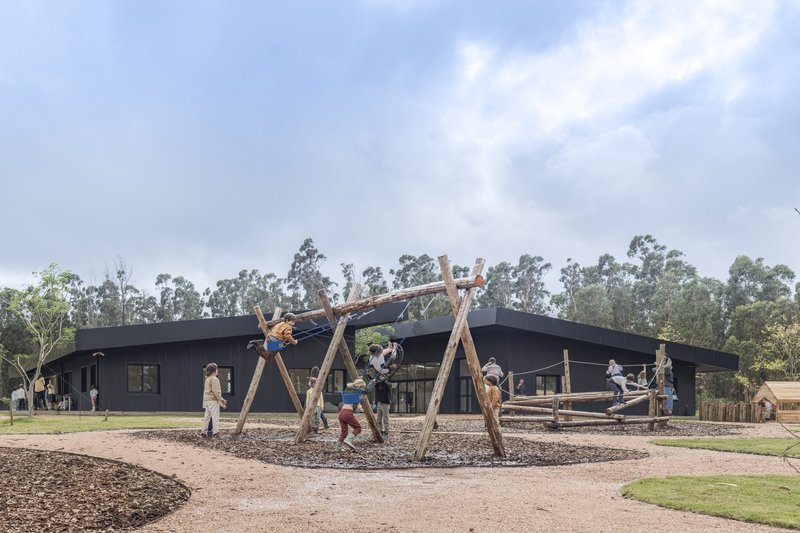
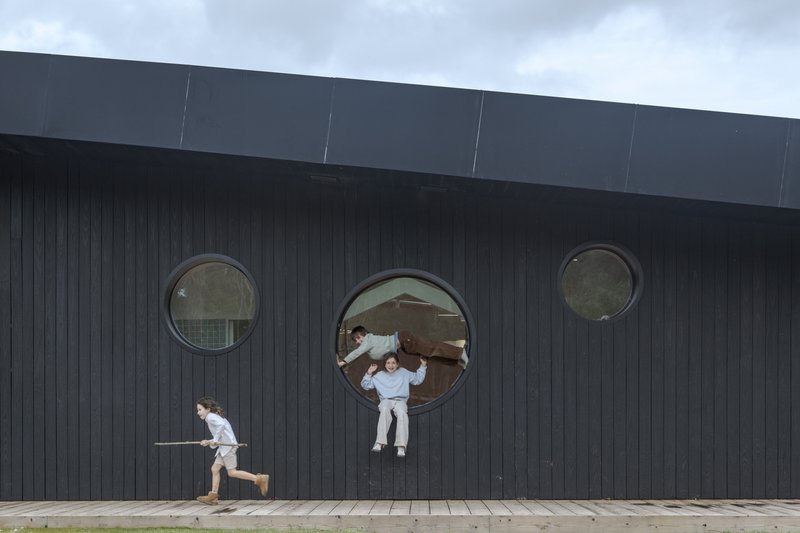
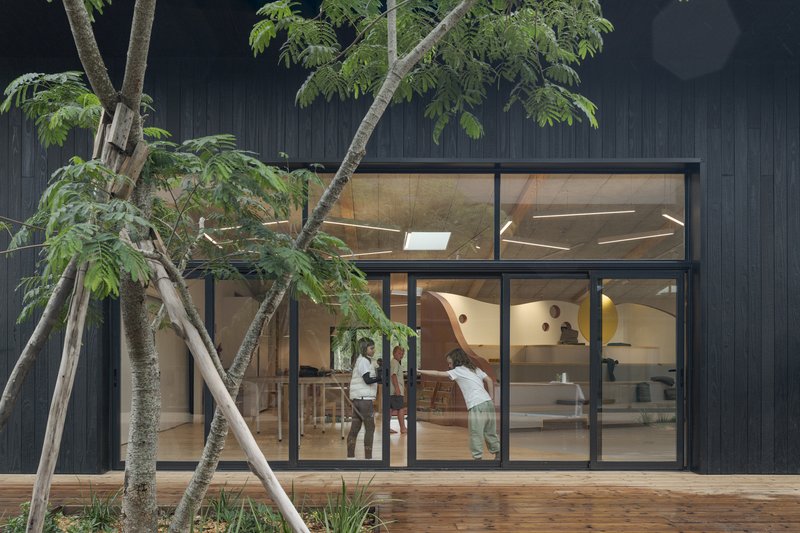
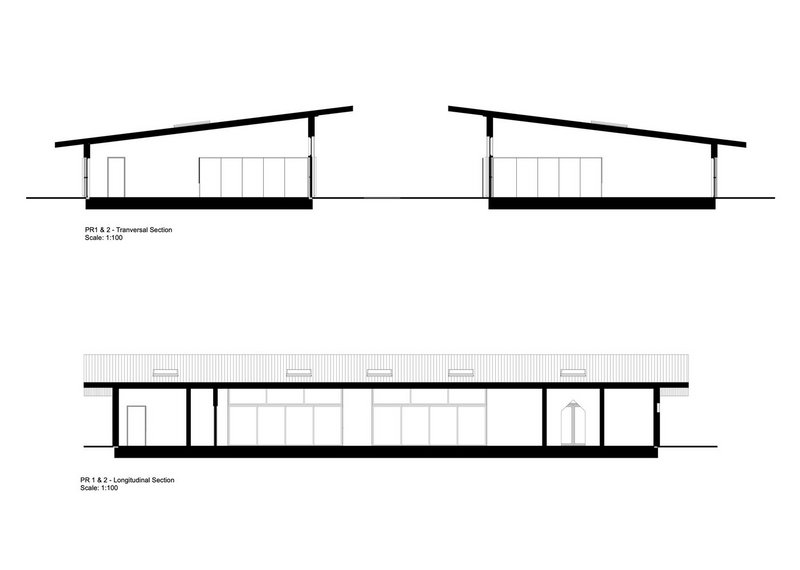
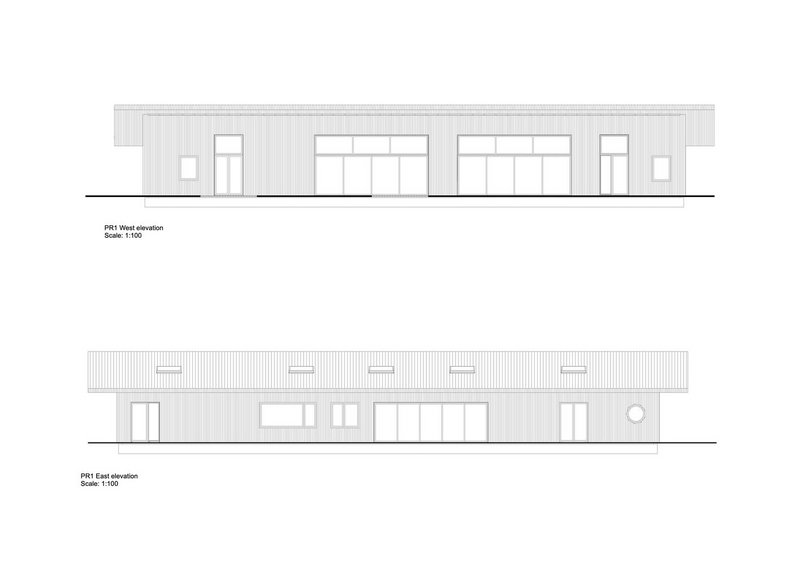
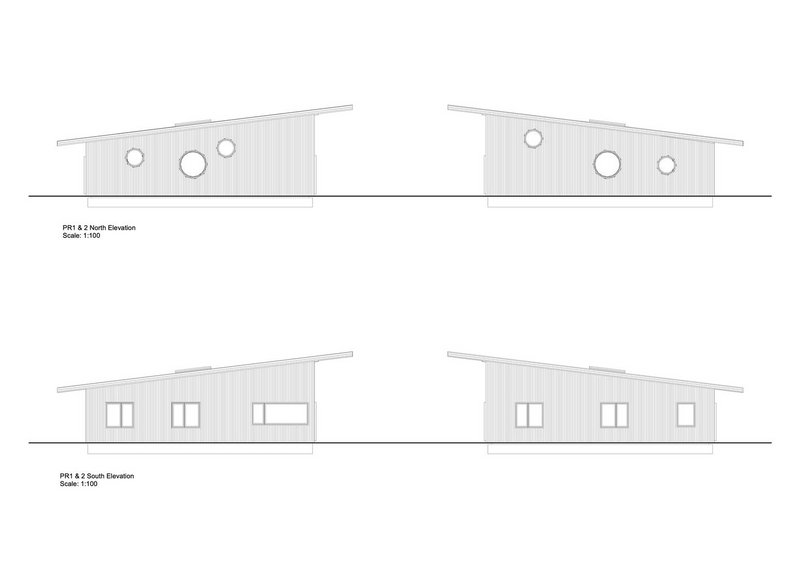
The architectural design harmonizes with the surrounding forest through thoughtful material choices and construction techniques. The buildings are crafted entirely from locally sourced wood, treated with the traditional Japanese Shou Sugi Ban charring method, which enhances durability while celebrating natural textures and tones. This technique creates a striking yet subtle facade that blends with the earthy palette of the site.
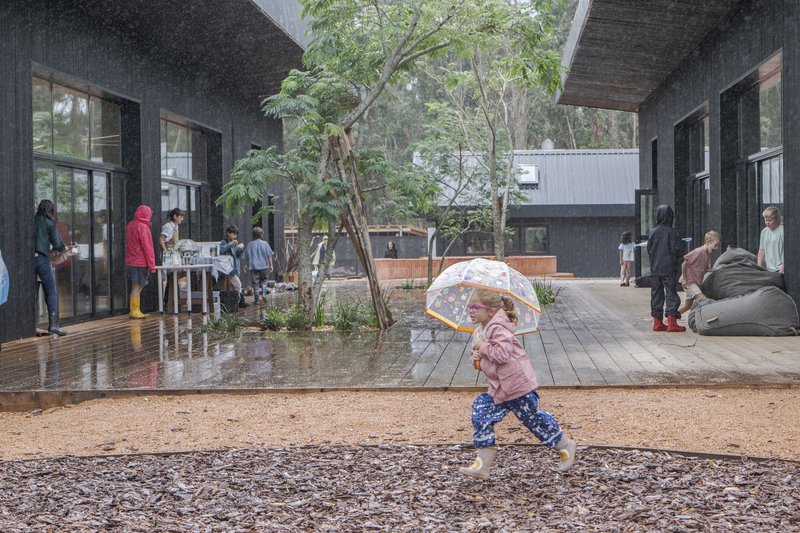
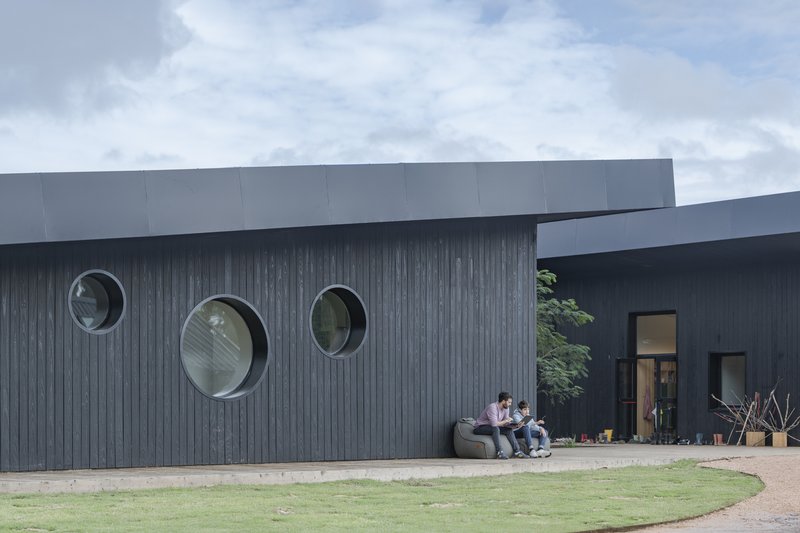
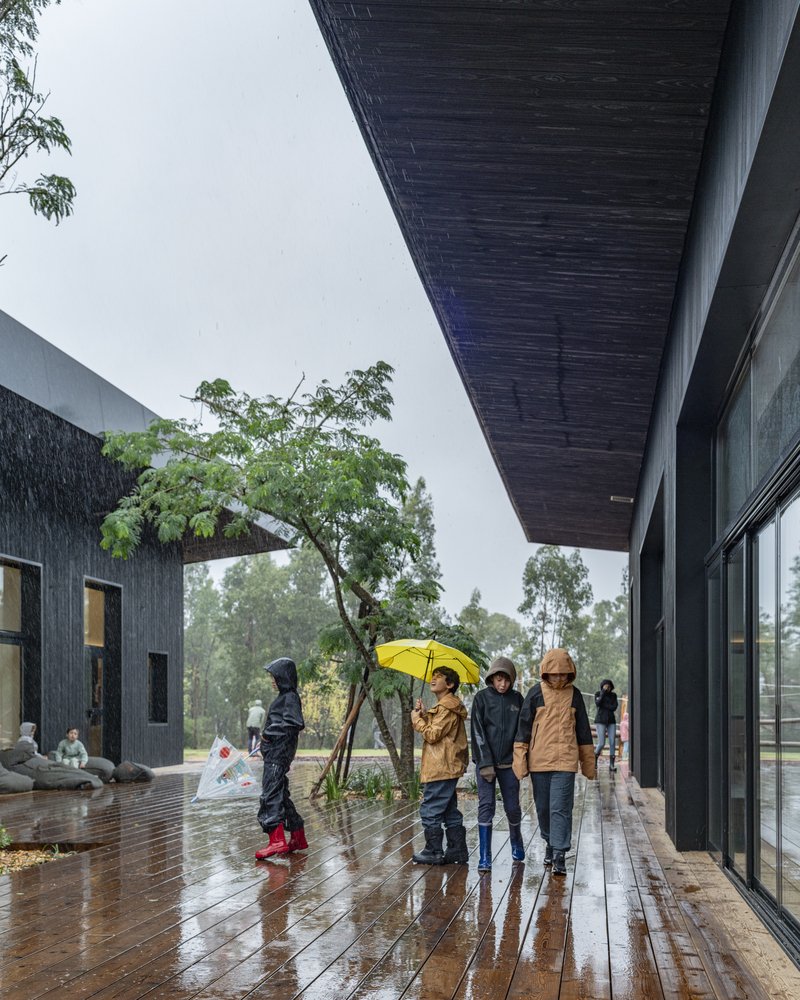
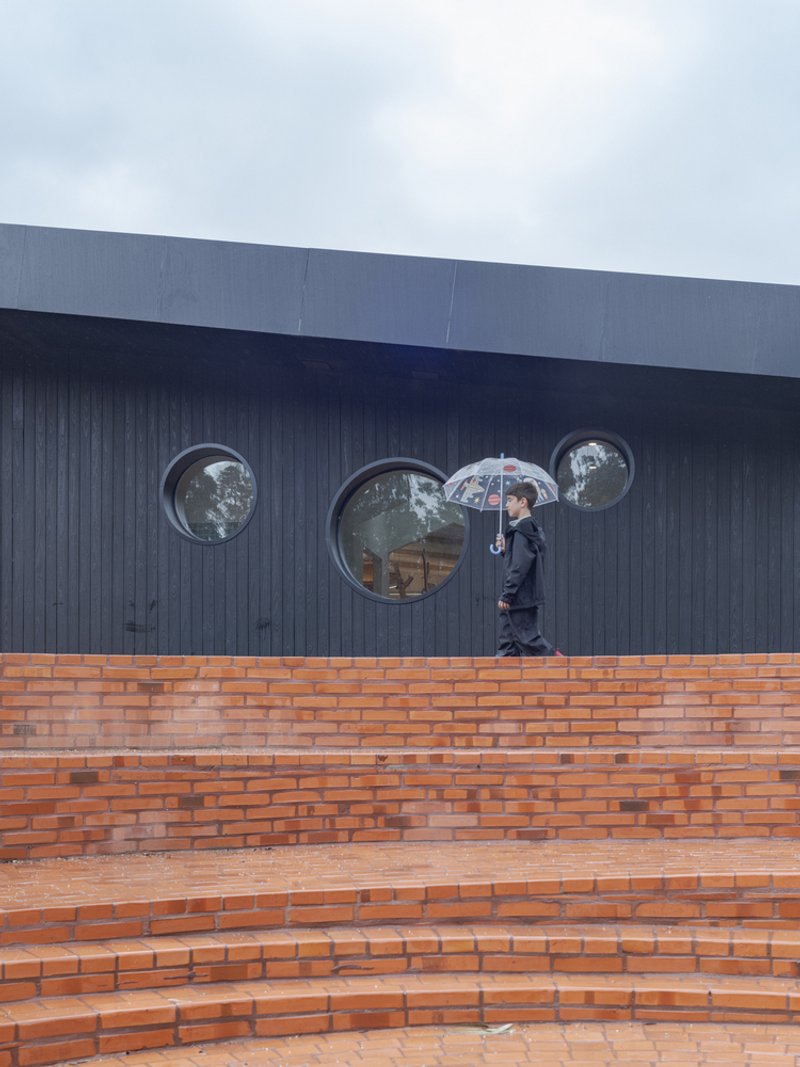
Natural light floods interiors through carefully positioned openings, while textures and colors are chosen to promote well-being among students and teachers alike. The seamless transition between indoor and outdoor spaces is reinforced by covered walkways, terraces, and play areas, strengthening the bond between architecture and nature.
Cultivating Community Through Landscape and Design
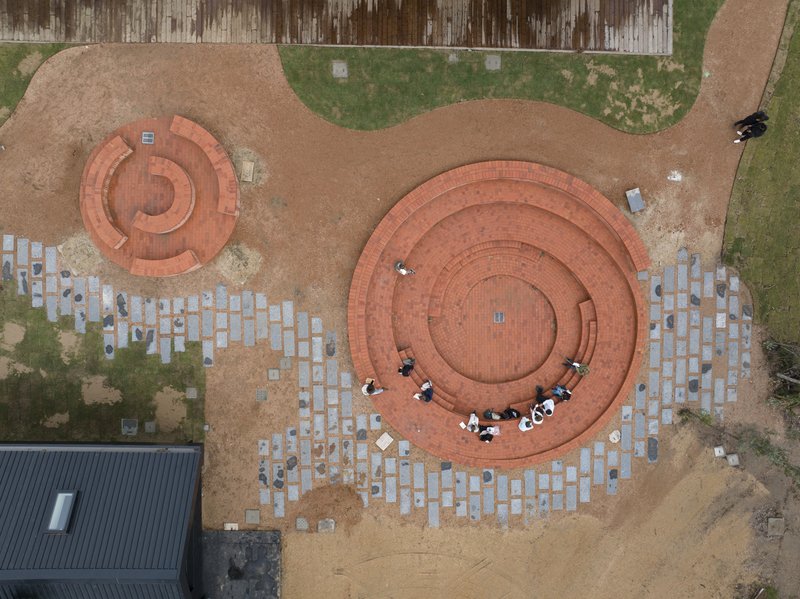
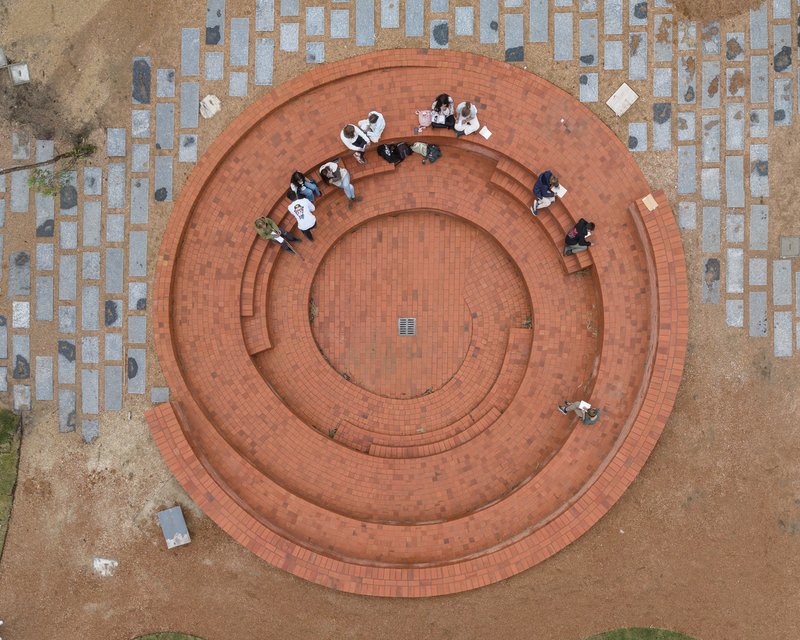
The landscape design around the school village plays a crucial role in fostering identity and belonging. Two brick plazas evoke local Uruguayan architectural heritage, anchoring communal activities within culturally resonant spaces. Native vegetation and playful wooden installations encourage both structured and spontaneous social interactions, creating an environment where children feel connected, safe, and inspired.
This interplay between traditional and contemporary elements underlines a broader commitment to place-making that respects heritage while advancing modern educational needs.
A Transformative Model for Education in Latin America
The Garzón School is more than just a building; it is a holistic vision for contemporary education, blending pedagogy, architecture, and ecology into a unified experience. This nature-based school architecture demonstrates how learning environments can be designed to foster independence, creativity, and environmental stewardship in students.
As a beacon for Latin America, the project illustrates the power of integrating architecture and landscape with innovative teaching approaches, preparing future generations to thrive in an increasingly complex world.
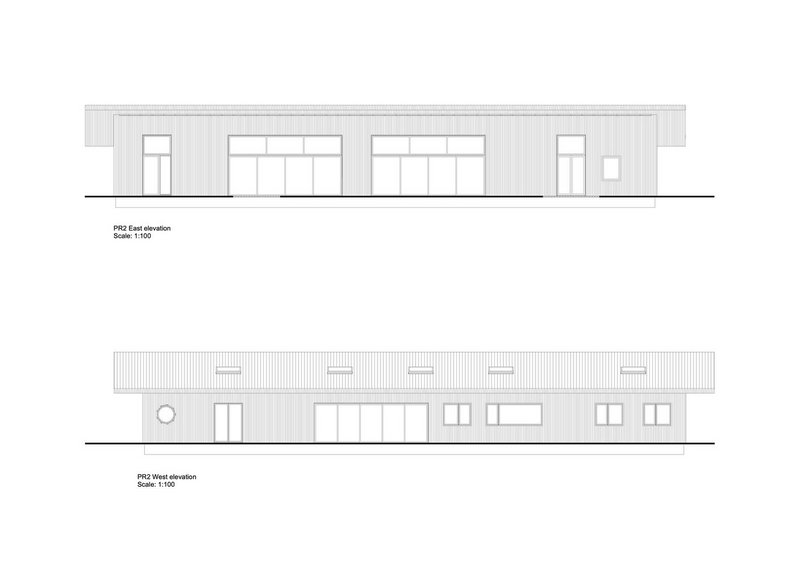
All Photographs are works of Eleazar Cuadros




Popular Articles
Popular articles from the community

20 Most Popular Office Building Projects of 2025
From biophilic workspaces in India to net-positive energy offices in New Delhi, 20 office building projects that defined architecture in 2025.

Rojkind Arquitectos and Think Parametric Build a Glueless Pavilion from 67 Interlocking Panels
A serpentine fiber-cement installation in Chapultepec Park celebrates a decade of architectural media in Mexico City.
HCCH Studio Wraps a Shanghai High-Rise Office in Curved Walls of Translucent Glass
A 1,000 square meter fit-out in Lujiazui replaces the typical tech-office palette with layered glass, micro-cement, and quiet rigor.
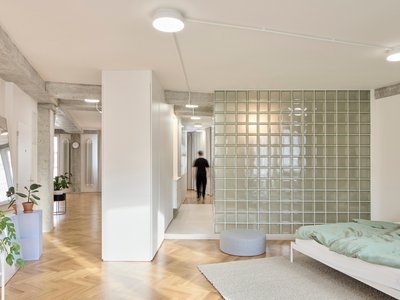
RDTH architekti Rips Out Nearly Every Wall in a Prague Apartment and Replaces Them with Furniture
A 101-square-meter post-war flat in Prague trades rigid partitions for a single rotated furniture block, curtains, and glass concrete.

Similar Reads
You might also enjoy these articles
CSADI Carves a Jade Blade into the Qinling Mountains for China's First Ecology Museum
A 43,788 square meter terraced museum in Shangluo draws its form from a Xia Dynasty artifact and steps down toward the valley below.
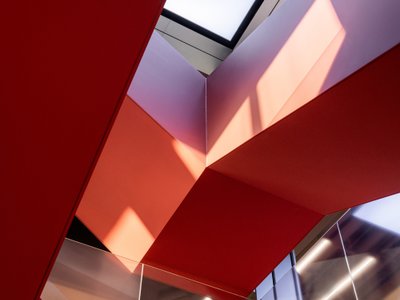
Ippolito Fleitz Group Identity Architects Turn Eight Floors in Shanghai into a Vertical Creative City
Publicis Groupe's new headquarters in Xintiandi reimagines the office as a courtyard-driven urban landscape stacked across eight floors.
Díaz Webster Arquitectura Carves Light and Air into a Compact Zapopan House
A 237-square-meter residence in western Zapopan uses courtyards and double-height voids to dissolve the boundary between interior and garden.
BAST Slots a Four-Story Glass House into a Narrow Gap Between Toulouse Townhouses
In the dense Bonnefoy district, a stepped infill building merges home and office while preserving a majestic hackberry tree.


Explore Architecture Competitions
Discover active competitions in this discipline




The International Standard for Design Portfolios


The Global Benchmark for Architecture Dissertation Awards


The Global Benchmark for Graduation Excellence


Challenge to reimagine the Iron Throne
Comments (0)
Please login or sign up to add comments
No comments yet. Be the first to comment!