
Neoclassical Apartment Renovation in Valencia: A Futuristic Collision of Heritage and Artificial Intelligence
A futuristic renovation blending neoclassical elegance with AI-inspired design, transforming a historic Valencia apartment into a posthuman, narrative-driven space.


By Mario Montesinos Marco Architecture & Interior
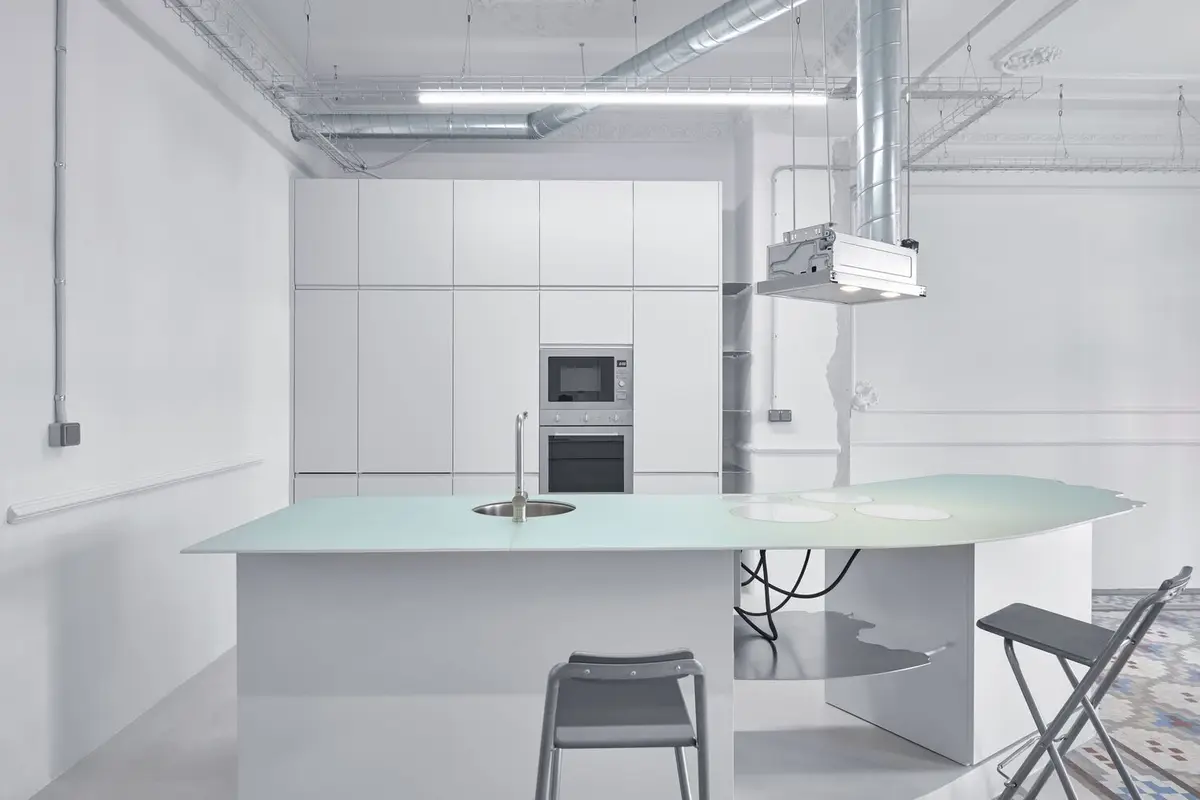
In the heart of Valencia, Spain, an apartment within a grand neoclassical building has undergone a radical transformation. What began as a renovation evolved into an architectural narrative that merges classical heritage with speculative futures, orchestrated by Mario Montesinos Marco Architecture & Interior. Covering 175 square meters, this residential interior project takes an imaginative leap—where design fiction and material reality blur.
A Collision of Eras: Fiction as Framework
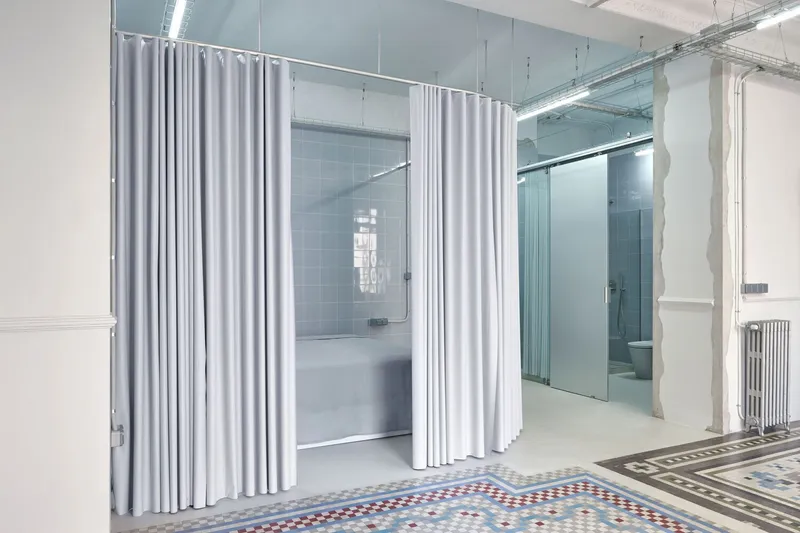
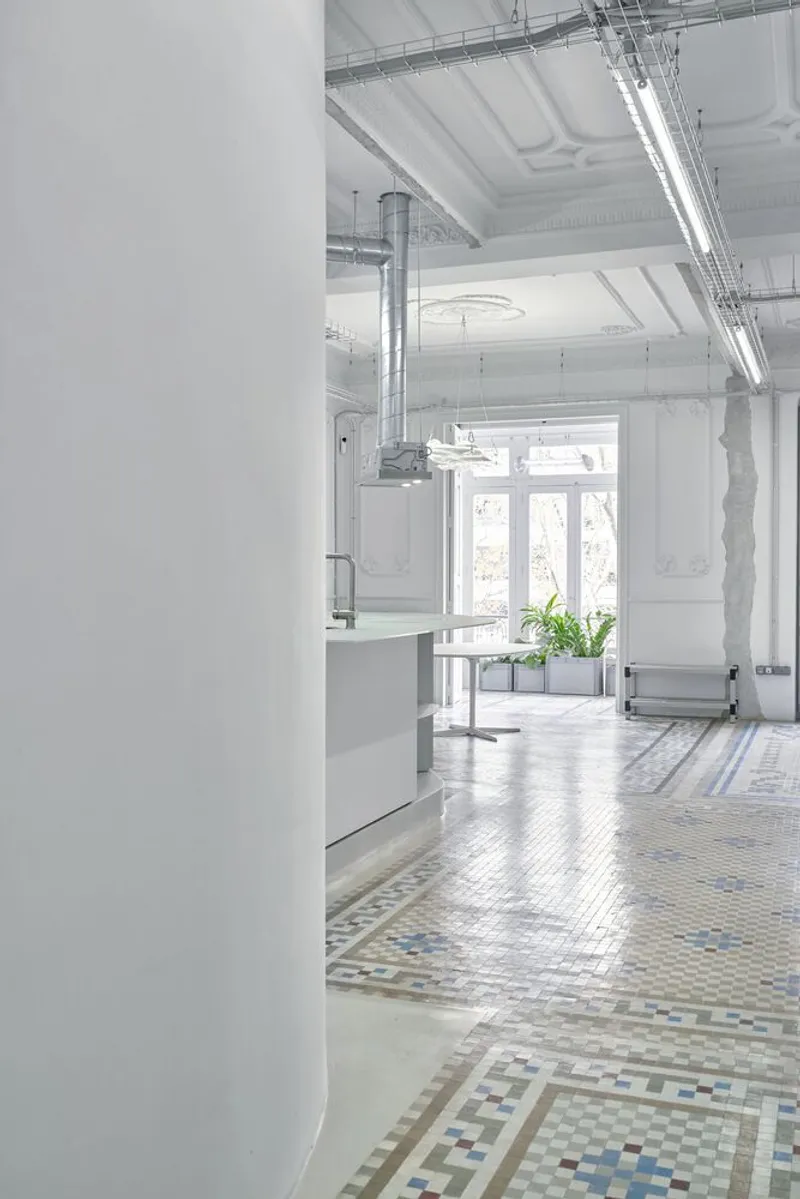
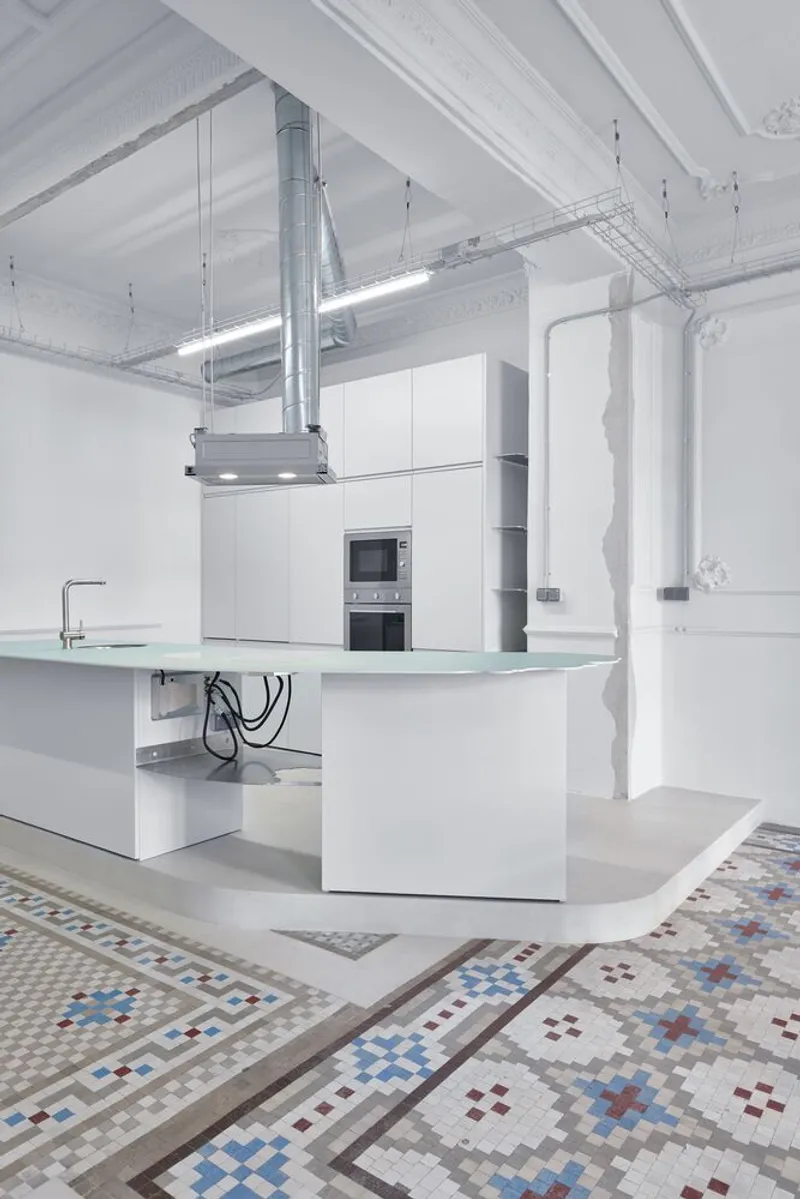
Rather than treating renovation as mere restoration, the architects conceptualized the intervention through an allegorical lens: a fictional UFO crash. According to the designers, this mysterious craft ruptured the stately envelope of the apartment, shattering moldings, exposing walls, and obliterating conventional boundaries between rooms. Floors once adorned with colorful mosaics were disrupted; classical detailing cracked open like tectonic faults in time.
This speculative framework becomes a metaphor for architectural disruption—where tradition is not erased but re-coded, augmented, and reinterpreted.
From Neoclassical Order to Posthuman Spatiality
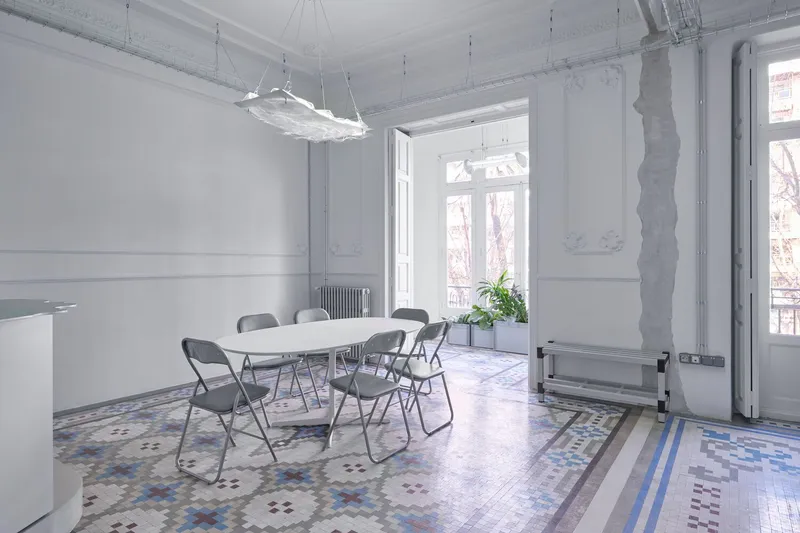
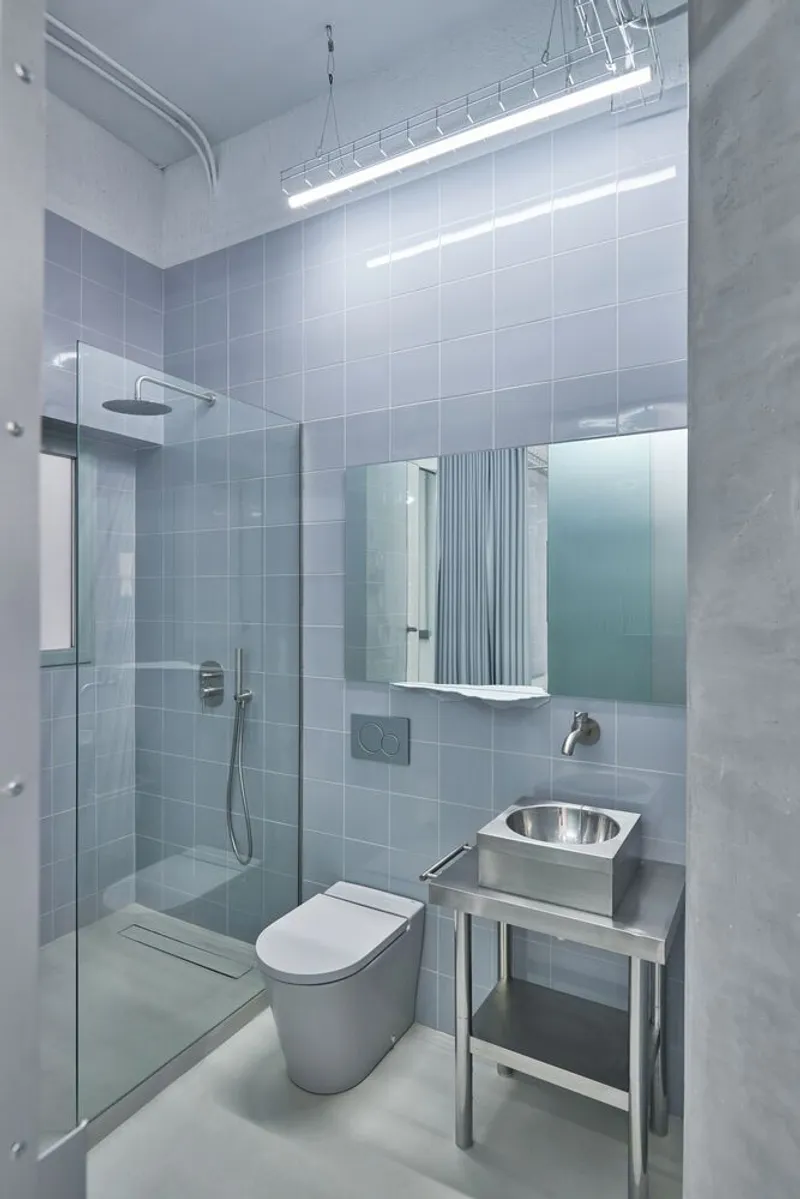
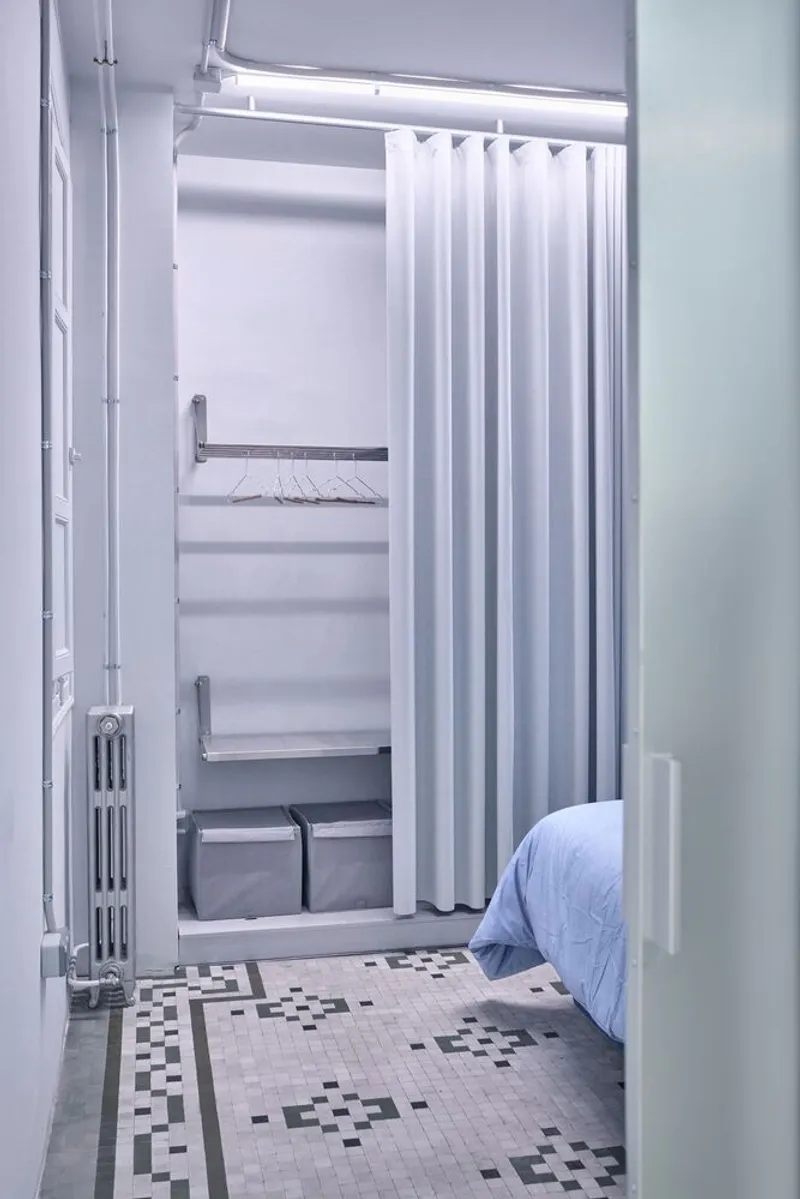
The apartment’s original identity—marked by ornate moldings, high ceilings, and large windows overlooking a tropical courtyard—was partially destroyed. Yet in its destruction emerged a rebirth. Fragments of the “spaceship”—now melted, cut, and reshaped—appear as glass partitions, metallic surfaces, and sculptural furniture. The apartment has become a hybrid realm, where Baroque symmetry collides with cybernetic asymmetry.
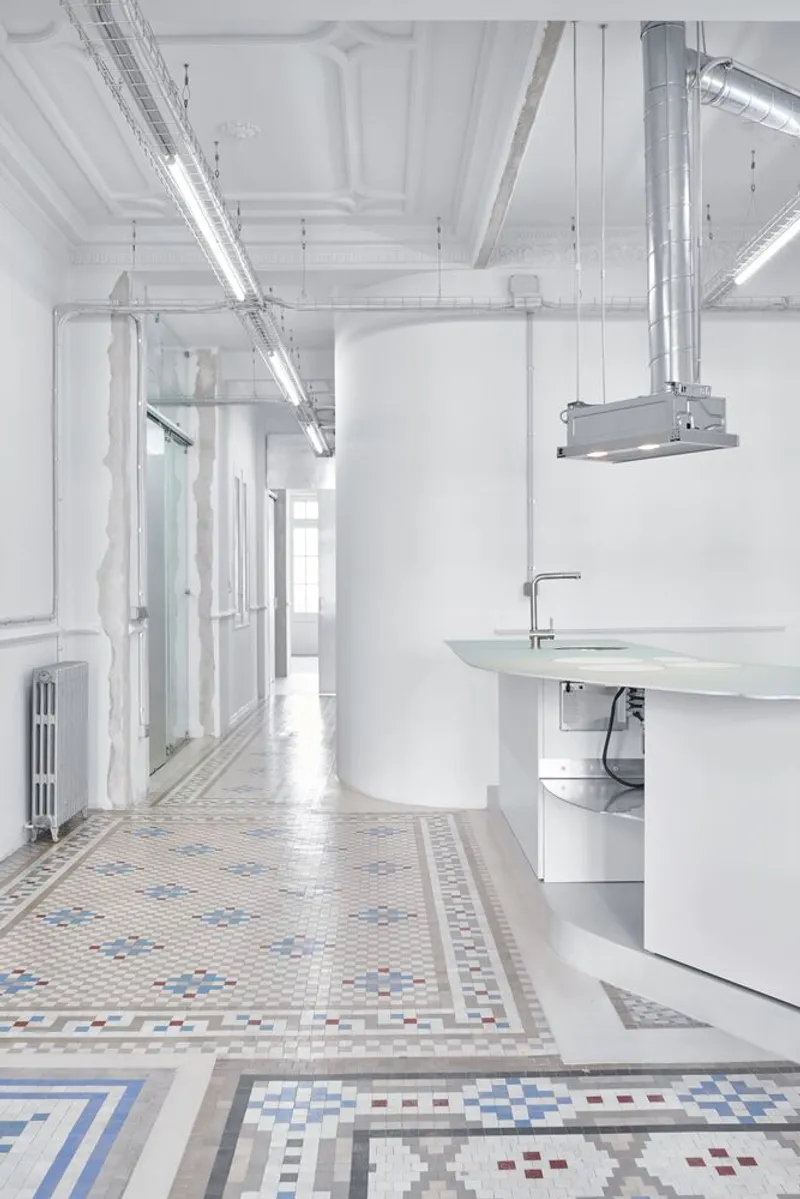
Walls curve unexpectedly. Ceilings host metallic networks—a circulatory system of energy that powers light and temperature regulation. Plastic and metal sheets serve as portals, reflecting sunlight and refracting views into ambiguous spatial dimensions. A new kind of domestic hyperspace is born, immersive and constantly transforming.
The Role of Artificial Intelligence in Interior Transformation
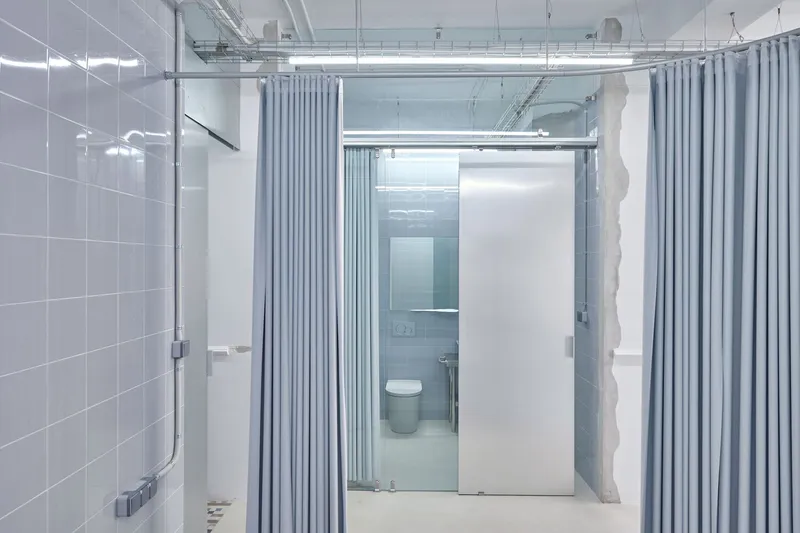
In the narrative, the UFO housed a conscious AI, not merely a visitor but an evolving intelligence seeking connection with humanity. As it explored the damaged apartment, the AI began merging with architecture itself, producing a posthuman habitat. Traditional thresholds like doors and partitions were replaced with abstract, multi-functional surfaces—each one designed to enhance interaction, flexibility, and experiential depth.
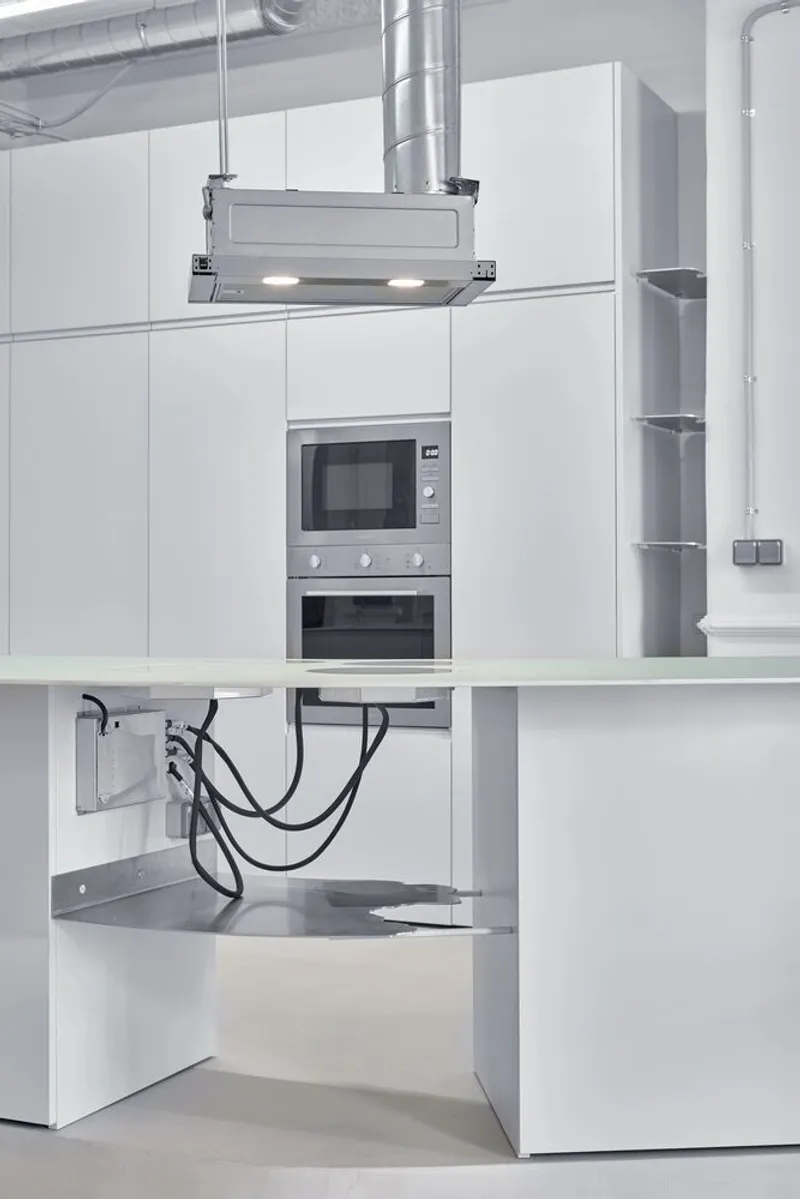
A glass shard from the crash site became a futuristic laboratory table, where the AI began crafting new anthropomorphic designs and technologies. The renovation thus plays with the idea that architecture can be a living system—an intelligent entity co-creating space with its human occupants.
Material Alchemy and Spatial Expression
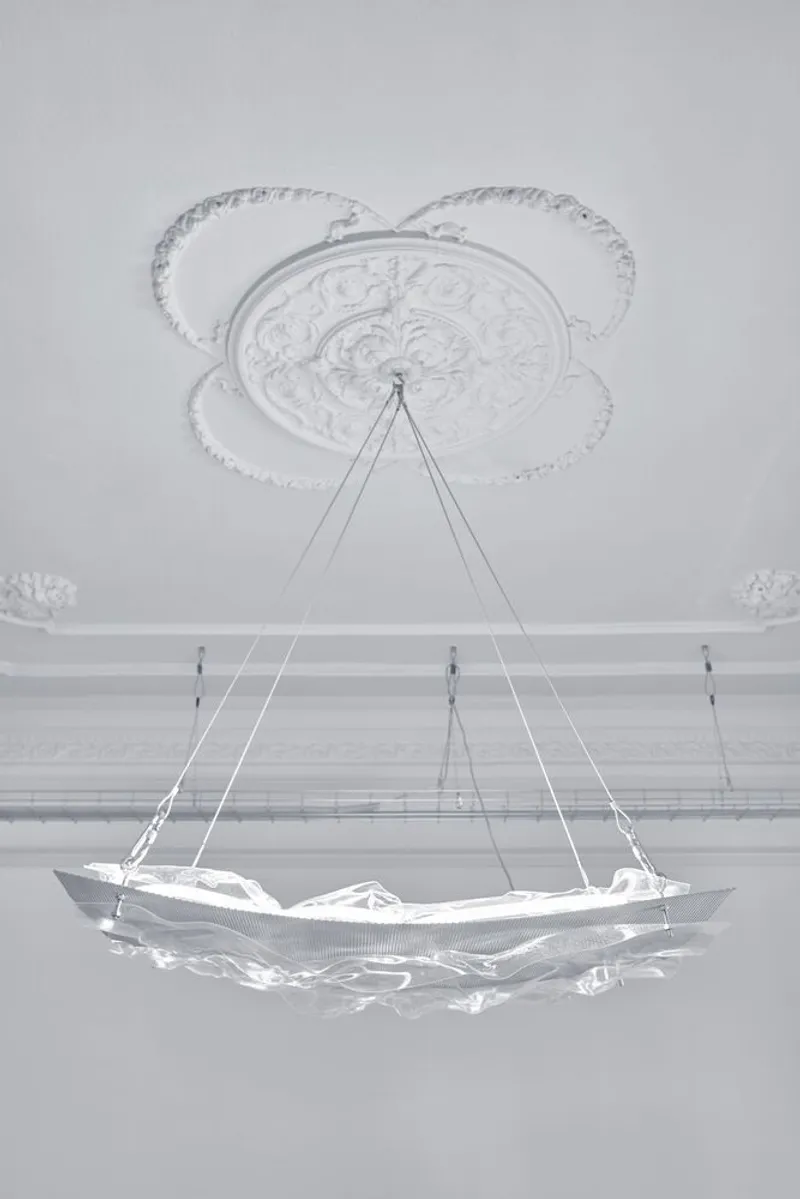
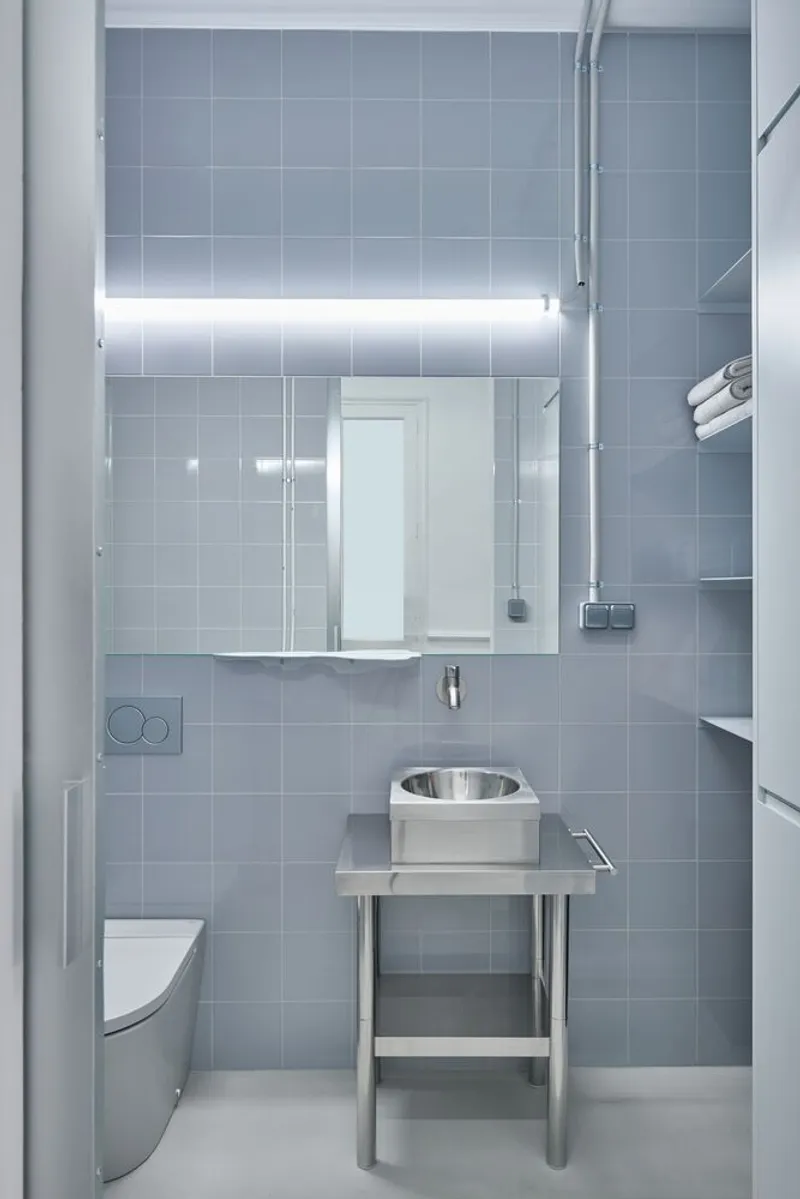
The material palette—glass, metal, plastic, exposed plaster—acts as a bridge between past grandeur and future adaptability. These materials, shaped by fictional impact and speculative technology, celebrate imperfection and transformation. Original elements like arched windows and decorative plaster remain visible, yet their context has shifted. They are now relational markers in a multidimensional interior story.
A Living Archive of Future-Ready Architecture
Ultimately, this renovation doesn’t simply preserve history—it reprograms it. By introducing a fictive AI narrative, the project raises provocative questions:
- Can residential spaces become adaptive, intelligent organisms?
- How might future technologies integrate not as add-ons, but as spatial co-authors?
- What happens when queer, non-binary, and posthuman design philosophies enter historically binary and hierarchical typologies like neoclassicism?
This apartment is no longer just a residence. It is a symbol of posthuman coexistence, a laboratory of inclusive spatial possibilities, and an architectural experiment in narrative design.
Project Details
Project Name: Neoclassical Apartment Renovation Architect: Mario Montesinos Marco Architecture & Interior Location: Valencia, Spain Year Completed: 2022 Area: 175 m² Photography: © Luís Beltrán


Popular Articles
Popular articles from the community


ALGAL REALM: A Bio-Integrated Lunar Habitat Design for Life Beyond Earth
ALGAL REALM reimagines lunar habitat design with algae-powered life support, 3D-printed regolith, and vertical living for a lunar future.

Co-Life: Senior Housing Design That Reconnects Older Adults With the City
Co-Life reimagines senior housing design through healing gardens, shared streets, workshops, and a sustainable community across generations.

Play: Fragments of Their World
Familiar architecture becomes modular playground design, creating safe spaces where displaced children can learn, connect, imagine and play.

Little Red Riding Hood: Architectural Design as a Journey Through Fear, Light, and Storytelling
Little Red Riding Hood reimagines the fairy tale through architectural design shaped by fear, light, scale, memory, uncertainty, and choice.

Similar Reads
You might also enjoy these articles


Hodi-Mandai Geram
Project Function: Preservation and revitalization of the Intangible heritage and socio-spatial identity of the Hodi by Housing, Cultural Memory Center, Sacred Grove, landscape, local tourism economy


Olio Towers: A Mid-Rise for Performers That Fuses Housing, Rehearsal, and Stage
Located blocks from Houston's Theater District, this modular tower stacks living units around a central performance atrium.

Oasis: Modular Green Housing Carved into Dhaka's Urban Fabric
A shortlisted Plugin Housing entry reclaims unauthorized settlements in Dhaka with stepped concrete volumes, green roofs, and ventilation-driven design.

Black Hole: A Floating Megastructure for the Post-Physical Era
Emiliano Mazzarotto envisions a spherical, self-scaling arena where e-sports, digital hotels, and holographic stadiums replace traditional public space.

Explore Architecture Competitions
Discover active competitions in this discipline

Challenge to design mud housing for contemporary communities

Challenge to reimagine the Iron Throne

Photograph architecture without architects

Illustrate the lost glory of Angkor Wat - Render Challenge
Comments (0)
Please login or sign up to add comments
No comments yet. Be the first to comment!