
New U.S. Consulate General Guadalajara by Miller Hull Partnership: A Sustainable, High-Performance Diplomatic Campus in Mexico
The new U.S. Consulate in Guadalajara integrates security, sustainability, and local context, offering efficient services, shaded gardens, and a modern, light-filled workplace.


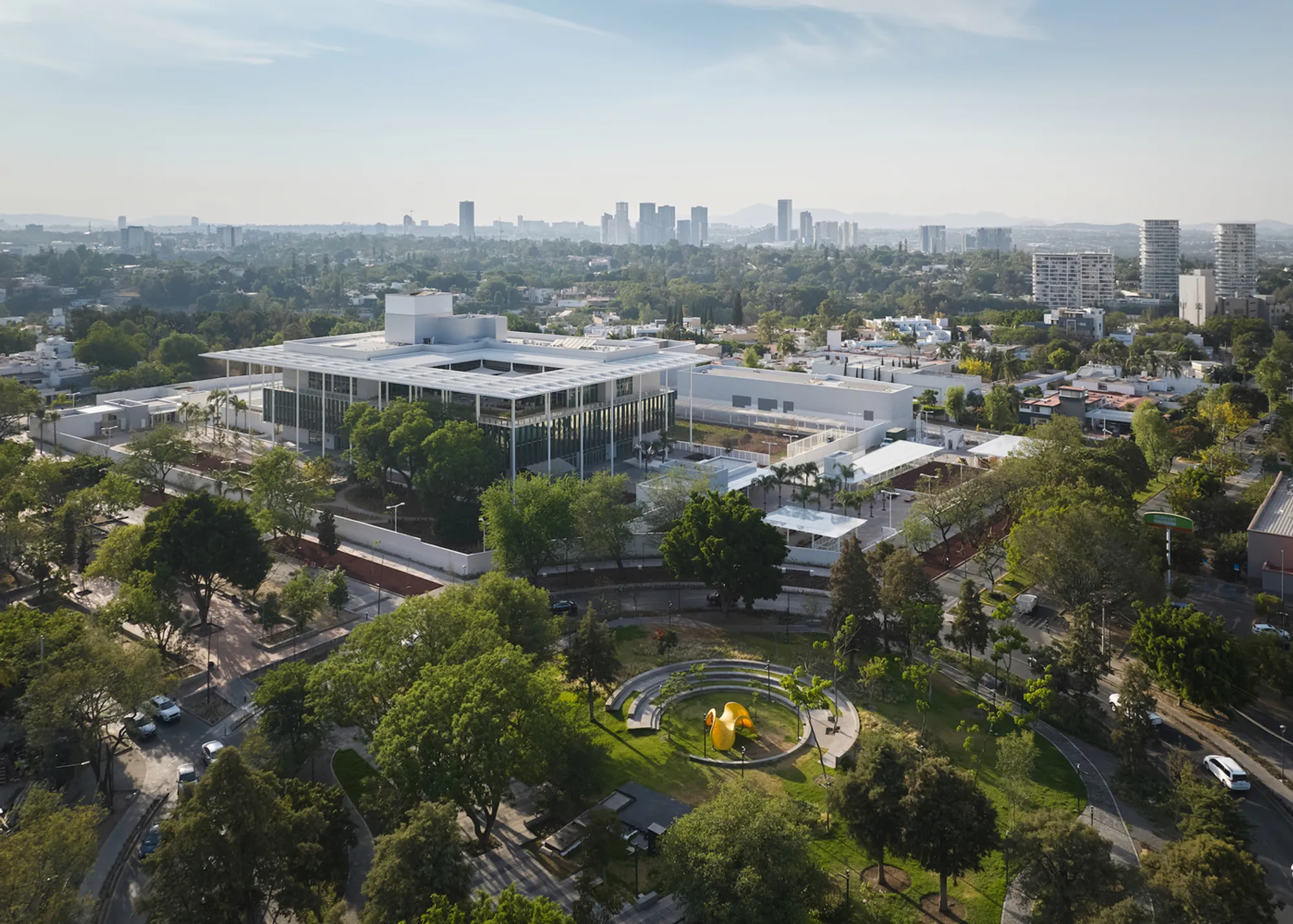
The New U.S. Consulate General Guadalajara, designed by the acclaimed Miller Hull Partnership, stands as a flagship model of modern diplomatic architecture, sustainability, and community integration. Completed in 2024 in Guadalajara, Mexico, the 370,260 ft² consulate campus reflects the U.S. Department of State’s ongoing mission to create secure, resilient, and environmentally responsive facilities worldwide.
This project marks the firm’s third collaboration with the U.S. Department of State Bureau of Overseas Buildings Operations (OBO)—following successful embassy projects in Niger and Guatemala City. The Guadalajara consulate thoughtfully balances state-of-the-art security requirements with architectural transparency, energy performance, and a workplace environment designed for health and productivity.
A Modern Diplomatic Campus Rooted in Local Context
Located in the Monraz neighborhood, the consulate is positioned within one of Guadalajara’s most dynamic districts, blending historic charm with contemporary urban development. The multi-building compound includes:
- A 12,000 m² office building
- Entry pavilions and controlled-access zones
- A marine guard residence
- Support and utility buildings
- Recreational facilities for staff
- Two underground parking garages with space for 150 vehicles each
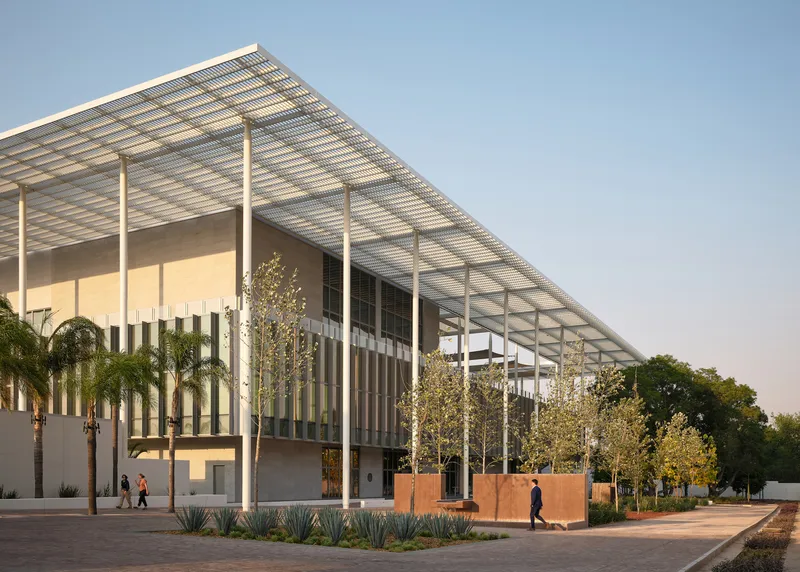
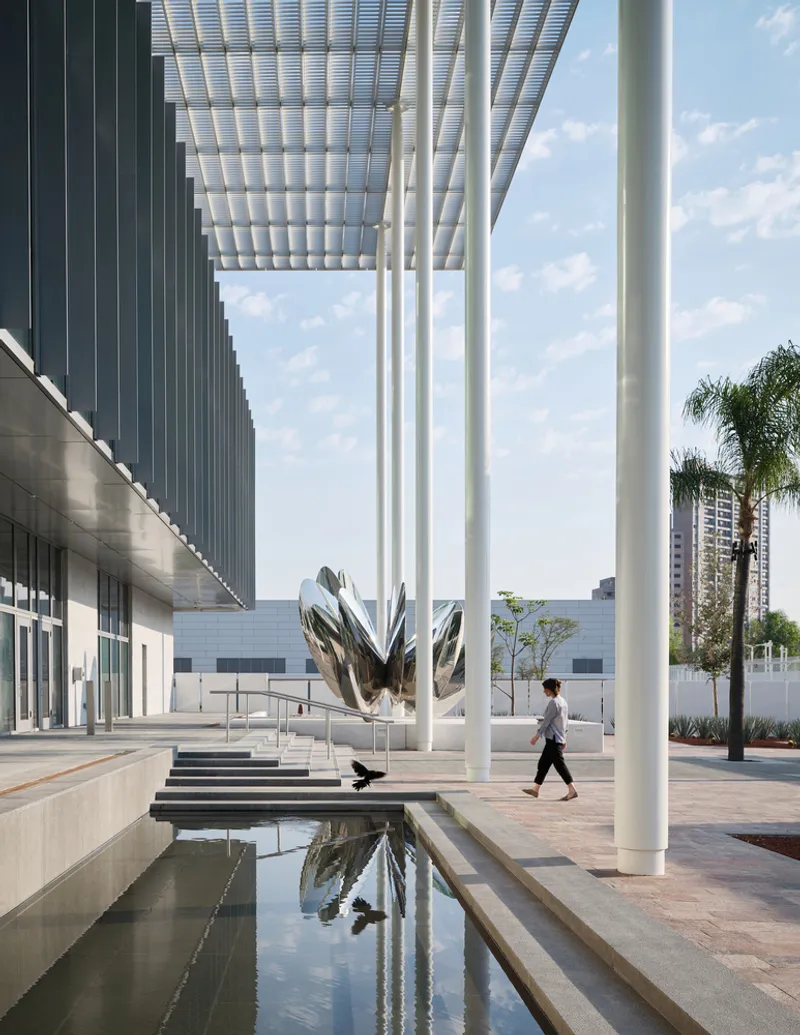
The region’s warm climate and outdoor lifestyle shaped the architectural approach. Miller Hull incorporated a modern interpretation of the local “palapa”—a shading structure that wraps the façade and shields outdoor spaces from sun and rain. This creates a climatic buffer and supports year-round indoor-outdoor functionality.
A commitment to environmental stewardship is evident in the preservation of existing flora. Mature street trees and a grove of Jacaranda trees were carefully protected, offering natural shade, seasonal color, and wildlife habitat for birds and pollinators. This landscape enhances both the ecological value of the site and the daily experience of employees and visitors.
Designed for Efficiency, Security, and Visitor Experience
The new consulate is engineered to accommodate the region’s surging demand for consular services. Average daily visitation—currently at 1,200—is projected to increase to 2,000 visitors per day within the next decade.
To meet this demand, the design implements:
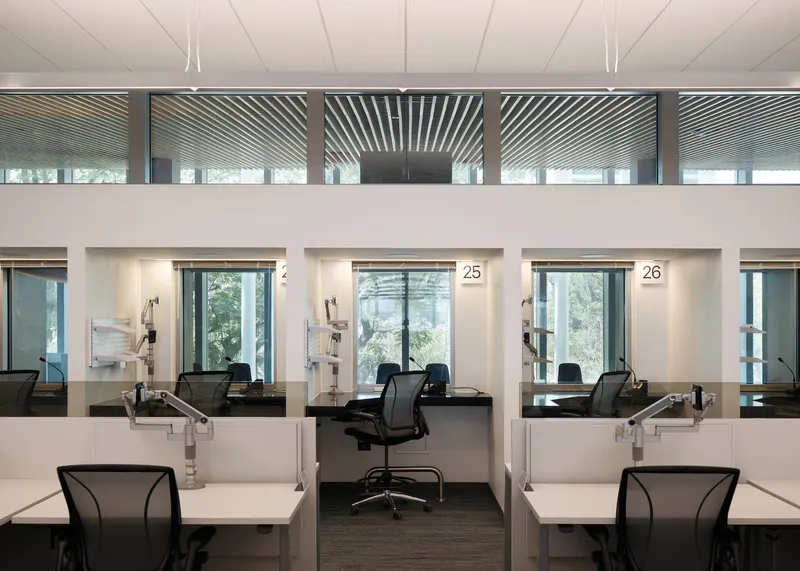
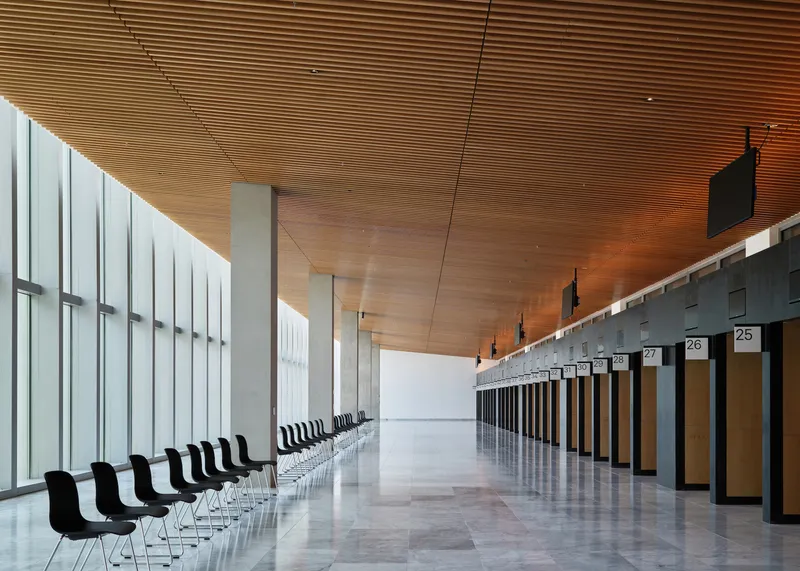
- Double the number of service windows, improving wait times and processing efficiency
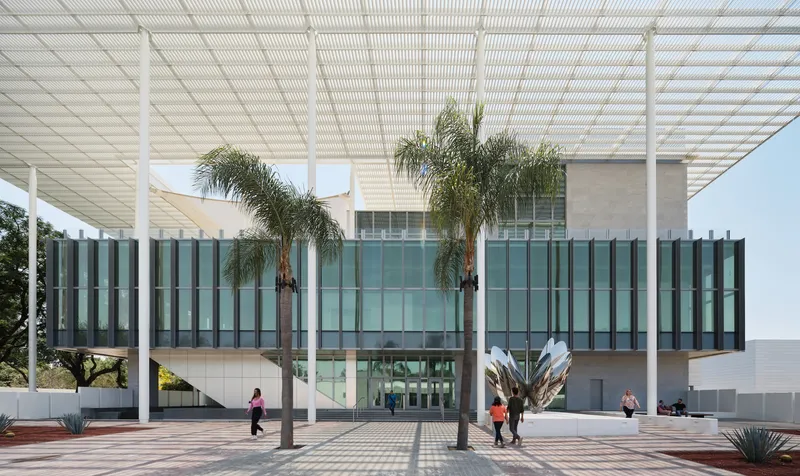
- A second-floor consular hall offering panoramic views through Jacaranda canopies
- A shaded outdoor consular garden integrated with public art installations
- A cantilevered glass-clad consular section serving as a clear architectural wayfinding element
- A dedicated visitor parking garage for improved safety and accessibility
The visitor experience is streamlined through escalator and elevator access, intuitive circulation, and enhanced security screening to reduce congestion and improve movement throughout the facility.
A Workplace Designed Around Wellness and Productivity
Miller Hull prioritized a human-centered approach, designing offices that enhance employee satisfaction, comfort, and communication. Key features include:
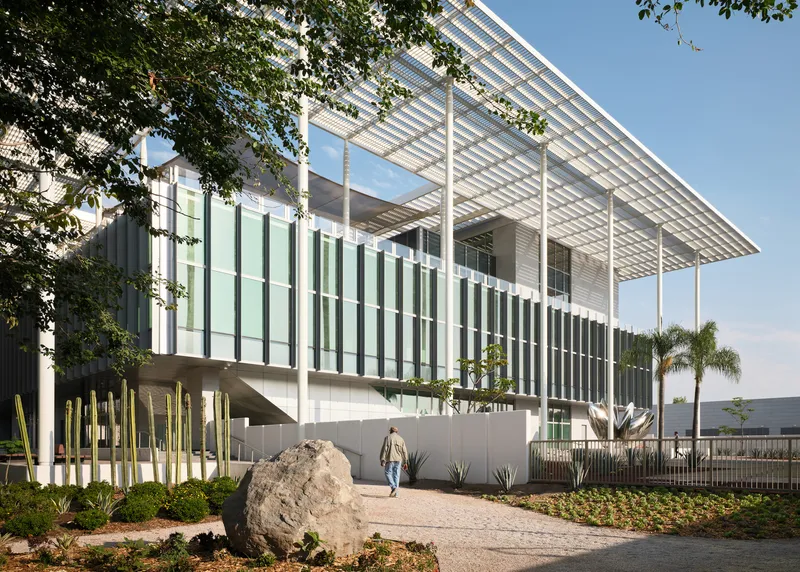
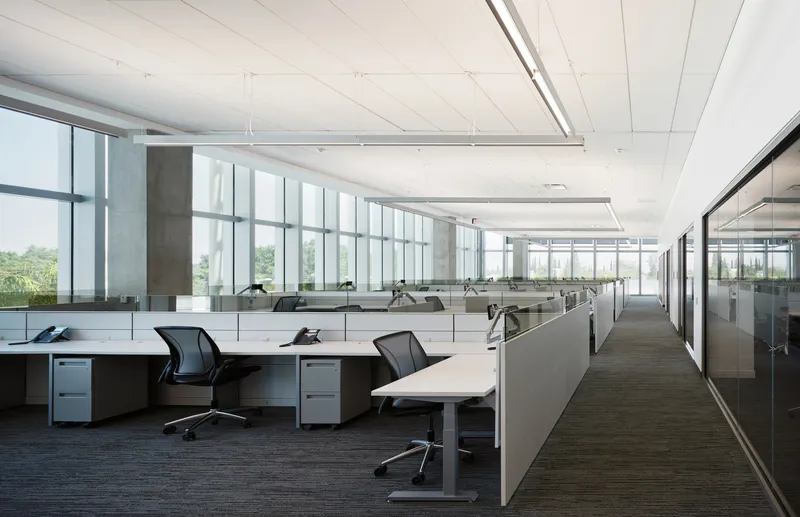
- Slim office floor plates that maximize natural light
- Extensive glazing in open workspaces
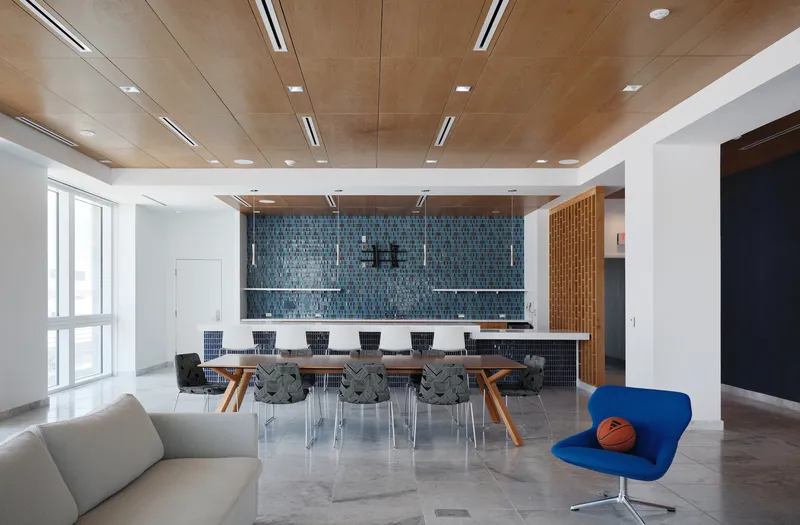
- The third floor as a social hub, with dining and gathering spaces
- A large outdoor terrace for diplomatic representational events
- Open staircases promoting natural ventilation and movement
Every space is thoughtfully configured to support collaboration, privacy, and the functional needs of diplomatic personnel.
High-Performance, Climate-Responsive Architecture
The consulate is a model for energy efficiency, climate resilience, and sustainable resource management, surpassing strict Federal Performance Goals.
Key sustainability strategies:
• 36% Reduction in Energy Consumption Achieved through façade shading, efficient HVAC, and passive design strategies.
• Daylighting + 23% Energy Reduction Before Renewables Thin floor plates and strategic glazing reduce dependence on artificial lighting.
• Solar Integration Photovoltaic systems supply 15% of total energy demand, lowering reliance on grid electricity.
• Water Conservation and Net-Zero Water Consumption Goals
- Rainwater harvesting from roofs supplies water features
- Treated wastewater irrigates drought-tolerant landscaping
- Native plants—agaves, cacti, regional trees—reduce water use and support biodiversity
• Climate Resilience The architecture is engineered for seismic stability, heat reduction, and other natural hazards common to the region.
Strengthening U.S. Diplomacy Through Design
The New U.S. Consulate General Guadalajara is more than a secure government complex—it is a symbol of international collaboration, urban integration, and environmental leadership. Through thoughtful design, the facility aims to strengthen diplomatic engagement, improve service delivery for millions of regional visitors, and create a healthy, sustainable workplace for consulate staff.
All photographs are works of
Kevin Scott


Popular Articles
Popular articles from the community

EW PARK: Sustainable Architecture Reimagines the Future of Urban Parking
EW PARK reimagines city parking as a modular wooden tower combining automation, solar energy, electric mobility, and adaptable urban design.

Conexión: Biophilic Design Reimagines High-Rise Living in Hong Kong
Conexión reimagines high-rise living in Hong Kong through biophilic design, green facades, shared spaces, daylight, water and nature within.

Riyadh For All: Intergenerational Urban Design for Active Aging in Rabat
Riyadh For All reimagines urban design in Rabat with intergenerational co-living, adaptive courtyards, and Moroccan cultural exchange today.

Co-Life: Senior Housing Design That Reconnects Older Adults With the City
Co-Life reimagines senior housing design through healing gardens, shared streets, workshops, and a sustainable community across generations.


Similar Reads
You might also enjoy these articles


Hodi-Mandai Geram
Project Function: Preservation and revitalization of the Intangible heritage and socio-spatial identity of the Hodi by Housing, Cultural Memory Center, Sacred Grove, landscape, local tourism economy


Olio Towers: A Mid-Rise for Performers That Fuses Housing, Rehearsal, and Stage
Located blocks from Houston's Theater District, this modular tower stacks living units around a central performance atrium.

Oasis: Modular Green Housing Carved into Dhaka's Urban Fabric
A shortlisted Plugin Housing entry reclaims unauthorized settlements in Dhaka with stepped concrete volumes, green roofs, and ventilation-driven design.

Black Hole: A Floating Megastructure for the Post-Physical Era
Emiliano Mazzarotto envisions a spherical, self-scaling arena where e-sports, digital hotels, and holographic stadiums replace traditional public space.


Explore Public Building Competitions
Discover active competitions in this discipline


Challenge to design locus for the upliftment of human rights


Challenge to reimagine the Iron Throne


Photograph architecture without architects


Illustrate the lost glory of Angkor Wat - Render Challenge
Comments (0)
Please login or sign up to add comments
No comments yet. Be the first to comment!