
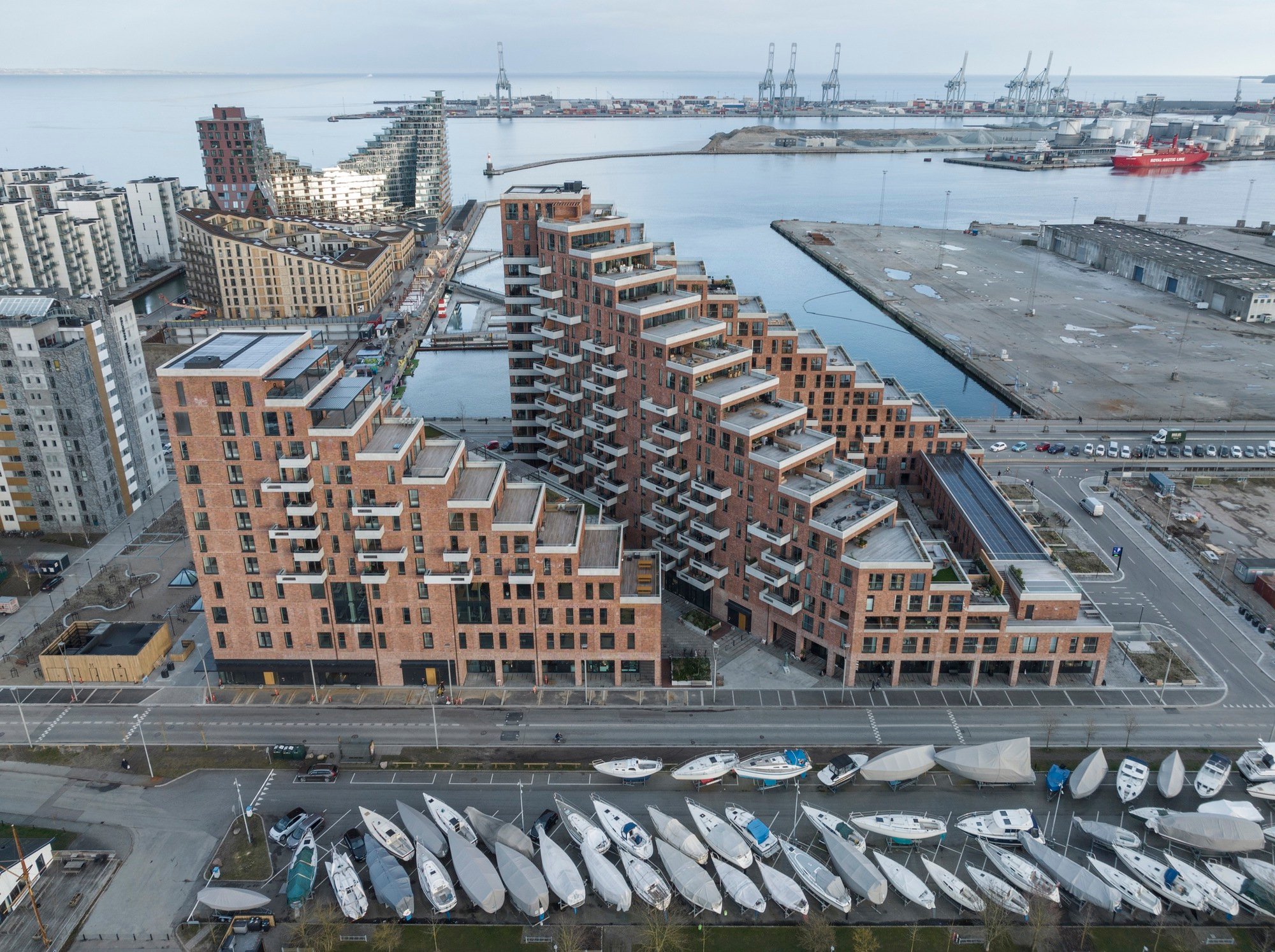
Nicolinehus Residential Complex in Aarhus by AART Architects
The Nicolinehus Residential Complex in Aarhus by AART Architects blends housing, commerce, and culture, creating vibrant, sustainable urban waterfront living.

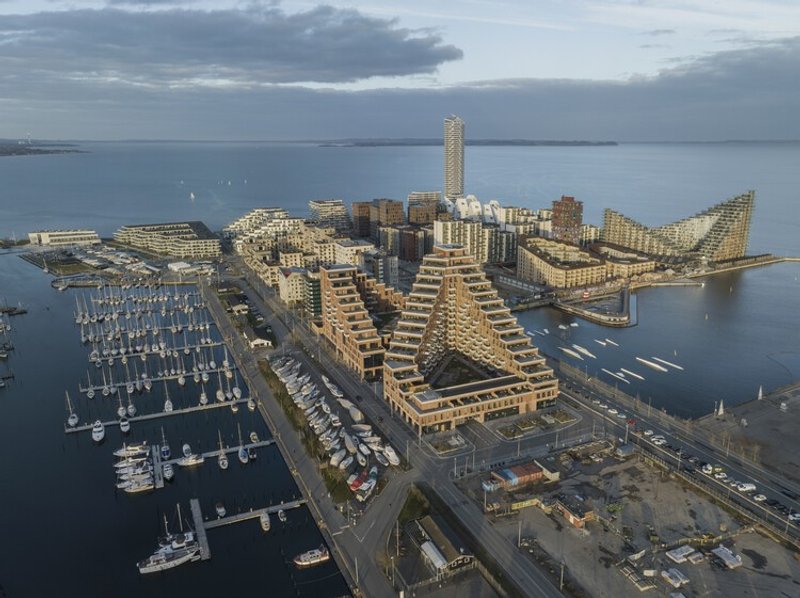
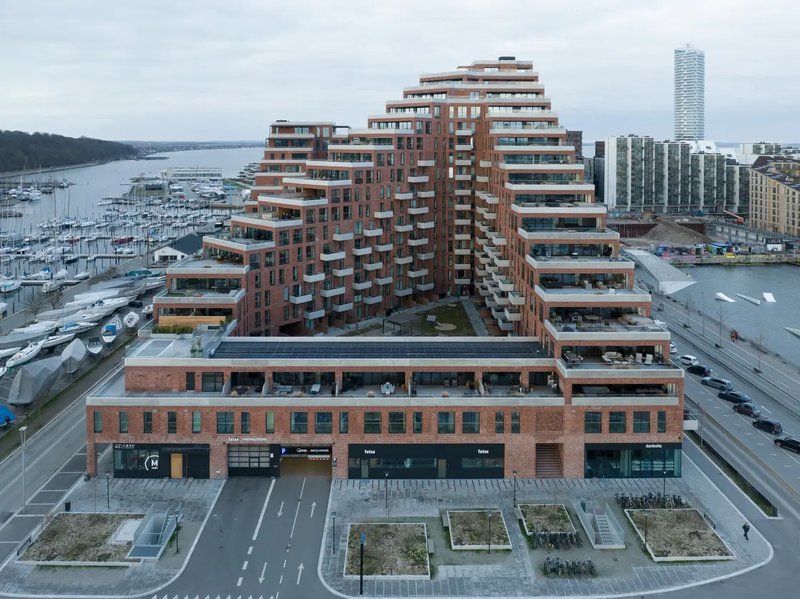
The Nicolinehus Residential Complex, designed by AART Architects, is a landmark mixed-use development that has transformed the urban fabric of Aarhus Ø, Denmark. Completed in 2023, this 45,000 m² architectural masterpiece sits between Aarhus Marina and the city’s harbour bath, offering a vibrant blend of residential, commercial, and cultural functions.
As the final piece of the first phase of Aarhus Ø’s waterfront development, Nicolinehus is more than just a residential project—it is a catalyst for urban life, connecting the city, the waterfront, and its community.
A New Catalyst for Urban Life in Aarhus
From the outset, AART Architects and developer Bricks envisioned Nicolinehus as a hub of social activity, designed to attract people beyond its residents. Unlike traditional housing developments, Nicolinehus integrates apartments, offices, cafés, restaurants, retail spaces, a market hall, and public urban spaces into one cohesive environment.
"Urban life is essential for the attractiveness of a neighborhood," says Anders Strange, CCO and partner at AART. “When we formulated the first visions for Nicolinehus, our goal was to create a building that draws people to Aarhus Ø throughout the day.”
Architectural Concept and Design
The project showcases AART’s impact-driven approach to architecture, where lessons from past projects—such as the successful Pakhusene mixed-use complex in Aarhus Ø—inform future designs.
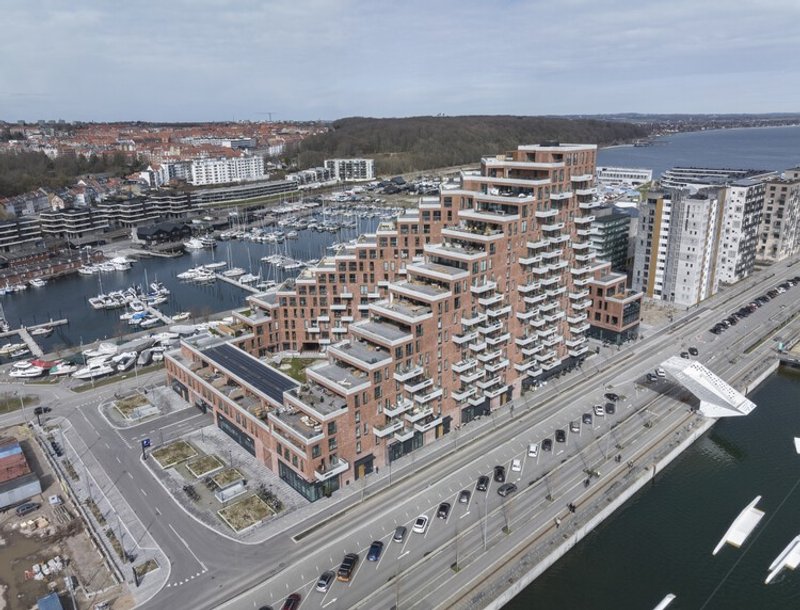
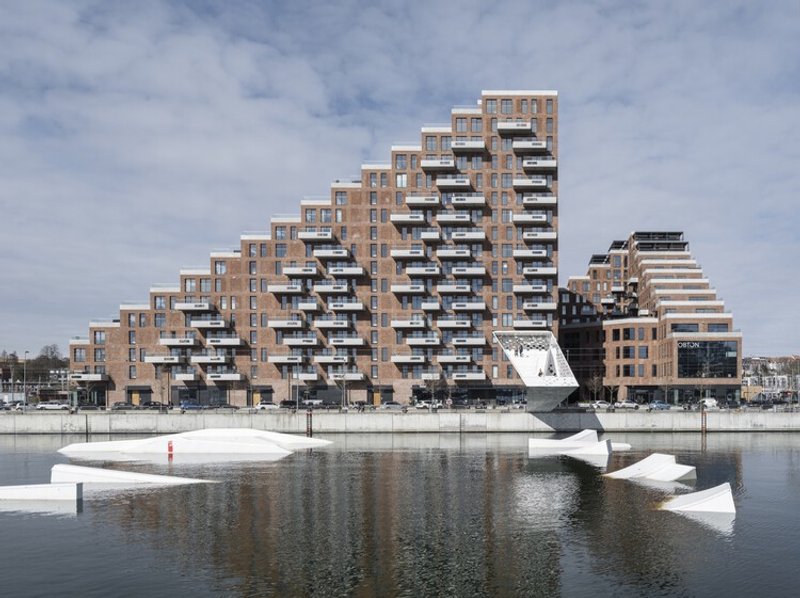
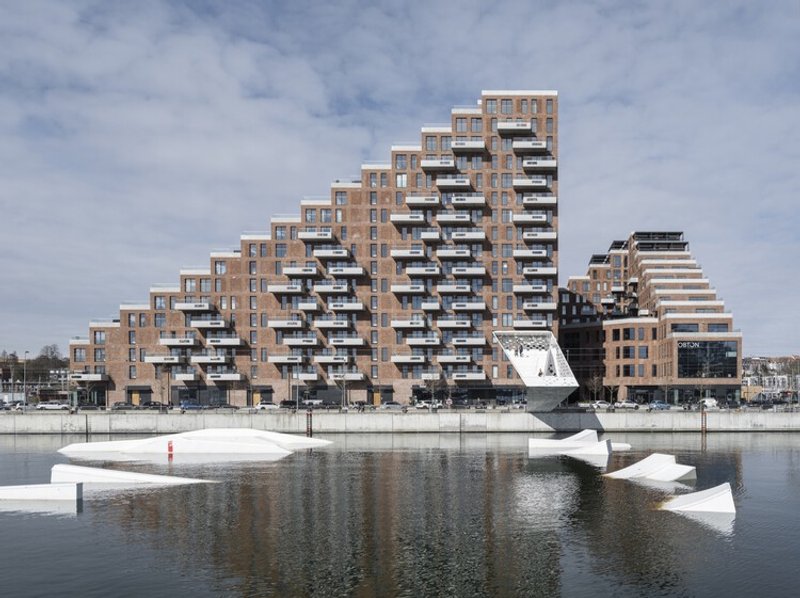
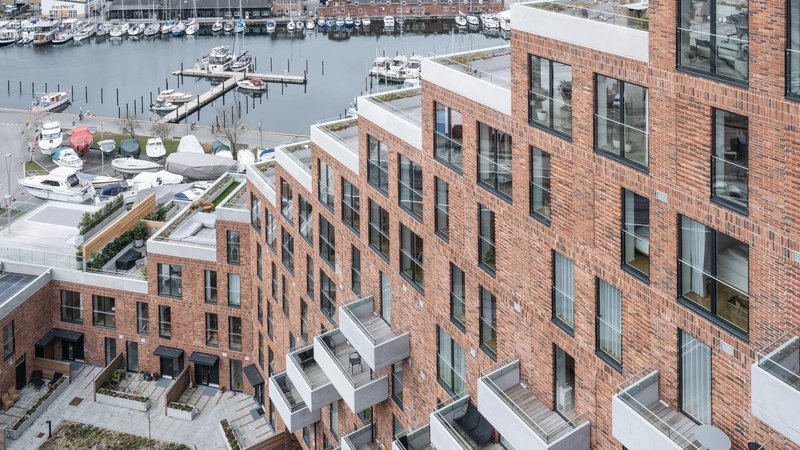
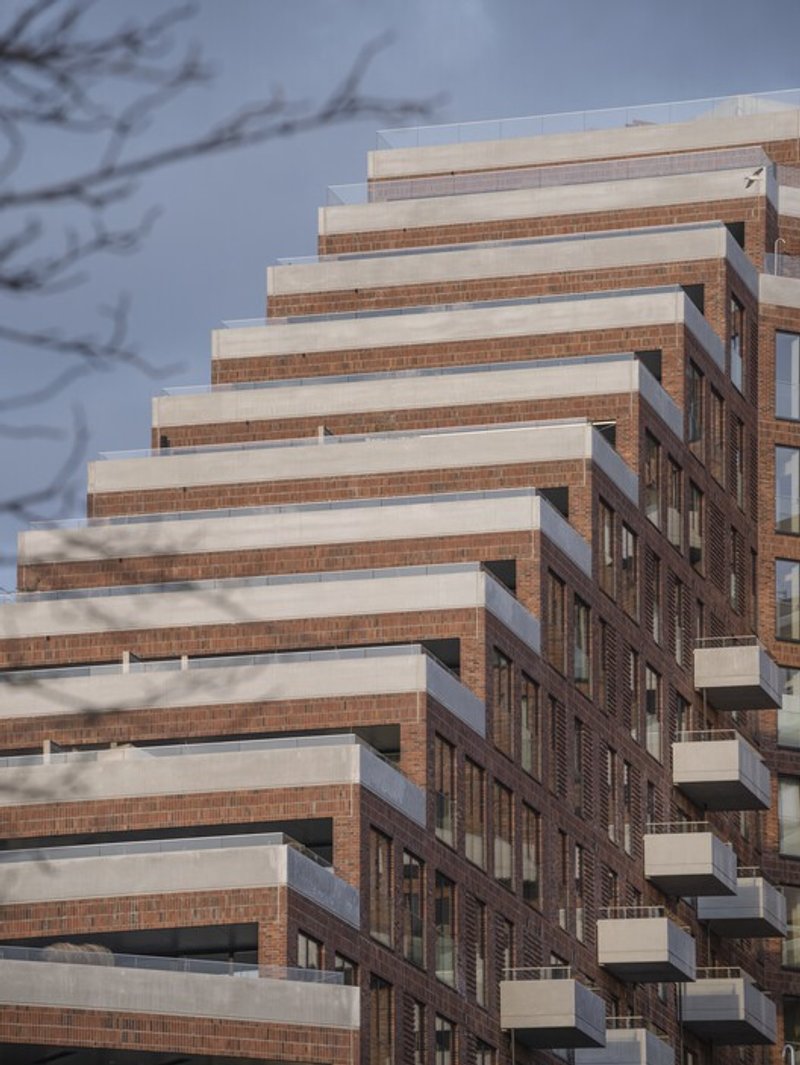
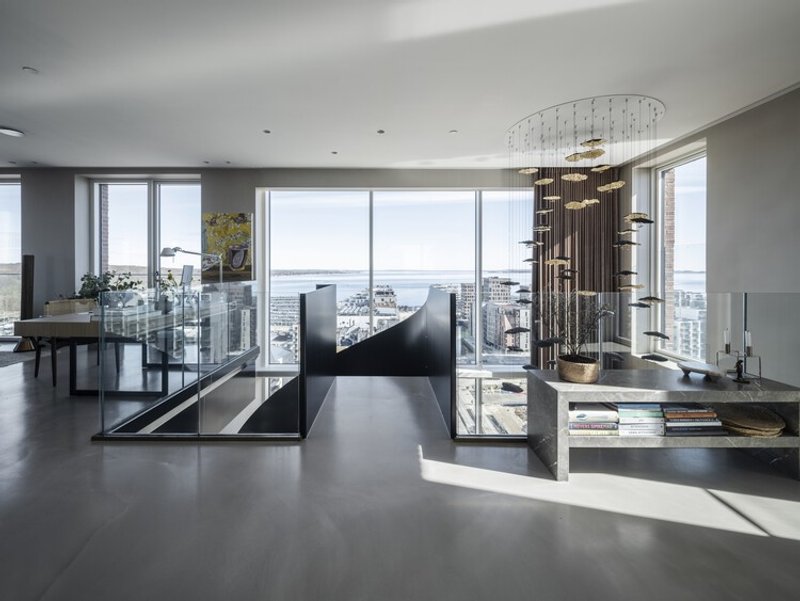
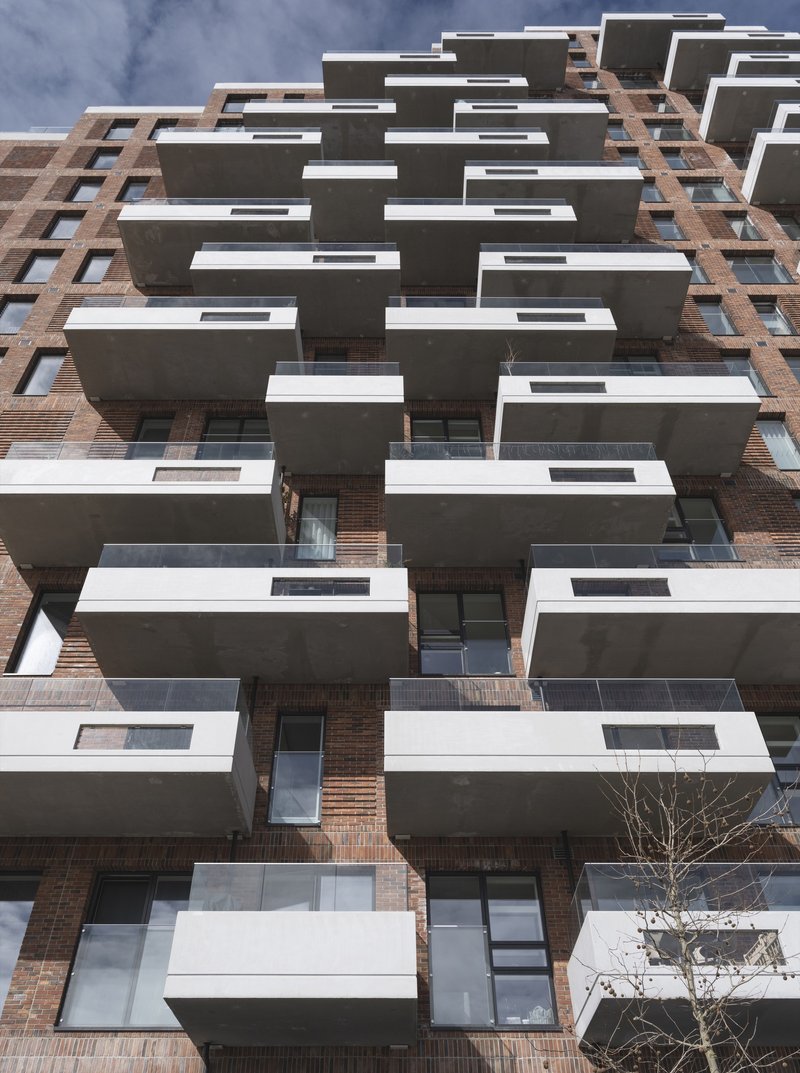
Nicolinehus stands out with its distinctive staircase-shaped architecture, ensuring every apartment benefits from panoramic views, abundant daylight, and private outdoor terraces. The building’s massing is carefully divided by a new urban street that cuts through the complex, creating open pedestrian pathways, cycling routes, and access points to the market hall at street level.
Inside Nicolinehus: Market Hall and Urban Vibrancy
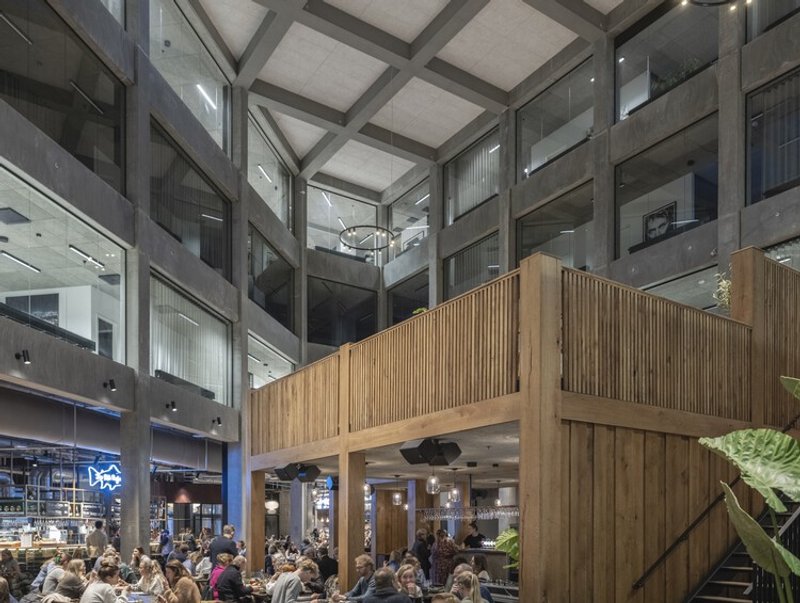
At the heart of Nicolinehus lies a large, lively market hall with over 15 eateries, cafés, and shops. This ground-level public space ensures that the development remains active not only during the day but also in the evenings, strengthening the cultural and social identity of Aarhus Ø.
The combination of residences, workspaces, leisure, and retail brings together a diverse community, blurring the lines between living, working, and socializing.
Built for Sustainability and Longevity
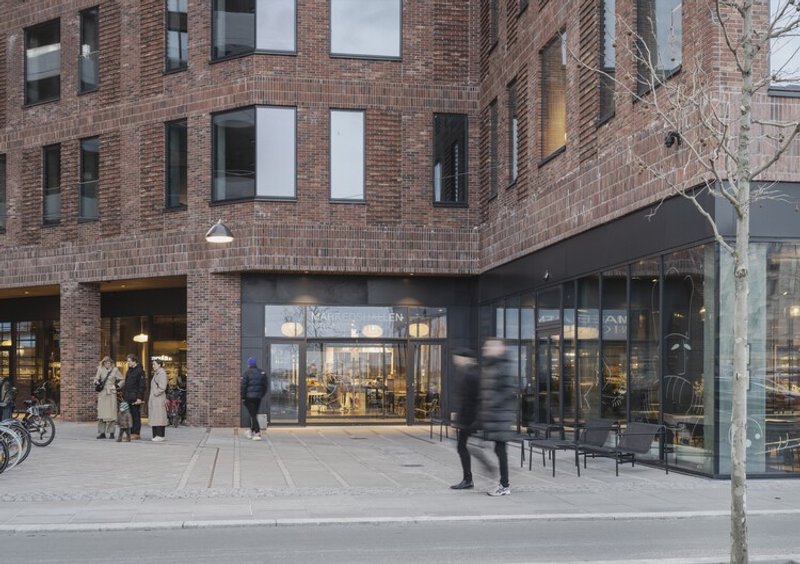
Nicolinehus has been constructed with a long-term perspective on social, economic, and environmental sustainability. The building is clad in red brick, chosen not only for its architectural beauty but also for its durability and timelessness. The brick façades withstand the coastal climate while developing a natural patina that enhances their character over time.
This balance of resilient materials, functional design, and social value makes Nicolinehus a model for sustainable urban development in Northern Europe.
The Nicolinehus Residential Complex is more than just a housing development—it is a social landmark and urban destination. By combining architecture, community, and sustainability, AART Architects have created a project that not only redefines Aarhus Ø but also contributes to the cultural and social vibrancy of Aarhus as a whole.
Nicolinehus represents the future of mixed-use urban development, where design excellence, livability, and sustainability work hand in hand to enrich city life.
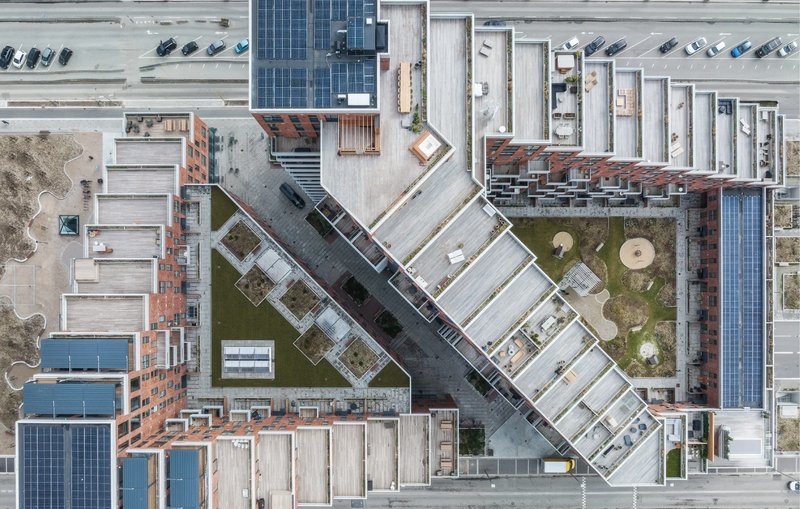
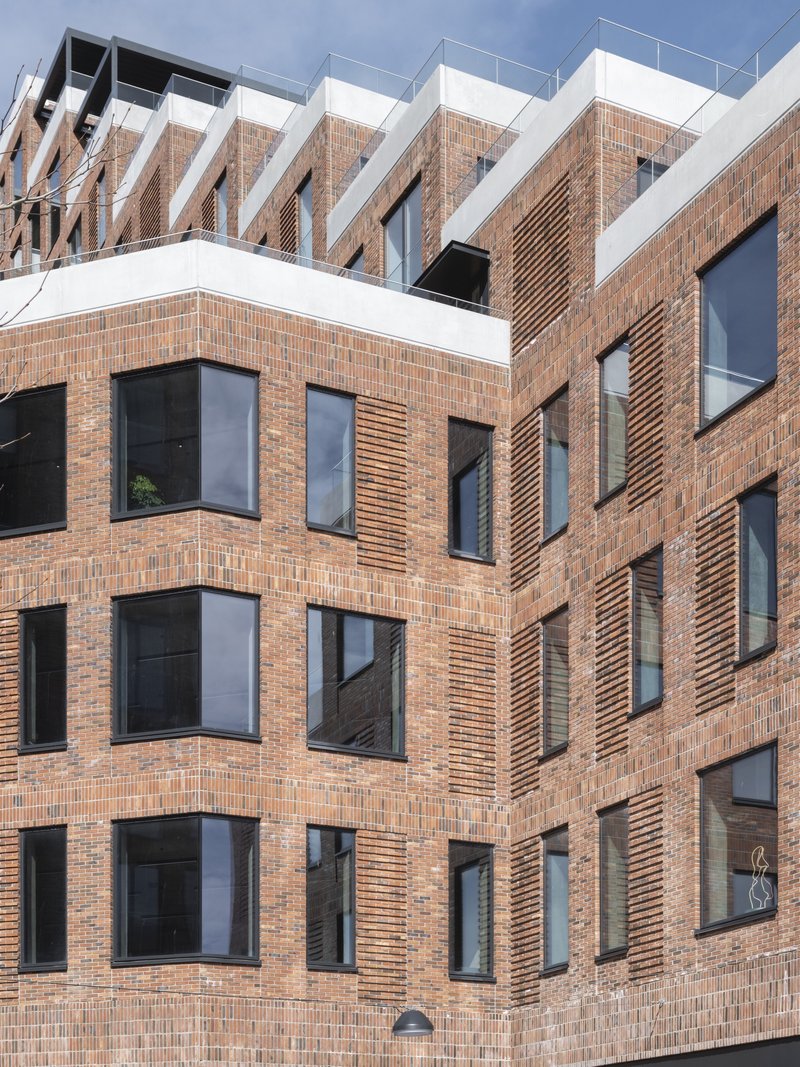
All the photographs are works of Niels Nygaard




Popular Articles
Popular articles from the community

20 Most Popular Commercial Architecture Projects of 2025
From sustainable market concepts to heritage factories, the commercial buildings and proposals that drew the most attention on uni.xyz this year.

MAKER architecten Rewire a 1972 Brutalist Dormitory on the VUB Campus as a Living Lab
A modular renovation strategy in Belgium breathes new life into Willy Van Der Meeren's modernist student housing without erasing its concrete bones.
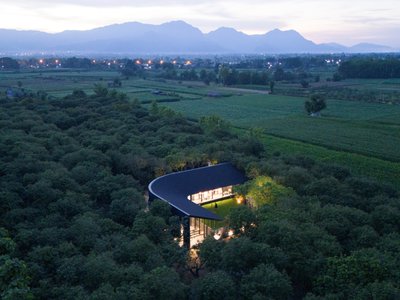
Cafe MADA: A Chiang Rai Pavilion in a Mango Orchard
BodinChapa Architects threaded a 254 m² black-roofed cafe through an existing mango orchard in Chiang Rai, Thailand, built around mature trees.
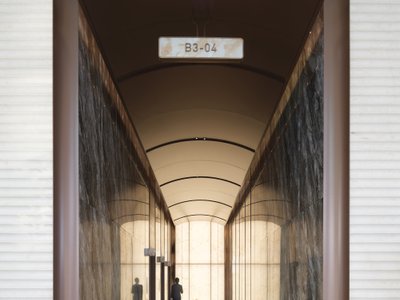
Guangzhou's Twin Towers Interiors Move Like Water
DuShe Architectural Design shapes the lobbies of a massive Guangzhou transit hub with undulating ceilings and deep geological materiality.


Similar Reads
You might also enjoy these articles

Filtering Space: A Gradual Spatial Experience
From urban intensity to spatial calm.


The Ken Roberts Memorial Delineation Competition (Krob)
As the most senior architectural drawing competition currently in operation anywhere in the world, it draws hundreds of entries each year, awarding the very best submissions in a series of medium-based categories.

Waterfront Redevelopment and Urban Revitalization in Mumbai: Forging a New Dawn for Darukhana
A transformative waterfront redevelopment project reimagining Darukhana’s shipbreaking heritage into an inclusive urban future.

OUT-OF-MAP: A Call for Postcards on Feminist Narratives of Public Space
Rhizoma Design and Research Lab invites artists, designers, architects, researchers, and students to reflect on how feminist perspectives can reshape public space. Selected works will be exhibited in Barcelona, October 2026. Submissions open until 15 April 2026.


Explore Architecture Competitions
Discover active competitions in this discipline




The International Standard for Design Portfolios


The Global Benchmark for Architecture Dissertation Awards


The Global Benchmark for Graduation Excellence


Challenge to design mud housing for contemporary communities
Comments (0)
Please login or sign up to add comments
No comments yet. Be the first to comment!