

Nightingale Ballarat by Breathe Architecture: A Sustainable, Medium-Density Living Prototype for Regional Australia
Sustainable, zero-gas residential development in Ballarat blending heritage design, social housing, and medium-density living by Breathe Architecture.


Reimagining Urban Living in Regional Australia
Nightingale Ballarat by Breathe Architecture marks a transformative step in the revitalization of Ballarat's historic city center. Designed as a sustainable mixed-use residential development, the project addresses regional urban sprawl, housing equity, and climate-conscious living through a design deeply rooted in local context and social responsibility.
In the mid-19th century, Ballarat was a vibrant, compact city—residents lived above their shops, trams rolled down Sturt Street, and the streets buzzed with energy. Fast forward 165 years: like many Australian regional towns, Ballarat has seen its population spread to the suburbs, leaving its urban heart quiet and underutilized. With this shift came challenges: increasing car dependency, aging infrastructure, and unsustainable urban sprawl.
Nightingale Ballarat is both a prototype and proof-of-concept for reversing these patterns. Developed as part of the city’s strategic plan for urban renewal through infill and adaptive reuse, the project reintroduces medium-density living in a format tailored to the regional context.
Architecture That Resonates with the Past—and Plans for the Future
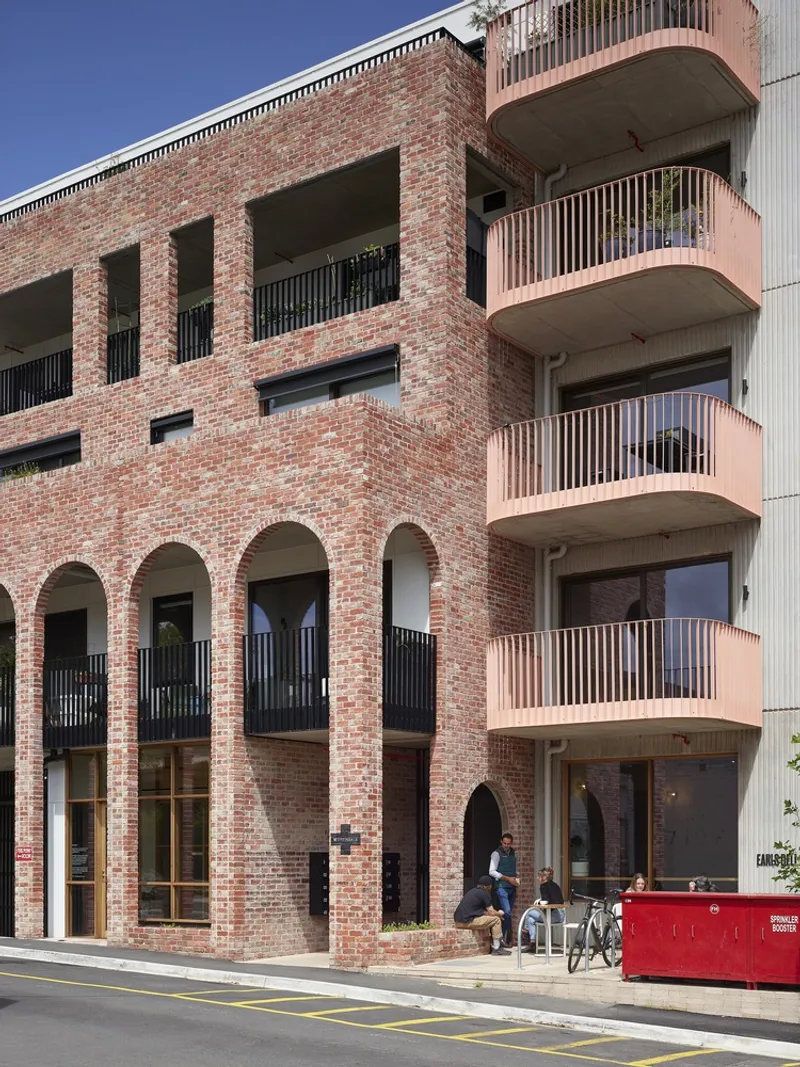
The design of Nightingale Ballarat is a contemporary response to the city’s 19th-century architectural fabric. The arched red-brick façade—made from locally salvaged bricks—echoes Ballarat’s boom-era aesthetic while complementing its neighboring heritage buildings.
Key urban design moves include:
- Undergrounding power lines to declutter the street.
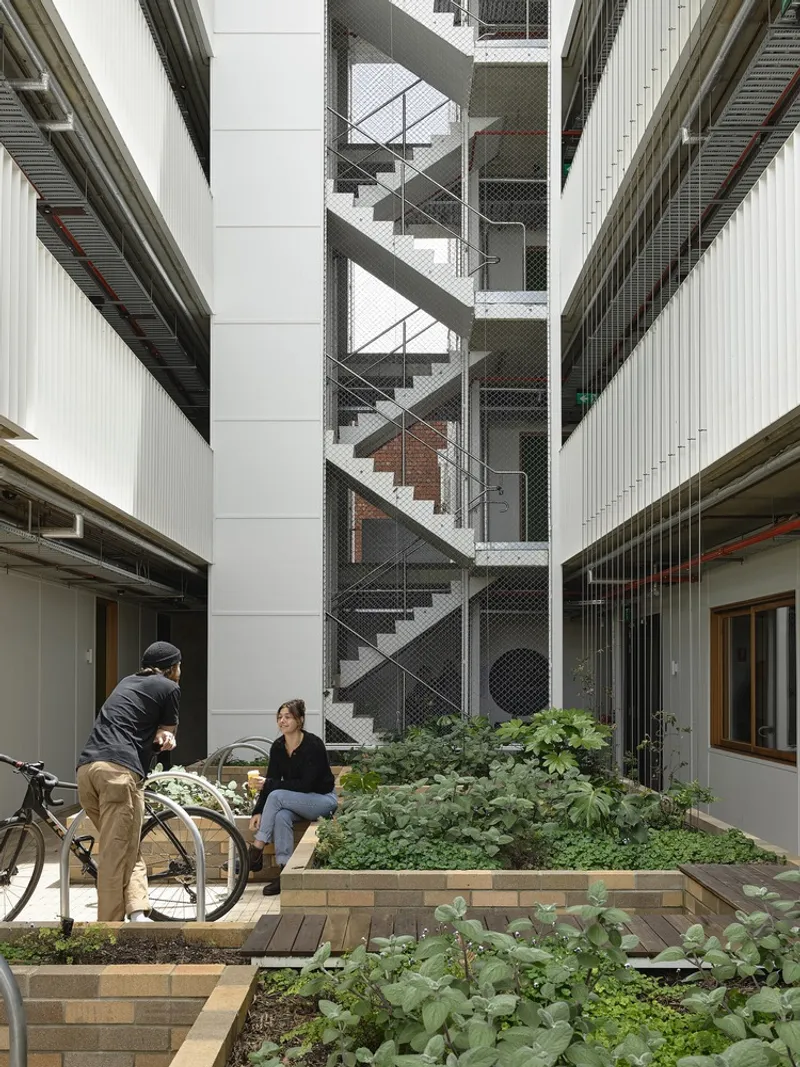
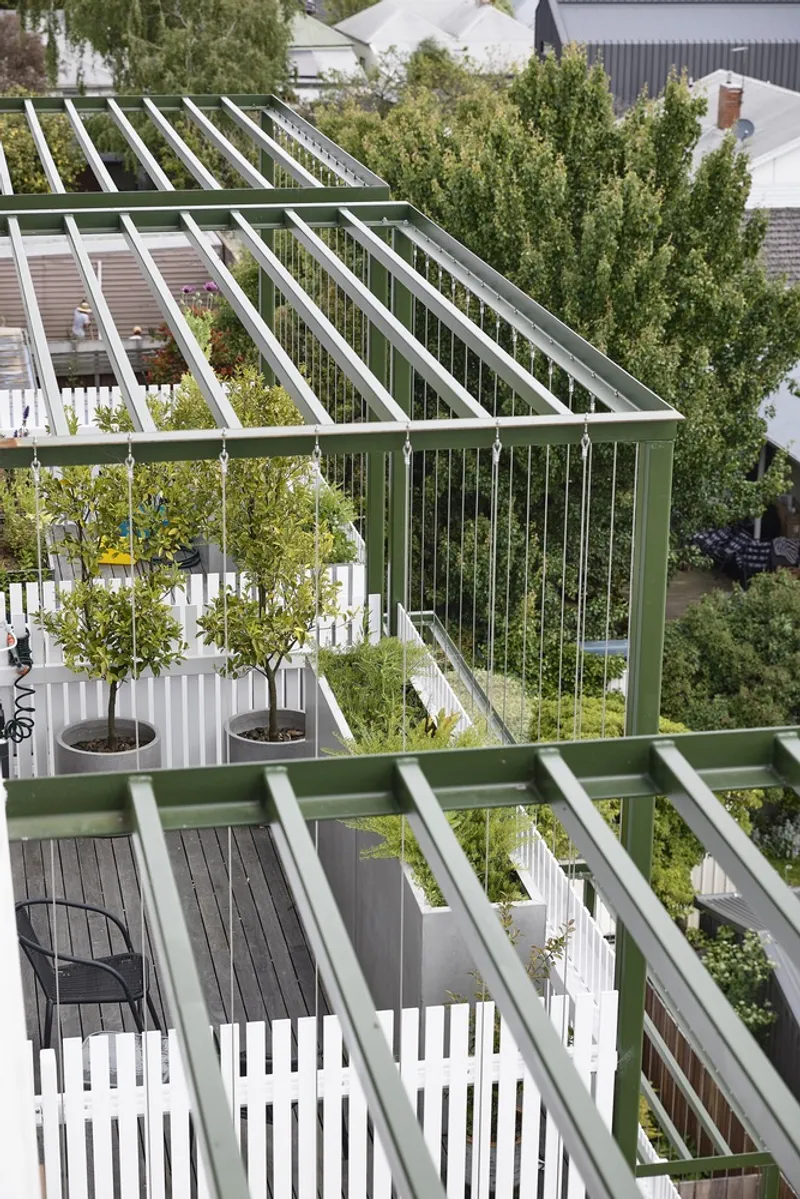
- Creation of a semi-public courtyard with native planting and ample shading.
- Restoration of a historic “McK’s Jelly Crystal” ghost sign in collaboration with Ballarat’s heritage council.
These gestures reanimate the public realm, reintroducing life, shade, and accessibility to a once-dormant streetscape.
Sustainable Living, Designed for All
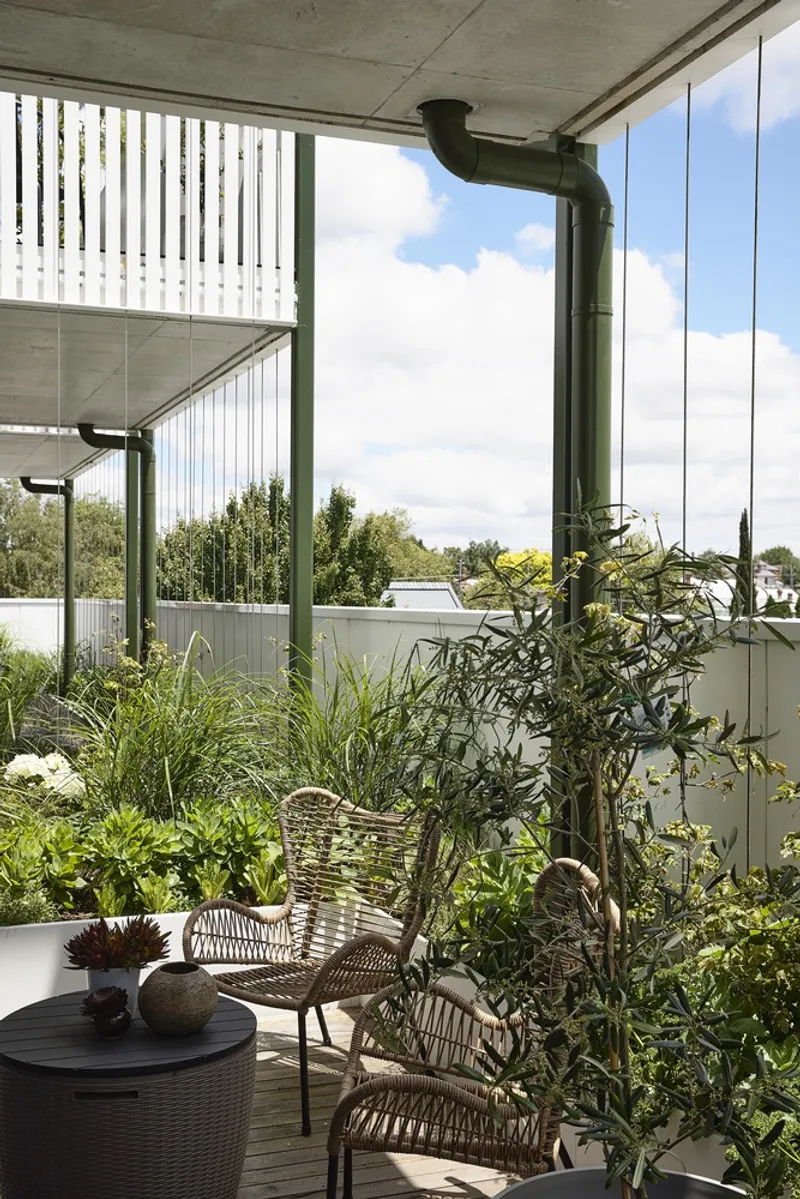
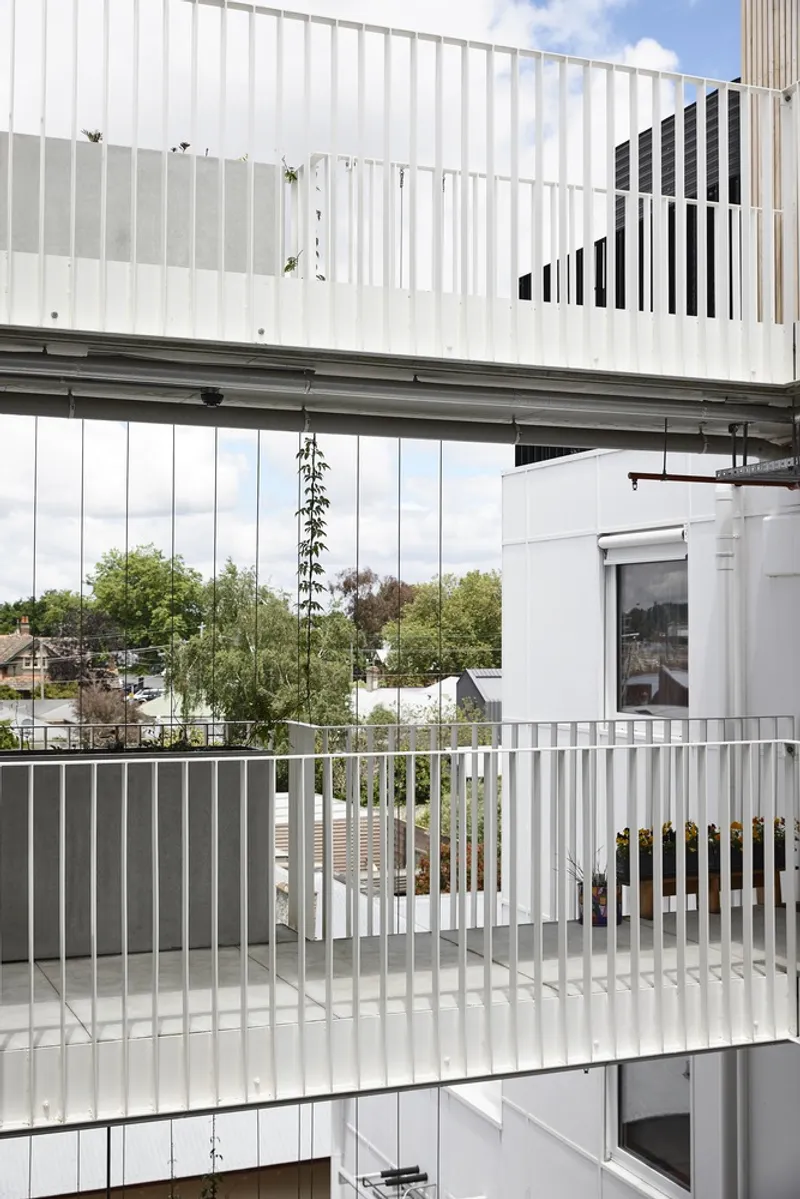
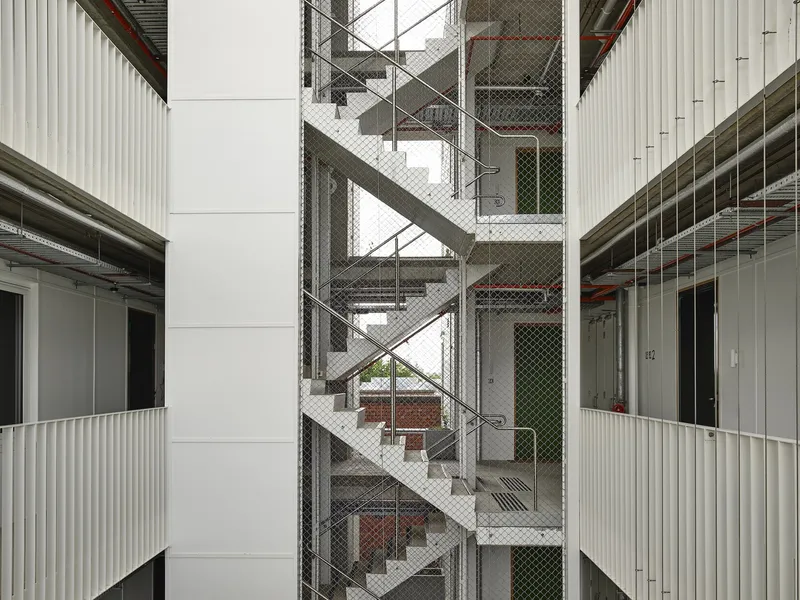
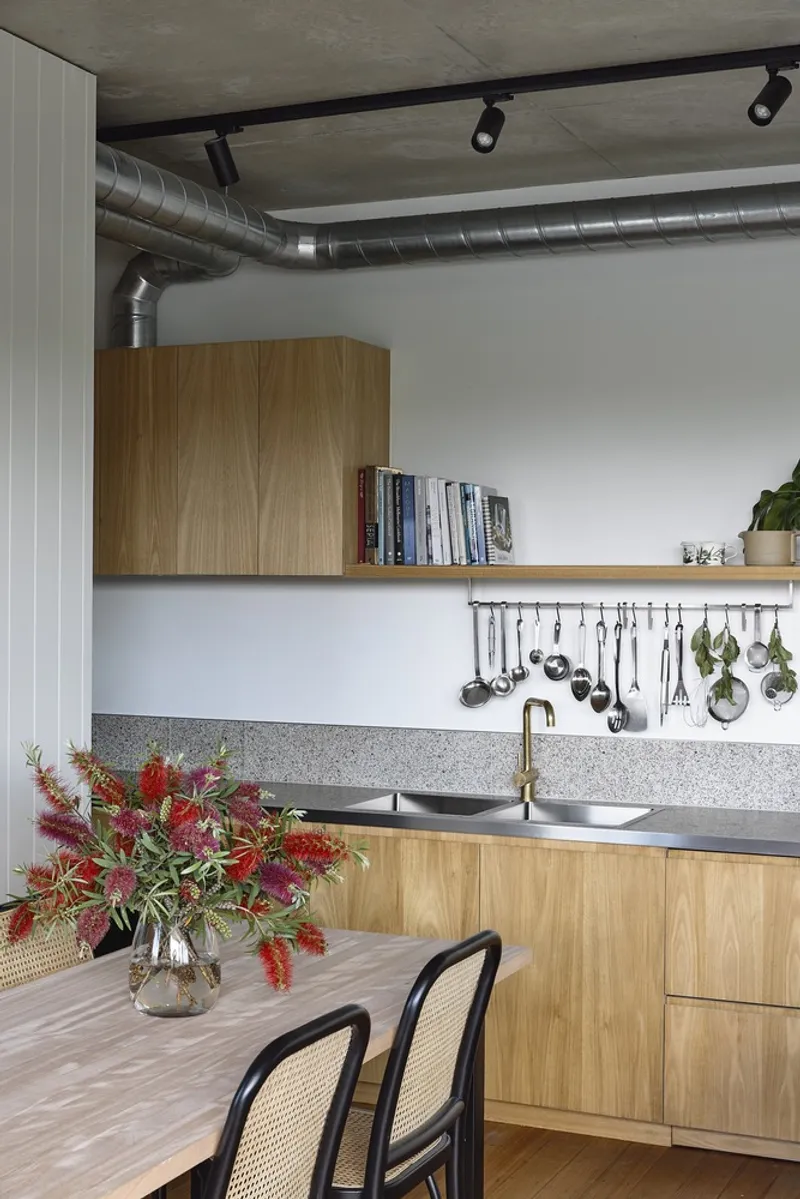
Nightingale Ballarat embraces environmental and social sustainability from the ground up. The building is 100% electric, powered by solar energy and GreenPower, with no reliance on gas. All 27 apartments—ranging from one to three bedrooms—achieve cross-ventilation, access to open-air walkways, and an impressive 8+ star NAtHERS energy rating.
Sustainable design features include:
- Locally fabricated windows and joinery from Ballarat.
- Shared hydronic heating and hot water systems, powered by high-efficiency CO₂ heat pumps.
- Recycled materials throughout, reducing embodied carbon and supporting circular design.
Importantly, 20% of apartments are allocated to Housing Choices Australia, ensuring long-term, secure housing for residents most in need. The building is entirely step-free, with flush thresholds, making it fully accessible and supportive of aging in place.
Community and Connectivity
Beyond its private residences, the project includes:
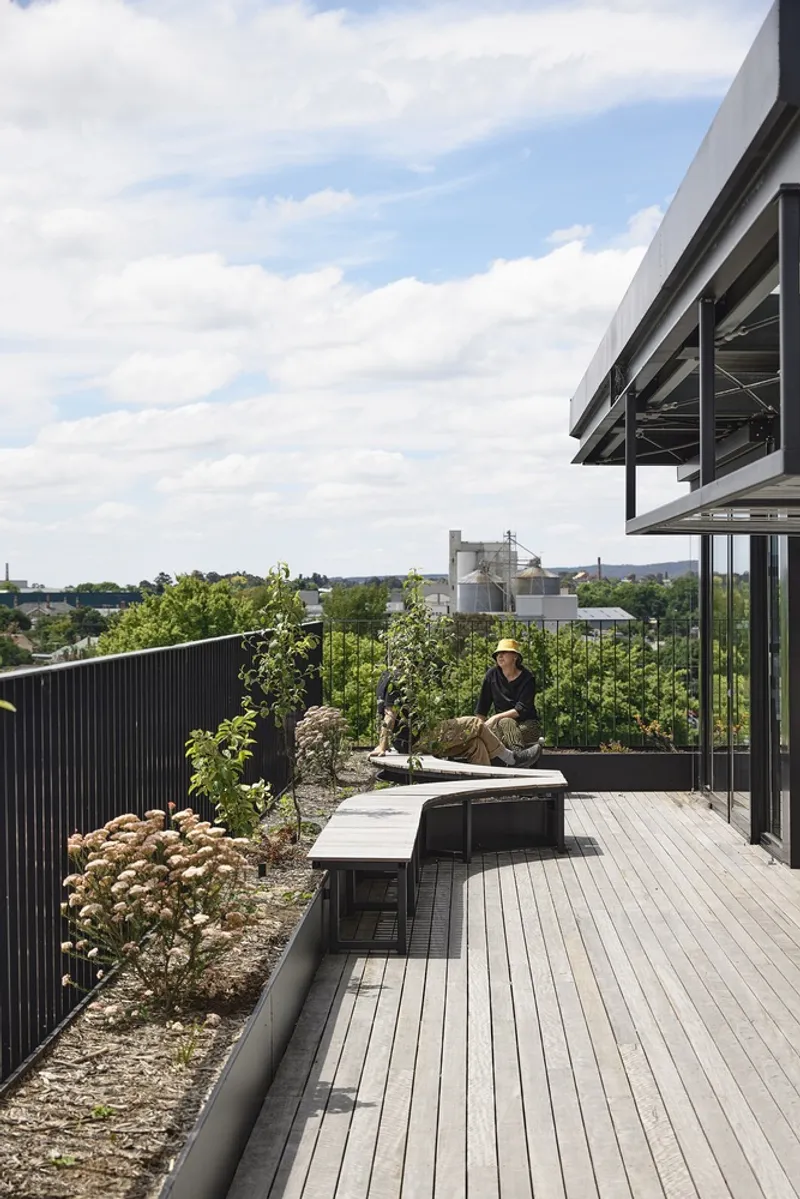
- A rooftop garden and shared community space.
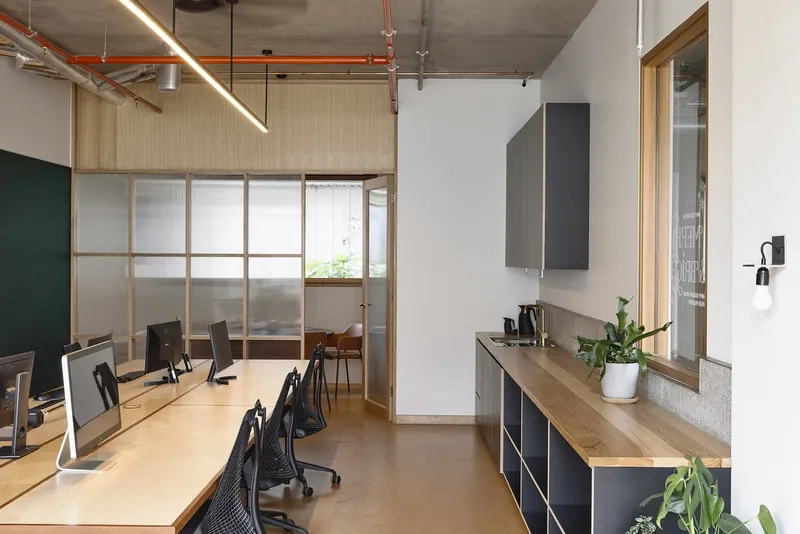
- A ground-floor café and office, encouraging daily social interaction and economic activation of the street level.
These amenities nurture community engagement and restore a sense of everyday liveliness to the historic core of Ballarat.
A Regional Model for Sustainable Growth
Nightingale Ballarat stands as a powerful model for medium-density, climate-resilient housing in regional Australian cities. It not only challenges the car-centric “Great Australian Dream” but reimagines how regional centers can grow sustainably, inclusively, and beautifully.
All Photographs are works of Derek Swalwell


Popular Articles
Popular articles from the community


GROUP A Strips a 1969 Rotterdam Harbor Headquarters to Its Frame and Wraps It in Timber Louvers
In Rotterdam's M4H harbor district, Ferro Offices reuses a 1969 frame, adds one timber storey and reaches BREEAM-NL Outstanding.

longwave studio Reorganizes a 112 m² Tainan Apartment Around the Daily Routines of a Family and Two Cats
In Tainan, Taiwan, birch plywood, rust-red furniture and a freestanding plaster wall link arrival, storage, work and family life in one apartment.

Jaramillo Van Sluys Arquitectura and Urbanismo Turn a Demolished Registry Lot in Quito into an Orchard Plaza
In Quito's Centro Histórico, a 2,800 m² plaza exposes the San Agustín convent wall and redraws its lost Augustinian orchard in volcanic stone.

David Ortega Stacks a Two-Story Mexico City Penthouse Around a Steel Stair and a Pergola-Shaded Roof Terrace
In Colonia Roma, a 300 m² penthouse uses oak joinery, a planted steel stair and a slatted roof pergola to make a new-build apartment feel like a house.

Similar Reads
You might also enjoy these articles


Hodi-Mandai Geram
Project Function: Preservation and revitalization of the Intangible heritage and socio-spatial identity of the Hodi by Housing, Cultural Memory Center, Sacred Grove, landscape, local tourism economy


Olio Towers: A Mid-Rise for Performers That Fuses Housing, Rehearsal, and Stage
Located blocks from Houston's Theater District, this modular tower stacks living units around a central performance atrium.

Oasis: Modular Green Housing Carved into Dhaka's Urban Fabric
A shortlisted Plugin Housing entry reclaims unauthorized settlements in Dhaka with stepped concrete volumes, green roofs, and ventilation-driven design.

Black Hole: A Floating Megastructure for the Post-Physical Era
Emiliano Mazzarotto envisions a spherical, self-scaling arena where e-sports, digital hotels, and holographic stadiums replace traditional public space.

Explore Residential Building Competitions
Discover active competitions in this discipline

Challenge to design mud housing for contemporary communities

Challenge to reimagine the Iron Throne

Photograph architecture without architects

Illustrate the lost glory of Angkor Wat - Render Challenge
Comments (0)
Please login or sign up to add comments
No comments yet. Be the first to comment!