

Nim Storehouse Renovation in Hida-Takayama by aoyagidesign
Nim Storehouse Renovation by aoyagidesign transforms a 130-year-old Meiji-era kura into a French restaurant and residence, blending tradition with modernity.


Reviving a 130-Year-Old Meiji-Era Storehouse
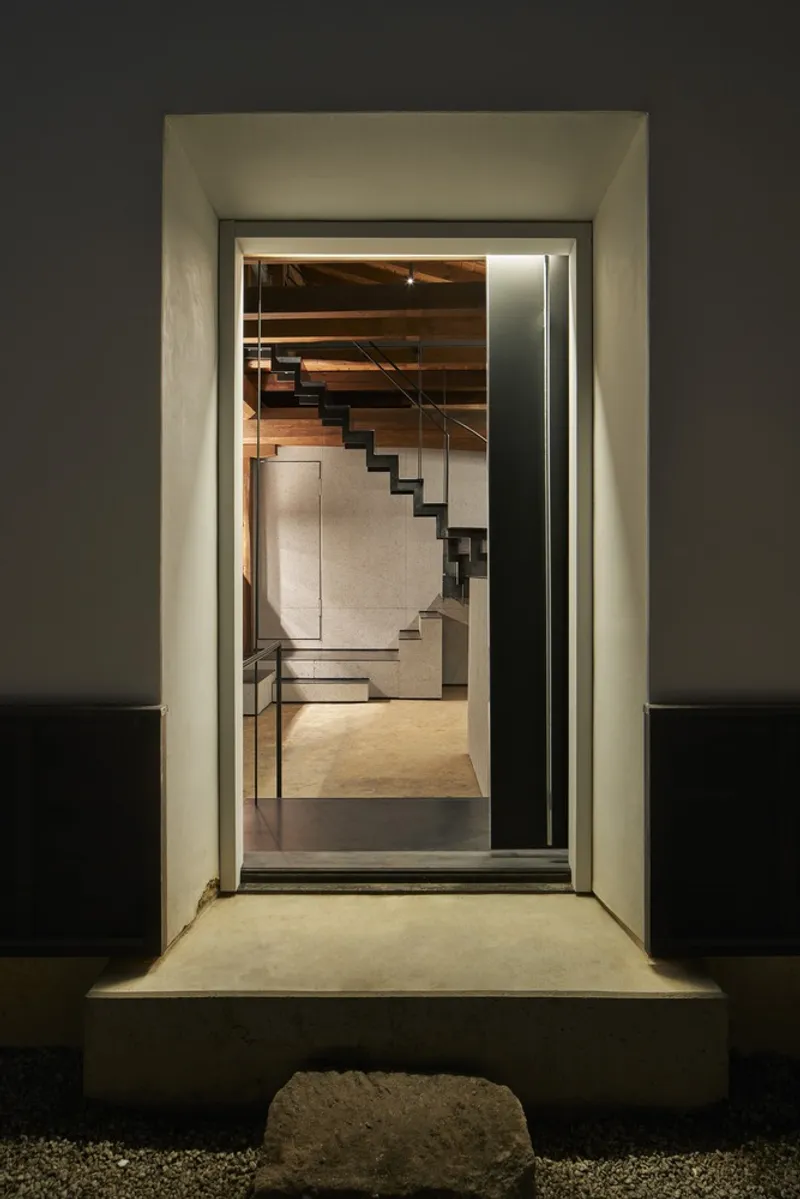
In the historic townscape of Hida-Takayama, Japan, aoyagidesign has transformed a 130-year-old Meiji-era storehouse into a French restaurant, “NIM,” and a private residence for the owner-chef and his family. The project respects the cultural heritage of the Important Preservation District for Groups of Historical Buildings, where exterior modifications are restricted, while reimagining the interior as a contemporary space full of contrast, light, and layered meanings.

Respecting Tradition While Introducing Modernity
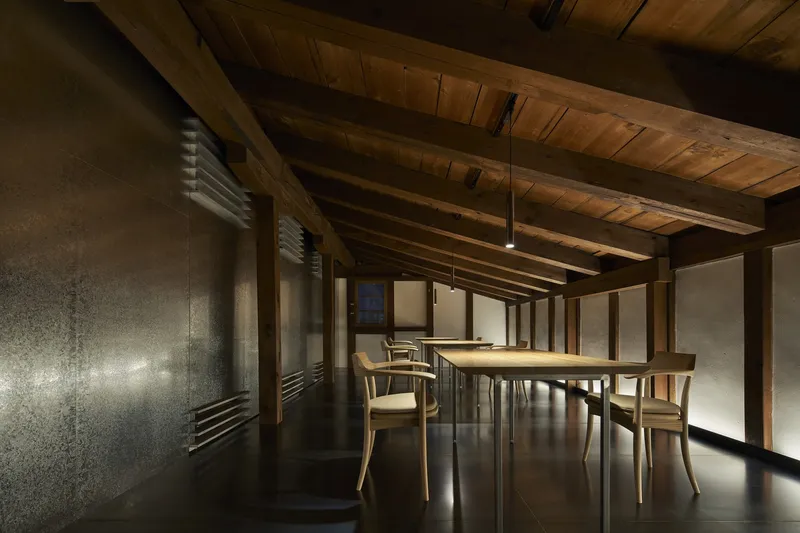
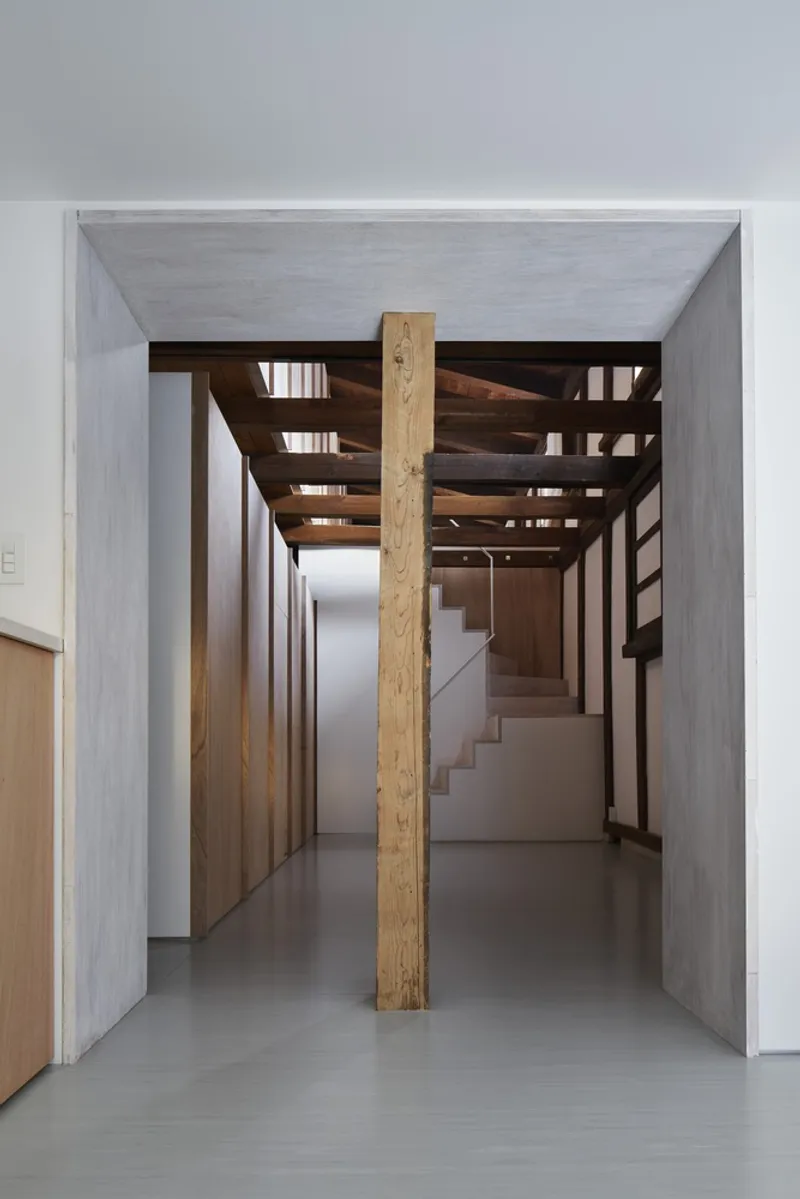
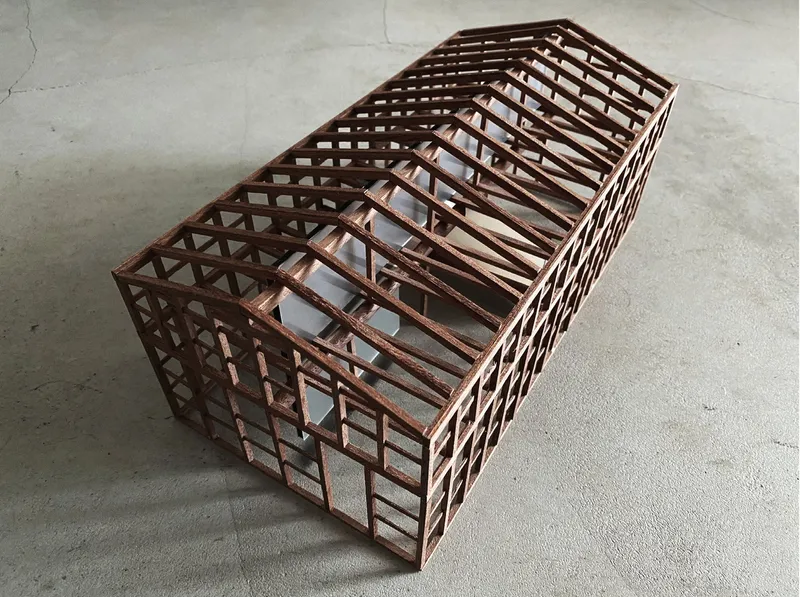
The storehouse was originally notable for its robust timber framework—a ridgepole of large logs, intersecting beams, and a spacious interior defined by the darkness of traditional Japanese kura (storehouses). Instead of overpowering this character, the architects embraced it, making the structural framework the protagonist of the design.
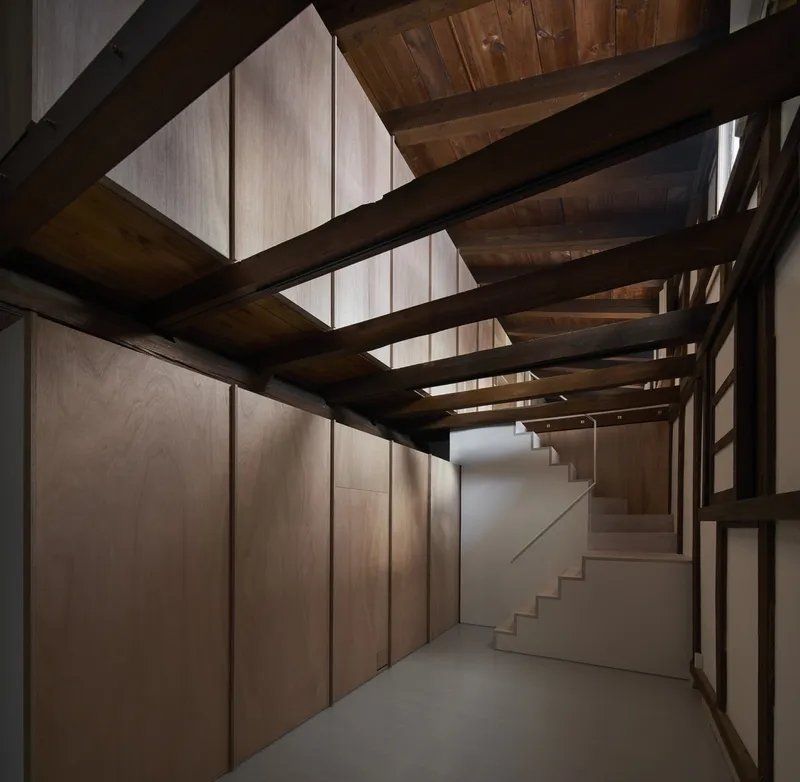
The challenge was to divide the large interior into two functions—a fine dining restaurant and a family residence—without diminishing the integrity of the storehouse. The design solution centered on a single “inserted wall” that both separates and connects spaces while reinforcing the building’s seismic performance.
Spatial Strategy: Division Through Connection
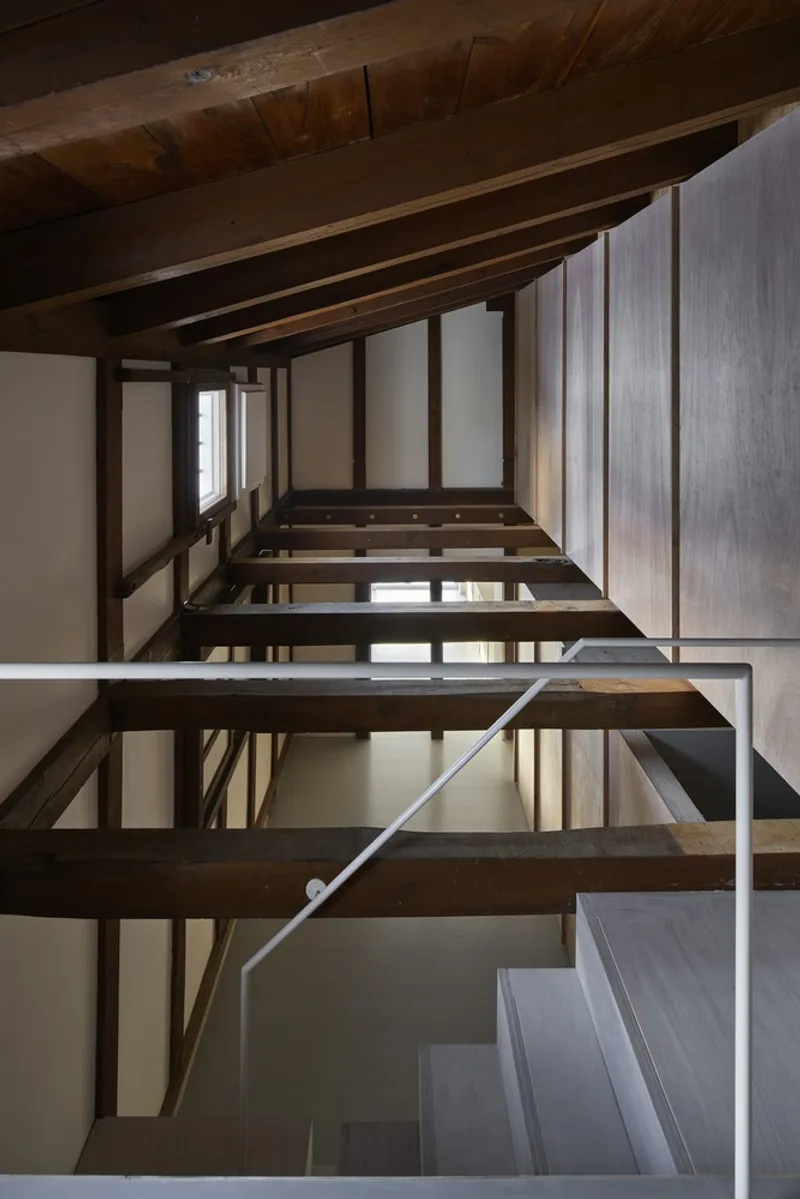
On the second floor, the architects divided the plan into north and south zones, maximizing natural light and ventilation for the living quarters despite limited window openings. The restaurant and residence connect in an L-shaped layout, ensuring privacy while allowing subtle communication between the family spaces.
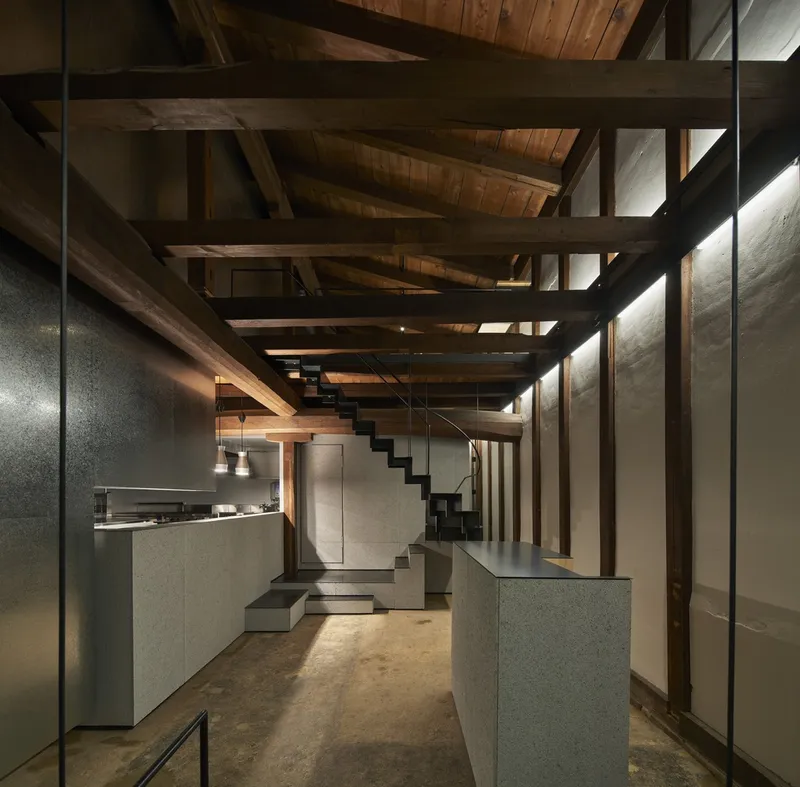
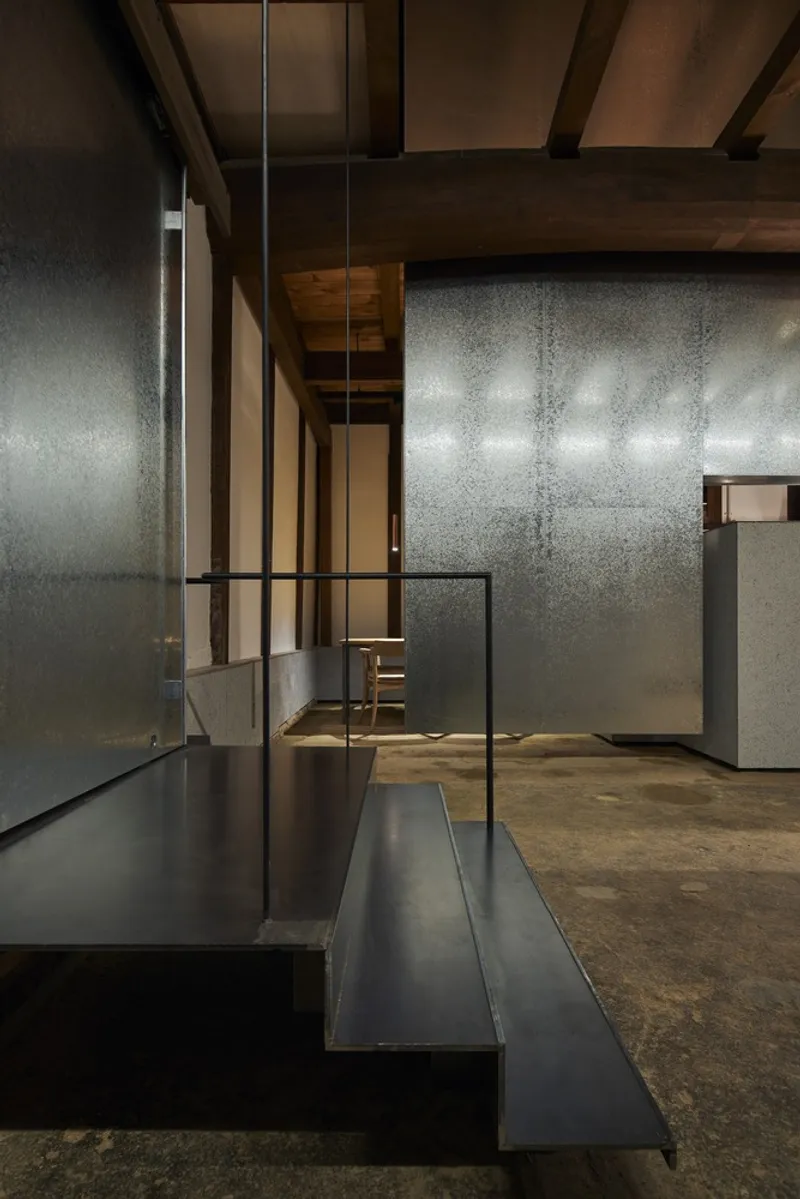
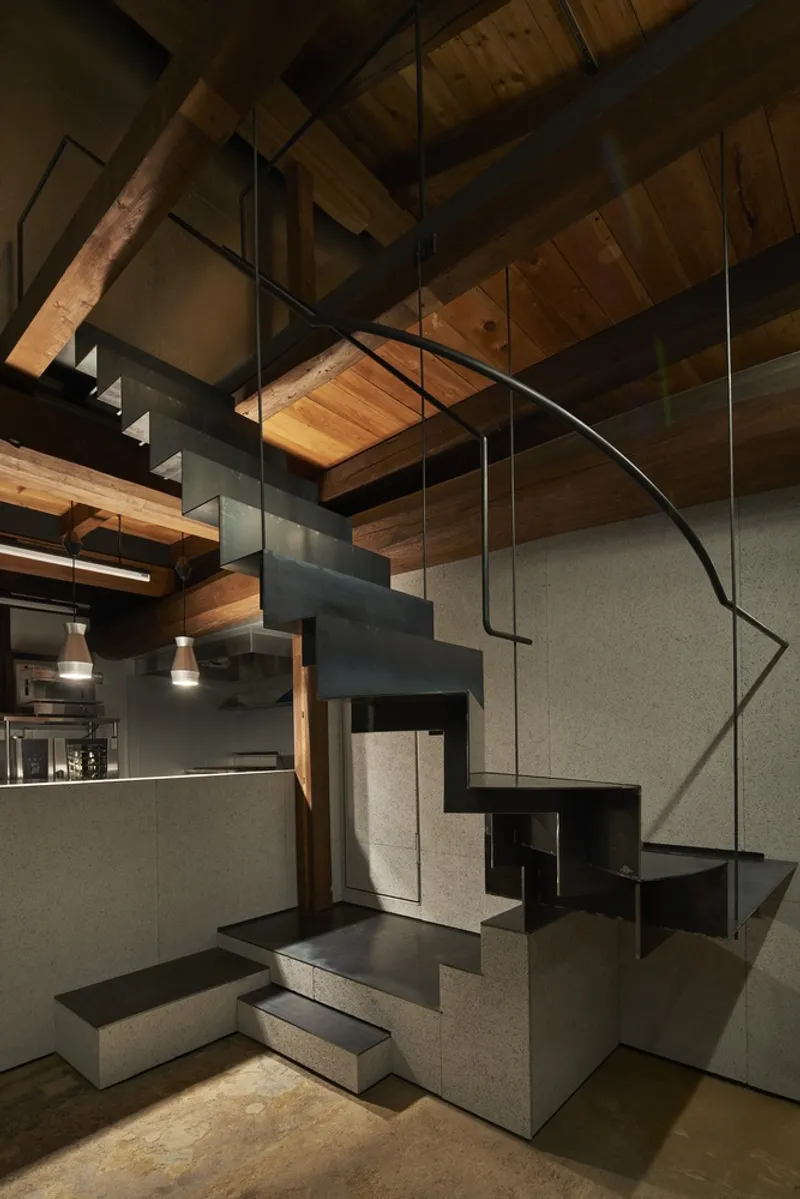
The inserted wall is not a conventional partition. By suspending parts of it through the atrium, alongside a floating staircase made of thin iron plates, the architects introduced a sense of lightness and ambiguity. This gesture respects the solemn atmosphere of the kura while suggesting a ghost-like presence—something that both belongs and transcends the past.
Materiality and Atmosphere
To heighten contrast, the wall was finished with dully reflective metal plates, creating a “mirror” effect. This surface multiplies perceptions of depth, captures fragments of light, and symbolically reflects the chef’s creative philosophy—crafting unseen culinary experiences while rooted in tradition and local ingredients.
By offsetting the wall from the original framework, the architects enhanced earthquake resistance while maintaining structural flexibility. This dual quality of strength and resilience mirrors the kura’s historical endurance, now adapted for modern life and gastronomy.
Structural Reinforcement with Cultural Sensitivity
Traditional kura storehouses were known for thick mud walls with high shear strength, but this particular building had weakened over time due to removed walls and seismic vulnerabilities. Structural engineer Takuya Asamitsu reinforced the interior by inserting low-rigidity, high-toughness steel-reinforced walls strategically offset from the framework. These act like dampers, absorbing seismic energy without disturbing the storehouse’s established equilibrium.
A Dialogue Between Past and Present
The Nim Storehouse Renovation is more than adaptive reuse; it is an architectural dialogue across centuries. The inserted wall serves as both divider and connector, as both structural necessity and symbolic mirror. It preserves the Meiji-era spirit while introducing a stage for contemporary living and dining, where heritage and innovation coexist.
This project exemplifies how Japanese architecture balances preservation with transformation, ensuring that historic structures continue to breathe new life while serving modern needs.



Popular Articles
Popular articles from the community


AL-JANNAH: Sustainable Architecture and Permaculture for Afghan Widows
AL-JANNAH uses sustainable architecture and permaculture to create resilient oasis of housing, learning, work and renewal for Afghan widows.

Co-Life: Senior Housing Design That Reconnects Older Adults With the City
Co-Life reimagines senior housing design through healing gardens, shared streets, workshops, and a sustainable community across generations.

The Musturak Paradise: Senior Living Architecture for a Connected Future in Temara, Morocco
The Musturak Paradise reimagines senior living architecture in Temara via private homes, social spaces, culture, community, and shared care.

Riyadh For All: Intergenerational Urban Design for Active Aging in Rabat
Riyadh For All reimagines urban design in Rabat with intergenerational co-living, adaptive courtyards, and Moroccan cultural exchange today.


Similar Reads
You might also enjoy these articles


Hodi-Mandai Geram
Project Function: Preservation and revitalization of the Intangible heritage and socio-spatial identity of the Hodi by Housing, Cultural Memory Center, Sacred Grove, landscape, local tourism economy


Olio Towers: A Mid-Rise for Performers That Fuses Housing, Rehearsal, and Stage
Located blocks from Houston's Theater District, this modular tower stacks living units around a central performance atrium.

Oasis: Modular Green Housing Carved into Dhaka's Urban Fabric
A shortlisted Plugin Housing entry reclaims unauthorized settlements in Dhaka with stepped concrete volumes, green roofs, and ventilation-driven design.

Black Hole: A Floating Megastructure for the Post-Physical Era
Emiliano Mazzarotto envisions a spherical, self-scaling arena where e-sports, digital hotels, and holographic stadiums replace traditional public space.


Explore Architecture Competitions
Discover active competitions in this discipline



Challenge to reimagine the Iron Throne


Photograph architecture without architects


Illustrate the lost glory of Angkor Wat - Render Challenge


Design challenge to reuse E-waste
Comments (0)
Please login or sign up to add comments
No comments yet. Be the first to comment!