

Nin Hao Restaurant by Plan Plan: A Fusion of Tradition and Contemporary Design in Brooklyn
Nin Hao Restaurant blends Fujianese heritage with modern design, featuring dynamic lighting, textured materials, and interactive communal dining in Brooklyn.


An Architectural Masterpiece in Prospect Heights
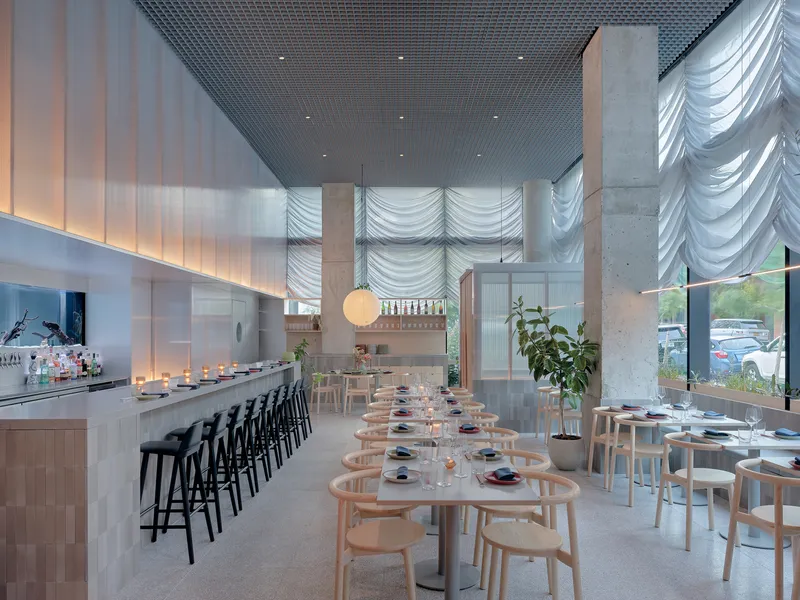
Nin Hao Restaurant, designed by Plan Plan, is a striking example of how modern architecture can seamlessly blend with cultural heritage. Located in the heart of Prospect Heights, Brooklyn, this 1,800-square-foot Fujianese restaurant embraces an open, light-filled space that celebrates transparency, material contrast, and artistic engagement.
A Dynamic Play of Light and Texture
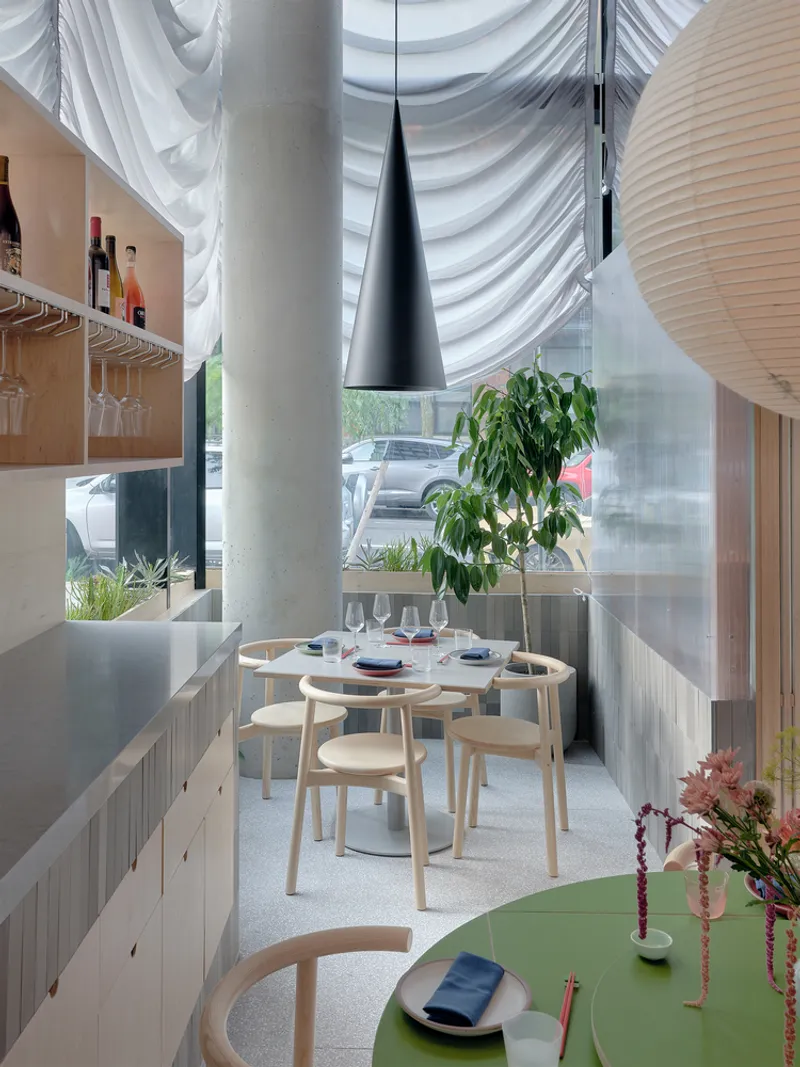
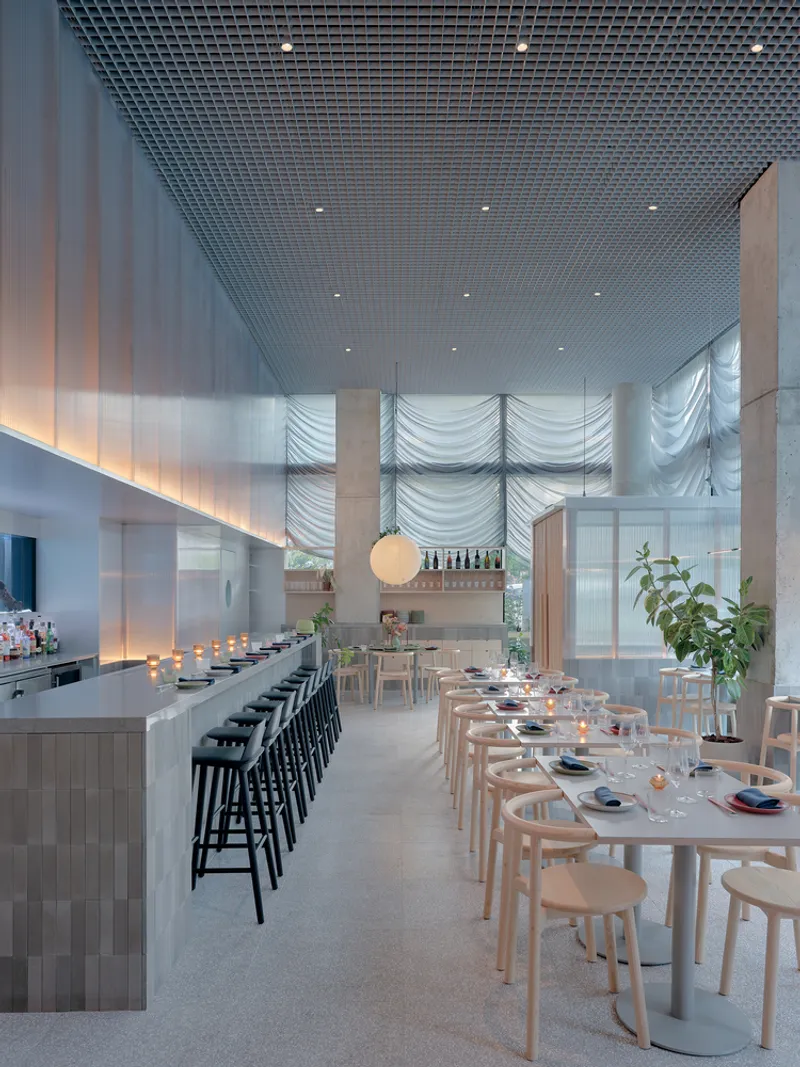
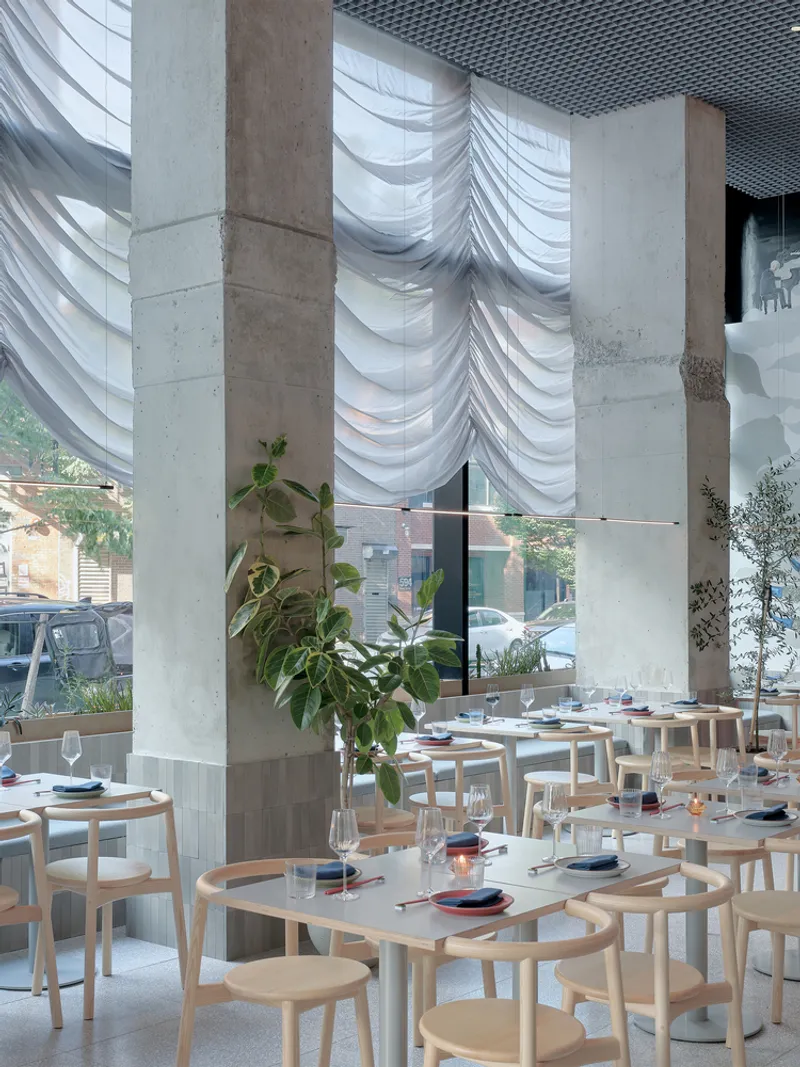
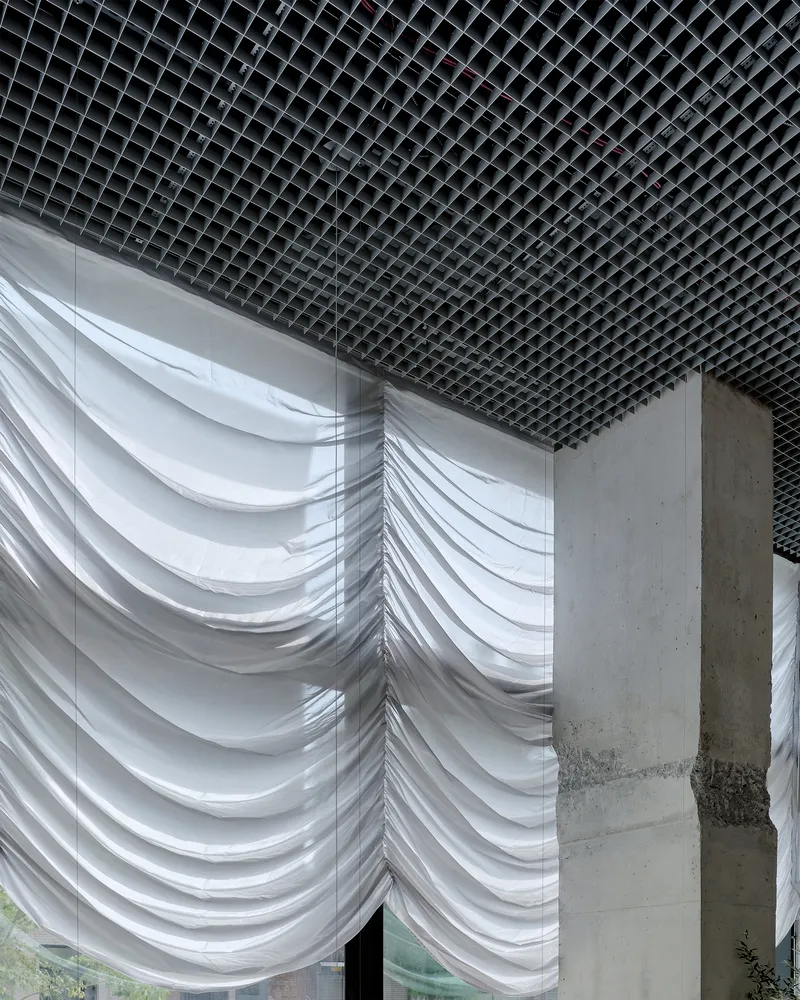
With a soaring 16-foot-tall ceiling and expansive south and east-facing curtain walls, Nin Hao is bathed in natural sunlight throughout the day. The interior design masterfully manipulates this light using two primary materials:
- Translucent Austrian curtains that soften and diffuse sunlight, creating a delicate interplay between light and shadow.
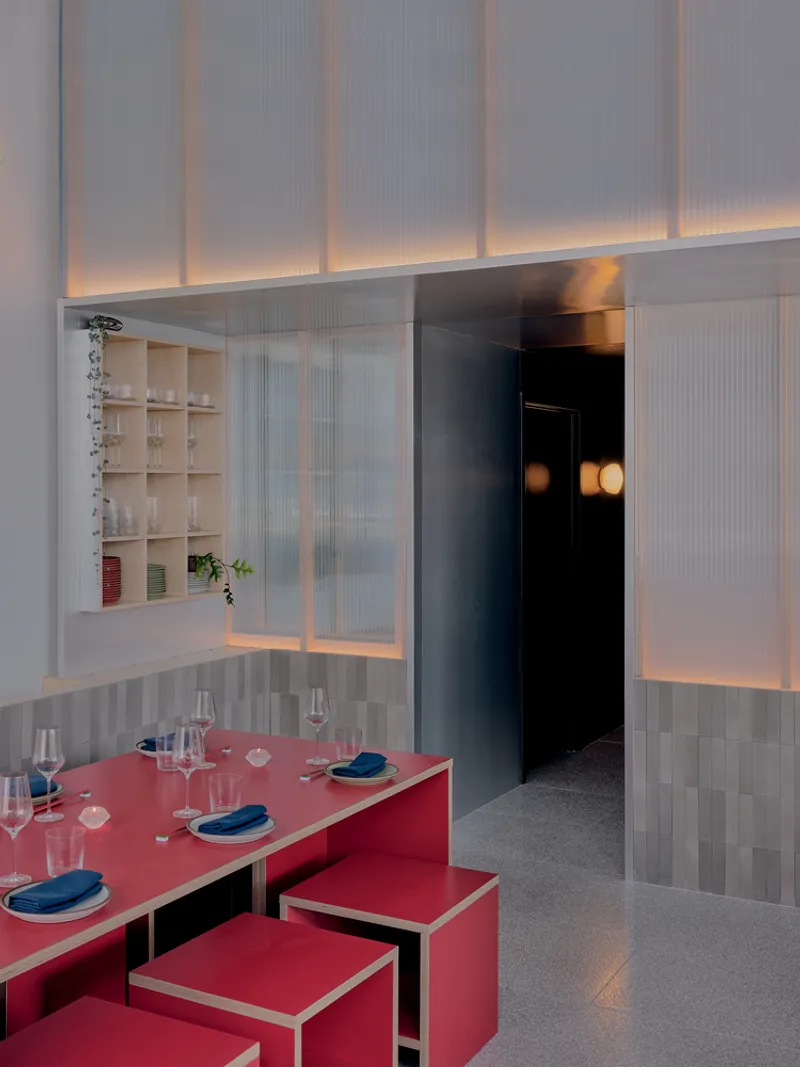
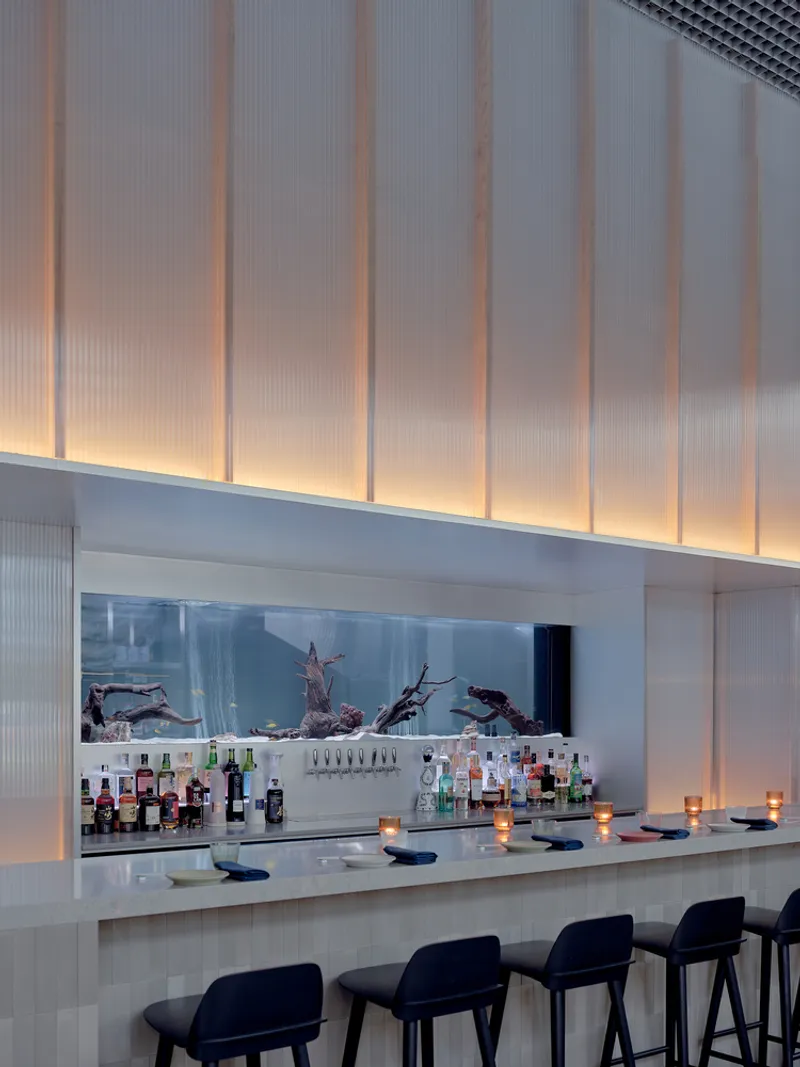
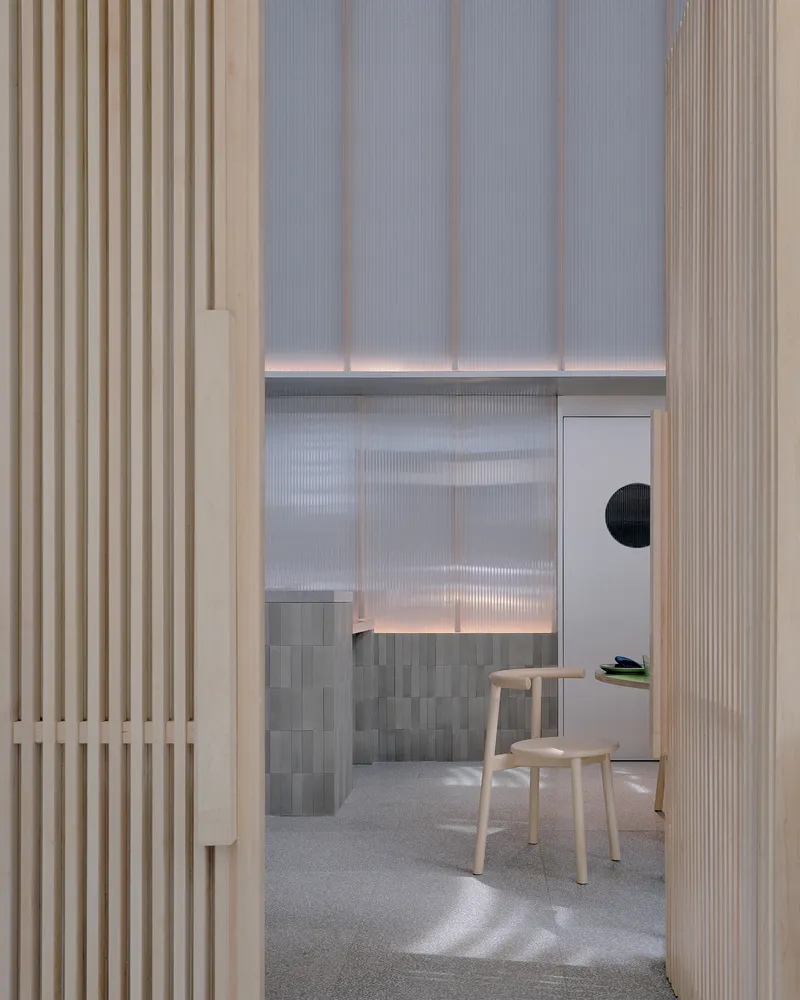
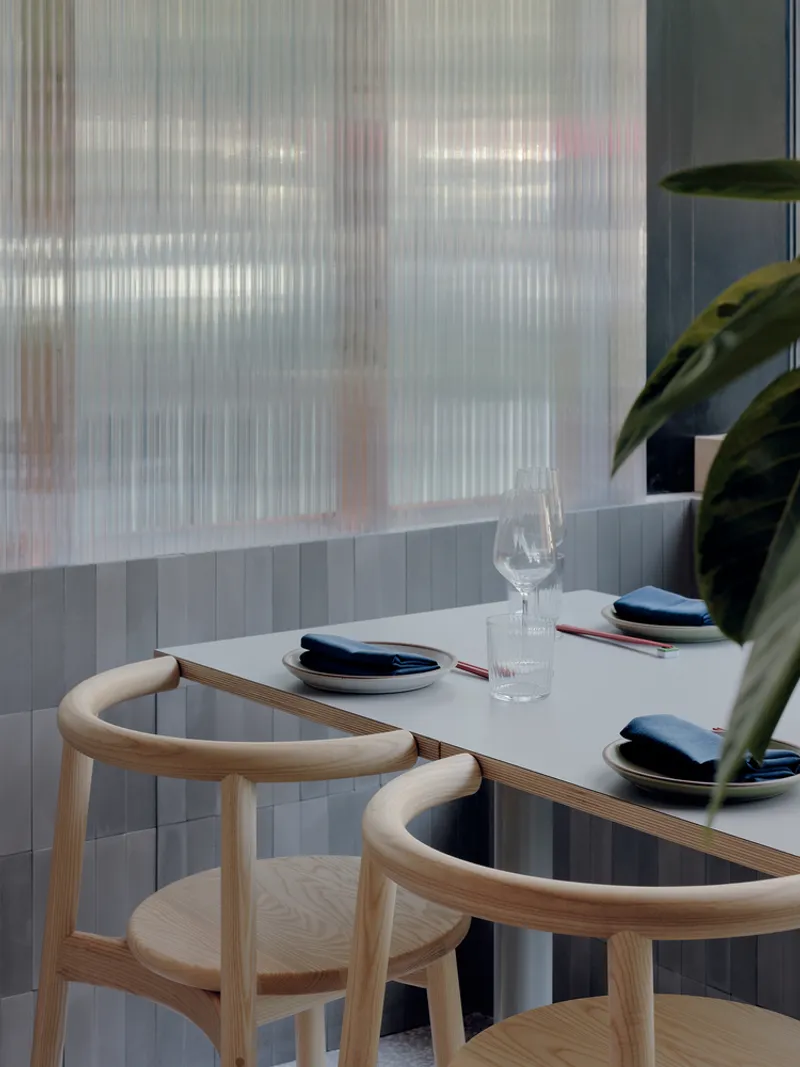
- Polycarbonate-paneled walls, which reflect and scatter the filtered light, enhancing the restaurant’s airy and ever-changing ambiance.
As dusk falls, the polycarbonate wall transforms into a glowing lantern, casting a warm and inviting radiance. Alongside pendant light fixtures and floating lighting elements, this design fosters an intimate, cozy atmosphere that welcomes guests into an immersive dining experience.
Materiality: A Dialogue Between Tradition and Modernity
The flooring and surfaces feature cement tiles in varying shades of warm gray, reminiscent of traditional Chinese gray bricks. These tiles, combined with linear planters housing lush succulents, establish a harmonious balance between organic elements and industrial textures. The space thrives on contrast—opaque and translucent, rough and sleek, historical and contemporary—echoing Nin Hao’s ethos of honoring Fujianese culture while embracing modern design sensibilities.
Art-Inspired Bathrooms: A Cultural Narrative
One of the most striking elements of Nin Hao’s design lies in its art-inspired restrooms. Featuring custom mosaic tiles, the two bathrooms celebrate iconic paintings:
- "Spring Morning in the Han Palace" (1494-1552) by Qiu Ying – A classic Chinese masterpiece reflecting historical elegance.
- "Hudson River Valley from Fort Putnam" (1855) by George Henry Boughton – A nod to American artistic heritage.
Adding to the interactive design, one of the bathrooms features a two-way mirror, subtly connecting the restroom to the dining area while preserving privacy. This unexpected detail heightens the sense of discovery and playfulness within the space.
Interactive Dining: A Space for Community and Engagement
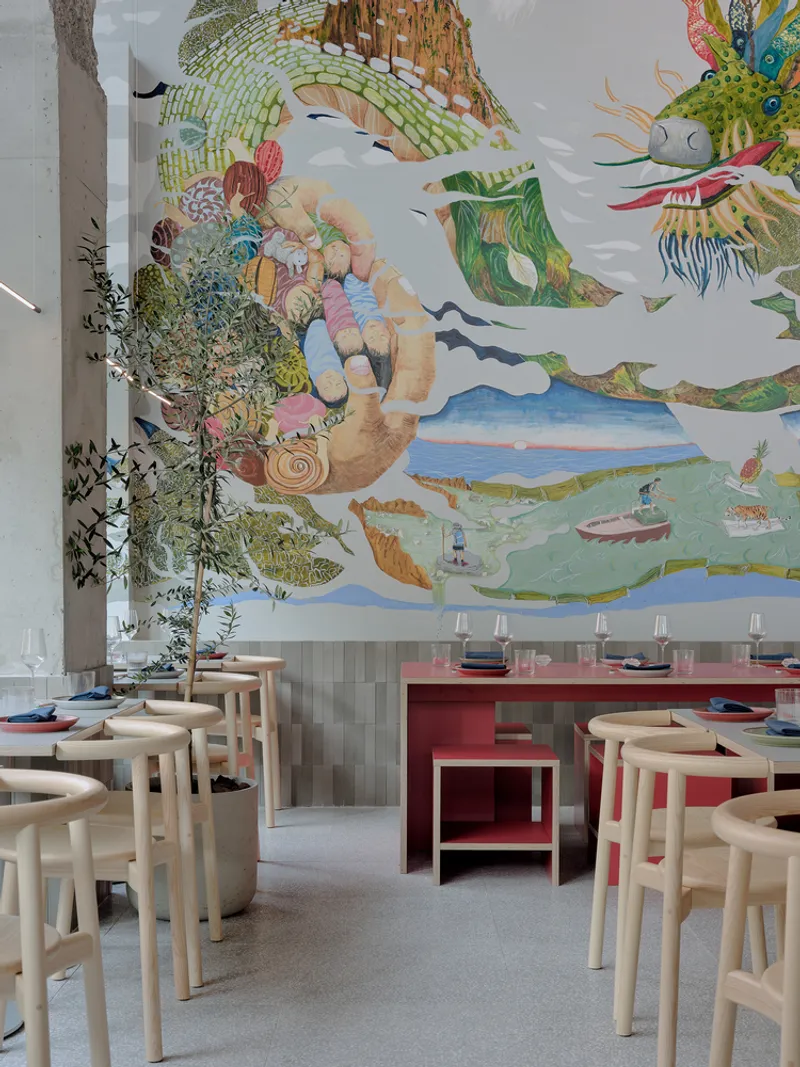
Nin Hao isn’t just a restaurant—it’s a canvas for interaction. A custom green round table featuring a rotating tray can be transformed into a Mahjong table, inviting guests to experience traditional games while dining. Meanwhile, a 12-foot-long vibrant red dining table fosters communal exchange, reinforcing the restaurant’s commitment to social engagement and shared experiences.
Adaptive Design: A Platform for Artistic Evolution
Beyond its architectural elegance, Nin Hao incorporates a flexible framework designed to evolve over time:
- A 17-foot-wide west wall remains minimal, serving as a rotating platform for seasonal art installations.
- A customizable ceiling grid system allows for sculptural and lighting adjustments, transforming the ambiance with each season.
This modular approach ensures that Nin Hao is constantly reinventing itself, providing guests with new perspectives and experiences on every visit.
Where Architecture, Art, and Culture Converge
Nin Hao Restaurant by Plan Plan is more than just a dining space—it is an architectural journey that blends traditional Chinese influences, modern materials, and community-driven engagement. From its thoughtful play of light and shadow to its culturally rich design elements, every detail contributes to an environment that is immersive, inviting, and ever-evolving.
All Photographs are works of Sean Davidson


Popular Articles
Popular articles from the community

Cloaked Colonization: A Mobile Underwater Habitat That Moves Like a Fish
Micah Abaya's shortlisted EHC Pacific entry reimagines ocean settlement as a dispersed network of self-sustaining architectural organisms.

Singing Woman: An Opera House That Performs Before the Curtain Rises
Ovidiu Cristian Pavel's conceptual opera house translates Estonia's choral identity into a sculpted waterfront landmark facing the Baltic Sea.

Tsunami Convergenics: Turning Catastrophic Ocean Forces into Underwater Housing Infrastructure
A speculative underwater settlement off the coast of Onagawa, Japan, treats tsunamis and typhoons as energy sources rather than threats.
Extended Shell: Retrofitting Kolkata's Balconies as Living Urban Thresholds
A modular retrofit system recovers the social and environmental intelligence of Kolkata's historic verandas for contemporary Park Street residents.

Similar Reads
You might also enjoy these articles


Hodi-Mandai Geram
Project Function: Preservation and revitalization of the Intangible heritage and socio-spatial identity of the Hodi by Housing, Cultural Memory Center, Sacred Grove, landscape, local tourism economy


Olio Towers: A Mid-Rise for Performers That Fuses Housing, Rehearsal, and Stage
Located blocks from Houston's Theater District, this modular tower stacks living units around a central performance atrium.

Oasis: Modular Green Housing Carved into Dhaka's Urban Fabric
A shortlisted Plugin Housing entry reclaims unauthorized settlements in Dhaka with stepped concrete volumes, green roofs, and ventilation-driven design.

Black Hole: A Floating Megastructure for the Post-Physical Era
Emiliano Mazzarotto envisions a spherical, self-scaling arena where e-sports, digital hotels, and holographic stadiums replace traditional public space.

Explore Floor Plan Competitions
Discover active competitions in this discipline

Challenge to design luxury tourism on rails

Challenge to reimagine the Iron Throne

Photograph architecture without architects

VR headsets Storefront design competition
Comments (0)
Please login or sign up to add comments
No comments yet. Be the first to comment!