

NOKE Shopping Mall by Behet Bondzio Lin Architekten: A Cultural and Commercial Landmark in Dazhi, Taipei
NOKE Shopping Mall in Taipei blends retail, culture, and recreation with vertical plazas, exhibitions, rooftop ice rink, and sustainable architectural design.


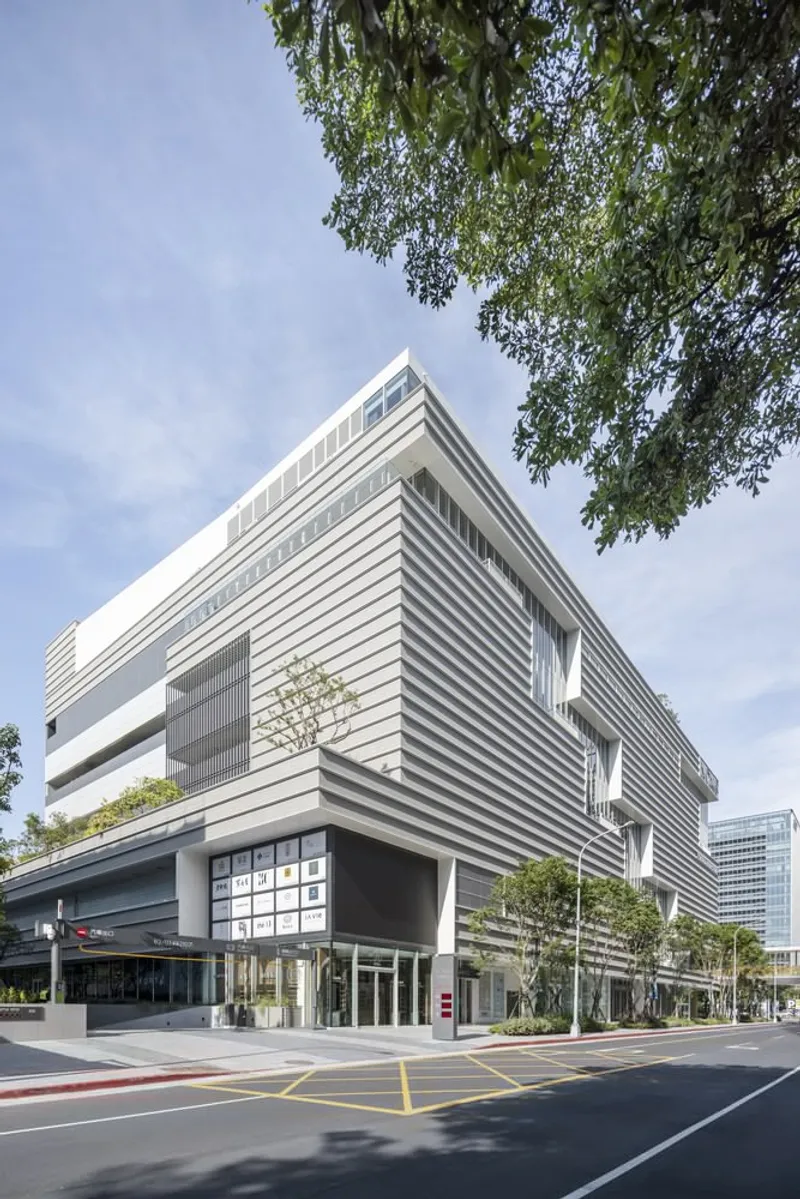
In an era where department stores face unprecedented challenges due to e-commerce and the pandemic, NOKE Shopping Mall emerges as a bold reinvention of retail spaces. Designed by Behet Bondzio Lin Architekten, NOKE transforms traditional shopping into a cultural, artistic, and recreational destination in the Dazhi district, north of the Keelung River in Taipei.
Reimagining the Department Store
Inspired by Akihisa Hirata's Taipei Complex (2015) and the conceptual Fun Palace by Cedric Price and Joan Littlewood, NOKE prioritizes experiential engagement over conventional retail. Rather than simply simulating nature, the project cultivates a boundless, playful environment, echoing a vision of leisure, culture, and social interaction.
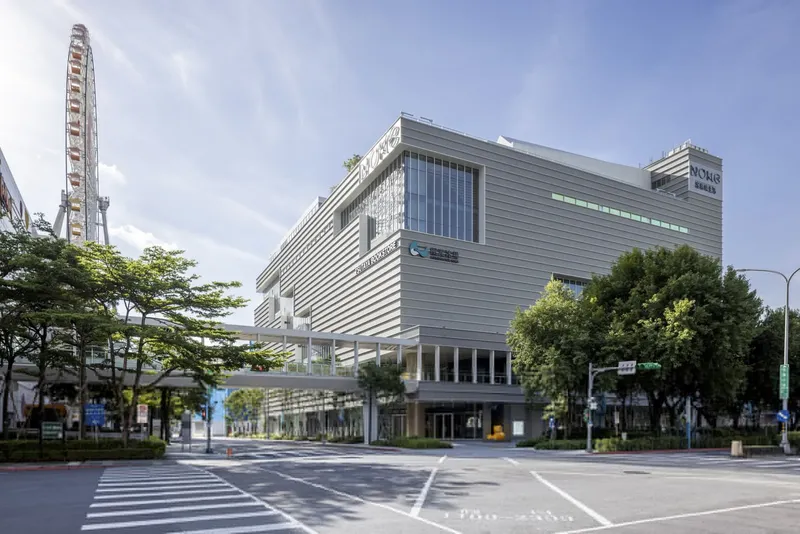
In this way, NOKE functions as a “cultural factory”, integrating arts, literature, and recreation into a traditional shopping experience. The mall breaks the mold by dedicating over 50% of its space to public cultural and artistic activities, including the Tsutaya Bookstore’s literary zone and multiple exhibition spaces.
Architectural Concept and Design
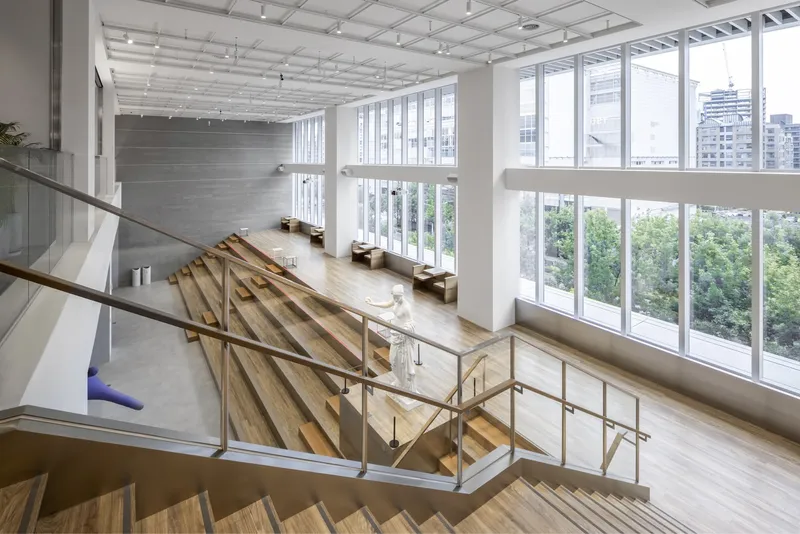
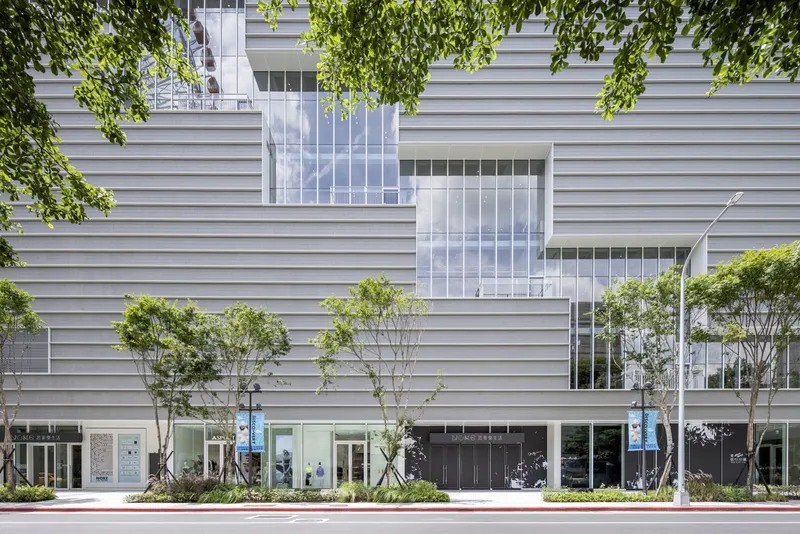
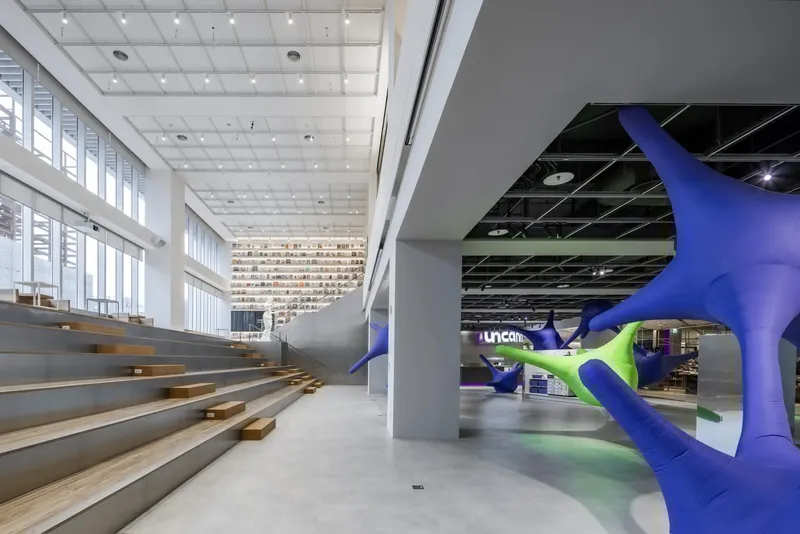
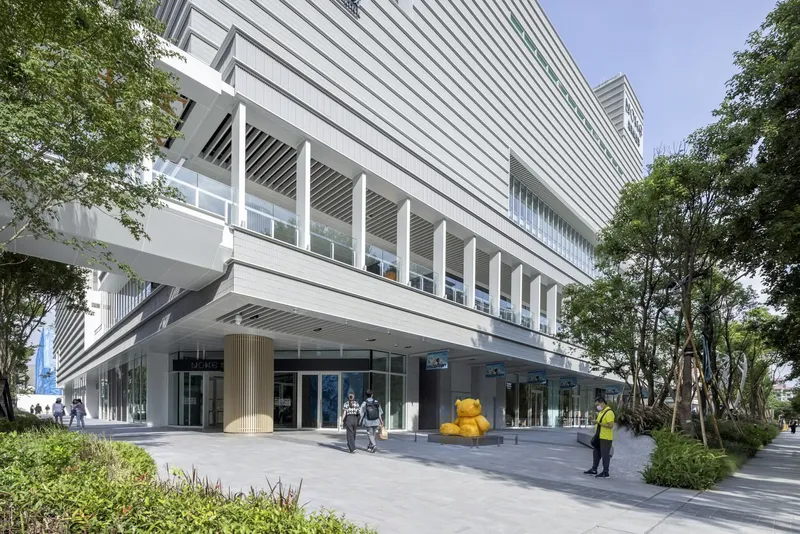
The design reinterprets the department store typology by eliminating the traditional windowed façade. A grand central staircase splits the building’s mass and guides visitors from the overpass into a vertical plaza, connecting retail, cultural, and recreational areas. This vertical circulation integrates:
- Lower levels: Cultural exhibitions and art spaces
- Third and fourth floors: Literary and educational zones
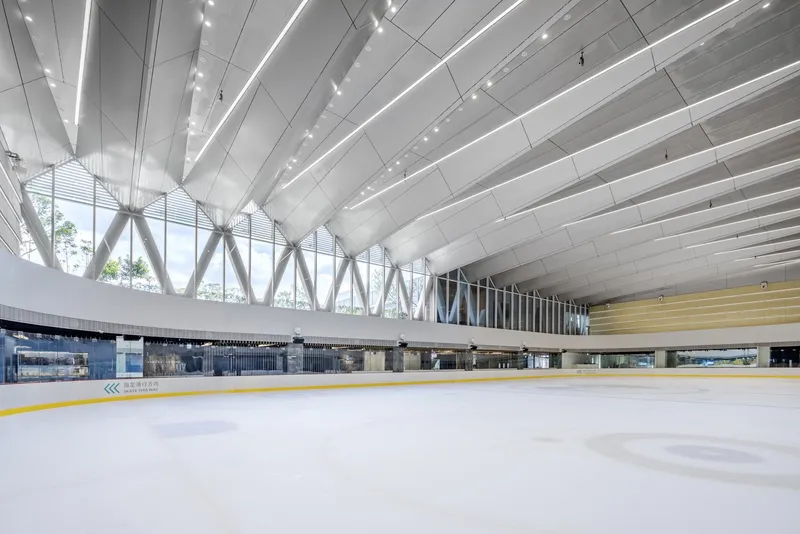
- Rooftop: Ice rink and recreational facilities
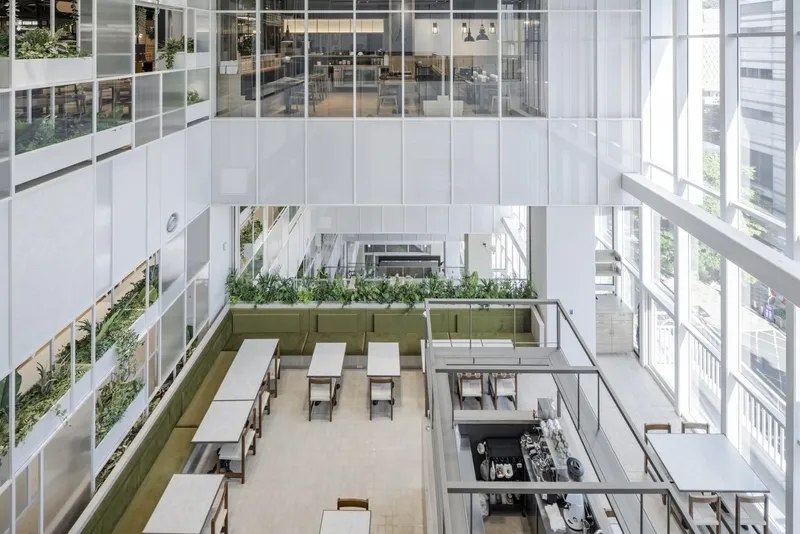
A vertical garden on the back wall of the staircase introduces greenery, softening the interior while connecting multiple levels visually and spatially. The ice rink roof uses lightweight folded aluminum panels, allowing north-facing sunlight to enhance energy efficiency and spatial quality.
The exterior features a modular façade pattern based on a 90-centimeter unit, evoking a musical score. This provides an orderly, contemporary aesthetic while allowing branding integration for commercial tenants.
Cultural and Social Integration
Unlike traditional malls, NOKE emphasizes public engagement and community culture. Inspired by the concept of Fun Palace: a post-Depression era public facility in Britain that encouraged shared cultural and intellectual exchange: the mall fosters social interaction, creativity, and leisure.
The project also draws on previous collaborations, such as the Shin-Fu Town Market, to establish a cultural anchor in Dazhi. By integrating art, literature, and recreation, NOKE becomes a cultural catalyst, offering a rich alternative to purely transactional commercial spaces.
Sustainability and Technical Highlights
- Vertical greenery enhances air quality and visual connection
- Lightweight roof structures reduce material use and energy consumption
- Natural daylighting improves indoor environment for exhibitions and public spaces
- Modular façade supports flexibility and efficient maintenance
These strategies combine to make NOKE not just a mall, but a multi-functional public space, blending commerce, culture, and leisure seamlessly.
NOKE Shopping Mall redefines what a department store can be. By fusing retail, culture, art, and recreation, it creates a boundless leisure social factory in Taipei’s Dazhi district. The project demonstrates that even in a challenging retail climate, architecture can craft vibrant, socially engaging, and culturally rich experiences.
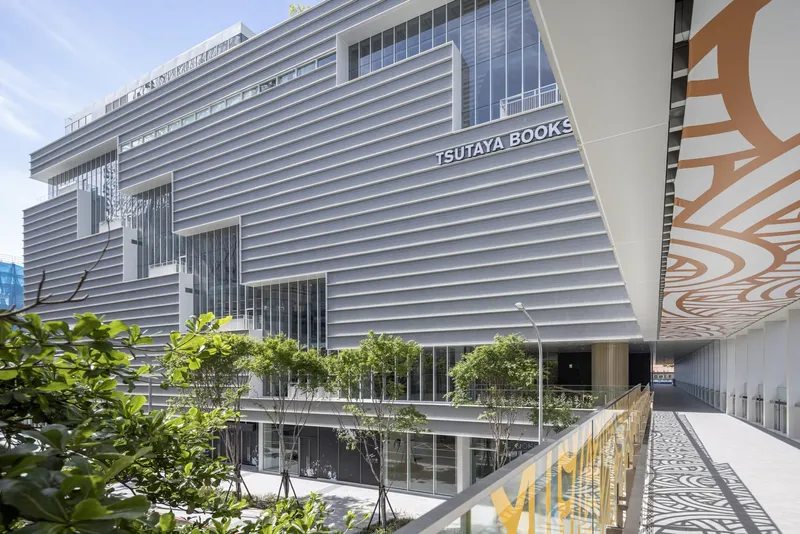
All photographs are works of YuChen Chao Photography


Popular Articles
Popular articles from the community


The Amber Palace Opera: A Geological Fiction Surfaces on Tallinn's Baltic Waterfront
Pierre Brillard reimagines a Baltic legend as a public landscape, opera house, and waterfront promenade rooted in Tallinn's coastal identity.
Faces of the Soviet Avant-Garde: Turning Moscow's Street Names into an Open-Air Museum
A network of sculptural installations across a Moscow residential district transforms forgotten architect names into spatial encounters with cultural memor
Opera by the Sea Estonia: Three Shells Dissolving Architecture into Tallinn's Coastline
A winning opera house proposal replaces monumental form with interconnected shells that blur the boundary between building, park and Baltic Sea.
Temporary Home for Dogs: A Reversed Zoo Rethinks Animal Shelter Architecture
In Bucharest, a sinuous corridor and freed landscape flip the logic of containment, designing a shelter that works to make itself unnecessary.

Similar Reads
You might also enjoy these articles


Hodi-Mandai Geram
Project Function: Preservation and revitalization of the Intangible heritage and socio-spatial identity of the Hodi by Housing, Cultural Memory Center, Sacred Grove, landscape, local tourism economy


Olio Towers: A Mid-Rise for Performers That Fuses Housing, Rehearsal, and Stage
Located blocks from Houston's Theater District, this modular tower stacks living units around a central performance atrium.

Oasis: Modular Green Housing Carved into Dhaka's Urban Fabric
A shortlisted Plugin Housing entry reclaims unauthorized settlements in Dhaka with stepped concrete volumes, green roofs, and ventilation-driven design.

Black Hole: A Floating Megastructure for the Post-Physical Era
Emiliano Mazzarotto envisions a spherical, self-scaling arena where e-sports, digital hotels, and holographic stadiums replace traditional public space.

Explore Shopping Mall Competitions
Discover active competitions in this discipline

Challenge to reimagine the Iron Throne

Photograph architecture without architects

Illustrate the lost glory of Angkor Wat - Render Challenge

Design challenge to reuse E-waste
Comments (0)
Please login or sign up to add comments
No comments yet. Be the first to comment!