
NOMAD
A step towards a new era of housing typologies for students

Housing problems
Housing shortage is a big problem among exchange students worldwide. There is a lack of affordable housing and construction of new housing projects continue to lag behind the demand. This results in several problems. Exchange students are often forced to stay in hostels or Airbnb’s which hardly offer any privacy. Subsequently, rack-renters and scammers are attracted by a housing market that’s under great pressure. Going on exchange is a great opportunity for students to develop themselves and interact with different cultures and nationalities. Students should be supported in this.
A nomadic lifestyle
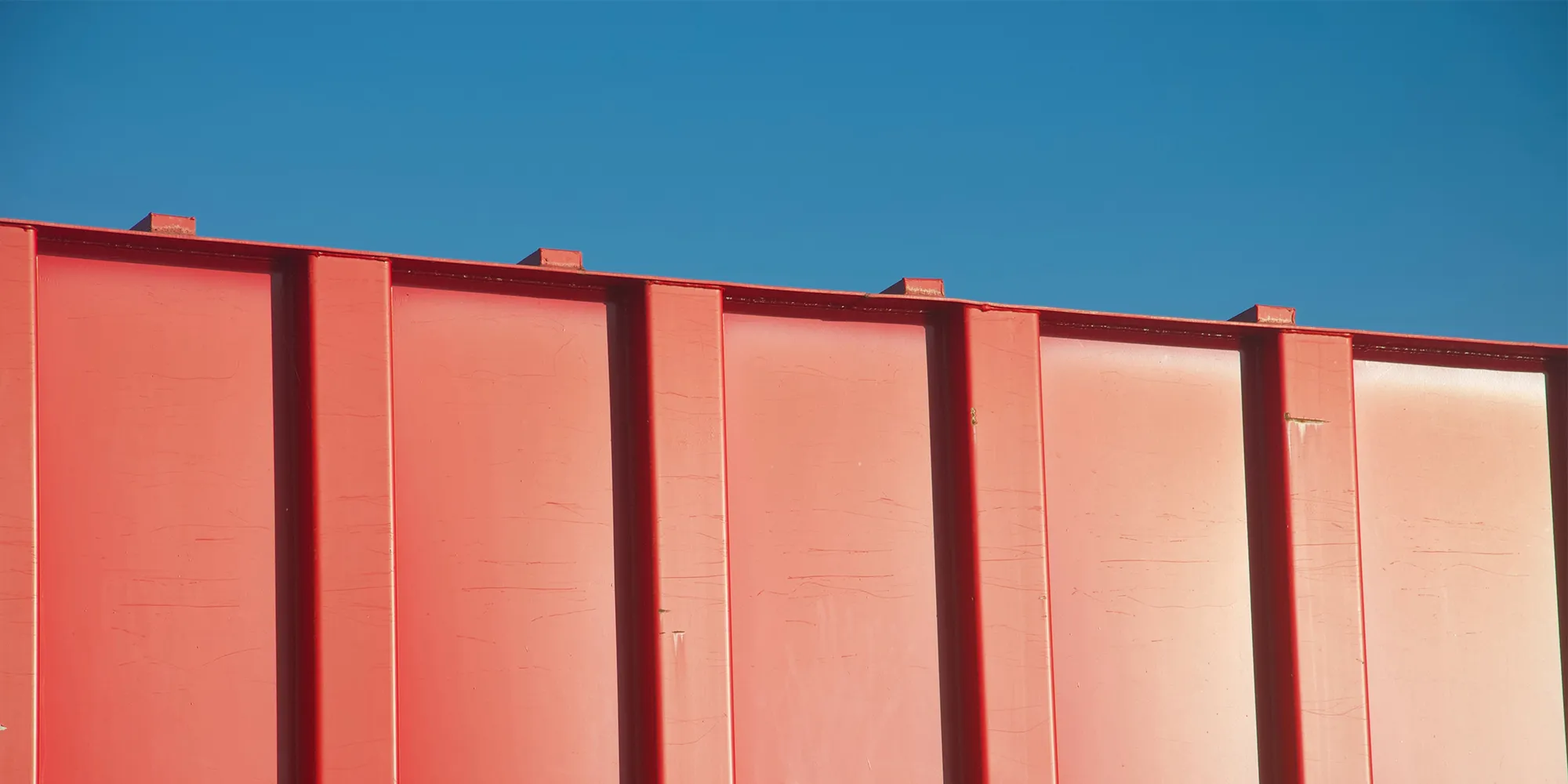
The conceptual and progressive design of NOMAD student housing aims to be an important step towards a new era of affordable, modular housing typologies for exchange students. Within this concept, the comparison is made between exchange students and nomads. Since ancient times, people have lived in nomadic communities travelling from place to place, however this practise has mostly been lost in the modernized society we know today. Since shipping containers have a high degree of usability, mobility and durability, it gives them great potential to be used for a unique type of ‘nomadic’ housing system for the modern age. The design is not site-specific. High modularity allows the site to adapt to the demand of the user. It is possible anywhere in the world and containers can change location indefinitely.
These quintessential features have been assimilated and incorporated in the NOMAD concept. Aiming to give students the opportunity to explore and develop. A place where the integration of architecture, modularity and housing allow for the creation of a new sustainable solution for exchange students.
As a student myself, I am fascinated by the possible role that shipping containers can fulfil in the mission to provide a sustainable solution for the difficult challenges that student housing faces.
Methods and materials
A simple yet effective design method is applied to make it an instantly recognizable building while still retaining its functionality. The emerged form is an inevitable result of design iterations to optimize the modularity. As a result, the structural elements are exposed which makes the functionality of the building act as the façade.
The building consists of different forms of housing; entirely shared, combined or solo. Accompanied with a high degree of modularity, each individual building can have a unique configuration. This results in a wide variety of social dynamics that all act as their own unique, vibrant student hub.
The basis of the design consists of three key components. A steel frame (1x), suspension wheels (90x) and shipping containers (15x). The frame consists of vertical and horizontal axis’ on which the containers are rested. The suspension wheels, of which every container has six, ease the mounting procedures for the containers, as they can slide in the frame. This enables the containers to be mounted according to the demand of the users, for example divided more broadly or combined in the case of shared housing.


Popular Articles
Popular articles from the community


Co-life: Sustainable Architecture for Age-Friendly Community Living
Co-life reimagines sustainable architecture for seniors through courtyards, rammed earth, shared gardens, and spaces designed for belonging.

The Earth Pod: 3D Printed Homes for Resilient Refugee Communities
The Earth Pod reimagines refugee housing through 3D printed homes made from clay, combining resilience, self-sufficiency, and rapid shelter.

The Musturak Paradise: Senior Living Architecture for a Connected Future in Temara, Morocco
The Musturak Paradise reimagines senior living architecture in Temara via private homes, social spaces, culture, community, and shared care.

Lunar Spiral: Space Architecture Shaped by the Mathematics of the Universe
Lunar Spiral reimagines space architecture through Fibonacci geometry, lunar regolith, levitating habitats, and self-sustaining Moon living.

Similar Reads
You might also enjoy these articles

Day and Night Park: A Time-Based Urban Newsstand in Beijing
A temporary urban newsstand in Beijing blending travel, light, and reading through poetic colors, compact form, and community-focused design.

Modernist Patio Renovation in El Masnou, Barcelona by Oliver Segura Arquitectura + Cebrià Arquitectura
Modernist patio renovation blending tradition and innovation with a movable pool, leveled floors, and Catalan materials in El Masnou.

Alto Residencial Coop: Cooperative Housing Development in Santiago de Compostela by Carbajo Barrios Arquitectos
A linear cooperative housing complex blending white volumes and perforated metal façades, enhancing community living, natural light, privacy, and urban integration.
Vil Genis School by BPA ARCHITECTURE – Massy, France
Vil Genis School in Massy, France, features sustainable design, south-facing classrooms, community integration, accessible spaces, and modern educational architecture.
Explore Student Housing Competitions
Discover active competitions in this discipline




Challenge to reimagine the Iron Throne


Photograph architecture without architects


Illustrate the lost glory of Angkor Wat - Render Challenge


Design challenge to reuse E-waste
Comments (0)
Please login or sign up to add comments
No comments yet. Be the first to comment!