

Norma Restaurant by HUGOSANTOALHA: A Dialogue Between Shelter and Exposure in Guimarães
Norma Restaurant by HUGOSANTOALHA contrasts openness and shelter through minimalist design, natural materials, and balanced spatial dialogue in Guimarães, Portugal.


Located in the historic city of Guimarães, Portugal, the Norma Restaurant designed by HUGOSANTOALHA offers a poetic architectural interpretation of space, light, and atmosphere. The project, completed in 2023, transforms a 205-square-meter interior into a refined dialogue between openness and intimacy, crafting a dining experience rooted in material honesty and spatial balance.
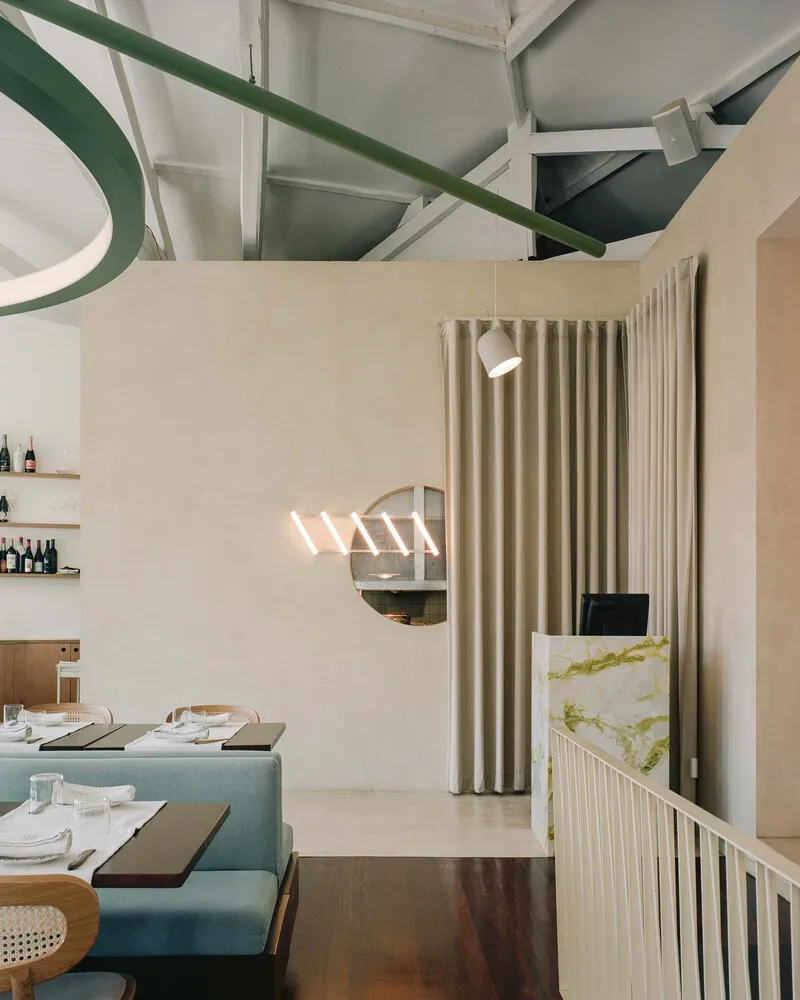
A Concept Rooted in Duality
The architectural narrative of Norma Restaurant emerges from two square rooms — equal in proportion yet distinct in character. One is sheltered, defined by enclosure and warmth, while the other is exposed, open to light and air. These two spaces, though seemingly opposite, are conceived as companions in tension and harmony.
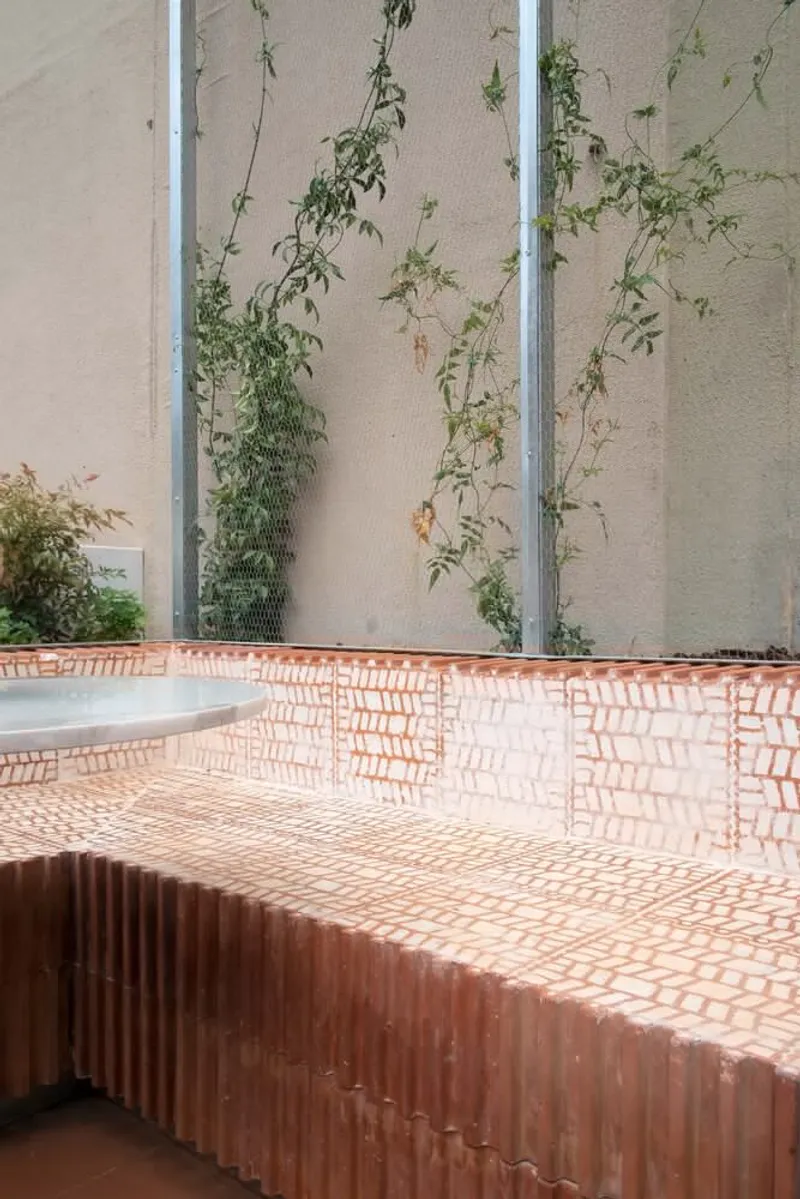
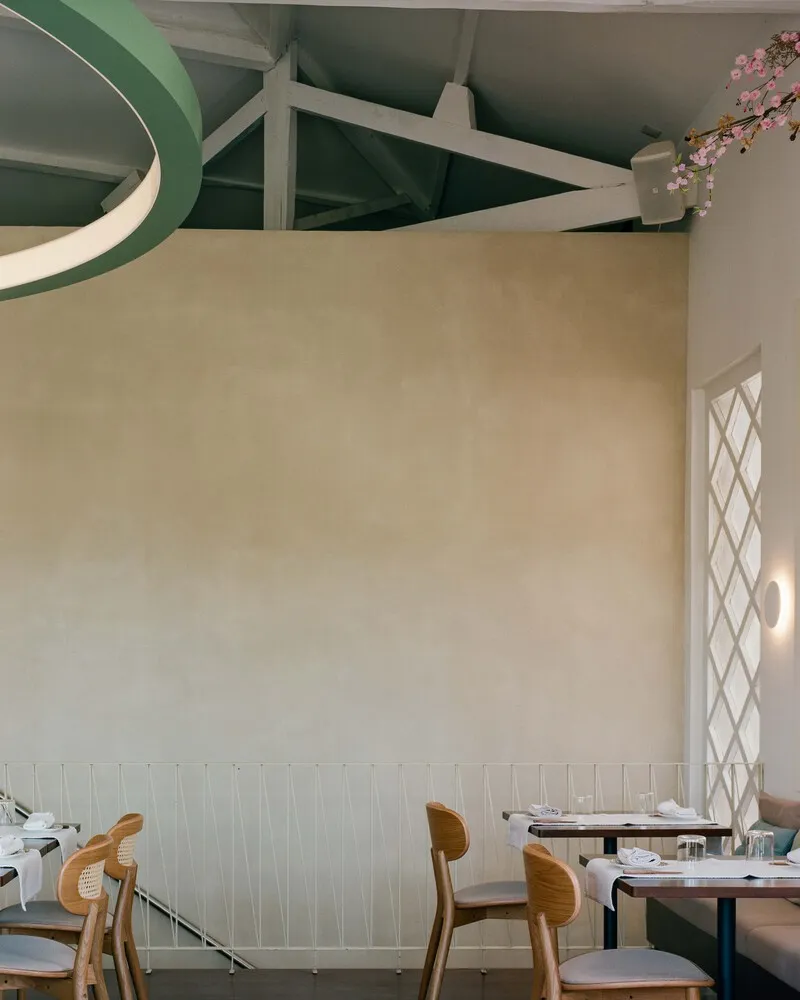
The first space seeks to expand infinitely, dissolving its boundaries in every direction — a gesture towards openness, transparency, and connection to the sky. The second space, by contrast, establishes a sense of grounding. It is defined by a slender roofline and a robust brick wall, turning inward to create a cocooned, contemplative interior.
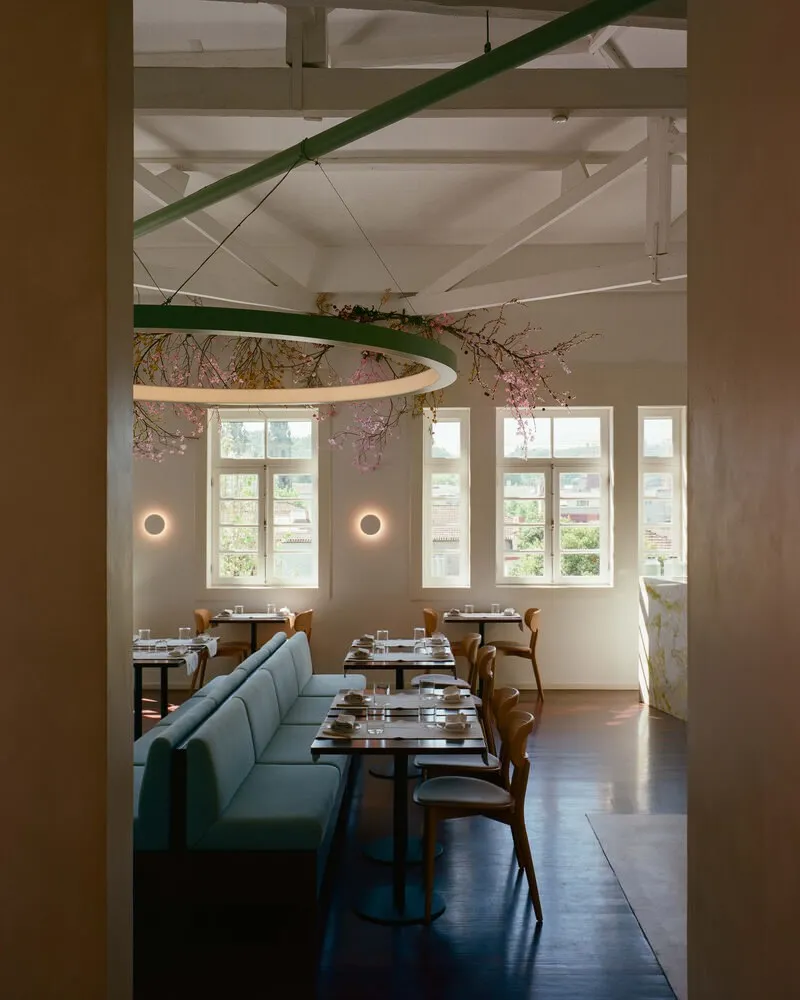
Together, these spaces embody the architectural principle of balance between exposure and protection, allowing visitors to move fluidly between contrast and continuity.
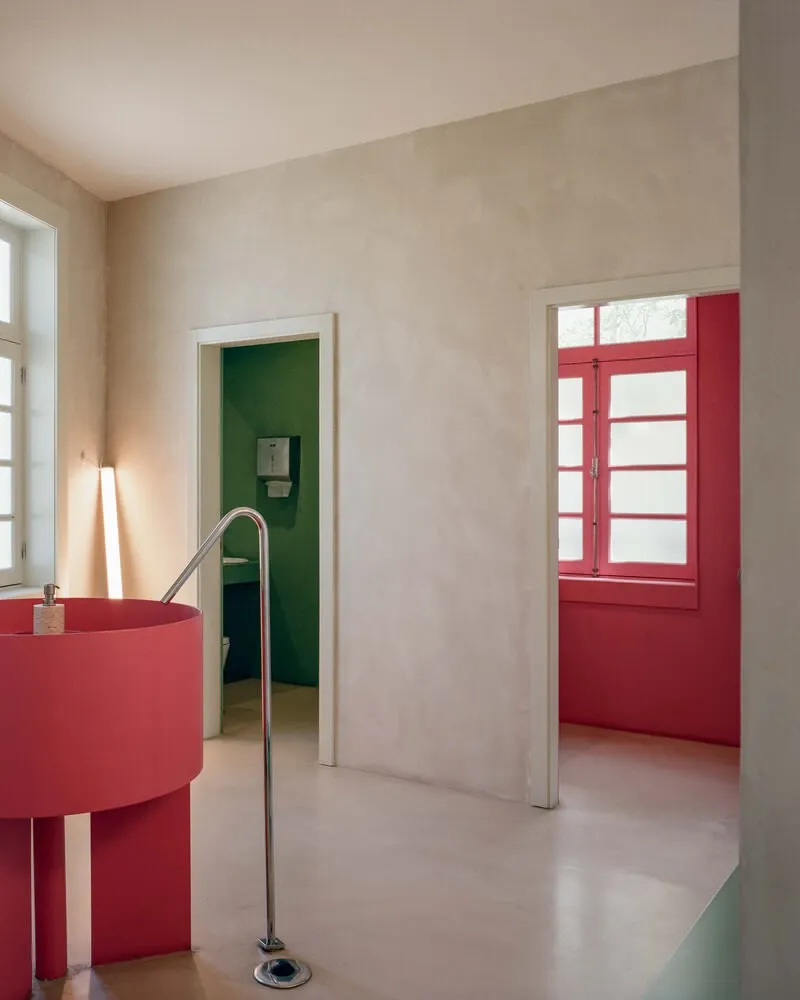
Material Expression and Atmosphere
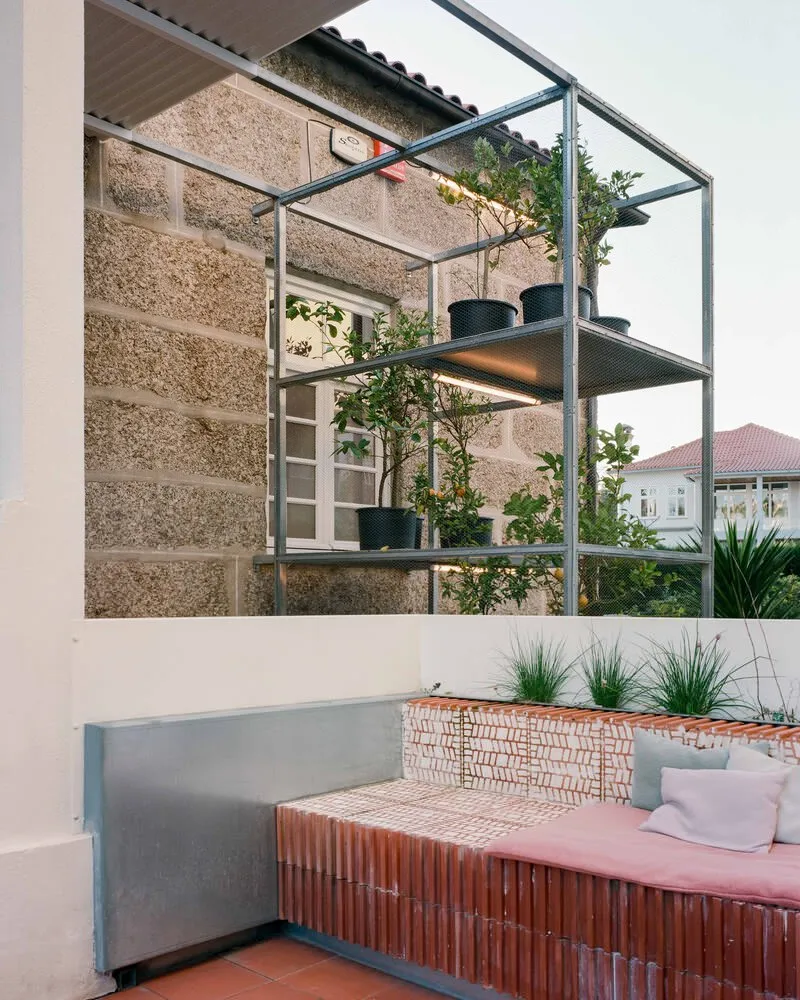
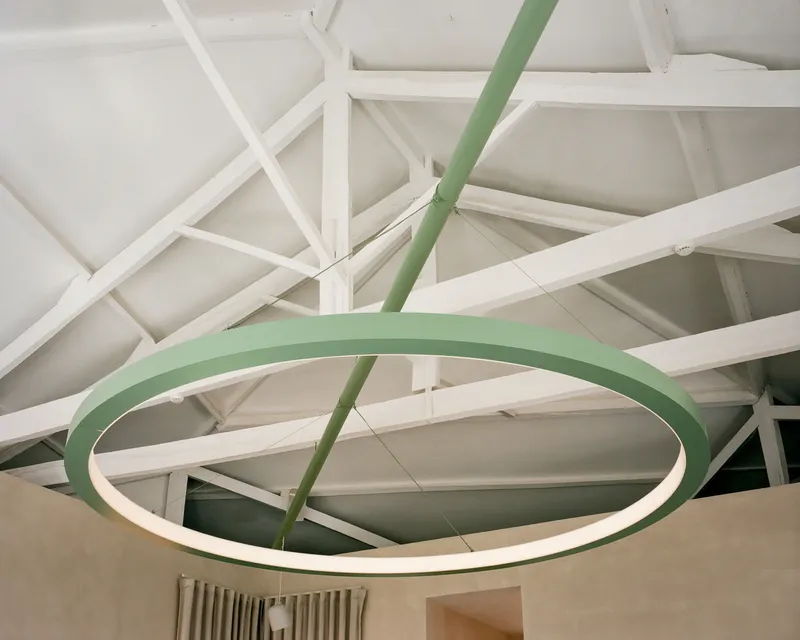
Materiality plays a central role in shaping the sensory experience of Norma Restaurant. Natural wood surfaces, brick textures, and soft lighting evoke a timeless sense of comfort and craftsmanship. The interior’s tactile quality celebrates Portuguese material traditions while introducing a restrained, contemporary design language.
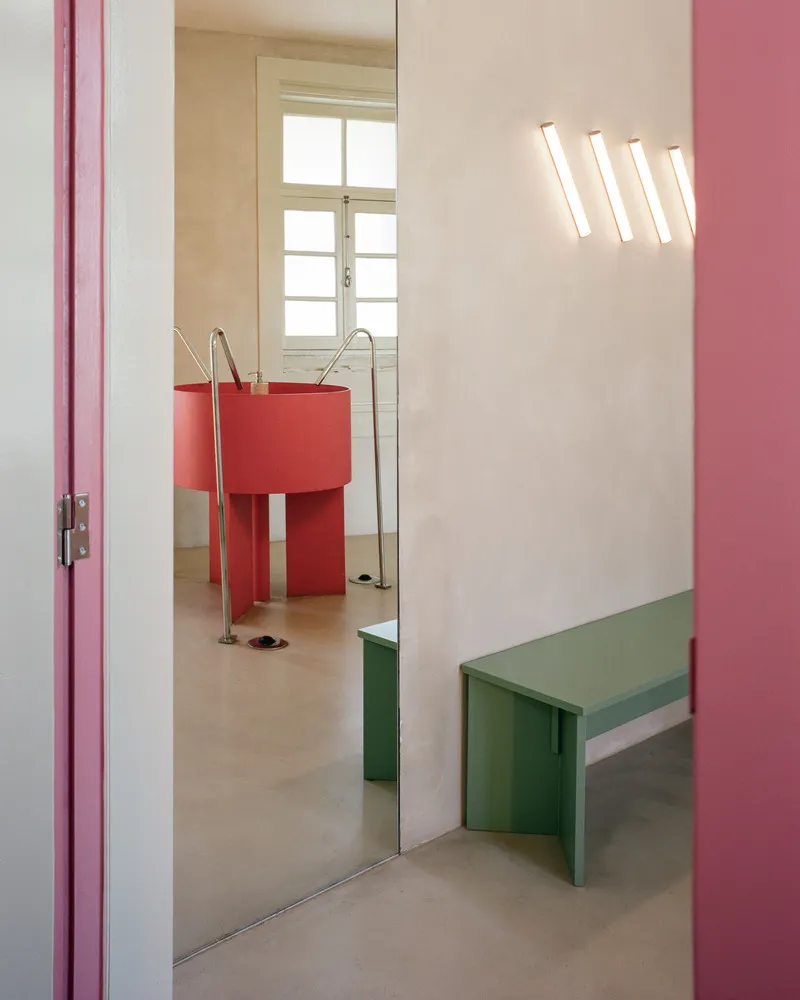
Furniture and spatial layout follow the rhythm of the architecture — simple wooden tables and chairs emphasize function over ornamentation, allowing light, shadow, and texture to define the ambiance. The seamless integration of transparency and solidity highlights HUGOSANTOALHA’s ability to choreograph emotional transitions within a minimal architectural framework.
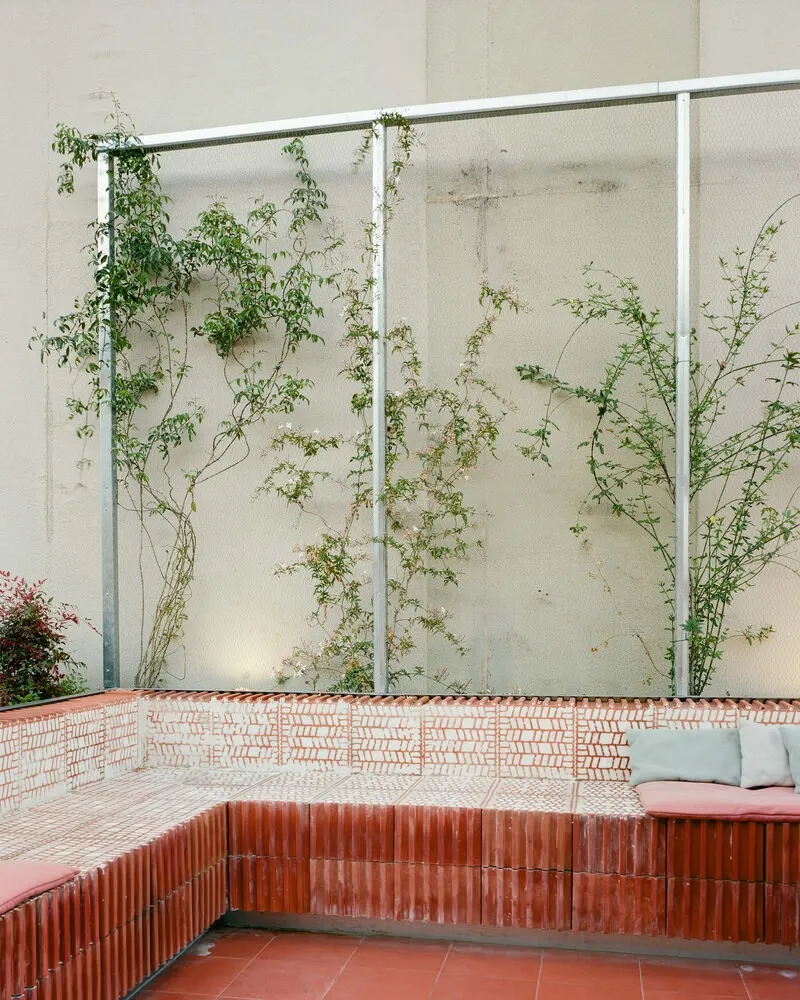
Spatial Narrative and Composition
The spatial composition of Norma Restaurant is both architectural and experiential. While one room extends outward — its openness amplified by generous glazing — the other folds inward, containing warmth and intimacy. Despite these distinct intentions, both spaces remain fundamentally true to their geometric origins.
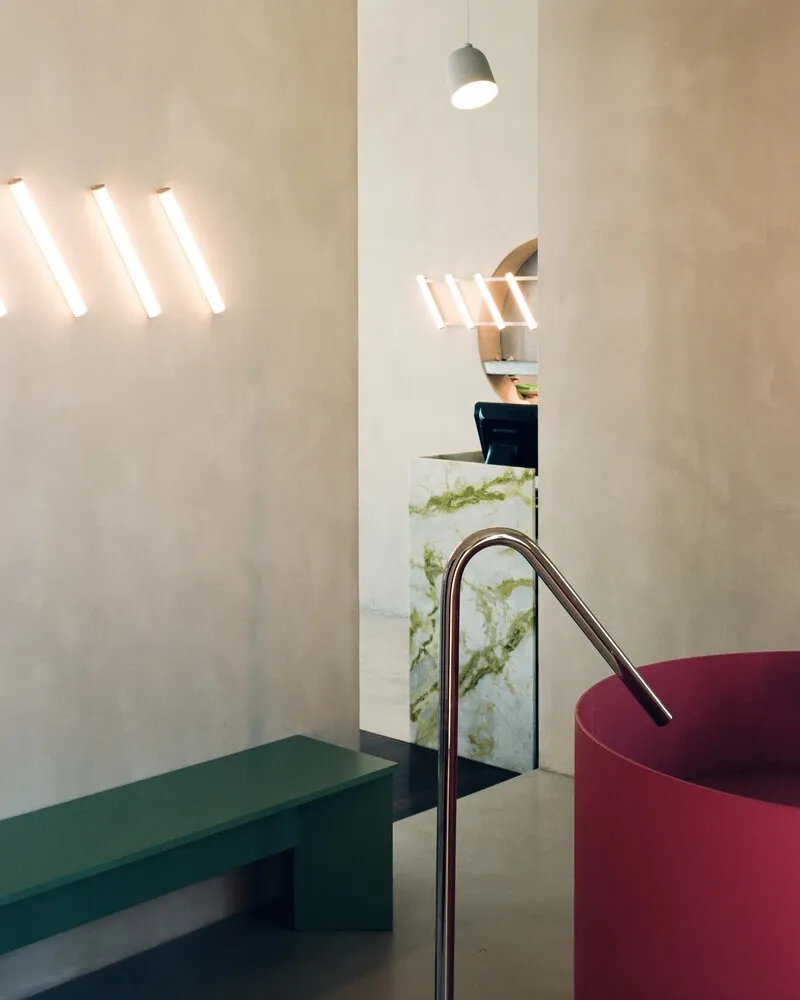
The plan reveals a subtle tension between symmetry and variation, an architectural play that invites reflection on how form can influence human experience. The duality between the rooms — one light and expansive, the other dense and inward-looking — becomes the central narrative of the dining environment.
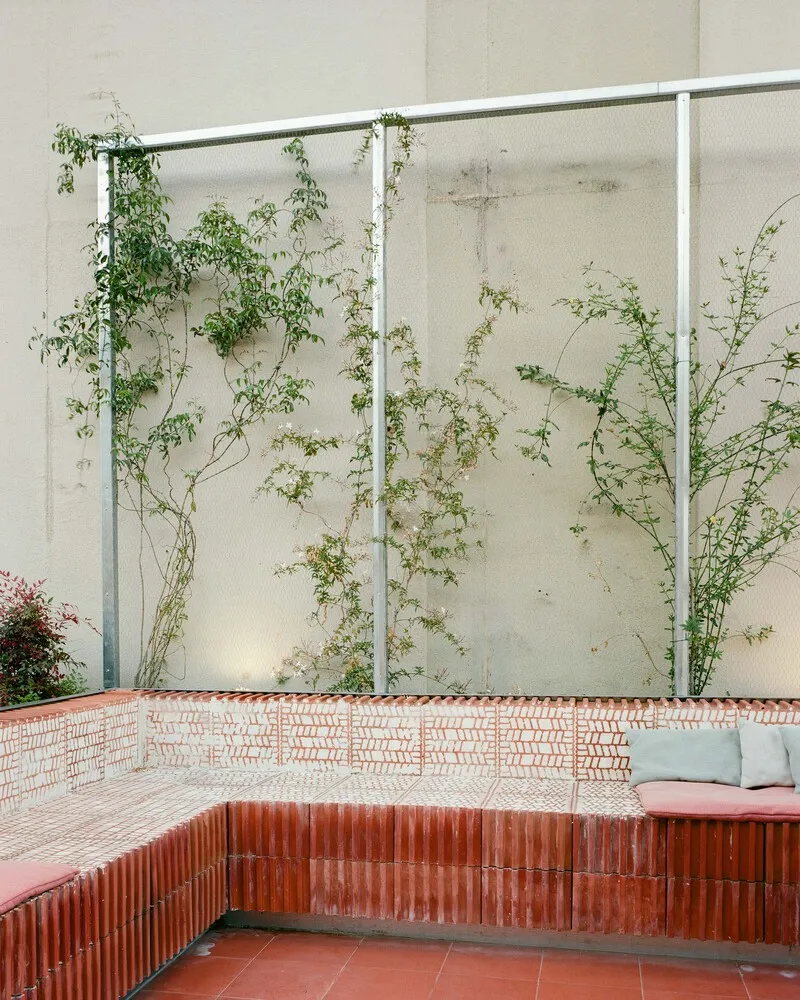
An Architecture of Poise and Restraint
Norma Restaurant exemplifies HUGOSANTOALHA’s design ethos: architecture as a quiet yet powerful mediator between material and emotion. The project’s minimal gestures achieve profound effects — through proportion, tactility, and light — creating a space that feels simultaneously timeless and immediate, structured yet spontaneous.
All photographs are works of Francisco Ascensão,Marta Machado


Popular Articles
Popular articles from the community

Opera by the Sea Estonia: Three Shells Dissolving Architecture into Tallinn's Coastline
A winning opera house proposal replaces monumental form with interconnected shells that blur the boundary between building, park and Baltic Sea.
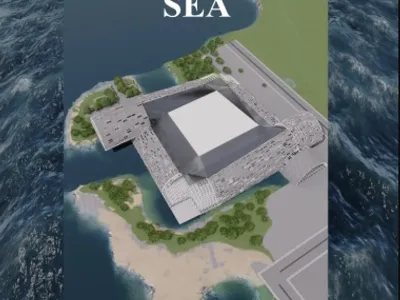
Opera on the Sea: Driftwood Logic Shapes a Timber Opera House on Estonia's Coast
Trevor Orgill's opera house translates the entangled drift of floating timber into a civic building where wood, water, and music converge.
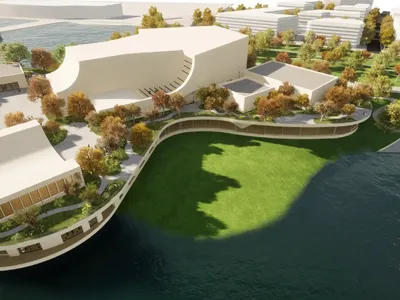
The Amber Palace Opera: A Geological Fiction Surfaces on Tallinn's Baltic Waterfront
Pierre Brillard reimagines a Baltic legend as a public landscape, opera house, and waterfront promenade rooted in Tallinn's coastal identity.
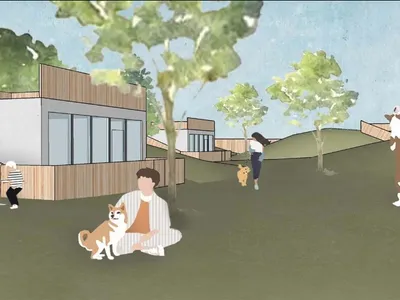
Temporary Home for Dogs: A Reversed Zoo Rethinks Animal Shelter Architecture
In Bucharest, a sinuous corridor and freed landscape flip the logic of containment, designing a shelter that works to make itself unnecessary.

Similar Reads
You might also enjoy these articles


Hodi-Mandai Geram
Project Function: Preservation and revitalization of the Intangible heritage and socio-spatial identity of the Hodi by Housing, Cultural Memory Center, Sacred Grove, landscape, local tourism economy


Olio Towers: A Mid-Rise for Performers That Fuses Housing, Rehearsal, and Stage
Located blocks from Houston's Theater District, this modular tower stacks living units around a central performance atrium.

Oasis: Modular Green Housing Carved into Dhaka's Urban Fabric
A shortlisted Plugin Housing entry reclaims unauthorized settlements in Dhaka with stepped concrete volumes, green roofs, and ventilation-driven design.

Black Hole: A Floating Megastructure for the Post-Physical Era
Emiliano Mazzarotto envisions a spherical, self-scaling arena where e-sports, digital hotels, and holographic stadiums replace traditional public space.

Explore Hospitality Building Competitions
Discover active competitions in this discipline

Challenge to reimagine the Iron Throne

Photograph architecture without architects

Illustrate the lost glory of Angkor Wat - Render Challenge

Design challenge to reuse E-waste
Comments (0)
Please login or sign up to add comments
No comments yet. Be the first to comment!