
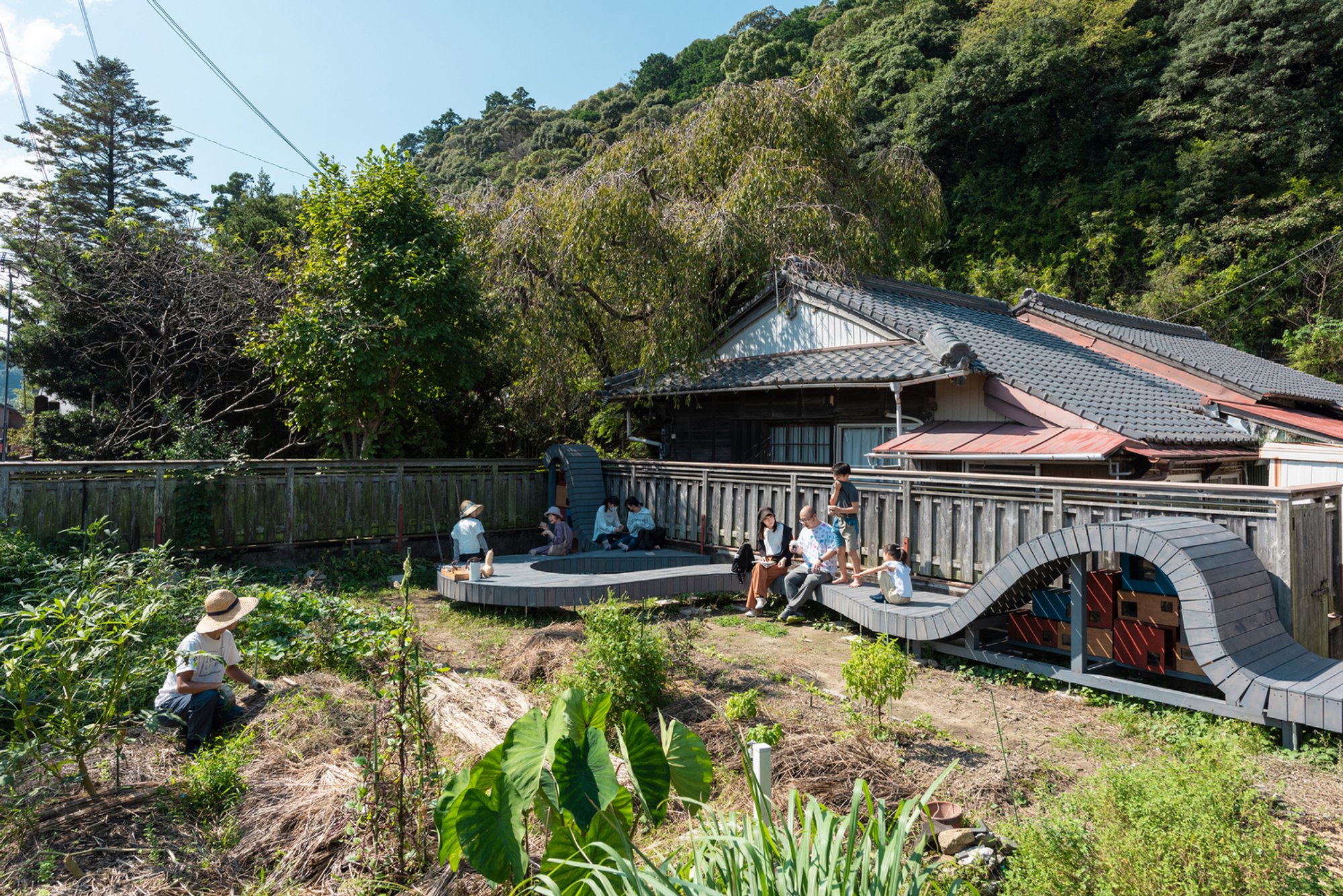
Oishii Park Architecture Project by td-Atelier: A Community-Centric Design in Shingū, Japan
This article explores Oishii Park by td-Atelier, a community-driven architecture project fostering connection, sustainability, and multifunctional public space.

Oishii Park, designed by td-Atelier under the leadership of Tada Masaharu, is an exemplary community-driven architecture project located in Shingū, Japan. Completed in 2022, this innovative space seamlessly integrates public interaction with sustainable design. The project reimagines how architecture can create meaningful community connections through a harmonious blend of public spaces, playful elements, and environmental consciousness.
A Vision Rooted in Community
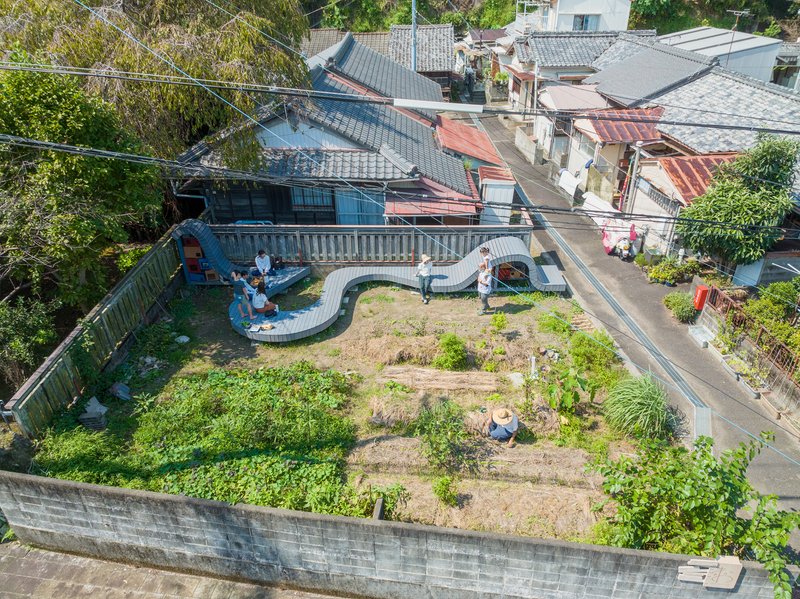
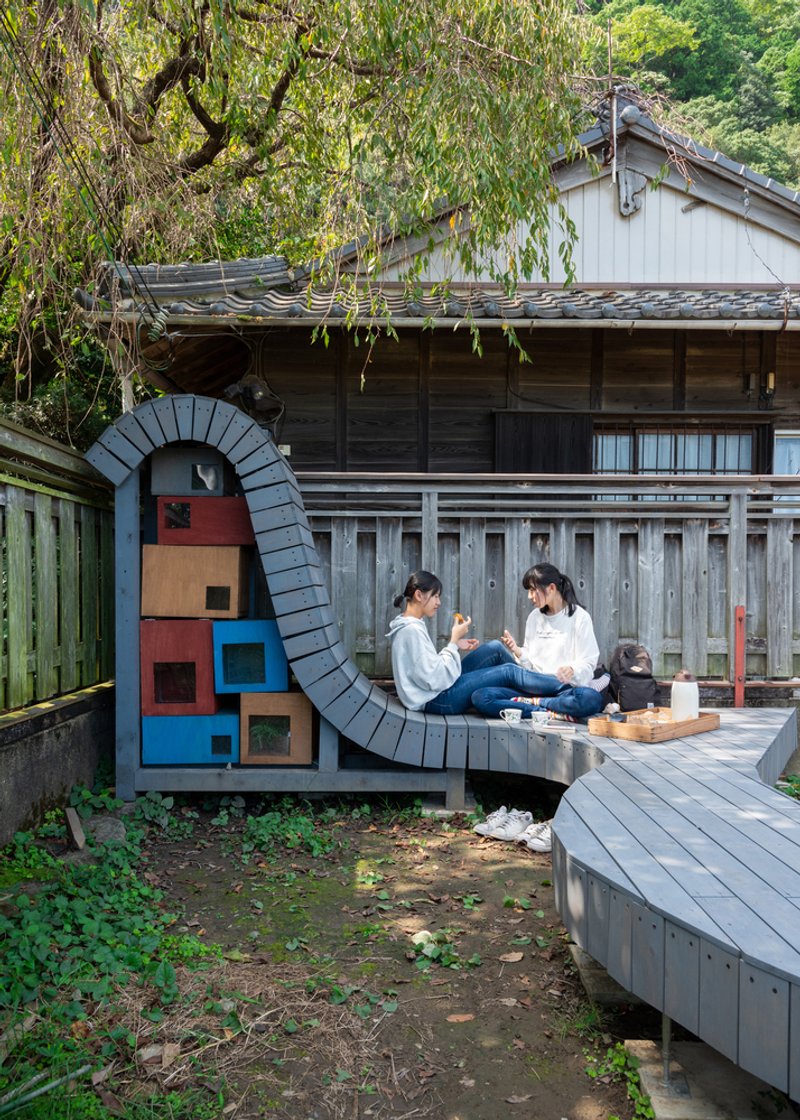
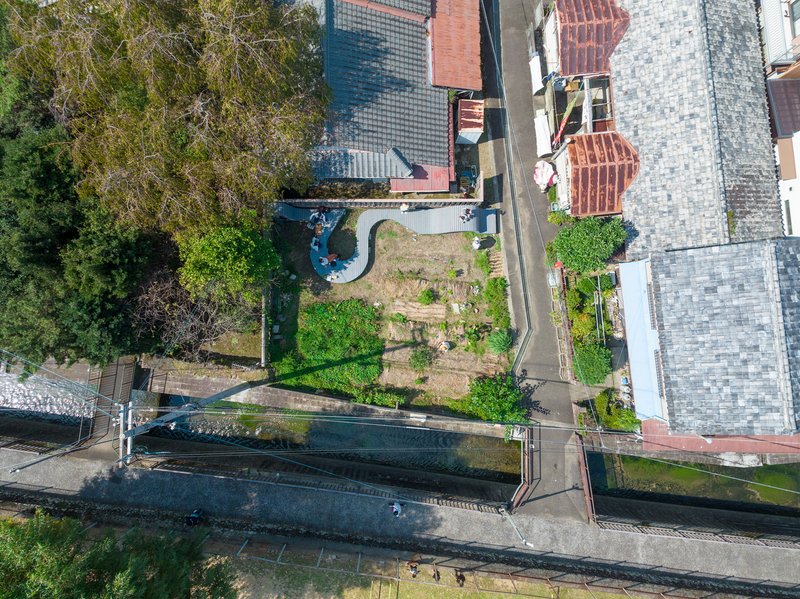
The name “Oishii”, meaning “delicious” in Japanese, encapsulates the essence of the park: a delightful space for people of all ages. Built as an extension to the Youth Library Engawa, established in 2013, the park serves as a versatile venue for reading, gathering, and outdoor activities. The site spans across two buildings near the temple and elementary school, making it an accessible and inviting spot for local children and visitors alike.
Responding to the Pandemic
The concept of Oishii Park arose during the COVID-19 pandemic, which emphasized the need for open, safe public spaces. The design team envisioned a park that would enhance the existing library’s offerings, allowing visitors to read and socialize outdoors while enjoying a lush natural setting.
Design Philosophy and Execution
Site Analysis and Integration
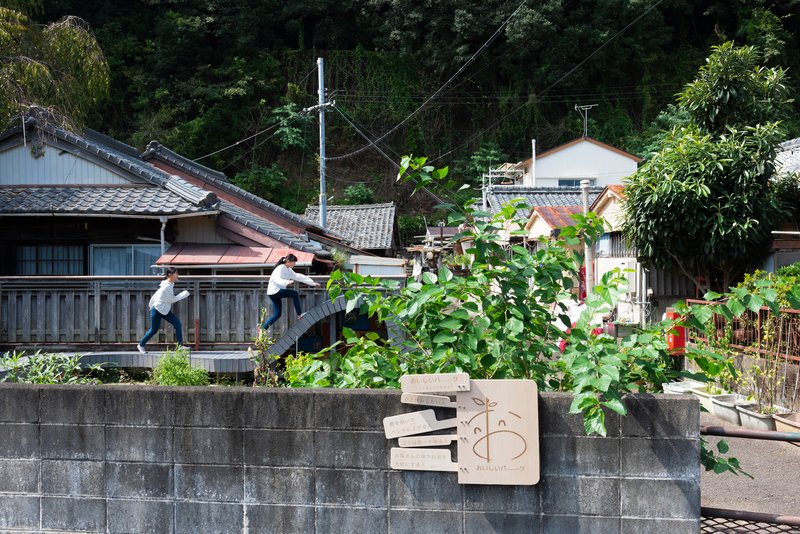
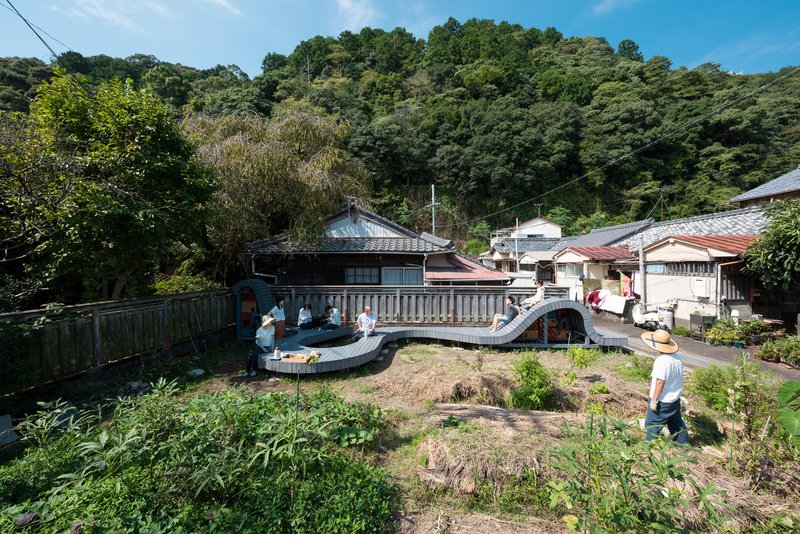
The planning process began with meticulous studies of sunlight patterns, seasonal shading, and the visual connection between the park and its surroundings. The team mapped out potential activities and strategically positioned features, ensuring that the park would serve as a lively yet functional community hub.
Key Architectural Features
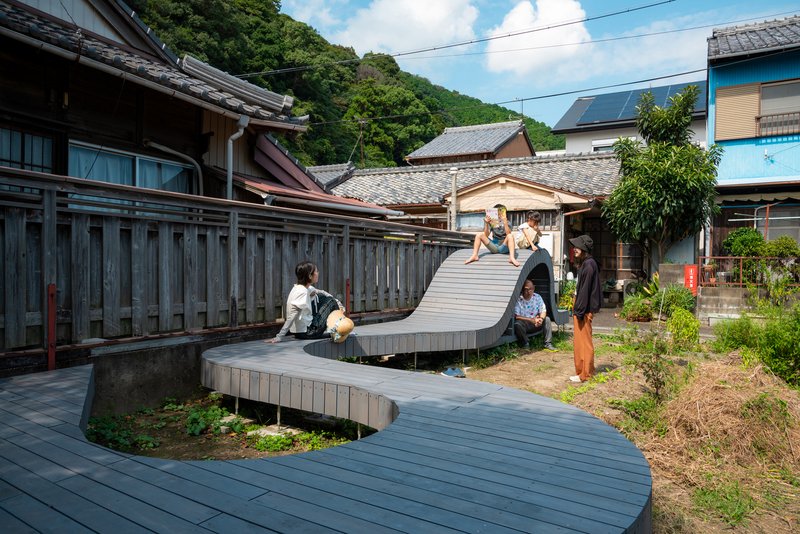
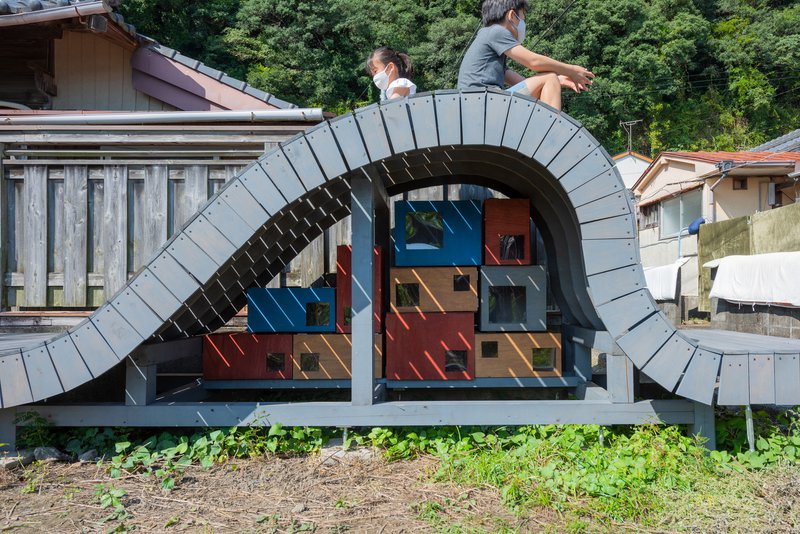
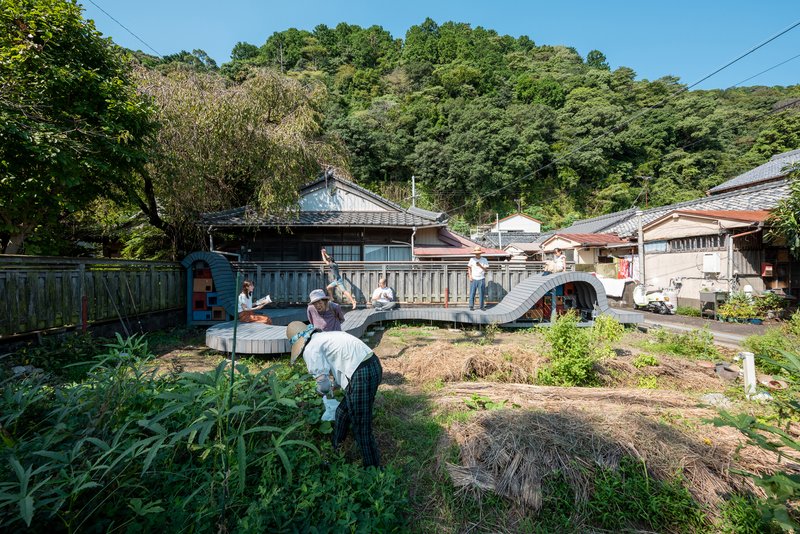
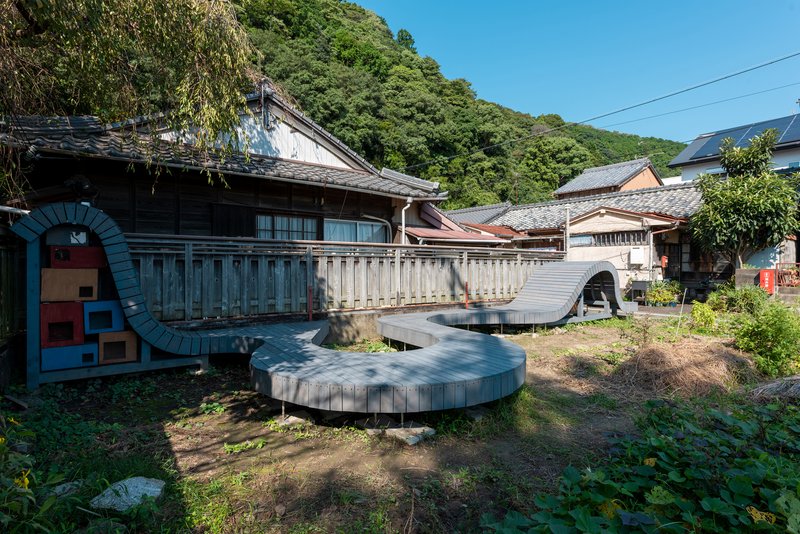
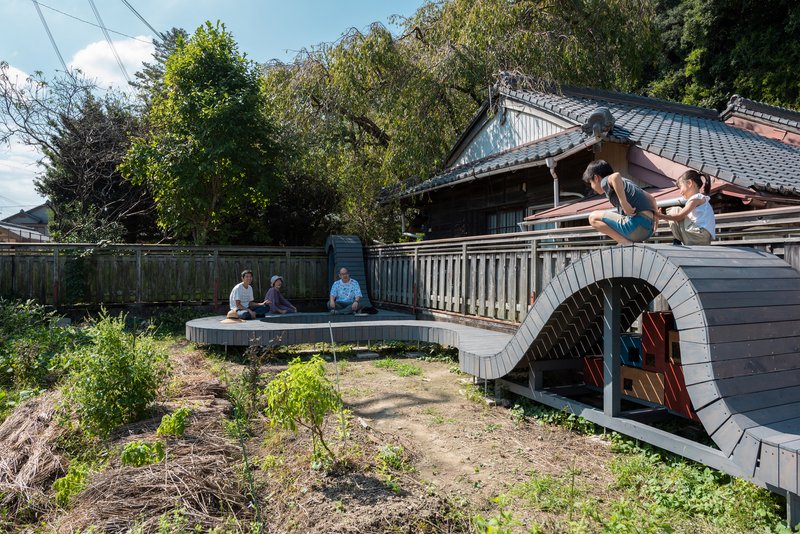
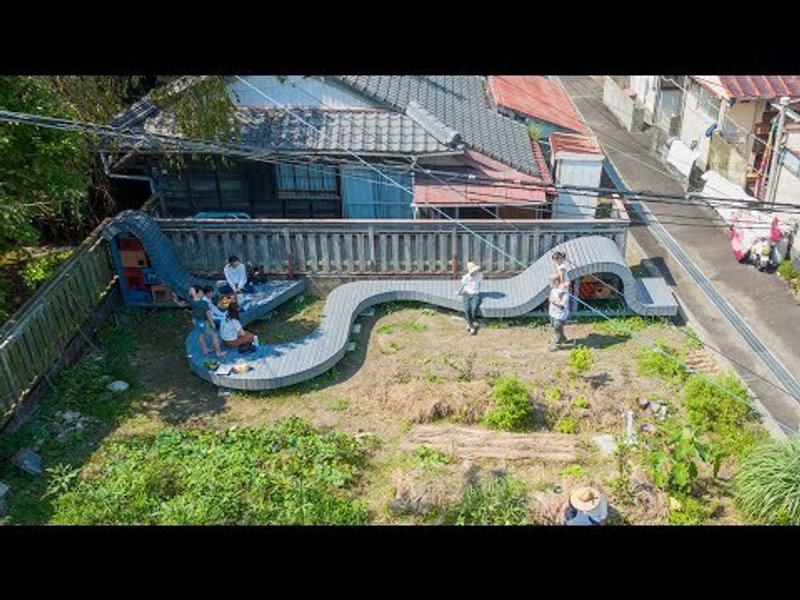
- Three-Dimensional Bench DesignA standout feature of Oishii Park is the long, flowing bench situated at the western end of the site. Inspired by the rivers, waterfalls, and mountains of Kumano, this bench provides a dynamic seating area for visitors while symbolizing the natural beauty of the region.
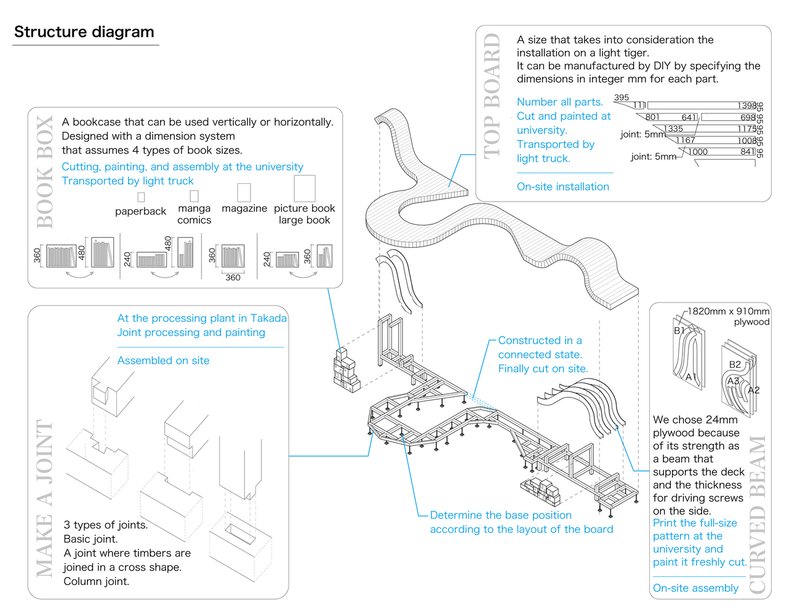
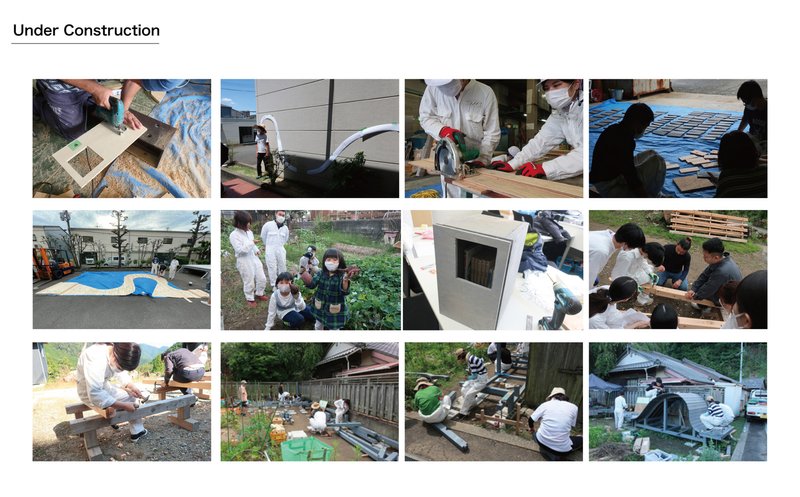
- DIY Construction ApproachEmbracing a do-it-yourself (DIY) philosophy, the park’s construction involved assembling pre-manufactured components. This approach reduced the need for skilled labor while also engaging the community and students in learning carpentry techniques.
- Sustainable and Modular DesignTo minimize environmental impact and risks associated with COVID-19, many components were fabricated at a university and transported for on-site assembly. This method ensured efficiency and reduced contact with the local elderly population, reflecting a thoughtful consideration of public health.
A Space for Interaction and Learning
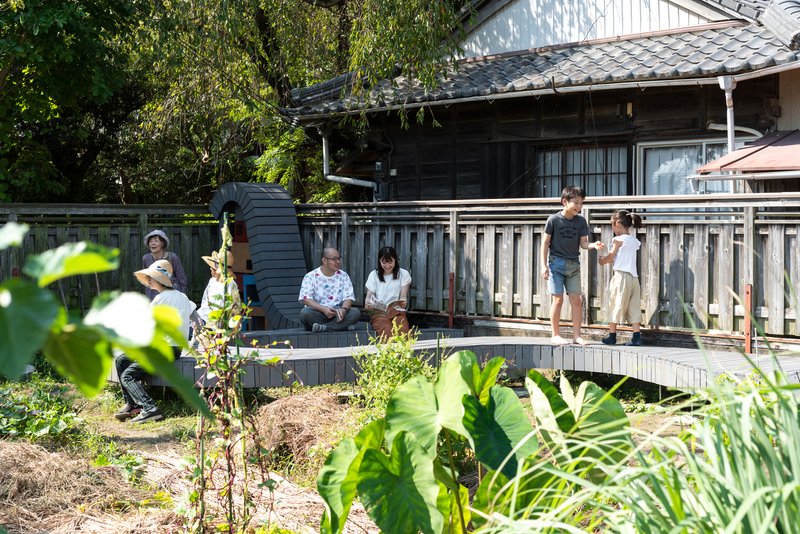
Oishii Park is more than just a park; it is a multifunctional public space. It invites residents to not only gather and play but also participate in activities like growing, harvesting, and eating food, fostering a deeper connection to their environment.
An Architectural Statement
This project blurs the line between architecture and furniture. Rather than designing a standalone building, td-Atelier sought to enhance the existing landscape with subtle yet impactful interventions. Oishii Park is an inspiring example of how architecture can adapt to and improve its surroundings without overshadowing them.
Community Impact and Legacy
The park has quickly become a vital part of the Shingū community, offering residents a space to share experiences, build relationships, and create memories. Through its thoughtful design and execution, Oishii Park has transformed a simple field into a place of growth, both literally and figuratively.
All the photographs are work of Matsumura Kohei




Popular Articles
Popular articles from the community

Ippolito Fleitz Group Identity Architects Turn Eight Floors in Shanghai into a Vertical Creative City
Publicis Groupe's new headquarters in Xintiandi reimagines the office as a courtyard-driven urban landscape stacked across eight floors.
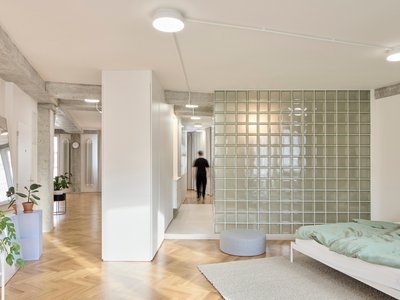
RDTH architekti Rips Out Nearly Every Wall in a Prague Apartment and Replaces Them with Furniture
A 101-square-meter post-war flat in Prague trades rigid partitions for a single rotated furniture block, curtains, and glass concrete.
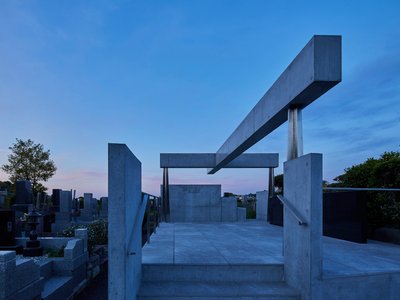
Takeshi Hosaka Architects Suspends a Concrete Cross Above a Yokohama Cemetery
A 28-square-meter burial renovation in Yokohama lifts the symbol of resurrection into the sky so mourners see it against heaven.

20 Most Popular Office Building Projects of 2025
From biophilic workspaces in India to net-positive energy offices in New Delhi, 20 office building projects that defined architecture in 2025.


Similar Reads
You might also enjoy these articles
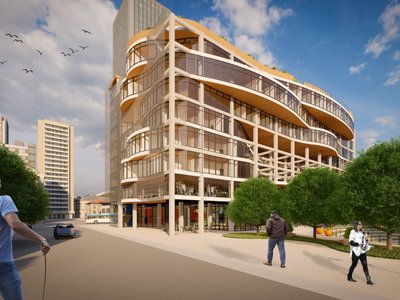
Olio Towers: A Mid-Rise for Performers That Fuses Housing, Rehearsal, and Stage
Located blocks from Houston's Theater District, this modular tower stacks living units around a central performance atrium.
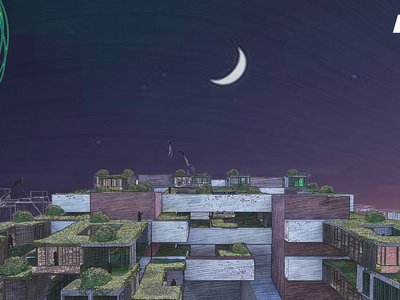
Oasis: Modular Green Housing Carved into Dhaka's Urban Fabric
A shortlisted Plugin Housing entry reclaims unauthorized settlements in Dhaka with stepped concrete volumes, green roofs, and ventilation-driven design.

Black Hole: A Floating Megastructure for the Post-Physical Era
Emiliano Mazzarotto envisions a spherical, self-scaling arena where e-sports, digital hotels, and holographic stadiums replace traditional public space.
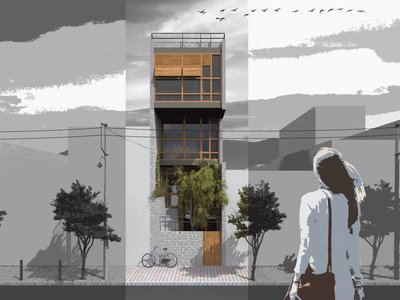
Compact & Sustainable Living in Piraeus: A Four-Level Family Home Built Around Light and Air
A narrow townhouse in one of Greece's densest port cities uses a central atrium and passive strategies to house three generations under one roof.

Explore Architecture Competitions
Discover active competitions in this discipline




The International Standard for Design Portfolios


The Global Benchmark for Architecture Dissertation Awards


The Global Benchmark for Graduation Excellence


Challenge to re-imagine a department store in present times
Comments (0)
Please login or sign up to add comments
No comments yet. Be the first to comment!