
Old Yacht Club House by Elliott Architects: Adaptive Reuse of a Historic Coastal Landmark in Maine
Historic 1919 yacht club restored into a coastal residence, blending preserved club room, modern glass interventions, reinforced structure, and scenic ocean views.


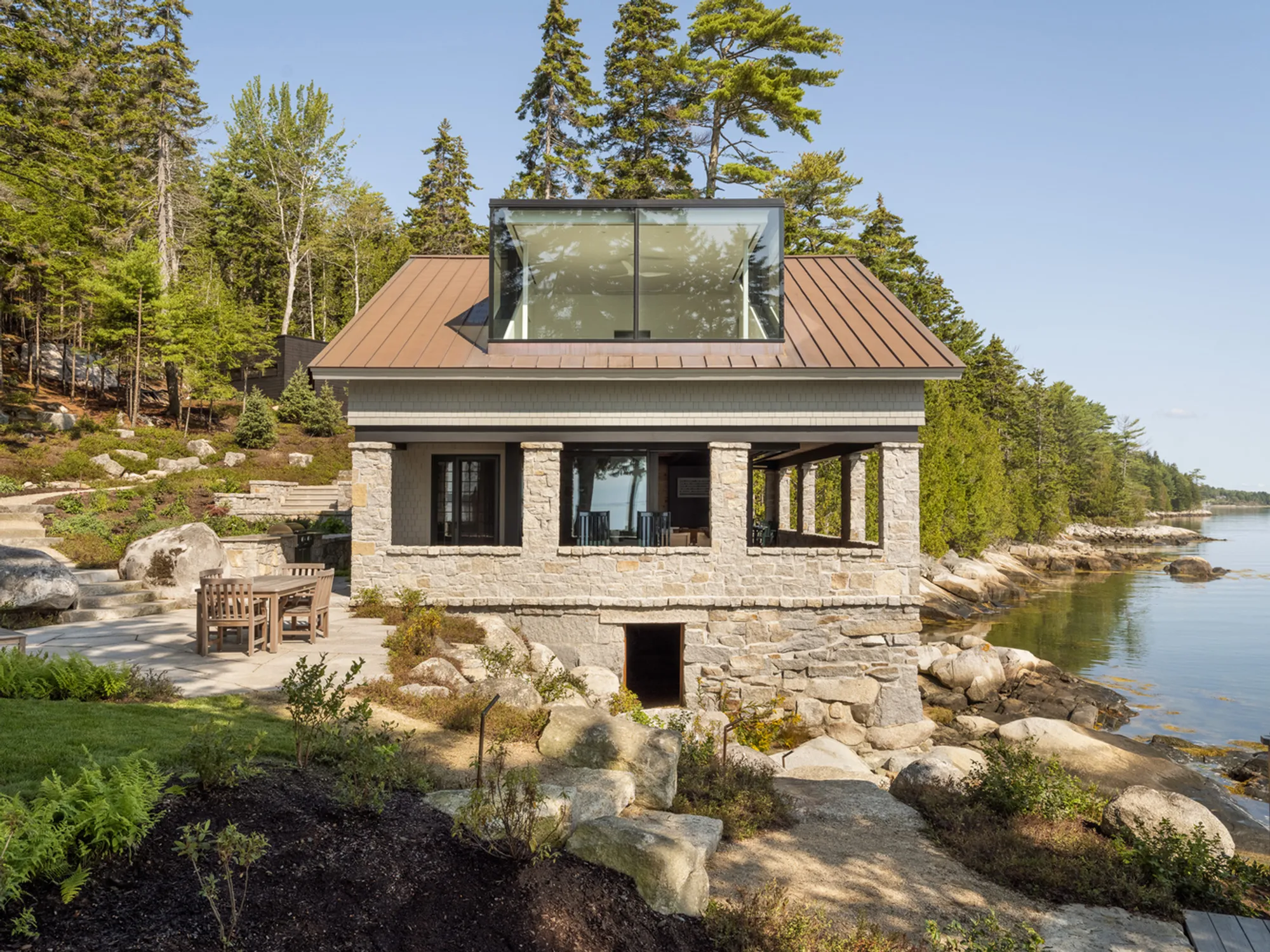
The Old Yacht Club House by Elliott Architects in Blue Hill, Maine, represents a thoughtful example of adaptive reuse in residential architecture, where historical preservation meets contemporary design. Originally built in 1919, the former yacht club stood abandoned for decades at the edge of the bay, enduring the harsh coastal climate of Maine. Over time, the structure deteriorated as changing needs and multiple renovations stripped away much of its original interior character.
When the yacht club relocated in 1946, the building gradually lost its function and identity. Only the historic Club Room remained intact, serving as the last architectural fragment of the building’s social history. Transforming this fragile structure into a modern residence required not only technical expertise but also a deep sensitivity to architectural heritage.
The renovation by Elliott Architects demonstrates how historic restoration, coastal architecture, and contemporary residential design can coexist within a single project, preserving memory while introducing new spatial experiences.
Structural Challenges and Coastal Restoration Strategy
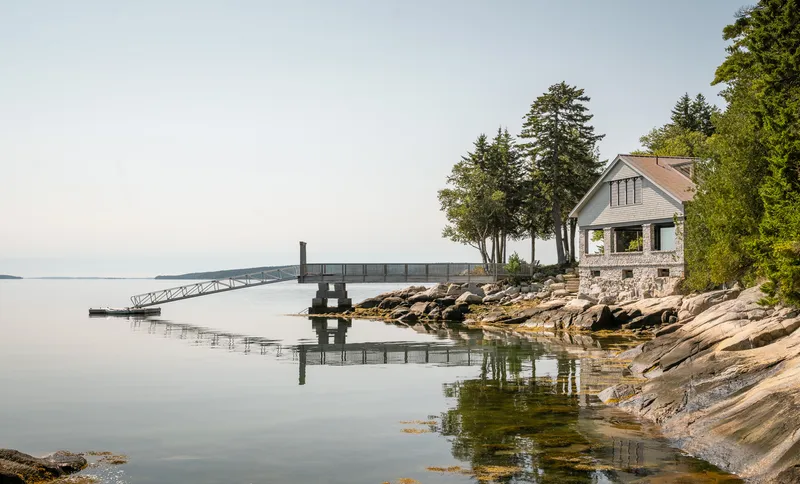
The site conditions presented significant challenges. The building was constructed partially on bedrock ledge and partially on clay soil, which caused severe structural settling over time. Additionally, the original foundation did not comply with modern floodplain regulations, a critical concern for buildings located along vulnerable coastal environments.
To address these issues, the architects undertook a careful process of structural stabilization and reconstruction. The deteriorating stone foundation required extensive reinforcement, including buttressing and underpinning to strengthen the existing walls against environmental forces.
Because the superstructure was too compromised to preserve, it was dismantled entirely. However, the historic Club Room and chimney were meticulously deconstructed piece by piece. Each component was labeled, cataloged, and preserved for reassembly. This method resembled a complex architectural puzzle, allowing the design team to reconstruct the building’s historical elements with precision once the structural work was complete.
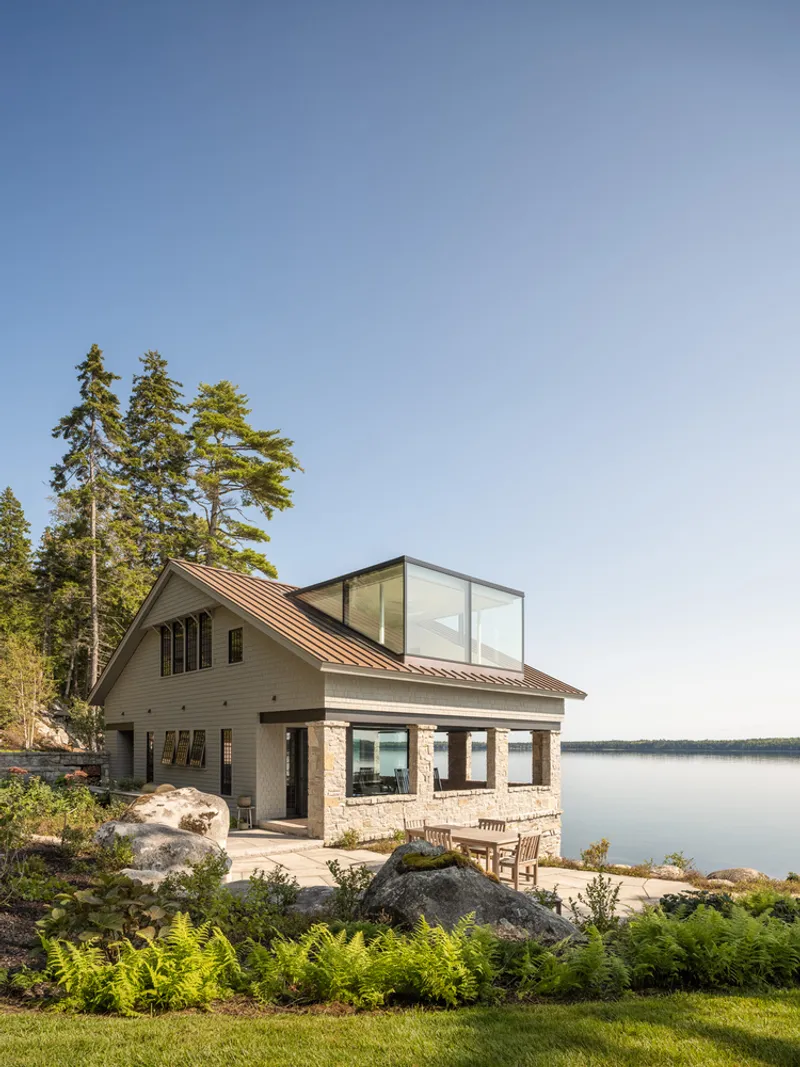
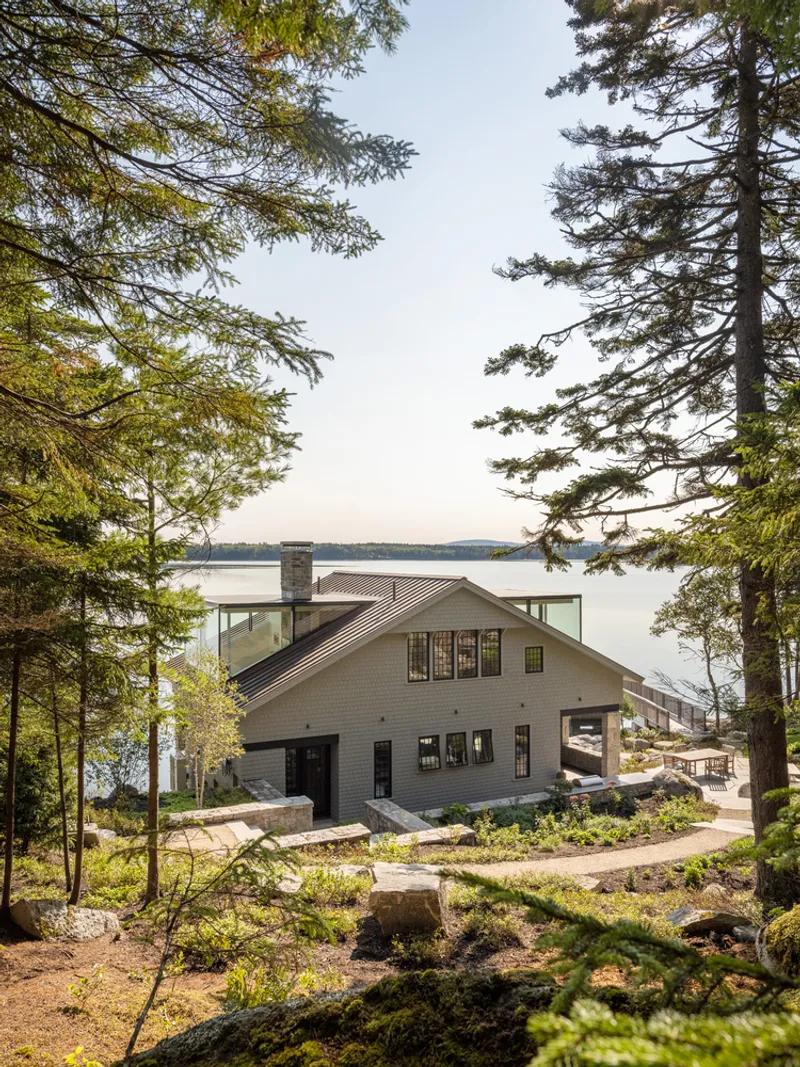
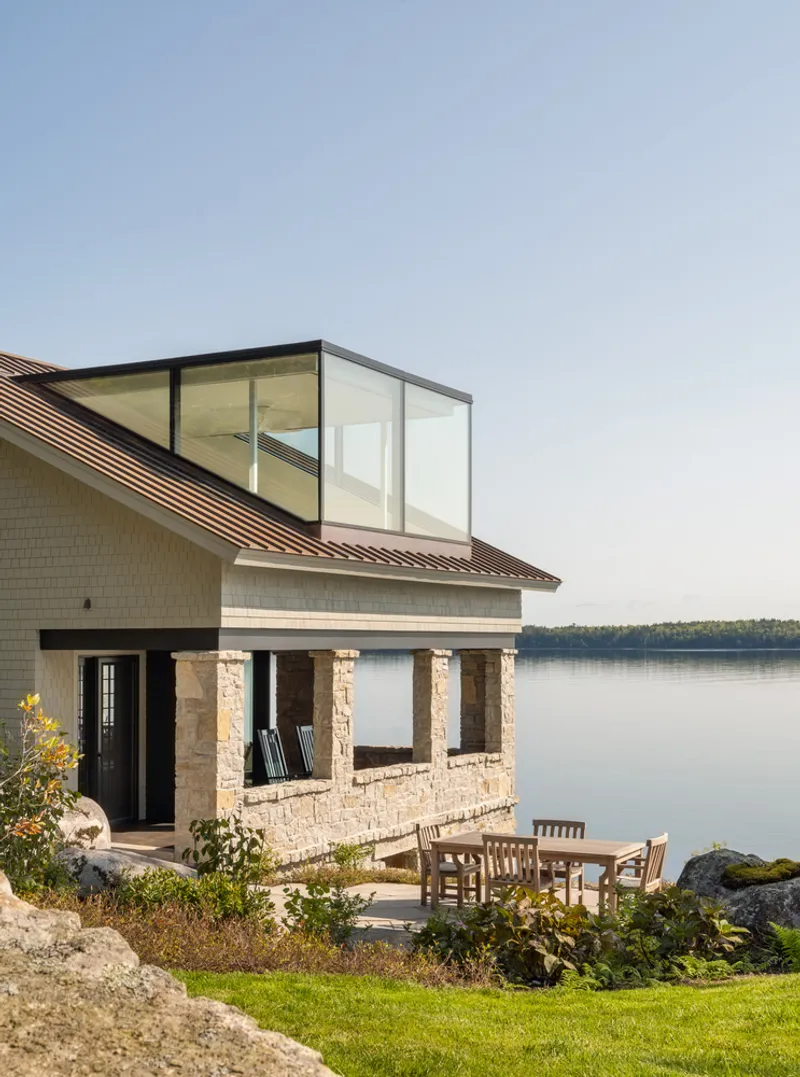
After reinforcing and restoring the foundation, a new wood and steel structural frame was constructed above it. Importantly, this new superstructure replicated the exact form and silhouette of the original yacht club, ensuring that the building’s historical identity remained visible within the landscape.
Rebuilding the Historic Club Room
Inside the reconstructed shell, the historic Club Room was carefully rebuilt along with its original chimney. This restored interior space became the symbolic heart of the house, maintaining a tangible connection to the building’s past while supporting its new residential function.
The renovation raises a philosophical question often discussed in architecture and conservation: how much of a building can change before it loses its identity? This dilemma echoes the well-known thought experiment known as the Ship of Theseus, which questions whether an object remains the same if all its parts are gradually replaced.
Elliott Architects approached this challenge by developing an architectural language that clearly distinguishes between historic and contemporary elements. Instead of mimicking the past, the design introduces modern interventions that respectfully coexist with the original structure.
Modern Interventions That Transform the Interior
Two significant architectural gestures redefine the building’s spatial experience and adapt it for residential living.
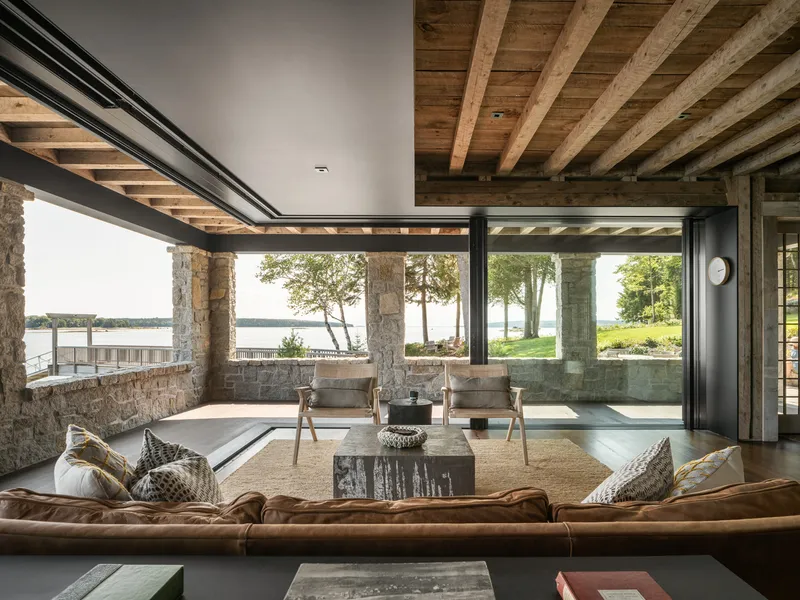
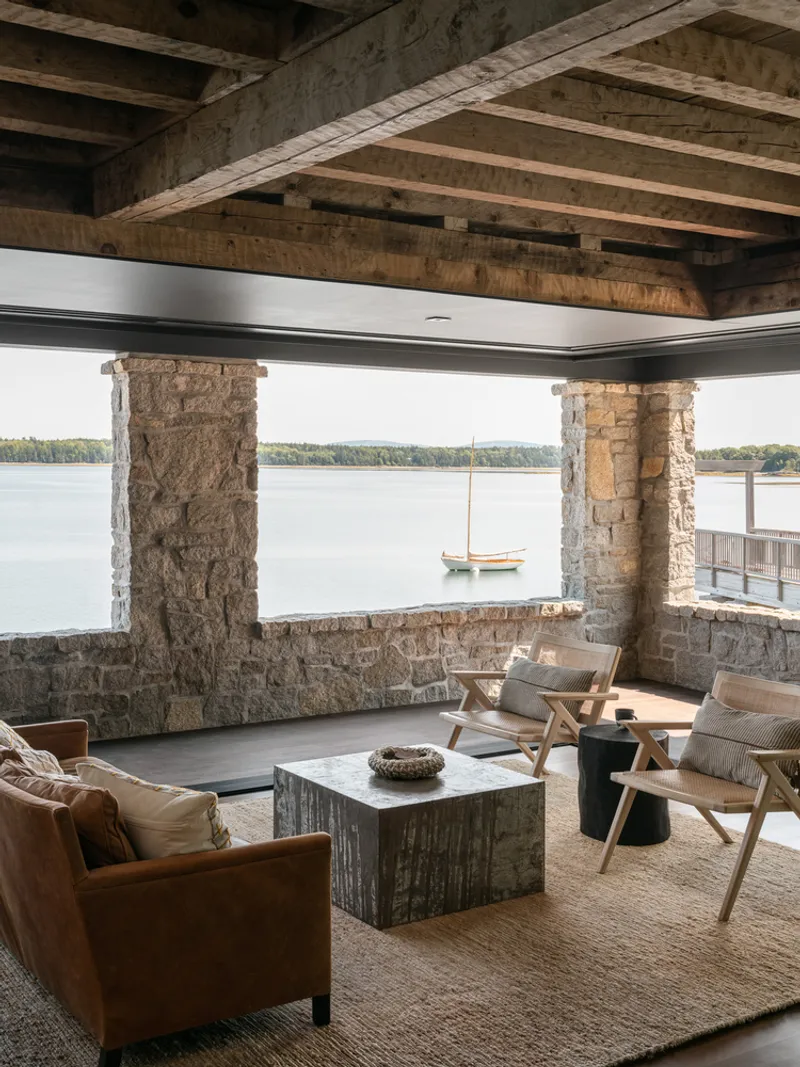
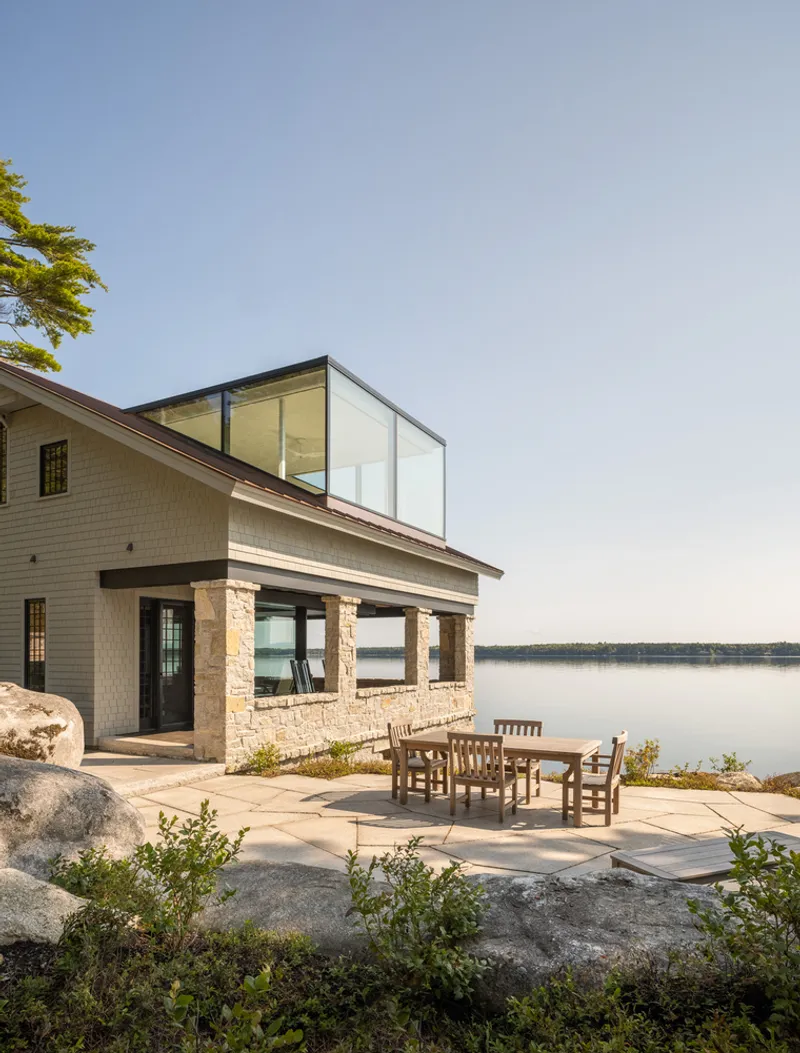
The first intervention replaces a corner of the historic Club Room with large sliding glass panels, opening the interior to panoramic views of the bay. This transparent corner dissolves the boundary between interior and exterior space, allowing the surrounding landscape and ocean to become integral parts of the living environment.
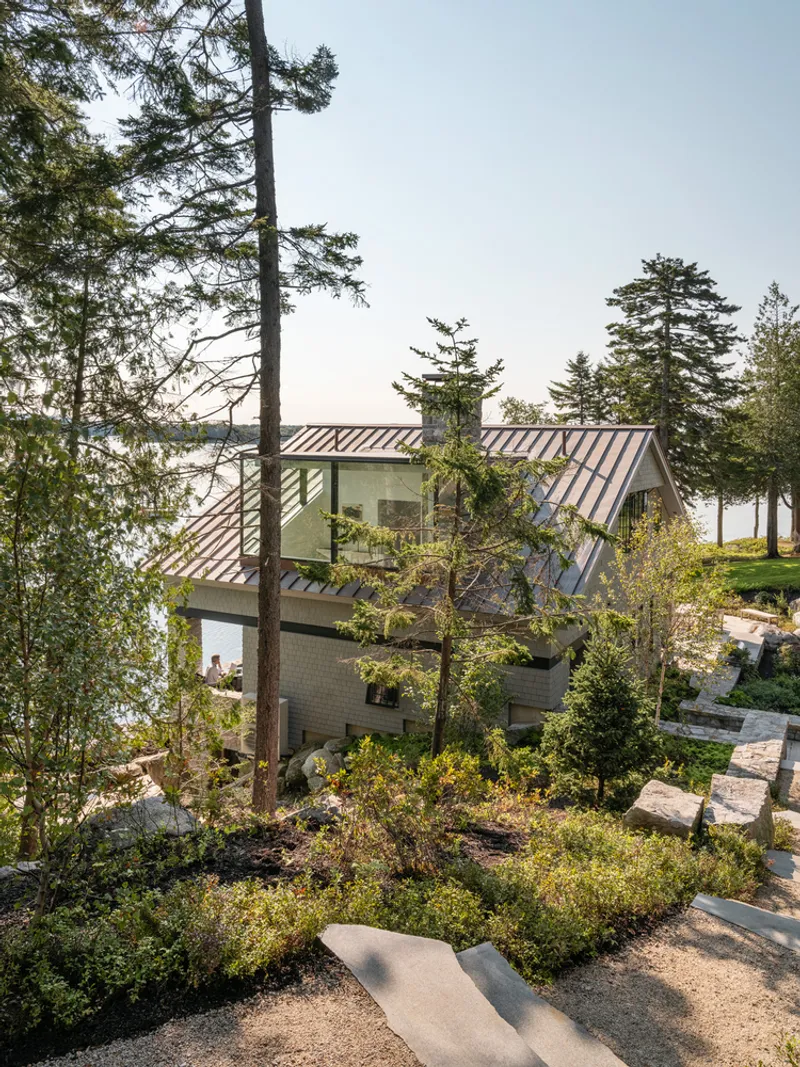
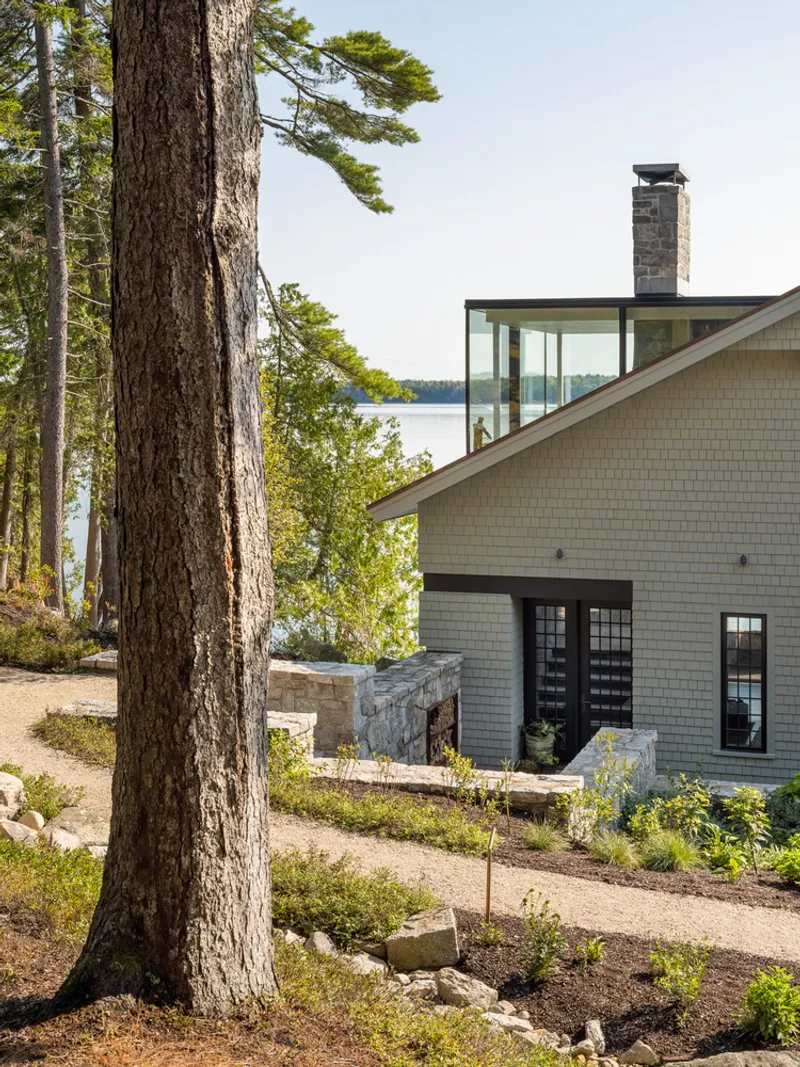
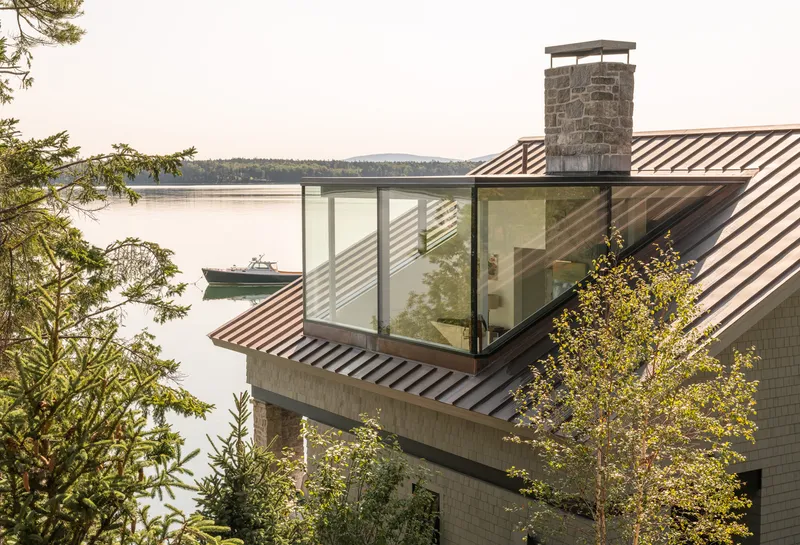
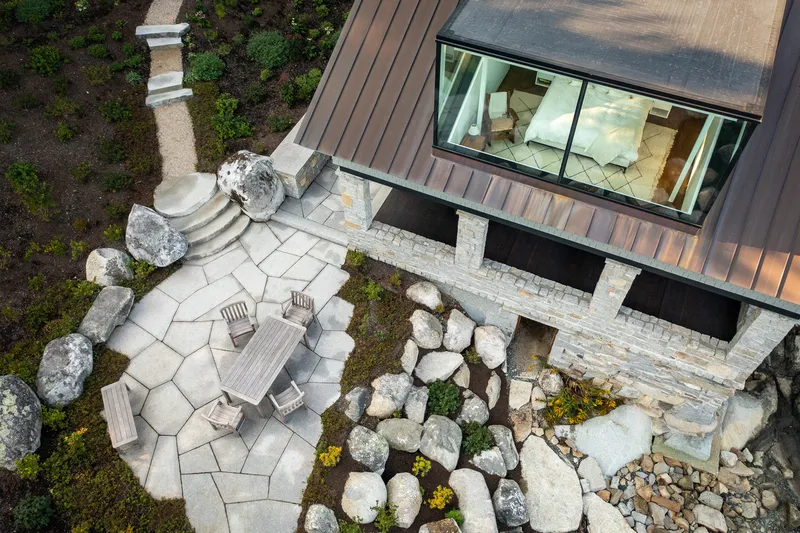
The second intervention introduces two glass dormers, which dramatically transform the lighting conditions inside the house. Originally, the structure suffered from limited daylight due to its compact design. The new dormers allow natural light to penetrate deep into the interior spaces, creating dynamic lighting conditions throughout the day.
At night, the building glows from within, becoming a luminous landmark along the Maine coastline. The restored structure functions almost like a beacon, symbolizing the revival of a place once lost to neglect.
Landscape Design and Site Circulation
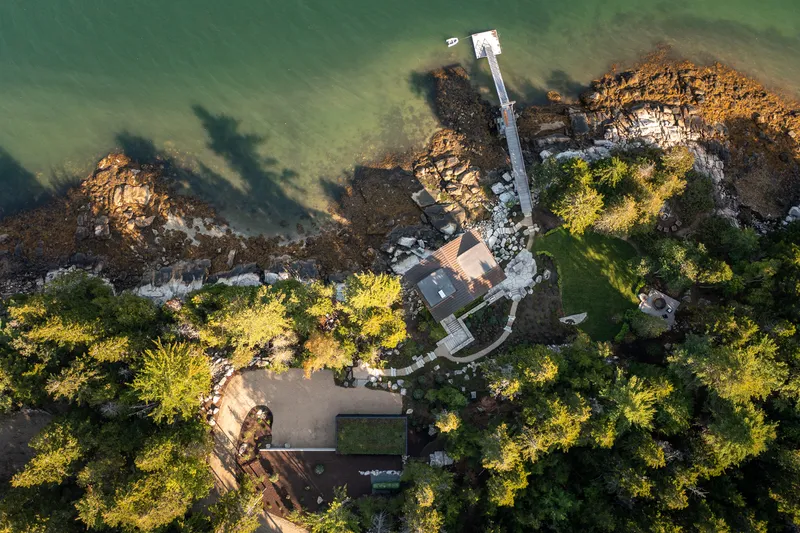
The project’s landscape strategy, developed with Richardson & Associates, organizes the site as a gradual ceremonial progression from arrival to ocean view.
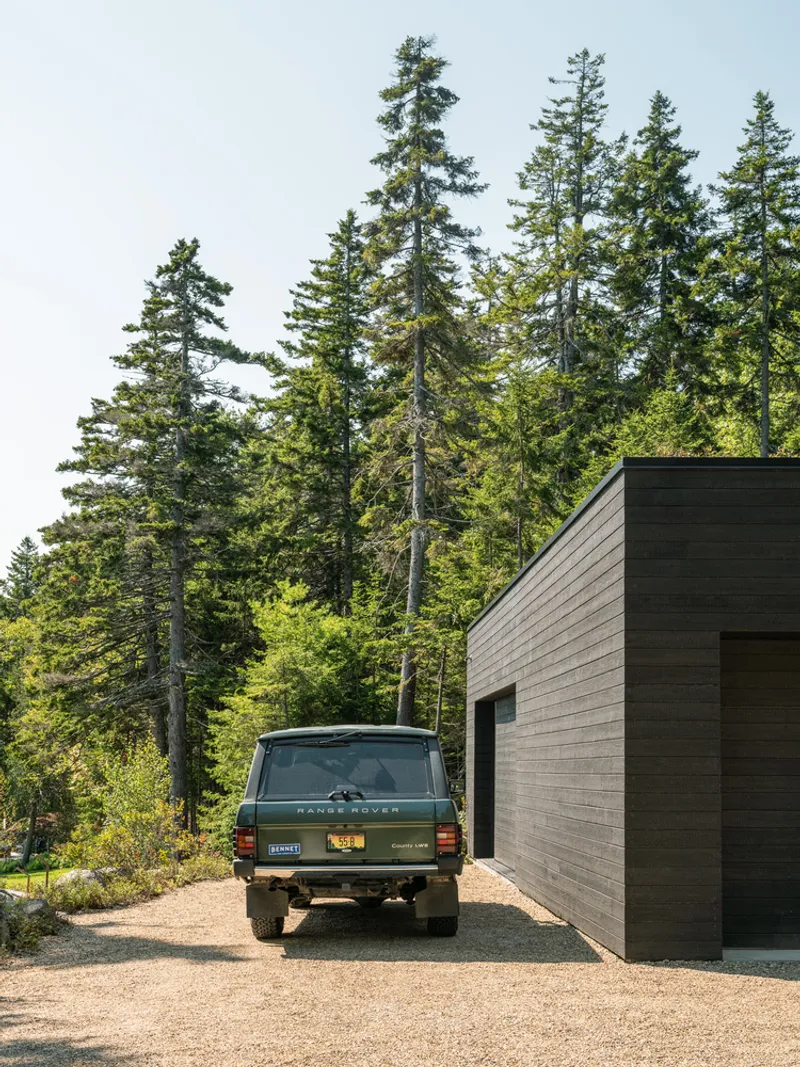
Visitors arrive at an entry court positioned above the house, where both vehicles and pedestrians initially converge. From this point onward, cars are restricted, emphasizing a slower and more contemplative approach to the property.
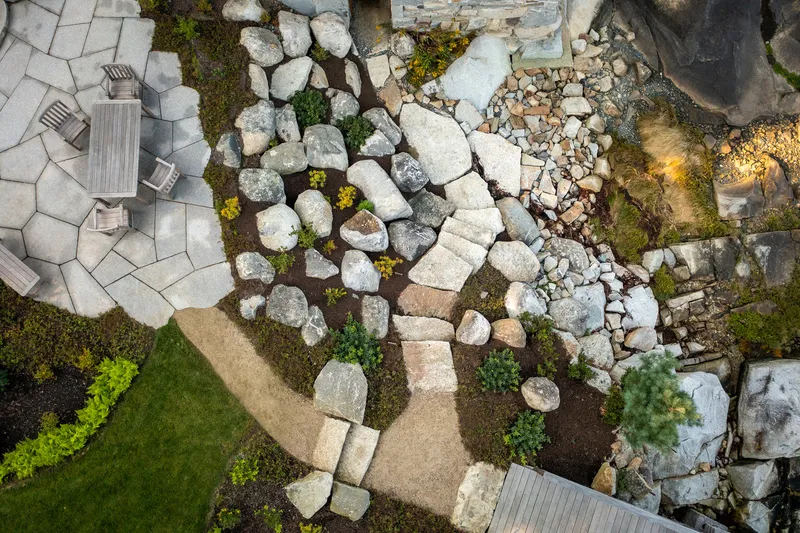
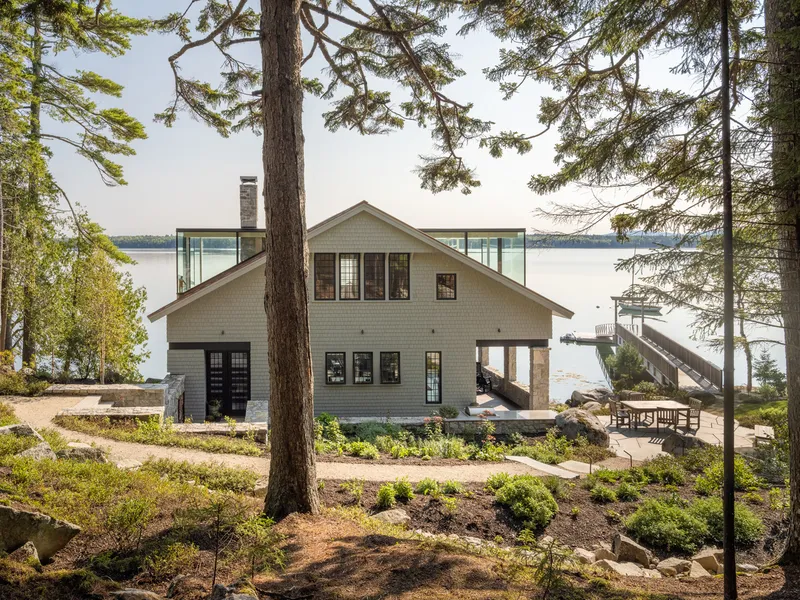
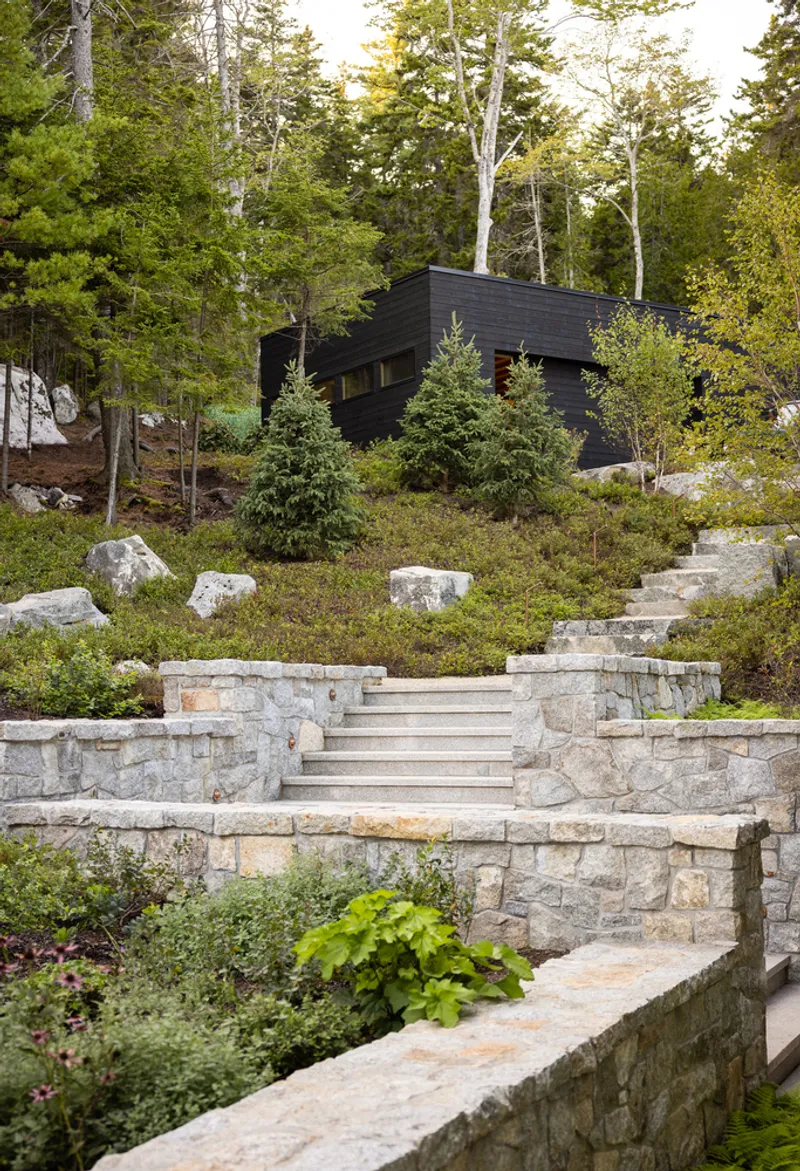
A series of stone steps and winding pathways guide visitors down the natural terrain toward the house. This carefully choreographed movement through the landscape heightens the anticipation of the final view toward the sea.
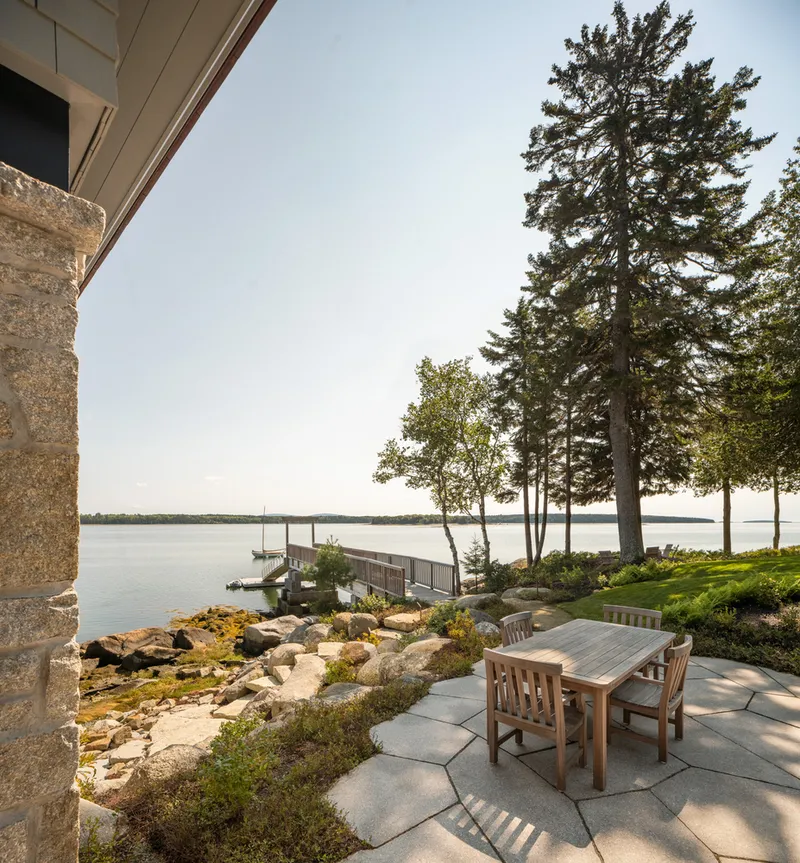
Along the path, visitors encounter terraces and lookout points, including a coastal terrace overlooking the ocean. This sequence reinforces the relationship between architecture, topography, and the surrounding coastal ecosystem.
Architecture in Dialogue with Nature
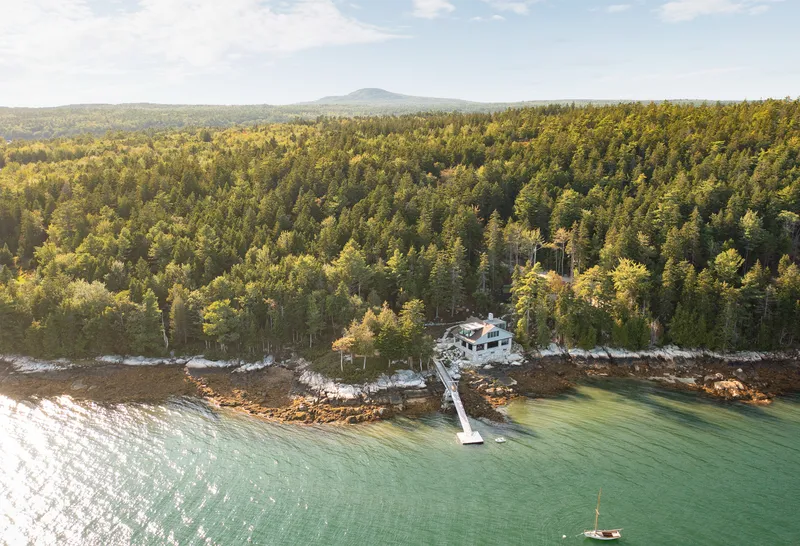
As the path descends, the house gradually emerges from the rocky ledge. Portions of the structure appear embedded within the natural terrain, helping the building blend with its rugged environment.
The architects carefully balanced modern architectural interventions with traditional materials and forms, ensuring that new additions complement rather than overpower the historic character. Glass, wood, and steel elements introduce contemporary clarity while maintaining harmony with the original structure.
This careful balance creates a design that feels both familiar and unexpected. The project does not attempt to recreate the past perfectly; instead, it embraces the building’s layered history and allows new architectural expressions to coexist with older ones.
A Coastal Residence that Restores Memory
Today, the Old Yacht Club House stands as a compelling example of historic adaptive reuse in coastal architecture. The project preserves the memory of the original 1919 structure while transforming it into a contemporary residence suited to modern living.
Through meticulous restoration, structural innovation, and thoughtful design, Elliott Architects have created a home that celebrates heritage, landscape, and light. The building invites exploration and rediscovery, allowing visitors and residents alike to reconnect with a place that once seemed forgotten.
Ultimately, the project demonstrates how architecture can revive cultural memory while adapting historic structures for the future, ensuring that the past remains an active part of the present.
All photographs are works of
Trent Bell




Popular Articles
Popular articles from the community


The Ocean Hive: Sustainable Architecture for a Self-Sufficient Civilization at Sea
The Ocean Hive imagines sustainable architecture at sea, where modular habitats, algae, wave power and ocean waste sustain a growing colony.

Riyadh For All: Intergenerational Urban Design for Active Aging in Rabat
Riyadh For All reimagines urban design in Rabat with intergenerational co-living, adaptive courtyards, and Moroccan cultural exchange today.

Hill & Cross Opera: Sculptural Opera House Architecture Shaped by Tallinn’s Landscape and Identity
Hill & Cross Opera reimagines opera house architecture in Tallinn through its sculptural hill, civic plaza, glass wave and a luminous cross.

Play: Fragments of Their World
Familiar architecture becomes modular playground design, creating safe spaces where displaced children can learn, connect, imagine and play.


Similar Reads
You might also enjoy these articles

FAMM Arquitectura Organizes Ten Villas Around Courtyards and Jungle in Nosara, Costa Rica
El Molino pairs two elongated volumes with deep overhangs and timber louvers to build a compact coastal community five minutes from the beach.
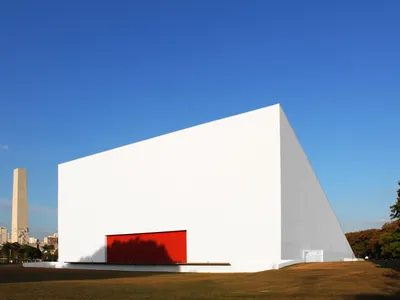
Oscar Niemeyer's Ibirapuera Park Pavilions Define São Paulo's Cultural Identity in Concrete and Curve
A constellation of modernist volumes set within São Paulo's most important urban park, conceived for the city's 400th anniversary in 1954.
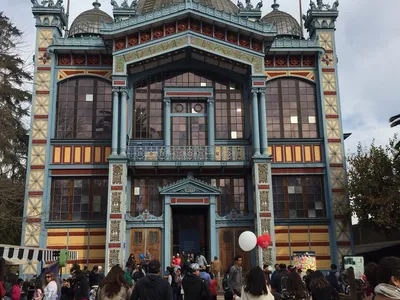
How Henri Picq's 1889 Paris Pavilion Traveled 11,000 Kilometers to Become Santiago's Artequín Museum
A prefabricated iron and glass pavilion built for the Paris Universal Exposition found a second life as a children's art museum in Chile.
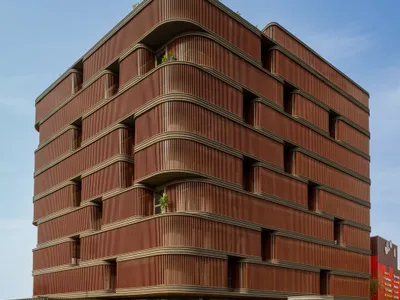
Sanjay Puri Architects Wraps a Jaipur Office Tower in Capsule-Shaped Green Buffers
A nine-level climate-responsive workplace near Jaipur Airport uses stacked planter terraces and aluminium screens to fight 40°C heat.


Explore Seaside Architecture Competitions
Discover active competitions in this discipline


Challenge to design mud housing for contemporary communities


Challenge to reimagine the Iron Throne


Photograph architecture without architects


Illustrate the lost glory of Angkor Wat - Render Challenge
Comments (0)
Please login or sign up to add comments
No comments yet. Be the first to comment!