

Olympic Spa Hotel by noa network of architecture: A Sustainable Alpine Retreat Immersed in Nature
Olympic Spa Hotel blends sustainable alpine architecture with nature, offering forest-view rooms, a treetop sauna, and immersive wellness experiences.


Located in the scenic alpine landscape of Val di Fassa, Northern Italy, the Olympic Spa Hotel has been reimagined and expanded by noa network of architecture into a contemporary sanctuary that fuses wellness, architecture, and nature. With a sensitive approach to sustainable design and landscape integration, the new extension enhances the hotel’s guest experience while preserving the authentic charm of the Dolomite environment.

A Tradition of Hospitality, Reimagined
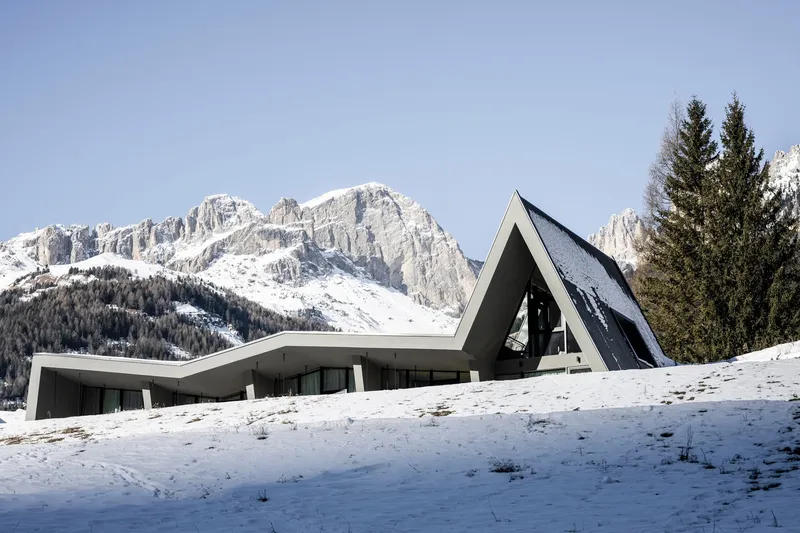
With its roots dating back to 1963, the Olympic Spa Hotel has long been a symbol of Ladin hospitality. The recent extension — featuring ten new rooms, a wellness suite, and a treetop sauna — represents a shift toward eco-conscious tourism, offering immersive experiences that bring guests closer to the surrounding forest and mountains. The architectural vision centers around camouflage, connection, and care, ensuring the new interventions blend harmoniously with the terrain while enriching the spatial quality.

Mimetic Architecture in the Dolomites
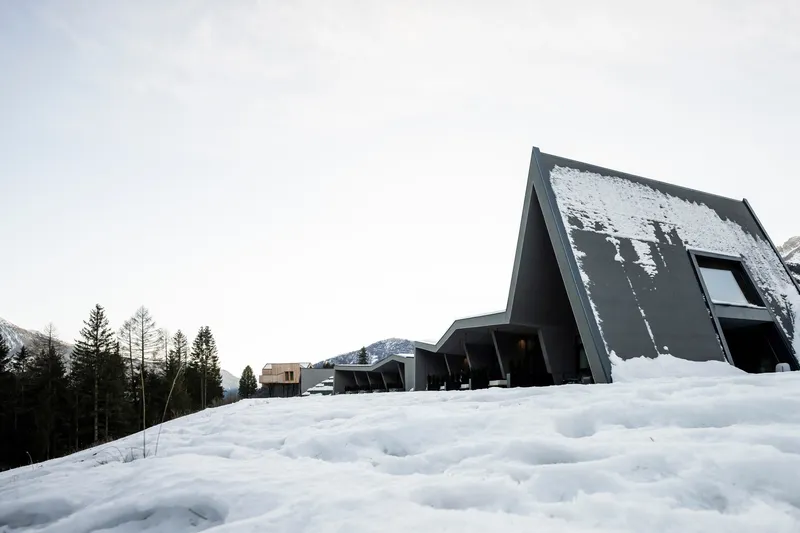
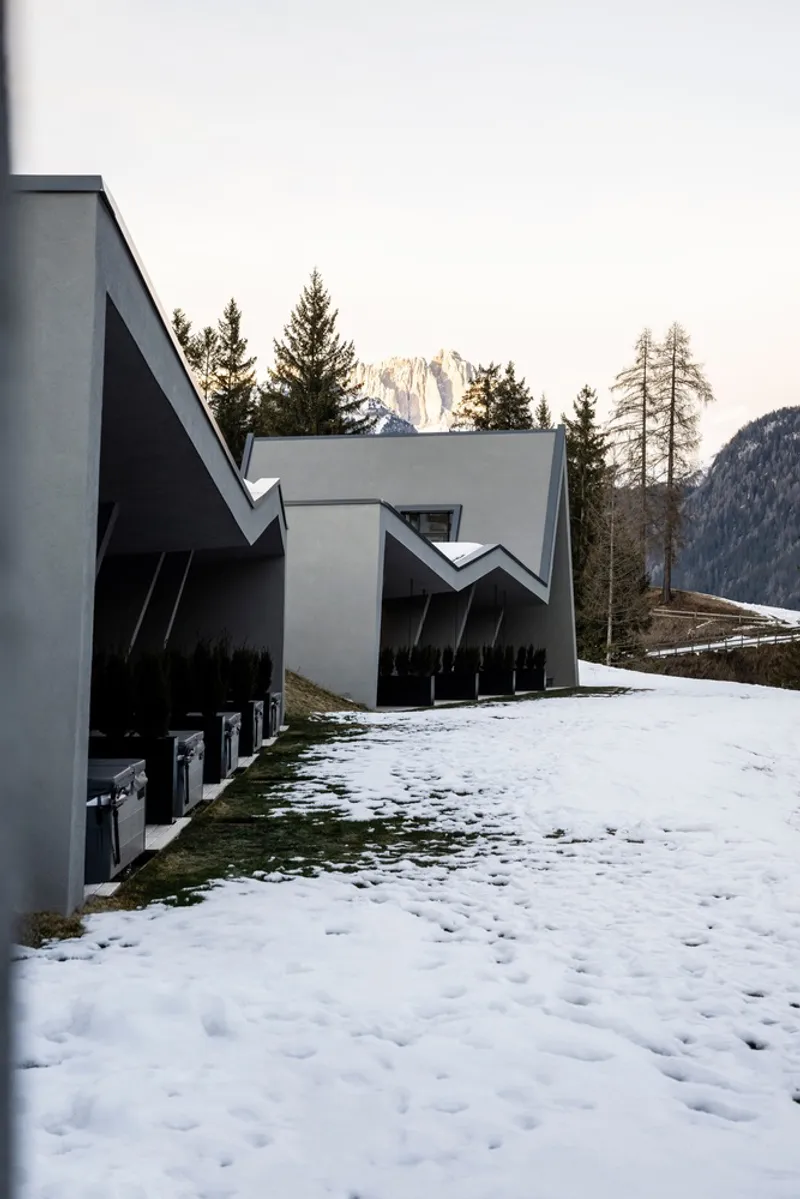
Rather than compete with the landscape, the extension aligns with it. The architects chose a “mimetic” design language, inspired by the silhouette of the surrounding peaks. The new wing descends along a gentle slope behind the hotel, subtly embedded into the ground to minimize visual impact and maximize thermal efficiency. An underground passage connects the annex to the main building, allowing for uninterrupted movement — even in snow-covered winters.
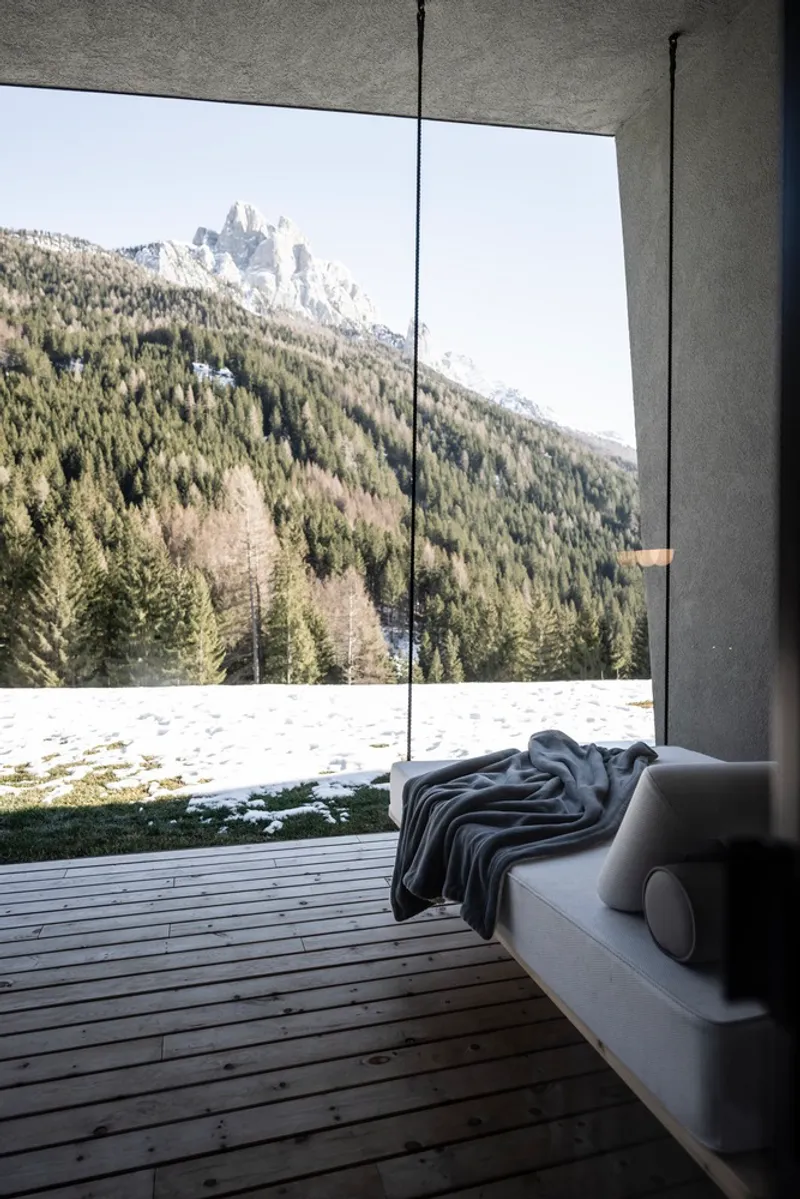
Externally, the structure is rendered in grey-toned plaster, evoking the color of Dolomite stone, while the jagged roofline mimics the alpine horizon. The architecture speaks softly, but with a distinctive rhythm — a refined signature silhouette that becomes the hotel’s new identity.

Wellness Rooted in Nature
Perhaps the most iconic element of the extension is the forest-facing sauna, a standalone timber structure elevated among the trees. Constructed from local larch and spruce, it is reached via an aerial walkway, encouraging visitors to step outside and physically reconnect with the environment. The journey to the sauna — across the meadow and into the woods — is a designed experience, immersing guests in the ritual of retreat and reinforcing their sensory connection to nature.

Inside, panoramic windows frame views of the treetops, while the adjoining terrace offers a contemplative pause between heat and forest air. Clad in black-waxed spruce, the interior exudes warmth and intimacy, inviting full-body relaxation in dialogue with the natural world.

Design of the New Guest Rooms
The ten new rooms in the annex each offer a unique narrative, drawing from Ladin cultural elements and the natural surroundings. Divided into two categories — Te Bosch and Te Aga — the rooms focus on the themes of forest and water.

Te Bosch Rooms – Forest Immersion
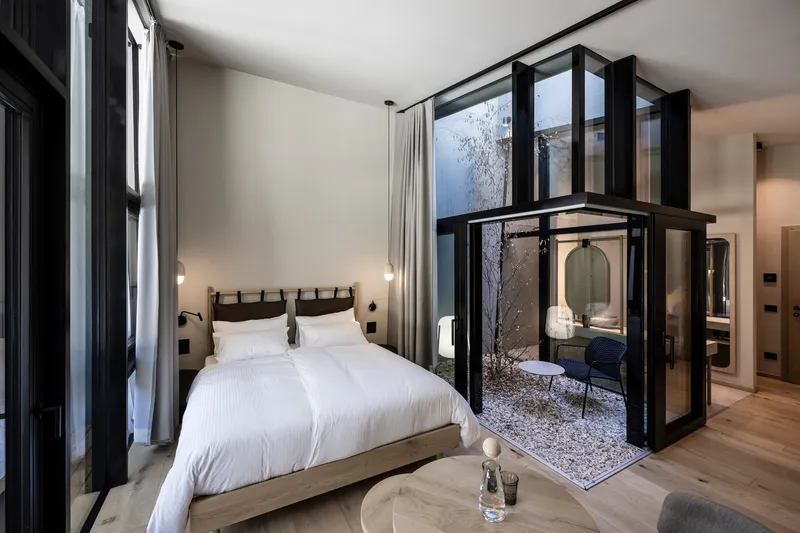
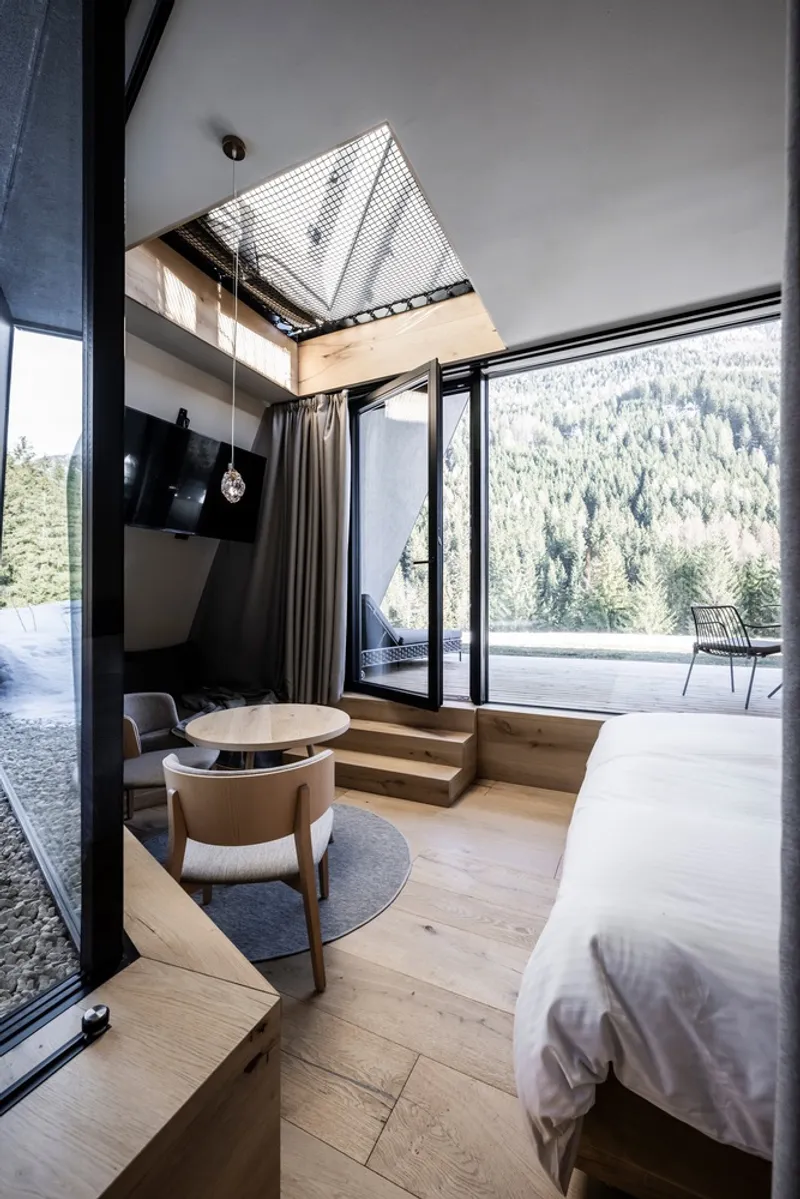
These rooms feature internal patios with floor-to-ceiling glass walls, birch trees, and seasonal flora, creating outdoor-like experiences indoors. Guests can witness snowfall from their shower or sleep under the stars in summer, thanks to suspended beds and the absence of light pollution.
Te Aga Rooms – Water and Wellness
Named after the Ladin word for water, these rooms integrate natural stone fountains fed by mountain springs at 3,500 meters altitude — replacing plastic bottles with a pure, sustainable alternative. Locally sourced oak and larch define the floors and furnishings, reinforcing the region’s material heritage.
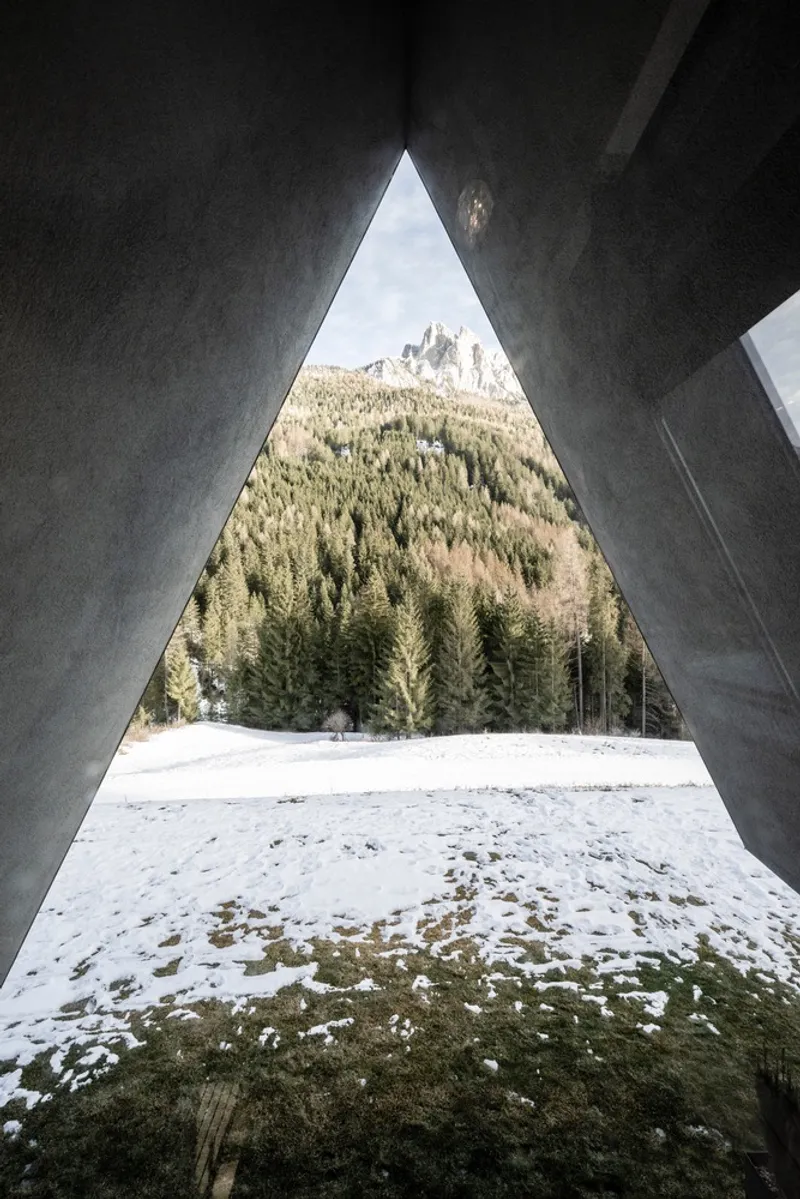
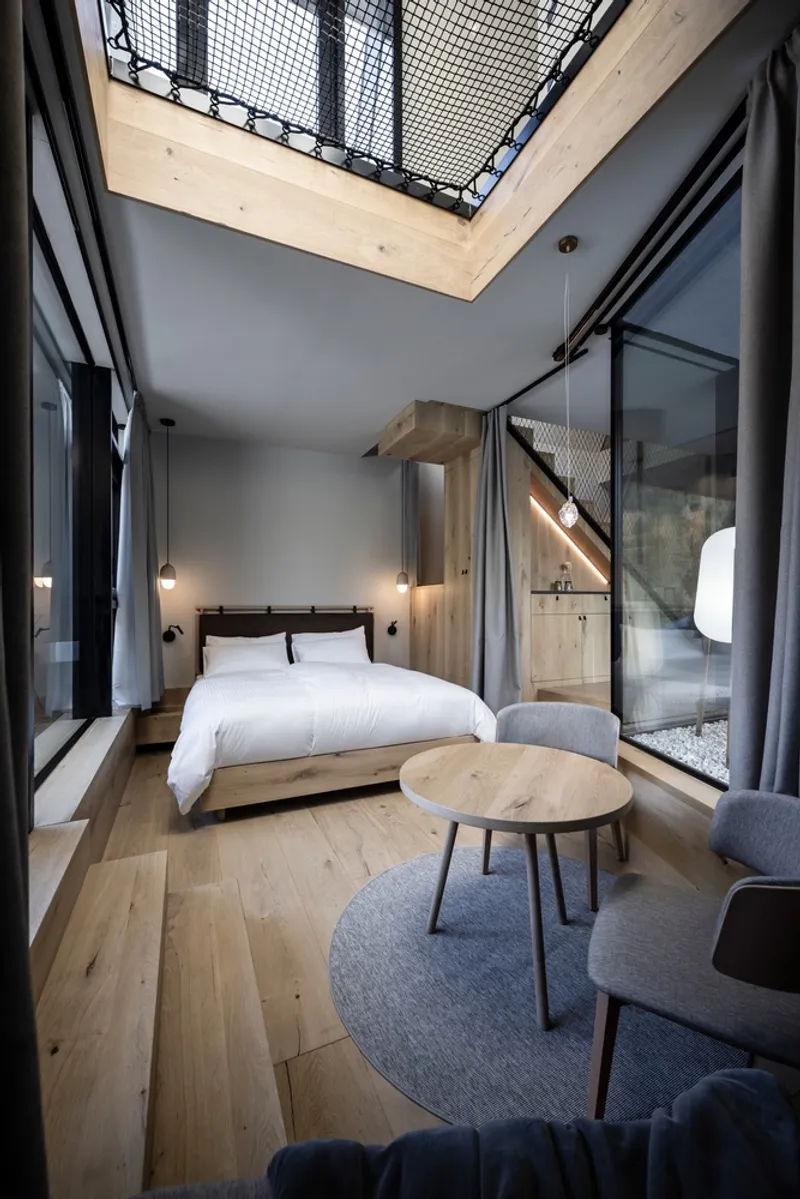
At the highest peak of the new façade lies the two-level suite, where the bedroom is lowered for privacy, and the upper level features a private spa with a sauna and emotional shower, beneath the expressive double-pitched attic roofline.

A Thoughtful Approach to Sustainability
Every design decision at the Olympic Spa Hotel reflects a deep ecological responsibility. The use of local craftsmanship, regional materials, and energy-efficient strategies underscores the project's low environmental footprint. The partial underground layout naturally insulates the building, while landscape-sensitive siting preserves the meadow and forest ecosystem — even maintaining the path of the annual Marcialonga cross-country ski event.

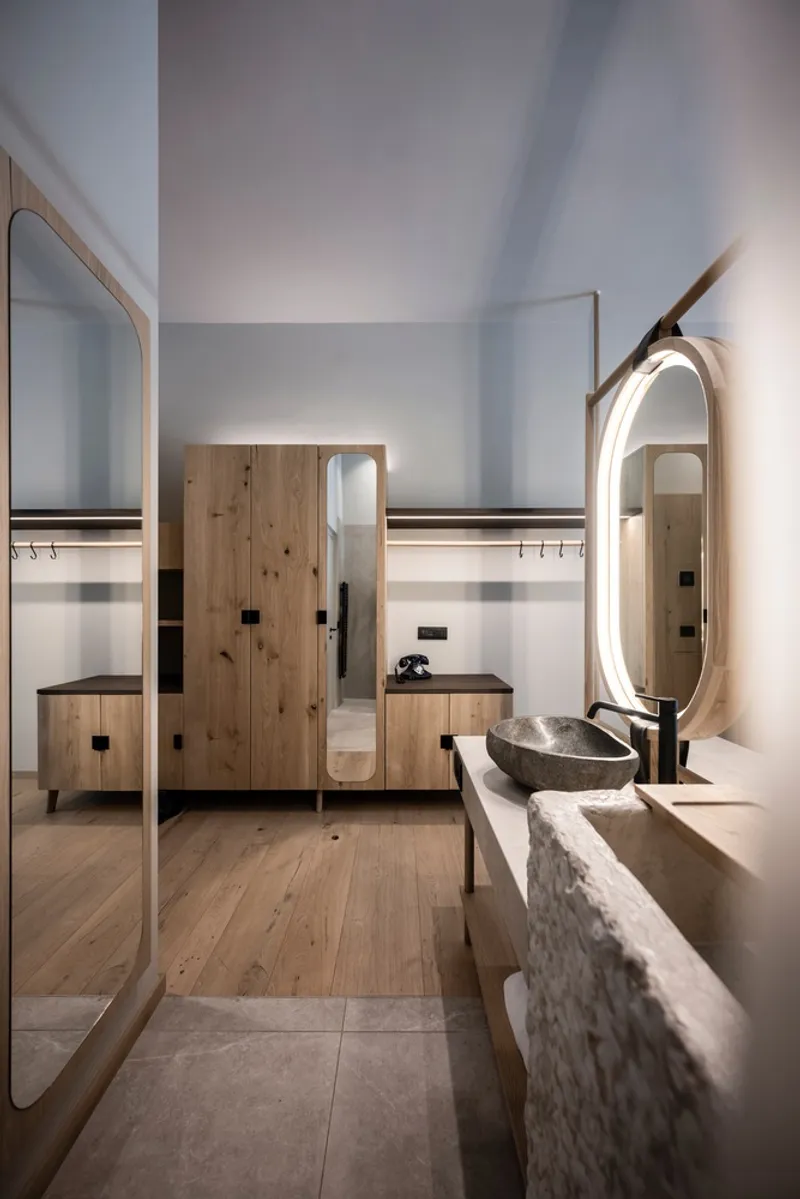
This project is more than a hotel extension — it’s a spatial dialogue between architecture and nature, comfort and wildness, tradition and transformation.
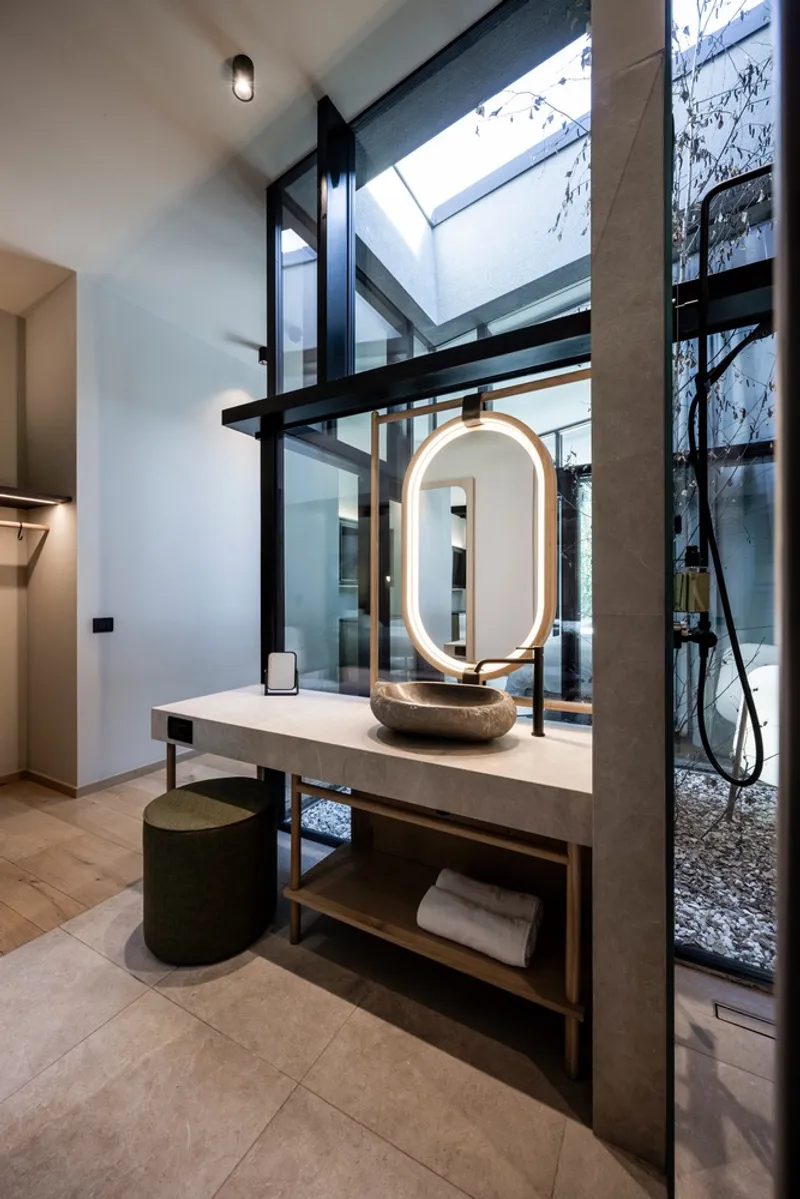

All the photographs are works of Alex Filz


Popular Articles
Popular articles from the community


Cube Design Draws an Ecological Corridor Between Two Shenzhen Hills with the Nankai Building
Beside Shenzhen's container docks, the Nankai Building pairs stacked balconies with a climbing green screen to connect two hillsides across its height.


Opera on the Sea: Driftwood Logic Shapes a Timber Opera House on Estonia's Coast
Trevor Orgill's opera house translates the entangled drift of floating timber into a civic building where wood, water, and music converge.

graciastudio Turns a Viewless Tijuana Lot Inward Around a Courtyard of Concrete, Timber and Trees
In Tijuana, Jorge Gracia's GA2 House stacks a timber-clad private floor over exposed concrete and replaces a missing view with a planted interior patio.

Singing Woman: An Opera House That Performs Before the Curtain Rises
Ovidiu Cristian Pavel's conceptual opera house translates Estonia's choral identity into a sculpted waterfront landmark facing the Baltic Sea.

Similar Reads
You might also enjoy these articles


Hodi-Mandai Geram
Project Function: Preservation and revitalization of the Intangible heritage and socio-spatial identity of the Hodi by Housing, Cultural Memory Center, Sacred Grove, landscape, local tourism economy


Olio Towers: A Mid-Rise for Performers That Fuses Housing, Rehearsal, and Stage
Located blocks from Houston's Theater District, this modular tower stacks living units around a central performance atrium.

Oasis: Modular Green Housing Carved into Dhaka's Urban Fabric
A shortlisted Plugin Housing entry reclaims unauthorized settlements in Dhaka with stepped concrete volumes, green roofs, and ventilation-driven design.

Black Hole: A Floating Megastructure for the Post-Physical Era
Emiliano Mazzarotto envisions a spherical, self-scaling arena where e-sports, digital hotels, and holographic stadiums replace traditional public space.

Explore Hospitality Building Competitions
Discover active competitions in this discipline

Challenge to reimagine the Iron Throne

Photograph architecture without architects

Illustrate the lost glory of Angkor Wat - Render Challenge

Design challenge to reuse E-waste
Comments (0)
Please login or sign up to add comments
No comments yet. Be the first to comment!