
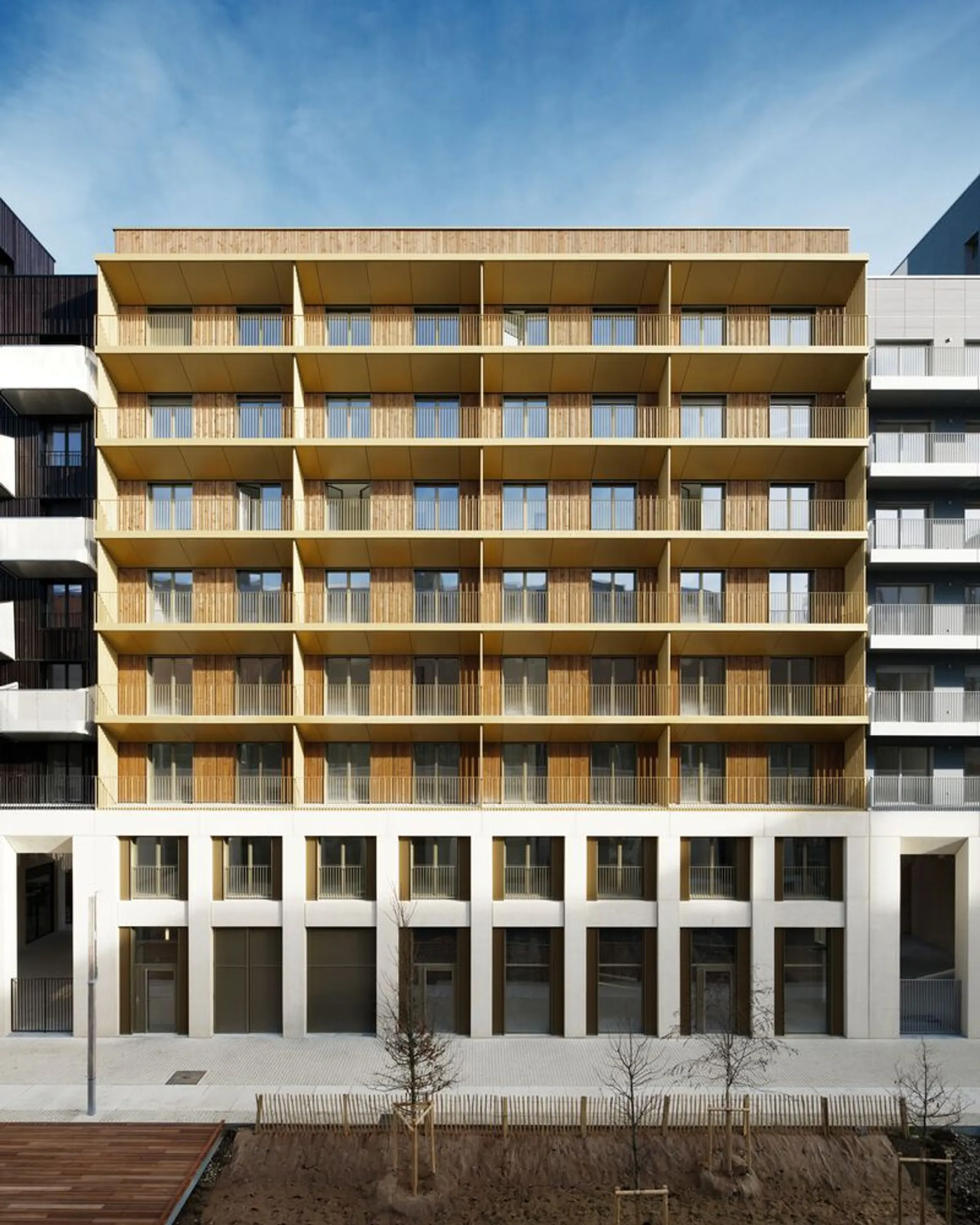
Olympic Village Housing by Lina Ghotmeh Architecture: Sustainable Urban Living Inspired by Athletic Movement
Olympic Village Housing blends athletic-inspired façades, sustainable materials, and adaptable design to create long-term urban residences after the Paris 2024 Games.


The Olympic Village Housing designed by Lina Ghotmeh Architecture brings a refined architectural identity to the 2024 Paris Olympic Village, transforming athletic performance into a spatial narrative. Located in Seine-Saint-Denis along the Seine and photographed by Takuji Shimmura, the project redefines the connection between movement, materiality, and long-term urban sustainability. Initially created to house the world’s top athletes, the development is conceived with a future-forward approach, transitioning into a new residential neighborhood after the Games.
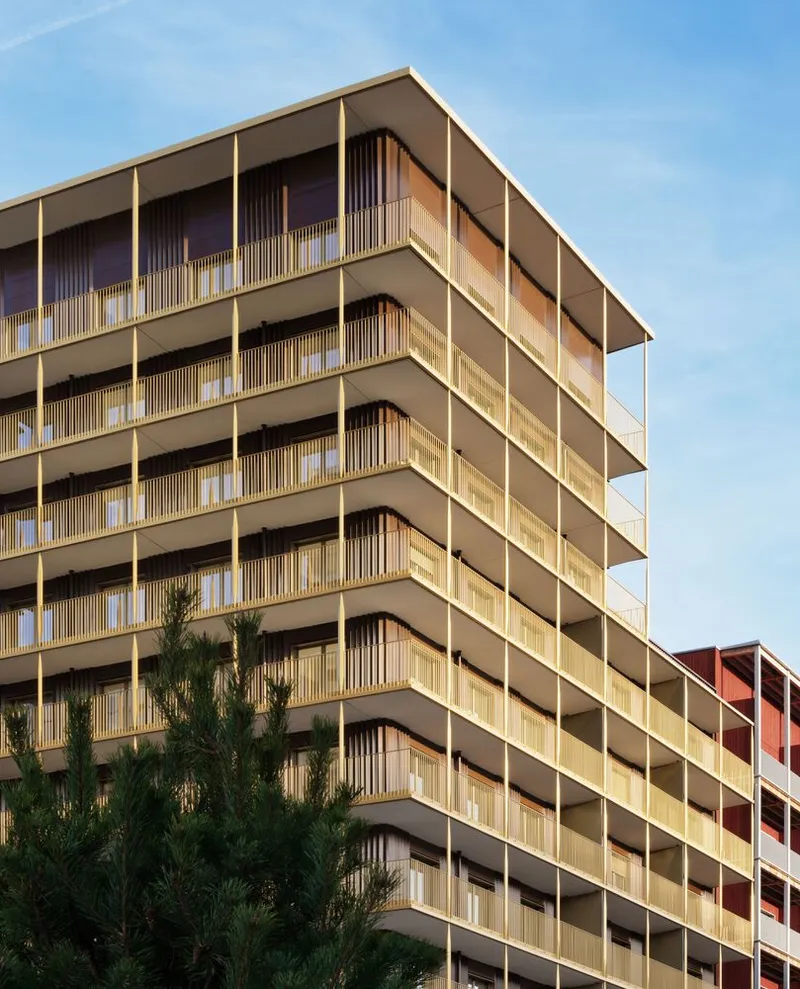
Architecture Inspired by Athletic Rhythm and Precision
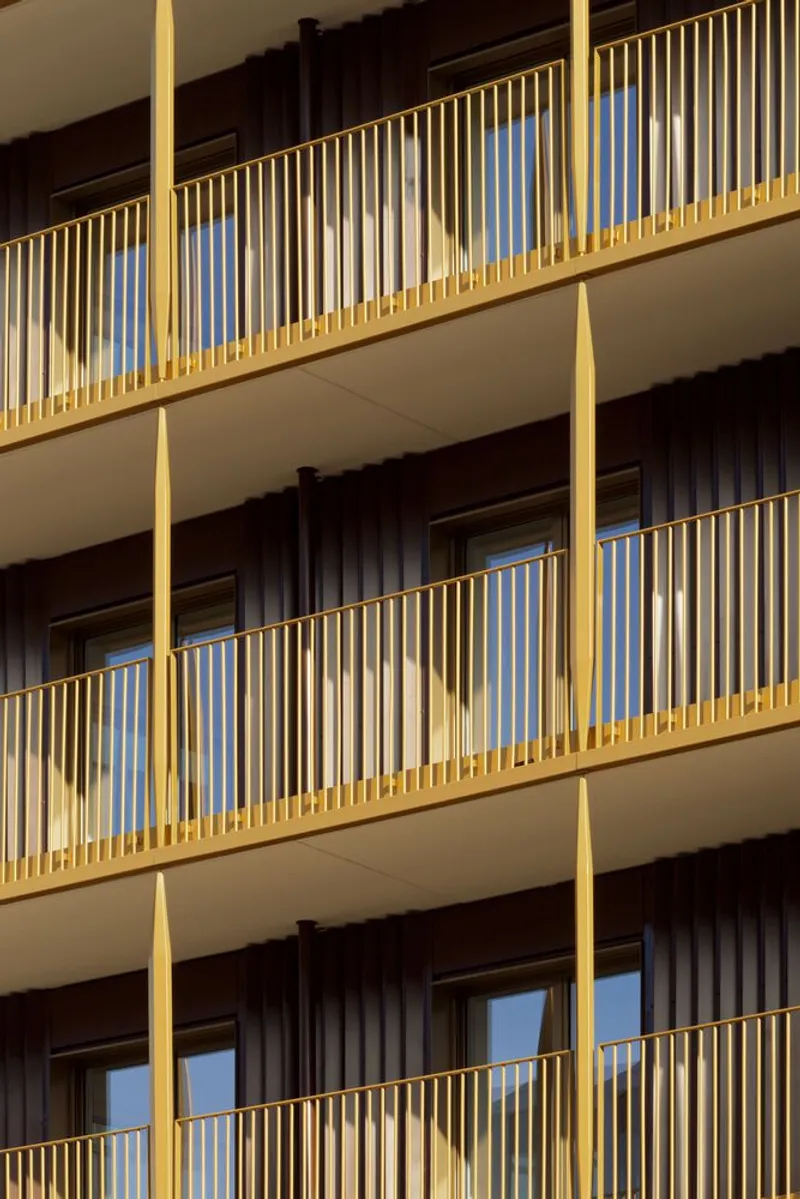
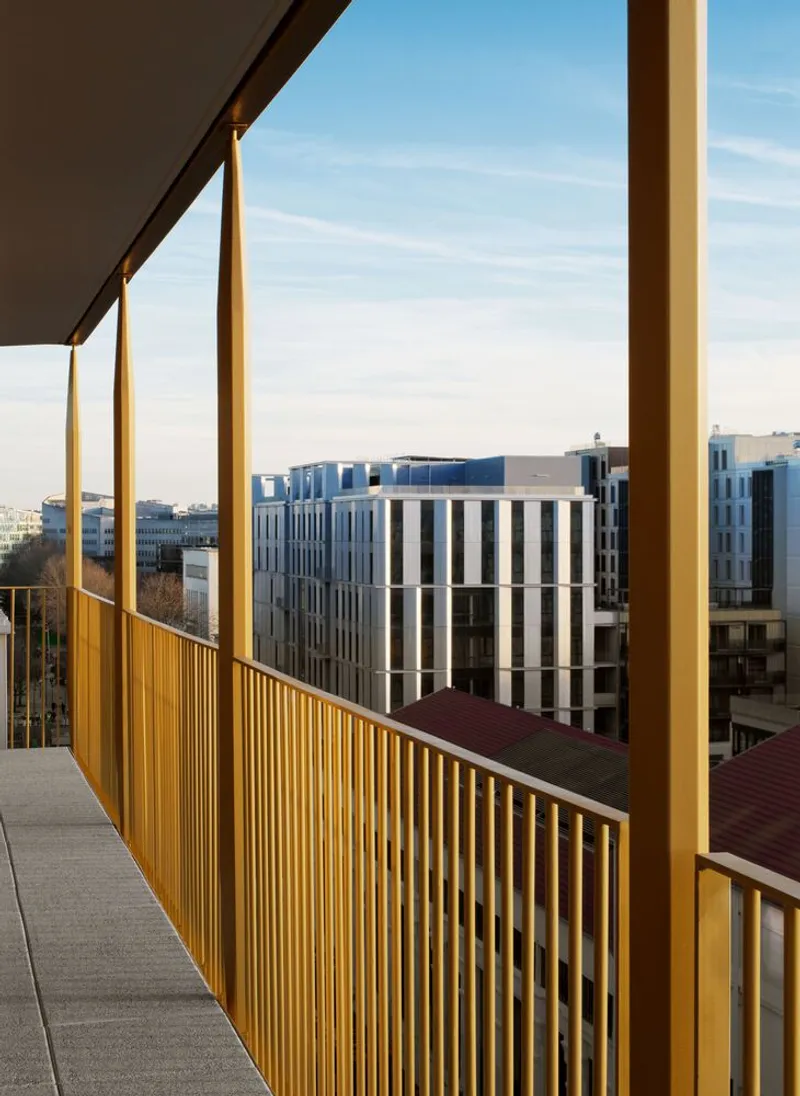
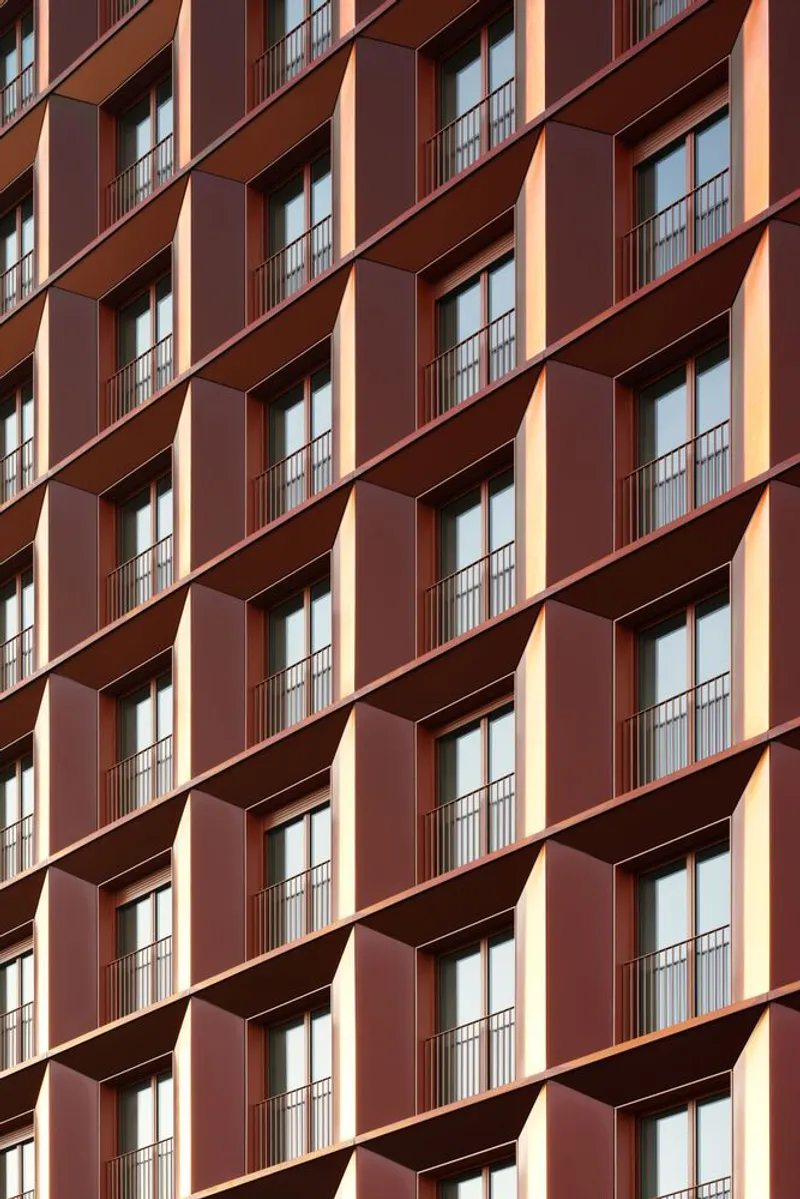
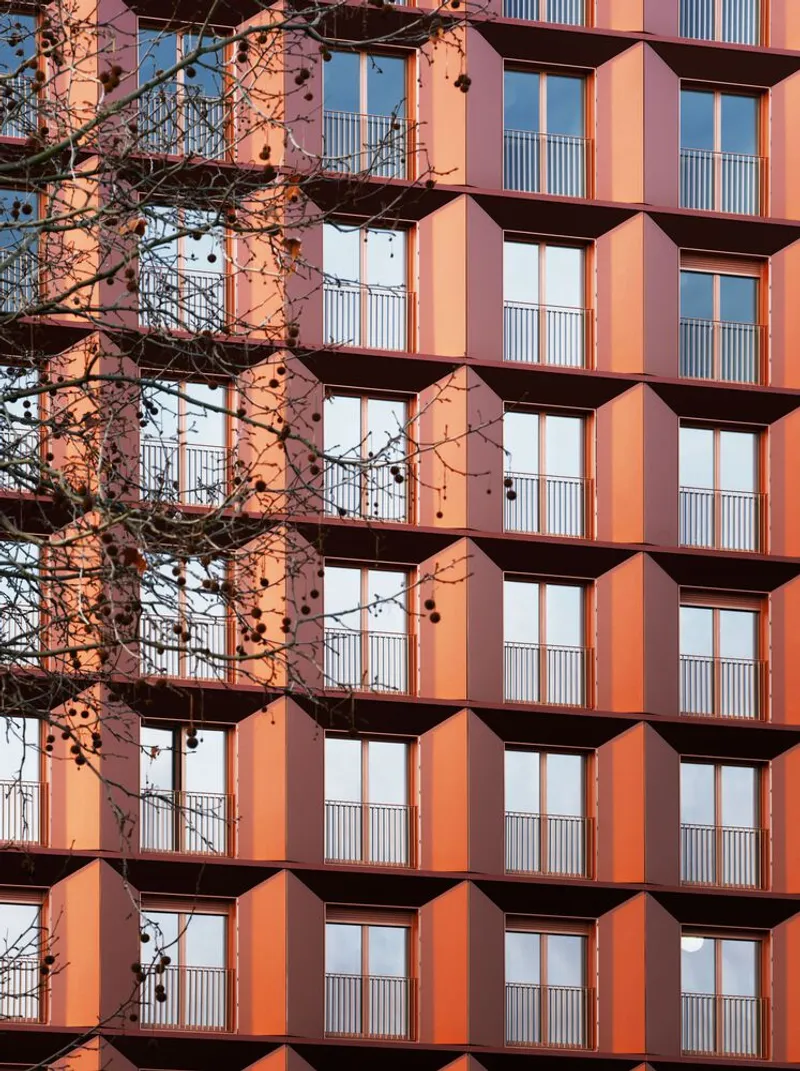
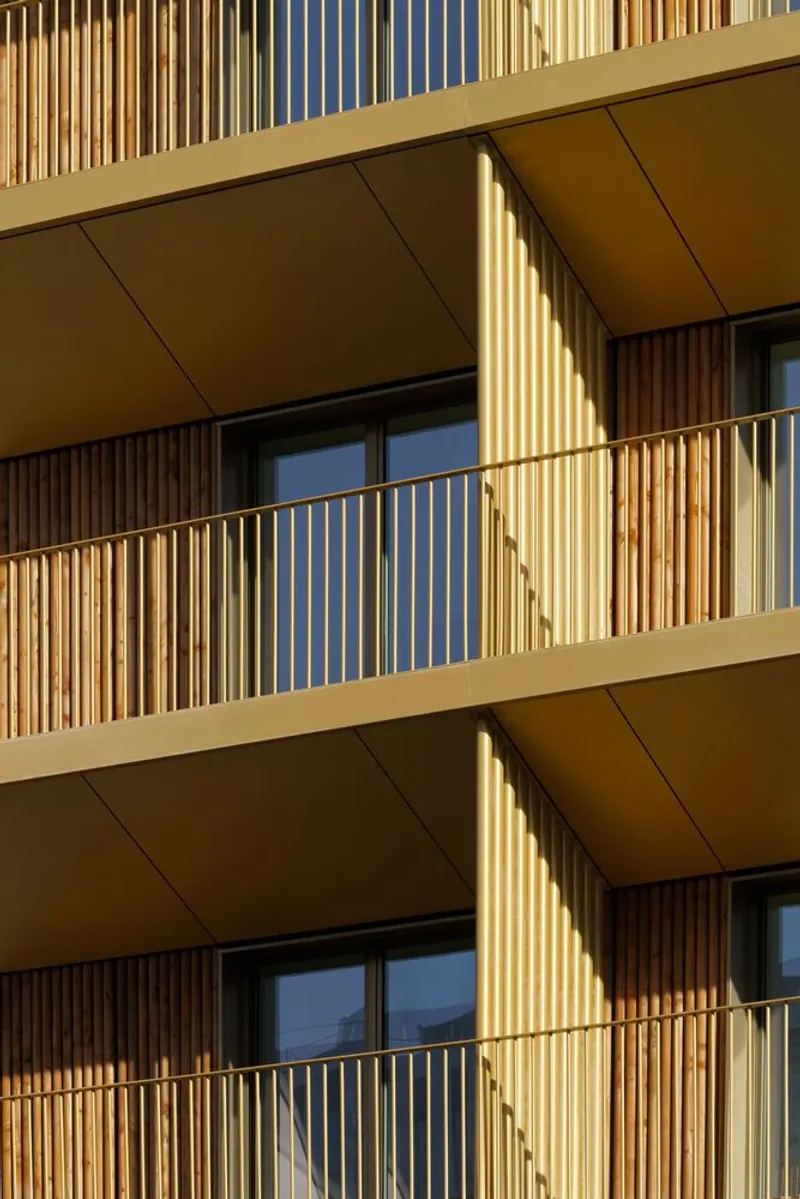
The architectural language of the project is rooted in the gestures, tools, and precision of high-performance sport. The façades reveal rhythmic patterns that echo the discipline and repetition found in athletic training. Vertical elements rise like javelins, creating dynamic balcony movements, while tubular wooden structures reference canoe paddles in a sculptural interplay of mass and void. Each material and texture is selected to engage the senses, giving residents a tactile, graphic experience that ties the building to the physicality of sport.
These layered expressions recall the intensity and elegance of Olympic moments, transforming the architecture into a lasting memory of the competition. The design integrates seamlessly into the wider urban fabric of the Olympic Village, a district planned by Dominique Perrault and composed of twelve buildings by various architects. Together, they create a cohesive yet diverse environment that celebrates innovation and urban transformation.
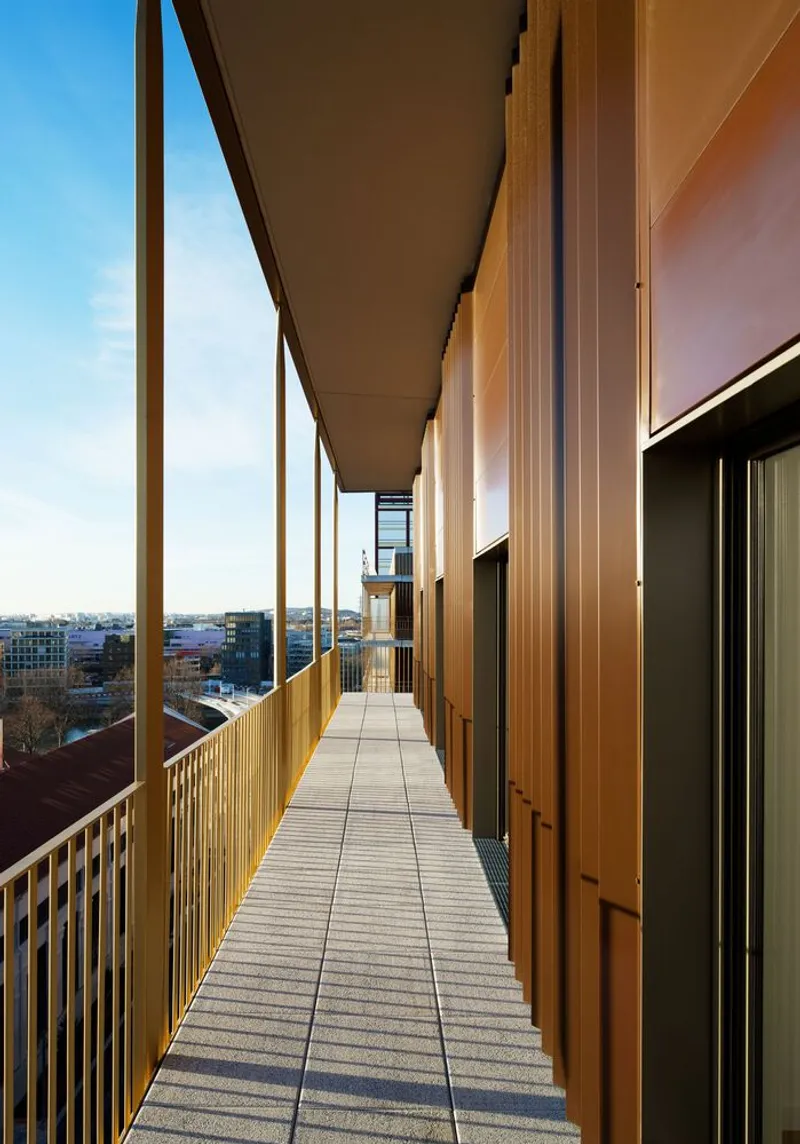
A Flexible and Sustainable Urban District
The project occupies a compact site overlooking a seven-hectare water body on the Seine, offering both functional efficiency and visual connection to the landscape. Lina Ghotmeh Architecture adopts a density strategy inspired by Haussmannian urban principles, where adjoining buildings form a coherent urban block. This continuity strengthens the district’s identity while allowing flexibility for future adaptation.
Designed first for athletes and later for long-term residents, the buildings are engineered for reversibility, ensuring their functionality evolves beyond the timeline of the Olympic event. This long-term urban vision aligns with the broader strategy for Seine-Saint-Denis: creating a sustainable, mixed-use neighborhood that supports social, environmental, and economic transformation.
High-Performance Sustainability and Low-Carbon Design
Sustainability is a central driver of the project, reflected in both material choices and construction methodologies. Several buildings employ a wooden structural system, including wood-framed façades, ensuring reduced embodied carbon and promoting the use of renewable materials. To maintain responsible sourcing, no exotic or non-European woods were used. The project prioritizes low-carbon and bio-based materials throughout.
Where concrete became necessary, the design team implemented CEM III low-carbon concrete, significantly lowering CO₂ emissions while meeting structural performance standards. The project faced the challenges of tight construction timelines, the disruptions of the Covid-19 pandemic, and geopolitical impacts from the War in Ukraine, yet sustainability commitments remained central from concept to completion.
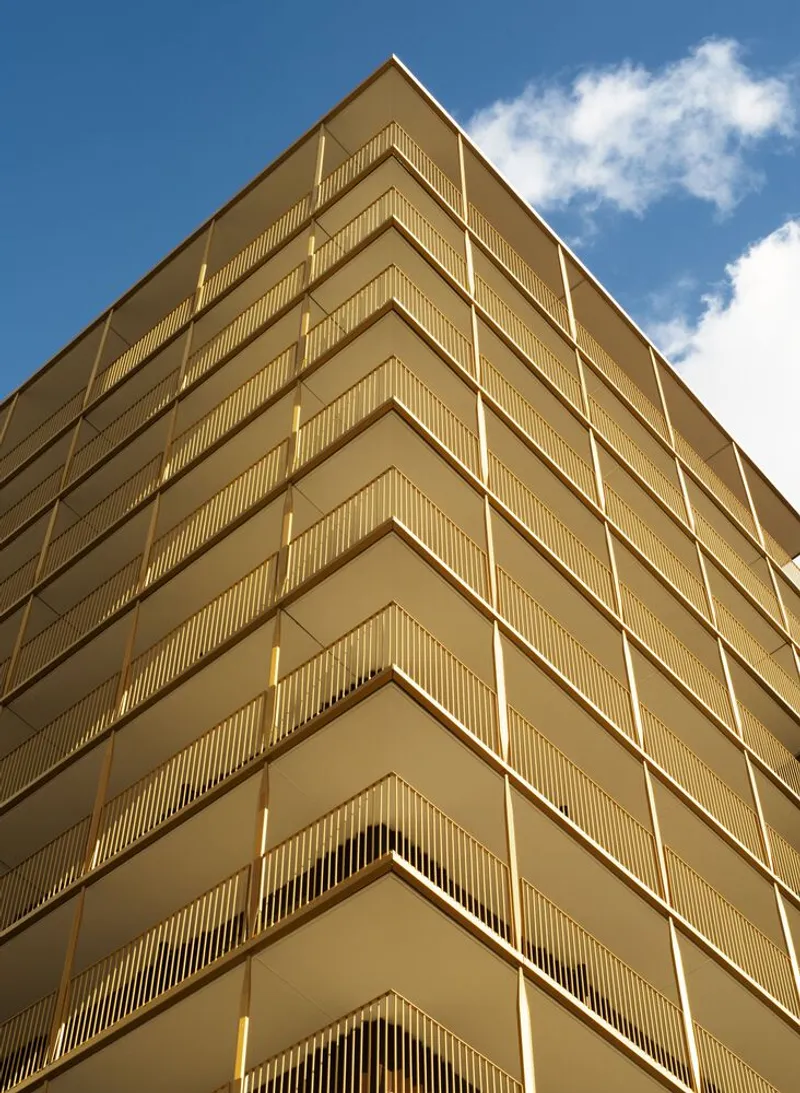
Adaptive Architecture for Long-Term Urban Life
While the initial program focused on lodging athletes, the project was always envisioned as part of Paris’s future urban landscape. After the Olympics, the units are seamlessly converted into permanent residential apartments, contributing to the vibrant new district evolving in Seine-Saint-Denis. The project’s adaptability, sustainability strategies, and contextual sensitivity illustrate how large-scale event architecture can responsibly transition into long-term civic assets.
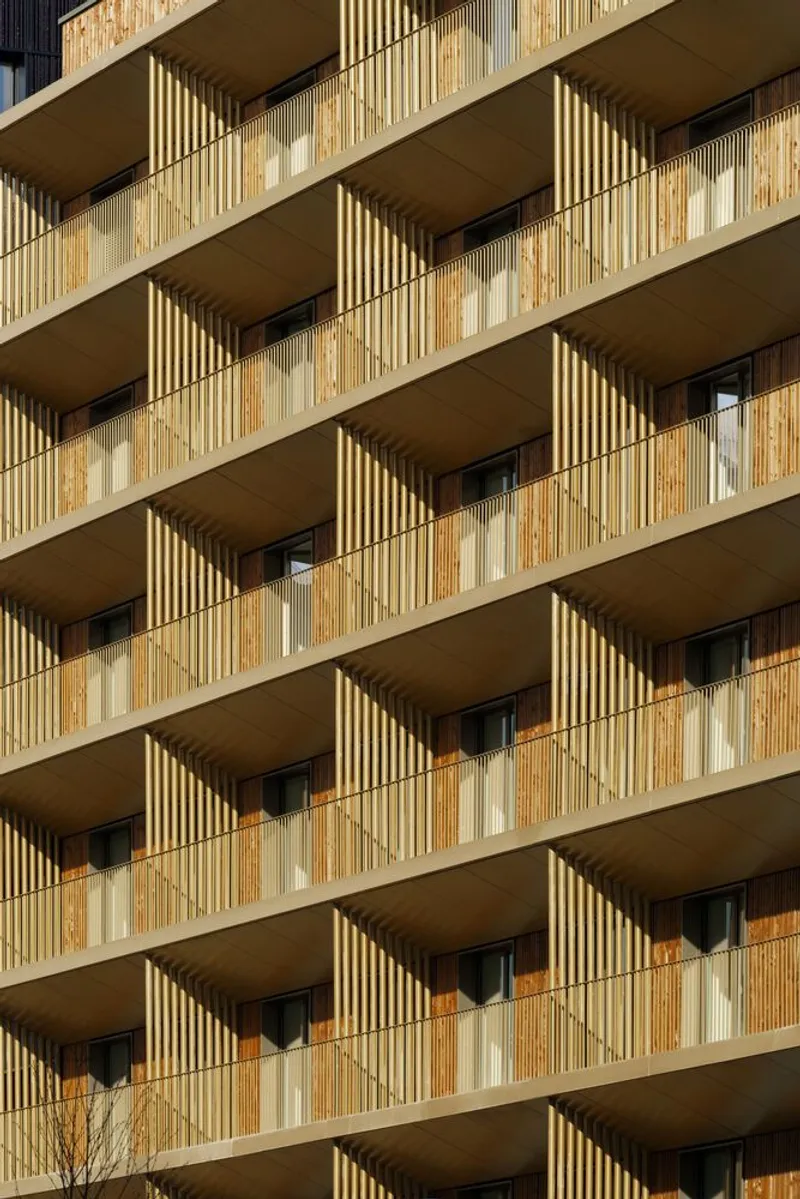
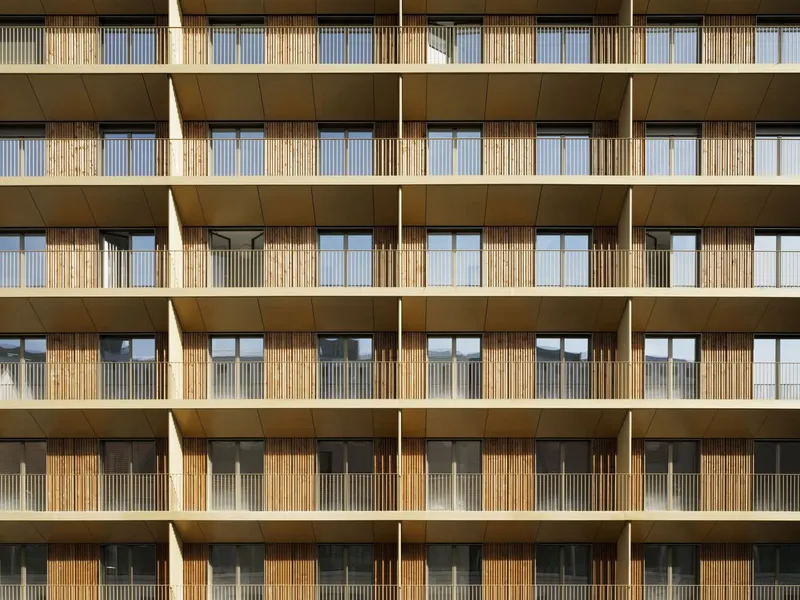
All photographs are works of Takuji Shimmura




Popular Articles
Popular articles from the community


The Ocean Hive: Sustainable Architecture for a Self-Sufficient Civilization at Sea
The Ocean Hive imagines sustainable architecture at sea, where modular habitats, algae, wave power and ocean waste sustain a growing colony.

Play: Fragments of Their World
Familiar architecture becomes modular playground design, creating safe spaces where displaced children can learn, connect, imagine and play.

The Musturak Paradise: Senior Living Architecture for a Connected Future in Temara, Morocco
The Musturak Paradise reimagines senior living architecture in Temara via private homes, social spaces, culture, community, and shared care.

Lunar Spiral: Space Architecture Shaped by the Mathematics of the Universe
Lunar Spiral reimagines space architecture through Fibonacci geometry, lunar regolith, levitating habitats, and self-sustaining Moon living.


Similar Reads
You might also enjoy these articles


Hodi-Mandai Geram
Project Function: Preservation and revitalization of the Intangible heritage and socio-spatial identity of the Hodi by Housing, Cultural Memory Center, Sacred Grove, landscape, local tourism economy


Olio Towers: A Mid-Rise for Performers That Fuses Housing, Rehearsal, and Stage
Located blocks from Houston's Theater District, this modular tower stacks living units around a central performance atrium.

Oasis: Modular Green Housing Carved into Dhaka's Urban Fabric
A shortlisted Plugin Housing entry reclaims unauthorized settlements in Dhaka with stepped concrete volumes, green roofs, and ventilation-driven design.

Black Hole: A Floating Megastructure for the Post-Physical Era
Emiliano Mazzarotto envisions a spherical, self-scaling arena where e-sports, digital hotels, and holographic stadiums replace traditional public space.

Explore Housing Competitions
Discover active competitions in this discipline



Challenge to reimagine the Iron Throne


Photograph architecture without architects


Illustrate the lost glory of Angkor Wat - Render Challenge


Design challenge to reuse E-waste
Comments (0)
Please login or sign up to add comments
No comments yet. Be the first to comment!