
Onça Warehouse by Estudio Pedro Haruf: A Sensitive Restoration and Commercial Revival in Minas Gerais
Onça Warehouse transforms a historic building into a warm commercial space showcasing agroforestry products, local crafts, and a community-focused café.


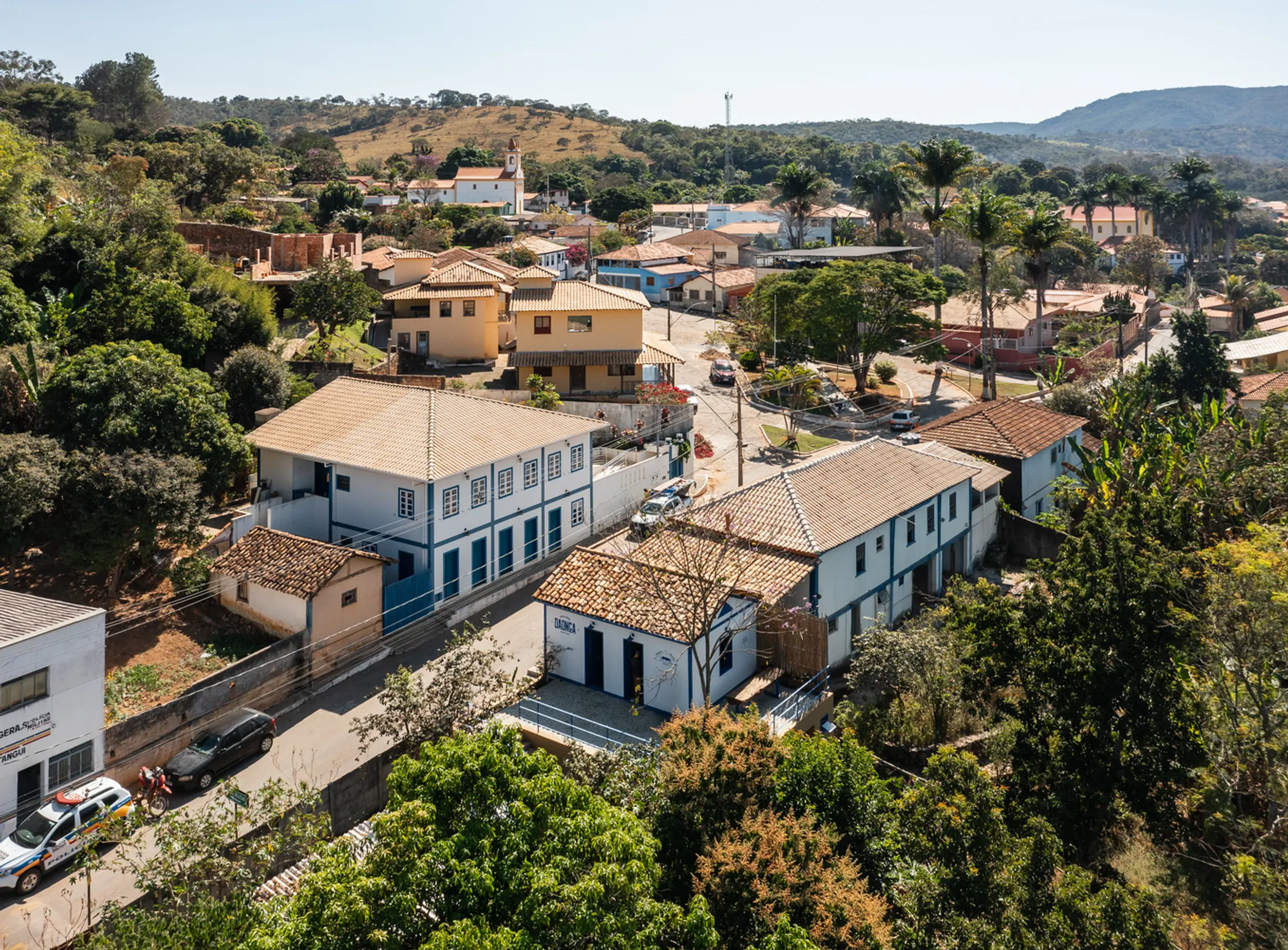
Onça Warehouse, designed by Estudio Pedro Haruf, is a compact yet culturally significant renovation project located in the small town of Onça do Pitangui in Minas Gerais, Brazil. Completed in 2024, the 76-square-meter commercial space blends architectural preservation with contemporary functionality, transforming an early 20th-century structure into a vibrant hub that supports local agroforestry products, handcrafted goods, and regional cuisine.
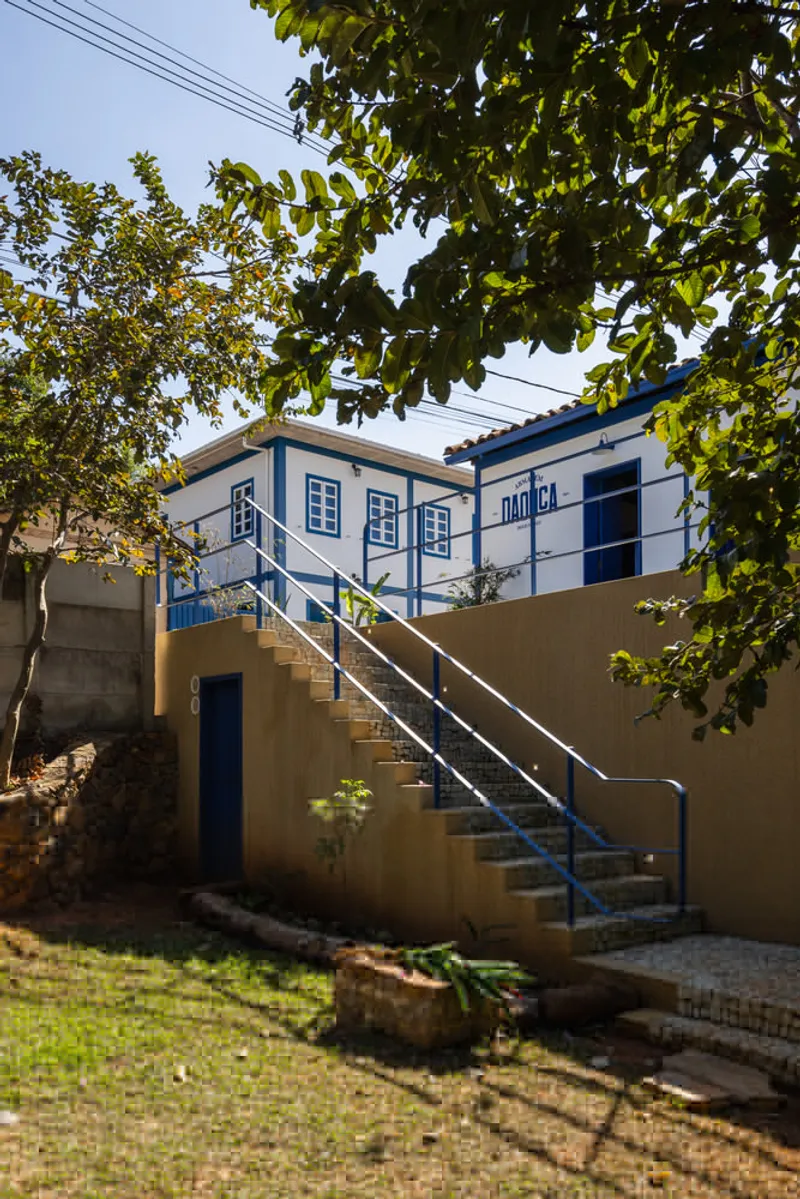
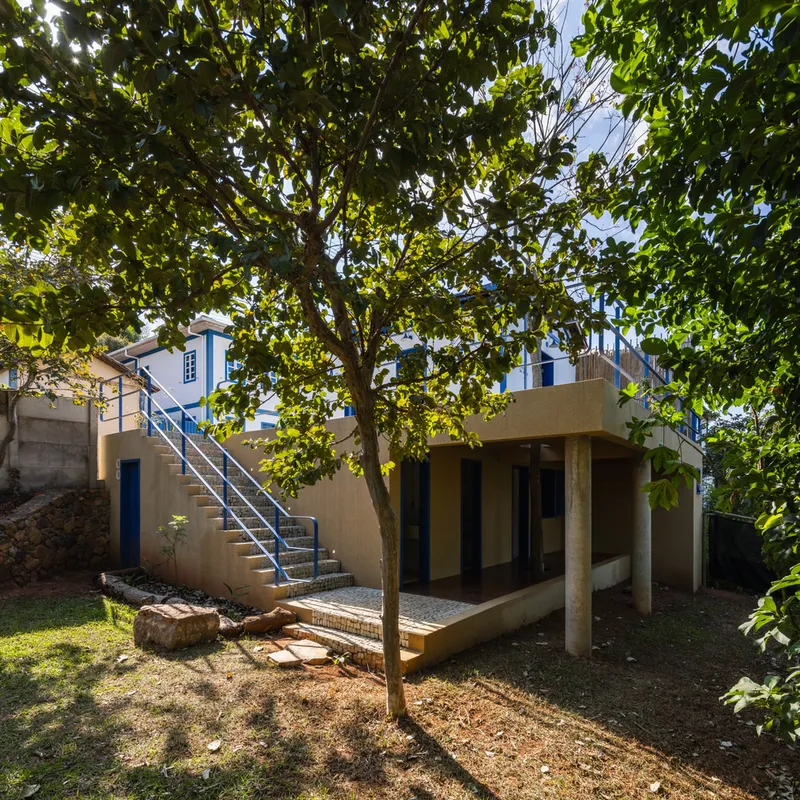
Situated beside a colonial-era house at the entrance to the town, the building occupies the right side of its lot, positioned just before the main town square. Its dual-level configuration: an elevated ground floor above street level paired with a basement shaped by the natural slope of the land: provided the foundation for a project that harmonizes adaptive reuse, community engagement, and commercial identity.
Honoring Historical Layers Through Restoration
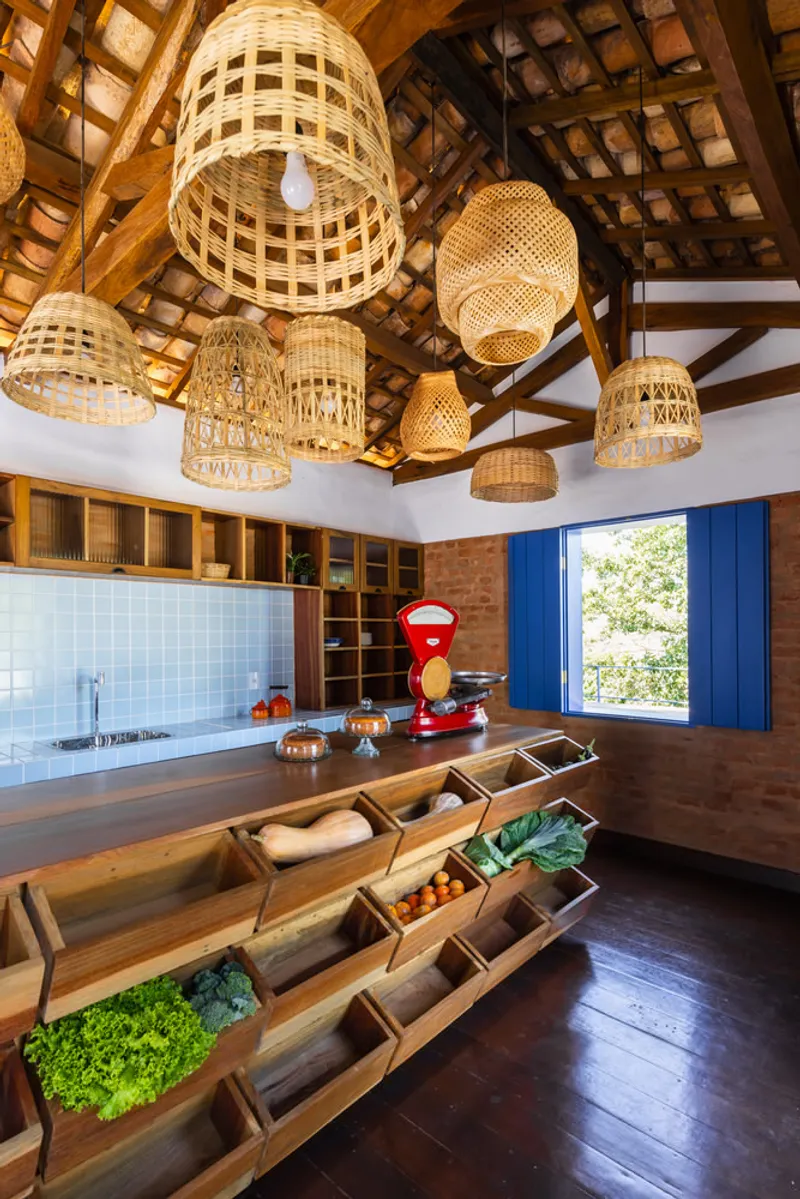
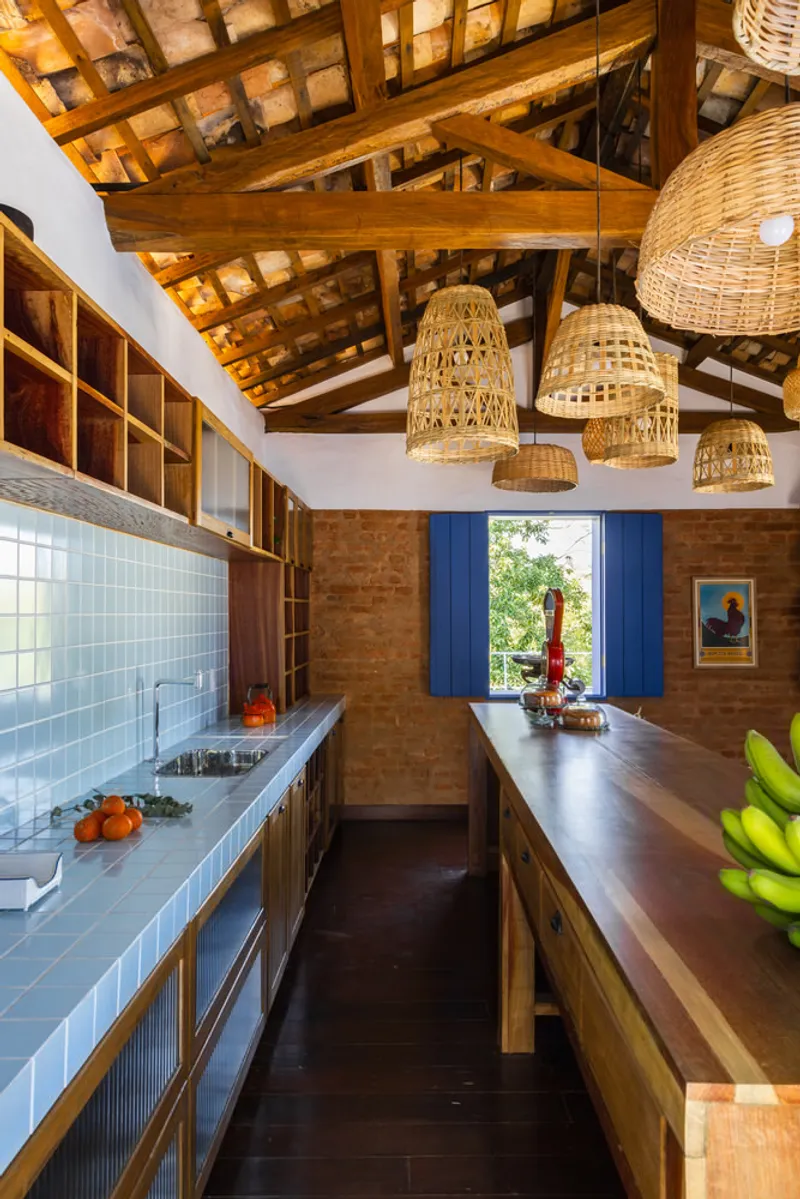
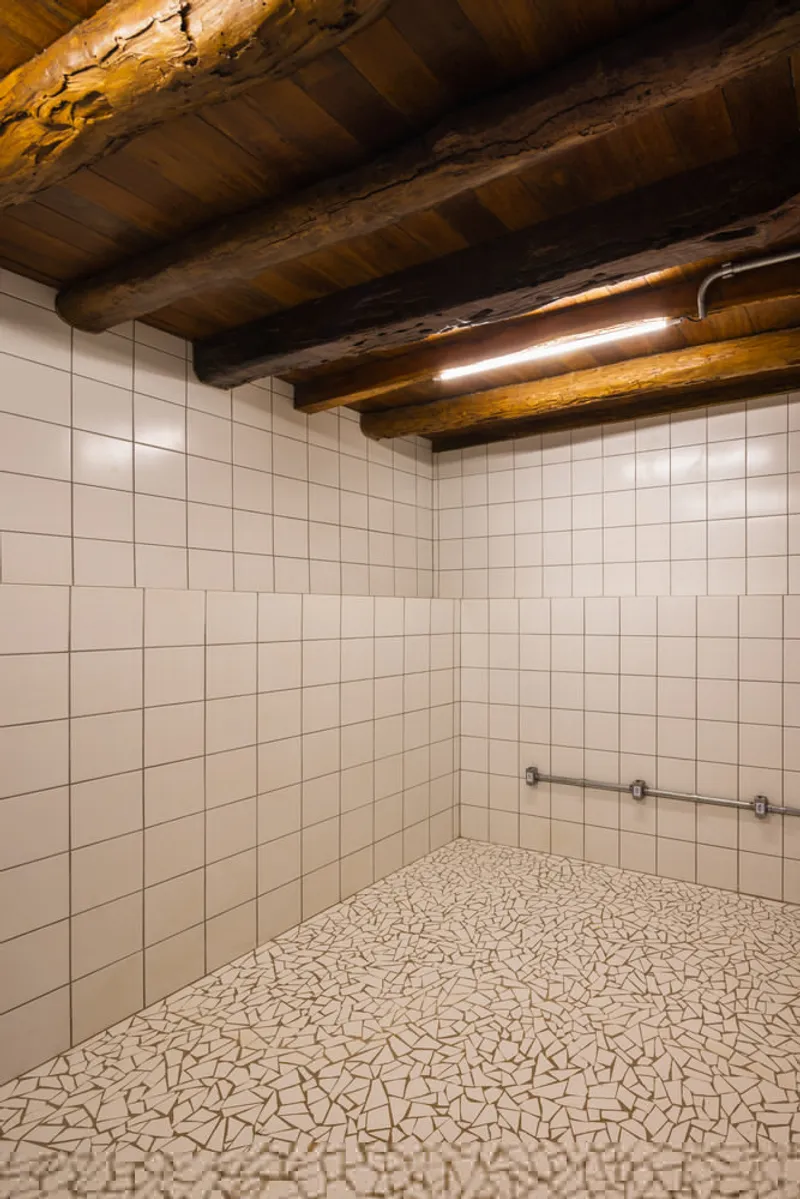
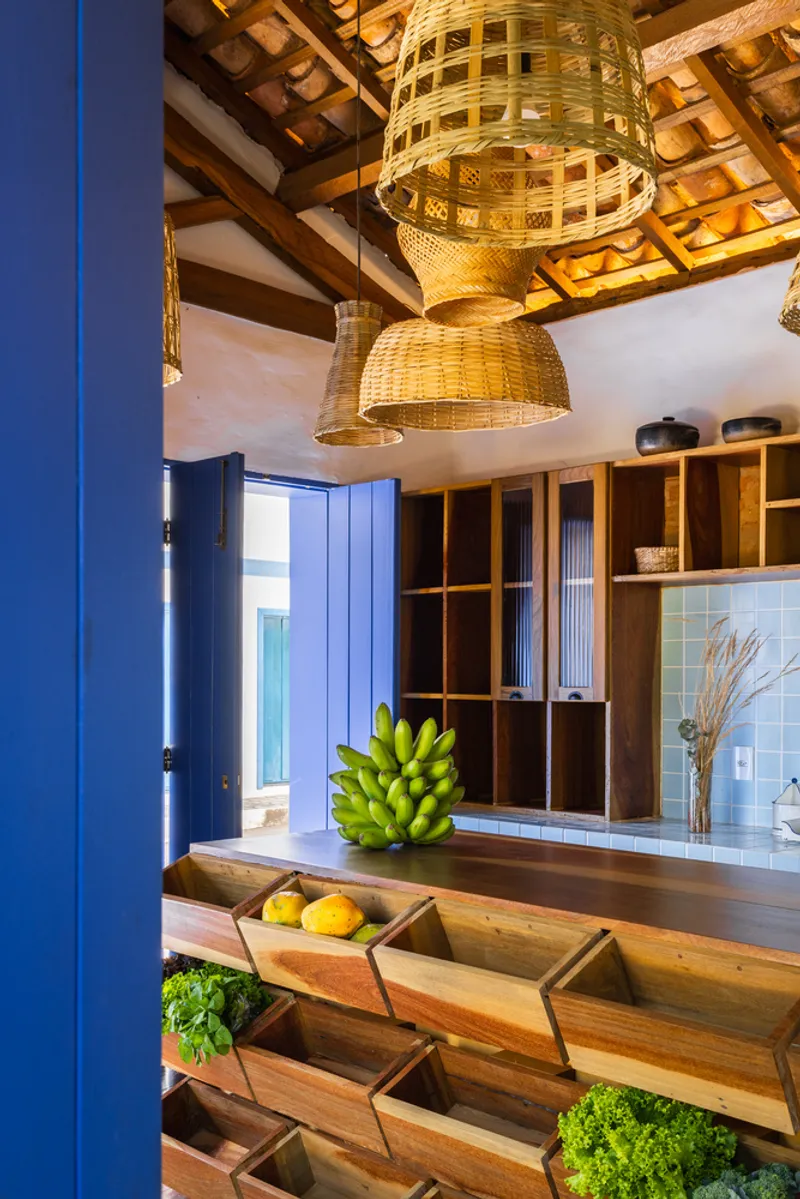
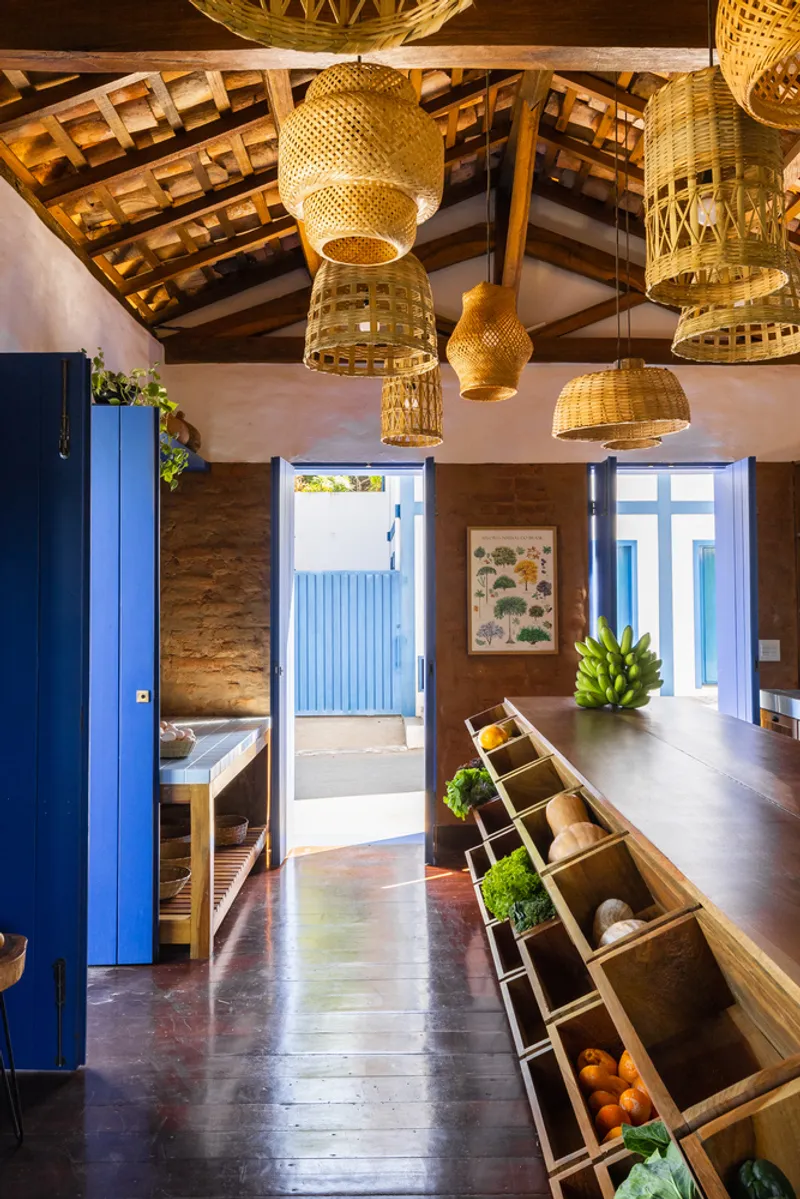
The architects approached the requalification through three complementary strategies: architectural restoration, carefully considered expansion, and a coherent interior design concept. The first phase focused on recovering the building’s original character. By removing a PVC ceiling, the team revealed the timber trusses and the beautiful colonial roof structure, reintroducing architectural elements that had long been concealed. Walls were stripped back to expose the original solid brick masonry, adding tactile authenticity to the interior space.
All original woodwork was restored, including windows, flooring, and the structural trusses, reinforcing the building’s historic ambiance. The front and rear façades once again reflect their early 20th-century appearance through the revival of decorative elements, the reopening of previously blocked windows, and the reapplication of traditional lime-based whitewashing.
A New Architectural Pedestal for the Existing Structure
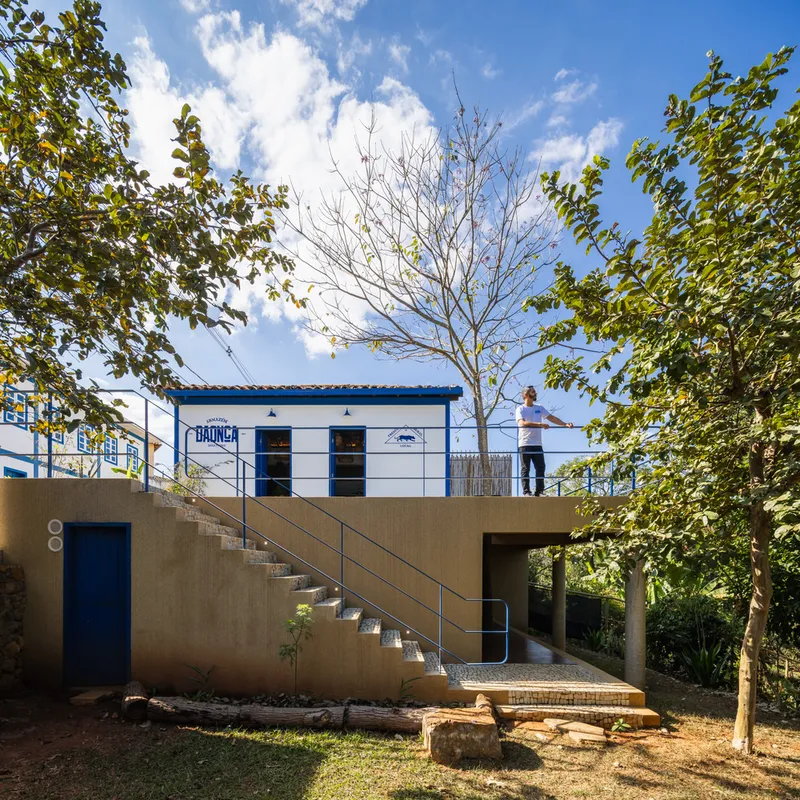
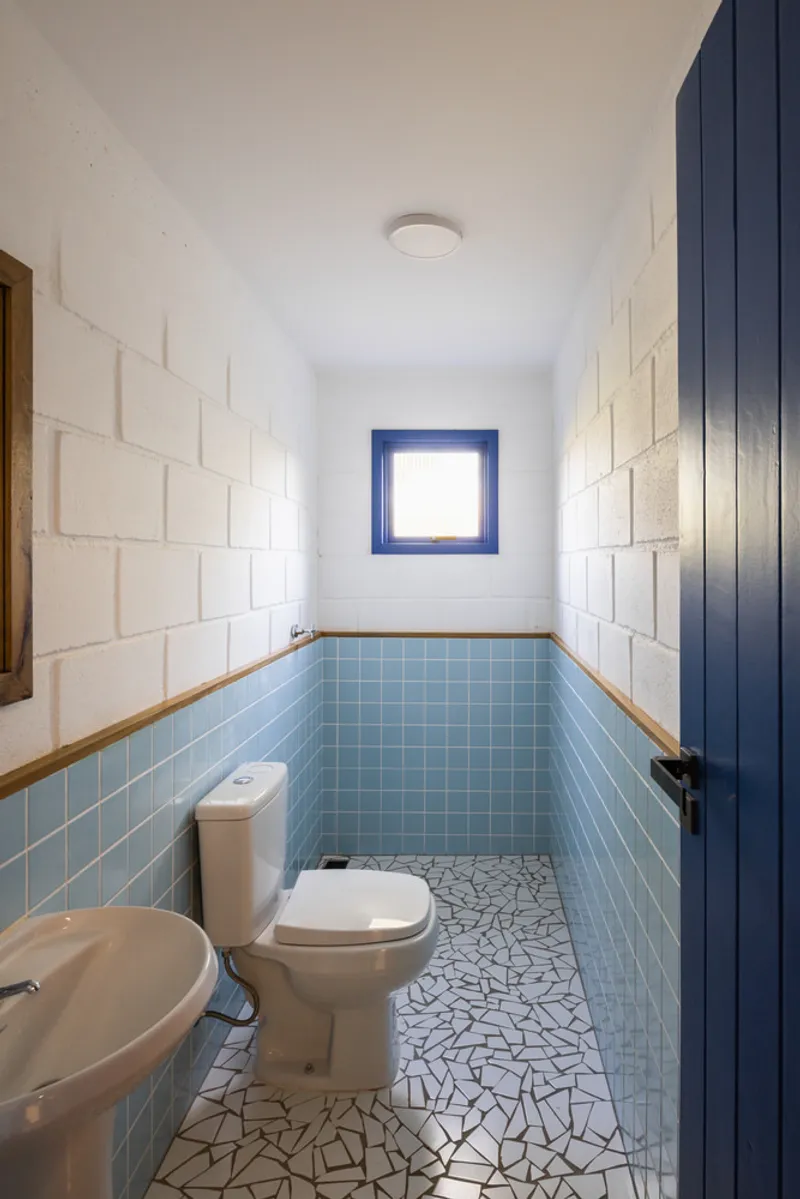
One of the project’s defining design gestures is the creation of a discreet architectural addition that functions as a subtle pedestal for the existing building. This open, street-level structure enhances the heritage value of the original construction without compromising its presence. The expansion accommodates the administrative rooms and public restrooms in the basement, reorganized to improve circulation and accessibility.
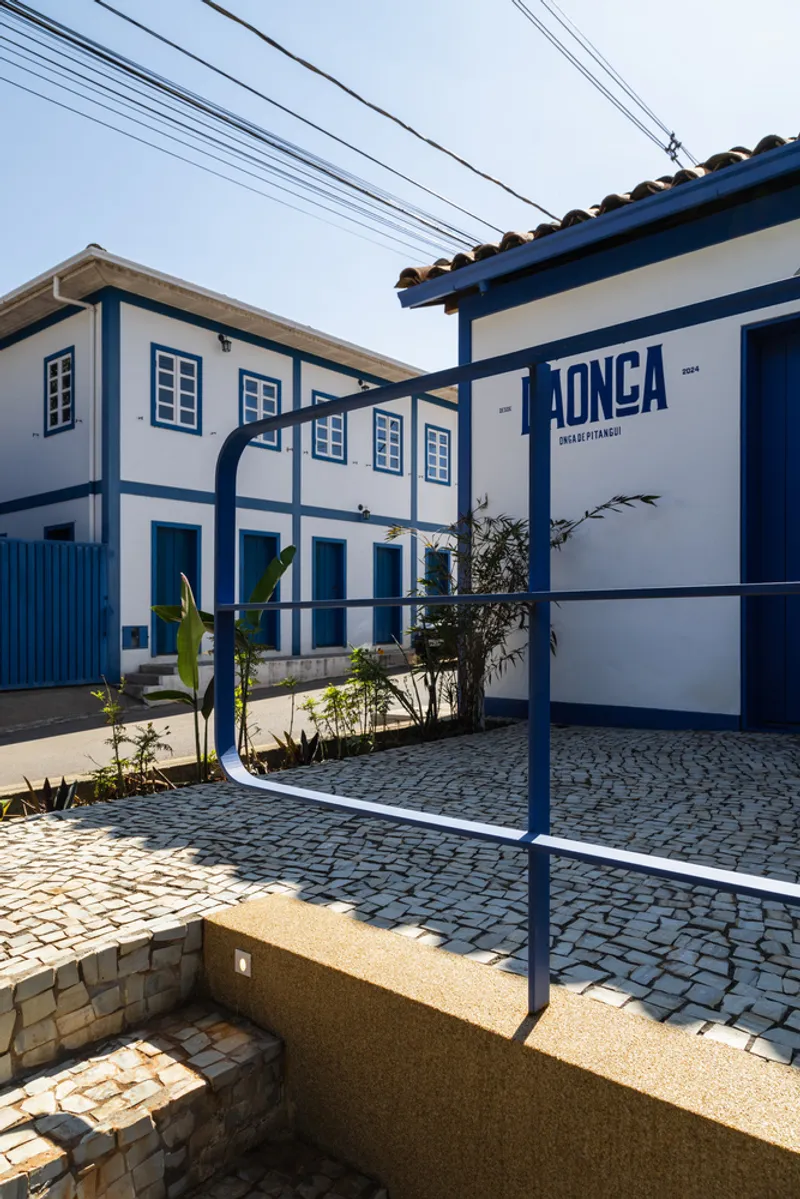
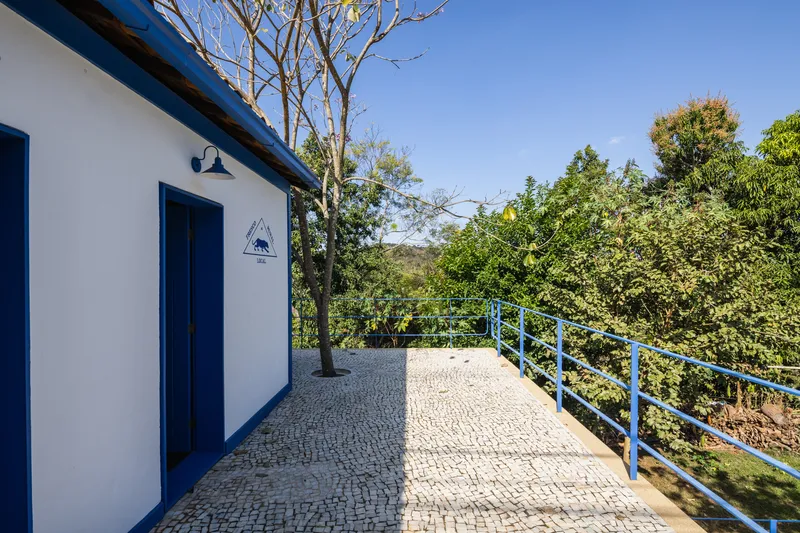
The staircase connecting the floors also extends toward the natural terrain behind the building, opening possibilities for future community events and small gatherings. This thoughtful interface between the renovation and the landscape reinforces the building’s civic role within the town.
Connecting to the Courtyard and Enhancing Spatial Flow
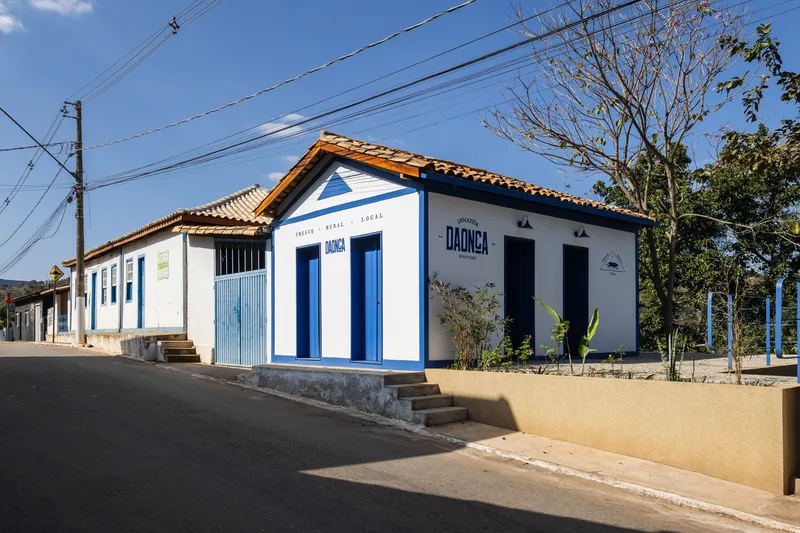
To enable direct access to the courtyard and basement, Estudio Pedro Haruf reworked the side façade by transforming windows into doors. In doing so, the architects replicated the traditional baseboard and crown molding profiles found on the front and rear façades, ensuring full architectural consistency. This subtle intervention allows the building to maintain its historical language while offering a more functional and open layout.
A Warm, Functional Interior for Commerce and Community
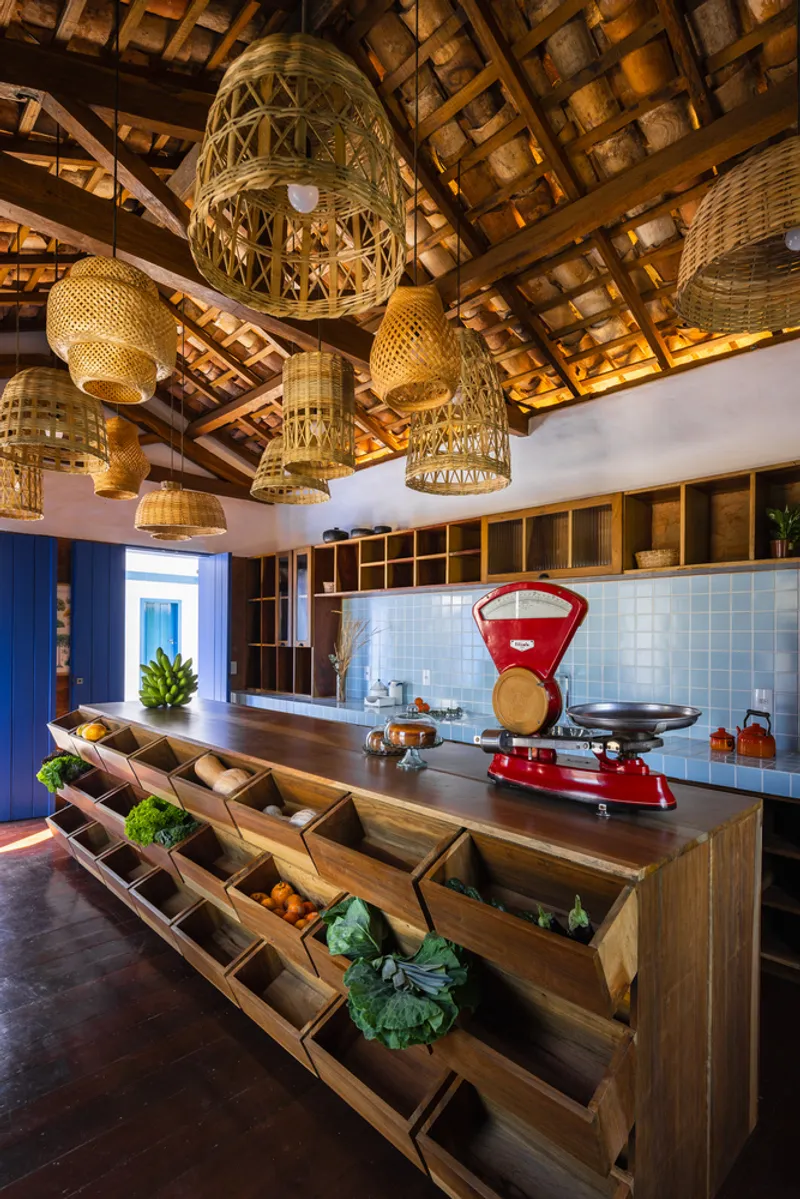
The interior design is centered around a large, custom-built piece of furniture that organizes the program into a seamless commercial experience. This multifunctional element acts simultaneously as a checkout counter, display system for refrigerated goods, and a showcase for locally produced agroforestry items. It guides visitor circulation intuitively while celebrating the products on display.
Along one side of the space, a tiled countertop paired with a solid-wood storage cabinet supports the café area. This zone houses a coffee machine, sink, and storage for utensils, products, and serving ware, creating a warm and convivial environment where residents and tourists can enjoy regional baked goods.
The combination of exposed brick, restored timber, handcrafted materials, and contemporary commercial elements creates an architectural narrative that respects heritage while embracing the needs of modern local commerce.
A Community-Oriented Revival Rooted in Place
Onça Warehouse stands as a model for small-town revitalization through architecture. Estudio Pedro Haruf’s careful balance of restoration, adaptive reuse, and restrained intervention results in a space that strengthens local identity, supports small-scale producers, and enriches the experience of both residents and visitors. The project reinforces how architectural rehabilitation can revive cultural memory while fostering economic and social vitality.



Popular Articles
Popular articles from the community


Riyadh For All: Intergenerational Urban Design for Active Aging in Rabat
Riyadh For All reimagines urban design in Rabat with intergenerational co-living, adaptive courtyards, and Moroccan cultural exchange today.

Hill & Cross Opera: Sculptural Opera House Architecture Shaped by Tallinn’s Landscape and Identity
Hill & Cross Opera reimagines opera house architecture in Tallinn through its sculptural hill, civic plaza, glass wave and a luminous cross.

Co-Life: Senior Housing Design That Reconnects Older Adults With the City
Co-Life reimagines senior housing design through healing gardens, shared streets, workshops, and a sustainable community across generations.
EW PARK: Sustainable Architecture Reimagines the Future of Urban Parking
EW PARK reimagines city parking as a modular wooden tower combining automation, solar energy, electric mobility, and adaptable urban design.

Similar Reads
You might also enjoy these articles


Hodi-Mandai Geram
Project Function: Preservation and revitalization of the Intangible heritage and socio-spatial identity of the Hodi by Housing, Cultural Memory Center, Sacred Grove, landscape, local tourism economy


Olio Towers: A Mid-Rise for Performers That Fuses Housing, Rehearsal, and Stage
Located blocks from Houston's Theater District, this modular tower stacks living units around a central performance atrium.

Oasis: Modular Green Housing Carved into Dhaka's Urban Fabric
A shortlisted Plugin Housing entry reclaims unauthorized settlements in Dhaka with stepped concrete volumes, green roofs, and ventilation-driven design.

Black Hole: A Floating Megastructure for the Post-Physical Era
Emiliano Mazzarotto envisions a spherical, self-scaling arena where e-sports, digital hotels, and holographic stadiums replace traditional public space.
Explore Commercial Buildings Competitions
Discover active competitions in this discipline



Challenge to reimagine the Iron Throne


Photograph architecture without architects


Illustrate the lost glory of Angkor Wat - Render Challenge


Design challenge to reuse E-waste
Comments (0)
Please login or sign up to add comments
No comments yet. Be the first to comment!