
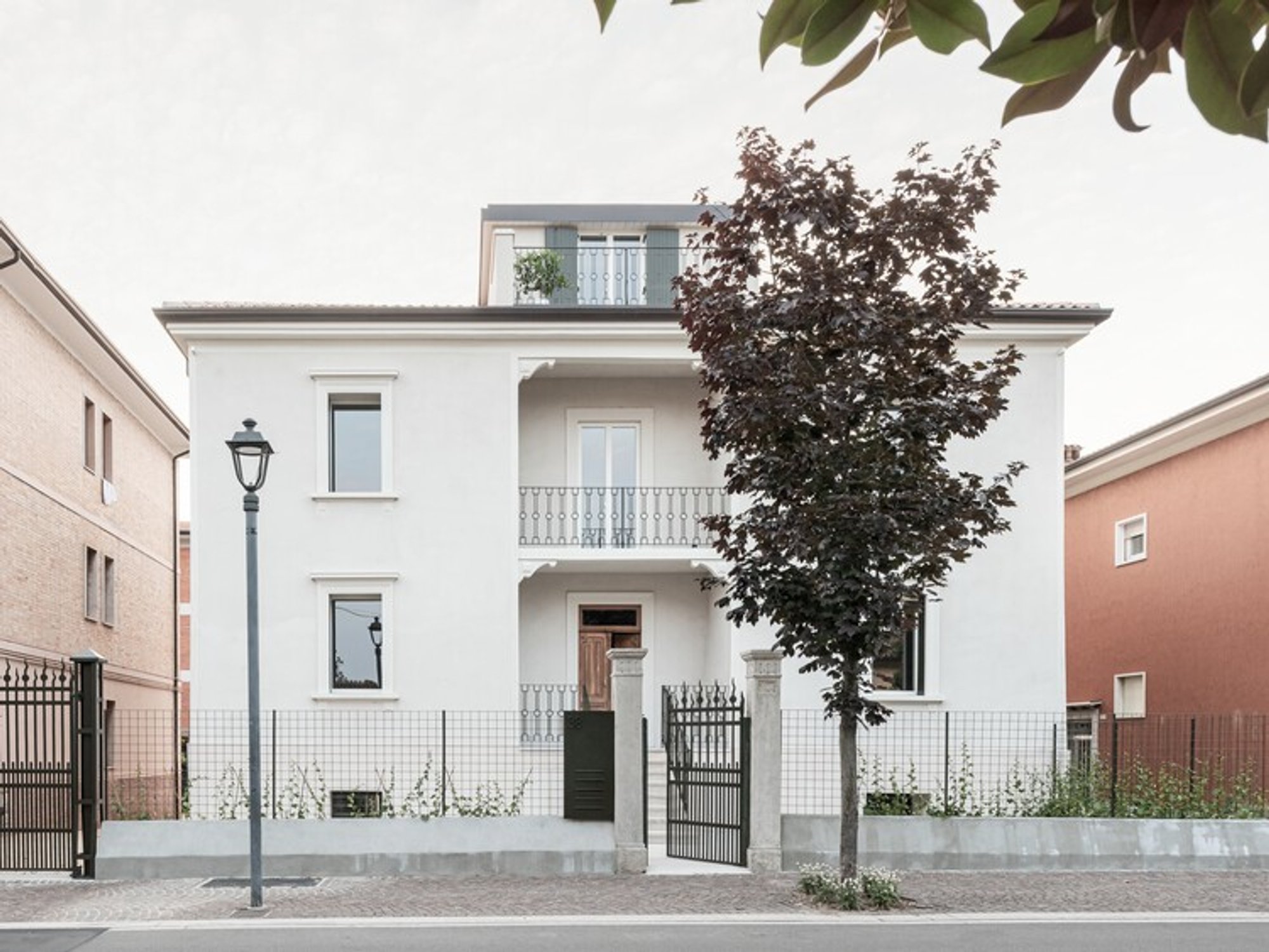
Palazzo Vittoria Building Renovation: Bridging Heritage and Modernity in Bardolino
CLAB Architettura transforms 1925 Bardolino palazzo through innovative structural consolidation, preserving historic perimeter walls while introducing contemporary reinforced concrete and timber syste

Introduction: Conservation Meets Contemporary Intervention
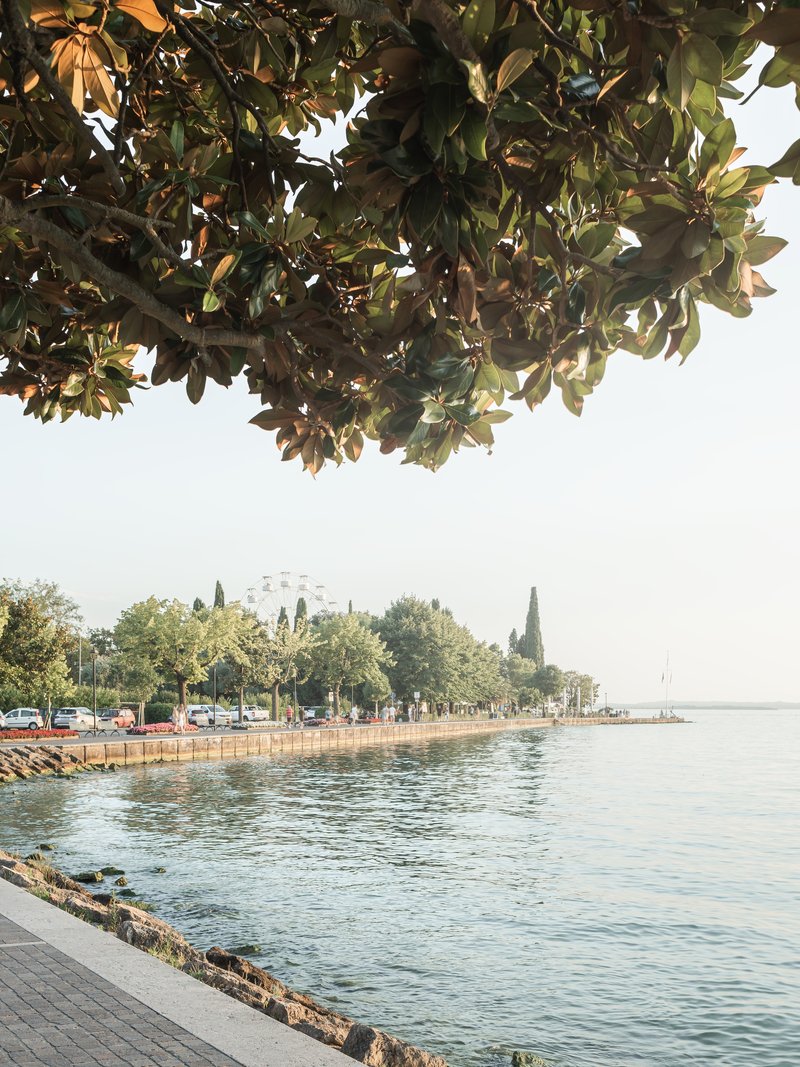
Along a tree-lined avenue in Bardolino—a picturesque town on the eastern shores of Lake Garda—stands Palazzo Vittoria, a residential building whose recent transformation exemplifies how thoughtful architectural intervention can honor historical legacy while securing structural viability for future generations. Completed in 2025 by CLAB Architettura, this 345-square-meter renovation project demonstrates that conservation and innovation need not be opposing forces but can work in productive dialogue to extend the life and enhance the utility of historic structures.
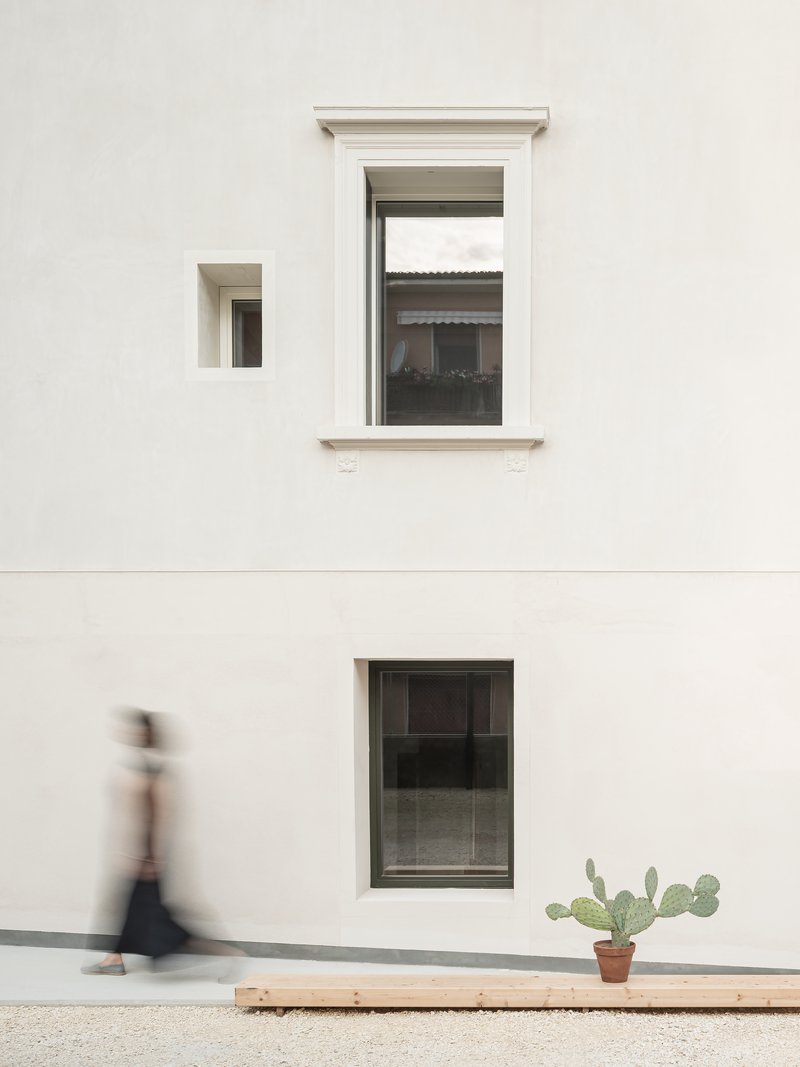
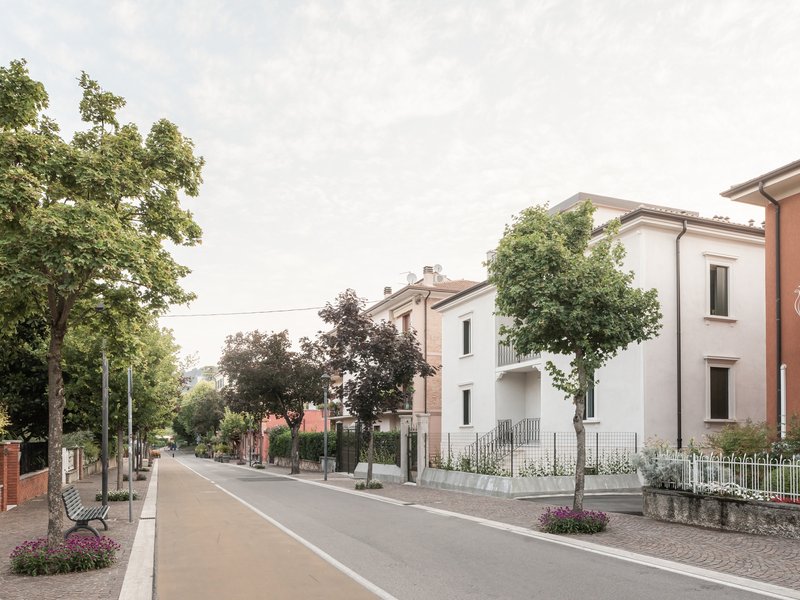
Built around 1925, Palazzo Vittoria originated during a pivotal moment in Italian architectural history—the interwar period when traditional construction methods began giving way to modern building technologies. The building once stood along the avenue connecting Bardolino's town center to the Lake Garda railway station, a transportation link that has since been dismissed but which shaped the urban development patterns of the early twentieth century. The palazzo's location along this historic route connects it not merely to architectural history but to the broader social and economic transformations that reshaped Italian lakeside communities during the early modern era.
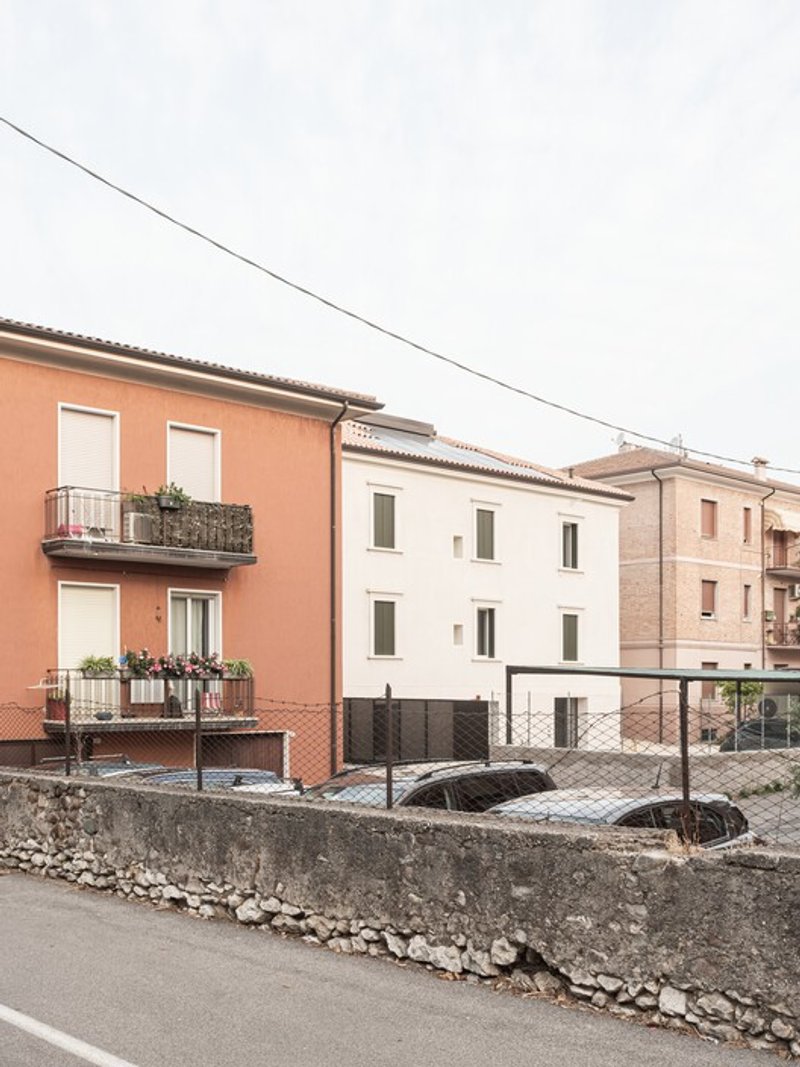
After a century of service, the building required comprehensive intervention to address structural deterioration while adapting its spaces to contemporary residential standards. CLAB Architettura's response balances conservative preservation of the historic envelope with radical renewal of internal systems, creating architecture that is simultaneously respectful of heritage and uncompromisingly contemporary in its structural and spatial logic.
Historical Context: Bardolino and the Lake Garda Region
Geographic and Cultural Setting
Bardolino occupies a privileged position on Lake Garda's eastern shore, within the Veneto region of northern Italy. The town has ancient origins—evidence of human settlement dates to prehistoric times—but experienced significant growth during the late nineteenth and early twentieth centuries as improved transportation networks made the lake accessible to tourists and seasonal residents from Milan, Verona, and beyond.
The mild climate, stunning natural setting, and productive viticulture (Bardolino wine enjoys DOC designation) attracted bourgeois families who built vacation villas and year-round residences throughout the area. Palazzo Vittoria belongs to this building typology—substantial residential structures designed for comfortable extended stays, built with quality materials and construction techniques, and positioned to take advantage of the pleasant environment.
The Railway Connection
The now-dismissed railway station referenced in the project description represents an important chapter in Lake Garda's development history. Railway connections brought unprecedented accessibility to previously remote lakeside communities, triggering building booms that transformed agricultural villages into resort towns. The avenue linking Bardolino's center to its station would have been lined with hotels, shops, and residential buildings serving both permanent residents and the seasonal visitors who arrived by rail.
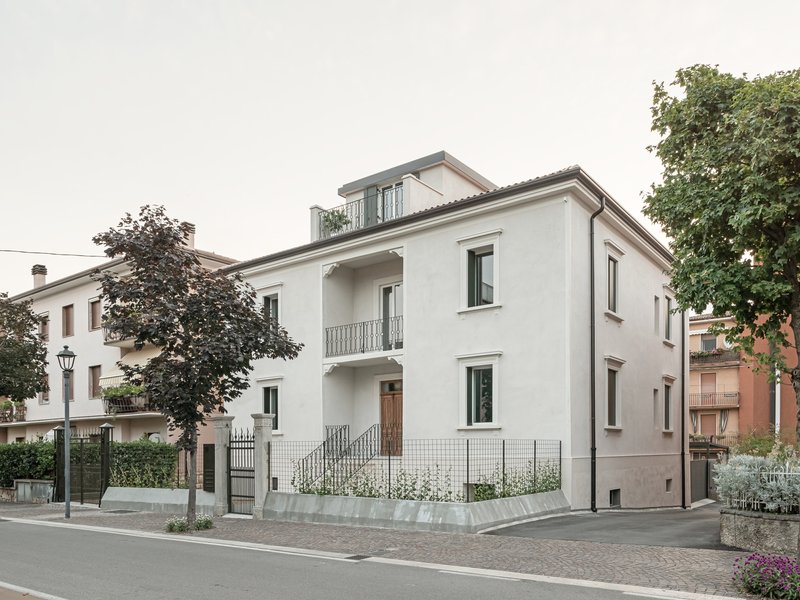
The station's eventual closure reflects broader shifts in transportation patterns—the automobile's triumph over rail for personal travel, changing tourism patterns, and evolving urban priorities. Buildings like Palazzo Vittoria, constructed during the railway era, now exist in different urban contexts than those for which they were designed, requiring thoughtful adaptation to remain relevant.
Early Twentieth-Century Italian Construction
The circa 1925 construction date places Palazzo Vittoria in a fascinating transitional period in Italian building technology. Traditional load-bearing masonry construction—stone or brick walls supporting timber floor systems—still dominated residential building, yet new materials and methods were emerging. Reinforced concrete had been used in Italian engineering projects since the late nineteenth century, and pioneering architects like Giuseppe Terragni and Gruppo 7 would soon employ it for radically modern buildings.
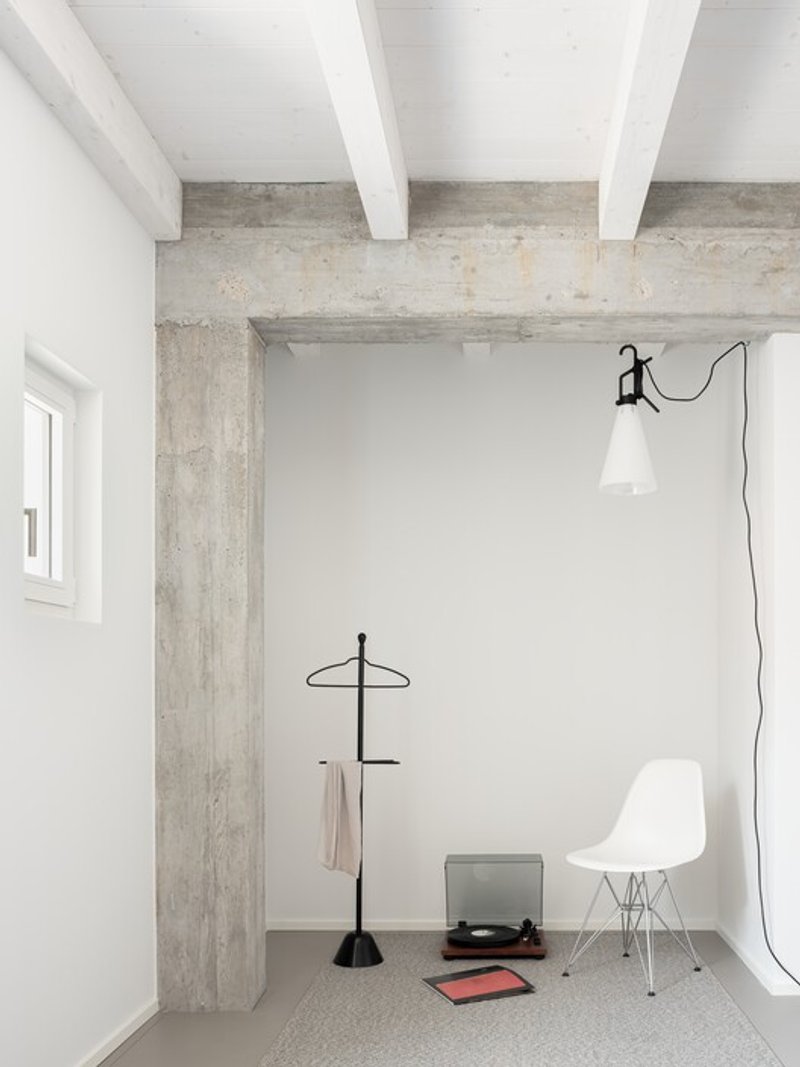
The original palazzo likely featured substantial masonry perimeter walls, possibly concrete base courses (as the project description confirms), timber floor joists, and tile roofing—a hybrid of traditional and emerging technologies characteristic of its era. Understanding this original construction system proved essential to CLAB Architettura's intervention strategy.
Structural Assessment: Understanding the Challenge
The Need for Intervention
After nearly a century of service, Palazzo Vittoria faced structural challenges typical of historic masonry buildings. Differential settlement, moisture infiltration, thermal cycling, seismic events (Italy experiences regular earthquake activity), and simple material aging all contribute to gradual degradation of structural capacity. Cracks in masonry indicate movement. Timber floor systems decay. Connections between different structural elements weaken.
Beyond these inevitable aging processes, the building needed adaptation to contemporary seismic safety standards. Italian building codes, particularly after devastating earthquakes in recent decades, require existing structures to meet specific performance criteria when undergoing substantial renovation. Achieving code compliance while preserving historic fabric presents one of the fundamental challenges of heritage building renovation.
The Conservative-Radical Approach
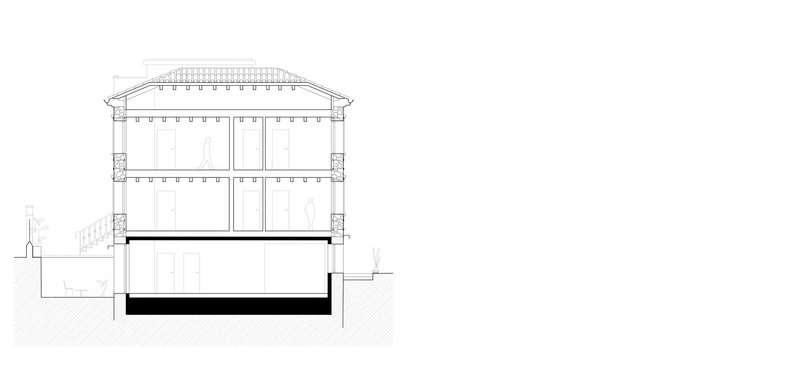
CLAB Architettura adopted what might be termed a "conservative-radical" approach: radically conservative in preserving the historic perimeter walls, radically transformative in renewing everything else. The building was completely emptied—all internal partitions, floor systems, roof structure, and non-structural elements removed—leaving only the perimeter masonry envelope. This emptying allowed comprehensive structural intervention impossible when working around existing elements while preserving the exterior appearance that gives the building its historic character and contextual relationship to the surrounding streetscape.
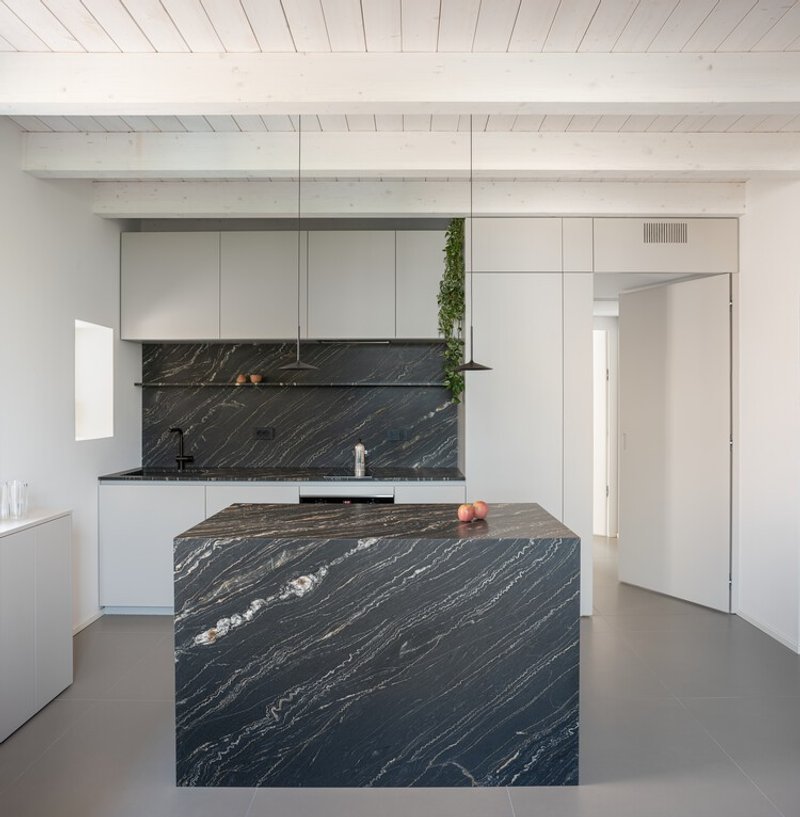
This approach reflects mature understanding of what actually constitutes a historic building's heritage value. For Palazzo Vittoria, that value resides primarily in its exterior presence—its massing, proportions, façade composition, material texture, and relationship to the historic avenue. The interior, while certainly part of the building's history, held less significance and could be sacrificed to enable more effective structural consolidation and more appropriate contemporary spatial planning.
Structural Consolidation: The Active Stitching System
Innovative Heritage Preservation Technology
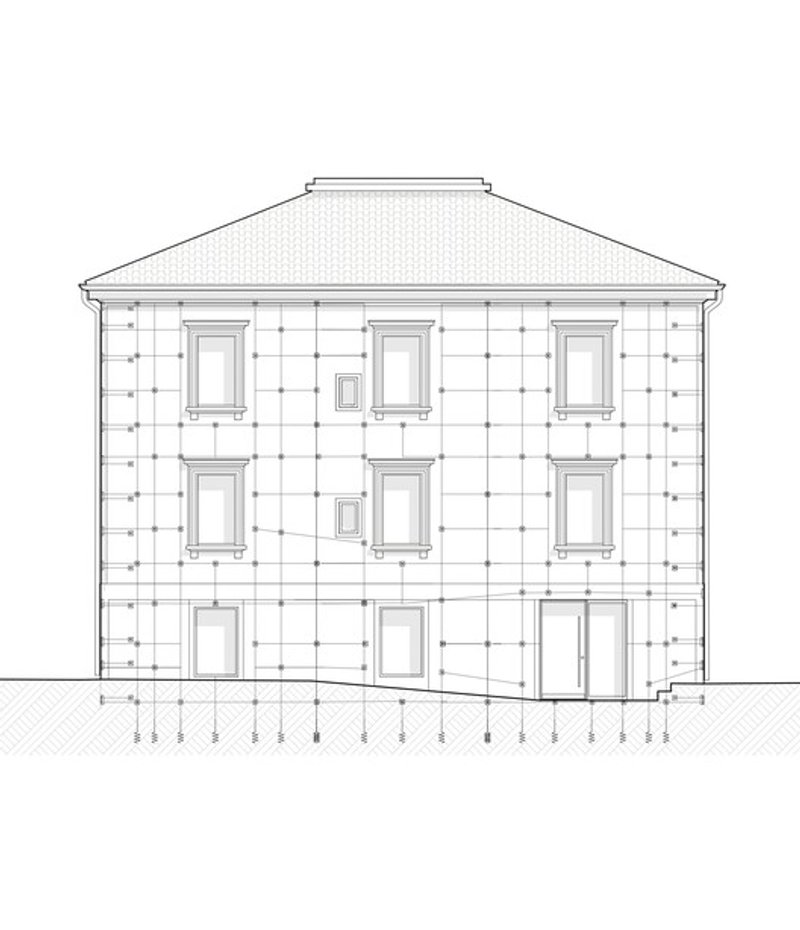
The centerpiece of the structural intervention involves the consolidation of the historic perimeter walls using a patented system called the Active Stitching System for Masonry Structures. This sophisticated technology represents current best practice in heritage building stabilization, offering structural enhancement without the destructive impacts of more conventional approaches.
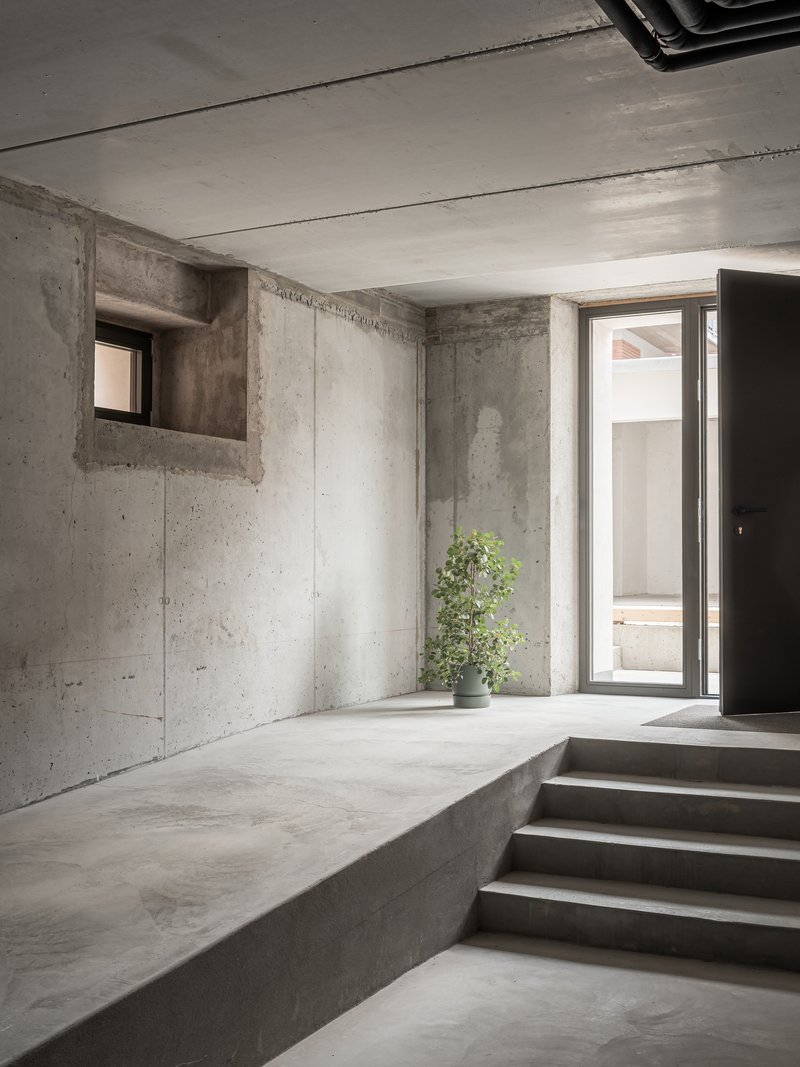
Traditional methods of masonry wall consolidation often involve injecting cement grout into voids, inserting steel tie rods through the thickness of walls, or even replacing deteriorated sections with new construction. Each approach has drawbacks: grout injection can alter material behavior and complicate future interventions; steel tie rods require drilling holes that damage original fabric; replacement destroys authentic material.
How Active Stitching Works
The Active Stitching System employs high-strength steel bands that reinforce masonry walls through a minimally invasive technique. While the specific proprietary details vary, such systems typically work by:
External or Internal Application: Steel bands or strips are applied to wall surfaces (internal, external, or both depending on access and requirements) and secured at regular intervals.
Pre-Stressing Capacity: Unlike passive reinforcement that only engages after cracking or movement begins, active systems can be pre-stressed to apply compressive forces that counteract tensile stresses that cause masonry cracking.
Distributed Load Paths: The bands create continuous reinforcement that distributes loads more evenly across wall surfaces, preventing localized stress concentrations that lead to failure.
Reversibility Potential: Because bands attach to surfaces rather than penetrating deeply into masonry, they can potentially be removed in future interventions without leaving permanent damage—an important consideration in heritage conservation where reversibility is valued.
Seismic Performance: The reinforcement significantly improves walls' ability to withstand lateral forces from earthquakes, helping historic buildings meet modern safety standards.
For Palazzo Vittoria, this system allowed the century-old perimeter walls to be preserved while achieving structural performance equivalent to new construction—a remarkable synthesis of conservation and engineering.
New Structural Framework: Contemporary Systems Within Historic Envelope
Reinforced Concrete Basement Slab
With the building emptied and perimeter walls consolidated, CLAB Architettura introduced an entirely new internal structural system. The foundation received a new reinforced concrete basement slab—a robust platform that distributes loads evenly to the ground while creating usable basement space. This slab provides several benefits:
Structural Stability: Creates a rigid diaphragm at the building's base that ties perimeter walls together and resists differential settlement.
Moisture Control: Modern concrete slabs include waterproofing systems and vapor barriers that prevent rising damp—a persistent problem in historic masonry buildings.
Spatial Quality: A properly constructed basement slab creates habitable below-grade space rather than dirt-floored cellars common in historic buildings.
Seismic Base: The reinforced slab acts as the base of a "box" structural system that improves seismic performance by ensuring walls, floors, and roof act as an integrated unit rather than independent elements that can separate during earthquake motion.
Vertical Core of Load-Bearing Masonry
A new vertical core of load-bearing masonry walls was constructed within the preserved perimeter envelope. This core serves multiple functions:
Structural: Carries vertical loads from floors and roof while providing lateral bracing.
Spatial: Organizes the floor plan by creating boundaries between different functional zones.
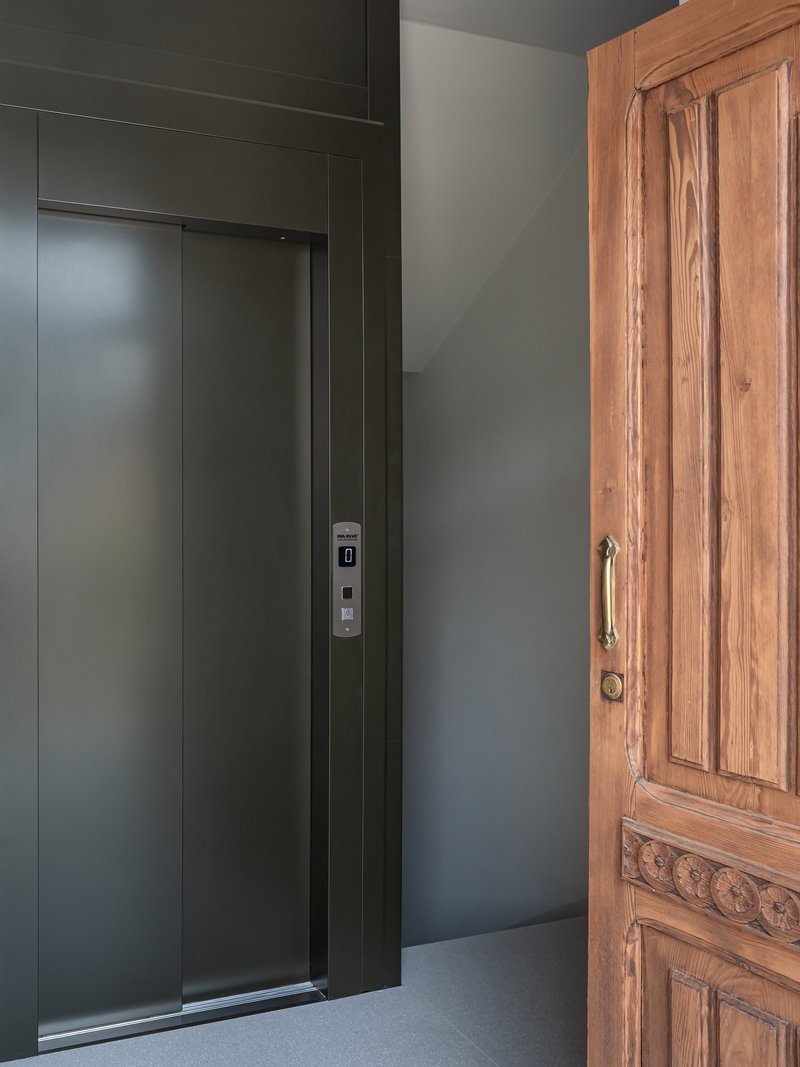
Service Integration: Houses vertical circulation (stairs), mechanical systems, and possibly elevators or lifts.
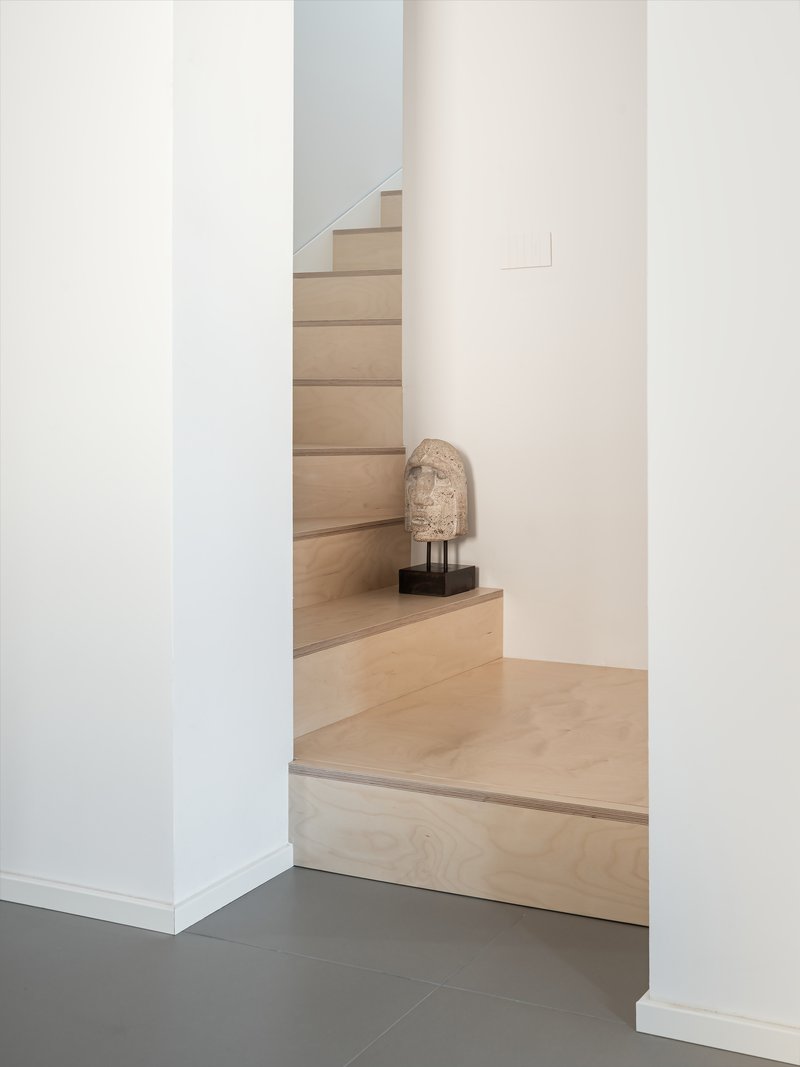
Fire Separation: Creates compartmentalized fire zones improving life safety.
The use of masonry for this core rather than steel or concrete frame creates material continuity with the historic perimeter walls while offering superior acoustic separation between units (if the building contains multiple residences) and excellent thermal mass that moderates interior temperature swings.
New Horizontal Floor Systems
New floor systems span between the perimeter walls and central core. While the specific system isn't detailed, contemporary floor construction typically employs:
Reinforced Concrete: Poured-in-place or precast concrete planks offer structural capacity, fire resistance, and acoustic isolation.
Steel-Concrete Composite: Steel beams with concrete topping combine the materials' complementary strengths.
Timber Systems: Engineered wood products like cross-laminated timber (CLT) provide structural performance with reduced weight and embodied carbon.
For Palazzo Vittoria, the choice likely balanced structural requirements, acoustic and thermal performance, construction logistics, and material aesthetics.
Timber Attic and Roof Structure
The crowning element of the new structural system comprises a timber attic forming the roof structure. This choice connects to traditional Italian roof construction—timber trusses supporting tile roofing have been used for centuries—while potentially employing contemporary engineered lumber products that offer superior performance and dimensional stability compared to traditional sawn timber.
The timber roof structure provides:
Lightweight Construction: Reduces dead load on the supporting structure—particularly important when renovating historic buildings with limited load capacity.
Thermal Performance: Wood offers better insulation value than concrete or steel, improving roof assembly thermal resistance.
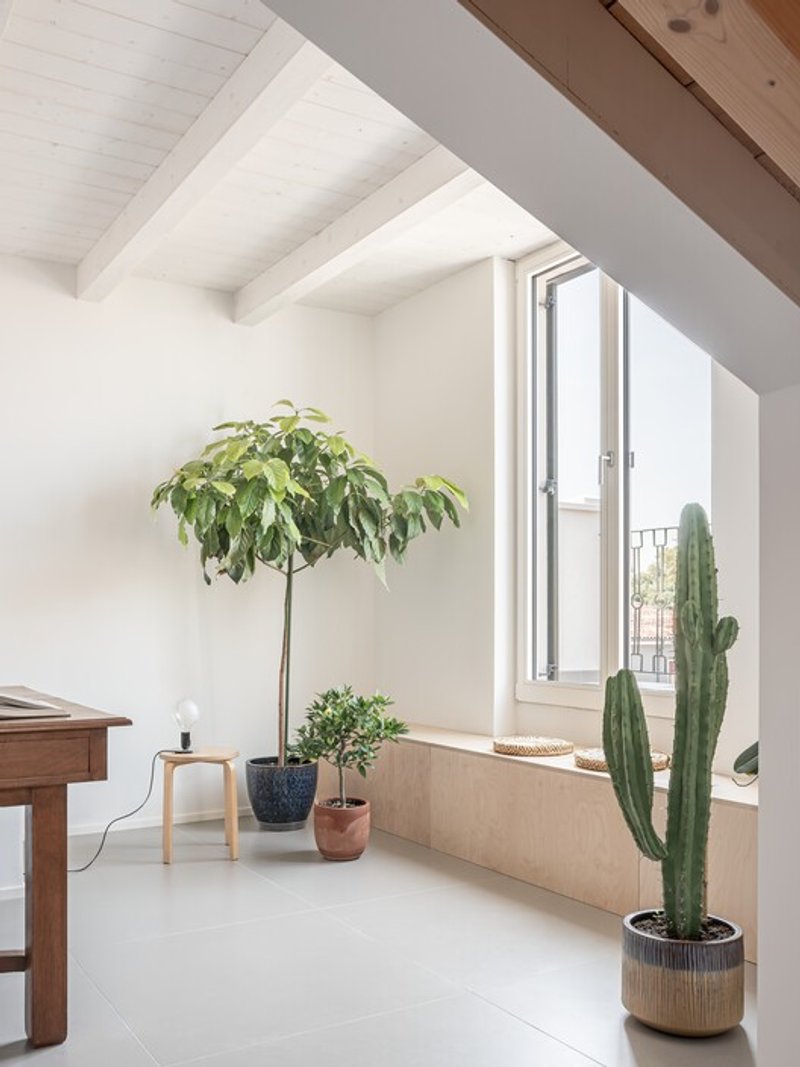
Aesthetic Quality: Exposed timber creates attractive interior spaces with material warmth and visual interest.
Sustainable Material: Wood stores carbon rather than generating emissions during production (unlike concrete and steel), improving the project's environmental profile.
Material Philosophy: Contemporary Language, Historic Reference
Material Selection Strategy
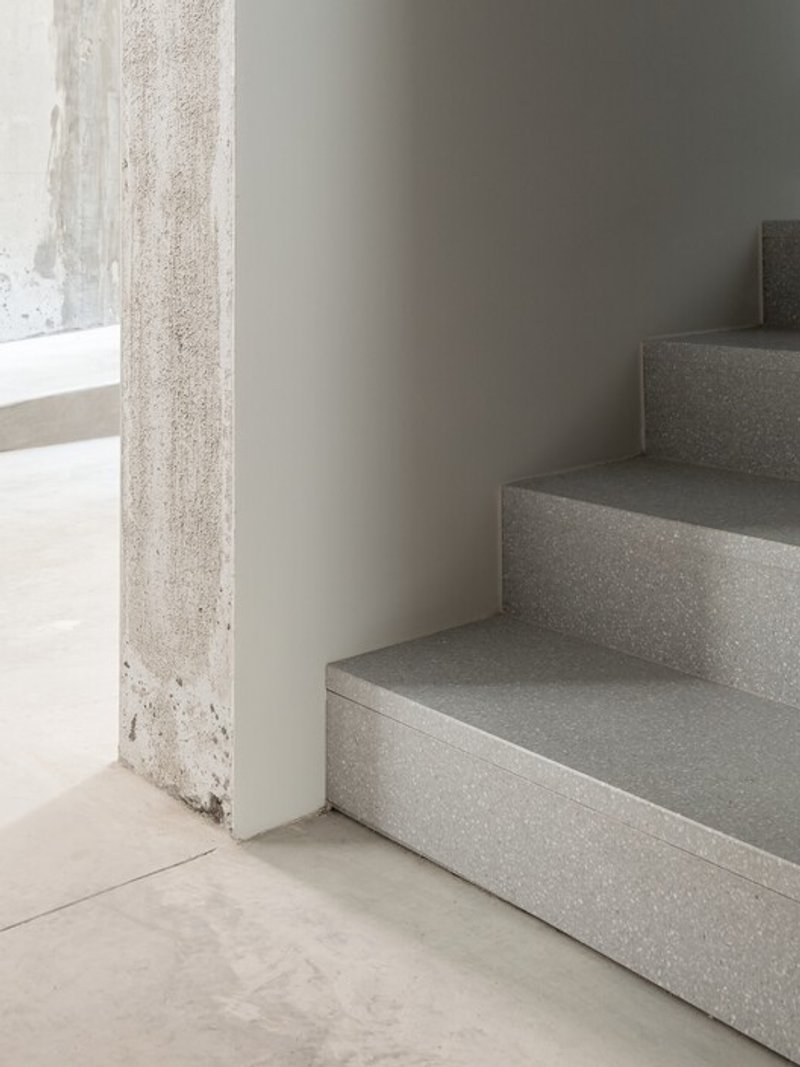
CLAB Architettura's material palette—reinforced concrete, cement-based composites, and laminated timber—was chosen to evoke the palazzo's early twentieth-century origins through contemporary architectural language. This strategy demonstrates sophisticated understanding of how contemporary interventions can reference history without mimicking it.
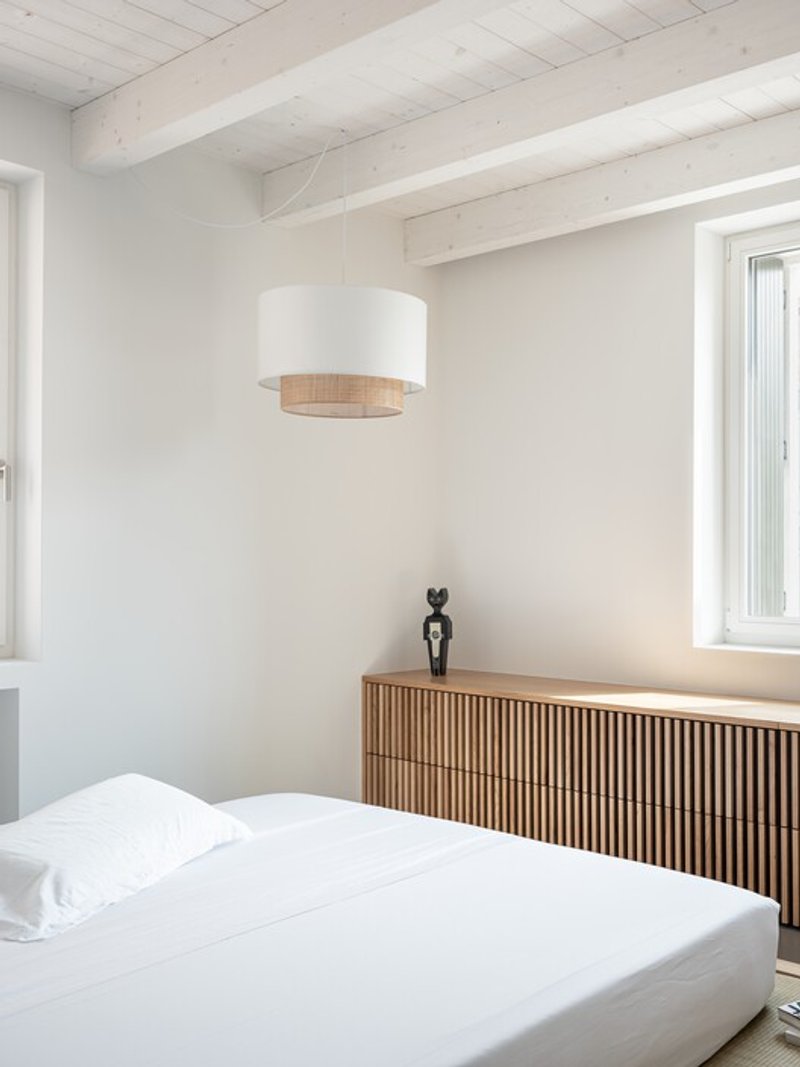
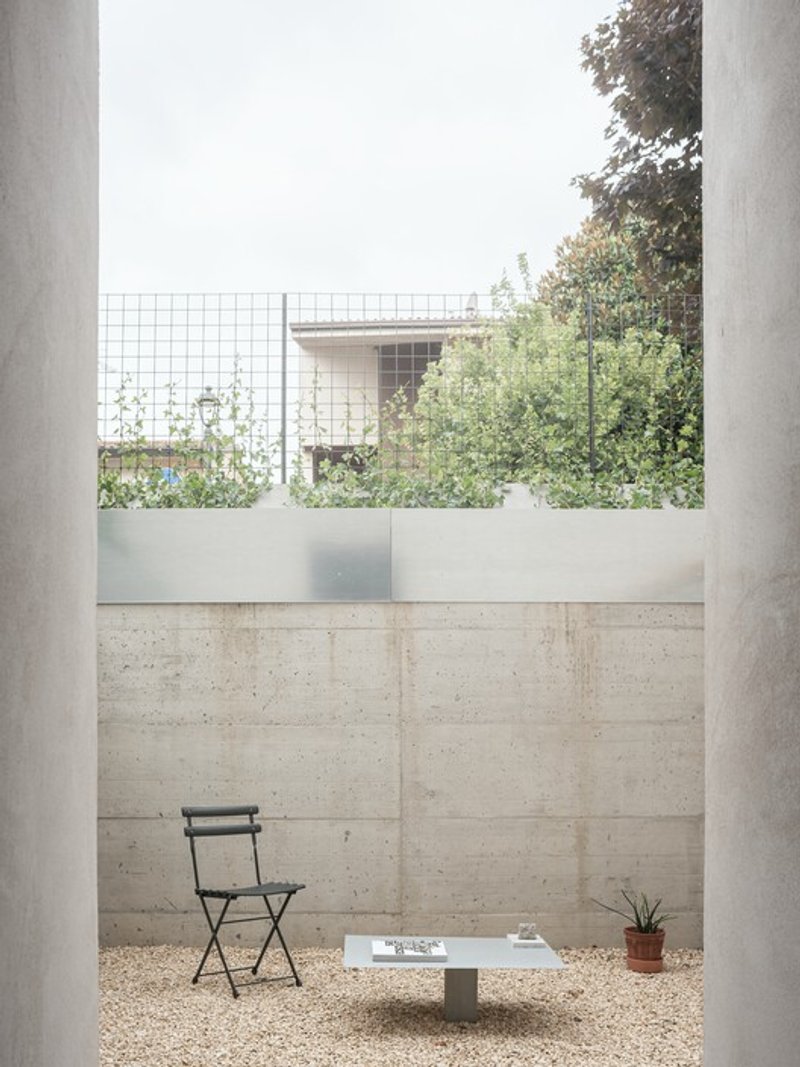
The early 1920s represented a transitional moment when industrialized building materials and prefabricated components began supplementing traditional construction. The original palazzo featured concrete base walls—among the earliest applications of this then-novel material in residential construction. By employing concrete, contemporary cement composites, and engineered timber, CLAB Architettura creates material continuity across the century separating original construction from current renovation while using these materials in ways that clearly express contemporary construction logic rather than pretending to be historic.
Reinforced Concrete
Concrete's use in the new basement slab and possibly floor systems references the material's early twentieth-century introduction into residential construction. The original concrete base walls represented progressive thinking in 1925; their presence justified contemporary concrete's extensive use in the renovation. However, current concrete technology differs dramatically from 1925 practice—higher strengths, better quality control, sophisticated reinforcement design, and various admixtures for specific performance characteristics make today's concrete a qualitatively different material even if chemically similar.
Cement-Based Composites
These materials likely include products like fiber-reinforced concrete panels, cement board, or specialized plasters and renders. Such composites offer specific performance advantages—impact resistance, moisture tolerance, dimensional stability—while maintaining material family continuity with concrete and traditional masonry construction.
Laminated Timber
The timber attic structure employs laminated wood products—glulam beams, laminated veneer lumber (LVL), or possibly cross-laminated timber (CLT) panels. These engineered products use traditional material (wood) processed through modern manufacturing to achieve structural performance exceeding sawn timber while using smaller, faster-growing trees more efficiently. The result references traditional timber roof construction while clearly expressing contemporary building technology.
Spatial Planning: Rationalization and Accessibility
Principles of Interior Organization
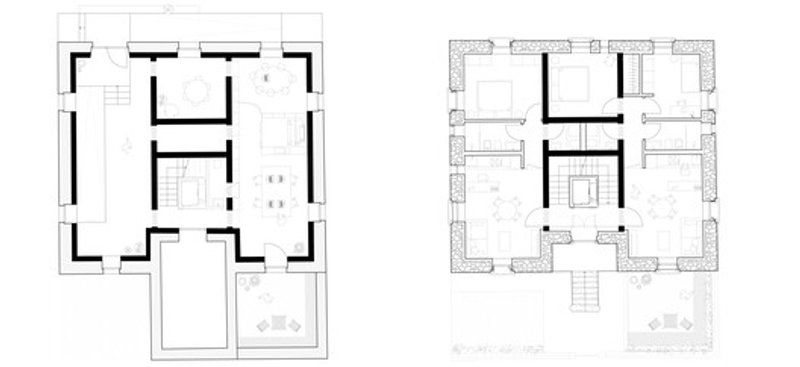
The internal layout reflects principles of structural and spatial rationalization—a design approach that emphasizes logical organization, clear circulation, and efficient use of space. This approach contrasts with the ad-hoc spatial planning often found in historic buildings that evolved through incremental modifications over decades.
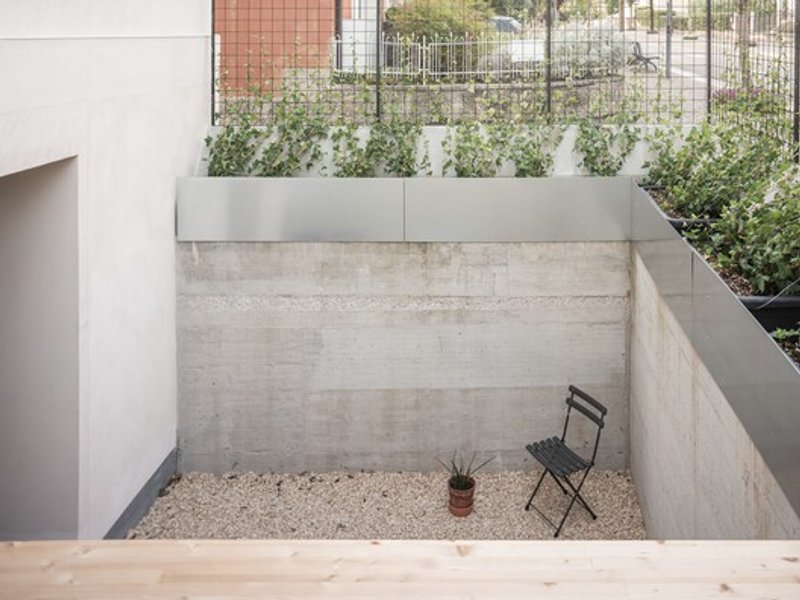
Structural Logic: Room layouts align with the structural grid established by the central core and perimeter walls, avoiding awkward spaces created when architecture and structure conflict.
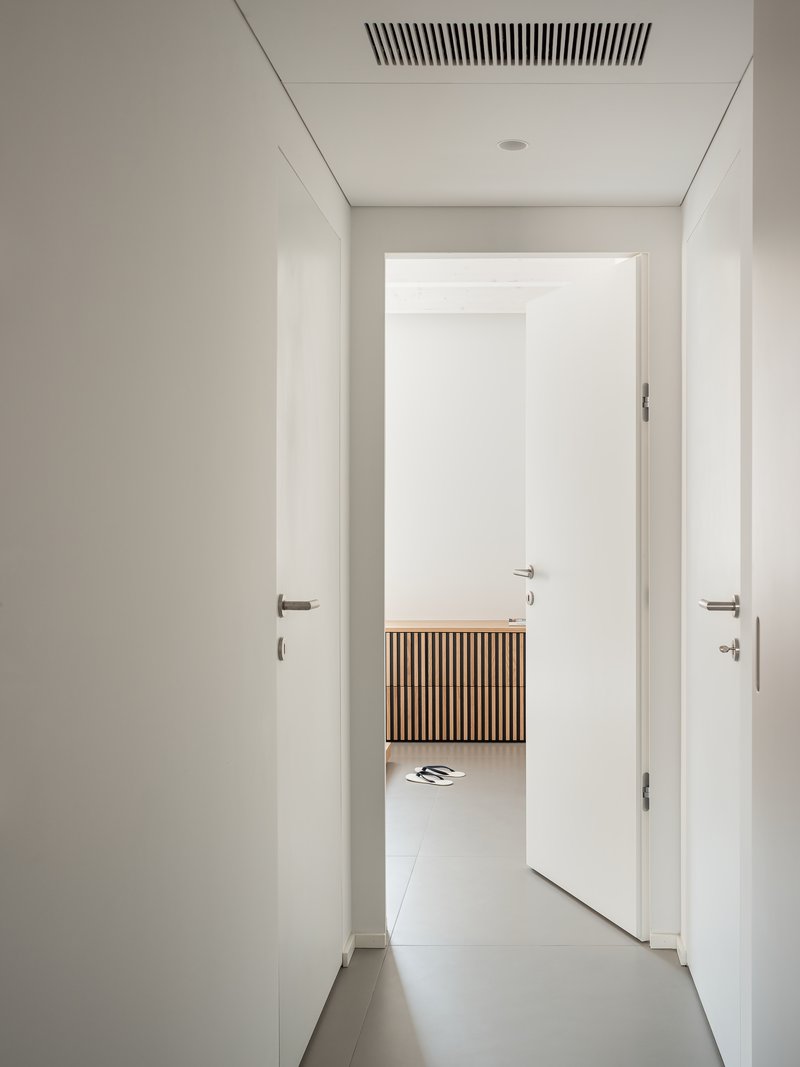
Spatial Clarity: Circulation paths are legible and direct. Room functions are clearly differentiated. Spaces have appropriate proportions for their intended uses.
Orientation: Rooms are positioned to optimize daylighting and views while grouping spaces with similar environmental requirements (bedrooms in quieter locations, living spaces toward better views, service spaces in less advantageous positions).
Accessibility: The integration of ramps into the circulation scheme ensures barrier-free access throughout the building—meeting contemporary standards that didn't exist when the palazzo was built and demonstrating commitment to inclusive design.
Contemporary Spatial Standards
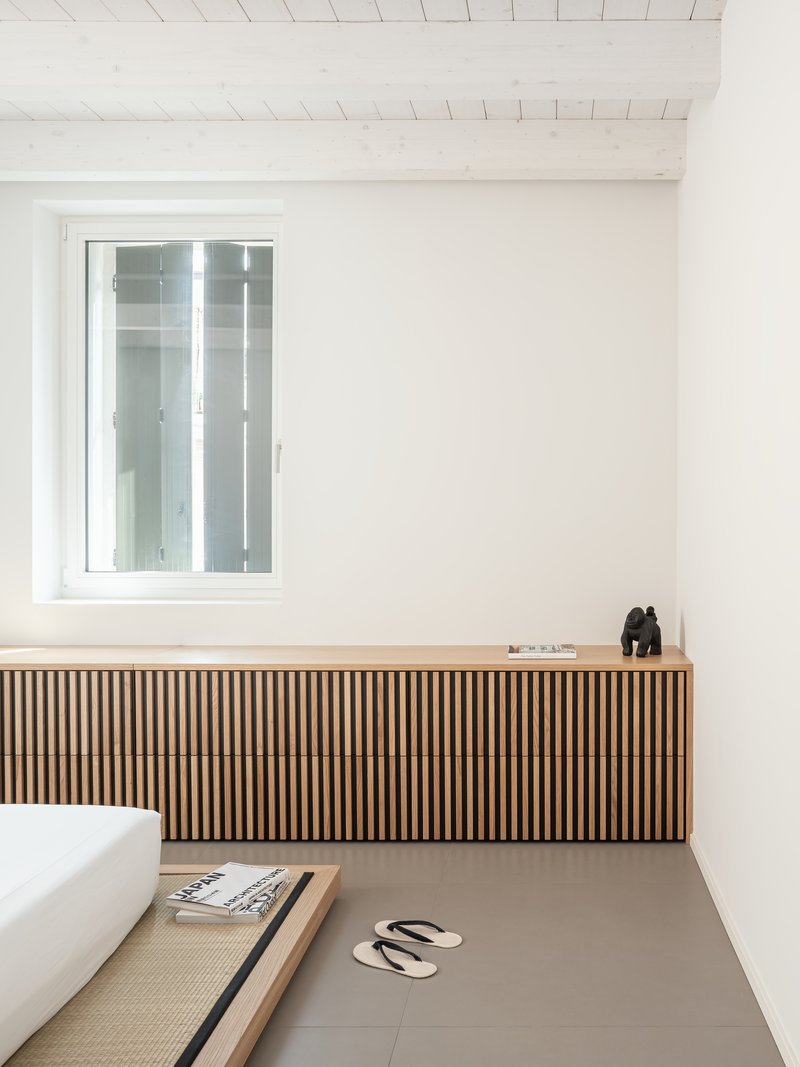
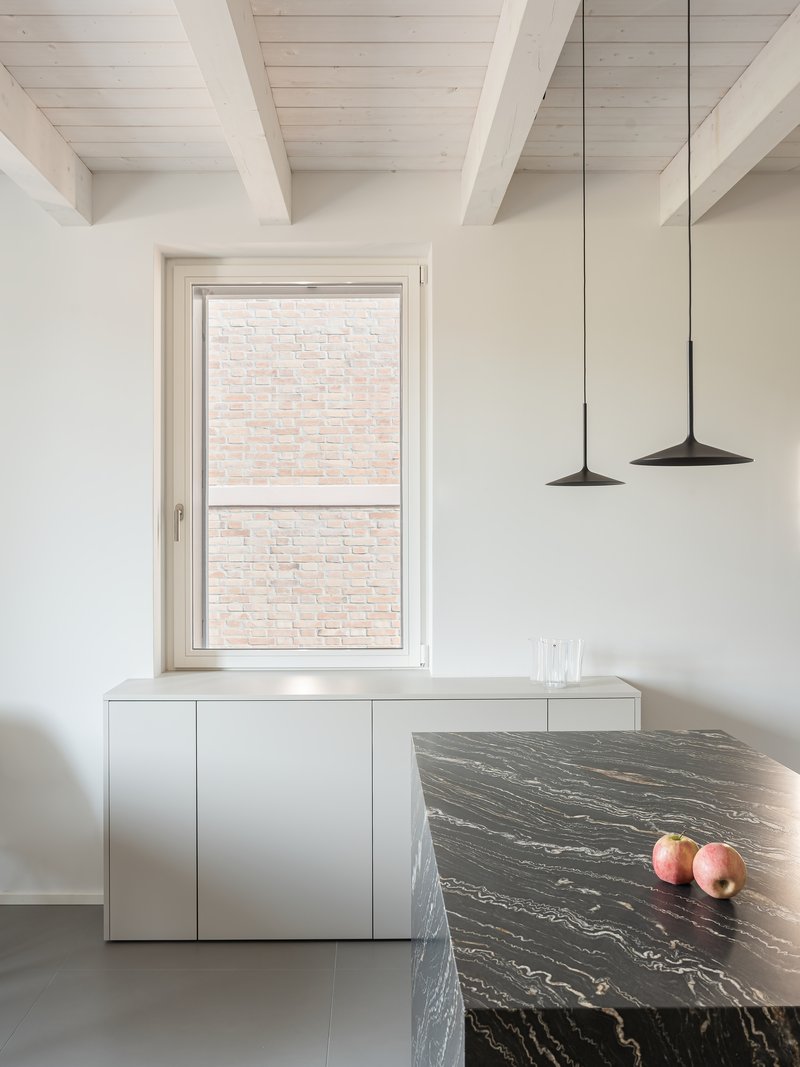
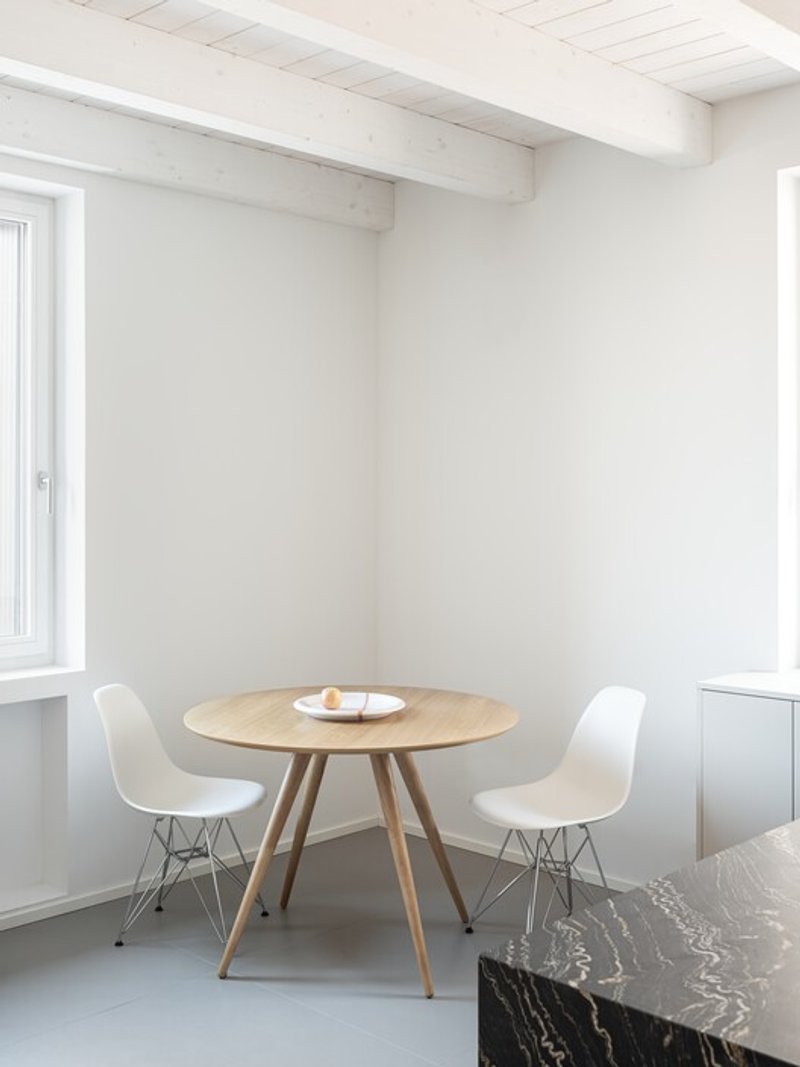
The rationalized interior allows the 345 square meters to be organized according to contemporary residential expectations—open-plan living areas, ensuite bathrooms, fitted kitchens, adequate storage, home office spaces—amenities that would have been absent or rudimentary in the 1925 configuration. Achieving this required complete interior reconstruction; preserving the historic interior layout would have resulted in spaces poorly suited to contemporary use, undermining the building's viability.
Exterior Intervention: Respecting Historic Fabric
Conservative Exterior Approach
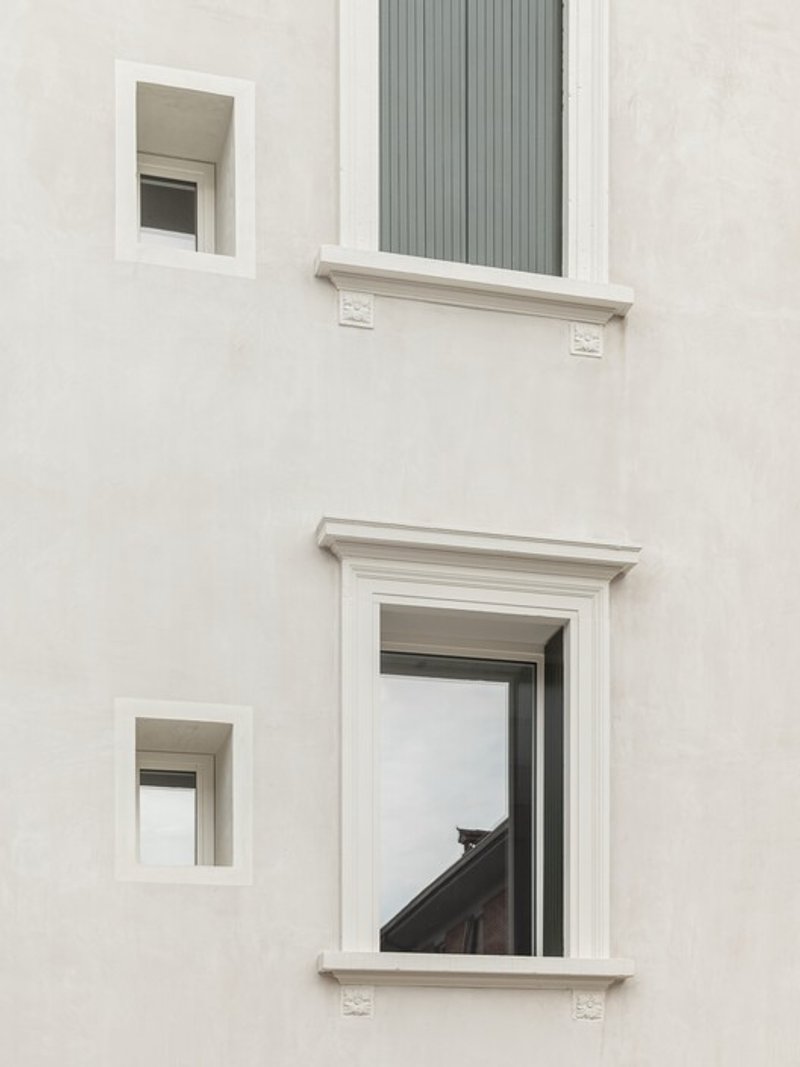
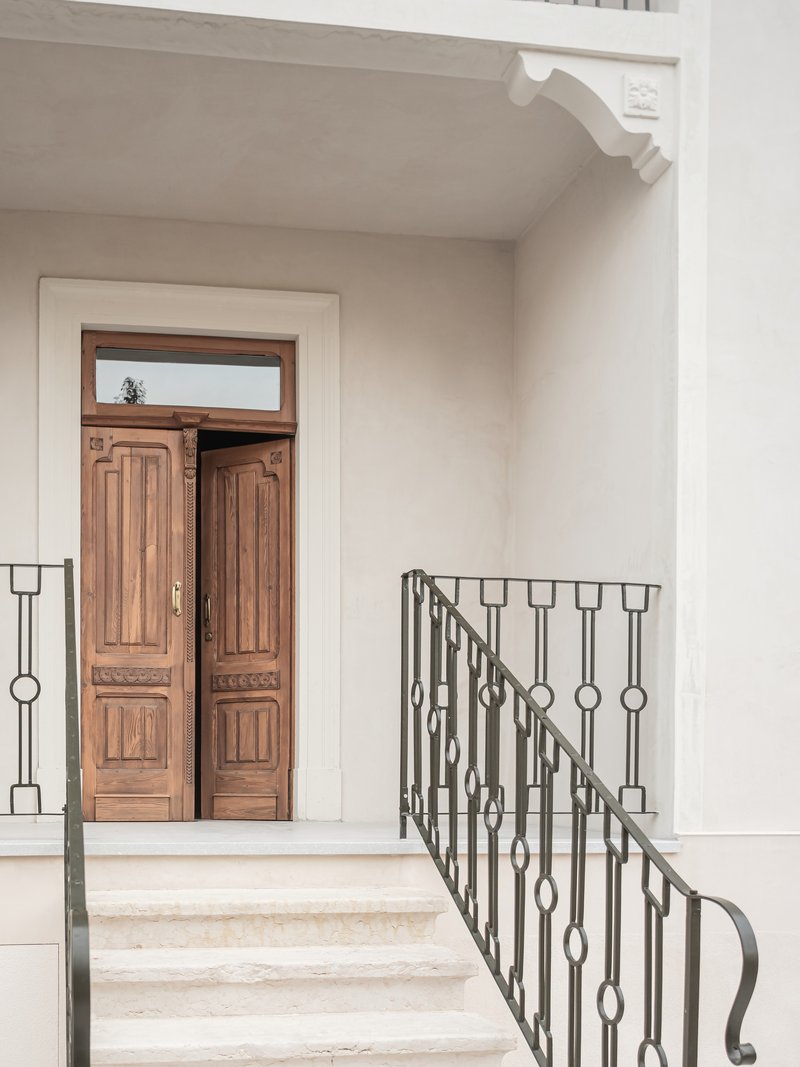
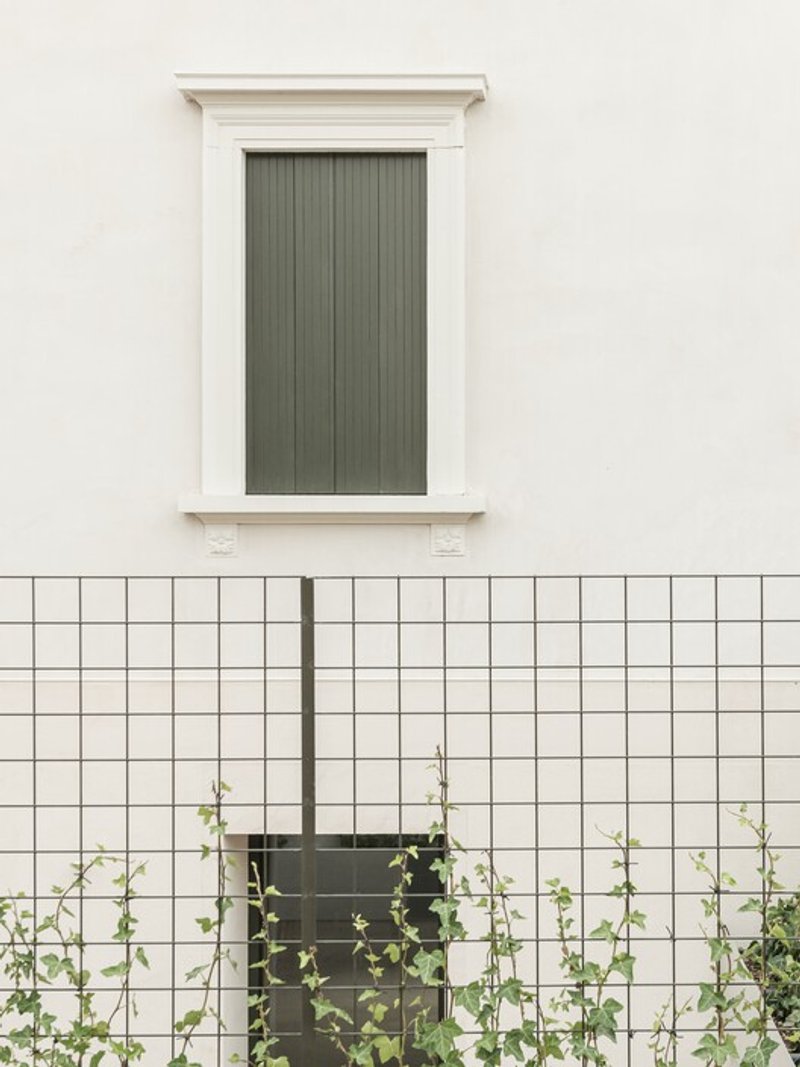
While the interior received comprehensive transformation, the exterior intervention respected the pre-existing fabric with minimal alteration. This asymmetry—radical interior change, conservative exterior preservation—represents a sophisticated heritage conservation strategy increasingly common in European historic building projects.
The façade retains its original composition—window openings, material texture, proportions, and ornamental details (if any) remain essentially unchanged. Street-facing elevations preserve the appearance that contributes to the historic avenue's character. The building maintains its contextual relationships with neighboring structures and the broader urban fabric.
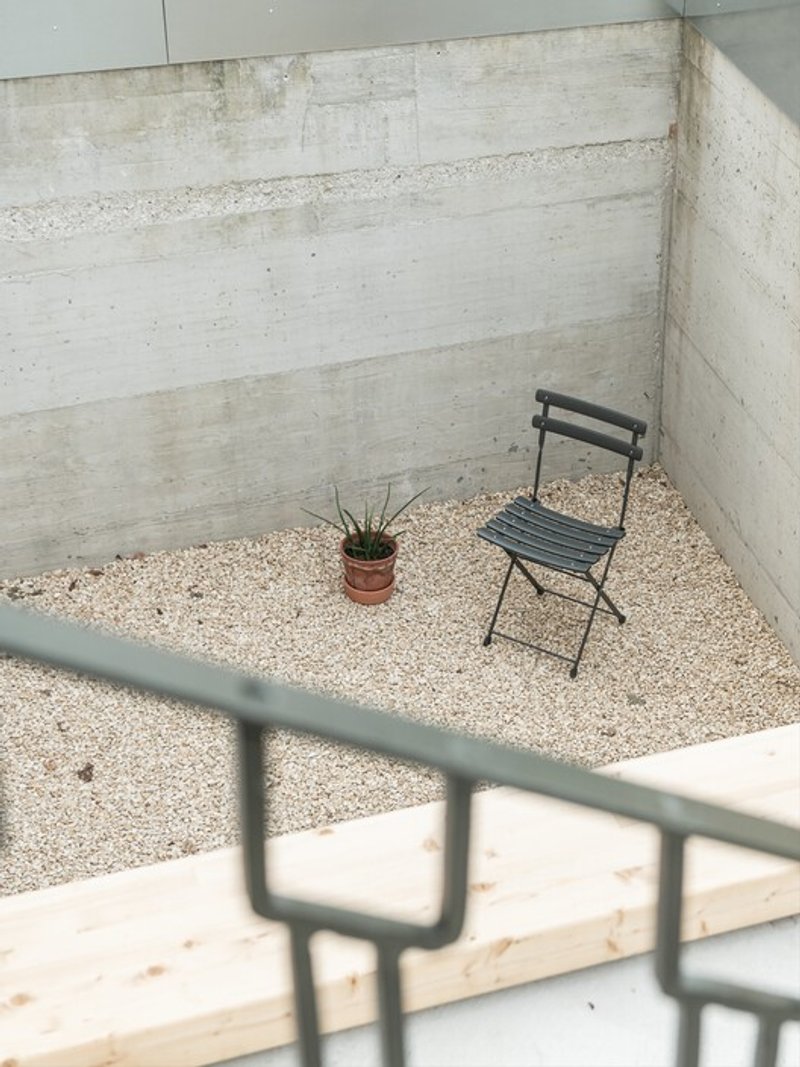
This approach recognizes that heritage value often resides more in external appearance—which shapes collective memory and urban identity—than in internal configurations that primarily affect individual occupants. By preserving exterior character while transforming interior function, the project serves both heritage conservation and contemporary utility.
Sustainability Considerations: Old Buildings as Green Buildings
Embodied Carbon Preservation
The decision to preserve and consolidate the existing perimeter walls rather than demolishing and rebuilding represents significant environmental benefit. The embodied carbon—greenhouse gas emissions generated during material extraction, processing, manufacturing, and construction—in existing masonry walls is substantial. Preserving these walls avoids both the emissions from demolition waste and the emissions from producing replacement materials.
This "embodied carbon preservation" increasingly factors into sustainability assessments. While new buildings can achieve excellent operational energy efficiency, the upfront carbon cost of construction is enormous. Renovating existing buildings, even if operational efficiency remains somewhat lower than optimal new construction, often results in better lifecycle carbon performance when embodied impacts are considered.
Adaptive Reuse Philosophy
Adaptive reuse—maintaining building structure while adapting use or upgrading performance—represents one of the most sustainable building strategies available. Palazzo Vittoria's renovation exemplifies this approach: the historic envelope receives new life, avoiding the waste and emissions of demolition while preserving cultural heritage and urban character.
Material Selection
The use of timber in the roof structure rather than concrete or steel reduces embodied carbon significantly. While the project uses concrete for structural elements where its properties are essential, limiting its application and incorporating wood where feasible demonstrates attention to material environmental impacts.
Operational Efficiency
The comprehensive systems upgrades and improved building envelope performance ensure that despite the constraints of working within a historic structure, operational energy consumption can approach or match new construction performance—though quantitative performance data would be needed to verify specific outcomes.
All the Photographs are works of Andrea Ceriani



Popular Articles
Popular articles from the community

Takeshi Hosaka Architects Suspends a Concrete Cross Above a Yokohama Cemetery
A 28-square-meter burial renovation in Yokohama lifts the symbol of resurrection into the sky so mourners see it against heaven.
3dor Concepts Wraps a Kerala Home in Mirrored Concrete Arcs Around a Courtyard Tree
In the Western Ghats foothills of Thamarassery, a 270 m² single-story house uses two curved volumes to frame nature as its center.
Ippolito Fleitz Group Identity Architects Turn Eight Floors in Shanghai into a Vertical Creative City
Publicis Groupe's new headquarters in Xintiandi reimagines the office as a courtyard-driven urban landscape stacked across eight floors.
HCCH Studio Wraps a Shanghai High-Rise Office in Curved Walls of Translucent Glass
A 1,000 square meter fit-out in Lujiazui replaces the typical tech-office palette with layered glass, micro-cement, and quiet rigor.

Similar Reads
You might also enjoy these articles

Olio Towers: A Mid-Rise for Performers That Fuses Housing, Rehearsal, and Stage
Located blocks from Houston's Theater District, this modular tower stacks living units around a central performance atrium.

Oasis: Modular Green Housing Carved into Dhaka's Urban Fabric
A shortlisted Plugin Housing entry reclaims unauthorized settlements in Dhaka with stepped concrete volumes, green roofs, and ventilation-driven design.

Black Hole: A Floating Megastructure for the Post-Physical Era
Emiliano Mazzarotto envisions a spherical, self-scaling arena where e-sports, digital hotels, and holographic stadiums replace traditional public space.
Compact & Sustainable Living in Piraeus: A Four-Level Family Home Built Around Light and Air
A narrow townhouse in one of Greece's densest port cities uses a central atrium and passive strategies to house three generations under one roof.


Explore Architecture Competitions
Discover active competitions in this discipline




The International Standard for Design Portfolios


The Global Benchmark for Architecture Dissertation Awards


The Global Benchmark for Graduation Excellence


Challenge to reimagine the Iron Throne
Comments (0)
Please login or sign up to add comments
No comments yet. Be the first to comment!