

Paper and Tea Headquarters: A Japandi-Inspired Workspace by Schwitzke Górski in Berlin
A serene Japandi-inspired office blending natural materials, tea culture elements, and minimalist design to create a calming, identity-rich workspace in Berlin.


The new Paper and Tea headquarters in the heart of Berlin marks a defining moment for the brand, introducing its first workspace that merges functional office design with an immersive, sensory environment inspired by the ritual of tea. Designed by Schwitzke Górski, the 289 m² office occupies a prominent space within AchtBerlin, a contemporary building in the city center. The project reinterprets the brand’s identity through a calm, minimalist, and nature-centered interior shaped by the principles of Japandi design, combining Scandinavian warmth with Japanese simplicity.
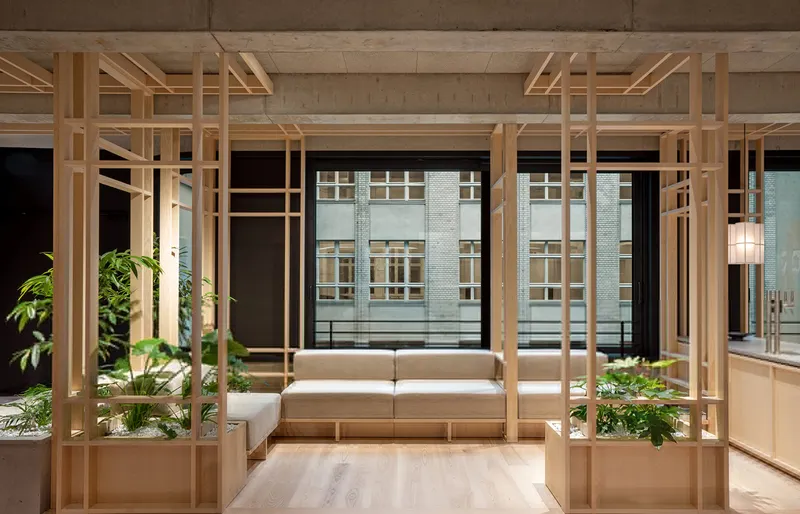
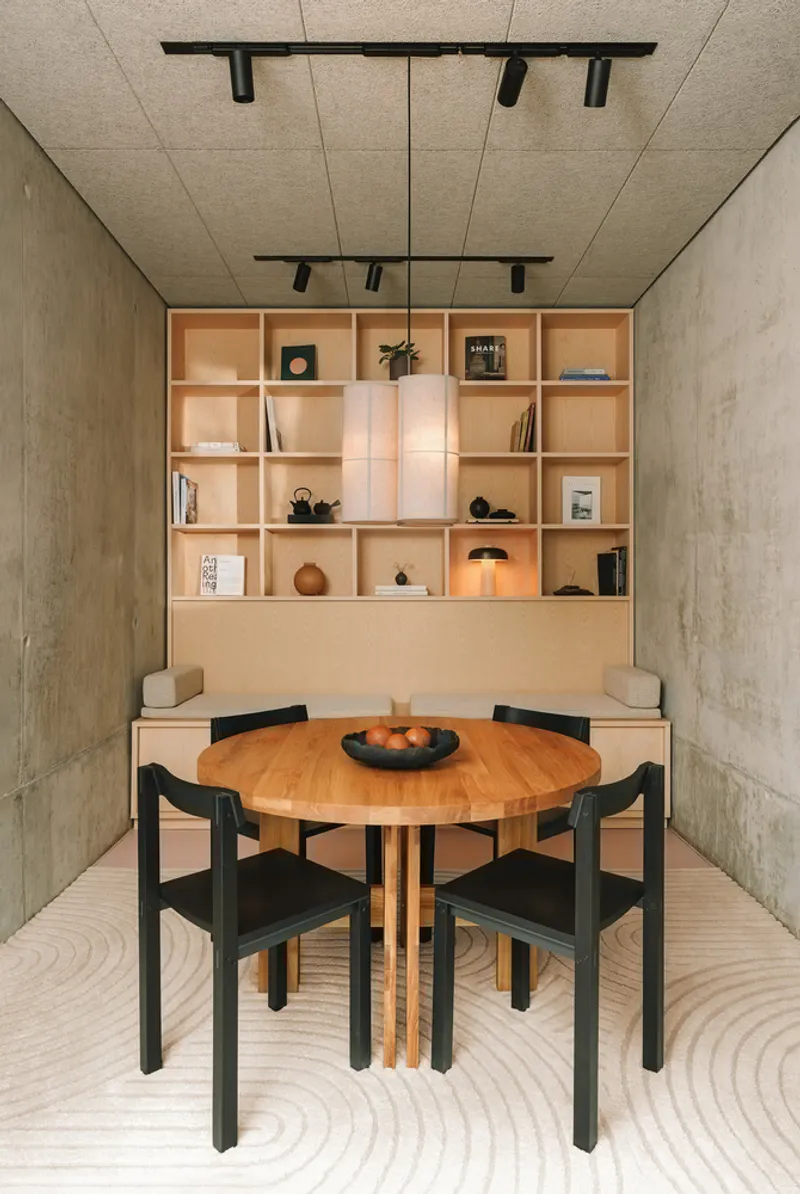
At its core, the project aims to create a workspace that supports productivity while inspiring creativity, relaxation, and meaningful interaction. The design encourages employees to freely explore the world of tea as part of their daily experience, bringing the brand philosophy to life within the architecture. Through curated materials, serene spatial compositions, and detailed craftsmanship, the architects crafted an office that functions not only as a workplace but as an expression of the company’s cultural DNA.
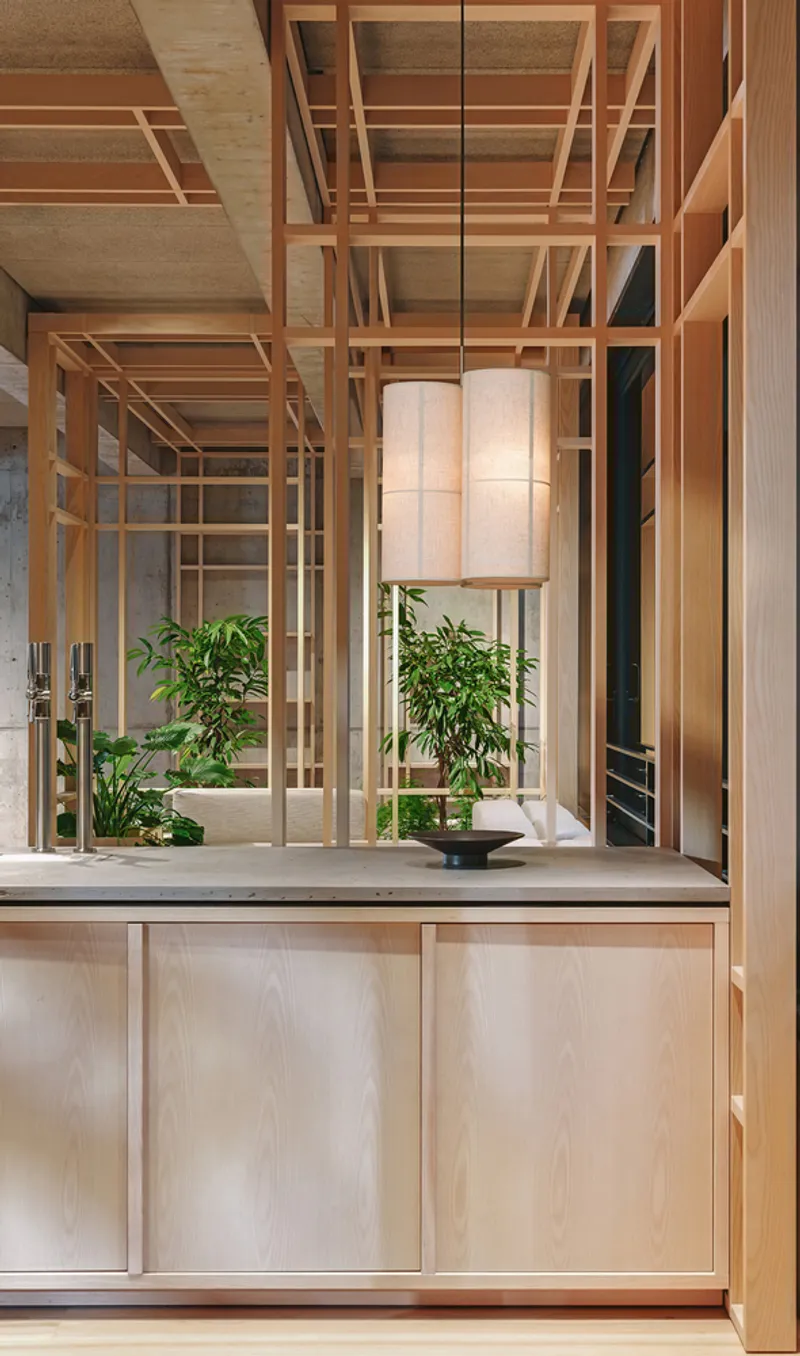
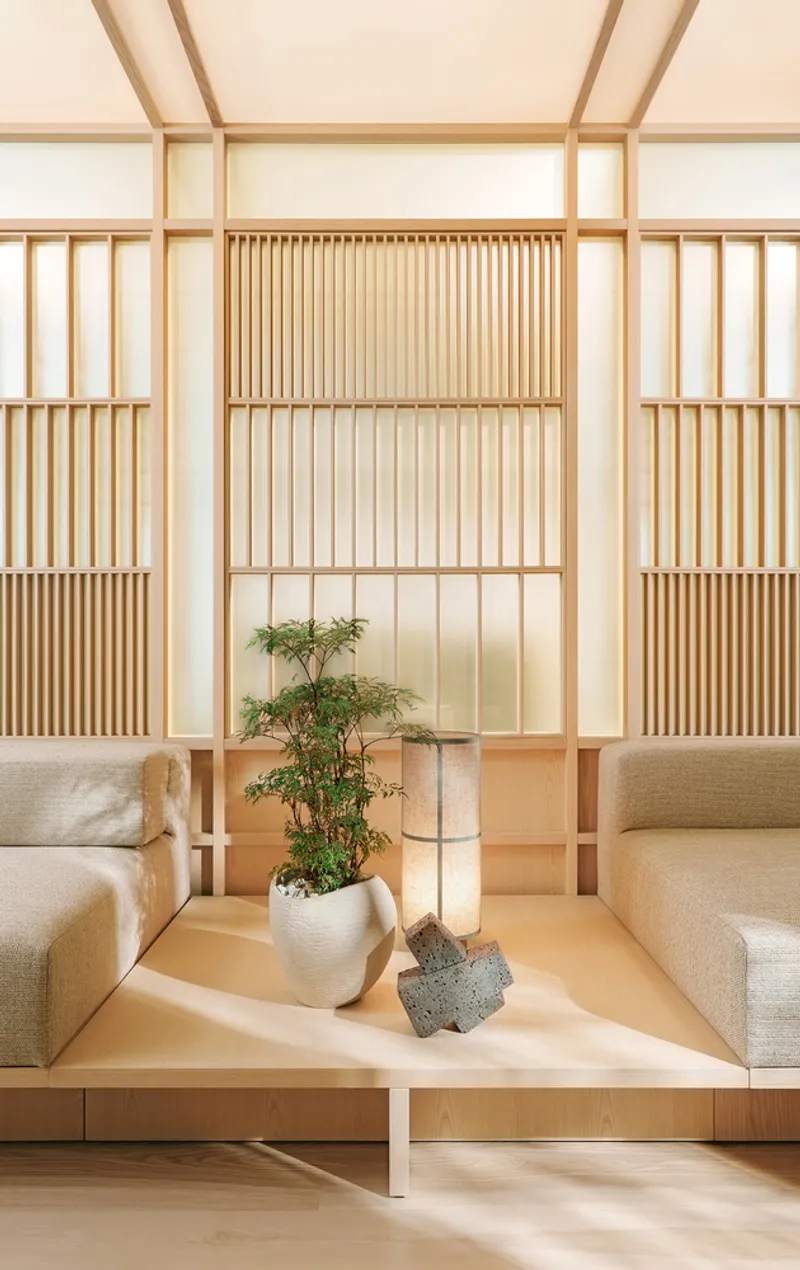
The interior palette relies heavily on natural wood textures, subtle grain patterns, and earthy finishes that echo organic landscapes. Vertical wooden elements, finely crafted surfaces, and soft forms establish visual harmony throughout the space. Materials inspired by washi paper reference Japanese craftsmanship, reinforcing the concept of purity and lightness. Every detail is intentional, creating an atmosphere that feels warm, grounded, and deeply connected to nature.
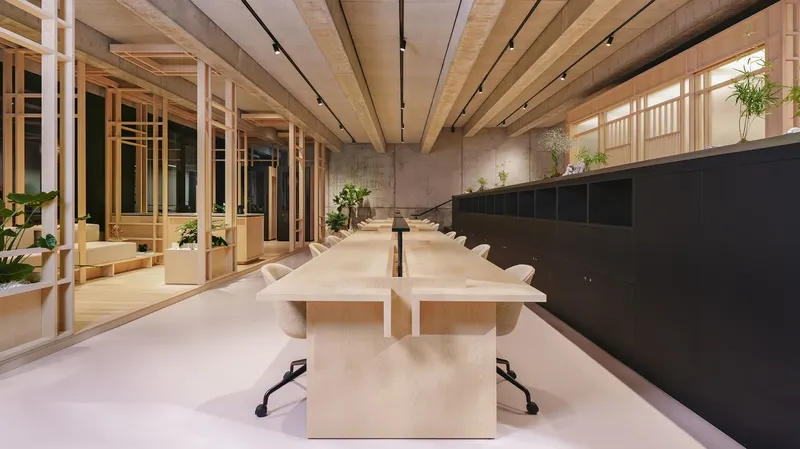
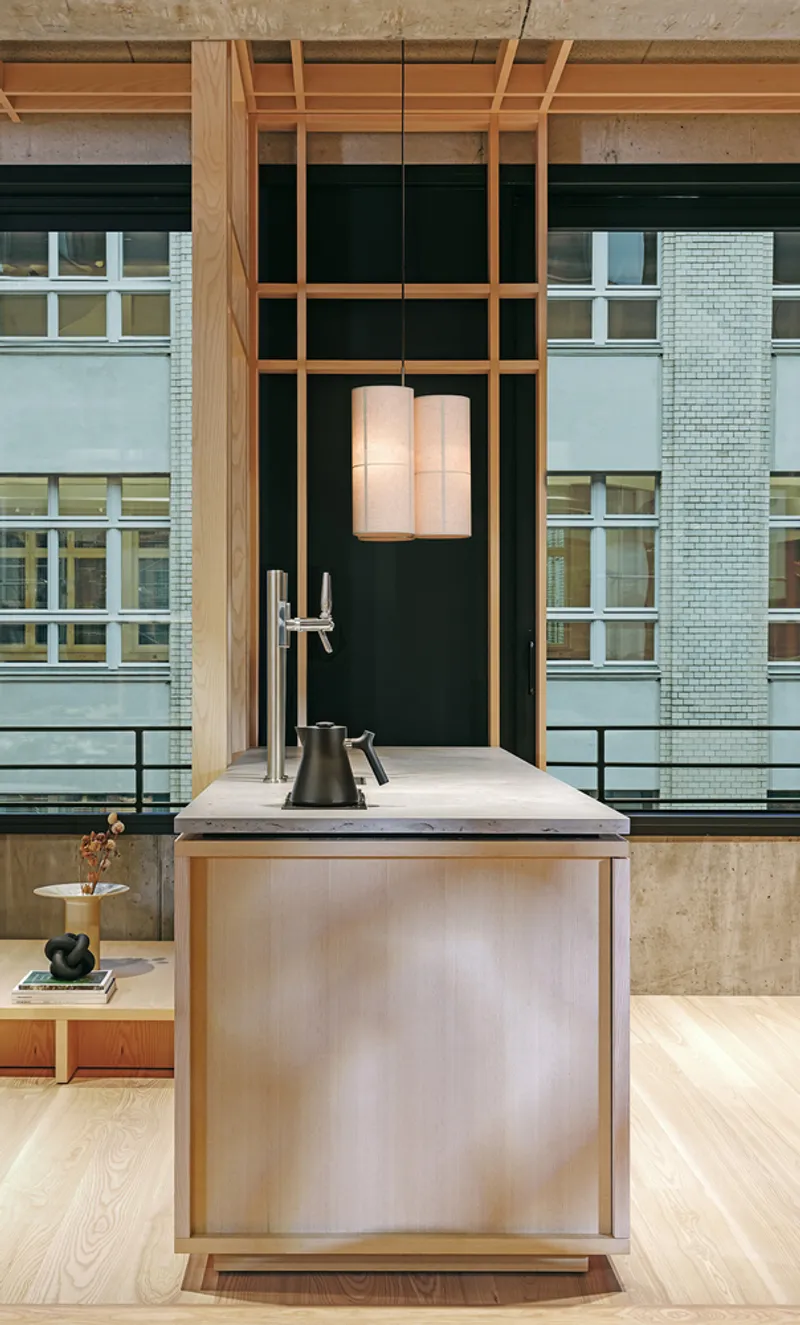
One of the most distinctive features is the Tea House, a sculptural wooden structure positioned as the focal point of the workplace. Drawing inspiration from traditional tea pavilions, the Tea House offers an intimate space for private conversations, quiet reflection, and focused meetings. Its enclosed form contrasts gently with the openness of the surrounding work areas, offering employees a retreat-like experience within the office environment.
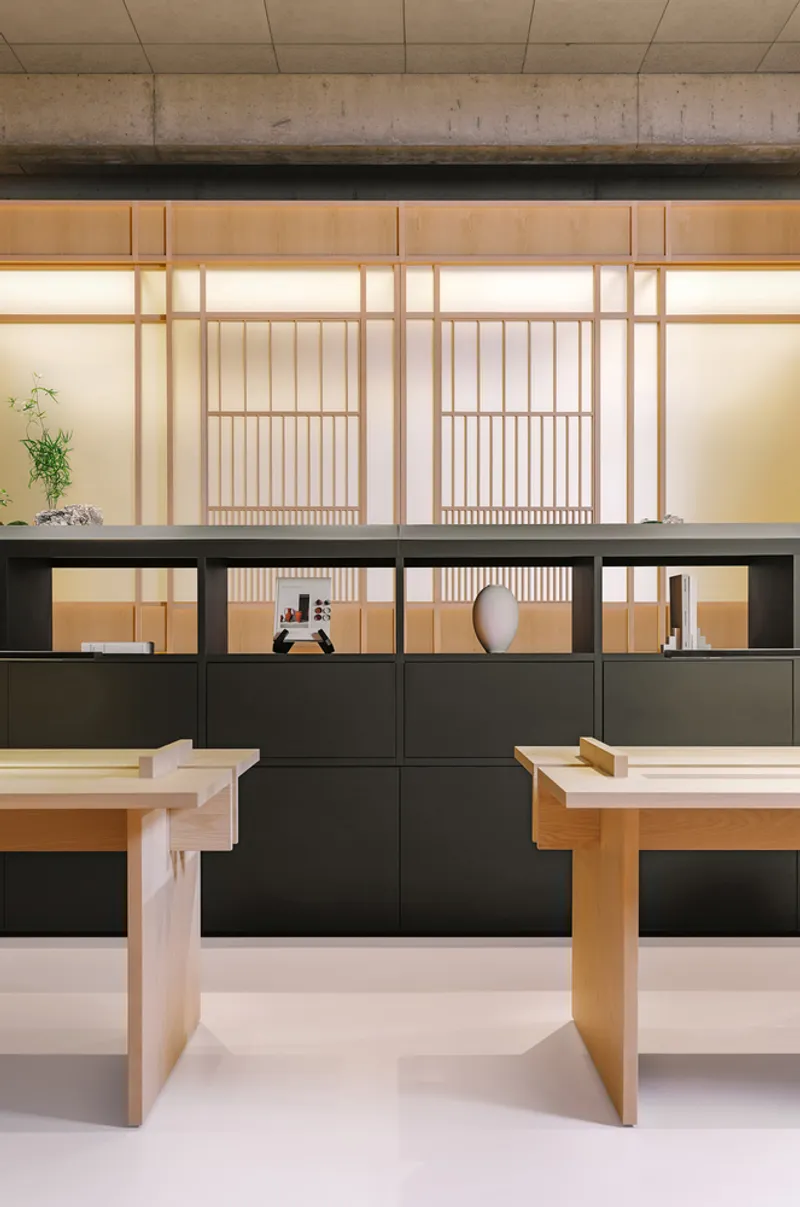

The workspace integrates elements of tea culture in subtle yet expressive ways. Custom-designed tables, display shelves, and soft seating areas reference ceremonial rituals, transforming everyday gestures into moments of calm. A dedicated tea bar invites employees and guests to pause, reset, and enjoy curated tea selections. This integration reinforces the brand narrative, making the office not just a place to work but a place to inhabit mindfully.
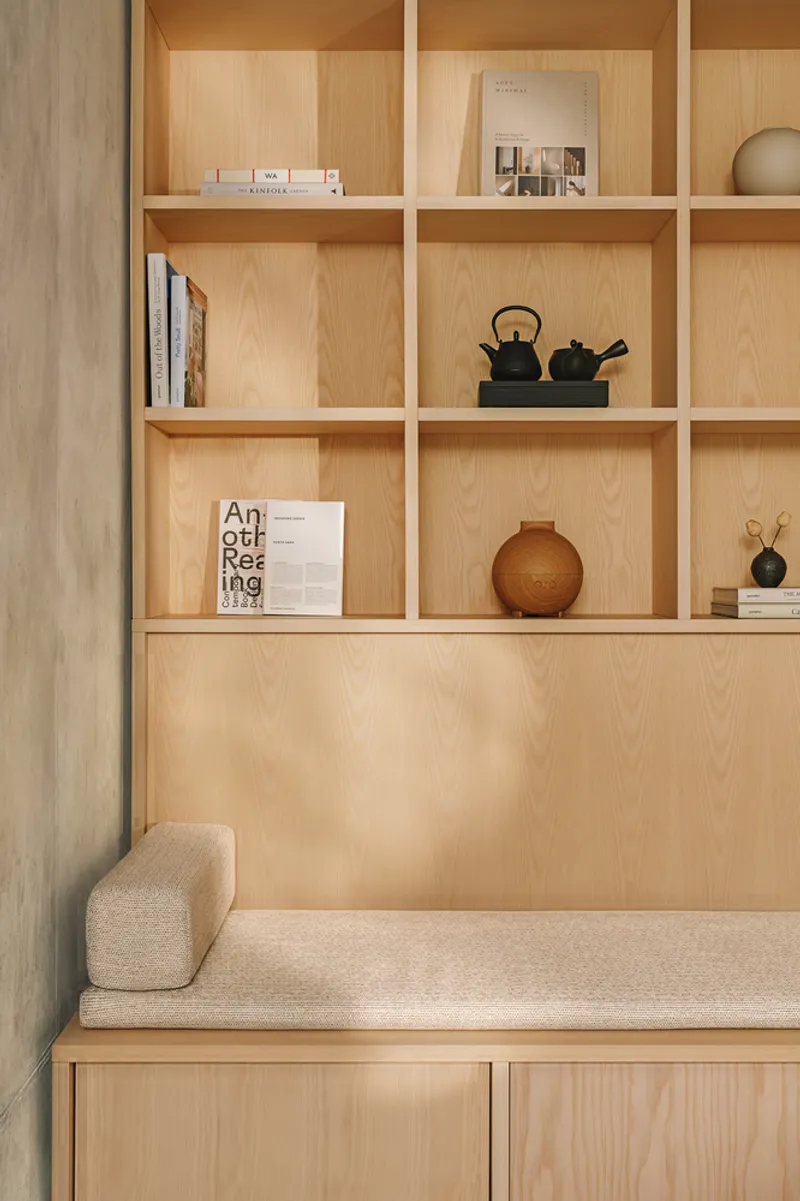
Greenery also plays a vital role in shaping the emotional tone of the office. Inspired by Japanese garden compositions, clusters of selected plants and natural stones create pockets of tranquility that enhance well-being. These landscape-inspired elements introduce organic textures, improving air quality and encouraging moments of rest throughout the day. The interplay of natural light, plant life, and soft materials fosters a holistic and restorative work environment.
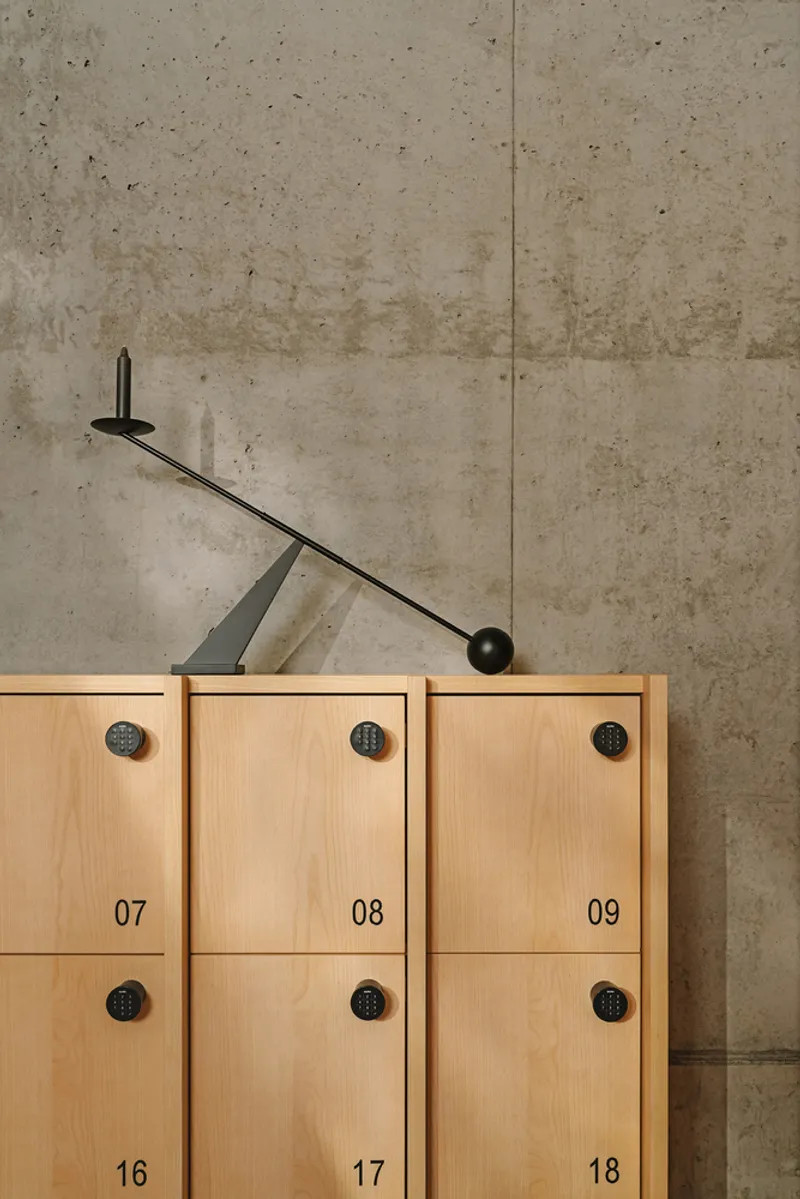
Throughout the project, the architects maintained a clear commitment to coherence, minimalism, and craftsmanship. Every material, form, and spatial gesture ties back to the brand’s ethos. As described by Izabela Kutyła, Creative Director at Schwitzke Górski, the design journey focused on creating a space where harmony and simplicity guide both aesthetics and experience. The result is an environment where employees feel connected to the culture of tea, supported by a design that elevates their daily routine.
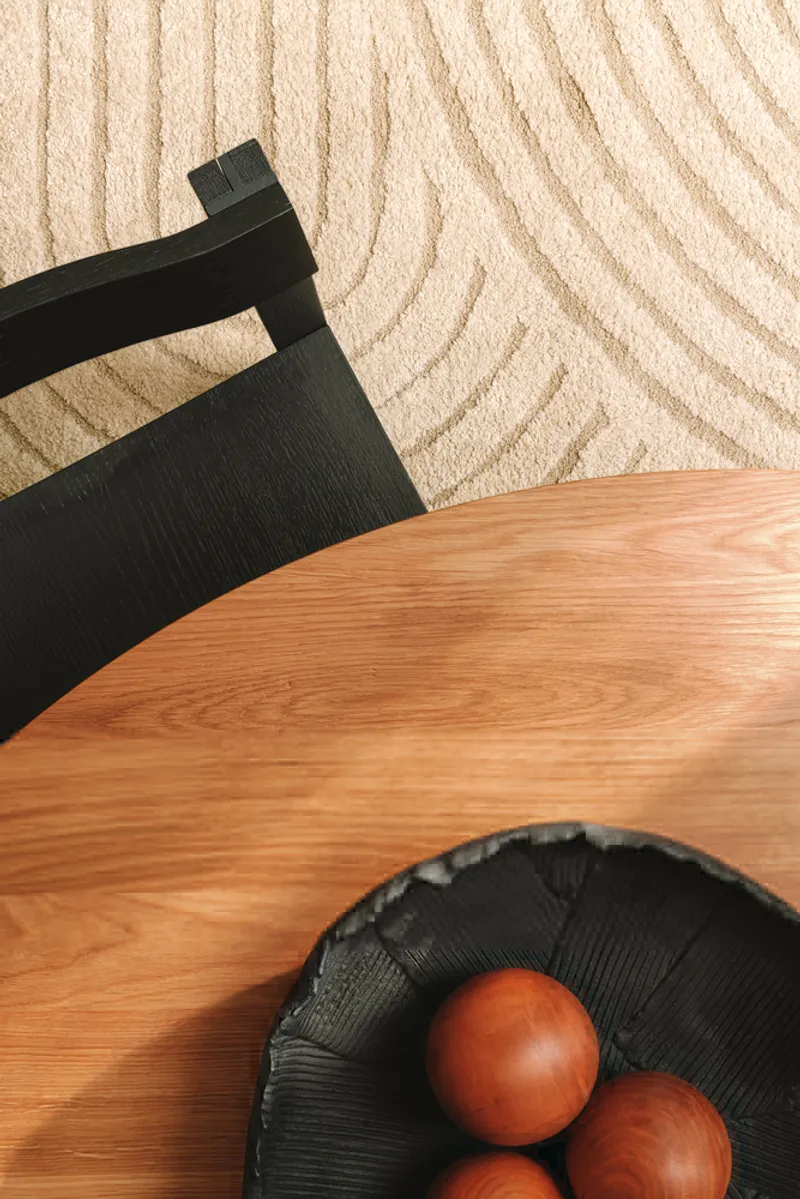
The Paper and Tea headquarters stands as a successful example of integrating brand identity into workplace architecture, demonstrating how interior design can shape culture, enhance well-being, and deepen the relationship between people and their environment. By embracing Japandi principles and celebrating the ritual of tea, the project transforms a Berlin office into a serene, identity-rich sanctuary.
All photographs are works of Clemens Poloczek



Popular Articles
Popular articles from the community


Co-Life: Senior Housing Design That Reconnects Older Adults With the City
Co-Life reimagines senior housing design through healing gardens, shared streets, workshops, and a sustainable community across generations.

Hill & Cross Opera: Sculptural Opera House Architecture Shaped by Tallinn’s Landscape and Identity
Hill & Cross Opera reimagines opera house architecture in Tallinn through its sculptural hill, civic plaza, glass wave and a luminous cross.

Co-life: Sustainable Architecture for Age-Friendly Community Living
Co-life reimagines sustainable architecture for seniors through courtyards, rammed earth, shared gardens, and spaces designed for belonging.

Play: Fragments of Their World
Familiar architecture becomes modular playground design, creating safe spaces where displaced children can learn, connect, imagine and play.


Similar Reads
You might also enjoy these articles


Hodi-Mandai Geram
Project Function: Preservation and revitalization of the Intangible heritage and socio-spatial identity of the Hodi by Housing, Cultural Memory Center, Sacred Grove, landscape, local tourism economy


Olio Towers: A Mid-Rise for Performers That Fuses Housing, Rehearsal, and Stage
Located blocks from Houston's Theater District, this modular tower stacks living units around a central performance atrium.

Oasis: Modular Green Housing Carved into Dhaka's Urban Fabric
A shortlisted Plugin Housing entry reclaims unauthorized settlements in Dhaka with stepped concrete volumes, green roofs, and ventilation-driven design.

Black Hole: A Floating Megastructure for the Post-Physical Era
Emiliano Mazzarotto envisions a spherical, self-scaling arena where e-sports, digital hotels, and holographic stadiums replace traditional public space.

Explore Office Building Competitions
Discover active competitions in this discipline



Challenge to reimagine the Iron Throne


Photograph architecture without architects


Illustrate the lost glory of Angkor Wat - Render Challenge


Design challenge to reuse E-waste
Comments (0)
Please login or sign up to add comments
No comments yet. Be the first to comment!