
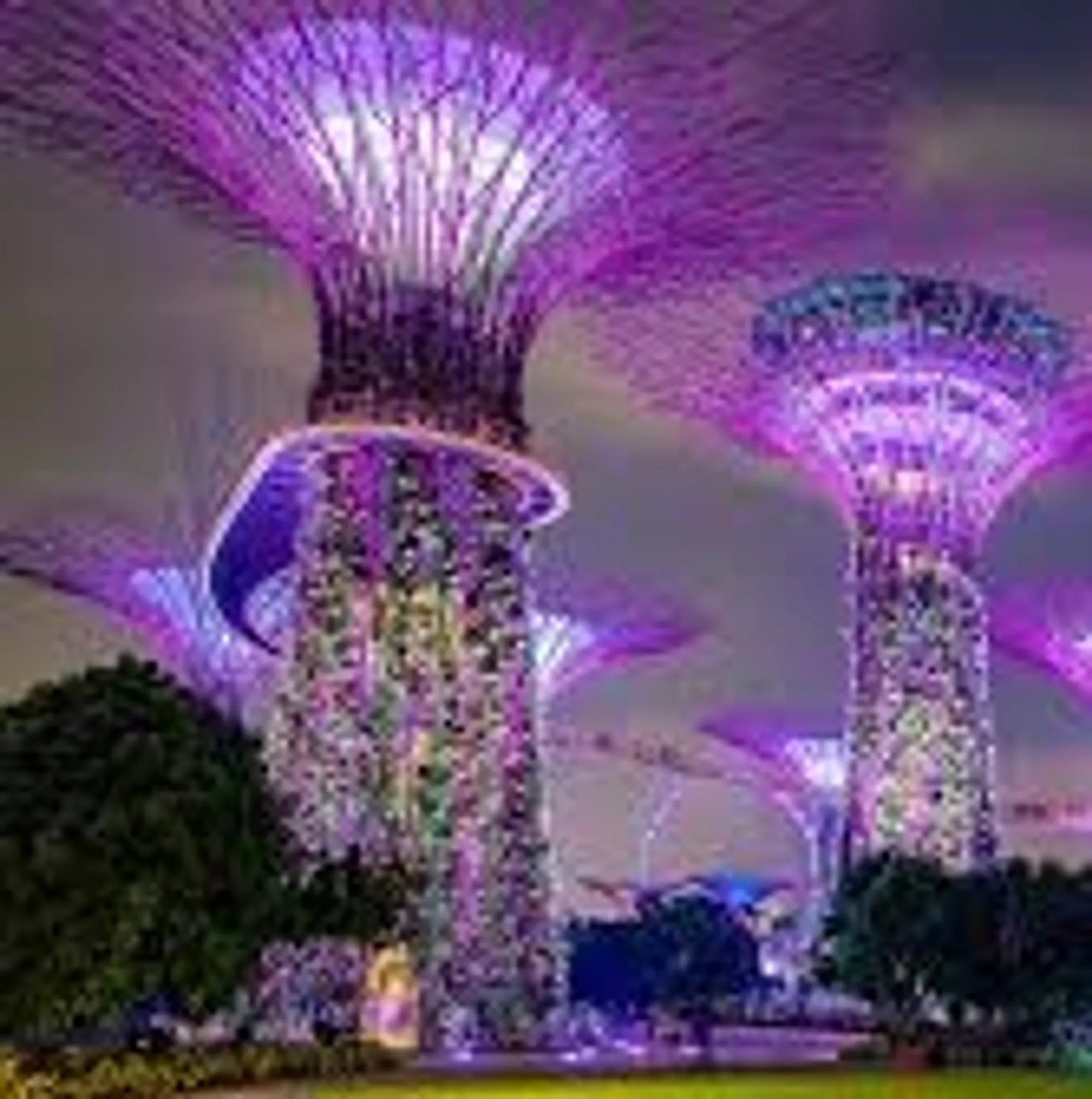
Paris fashion convention center - MX
Fashion Center

How architecture can have an impact in the fashion industry?
We would like to first to point every problem or situation that a fashion industry causes in general and we would explain how this project can have an impact in Concept, Aesthetic,
Sustainability ,Adaptability ,Upgradable.
The fashion industry has a disastrous impact on the environment. In fact, it is the second largest polluter in the world, just after the oil industry and the environmental damage is increasing as the industry grows.
In water consumption , cotton needs a lot of water to grow (and heat), but is usually cultivated in warm and dry areas. Up to 20,000 liters of water are needed to produce just 1kg of cotton. This generates tremendous pressure on this precious resource, already scarce, and has dramatic ecological consequences.
In waste accumulation clothing has clearly become disposable. As a result, we generate more and more textile waste. A family in the world throws away an average of 30 kg of clothing each year. Only 15% is recycled or donated, and the rest goes directly to the landfill or is incinerated.
Synthetic fibers, such as polyester, are plastic fibers, therefore non- biodegradable and can take up to 200 years to decompose.
Synthetic fibers are used in 72% of our clothing.
In gas emissions The global fashion industry is generating a lot of greenhouse gases due to the energy used during its production, manufacturing, and transportation of the millions garments purchased each year.
Synthetic fibers (polyester, acrylic, nylon, etc.), used in the majority of our clothes, are made from fossil fuel, making production much more energy-intensive than with natural fibers.
In Rainforest destruction Every year, thousands of hectares of endangered and ancient forests are cut down and replaced by plantations of trees used to make wood-based fabrics such as rayon, viscose, and modal.
Having said all these situations about the However, there are solutions and alternatives to mitigate these problems. The first step lies in building awareness and willingness that is why this design is based on a conceptual ideal in recycling which mass architecture does not represent something aesthetic but is represented inside in functionality, as we mentioned, since recycling is our conceptual idea, we propose that the spaces have a second use and that the furniture can be movable.
In water consumption our project is design to collect the water from the roof which has a slope that goes to a cistern and that water can be used to water the rest of the land that is garden.
The place is also meant to reduce the gas emissions by creating a facade sistem called spyder cristal, the way that the convention center is built does not reflect the sunlight and does not create gas emissions.
In rainforest destruction our design is planned to use prefabric materials, cristals, environmental drywalls because the mainly plan of the structure is reuse the space to walls can move or stay as it is the first plan.
The environmental and social cost of the fashion industry forces us to rethink fast fashion, and stresses the need for more sustainable business models and practices. Is fashion bad for the world?. It is not bad as long as the projects that we design are meant firstly in the environment impact and not in the fashion industry.
Many of the changes needed to make clothing more sustainable have to be implemented by the manufacturers and big companies that control the fashion industry. But as consumers the changes we all make in our behaviour not only add up, but can drive change in the industry, too.
Therefore if we contribute with our design to observed the way is built and people can rethink that is not just a convention center, it is way of living that is commited to the enviroment, they can take that idea and keep it on their minds not just for the events
We hope this project can ilustrate the way we design for the future of our humanity.


Popular Articles
Popular articles from the community


The Earth Pod: 3D Printed Homes for Resilient Refugee Communities
The Earth Pod reimagines refugee housing through 3D printed homes made from clay, combining resilience, self-sufficiency, and rapid shelter.

Play: Fragments of Their World
Familiar architecture becomes modular playground design, creating safe spaces where displaced children can learn, connect, imagine and play.

Lunar Spiral: Space Architecture Shaped by the Mathematics of the Universe
Lunar Spiral reimagines space architecture through Fibonacci geometry, lunar regolith, levitating habitats, and self-sustaining Moon living.

Riyadh For All: Intergenerational Urban Design for Active Aging in Rabat
Riyadh For All reimagines urban design in Rabat with intergenerational co-living, adaptive courtyards, and Moroccan cultural exchange today.

Similar Reads
You might also enjoy these articles

The Rhythm of Seasons
A Farmers' Market Connecting Nature and the City

More Than a Building-Designing a Living System
More Than a Building-Designing a Living System
Base Beyond
DESERT COMPOUND ARID: TOURISM OF ABSENCE AND ABUNDANCE





Comments (0)
Please login or sign up to add comments
No comments yet. Be the first to comment!