
ParkLife Apartment Building: A Sustainable Urban Oasis by Austin Maynard Architects
ParkLife Apartment delivers 9-star sustainable living with all-electric homes, communal rooftop spaces, and a distinctive roofline enhancing community-focused urban design.


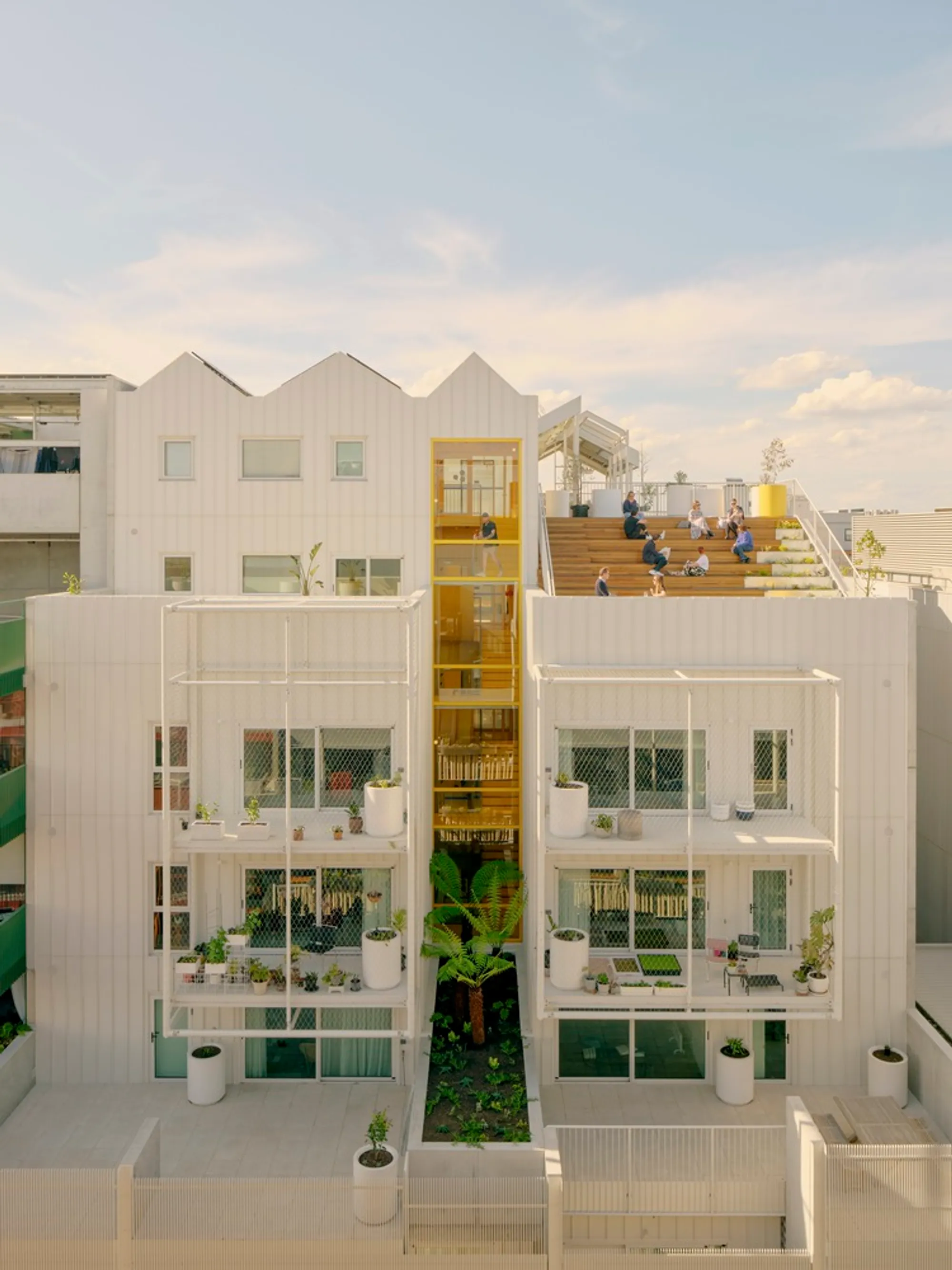
ParkLife Apartment Building by Austin Maynard Architects sets a new benchmark for sustainable, community-driven residential architecture in Melbourne’s inner north. Located within Brunswick’s pioneering carbon-neutral precinct, the 4,210 m² development combines environmental innovation, social inclusivity, and refined urban living. Designed as both Architect and Developer, Austin Maynard Architects apply years of research and lessons from their award-winning Terrace House to deliver 37 fossil-fuel-free, all-electric homes that prioritize people and the planet.
A High-Performing, Community-Focused Urban Model
ParkLife is conceived as a blueprint for future medium- to high-density living, offering a model where sustainability and community-building take precedence. The building proudly achieves an extraordinary 9-star energy rating, reflecting its commitment to passive design, renewable energy integration, and carbon-neutral operation.
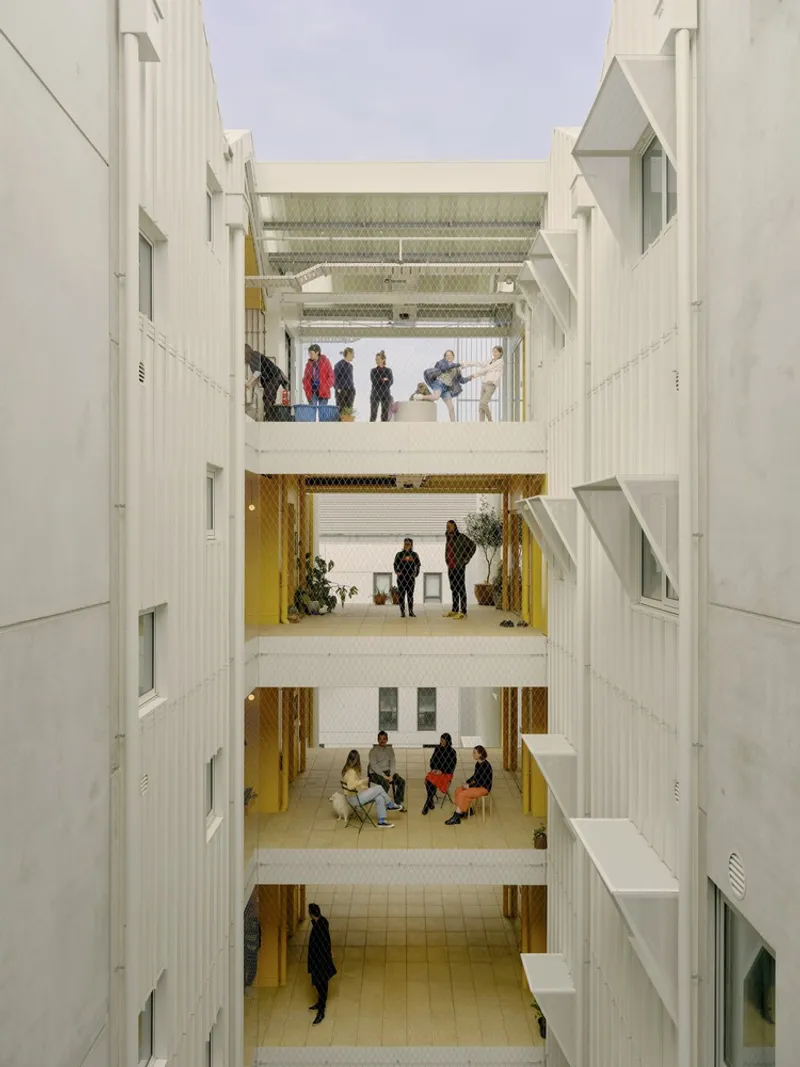
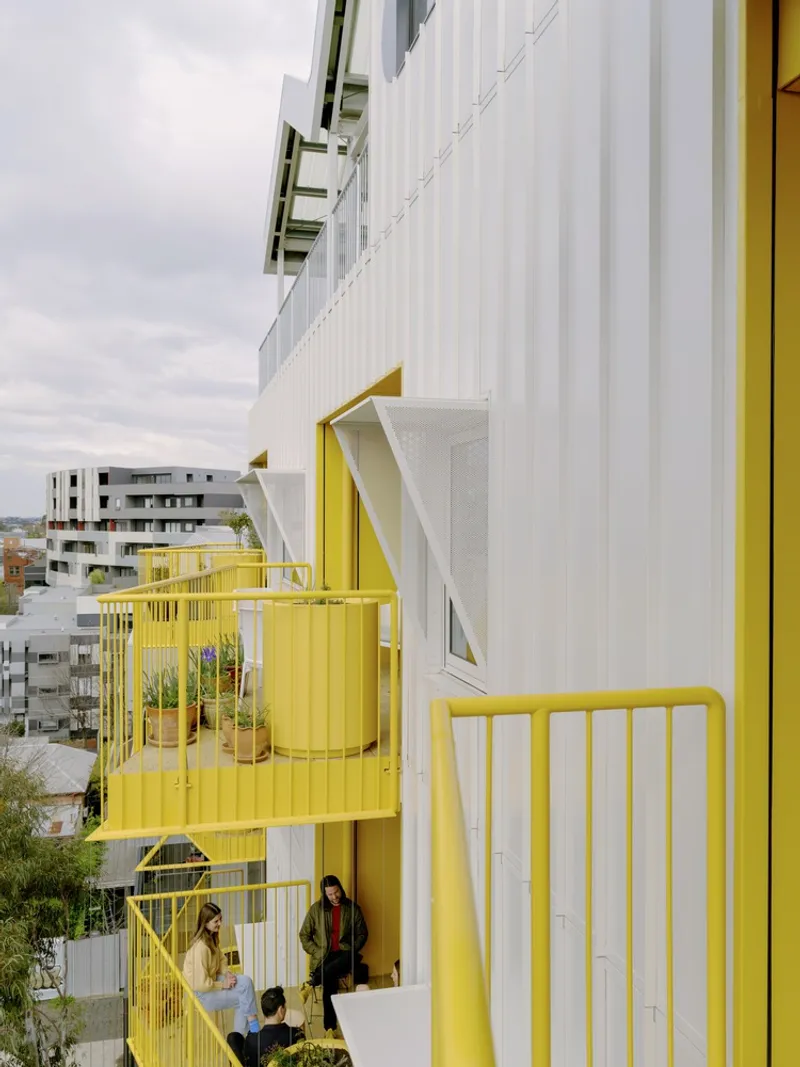
More than a residential block, ParkLife is imagined as a vertical neighbourhood, built on shared outdoor spaces, social connectivity, and a healthy, human-scaled architecture.
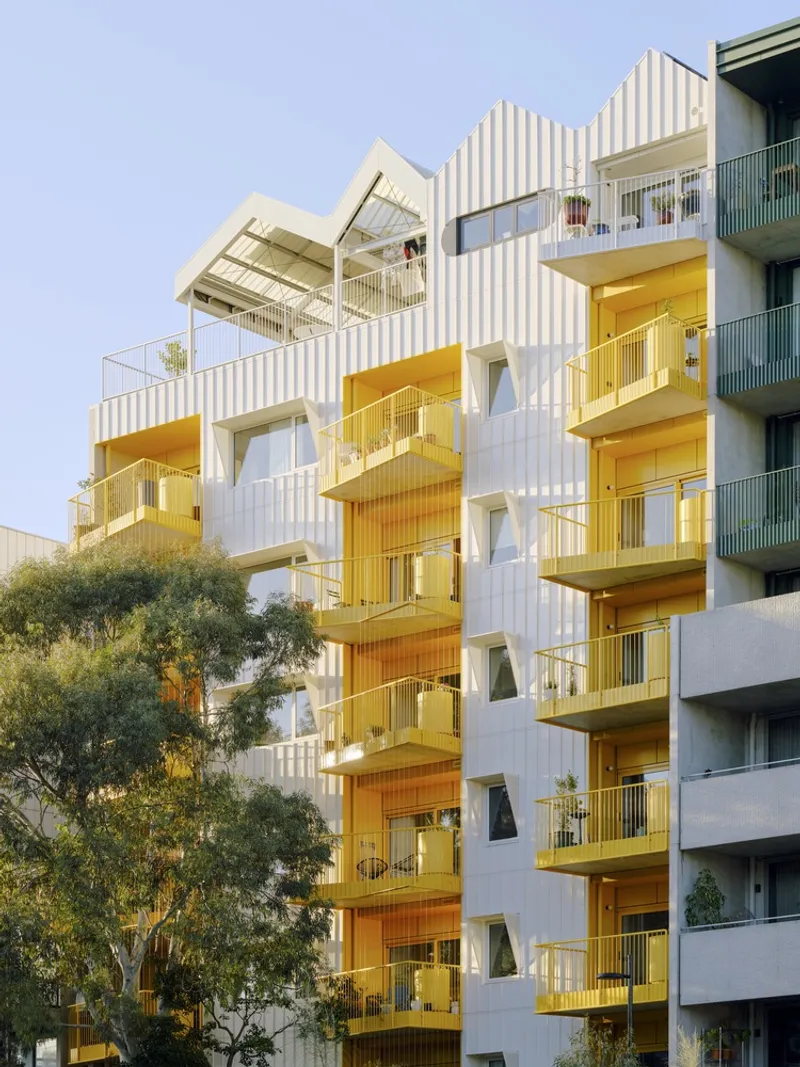
Architectural Character and Distinctive Roofline
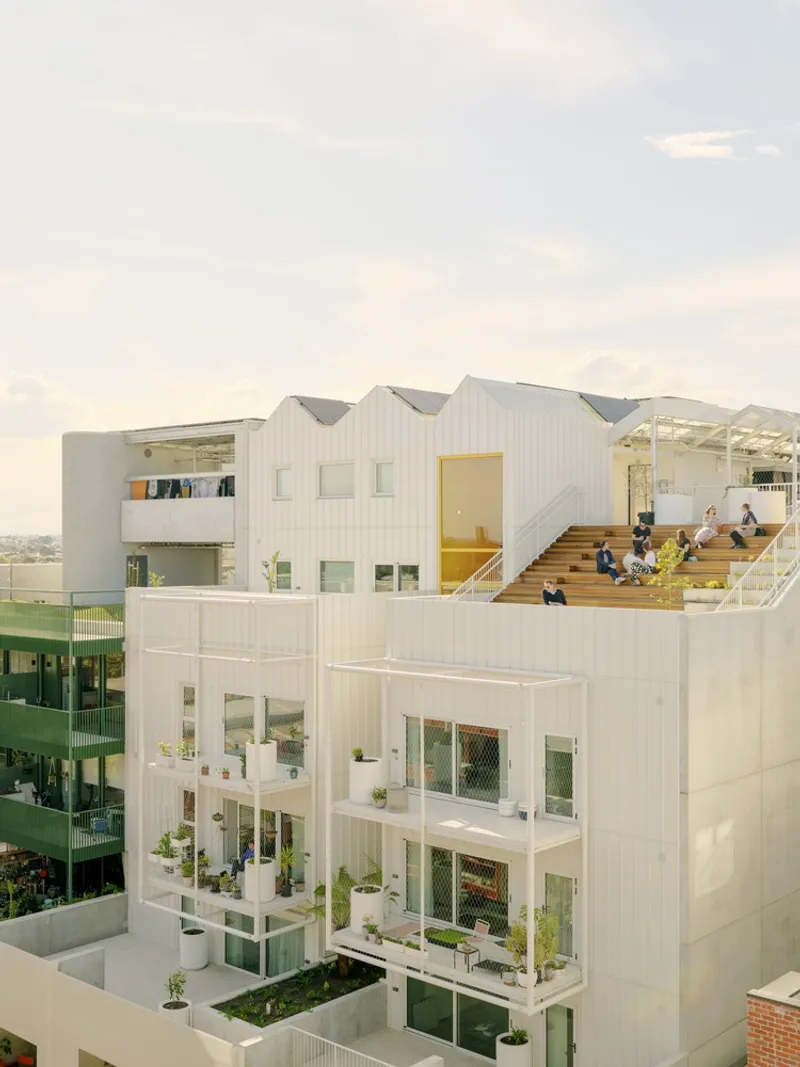
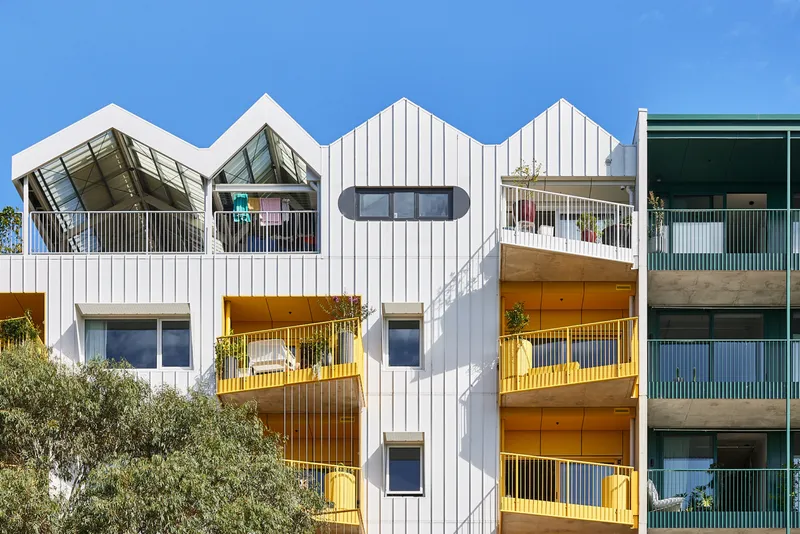
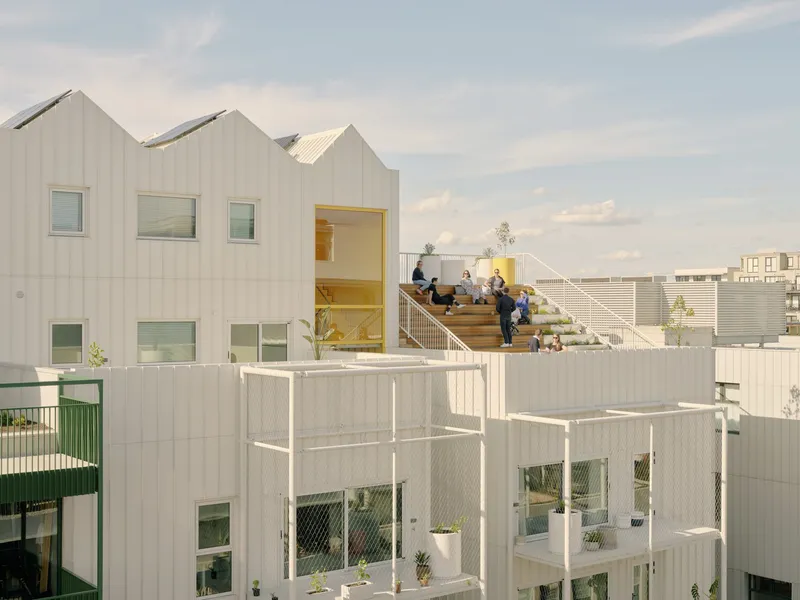
ParkLife’s architecture is defined by a bold, mountainous roof profile that enriches Brunswick’s emerging skyline. Rather than a uniform box, the form rises and falls, creating visual interest and offering unique spatial opportunities on the rooftop.
This expressive silhouette houses one of the building’s signature features: a rooftop amphitheatre—a sculpted social space open to residents for gatherings, events, and simply enjoying sunrise or sunset across Melbourne’s expansive sky.
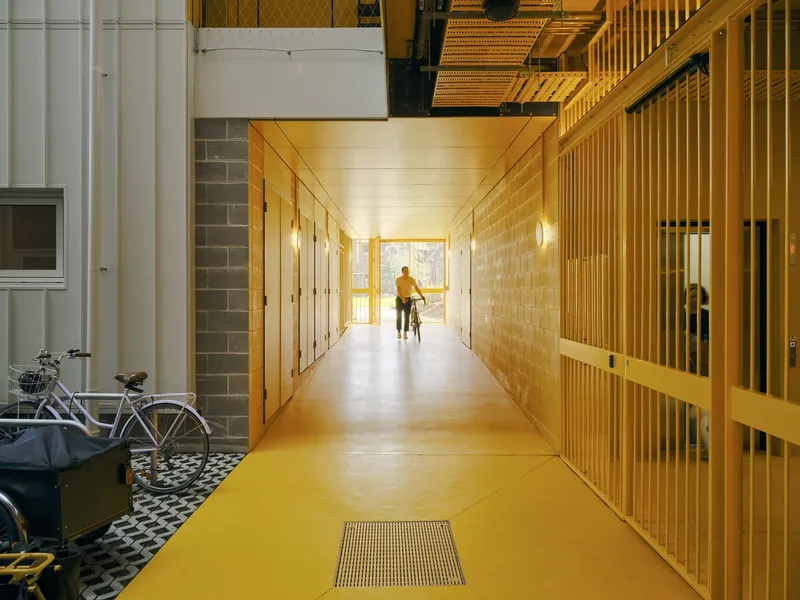
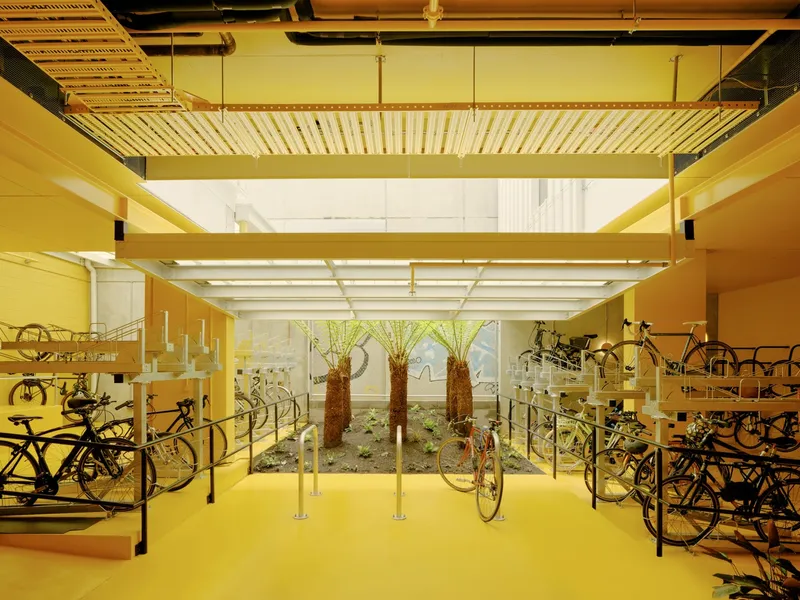
A Collection of Flexible, Light-Filled Homes
The development includes:
- 14 one-bedroom apartments
- 19 two-bedroom apartments
- 2 three-bedroom apartments
- 2 Teilhaus apartments—compact yet highly efficient micro-dwellings
- 5 social housing units in partnership with Housing Choices Australia
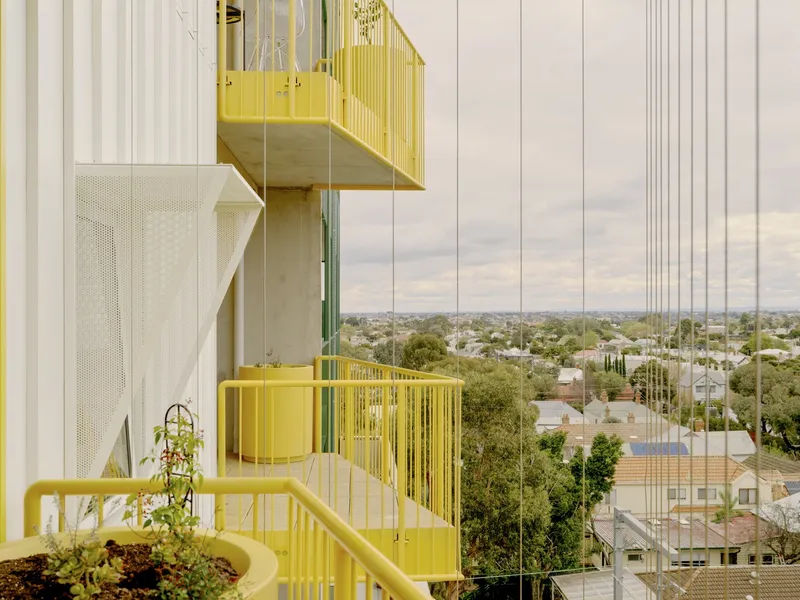
Every apartment is thoughtfully planned to maximize light, ventilation, comfort, and flexibility, ensuring residents enjoy the benefits of high-quality, future-proofed living. The entire project operates without gas, relying on efficient electrical systems and renewable energy sources.
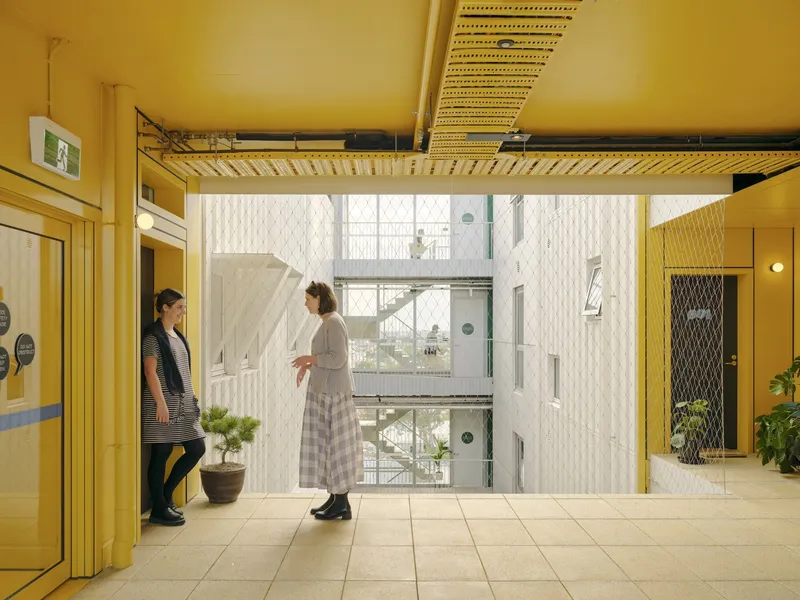
Layered, Diverse Communal Spaces
Instead of a single large rooftop plateau, ParkLife embraces diversity of scale and experience. Its landscape design—developed with Openwork—integrates nature, program, and resident wellbeing.
Key community zones include:
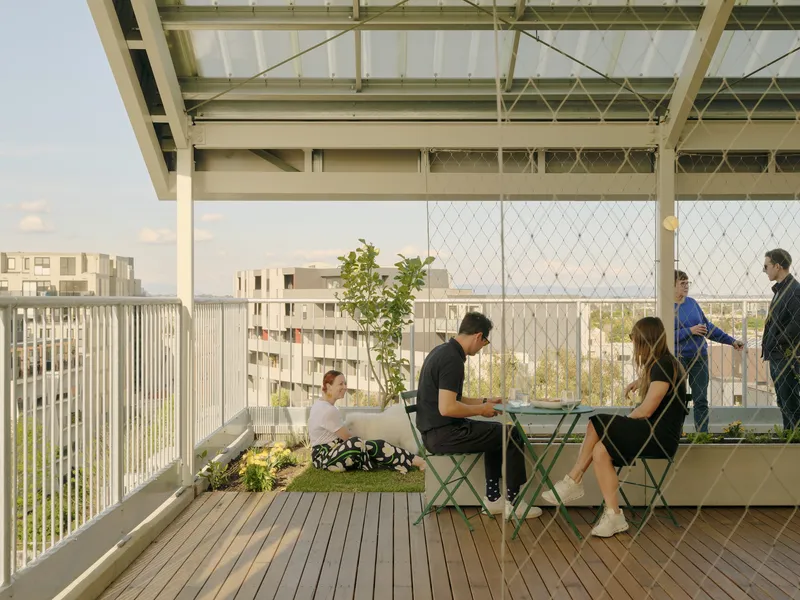
- A productive garden with fruit trees and a natural grass lawn
- A covered rooftop deck sized for group gatherings, equipped with an electric barbecue
- Practical shared amenities such as rooftop laundry, toilets, and drying areas
- The amphitheatre—a signature architectural gesture encouraging social interaction, relaxation, and event hosting
These varied outdoor spaces transform ParkLife into a holistic living environment, strengthening community ties and promoting daily engagement with landscape.
Sustainable Design at Every Level
ParkLife’s sustainability framework is comprehensive, combining passive and active strategies to reduce carbon impact throughout the building’s lifecycle.
Key sustainable features include:
- All-electric homes with zero reliance on fossil fuels
- High-performance insulation and passive heating/cooling strategies
- Cross-ventilation for natural thermal regulation
- Energy-efficient fixtures and systems
- Local, low-impact, and recyclable materials
- Implementation within Australia’s first carbon-neutral residential precinct
This dedication to environmental responsibility improves long-term comfort, reduces operational costs, and sets a precedent for sustainable multi-residential design nationwide.
A Refined, Human-Centred Living Environment
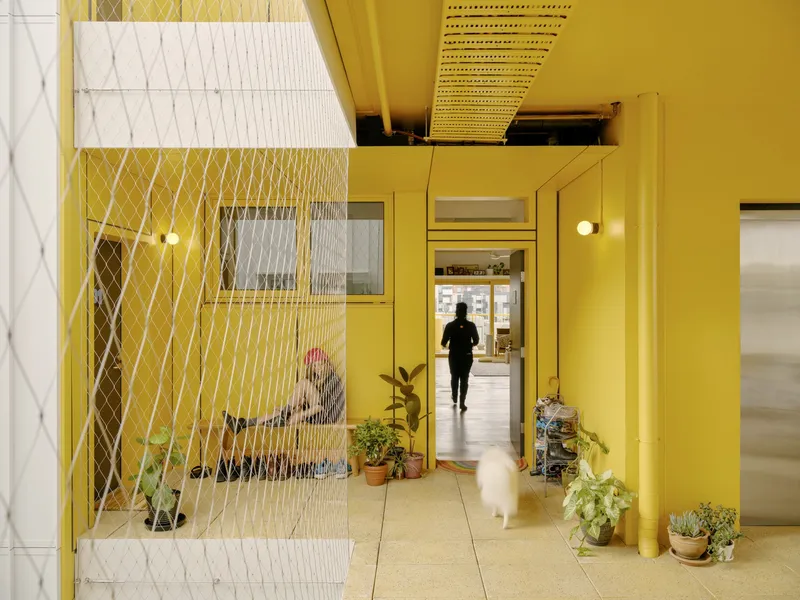
Inside, the apartments emphasize warmth, clarity, and comfort. Materials and finishes—from stone to timber to soft interior palettes—are selected for durability and wellbeing. Generous windows ensure interiors are bright, airy, and connected to the outdoors, creating a sense of calm within an urban context.
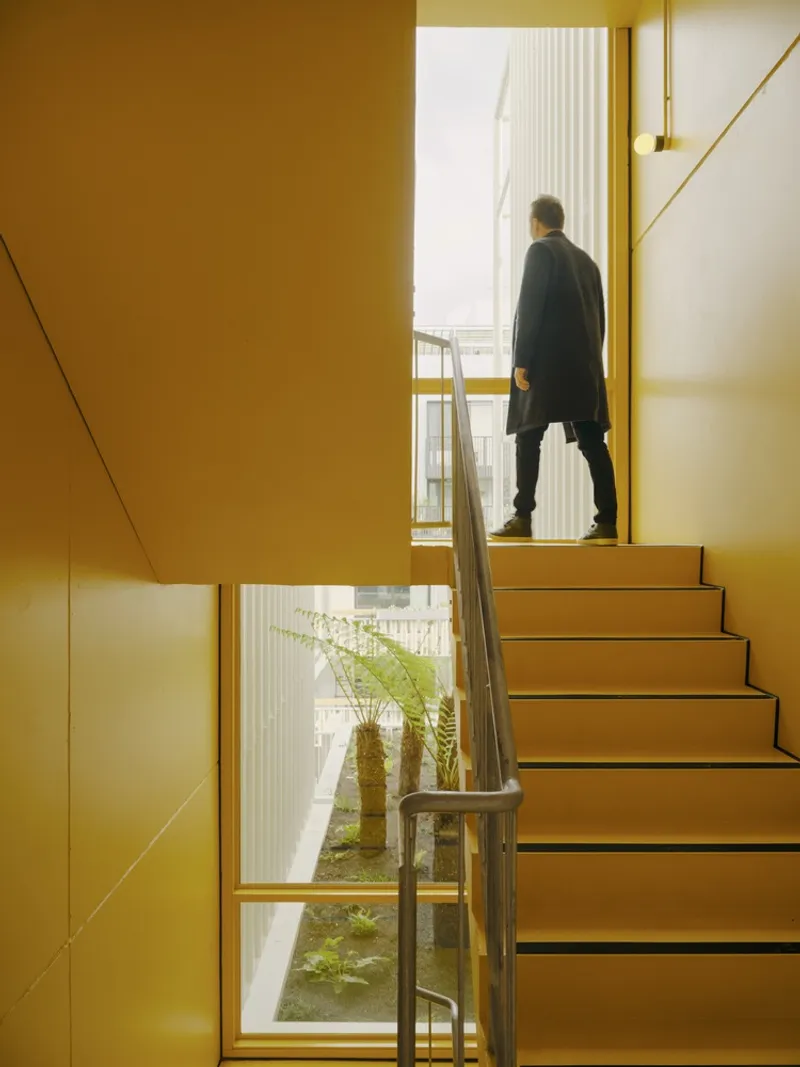
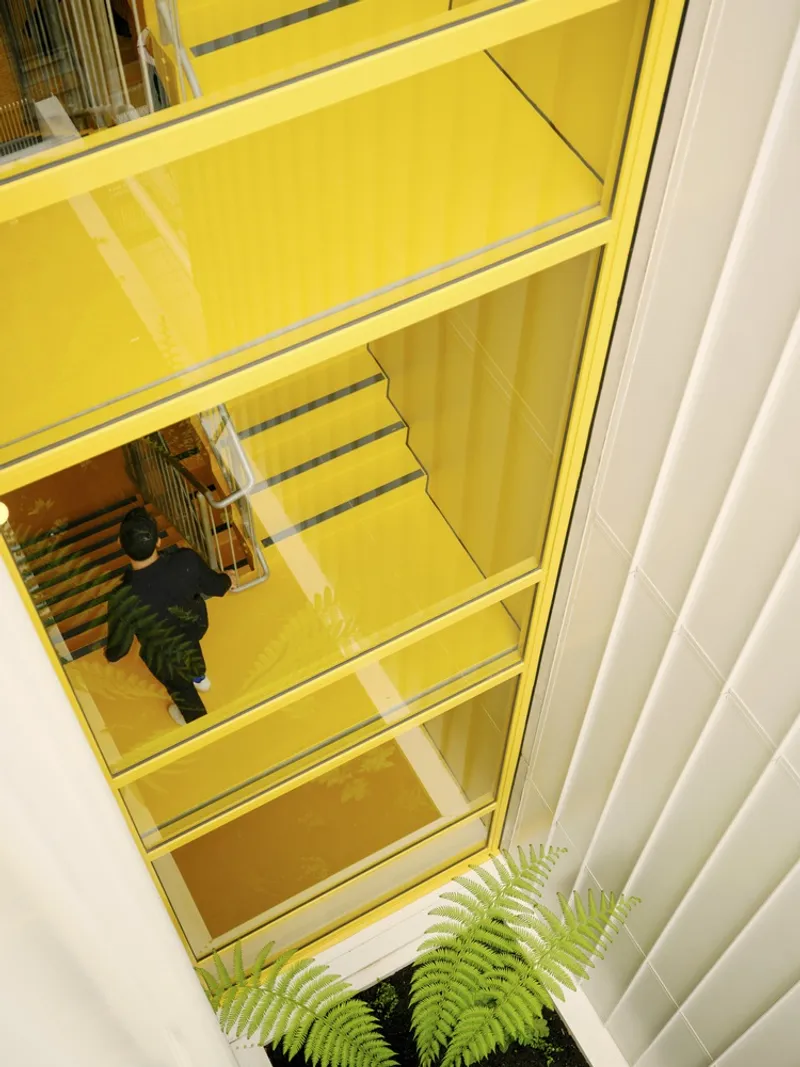
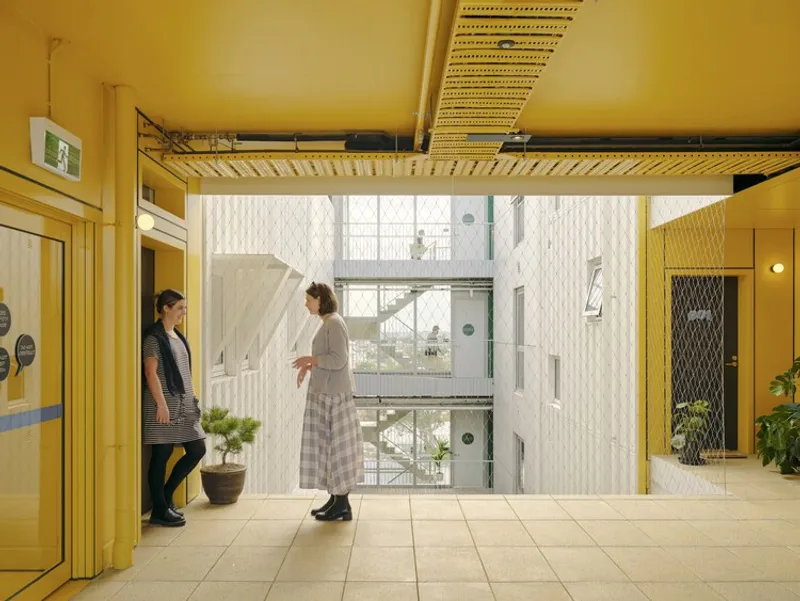
The building’s circulation spaces are equally considered, encouraging a sense of community rather than anonymity.
Collaboration and Craftsmanship
ParkLife brings together a skilled team of architects, engineers, builders, consultants, and landscape designers who contributed to its high performance and rich detail.
Project Team Includes:
- Architects: Austin Maynard Architects
- Builders: Hacer Group
- Landscape Architects: Openwork
- Acoustic Engineers: Arup
- ESD & MEP Engineers: WSP Consultancy
- Planning Consultants: Hansen
- Traffic Consultants: GTA Consultants
- Project Managers: Fontic
- Photographs: Tom Ross
Supported by leading manufacturers such as Fisher & Paykel, Sussex Taps, Universal Fans, Dulux, Jakob Webnet, and more, the building reflects craftsmanship across every detail.
ParkLife Apartment Building is more than a residential development—it's a flagship model for sustainable, inclusive, community-oriented urban architecture in Australia. With its ambitious energy performance, human-scaled social spaces, and beautifully refined homes, ParkLife reimagines the future of responsible living in growing cities.
All photographs are works of Tom Ross



Popular Articles
Popular articles from the community


The Musturak Paradise: Senior Living Architecture for a Connected Future in Temara, Morocco
The Musturak Paradise reimagines senior living architecture in Temara via private homes, social spaces, culture, community, and shared care.

Hill & Cross Opera: Sculptural Opera House Architecture Shaped by Tallinn’s Landscape and Identity
Hill & Cross Opera reimagines opera house architecture in Tallinn through its sculptural hill, civic plaza, glass wave and a luminous cross.

Conexión: Biophilic Design Reimagines High-Rise Living in Hong Kong
Conexión reimagines high-rise living in Hong Kong through biophilic design, green facades, shared spaces, daylight, water and nature within.

Lunar Spiral: Space Architecture Shaped by the Mathematics of the Universe
Lunar Spiral reimagines space architecture through Fibonacci geometry, lunar regolith, levitating habitats, and self-sustaining Moon living.


Similar Reads
You might also enjoy these articles


Hodi-Mandai Geram
Project Function: Preservation and revitalization of the Intangible heritage and socio-spatial identity of the Hodi by Housing, Cultural Memory Center, Sacred Grove, landscape, local tourism economy


Olio Towers: A Mid-Rise for Performers That Fuses Housing, Rehearsal, and Stage
Located blocks from Houston's Theater District, this modular tower stacks living units around a central performance atrium.

Oasis: Modular Green Housing Carved into Dhaka's Urban Fabric
A shortlisted Plugin Housing entry reclaims unauthorized settlements in Dhaka with stepped concrete volumes, green roofs, and ventilation-driven design.

Black Hole: A Floating Megastructure for the Post-Physical Era
Emiliano Mazzarotto envisions a spherical, self-scaling arena where e-sports, digital hotels, and holographic stadiums replace traditional public space.


Explore Living Building Competitions
Discover active competitions in this discipline


Challenge to design mud housing for contemporary communities


Challenge to reimagine the Iron Throne


Photograph architecture without architects


Illustrate the lost glory of Angkor Wat - Render Challenge
Comments (0)
Please login or sign up to add comments
No comments yet. Be the first to comment!