

Patio House Vijver by BOT Architektuurcollectief: A Sustainable Transformation in Diepenbeek, Belgium
A sustainable renovation transforming a 1970s split-level home into a light-filled, adaptable space with natural materials and a central patio.


Revitalizing a 1970s Split-Level Home
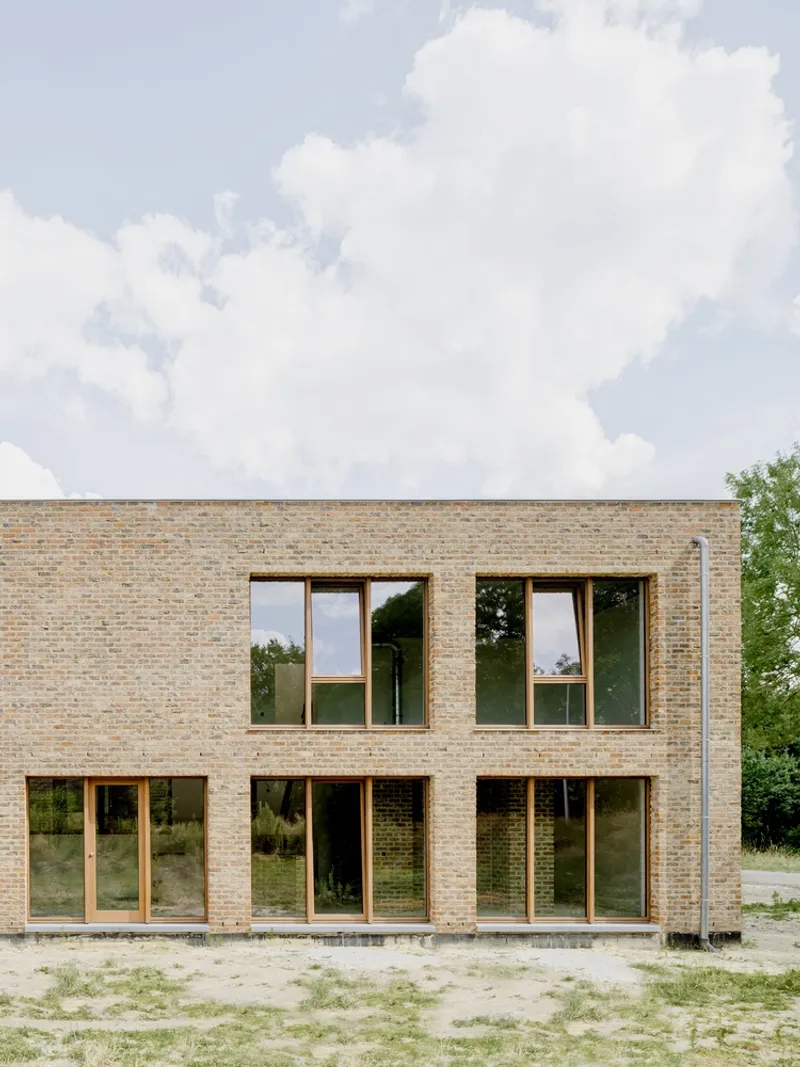
BOT Architektuurcollectief has reimagined a 1970s split-level house in Diepenbeek, Belgium, transforming it into a contemporary, light-filled residence with a deep connection to its natural surroundings. Originally characterized by a square floor plan, dark interiors, and limited engagement with the expansive garden, the home has been redesigned to embrace open space, daylight, and sustainability.
Seamless Integration with Nature
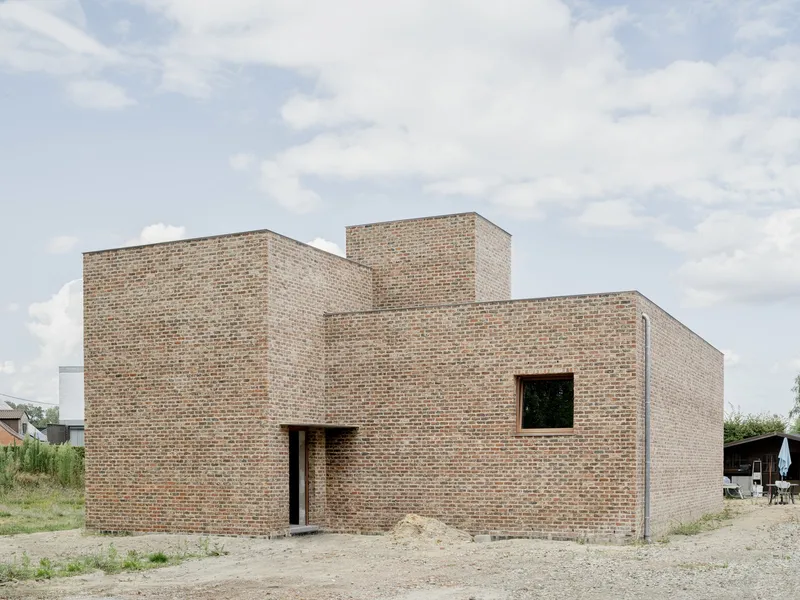
Situated on a corner plot at the edge of a Flemish residential neighborhood near the De Dijken nature reserve, the residence benefits from its proximity to the Stiemerbeek and Kaatsbeek rivers. To maintain the openness of the landscape and neighborhood, the architects minimized the building’s footprint, utilizing strategic interventions to maximize spatial quality.
A Functional and Adaptable Layout
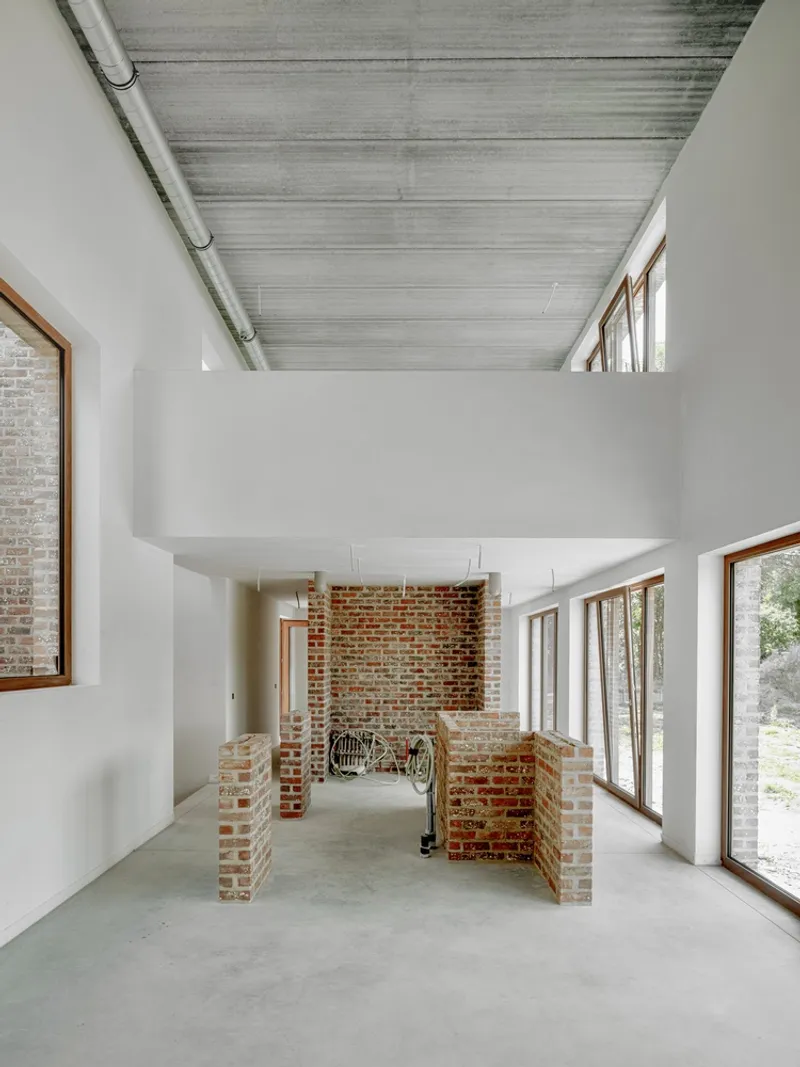
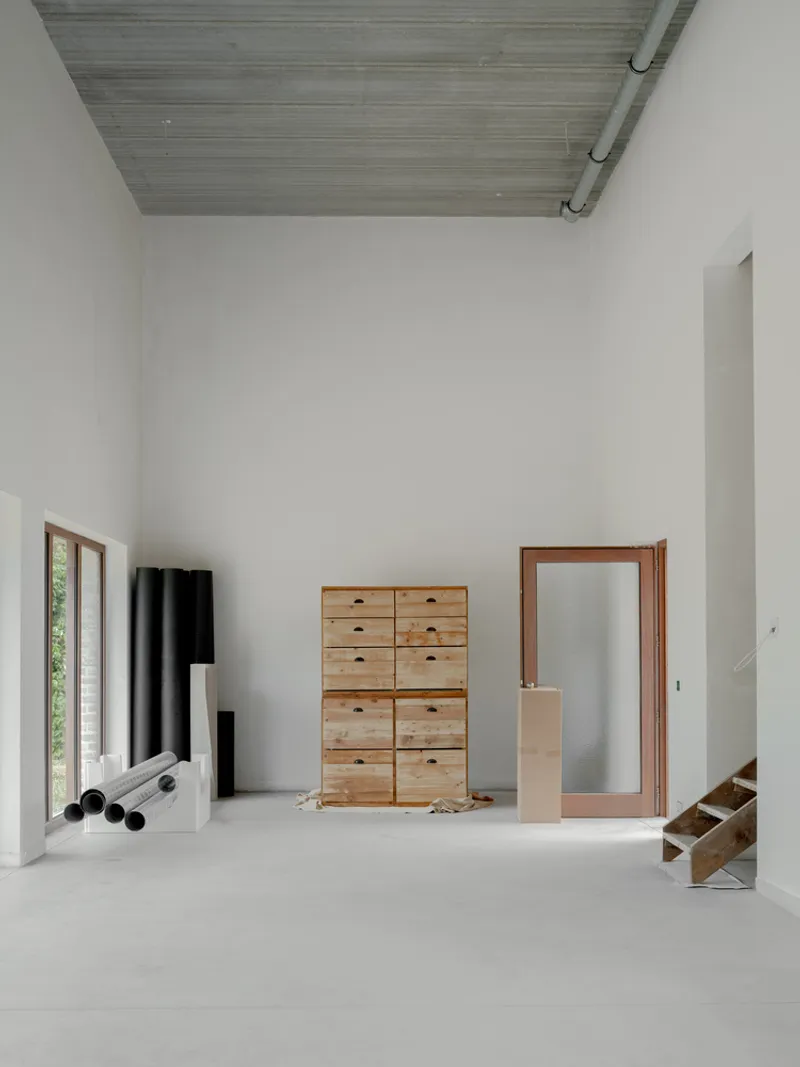
The renovation preserves the home’s original split-level structure, which includes a basement, a double-height living space, a sleeping level, and a mezzanine that can serve as a flexible multipurpose room or an additional bedroom. The previously dark central core, once occupied by a closed-off kitchen, has been repurposed into a green patio. This transformation enhances ventilation, introduces natural light, and fosters a unique spatial relationship between the bathroom and living room, which now enjoys dual orientations.
A striking architectural feature is the central stairwell, which is accentuated by a towering volume crowned with a circular skylight. This design element amplifies the sense of openness while enhancing vertical circulation.
Balancing Privacy and Openness
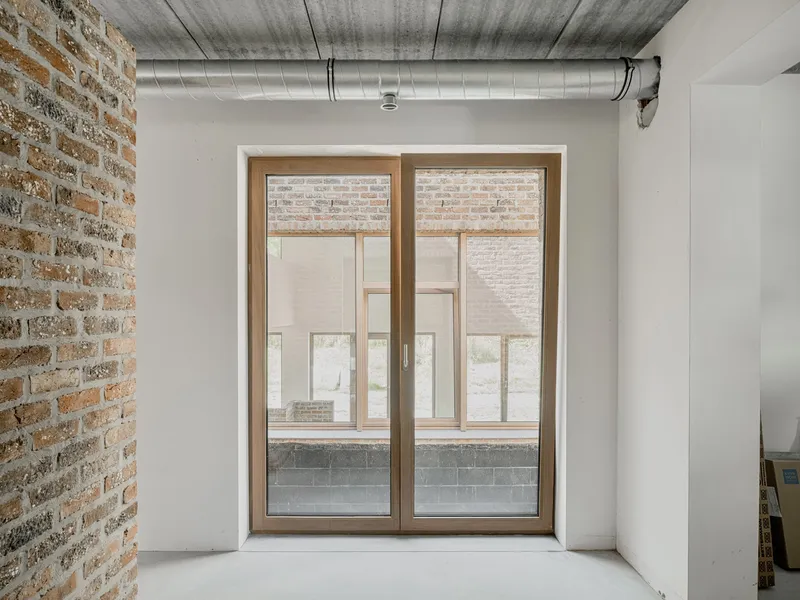
Expansive west-facing windows establish a strong connection with the garden, while the other façades maintain a more enclosed design to ensure privacy and reduce heat gain. The house’s material palette is both warm and robust, featuring locally sourced Veldoven bricks, natural wood, exposed concrete, and zinc cladding. These materials not only lend a timeless aesthetic but also emphasize the project’s commitment to sustainability.
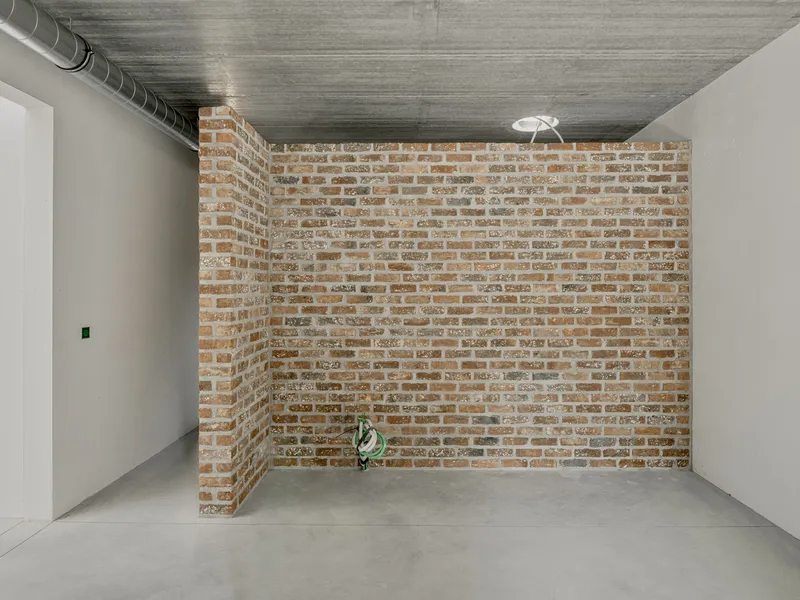
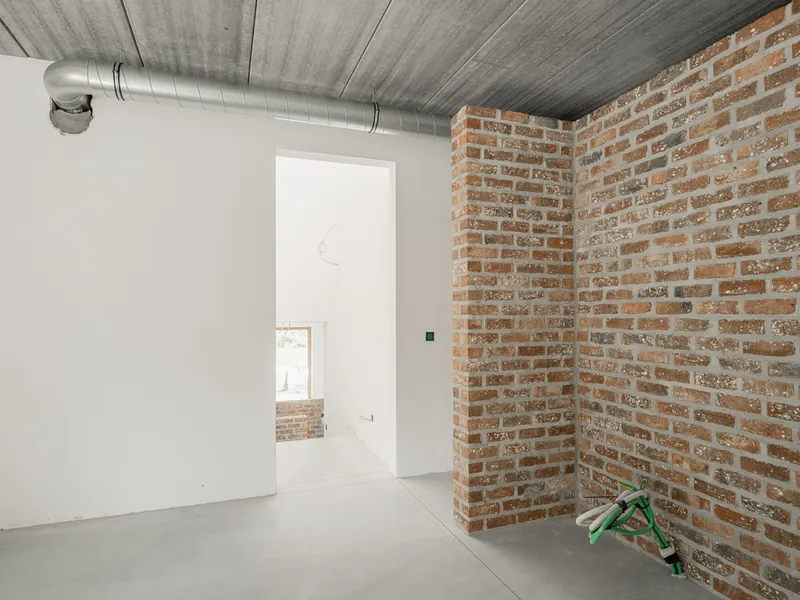
The field oven bricks, sourced just 15 kilometers away in Hoeselt, are a key element of the design, reappearing inside the home as freestanding partitions and circular inner walls. Additionally, all new interior walls are non-load-bearing, allowing for future modifications to accommodate changing needs.
A Future-Ready, Sustainable Home
By incorporating flexible design strategies, energy-efficient interventions, and locally produced materials, Patio House Vijver exemplifies a forward-thinking approach to circular architecture. This project seamlessly blends past and present, proving that thoughtful renovation can breathe new life into outdated structures while promoting sustainability.
All Photographs are works of Jeroen Verrecht


Popular Articles
Popular articles from the community

Extended Shell: Retrofitting Kolkata's Balconies as Living Urban Thresholds
A modular retrofit system recovers the social and environmental intelligence of Kolkata's historic verandas for contemporary Park Street residents.
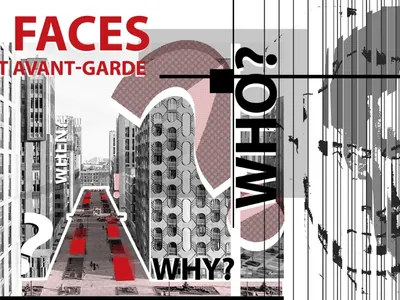
Faces of the Soviet Avant-Garde: Turning Moscow's Street Names into an Open-Air Museum
A network of sculptural installations across a Moscow residential district transforms forgotten architect names into spatial encounters with cultural memor
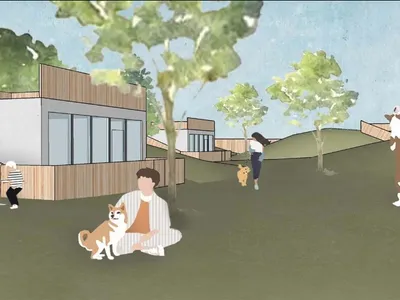
Temporary Home for Dogs: A Reversed Zoo Rethinks Animal Shelter Architecture
In Bucharest, a sinuous corridor and freed landscape flip the logic of containment, designing a shelter that works to make itself unnecessary.
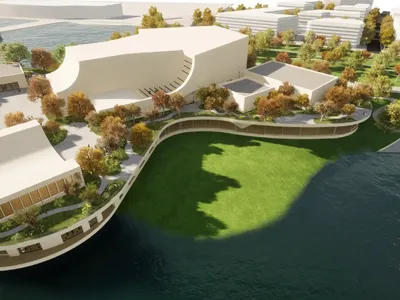
The Amber Palace Opera: A Geological Fiction Surfaces on Tallinn's Baltic Waterfront
Pierre Brillard reimagines a Baltic legend as a public landscape, opera house, and waterfront promenade rooted in Tallinn's coastal identity.

Similar Reads
You might also enjoy these articles


Hodi-Mandai Geram
Project Function: Preservation and revitalization of the Intangible heritage and socio-spatial identity of the Hodi by Housing, Cultural Memory Center, Sacred Grove, landscape, local tourism economy


Olio Towers: A Mid-Rise for Performers That Fuses Housing, Rehearsal, and Stage
Located blocks from Houston's Theater District, this modular tower stacks living units around a central performance atrium.

Oasis: Modular Green Housing Carved into Dhaka's Urban Fabric
A shortlisted Plugin Housing entry reclaims unauthorized settlements in Dhaka with stepped concrete volumes, green roofs, and ventilation-driven design.

Black Hole: A Floating Megastructure for the Post-Physical Era
Emiliano Mazzarotto envisions a spherical, self-scaling arena where e-sports, digital hotels, and holographic stadiums replace traditional public space.

Explore Architecture Competitions
Discover active competitions in this discipline

Challenge to reimagine the Iron Throne

Photograph architecture without architects

Illustrate the lost glory of Angkor Wat - Render Challenge

Design challenge to reuse E-waste
Comments (0)
Please login or sign up to add comments
No comments yet. Be the first to comment!