
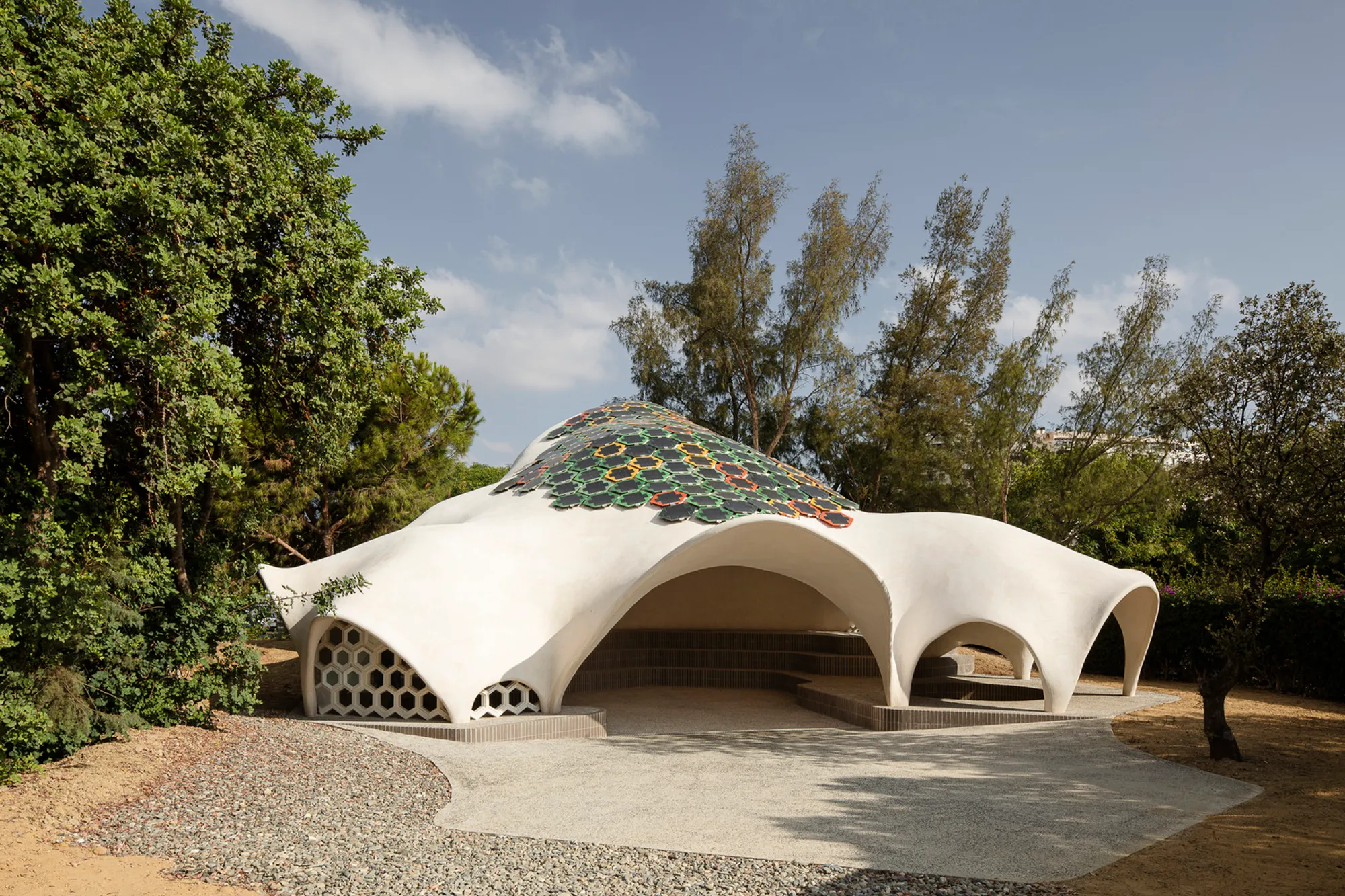
Pavilion E4: Pioneering Innovative Outdoor Classroom Design
Discover Pavilion E4, an innovative outdoor classroom design blending sustainability, advanced technology, and adaptable spaces for dynamic learning.


In the evolving landscape of educational architecture, Pavilion E4 stands as a testament to innovative outdoor classroom design. Developed by architects Juan Gavilanes Veláz de Medrano and Ferran Ventura Blanch in collaboration with the University of Malaga, this project redefines traditional learning environments by seamlessly integrating indoor and outdoor spaces.
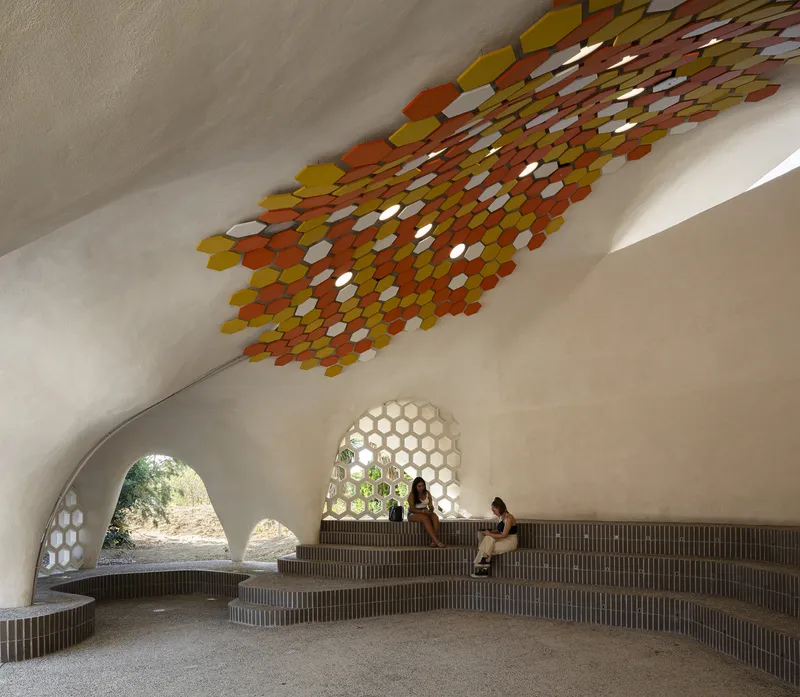
Concept and Design
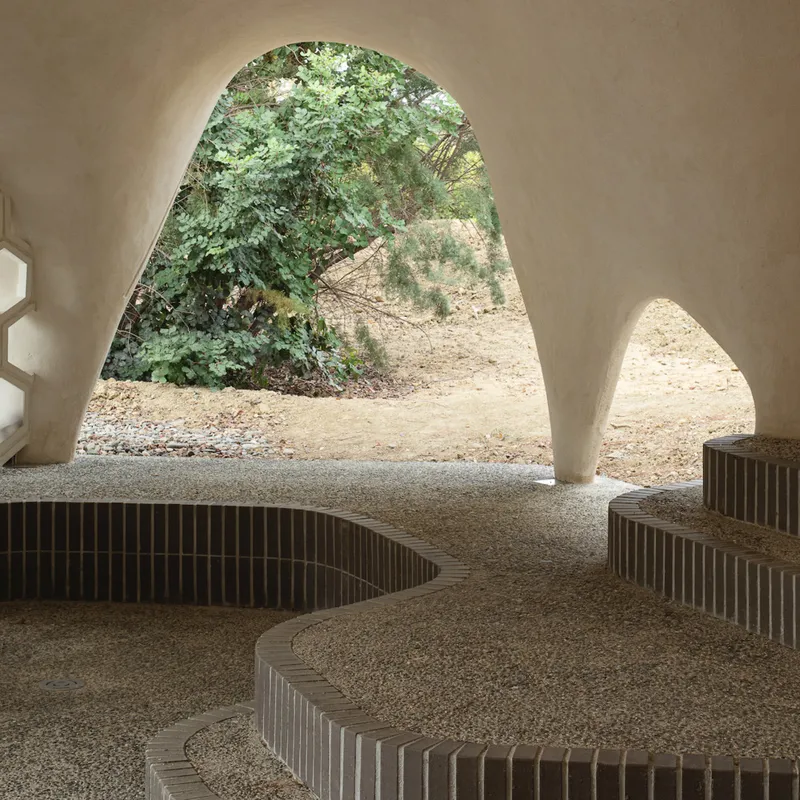
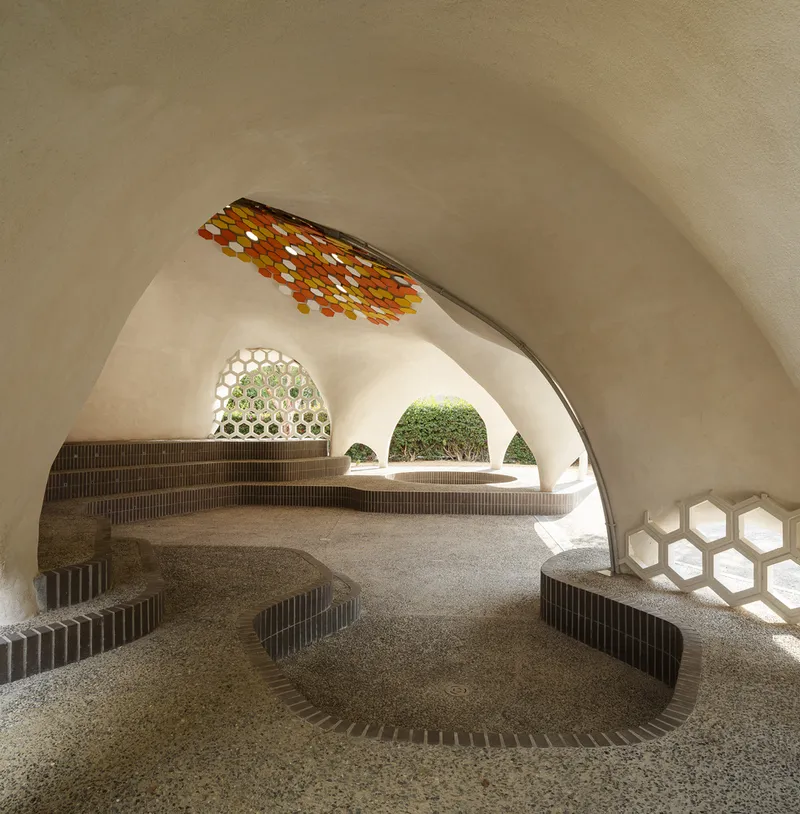
Pavilion E4, or the Efficient Outdoor Educational Space, is a research initiative aimed at creating a replicable, avant-garde classroom that facilitates outdoor teaching. The design employs parametric principles to craft a unique geometry that harmonizes with its surroundings. This approach not only enhances aesthetic appeal but also optimizes environmental responsiveness.
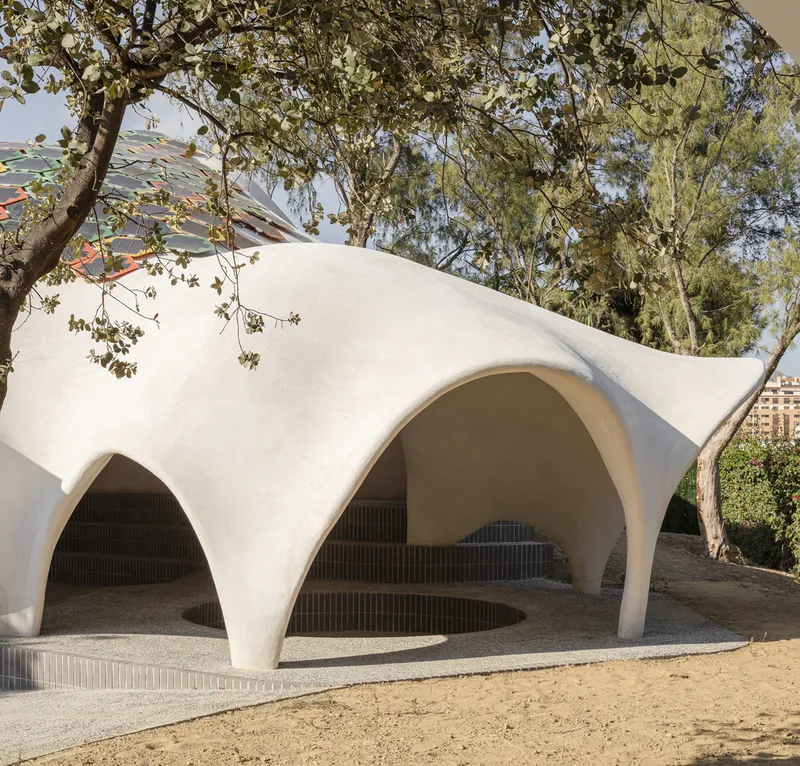
Sustainable Features
A cornerstone of Pavilion E4's innovative outdoor classroom design is its commitment to sustainability. The structure incorporates energy-efficient air conditioning systems and utilizes materials such as lime mortar and solar panels from Onix Solar, underscoring a dedication to eco-friendly construction.
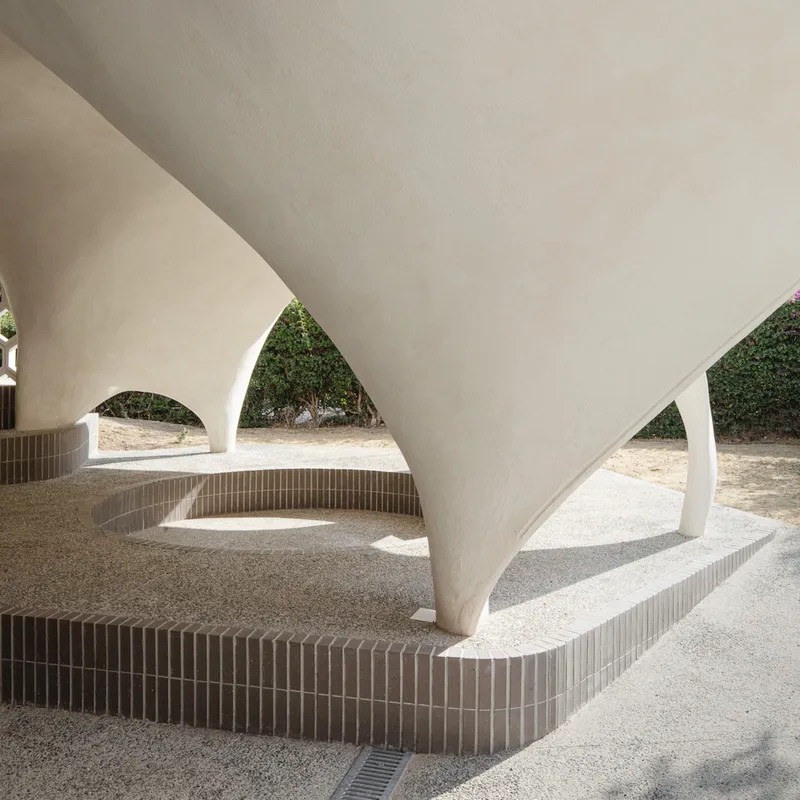
Technological Integration
Embracing modern technology, Pavilion E4 integrates Artificial Intelligence to monitor and adapt to environmental conditions. This intelligent system ensures a comfortable learning atmosphere by dynamically adjusting to climatic changes, exemplifying the fusion of technology and architecture in educational spaces.
Functionality and Flexibility
The pavilion's design facilitates a versatile learning environment, bridging the gap between traditional indoor classrooms and open outdoor spaces. This flexibility supports various teaching methodologies, promoting an engaging and adaptable educational experience.
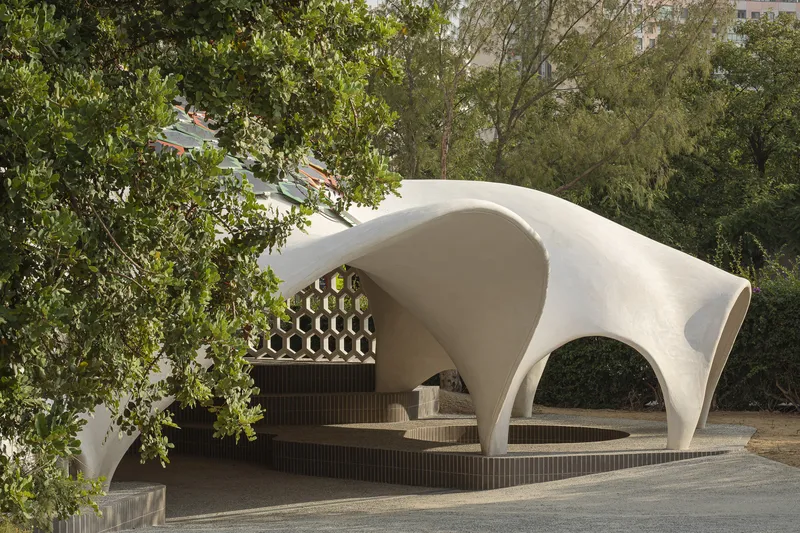
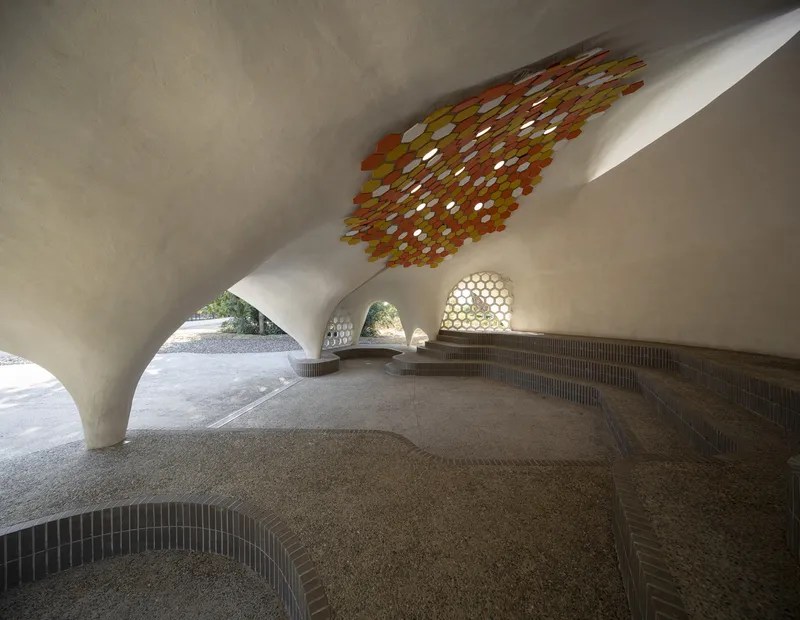
Pavilion E4 exemplifies innovative outdoor classroom design by combining sustainable practices, advanced technology, and flexible learning spaces. As a model for future educational architecture, it highlights the potential for creating environments that are both ecologically responsible and conducive to dynamic learning experiences.
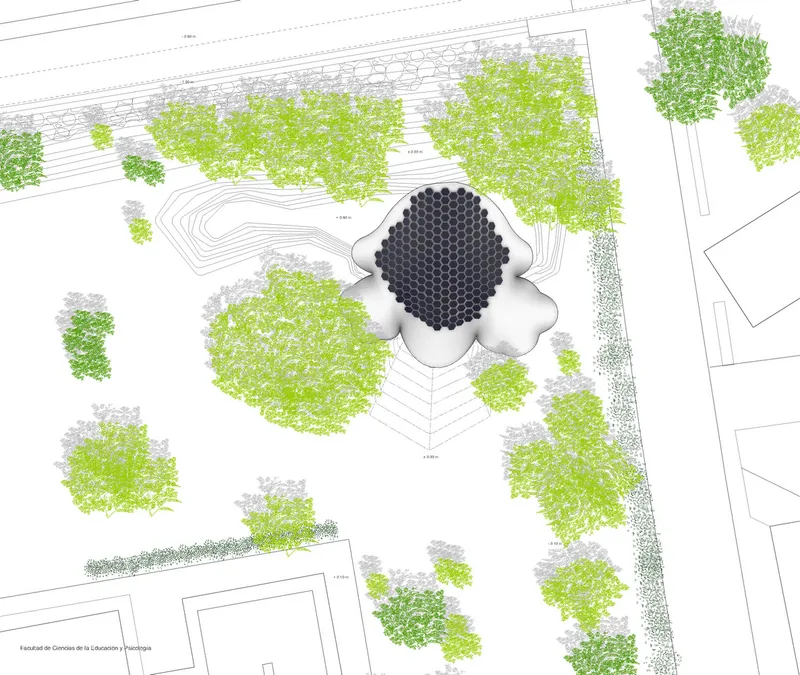
All Photographs are work of Juan Gavilanes Veláz de Medrano + Ferran Ventura Blanch




Popular Articles
Popular articles from the community


Riyadh For All: Intergenerational Urban Design for Active Aging in Rabat
Riyadh For All reimagines urban design in Rabat with intergenerational co-living, adaptive courtyards, and Moroccan cultural exchange today.

Co-Life: Senior Housing Design That Reconnects Older Adults With the City
Co-Life reimagines senior housing design through healing gardens, shared streets, workshops, and a sustainable community across generations.

AL-JANNAH: Sustainable Architecture and Permaculture for Afghan Widows
AL-JANNAH uses sustainable architecture and permaculture to create resilient oasis of housing, learning, work and renewal for Afghan widows.

Co-life: Sustainable Architecture for Age-Friendly Community Living
Co-life reimagines sustainable architecture for seniors through courtyards, rammed earth, shared gardens, and spaces designed for belonging.


Similar Reads
You might also enjoy these articles


Hodi-Mandai Geram
Project Function: Preservation and revitalization of the Intangible heritage and socio-spatial identity of the Hodi by Housing, Cultural Memory Center, Sacred Grove, landscape, local tourism economy


Olio Towers: A Mid-Rise for Performers That Fuses Housing, Rehearsal, and Stage
Located blocks from Houston's Theater District, this modular tower stacks living units around a central performance atrium.

Oasis: Modular Green Housing Carved into Dhaka's Urban Fabric
A shortlisted Plugin Housing entry reclaims unauthorized settlements in Dhaka with stepped concrete volumes, green roofs, and ventilation-driven design.

Black Hole: A Floating Megastructure for the Post-Physical Era
Emiliano Mazzarotto envisions a spherical, self-scaling arena where e-sports, digital hotels, and holographic stadiums replace traditional public space.

Explore Pavilion Competitions
Discover active competitions in this discipline



Challenge to design public laboratory


Challenge to reimagine the Iron Throne


Photograph architecture without architects


Illustrate the lost glory of Angkor Wat - Render Challenge
Comments (0)
Please login or sign up to add comments
No comments yet. Be the first to comment!