

Pavilion House Design
The article explores the pavilion house design, highlighting the Terracotta Pavilion House as a modern, nature-integrated architectural example.

Pavilion House Design: A Modern Architectural Marvel
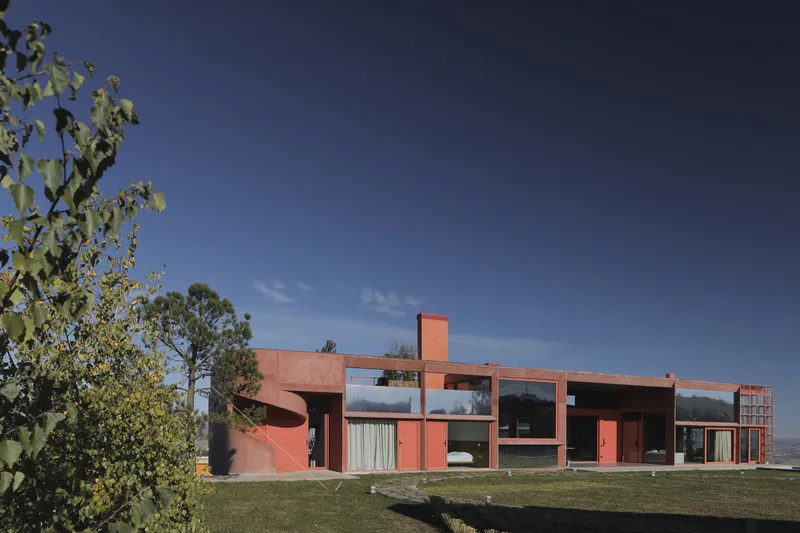
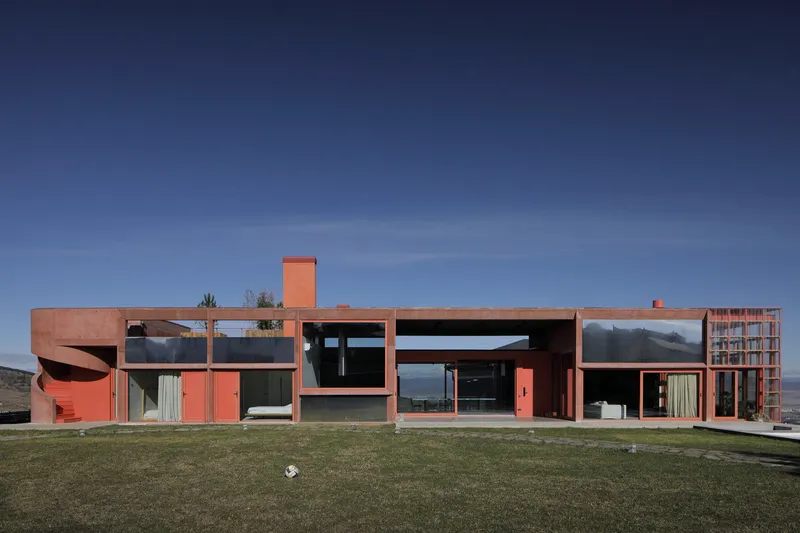
In the world of modern architecture, the pavilion house design has emerged as a standout concept that harmonizes with nature, offering both aesthetic appeal and practical functionality. The Terracotta Pavilion House, designed by Laboratory of Architecture #3 in Tbilisi, Georgia, is a perfect example of how a pavilion-style home can blend seamlessly with its environment, creating a living space that emphasizes open, airy structures while maintaining strong ties to its natural surroundings.
What Is a Pavilion House Design?
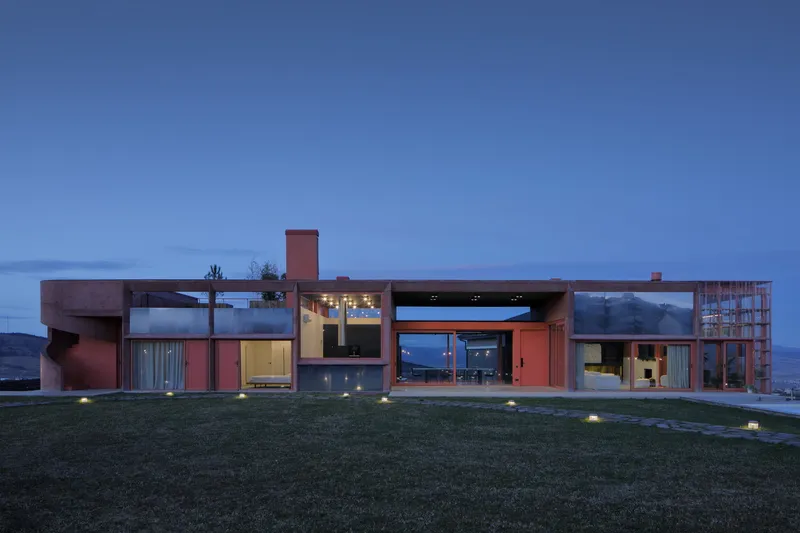
A pavilion house design is characterized by its minimalist and open structure, typically comprising a single-story layout that allows for fluid, uninterrupted living spaces. These homes often incorporate large windows and open-plan spaces, creating a strong connection between interior and exterior environments. Pavilion houses are often elevated or placed on platforms to enhance their visibility and provide expansive views of the surrounding landscape, just as seen in the Terracotta Pavilion House.
The Architectural Concept Behind the Terracotta Pavilion House
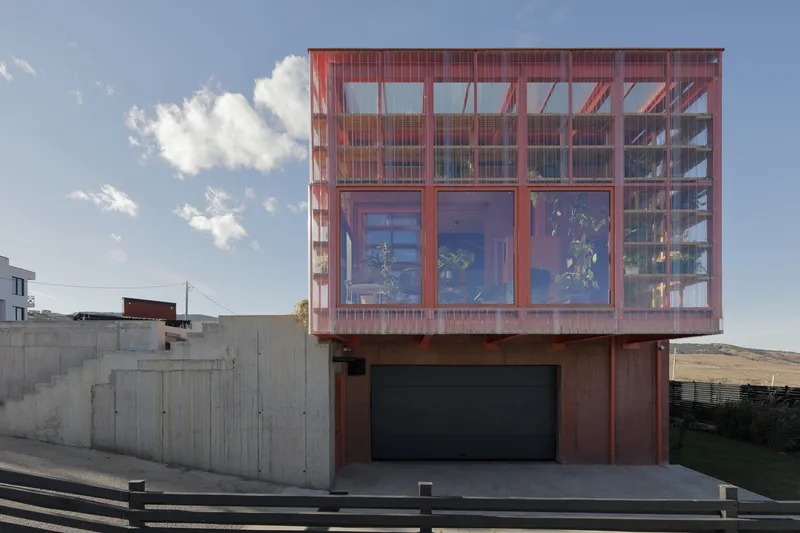
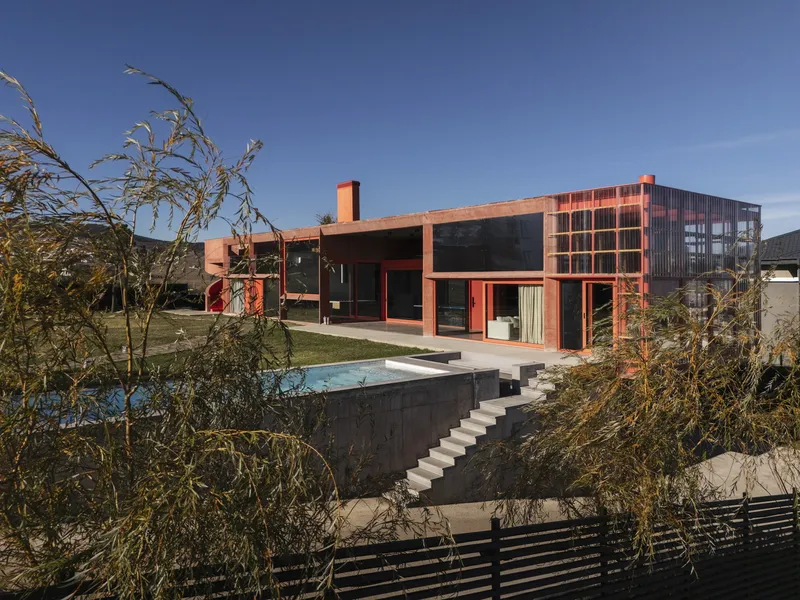
The Terracotta Pavilion House embraces the pavilion house design by taking inspiration from the natural topography of its mountainous surroundings. Designed to maximize sunlight and natural views, the home sits on a leveled platform that addresses the challenges posed by the uneven terrain. The decision to elevate the house was not just about overcoming land distribution issues but also about enhancing the home's connection with its environment, with panoramic views of the Caucasus mountains in the distance.
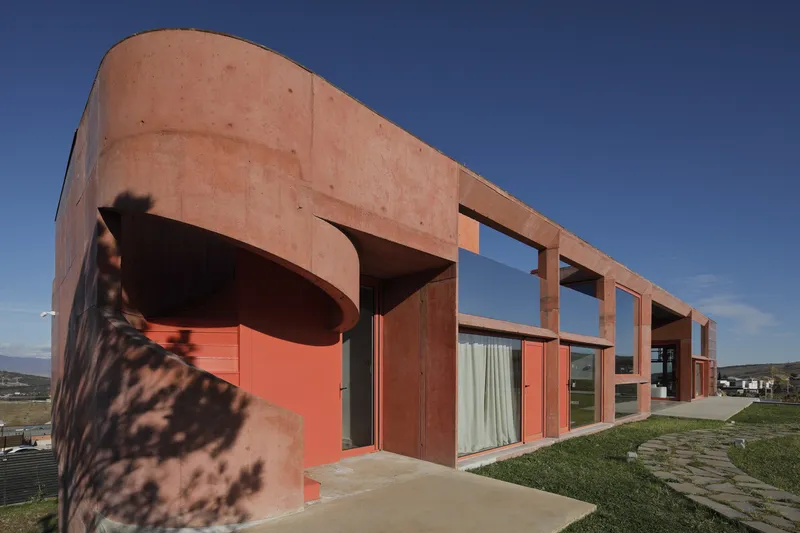
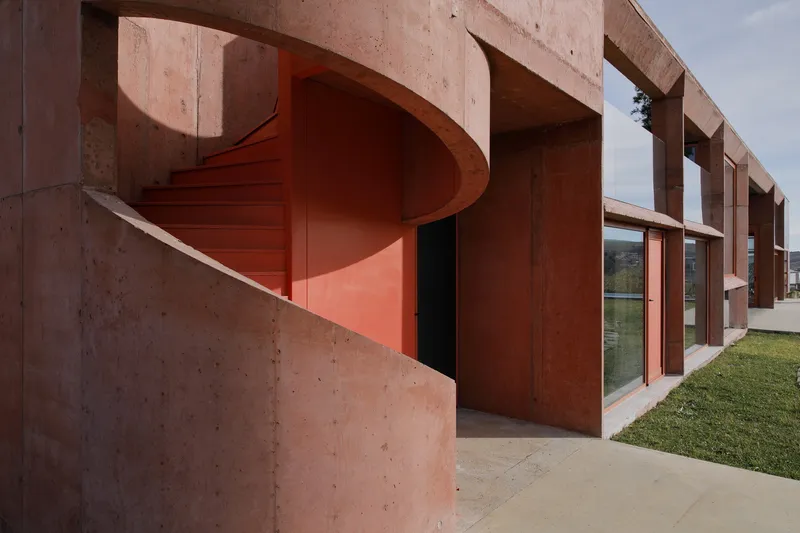
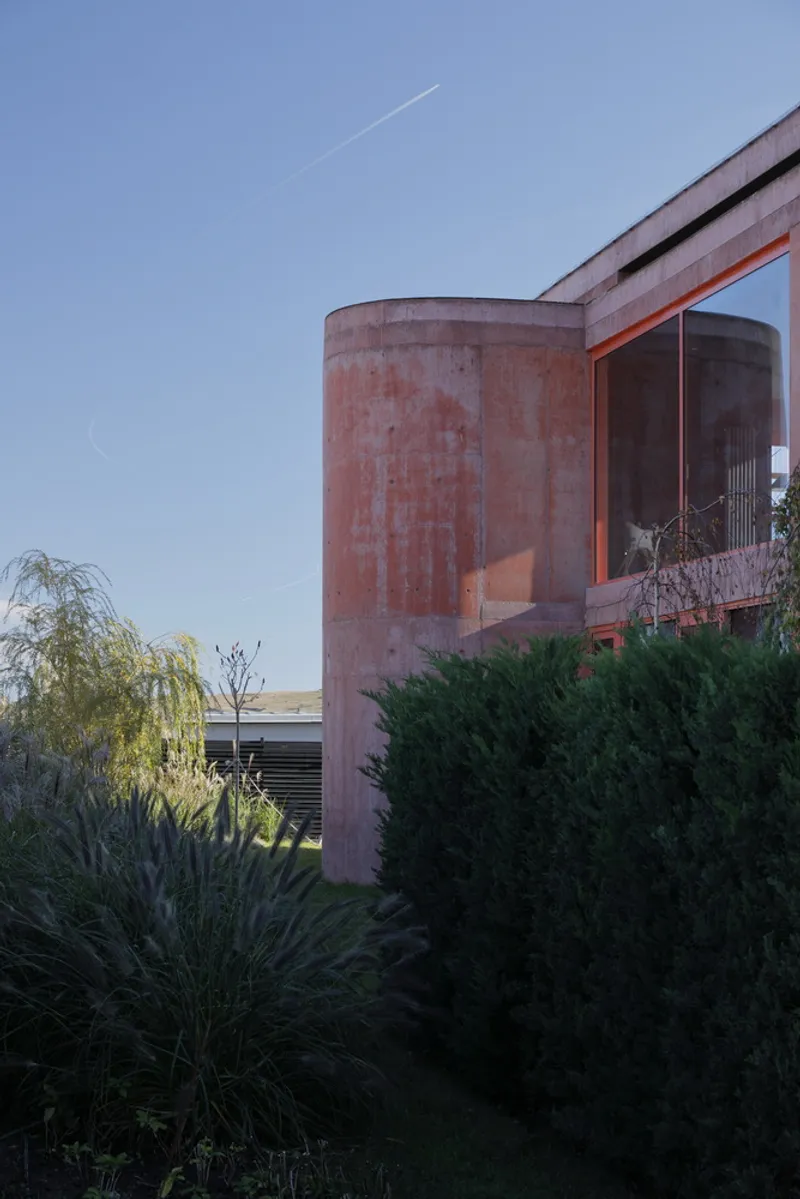
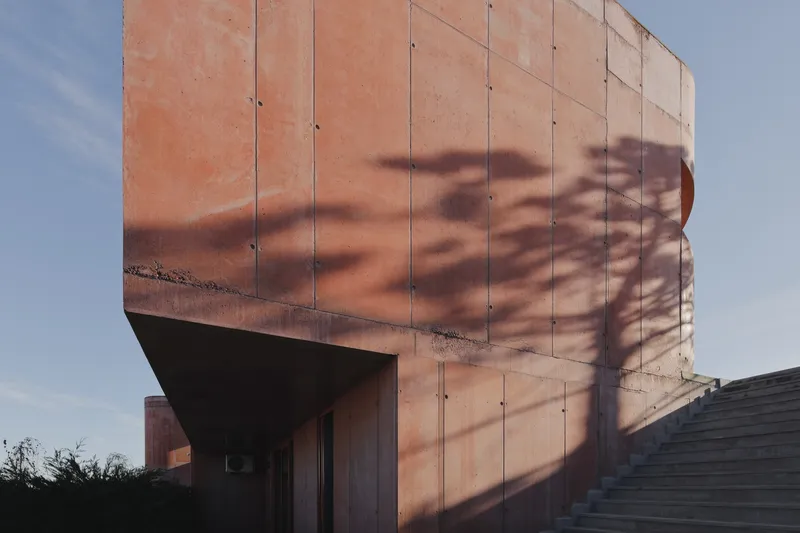
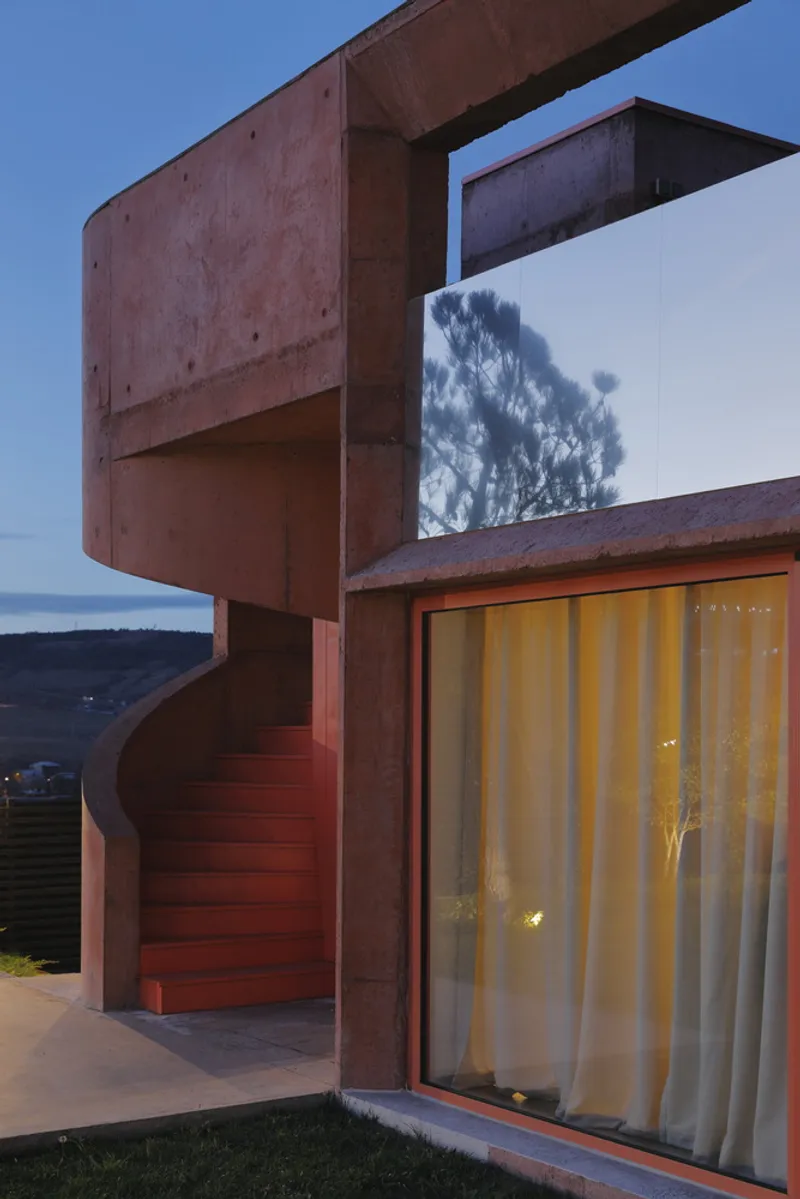
The home’s use of terracotta materials and light columns further emphasizes the connection to the land, creating a striking contrast with the lush greenery and rugged landscape. These architectural features also contribute to the home’s overall aesthetic appeal, setting it apart from more conventional boxy structures.
Key Features of a Pavilion House Design: Functionality Meets Aesthetics
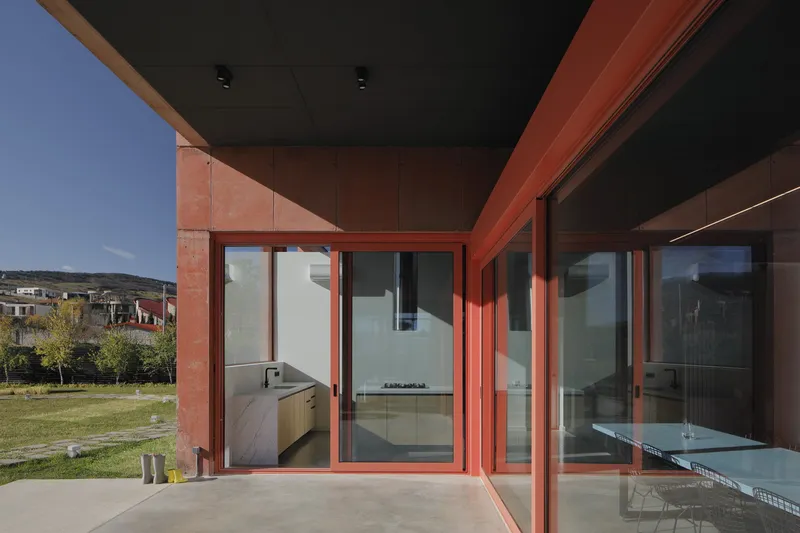
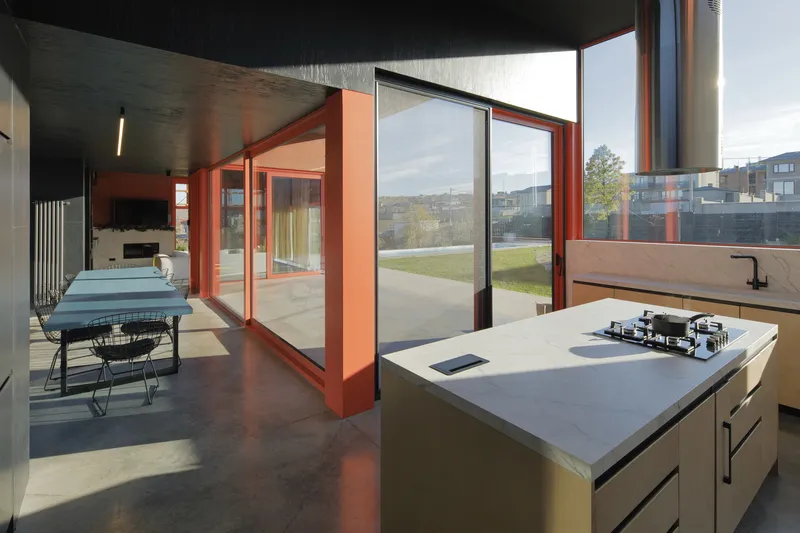
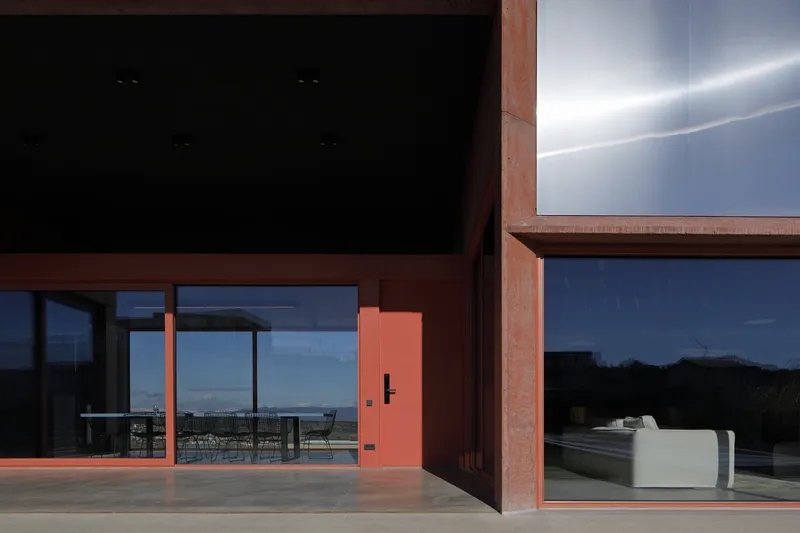
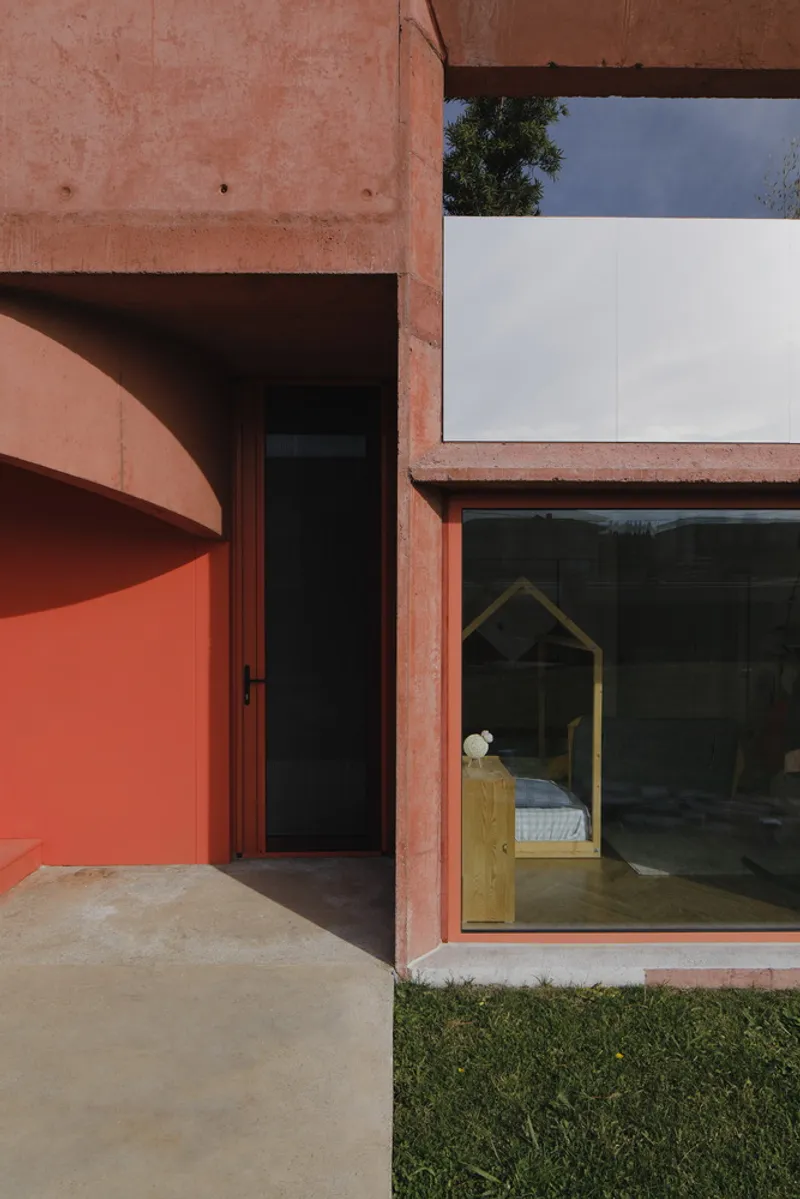
- Open-Concept LivingPavilion houses are known for their open-concept layouts, and the Terracotta Pavilion House exemplifies this with its expansive interior spaces. Large windows flood the home with natural light, allowing for a smooth transition between the indoor and outdoor environments. The seamless flow of light creates a sense of continuity and spaciousness that is central to the pavilion house design concept.
- Maximizing ViewsOne of the defining characteristics of a pavilion house design is the focus on maximizing natural views. The Terracotta Pavilion House achieves this by strategically placing windows and doors to open up to the surrounding landscape. The conservatory area, in particular, acts as a botanical retreat, framing panoramic views of the Caucasus mountains and transforming the garden into a serene natural oasis.
- Connection with NaturePavilion houses often feature a strong connection with nature, both visually and spatially. The Terracotta Pavilion House embraces this with its layout, which encourages natural light to flood every room. The surrounding landscape is not just seen through the windows but becomes an integral part of the home’s interior experience, blurring the boundaries between inside and outside.
The Role of Materials in Pavilion House Design
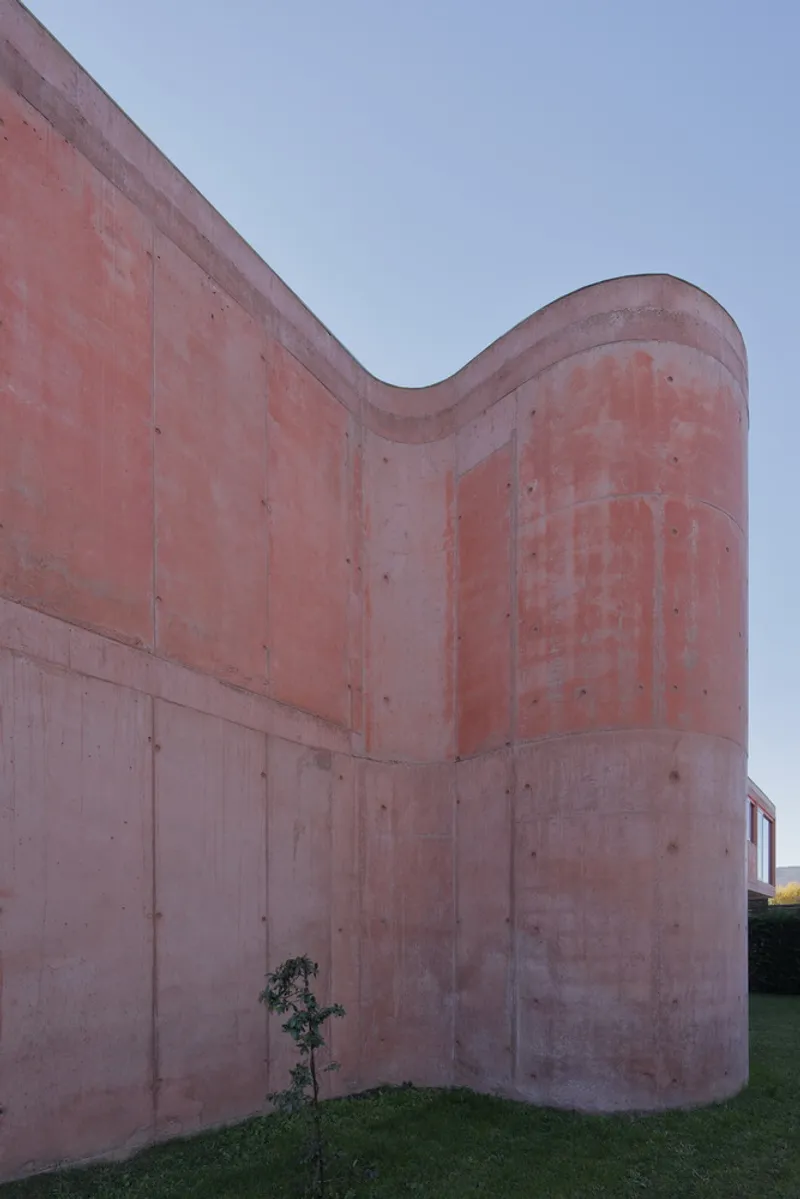
The material choices in a pavilion house design are just as important as its structure. In the case of the Terracotta Pavilion House, the architects opted for terracotta cladding, which blends naturally with the environment. Terracotta, known for its earthy tones and natural durability, helps the home blend seamlessly with its surroundings while offering a timeless, organic aesthetic.
Additionally, the use of light columns creates a dynamic contrast with the rest of the house, drawing attention to the vertical lines that provide structural support while enhancing the architectural beauty of the home.
Creating Private and Public Spaces in Pavilion House Design
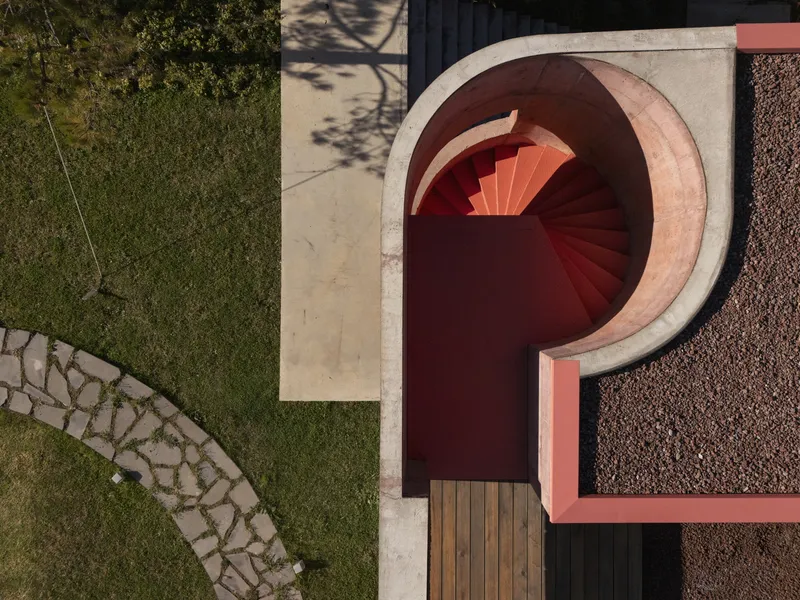
Another hallmark of pavilion house design is the separation of private and public spaces within the home. The Terracotta Pavilion House effectively divides the living areas into distinct zones, with the lower rooms—such as the bathroom—leading to individual patios. This thoughtful design offers both intimacy and openness, allowing for a balance between the shared family spaces and the more private, secluded areas of the home.
The Benefits of Pavilion House Design: Sustainable and Modern Living
Pavilion houses offer numerous benefits, including their ability to adapt to various environments and their focus on natural materials and sustainable building practices. The pavilion house design is an ideal choice for homeowners looking to embrace modern architecture while staying in harmony with nature. These homes are energy-efficient, with large windows promoting passive solar heating and cooling, reducing the need for artificial lighting and temperature control.
The Terracotta Pavilion House demonstrates how pavilion house design can be both environmentally conscious and aesthetically pleasing, making it an ideal model for modern residential architecture.
Embrace the Pavilion House Design for Modern Living
The pavilion house design is more than just an architectural style—it's a way of life that connects individuals to their environment while providing functional and aesthetically pleasing living spaces. The Terracotta Pavilion House in Tbilisi serves as a perfect example of how this design philosophy can be executed beautifully, harmonizing with the landscape, maximizing views, and offering a seamless connection between interior and exterior spaces.
For those interested in creating a modern, sustainable home that embraces both beauty and functionality, the pavilion house design is an excellent choice. Whether nestled in the mountains or situated in an urban setting, pavilion homes can transform any landscape into a breathtaking living experience.
All Photographs are work of Giorgi Mamasakhlisi




Popular Articles
Popular articles from the community

Terra e Tuma Scatters Four Concrete Pavilions Through the Atlantic Forest in Mairiporã
A fragmented compound of music studio, art studio, chapel, and living quarters preserves every tree on a steep forested hillside near São Paulo.

Hierarchy Towers: Sustainable Architecture for Vertical Co-Living in Singapore
Hierarchy Towers reimagines sustainable architecture through co-living, shared workplaces, green terraces, and new public life in Singapore.
A.N. Tombazis and K-Studio Bury a Luxury Resort into a Peloponnese Hillside
Mandarin Oriental Costa Navarino scatters 99 earth-sheltered rooms across 140 hectares above the Bay of Navarino in Pilos, Greece.

UNA Barbara e Valentim Plants Four CLT Bungalows in a Fragile Ceará Landscape
Prefabricated eucalyptus timber cabins touch down lightly on the sandy, biodiverse coast of Barroquinha, Brazil.


Similar Reads
You might also enjoy these articles


Hodi-Mandai Geram
Project Function: Preservation and revitalization of the Intangible heritage and socio-spatial identity of the Hodi by Housing, Cultural Memory Center, Sacred Grove, landscape, local tourism economy


Olio Towers: A Mid-Rise for Performers That Fuses Housing, Rehearsal, and Stage
Located blocks from Houston's Theater District, this modular tower stacks living units around a central performance atrium.

Oasis: Modular Green Housing Carved into Dhaka's Urban Fabric
A shortlisted Plugin Housing entry reclaims unauthorized settlements in Dhaka with stepped concrete volumes, green roofs, and ventilation-driven design.

Black Hole: A Floating Megastructure for the Post-Physical Era
Emiliano Mazzarotto envisions a spherical, self-scaling arena where e-sports, digital hotels, and holographic stadiums replace traditional public space.


Explore Housing Competitions
Discover active competitions in this discipline




The International Standard for Design Portfolios


The Global Benchmark for Architecture Dissertation Awards


The Global Benchmark for Graduation Excellence


Challenge to reimagine the Iron Throne
Comments (0)
Please login or sign up to add comments
No comments yet. Be the first to comment!