
Pavilion of Floating Lights by JK-AR: A Contemporary Homage to East Asian Timber Architecture
Timber pavilion reinterprets traditional Korean -ru using CNC-crafted tree columns, blending heritage, technology, and riverside public space.


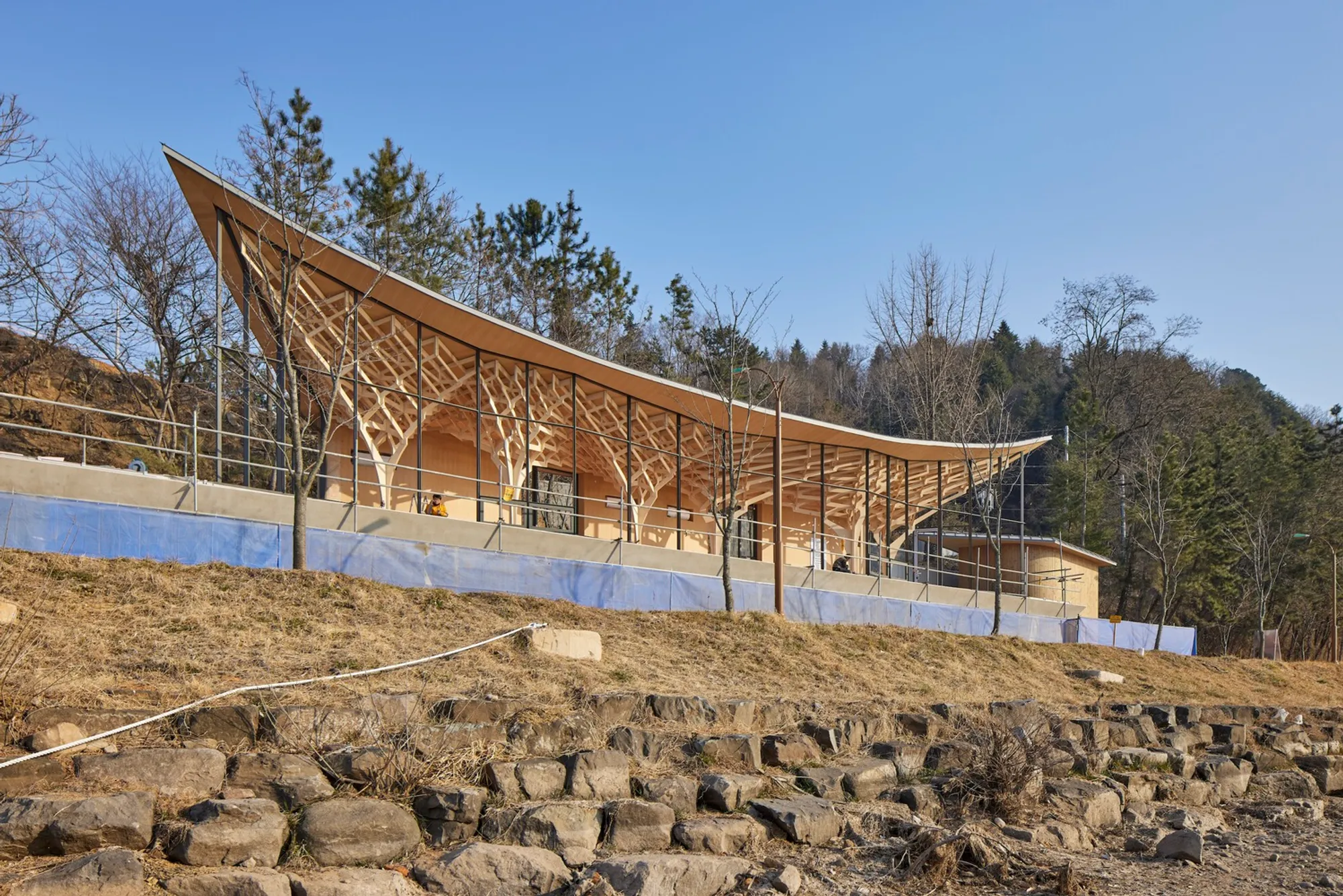
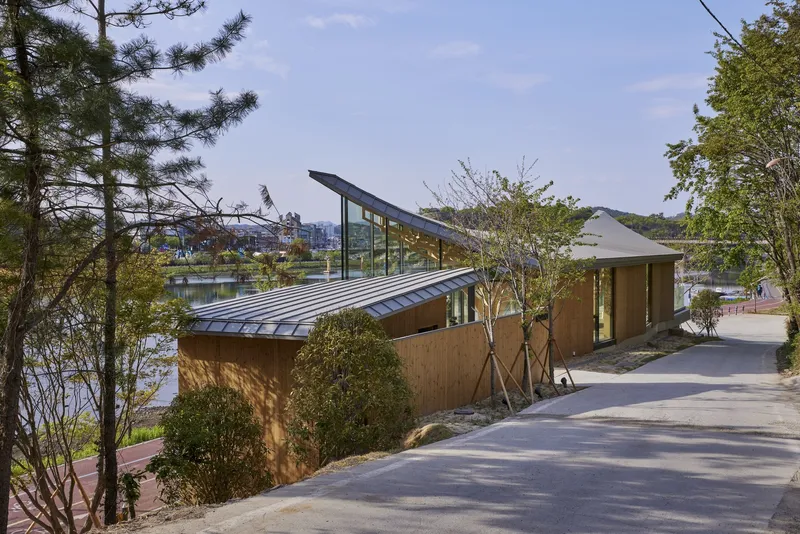
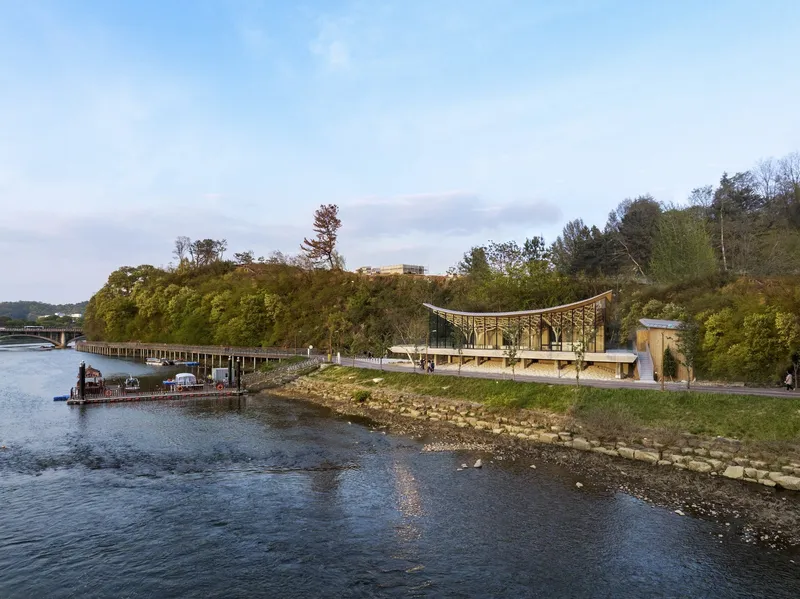
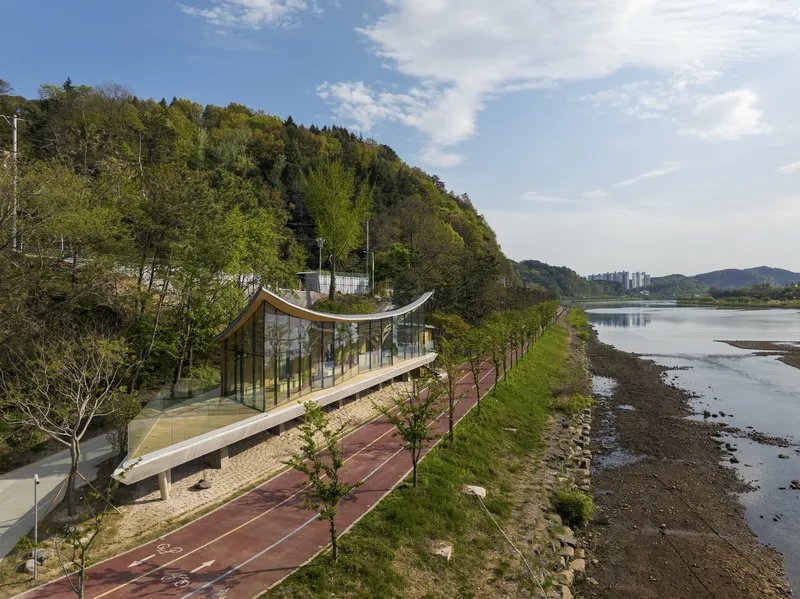
Located along the serene banks of the Namgang River in Jinju, South Korea, the Pavilion of Floating Lights by JK-AR is a poetic reinterpretation of the traditional East Asian timber architecture typology known as -ru. Blending cutting-edge digital fabrication with ancient carpentry techniques, the 110-square-meter pavilion stands as a cultural landmark that reimagines the past through the lens of contemporary design.
Reviving the East Asian ‘-ru’: Structure Rooted in History
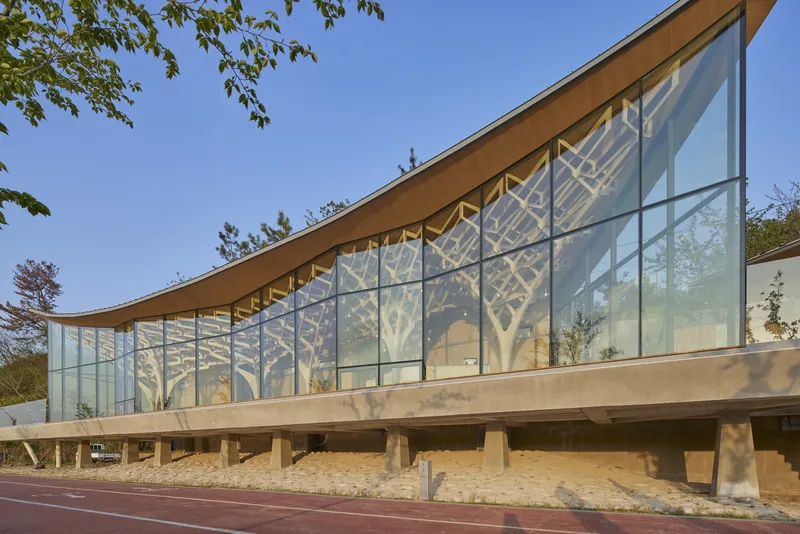
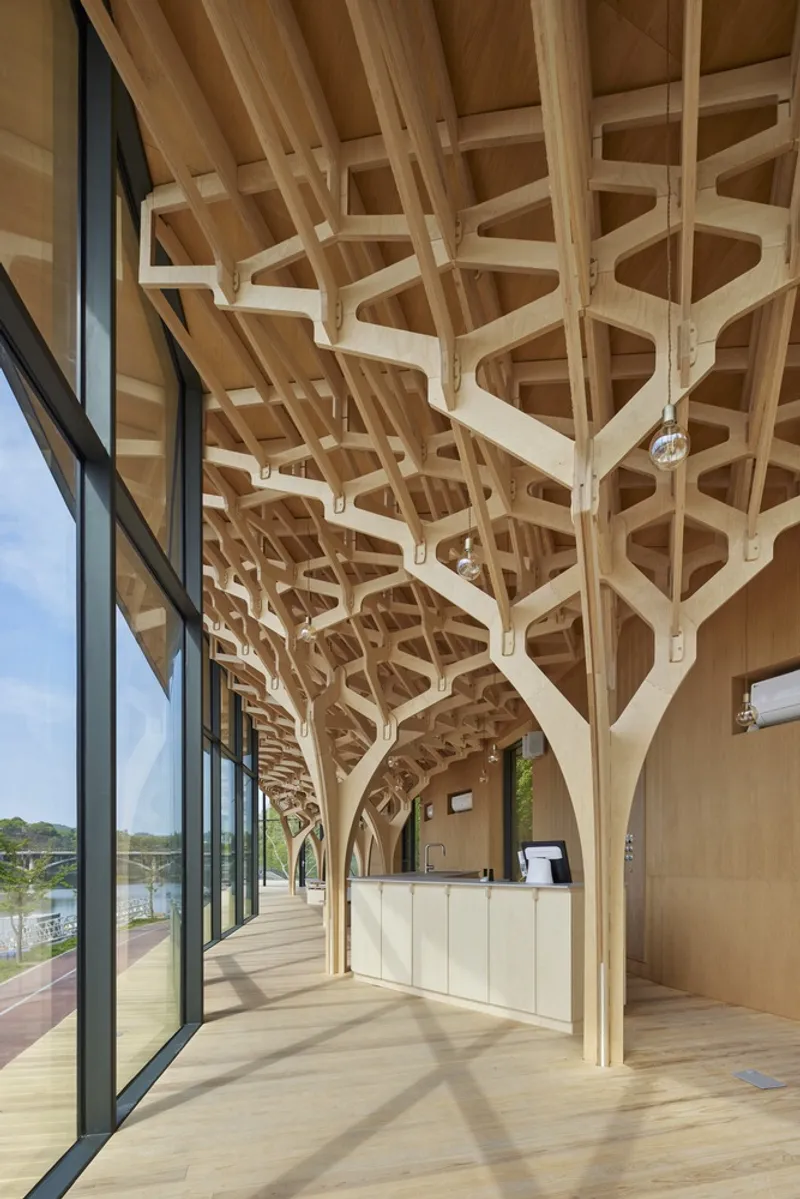
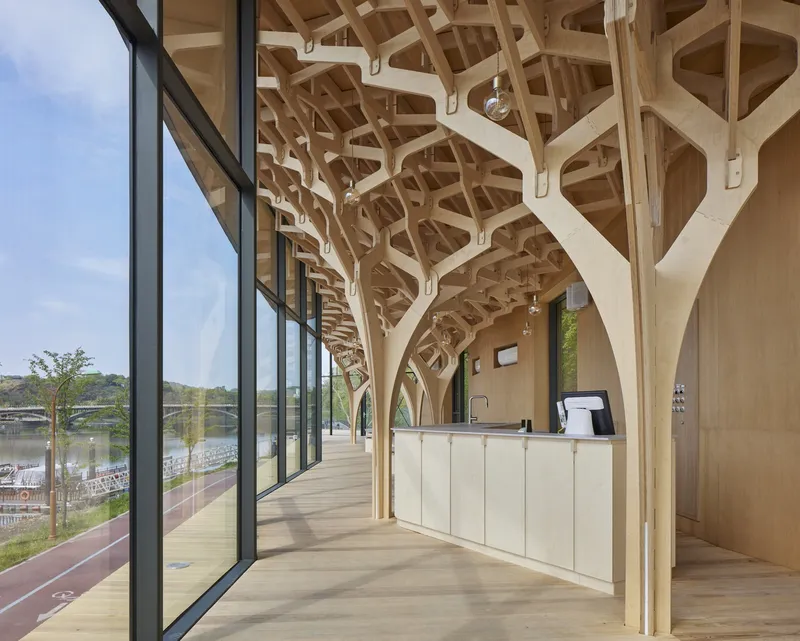
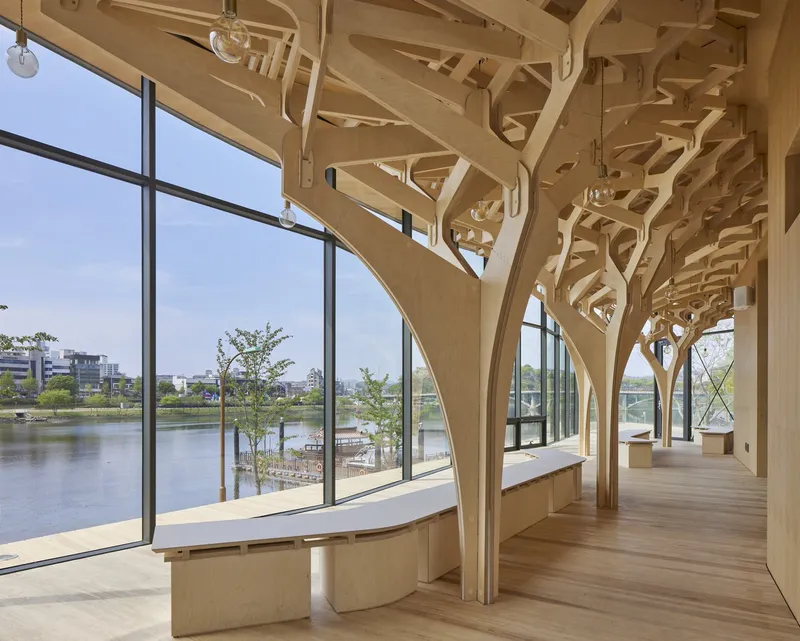
At the heart of this architectural experiment is the reinterpretation of the -ru — a traditional elevated structure designed for observation, rest, or military use. The most prominent local example, Chokseok-ru, built in 1365, served as a key design reference. Echoing its iconic six-pillar facade, JK-AR introduces six "tree-like" columns to form the core structural and symbolic gesture of the project. These columns anchor the building in the cultural heritage of Jinju, while also inviting a new civic function that extends beyond its historical roots.
Digital Fabrication Meets Traditional Craftsmanship
In an effort to preserve original East Asian carpentry methods, the pavilion was designed to avoid the use of nails and adhesives. Instead, the tree columns were constructed using CNC-routed plywood components, assembled with the aid of Augmented Reality (AR) technology. This hybrid process not only honors the spirit of traditional wooden joinery but also showcases the possibilities of reimagining lost craftsmanship through modern means.
The design team at JK-AR, led by architect Jae K. Kim, collaborated with structural engineers at Hwan Structural Engineers, mechanical experts from Yousung Total Engineering, and local builders at Dae Jo Construction Co. to bring this vision to life. The project’s integration of digital tools with vernacular building forms offers a new methodology for architectural preservation and innovation.
A Civic Space for Jinju and the Floating Lights Festival
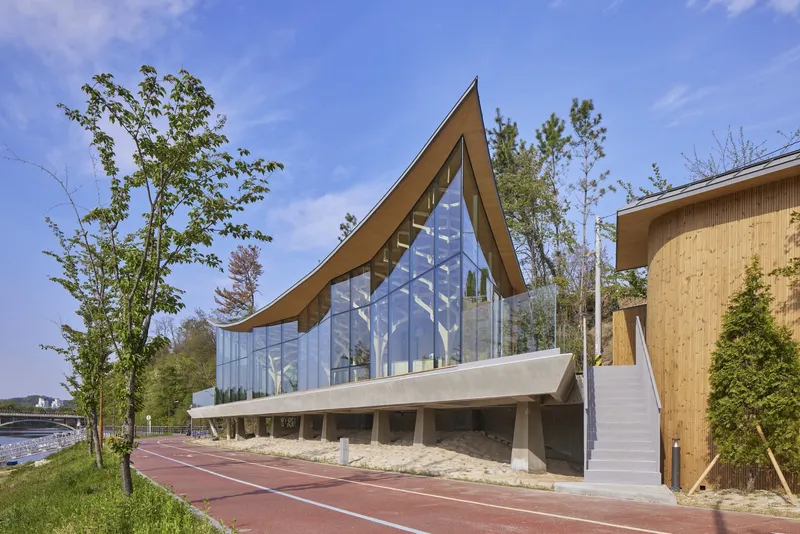
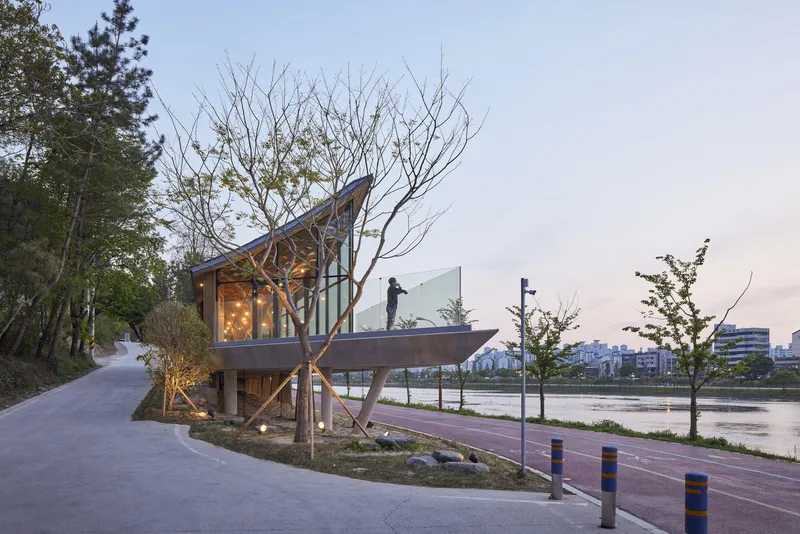
Unlike historical -ru structures designed for private or strategic purposes, the Pavilion of Floating Lights was conceived as a public platform — a space for gathering, celebration, and civic engagement. Its strategic location along the Namgang River positions it as a key viewing point and symbolic structure during the Floating Lights Festival, a beloved annual event in Jinju where lanterns drift along the water to commemorate history and memory.
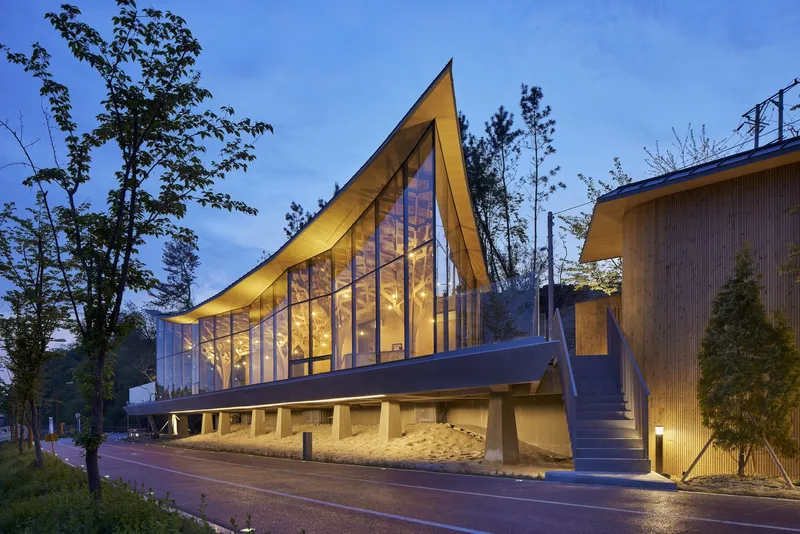
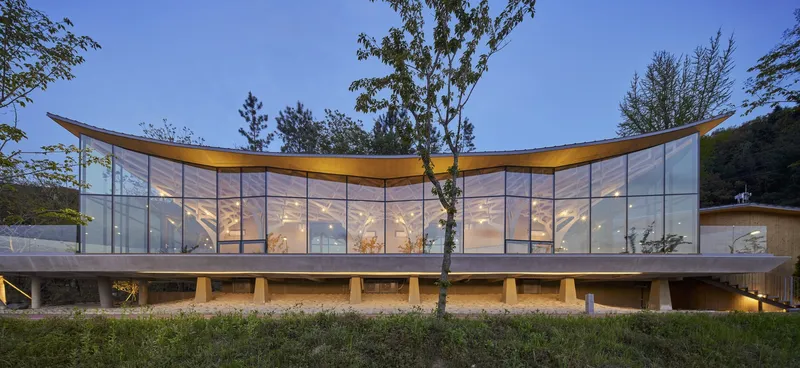
The transparent architecture — with glass walls on three sides — erases the boundary between interior and exterior, allowing the pavilion to glow like a lantern by night and dissolve into the landscape by day. It becomes an immersive urban space that connects people with the city’s layered past and evolving present.
Inspired by Nature and Memory
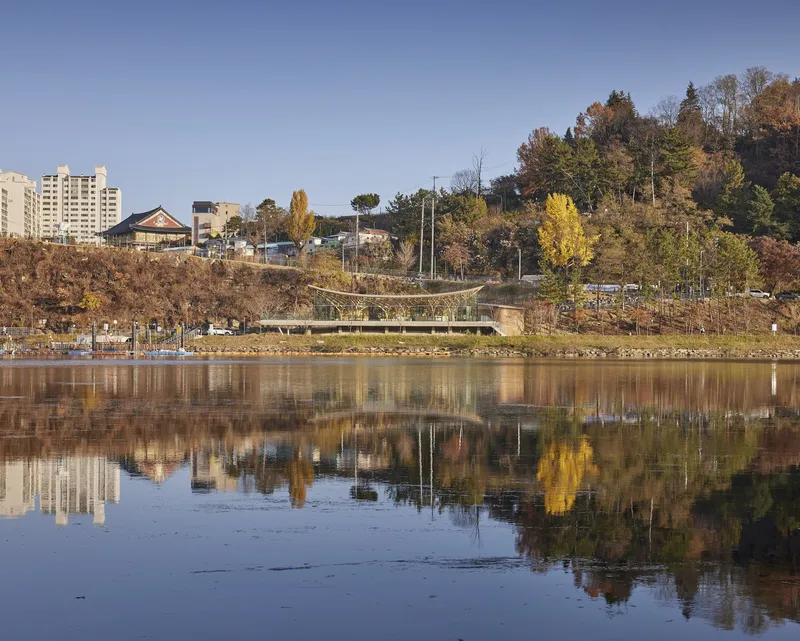
Before Jinju's urban development, the riverbank was lined with bamboo forests, a memory that informs the pavilion’s spatial composition. The six vertical tree columns and the open floor plan recreate the sensation of walking through a grove, offering visitors a tactile and emotional connection to nature — even within a built environment.
This evocation of the forest through architectural form not only recalls the city’s ecological past but also reinforces the idea that public architecture can be both symbolic and experiential. The interplay of structure, materiality, and light transforms the interior into a meditative space, while the exterior silhouette asserts its presence as a landmark.
Floating Between Past and Future
The Pavilion of Floating Lights is not just an architectural object; it is a cultural gesture, a bridge between eras. It revitalizes East Asian architectural identity through the lens of technological innovation, offering a new kind of -ru that is inclusive, sustainable, and forward-looking. As both a festival pavilion and an urban retreat, it becomes a place where tradition is not preserved in stasis but actively reinterpreted for contemporary relevance.
📌 Project Details
- Project Name: Pavilion of Floating Lights
- Location: Jinju, South Korea
- Architect: JK-AR
- Lead Architect: Jae K. Kim
- Year Completed: 2022
- Area: 110 m²
- Photography: Rohspace
- Structural Engineering: Hwan Structural Engineers
- Mechanical & Electrical Engineering: Yousung Total Engineering Co., Ltd
- Construction: Dae Jo Construction Co.
- Landscape Design: JK-AR



Popular Articles
Popular articles from the community


The Ocean Hive: Sustainable Architecture for a Self-Sufficient Civilization at Sea
The Ocean Hive imagines sustainable architecture at sea, where modular habitats, algae, wave power and ocean waste sustain a growing colony.

Conexión: Biophilic Design Reimagines High-Rise Living in Hong Kong
Conexión reimagines high-rise living in Hong Kong through biophilic design, green facades, shared spaces, daylight, water and nature within.

Riyadh For All: Intergenerational Urban Design for Active Aging in Rabat
Riyadh For All reimagines urban design in Rabat with intergenerational co-living, adaptive courtyards, and Moroccan cultural exchange today.

Co-Life: Senior Housing Design That Reconnects Older Adults With the City
Co-Life reimagines senior housing design through healing gardens, shared streets, workshops, and a sustainable community across generations.


Similar Reads
You might also enjoy these articles


Hodi-Mandai Geram
Project Function: Preservation and revitalization of the Intangible heritage and socio-spatial identity of the Hodi by Housing, Cultural Memory Center, Sacred Grove, landscape, local tourism economy


Olio Towers: A Mid-Rise for Performers That Fuses Housing, Rehearsal, and Stage
Located blocks from Houston's Theater District, this modular tower stacks living units around a central performance atrium.

Oasis: Modular Green Housing Carved into Dhaka's Urban Fabric
A shortlisted Plugin Housing entry reclaims unauthorized settlements in Dhaka with stepped concrete volumes, green roofs, and ventilation-driven design.

Black Hole: A Floating Megastructure for the Post-Physical Era
Emiliano Mazzarotto envisions a spherical, self-scaling arena where e-sports, digital hotels, and holographic stadiums replace traditional public space.


Explore Sustainable Design Competitions
Discover active competitions in this discipline



Challenge to reimagine the Iron Throne


Photograph architecture without architects


Illustrate the lost glory of Angkor Wat - Render Challenge


Design challenge to reuse E-waste
Comments (0)
Please login or sign up to add comments
No comments yet. Be the first to comment!