
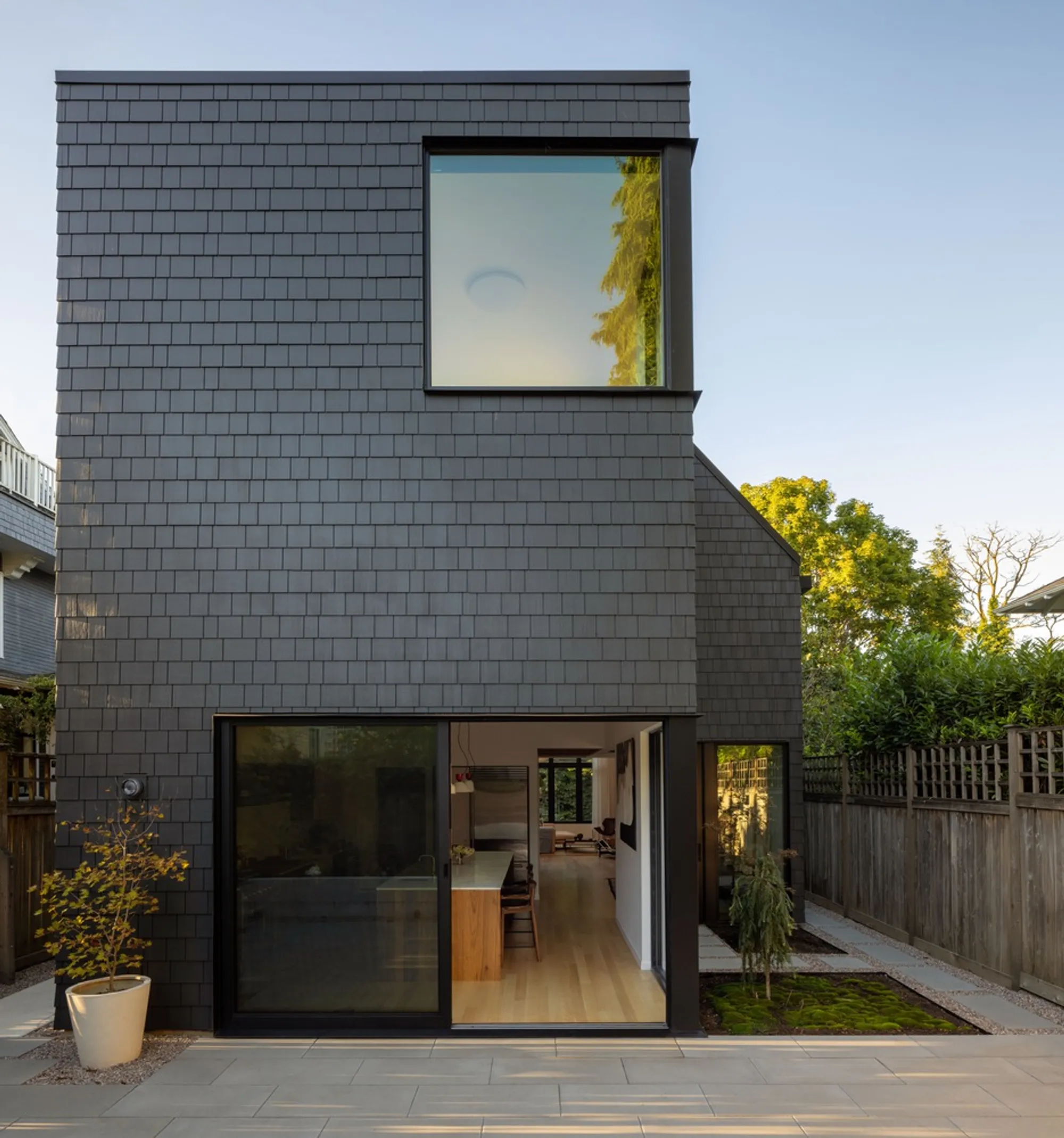
Pho Bac House by SHED Architecture & Design: A Compact Urban Retreat Bridging Heritage and Modern Living
A compact Seattle home by SHED Architecture transforms a former studio into a double-height, light-filled residence blending history and modern living.


Located in Seattle’s Leschi neighborhood, Pho Bac House by SHED Architecture & Design redefines urban living within a tight footprint. The 1,858-square-foot residence transforms a former 1940s art studio into a warm and contemporary two-level home, seamlessly blending heritage preservation, compact spatial design, and modern craftsmanship.
A Narrow Lot with Expansive Vision
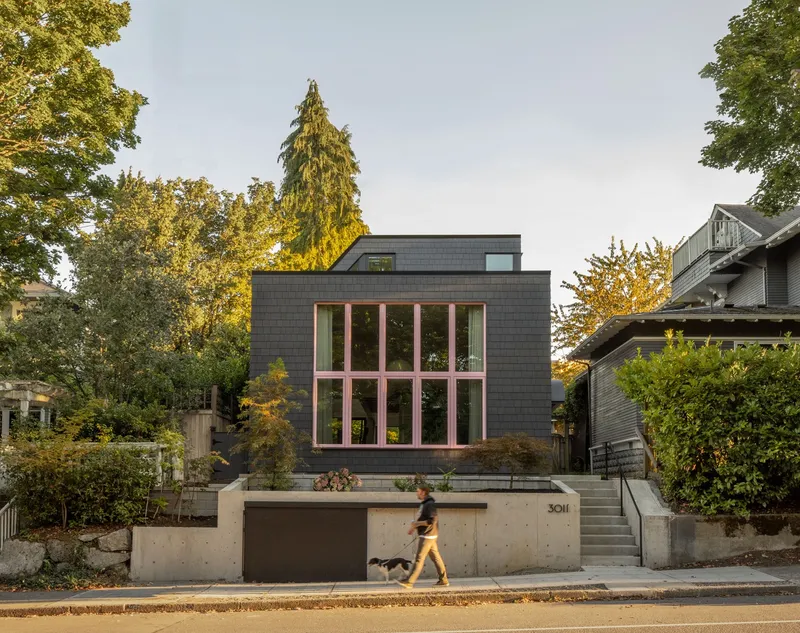
Set on a narrow 2,835-square-foot lot, the house is positioned between two larger neighboring homes yet maintains an intimate connection to nature with framed views of Frink Park, the Cascade Mountains, and Lake Washington. The project demonstrates how thoughtful architectural intervention can unlock potential in constrained urban sites.
From Studio to Home: A Story of Transformation
Originally built as an art studio and later serving religious and residential purposes, the structure carries a rich legacy. SHED Architecture & Design reimagined it for the owner of Seattle’s celebrated Phở Bắc restaurant, a local landmark in Little Saigon. The renovation expands the single-story, 1,000-square-foot building into a light-filled two-story dwelling that honors its past while embracing a modern urban lifestyle.
Double-Height Interiors and Dynamic Spatial Flow
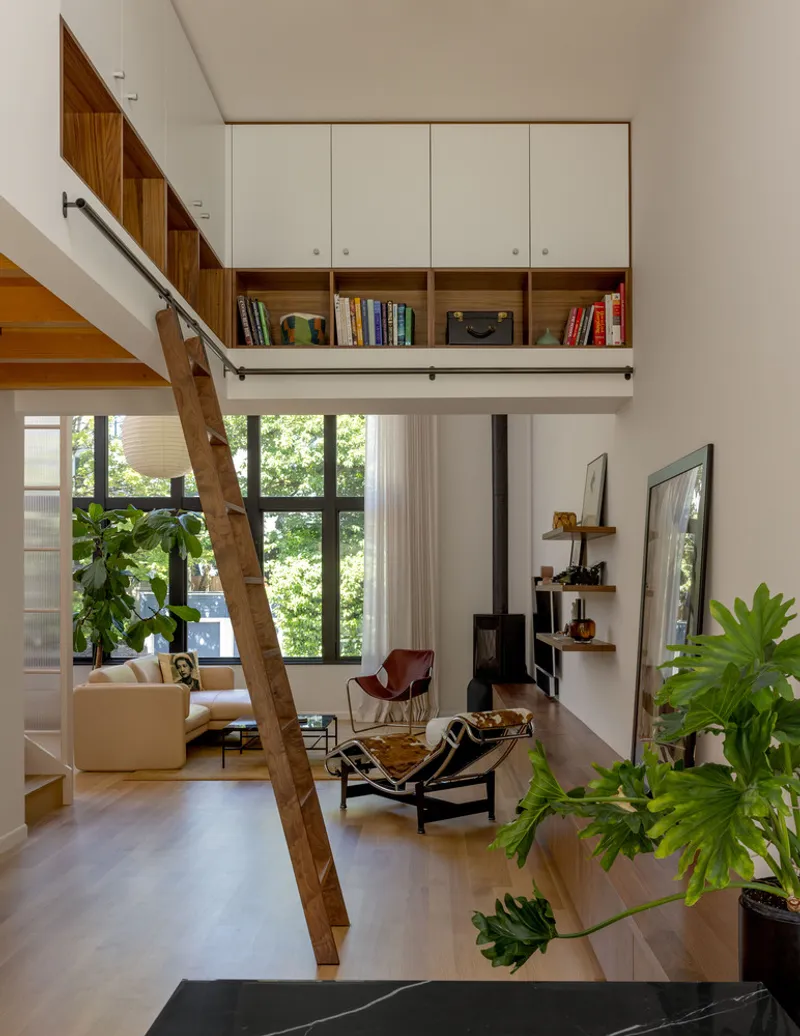
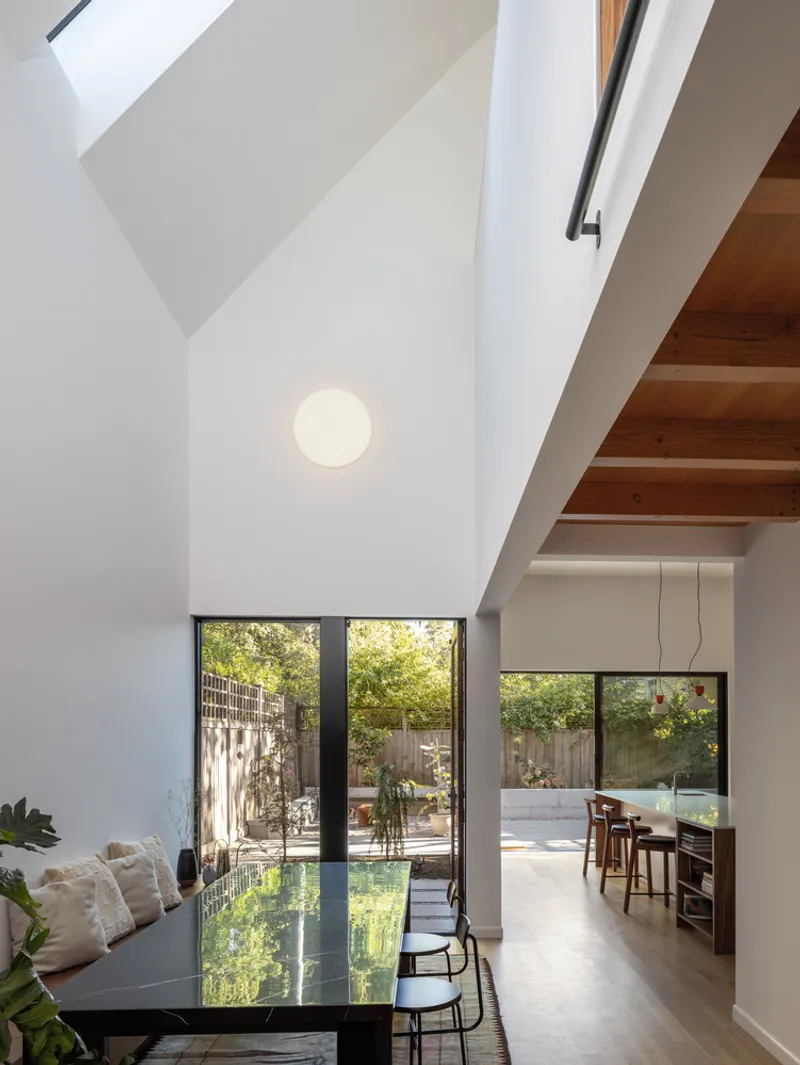
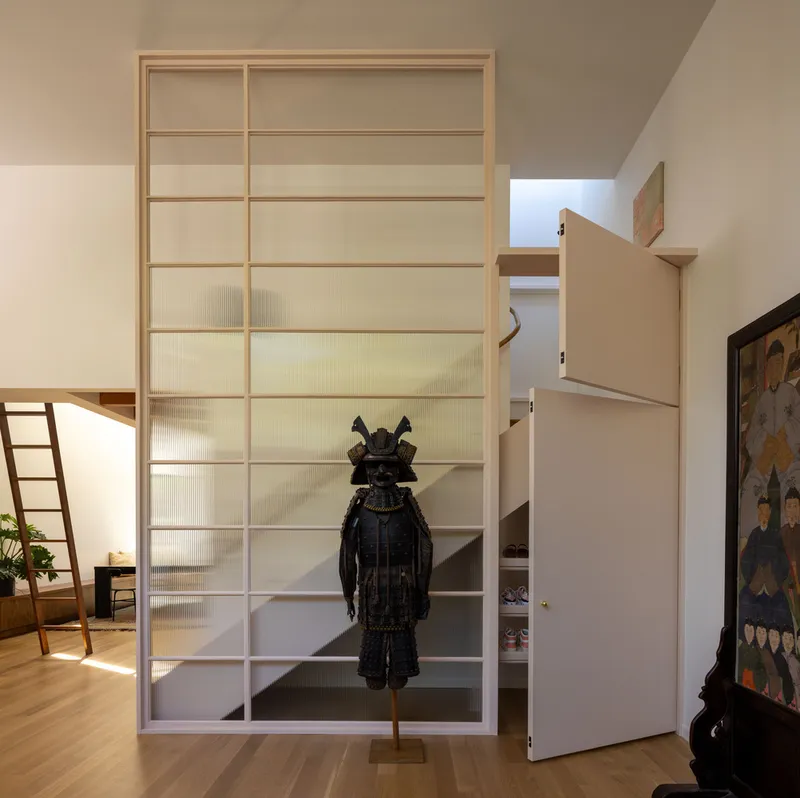
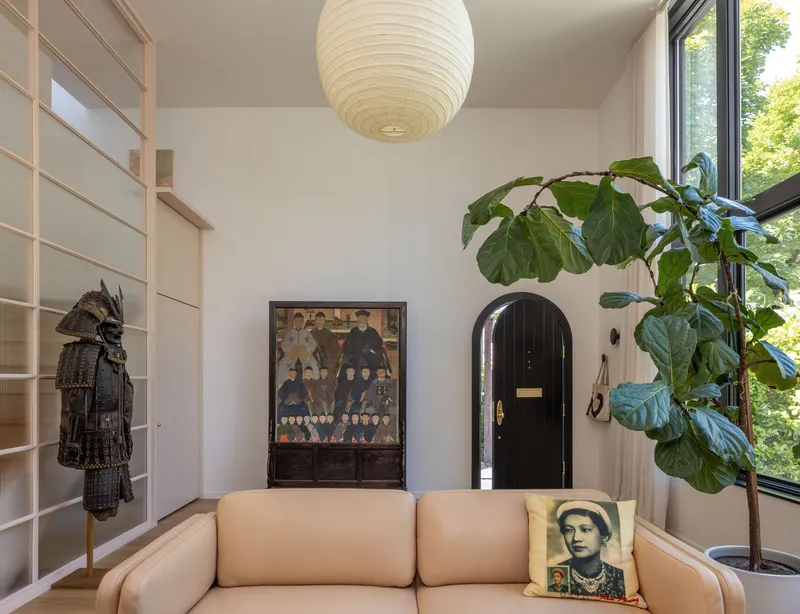
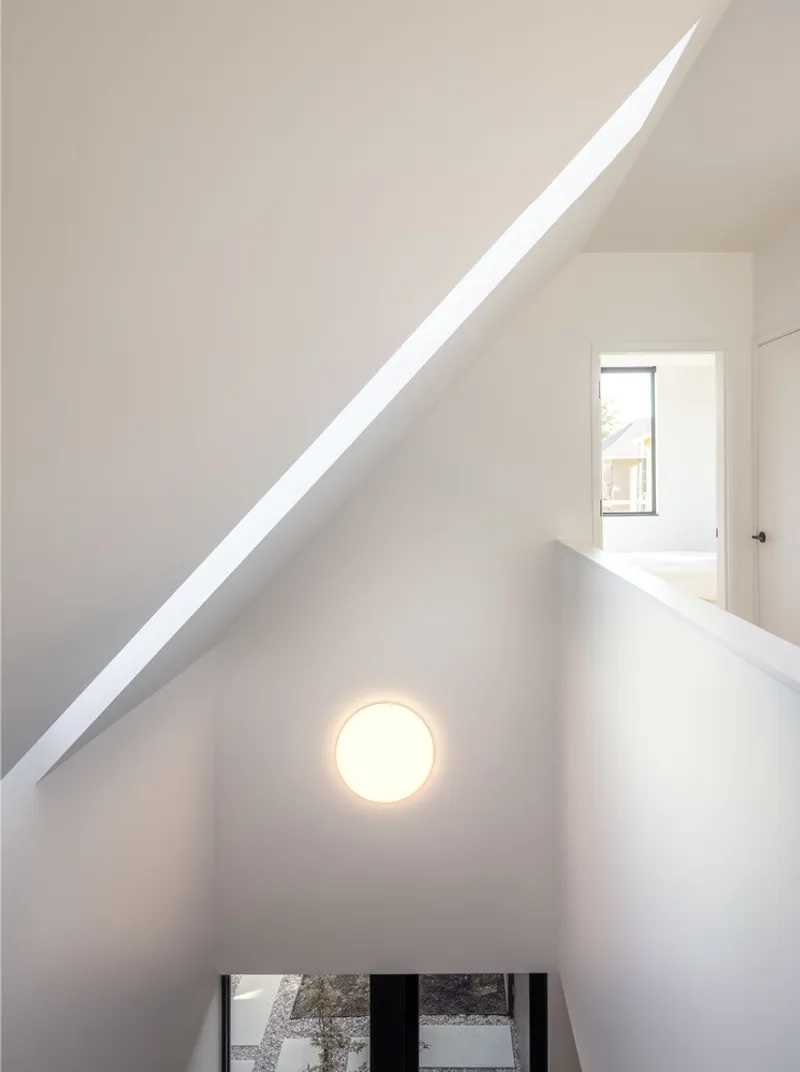
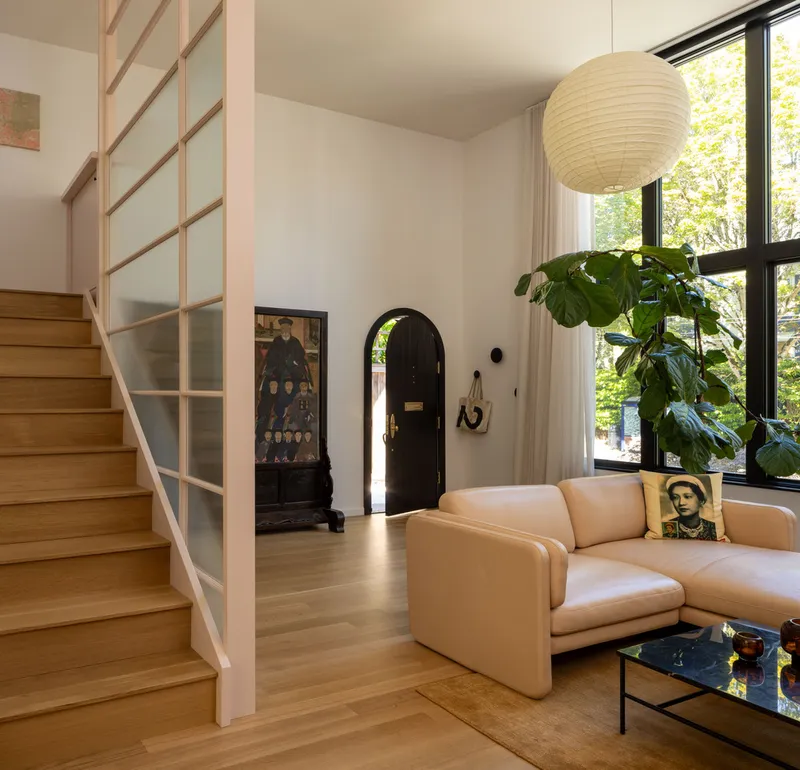
At the heart of the design lies a double-height central space that visually and spatially connects the interior to the street, yard, and sky. The main floor features a living room, dining area, and kitchen — each space defined by varying ceiling heights that enhance openness and circulation.
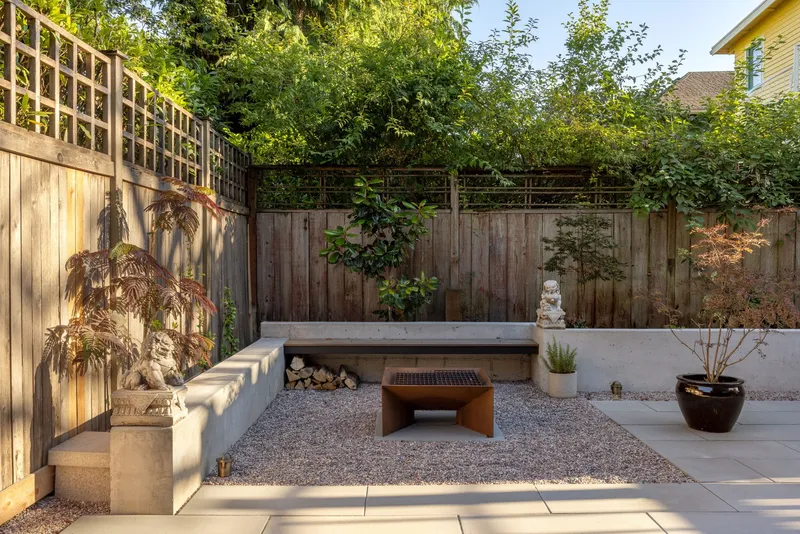
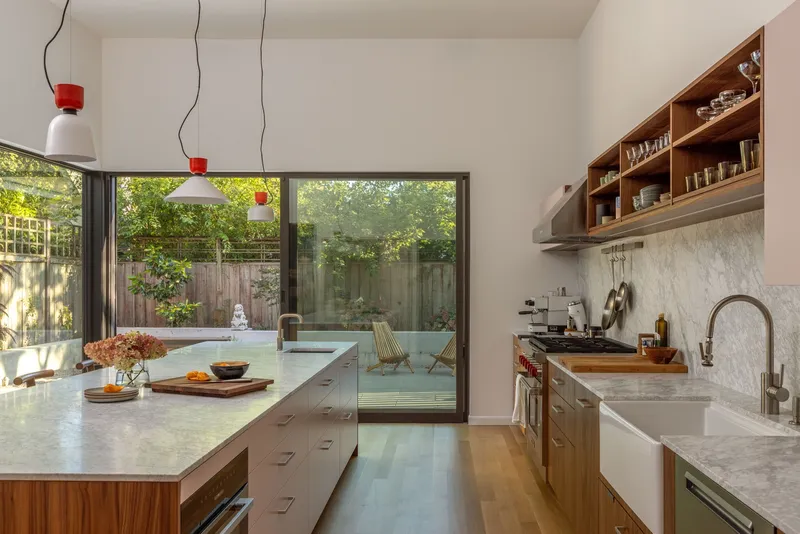
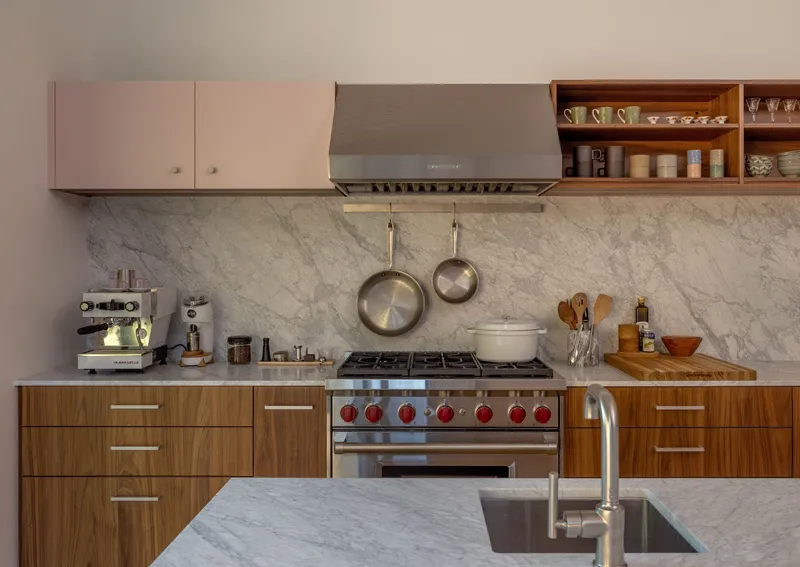
The living room at the north end preserves the original studio’s window, now enlarged to welcome abundant daylight. The dining area forms the home’s central gathering space, open to the vertical volume and suffused with soft eastern light. The kitchen, custom-designed by Space Theory, extends southward to a compact backyard with a firepit, concrete sitting wall, and outdoor cooking zone, creating a fluid connection between indoor and outdoor living.
Intimate Upper Level and Roof Deck Views
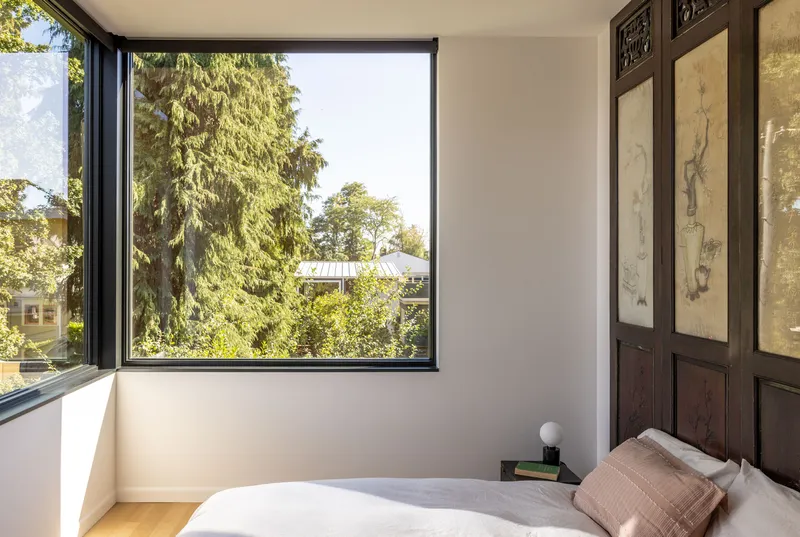
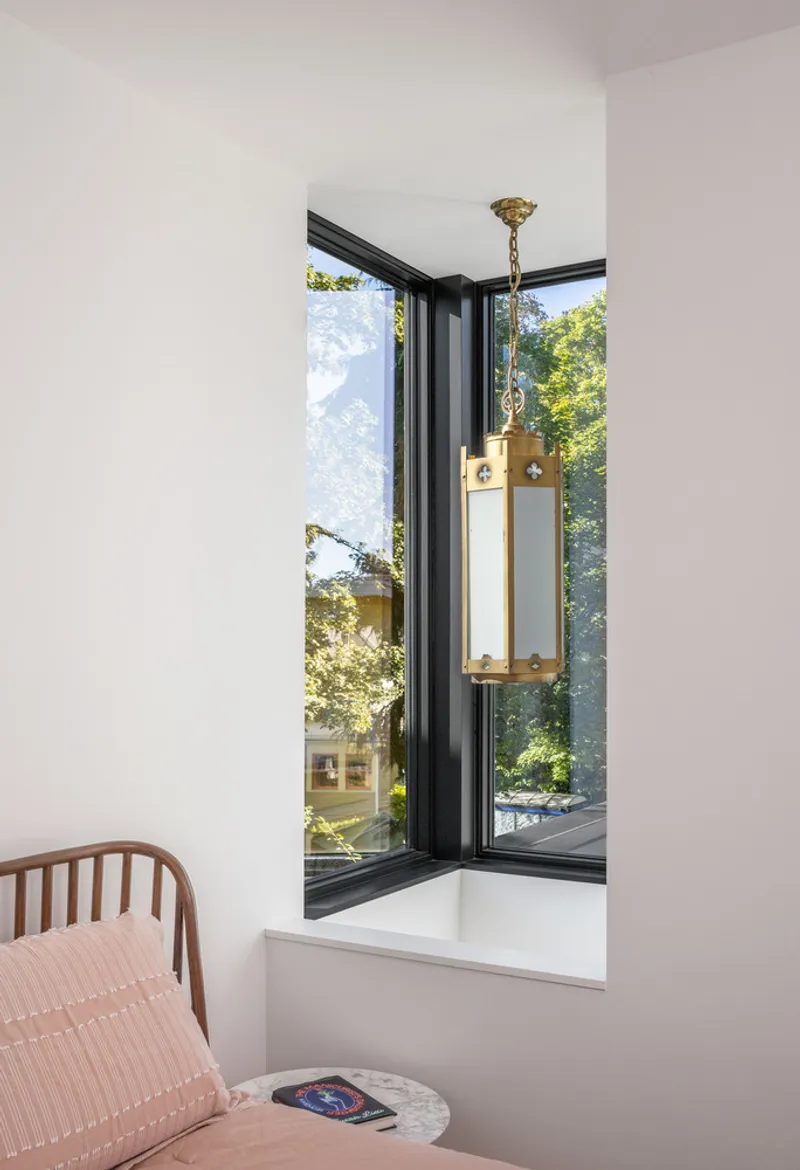
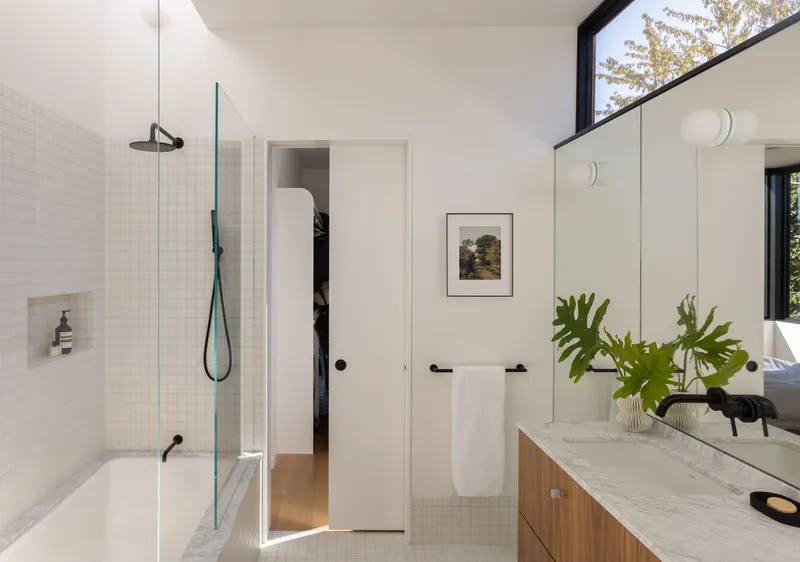
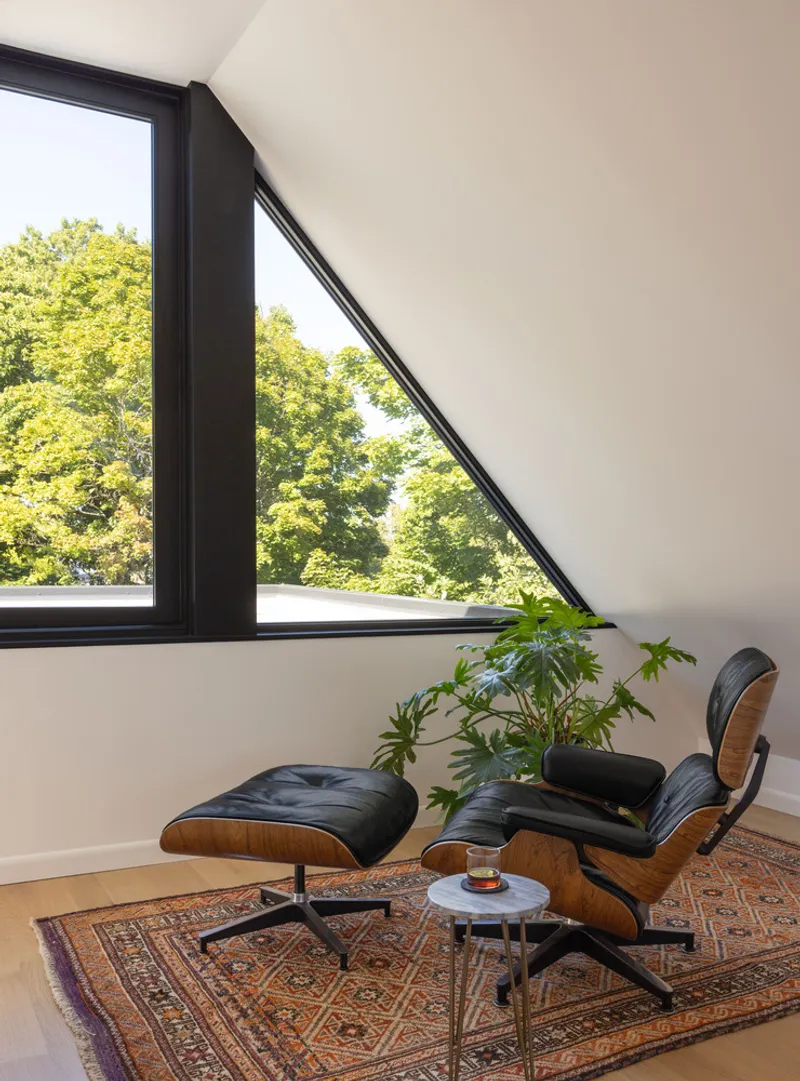
The upper level accommodates two cozy bedrooms and a shared bathroom. A sitting room, open to the lower level and roof deck, creates a layered visual experience that amplifies the home’s compact dimensions. Between the two floors, a half-story mezzanine cleverly integrates storage and mechanical systems without disrupting the flow of space.
Preservation and Innovation in Compact Design
Preserving the existing structure was both a design and regulatory necessity, as the lot’s non-conforming land-use conditions limited new construction. SHED retained the clipped flat roof and repurposed the original north studio window frame as an interior guardrail and screen — a poetic nod to the site’s history and craftsmanship. The renovation highlights how adaptive reuse and architectural restraint can yield spatial richness and sustainable continuity.
Color, Character, and Cultural Connection
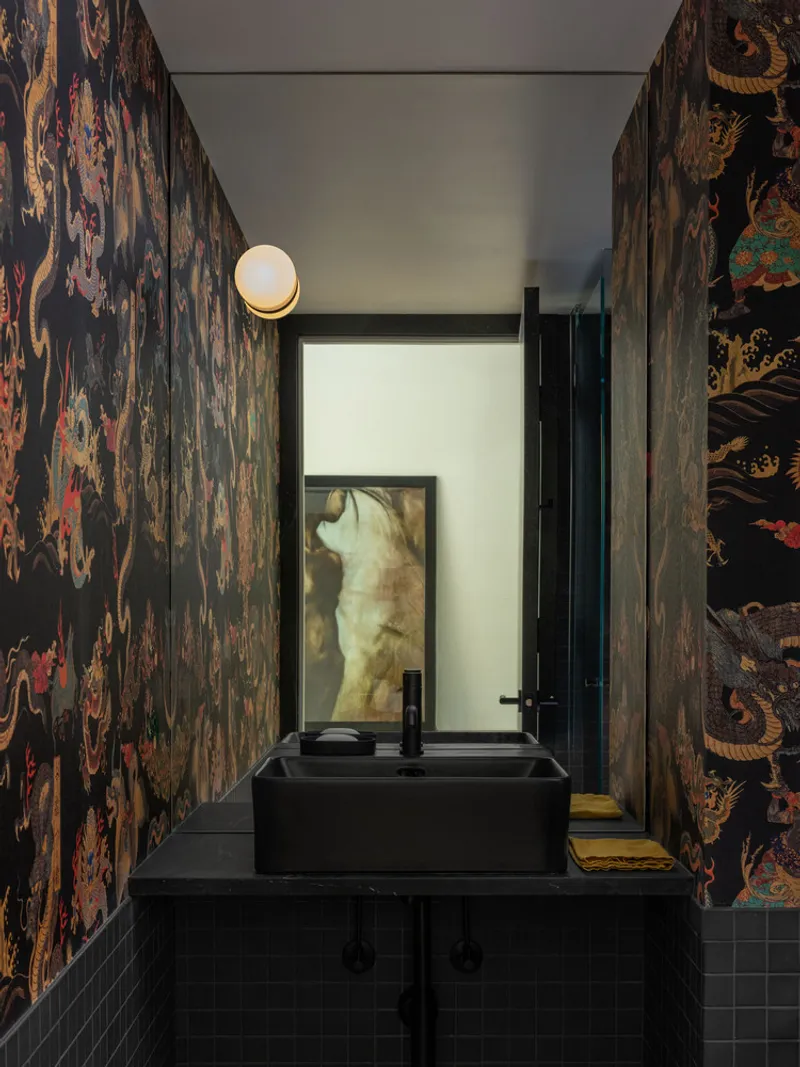
Throughout the interiors, soft pink accents pay homage to the Phở Bắc restaurant identity and a signature street-facing pink window. These subtle yet bold gestures link the residence to the owner’s cultural and entrepreneurial roots in the International District, infusing personal meaning into the architectural expression.
A Model for Thoughtful Urban Renewal
Pho Bac House stands as a refined example of how adaptive reuse, compact architecture, and material authenticity can coexist harmoniously. SHED Architecture & Design’s approach demonstrates how to create intimate, light-filled urban homes that respect both the past and the evolving character of Seattle’s neighborhoods.
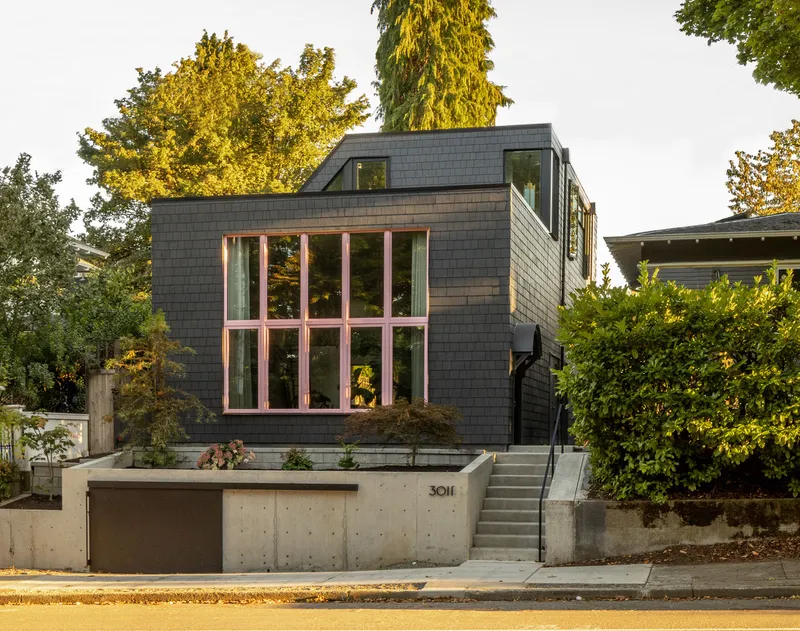
All Photographs are works of Rafael Soldi




Popular Articles
Popular articles from the community


Play: Fragments of Their World
Familiar architecture becomes modular playground design, creating safe spaces where displaced children can learn, connect, imagine and play.

Co-Life: Senior Housing Design That Reconnects Older Adults With the City
Co-Life reimagines senior housing design through healing gardens, shared streets, workshops, and a sustainable community across generations.

The Ocean Hive: Sustainable Architecture for a Self-Sufficient Civilization at Sea
The Ocean Hive imagines sustainable architecture at sea, where modular habitats, algae, wave power and ocean waste sustain a growing colony.

Lunar Spiral: Space Architecture Shaped by the Mathematics of the Universe
Lunar Spiral reimagines space architecture through Fibonacci geometry, lunar regolith, levitating habitats, and self-sustaining Moon living.


Similar Reads
You might also enjoy these articles


Hodi-Mandai Geram
Project Function: Preservation and revitalization of the Intangible heritage and socio-spatial identity of the Hodi by Housing, Cultural Memory Center, Sacred Grove, landscape, local tourism economy


Olio Towers: A Mid-Rise for Performers That Fuses Housing, Rehearsal, and Stage
Located blocks from Houston's Theater District, this modular tower stacks living units around a central performance atrium.

Oasis: Modular Green Housing Carved into Dhaka's Urban Fabric
A shortlisted Plugin Housing entry reclaims unauthorized settlements in Dhaka with stepped concrete volumes, green roofs, and ventilation-driven design.

Black Hole: A Floating Megastructure for the Post-Physical Era
Emiliano Mazzarotto envisions a spherical, self-scaling arena where e-sports, digital hotels, and holographic stadiums replace traditional public space.


Explore Housing Competitions
Discover active competitions in this discipline



Challenge to reimagine the Iron Throne


Photograph architecture without architects


Illustrate the lost glory of Angkor Wat - Render Challenge


Design challenge to reuse E-waste
Comments (0)
Please login or sign up to add comments
No comments yet. Be the first to comment!