
Pigeon House by Dakhmeh Studio: Sustainable Renovation and Adaptive Reuse in Tehran
Pigeon House in Tehran is a sustainable, three-story renovation using recycled materials, expanded living spaces, rooftop quarters, and heritage-preserving design.


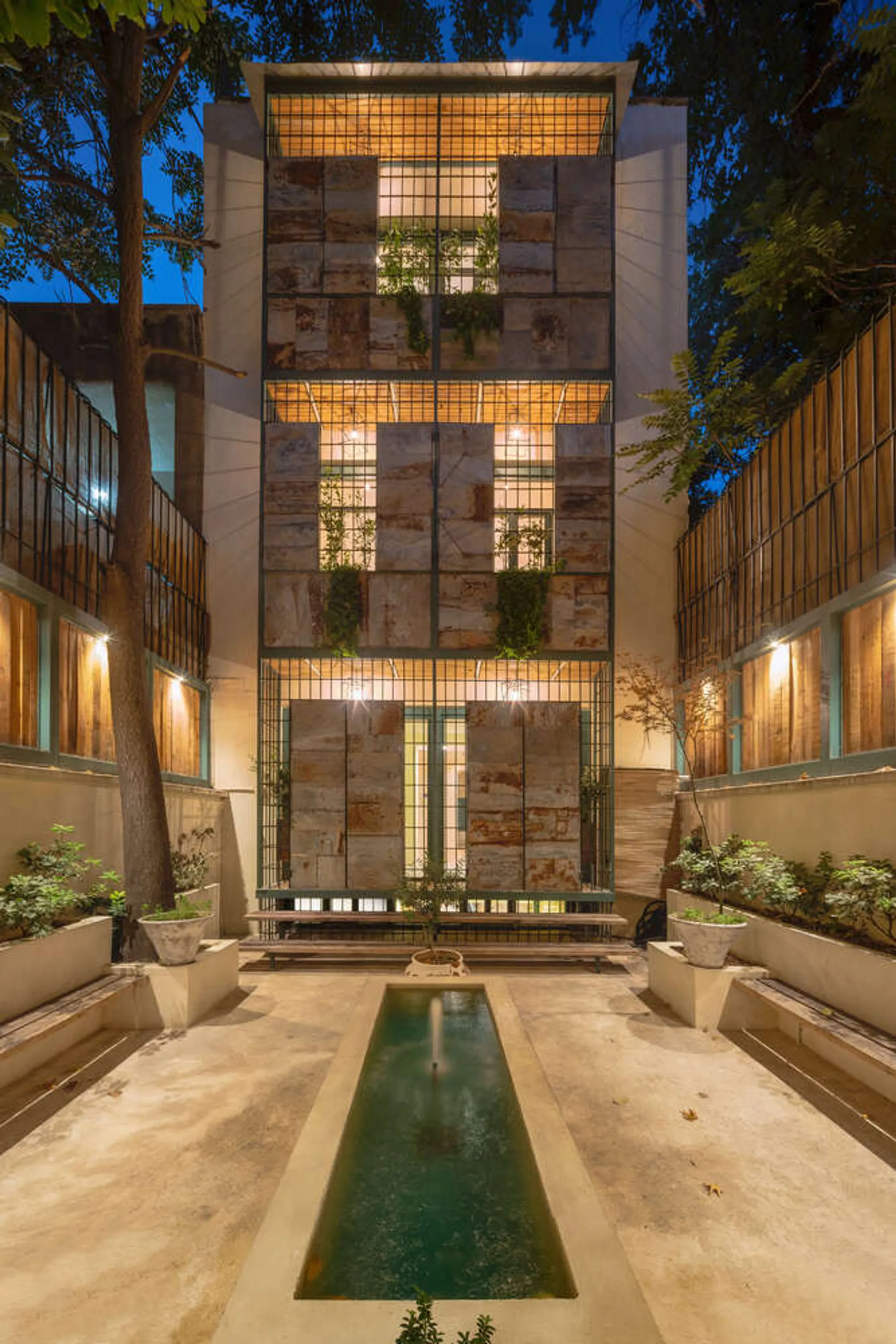
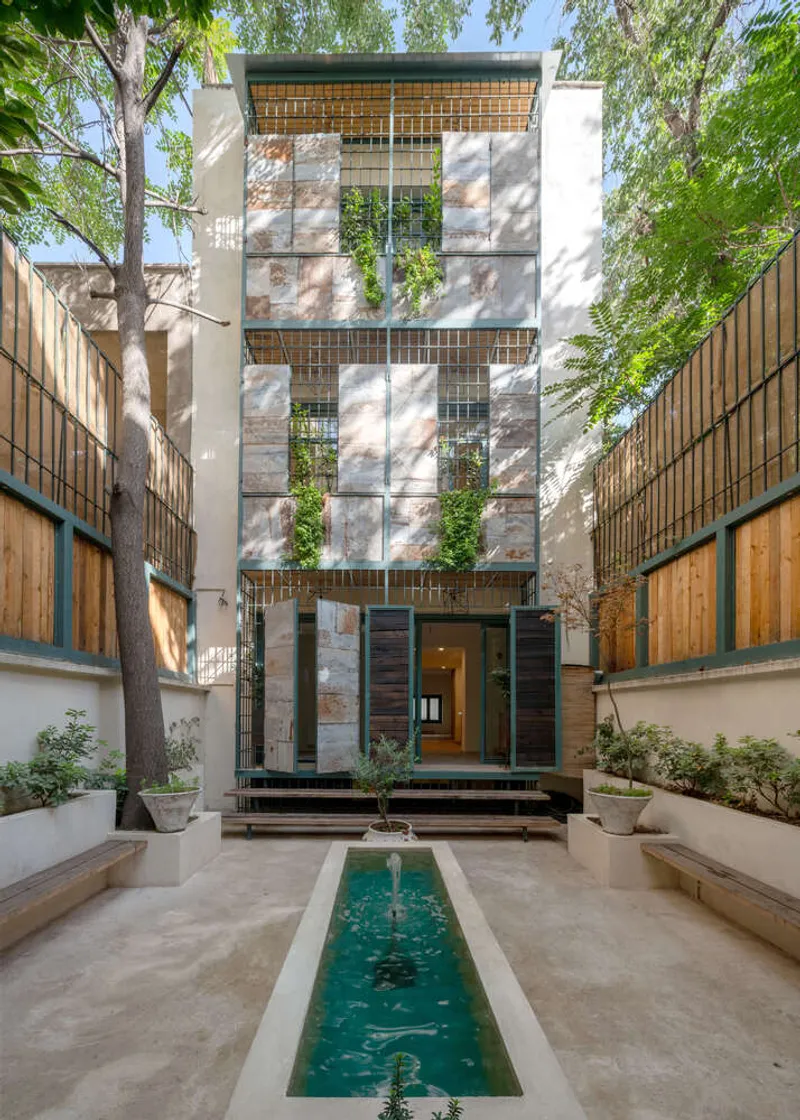
Pigeon House, designed by Dakhmeh Studio, is a thoughtfully renovated three-story residential building with a basement, courtyard, and rooftop caretaker's room, situated in northern Tehran. The renovation project embodies sustainable design principles, emphasizing the use of recycled materials, scrap resources, and cost-effective construction methods while engaging unskilled labor for implementation.
Sustainable Design and Material Reuse
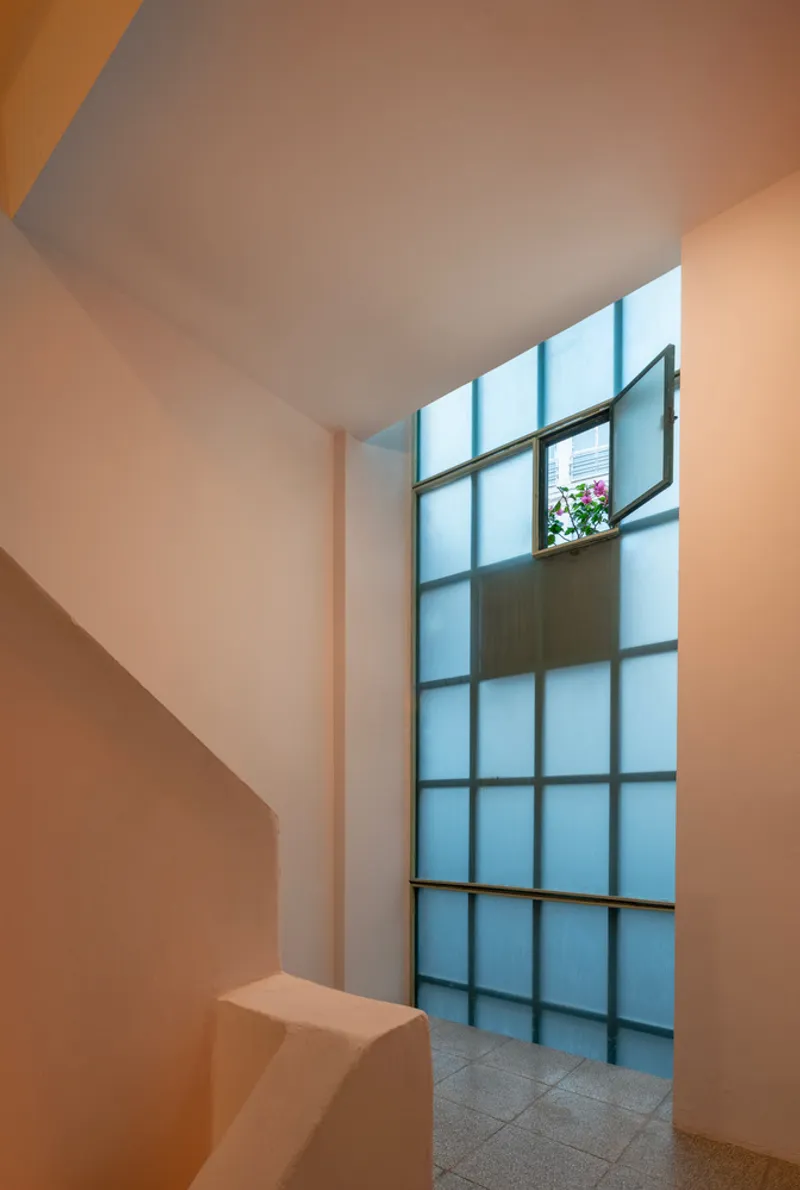
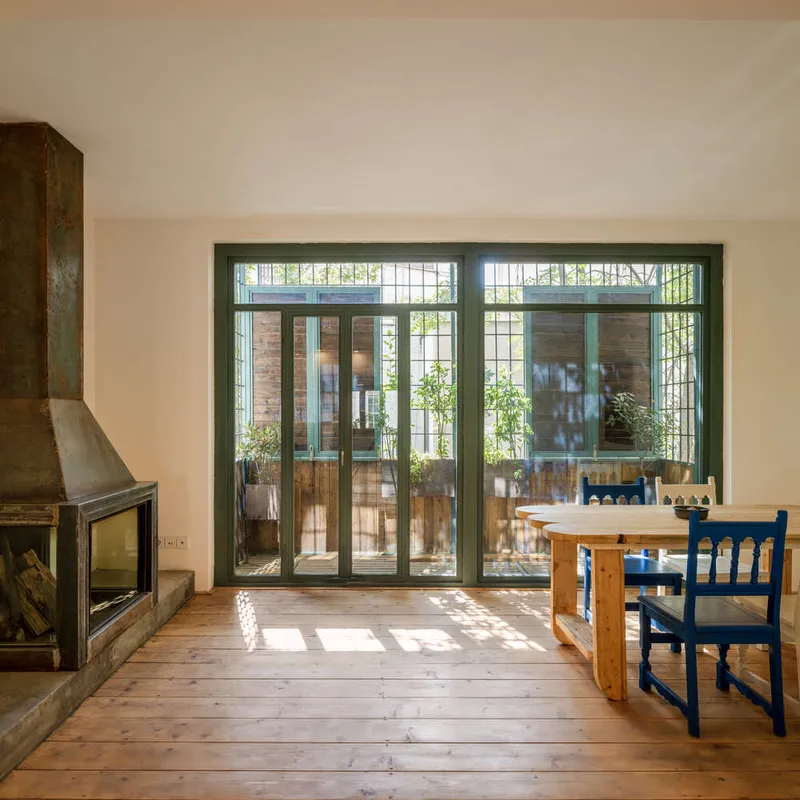
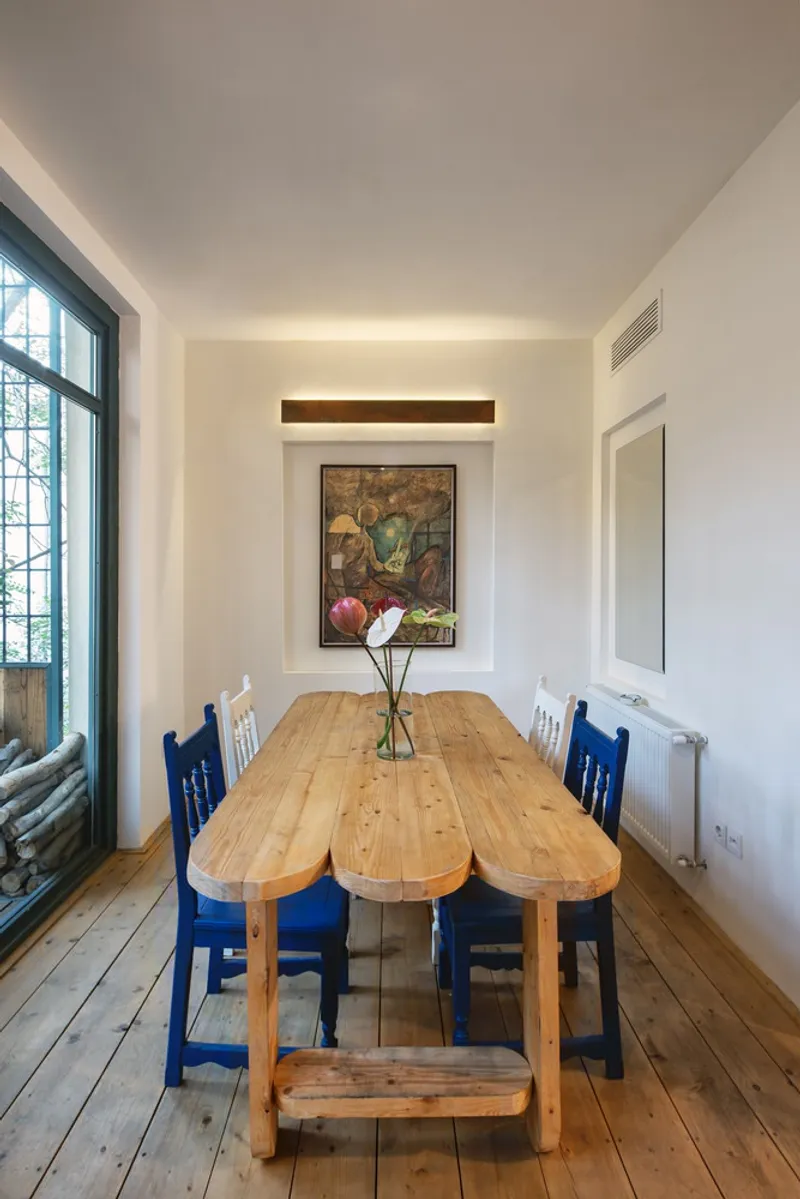
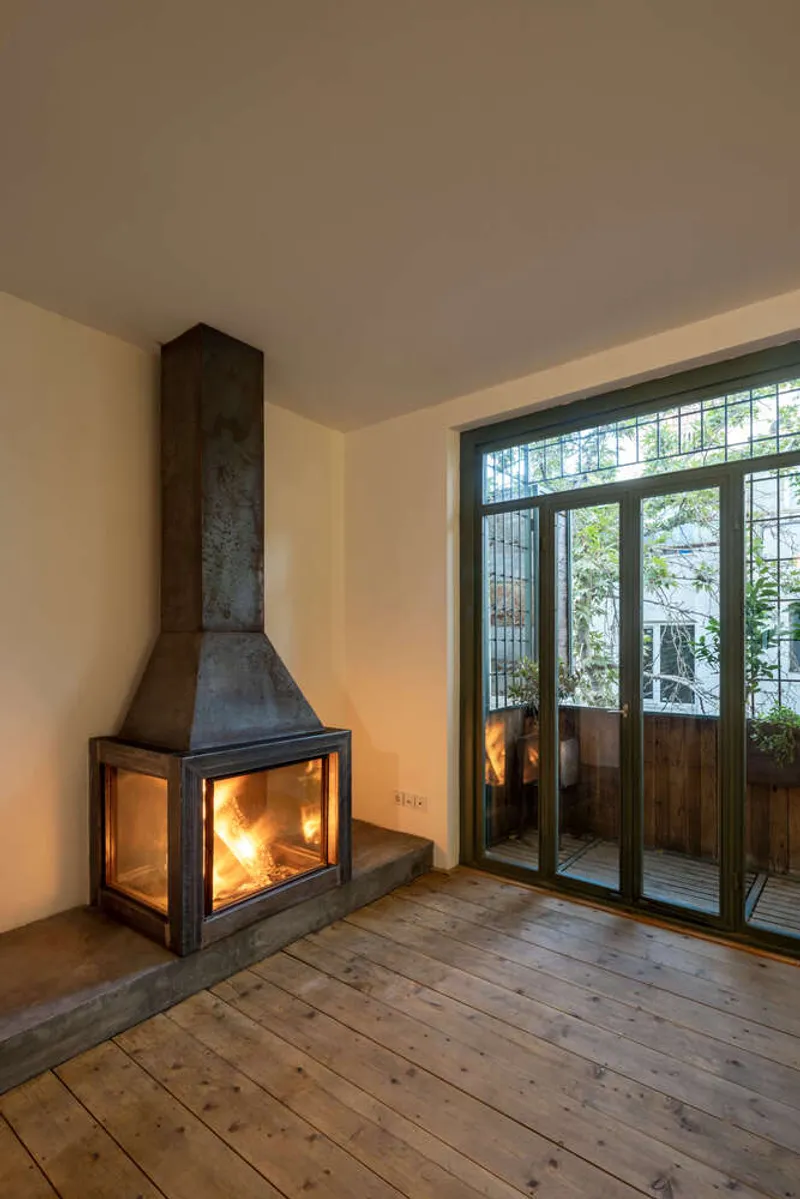
The design approach prioritizes the reuse of metal scraps, recycled wooden pallets, and affordable local resources, minimizing construction costs without compromising quality. Inside the units, untreated wood and iron were used to create neutral, adaptable spaces. This strategy allows residents to personalize interiors with their own creative touches while benefiting from highly durable materials that reduce long-term maintenance costs and wear.
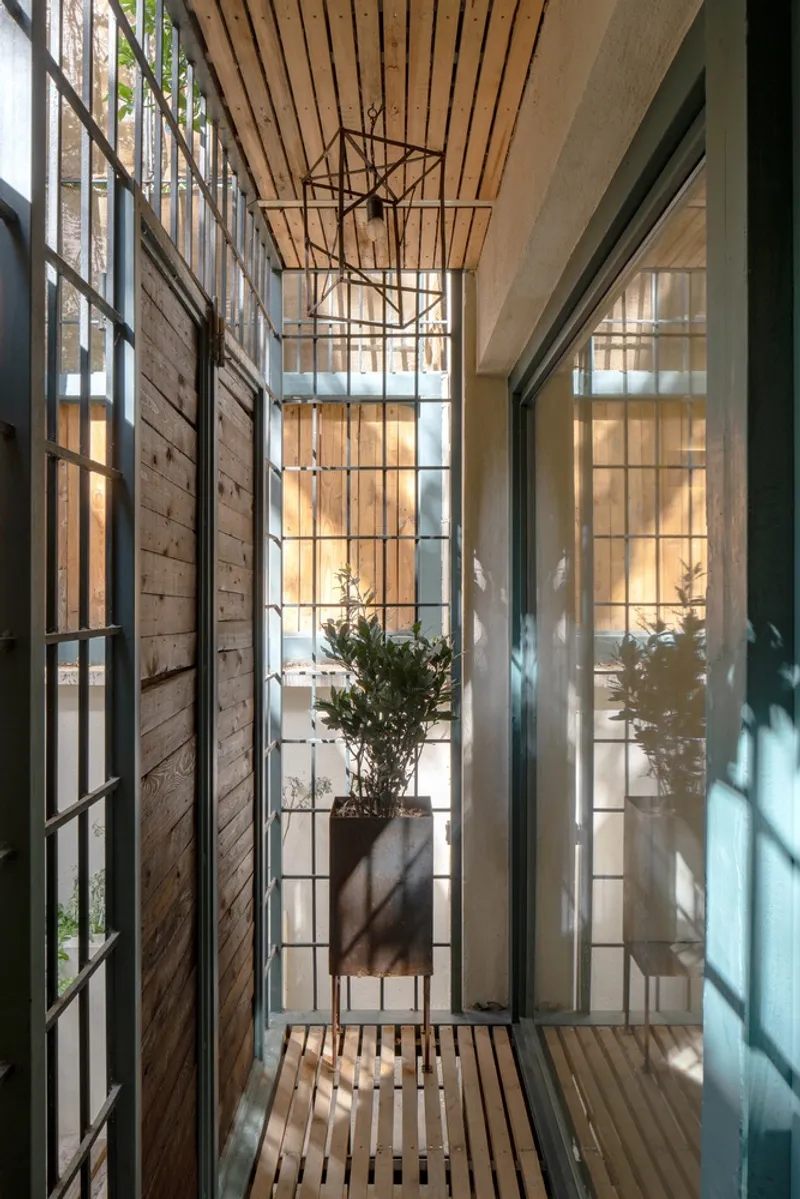
Ceilings were carefully re-layered and re-concreted, ensuring structural integrity, while the flooring features Russian wood planks screwed onto an iron profile structure. These planks are removable, enabling easy access for electrical wiring and utilities beneath, reflecting a practical and sustainable approach to interior design.
Expansion and Functional Improvements
The renovation added three key spaces to enhance livability:
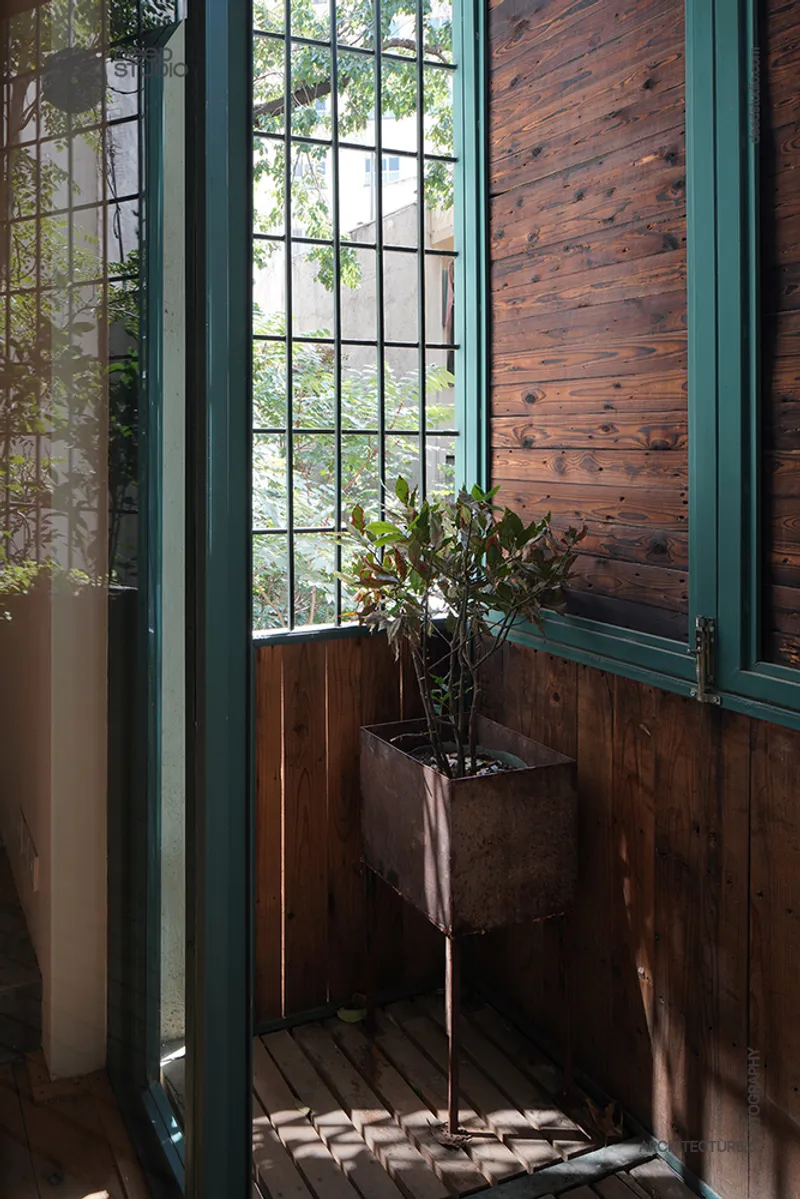
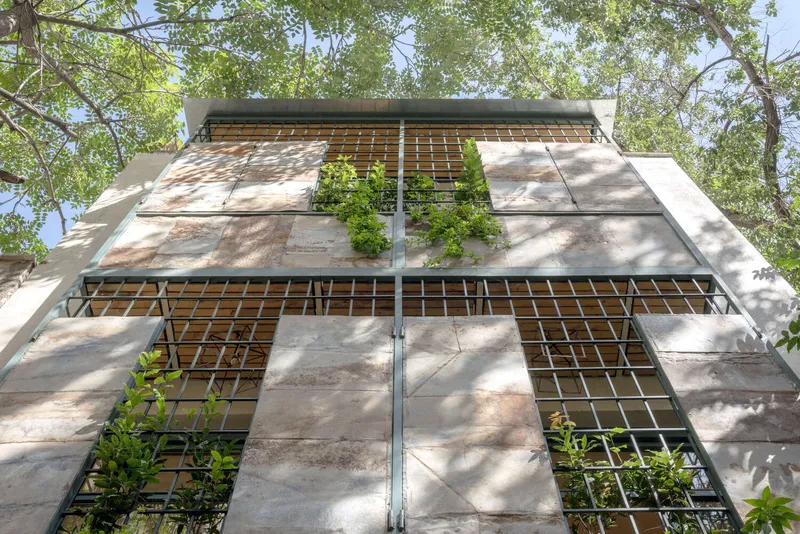
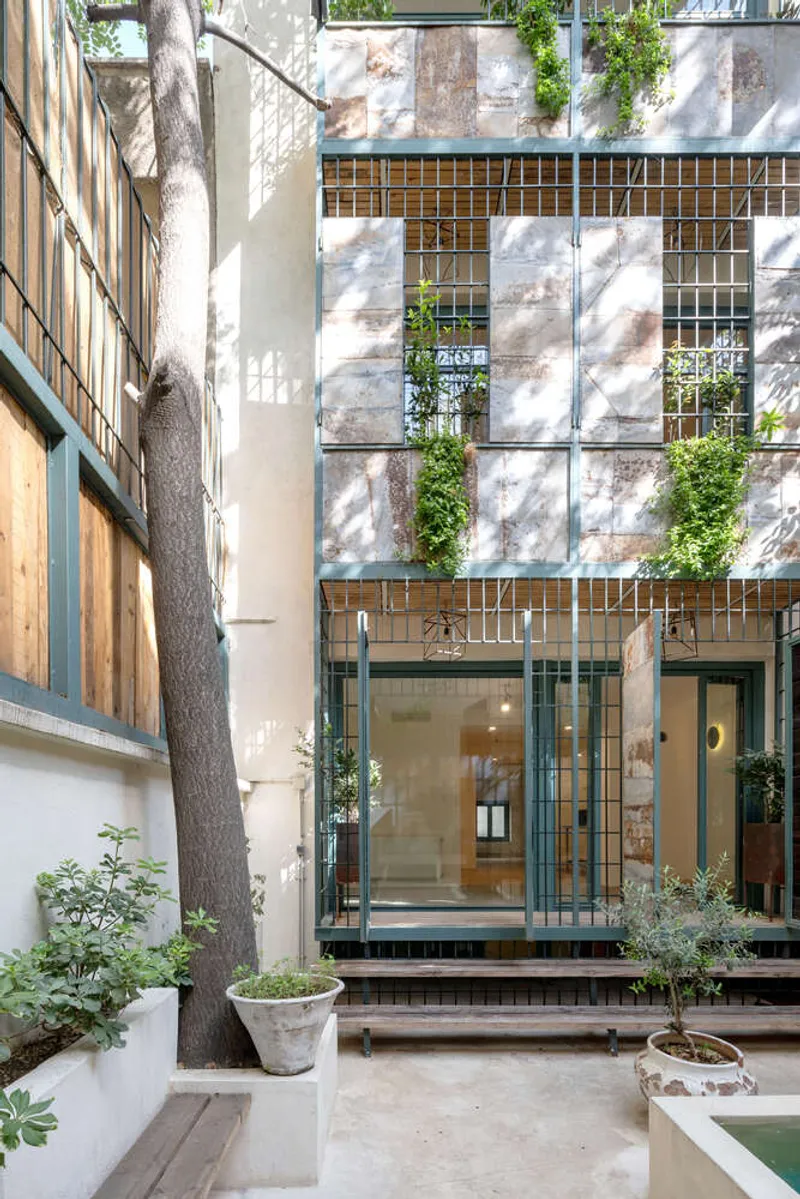
- Southern Facade with Balcony: The southern facade was extended, adding full-length balconies for every floor. Metal panels, covered with recycled tin sheets from a Pahlavi-era building, provide shading, privacy, and a second layer of security. These tin sheets, preserved in their weathered, rusted form, create a visually striking texture and connect the building organically to Tehran's historic identity. Potted plants integrated along the balcony further reinforce this natural connection.
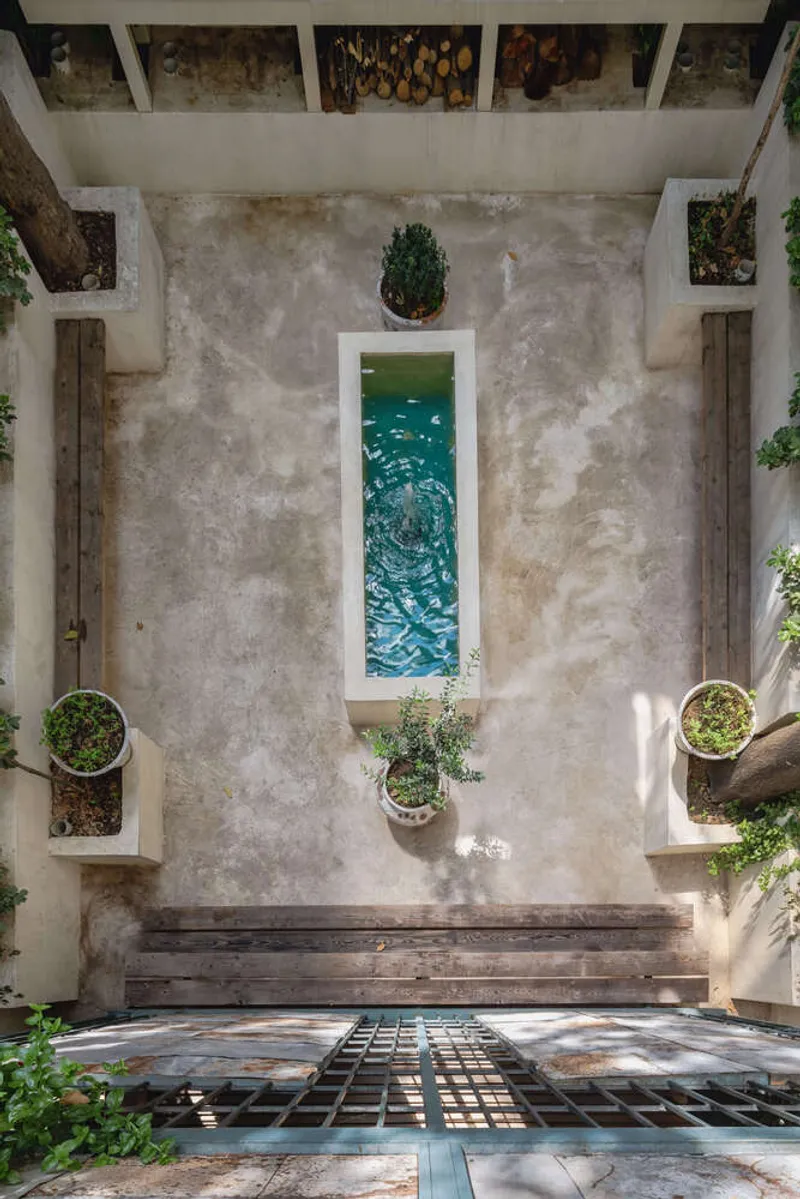
- Basement Expansion: The basement, originally 30 m², was expanded to 50 m² by excavating towards the courtyard. This space now functions as a livable unit complete with natural light, a bathroom, toilet, and compact kitchen, transforming what was once storage into a vibrant residential area.
- Rooftop Caretaker Quarters: The rooftop was extended to accommodate living quarters for the caretaker, maximizing usable space while maintaining privacy and functionality.
Architectural Details and Heritage Preservation
The exterior carefully balances modern interventions with historical preservation. The original iron entrance door, featuring floral motifs, remains intact, honoring the building’s era. Brick facades were repaired, and three hollow metal volumes were incorporated between the bricks to serve as nesting spaces for pigeons, an homage to the building’s name and local culture.
All photographs are works of Deed Studio




Popular Articles
Popular articles from the community


Lunar Spiral: Space Architecture Shaped by the Mathematics of the Universe
Lunar Spiral reimagines space architecture through Fibonacci geometry, lunar regolith, levitating habitats, and self-sustaining Moon living.

Co-Life: Senior Housing Design That Reconnects Older Adults With the City
Co-Life reimagines senior housing design through healing gardens, shared streets, workshops, and a sustainable community across generations.

Hill & Cross Opera: Sculptural Opera House Architecture Shaped by Tallinn’s Landscape and Identity
Hill & Cross Opera reimagines opera house architecture in Tallinn through its sculptural hill, civic plaza, glass wave and a luminous cross.

Play: Fragments of Their World
Familiar architecture becomes modular playground design, creating safe spaces where displaced children can learn, connect, imagine and play.

Similar Reads
You might also enjoy these articles


Hodi-Mandai Geram
Project Function: Preservation and revitalization of the Intangible heritage and socio-spatial identity of the Hodi by Housing, Cultural Memory Center, Sacred Grove, landscape, local tourism economy


Olio Towers: A Mid-Rise for Performers That Fuses Housing, Rehearsal, and Stage
Located blocks from Houston's Theater District, this modular tower stacks living units around a central performance atrium.

Oasis: Modular Green Housing Carved into Dhaka's Urban Fabric
A shortlisted Plugin Housing entry reclaims unauthorized settlements in Dhaka with stepped concrete volumes, green roofs, and ventilation-driven design.

Black Hole: A Floating Megastructure for the Post-Physical Era
Emiliano Mazzarotto envisions a spherical, self-scaling arena where e-sports, digital hotels, and holographic stadiums replace traditional public space.
Explore Housing Competitions
Discover active competitions in this discipline



Challenge to reimagine the Iron Throne


Photograph architecture without architects


Illustrate the lost glory of Angkor Wat - Render Challenge


Design challenge to reuse E-waste
Comments (0)
Please login or sign up to add comments
No comments yet. Be the first to comment!