
Pilares Azcapotzalco Community Center: A Beacon of Community Connection and Innovation in Mexico City
The article explores the Pilares Azcapotzalco Community Center's innovative design, enhancing community connection, flexibility, and inclusivity in Mexico City's urban landscape.


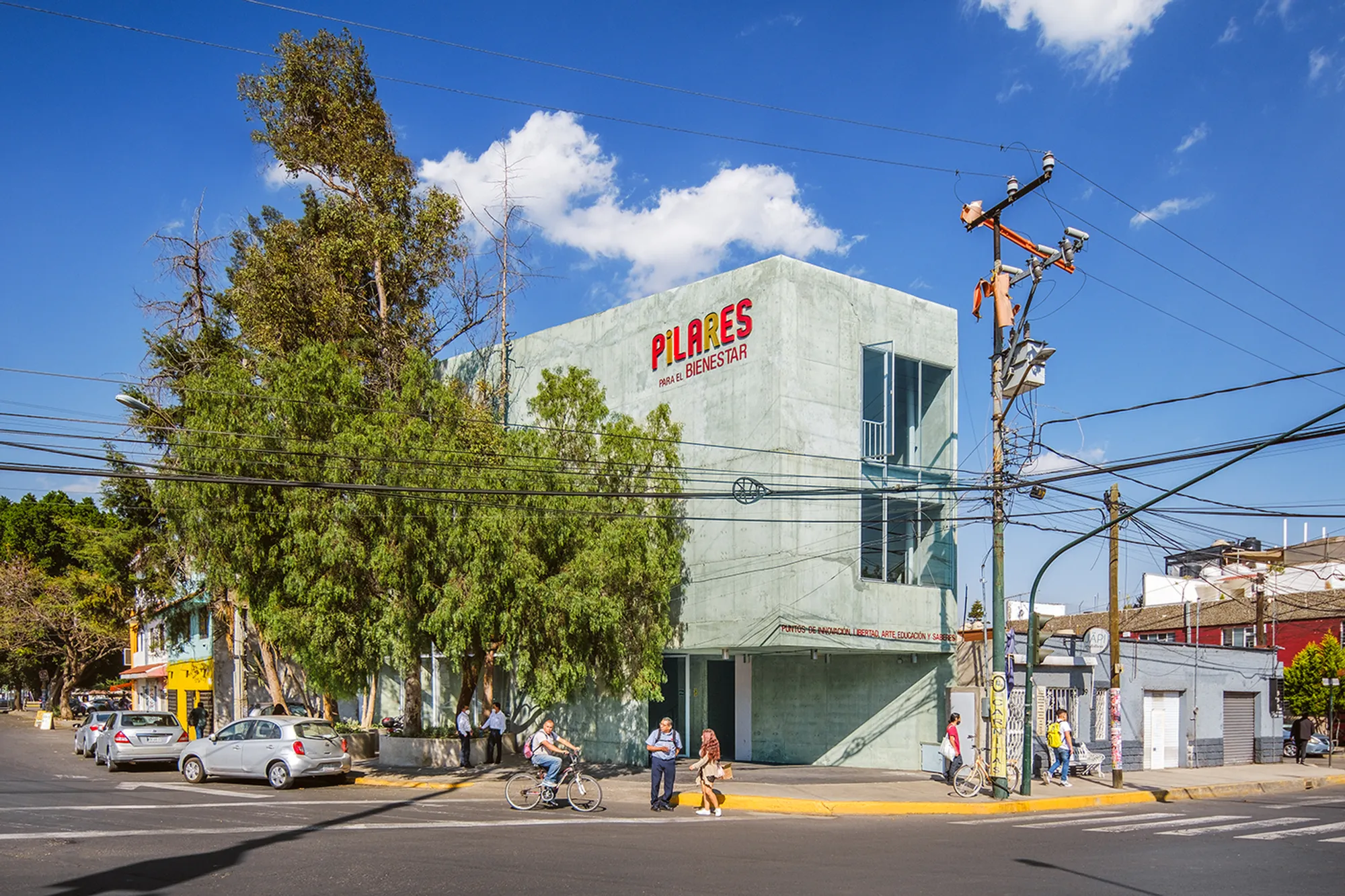
In the heart of Mexico City’s Azcapotzalco neighborhood stands a vibrant testament to community-driven design and innovation—the Pilares Azcapotzalco Community Center. Designed by internationally acclaimed architecture studios WORKac and IUA Ignacio Urquiza Arquitectos, this community center embodies a vision of inclusivity, adaptability, and urban connectivity. Built as part of the PILARES initiative, this center is one of the many facilities aiming to uplift underserved communities by providing spaces for cultural engagement, educational development, and safe social interaction.
The PILARES Initiative: A New Era of Community Architecture
Launched in 2018 by Mexico City's government, the PILARES (Points of Innovation, Freedom, Art, Education, and Knowledge) initiative focuses on establishing 100 community centers in the city's most underserved neighborhoods. These centers, including Pilares Azcapotzalco, are intended to be hubs for skill-building classes, cultural events, and recreational activities. Through its thoughtful architecture, the Pilares Azcapotzalco Community Center has set a precedent for public buildings that nurture individual growth and community cohesion.
Site-Specific Design and Community Integration
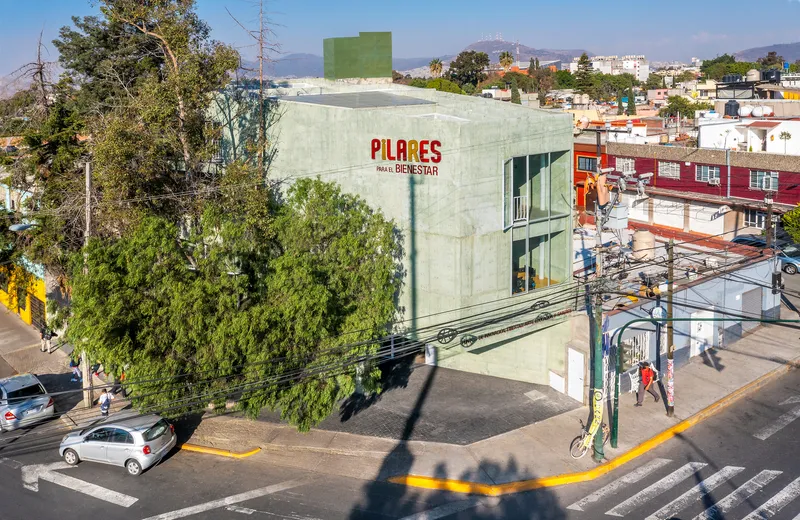
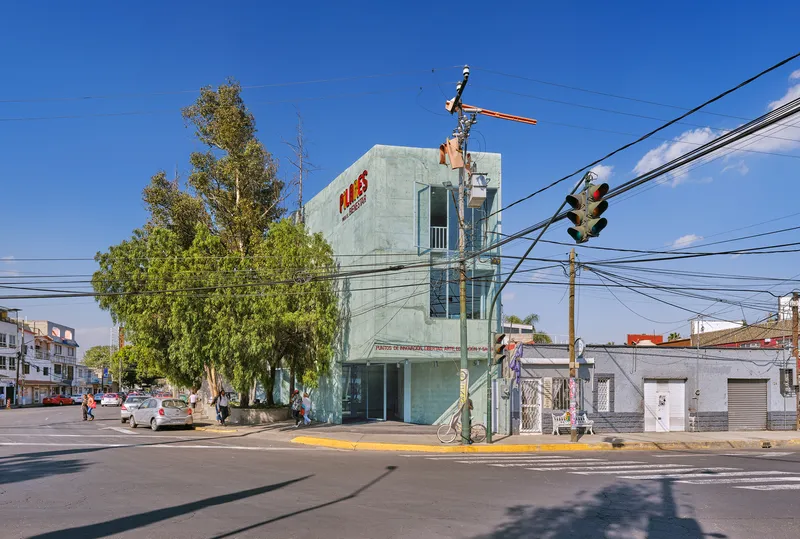
The architectural team at WORKac and Ignacio Urquiza Arquitectos embraced a design that would resonate with Azcapotzalco's local culture and urban landscape. The Pilares Azcapotzalco Community Center is positioned at a busy intersection surrounded by existing vegetation, making it a prominent yet inviting landmark. The building’s configuration respects and incorporates the area’s natural elements, ensuring that the architecture blends seamlessly with its surroundings.
Diagonal Layout: A Pathway to Accessibility
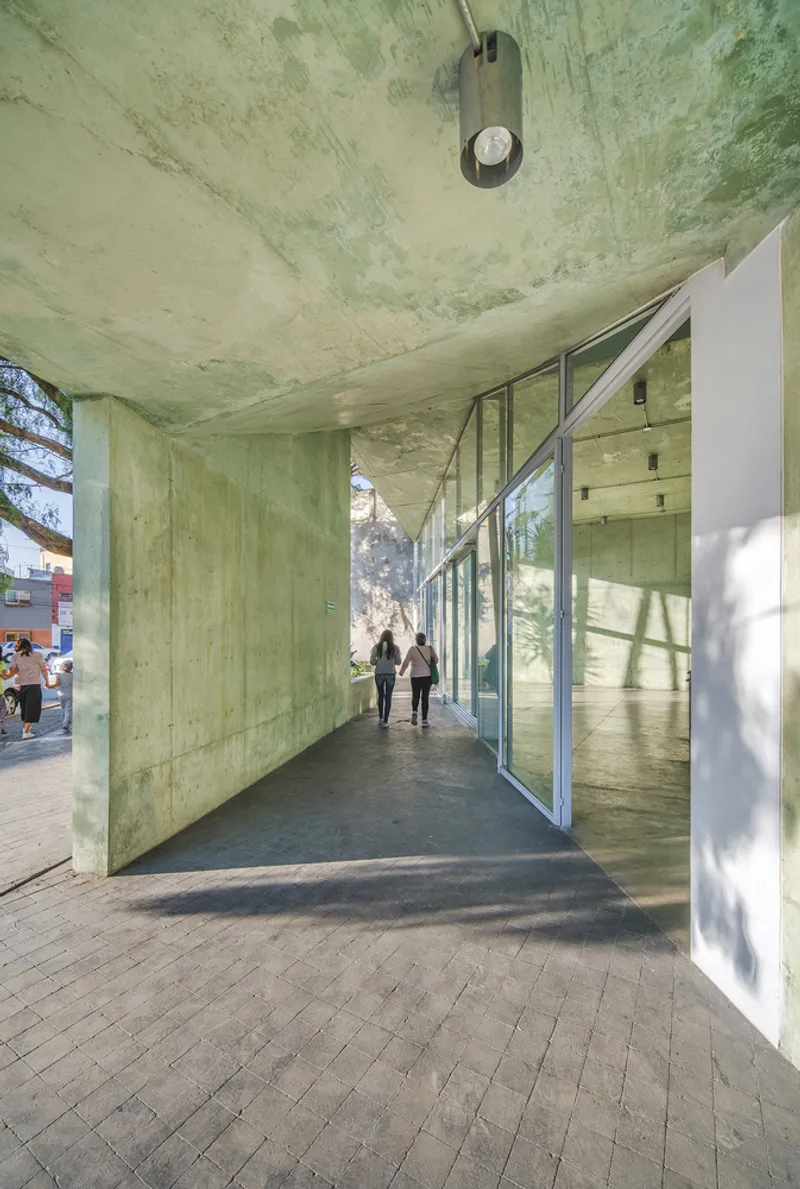
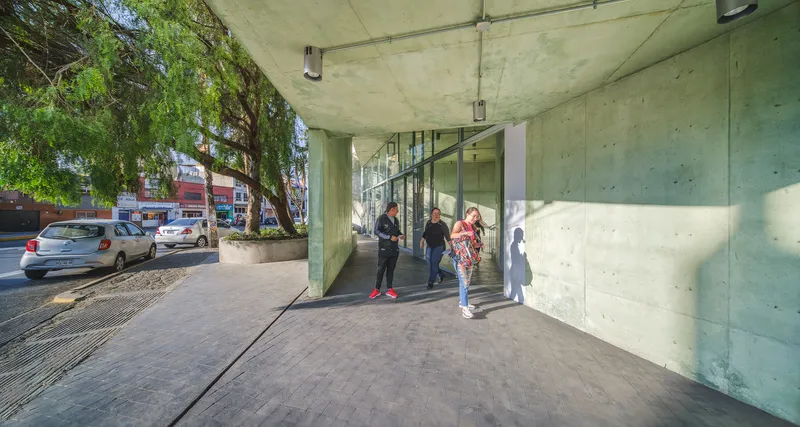
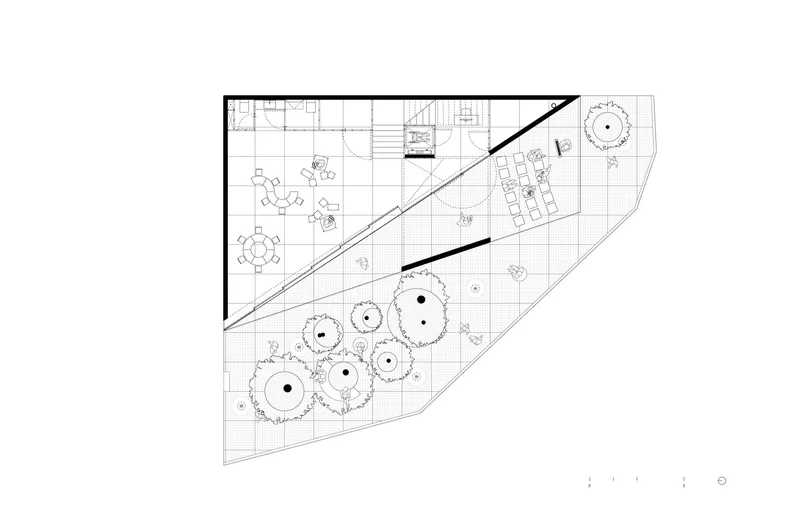
The center’s unique layout, featuring diagonal cuts on the ground floor, promotes accessibility from all directions. This design creates an open and free-flowing space, inviting residents to explore both the interior and exterior zones of the community center. Diagonal walls serve as a transition between the bustling street life outside and the tranquil interior, allowing for an uninterrupted connection to the surrounding environment.
A Flexible and Adaptable Architectural Space
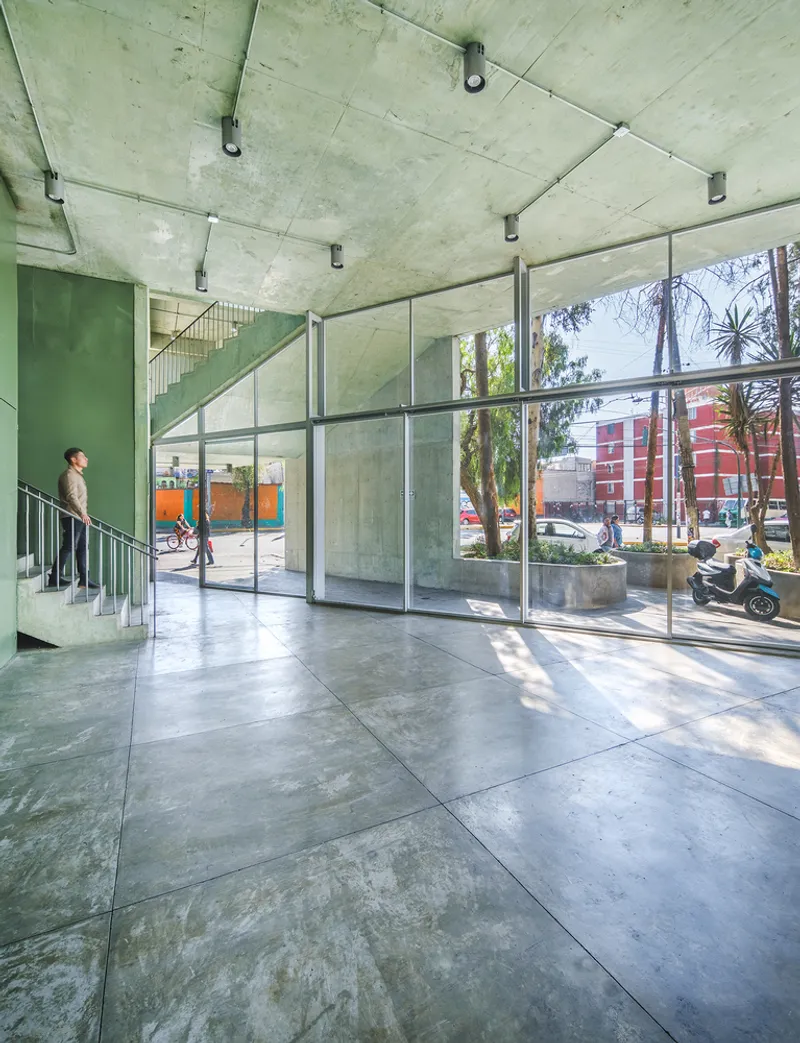
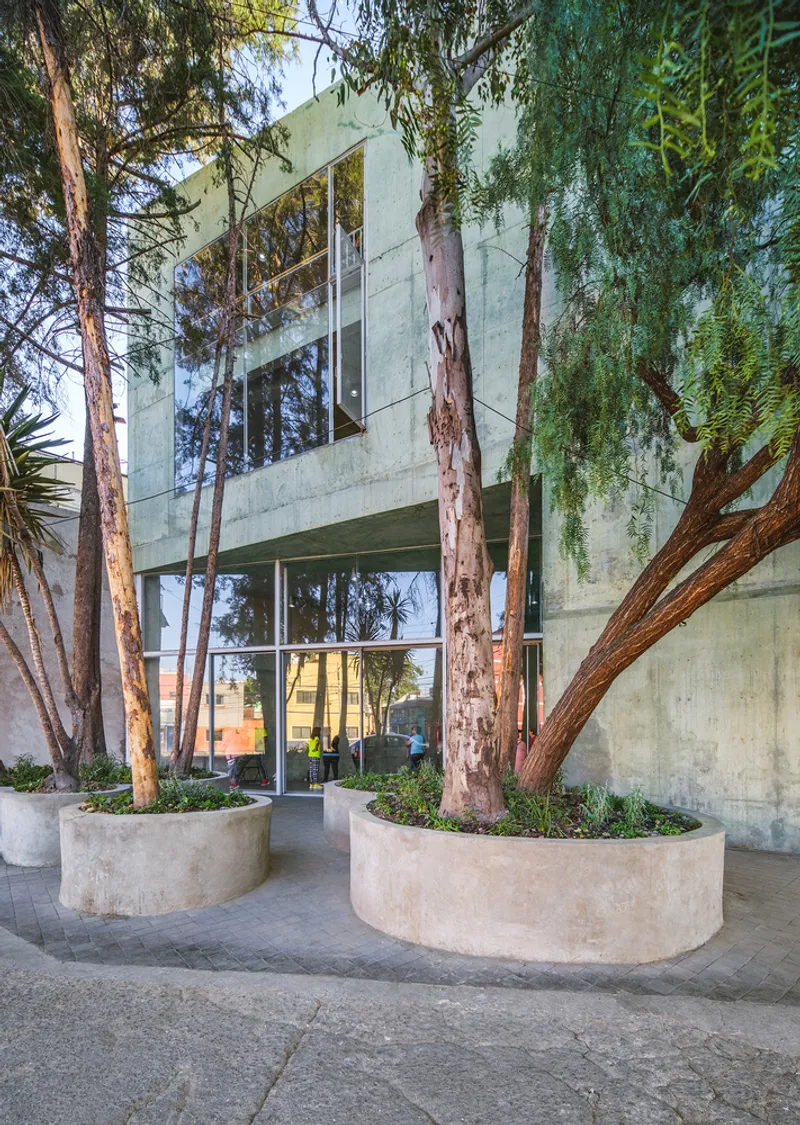
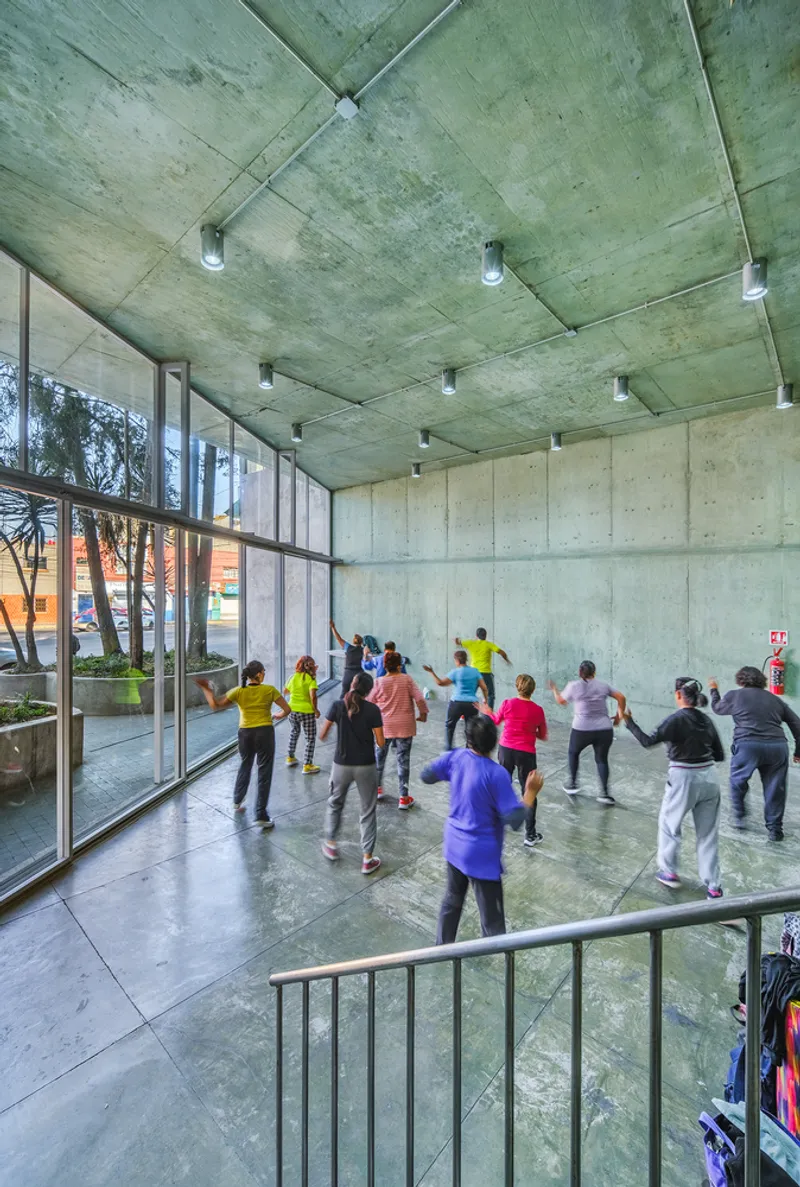
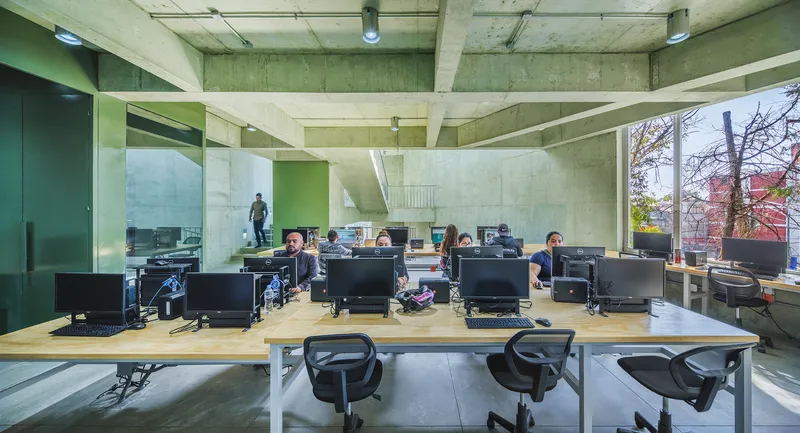
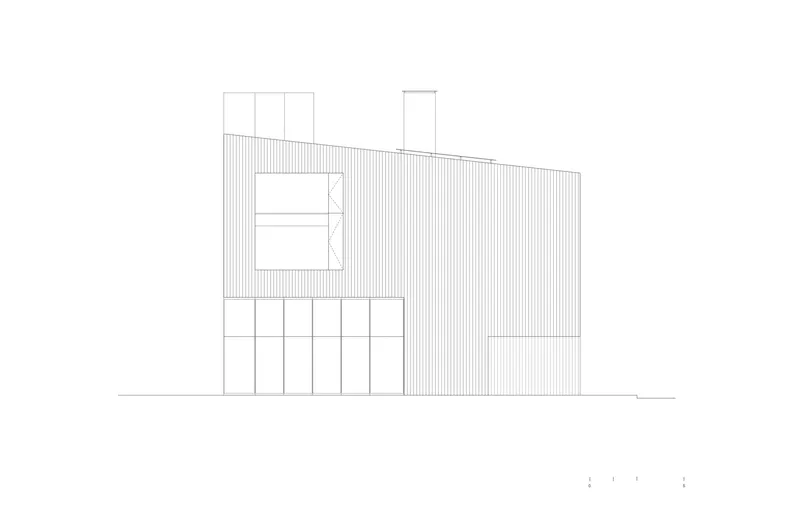
Pilares Azcapotzalco Community Center was designed to meet the evolving needs of the community. The architects focused on creating flexible spaces that could be easily transformed to support various activities. Inside, large glass facades allow natural light to flood the building, enhancing its welcoming atmosphere and enabling the space to expand outward, making it easily accessible to the public.
Interior Design Focused on Community Needs
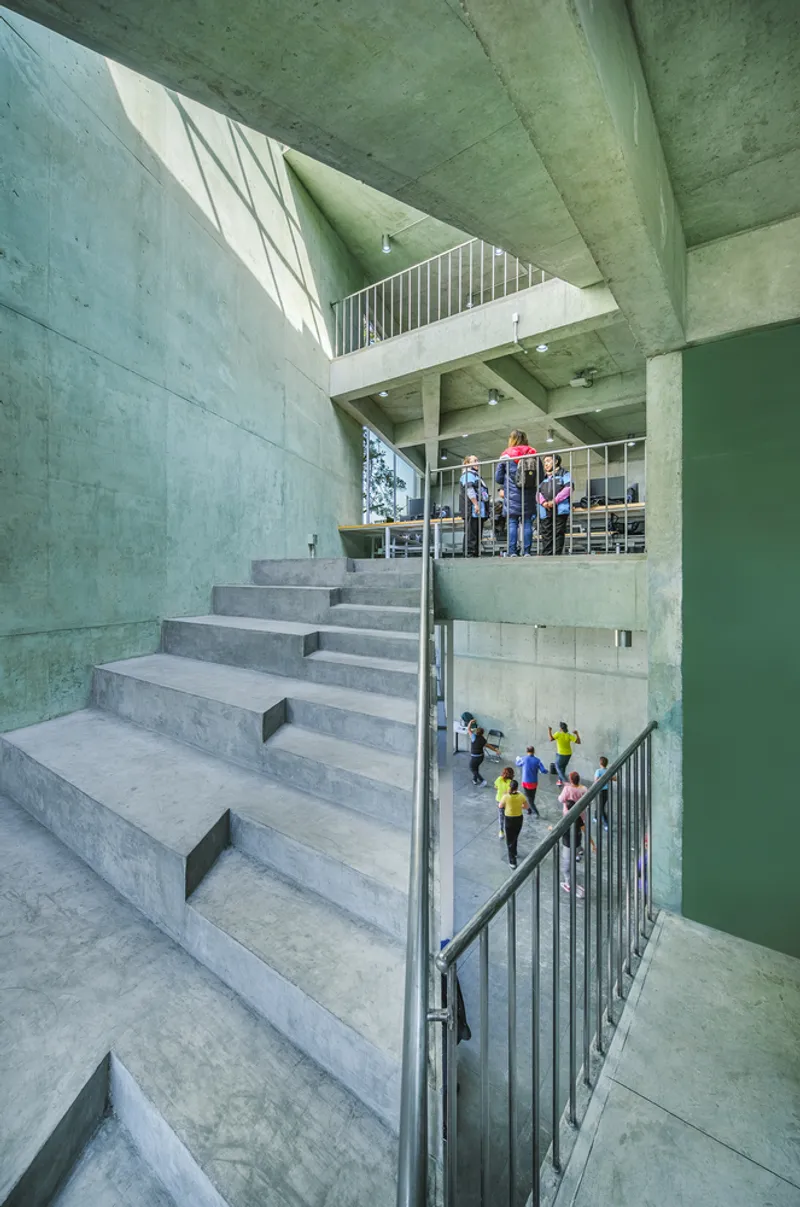
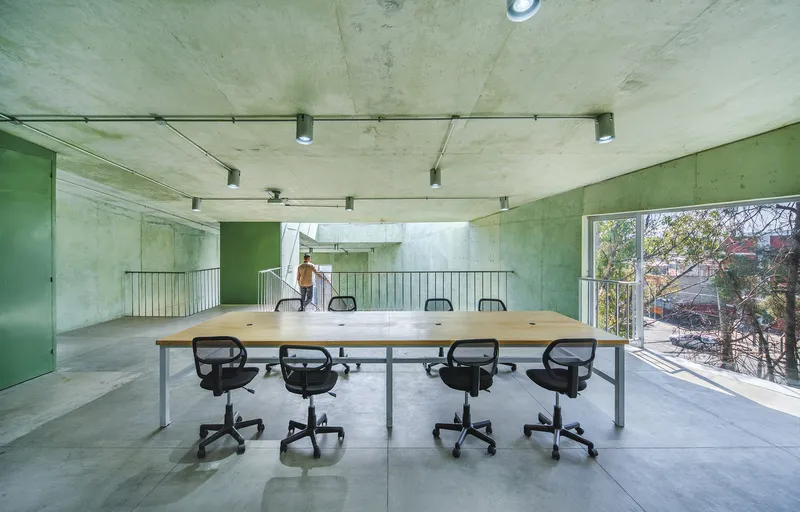
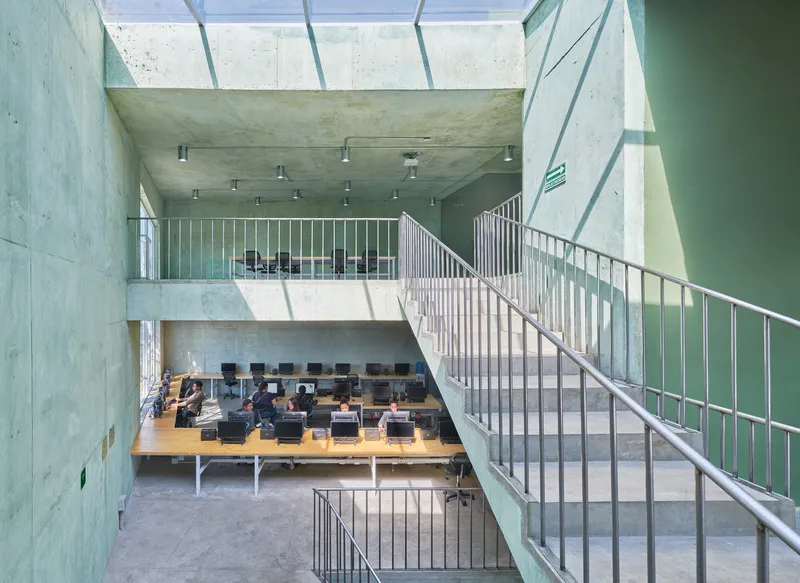
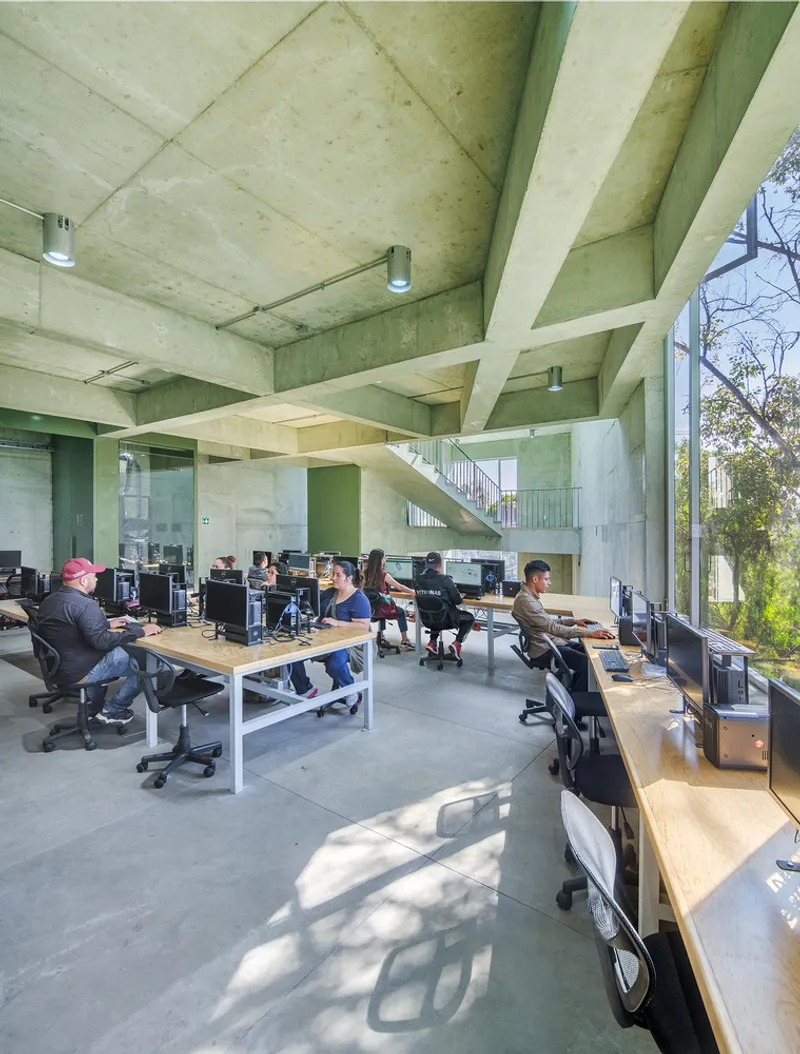
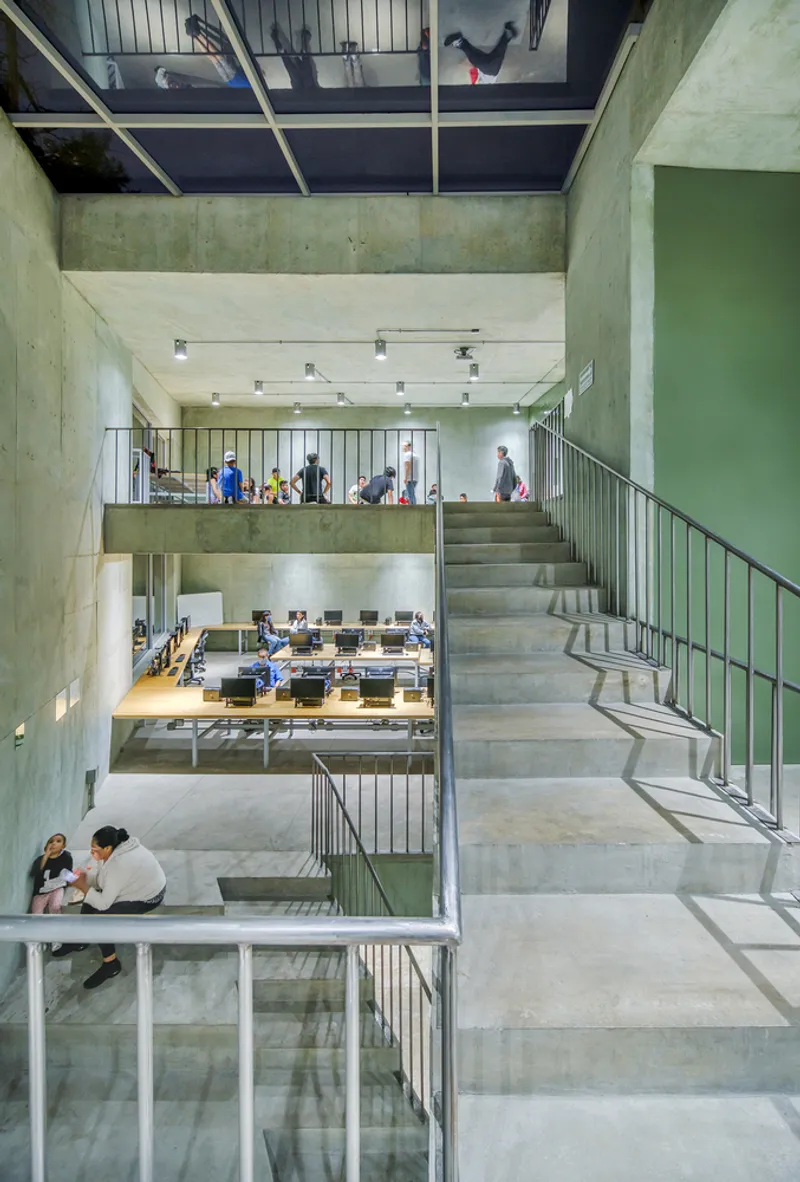
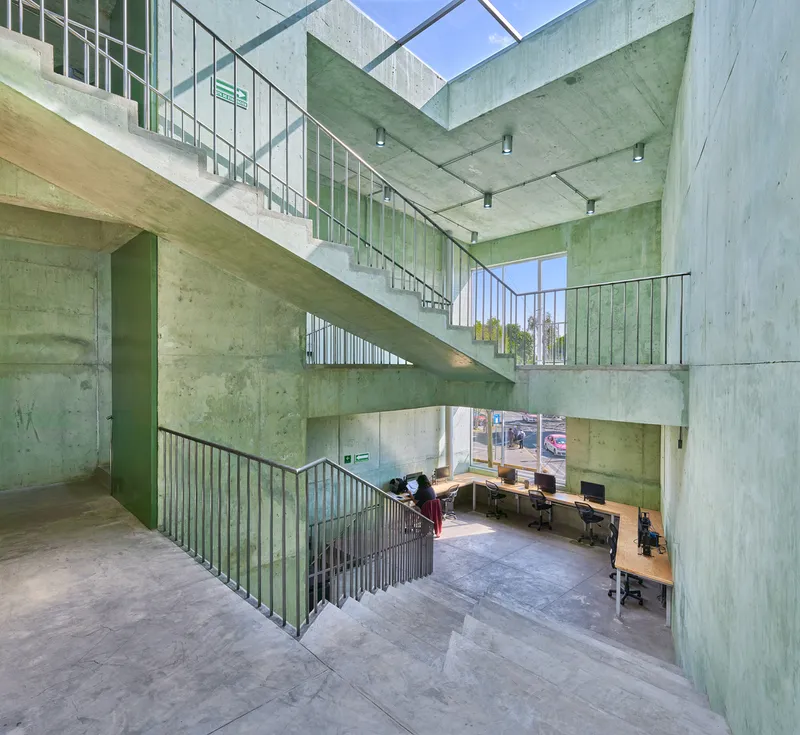
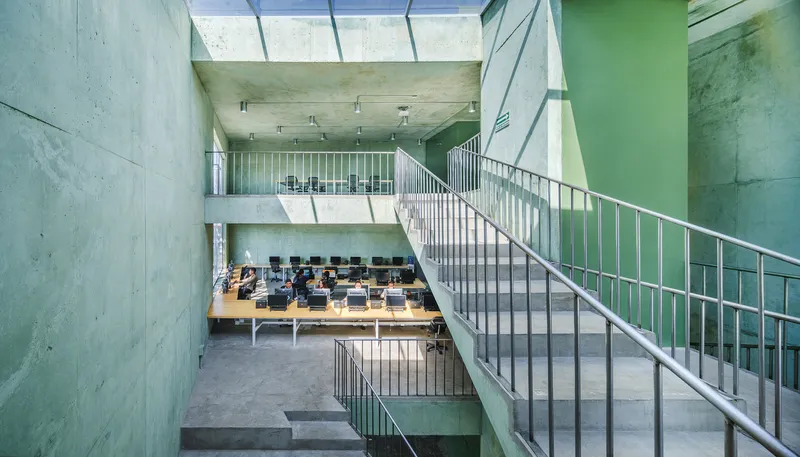
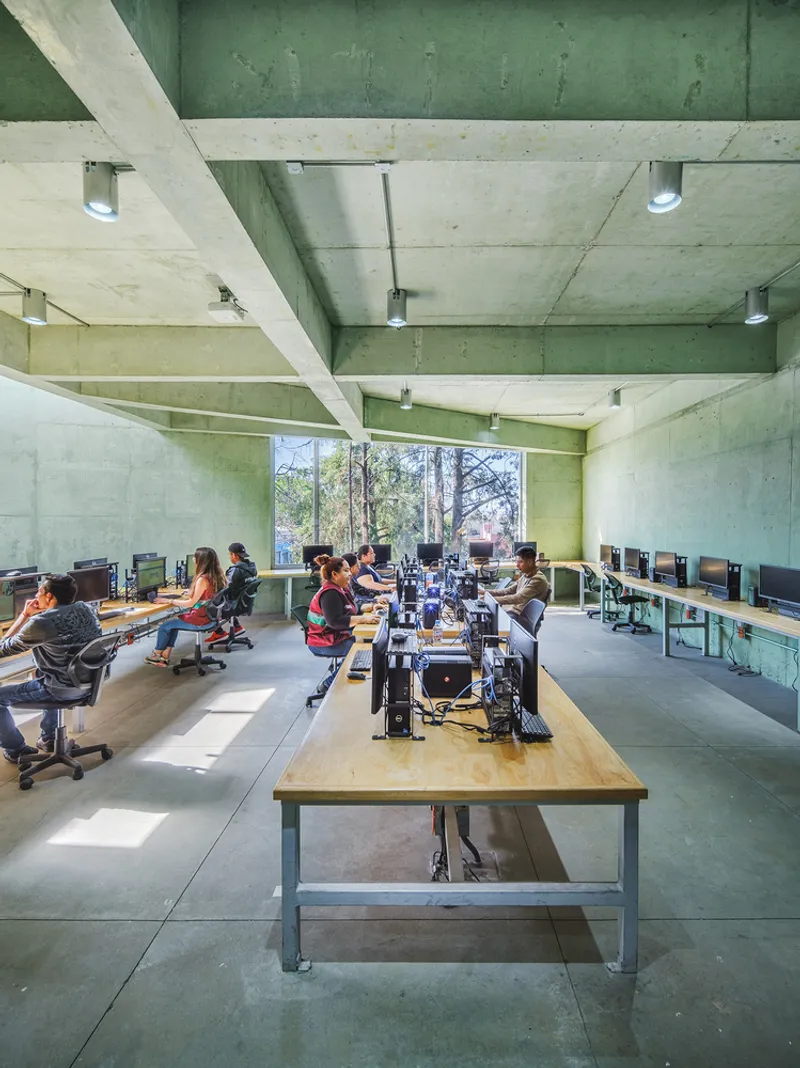
The interior space of Pilares Azcapotzalco is organized across three floors, with each level structured around a central staircase, promoting circulation and natural ventilation. These floors are divided into four platforms, each with its own staircase and central elevator for ease of movement. Some platforms are equipped with ramps, offering multipurpose spaces for different activities, while others are specialized for specific workshops, such as jewelry-making, screenprinting, and robotics.
Outdoor Spaces: Bringing Community Together
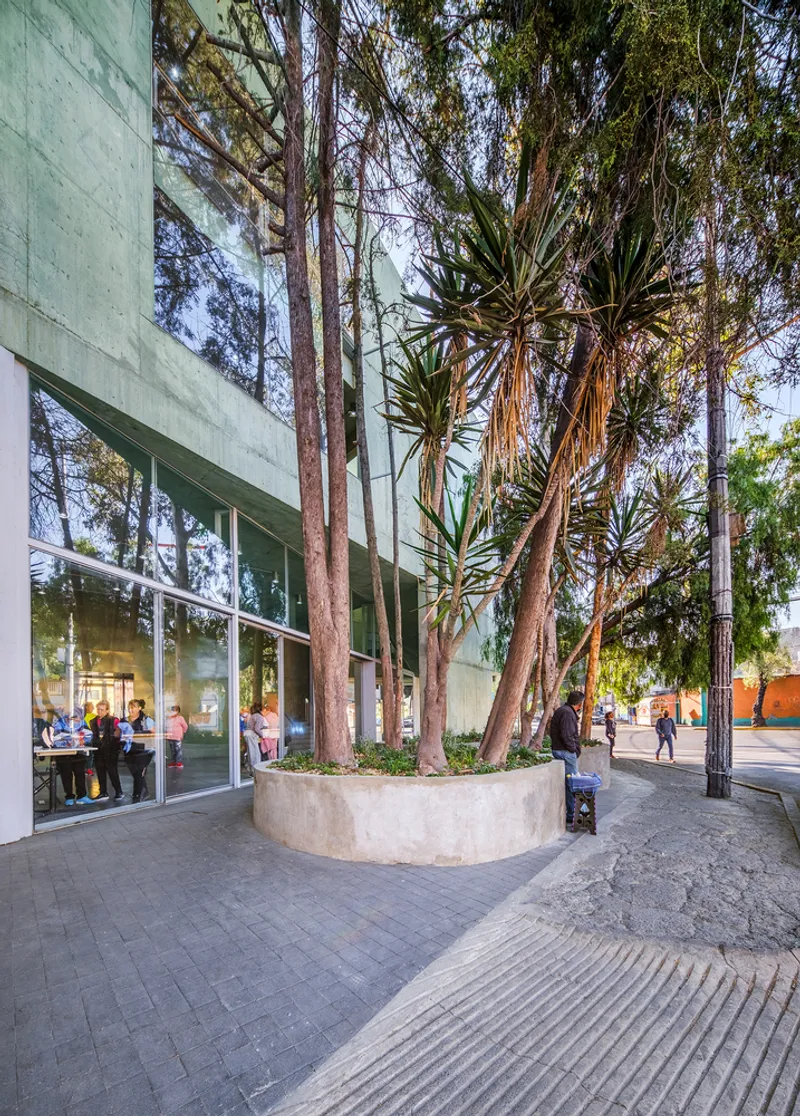
The exterior of the Pilares Azcapotzalco Community Center features carefully planned public spaces where residents can gather, relax, and engage in outdoor activities. The center’s open design allows it to blend seamlessly with the neighborhood, inviting pedestrians to come inside or simply enjoy the space as a park-like extension of the street.
Facilities and Programs: Empowering Learning and Creativity
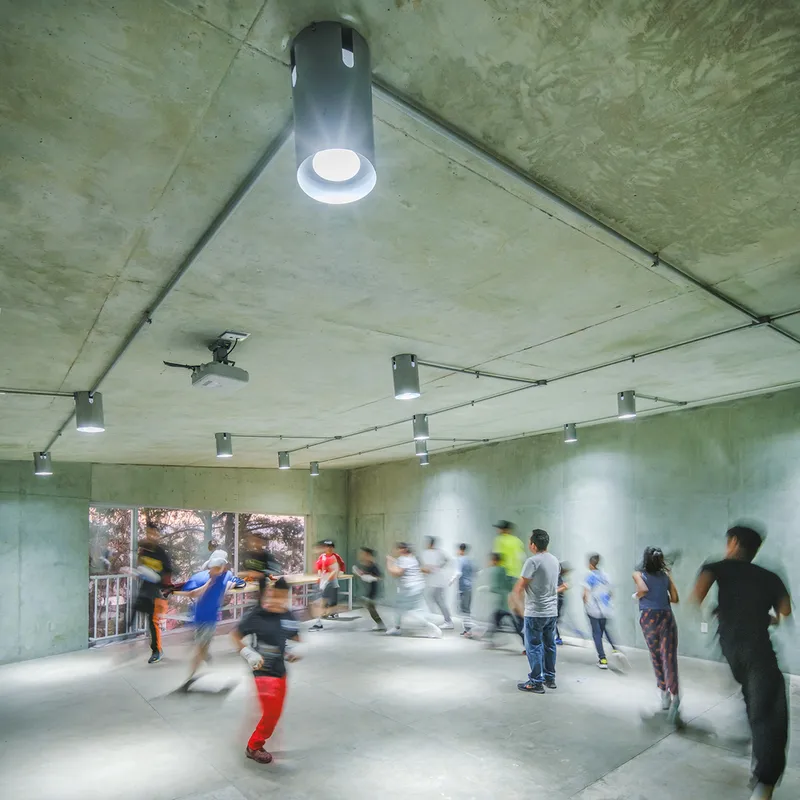
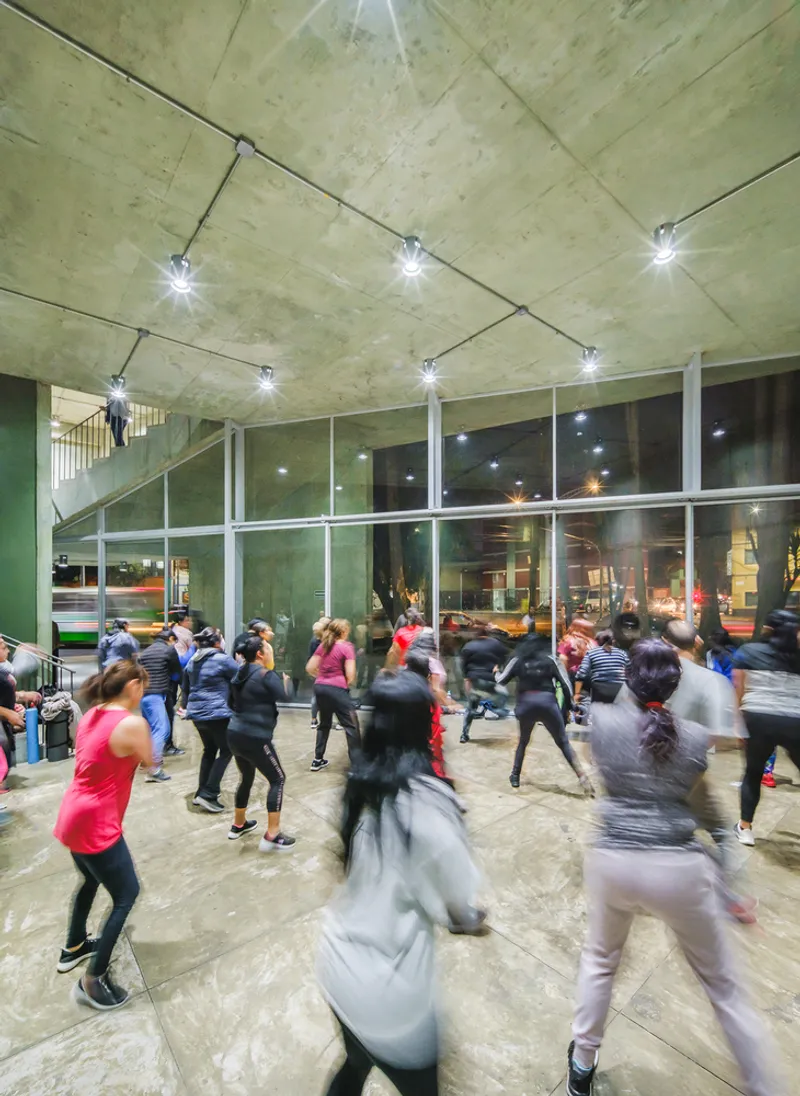
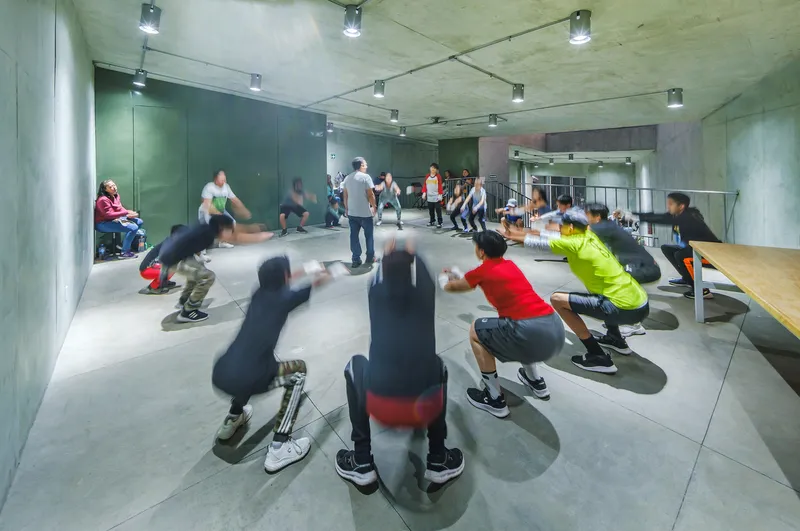
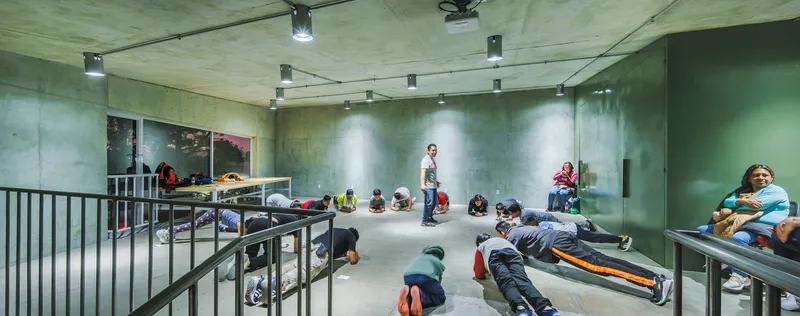
Pilares Azcapotzalco Community Center provides a range of facilities that support educational and recreational activities. From cyberschool and robotics classrooms to studio spaces equipped with desks and computers, the center offers an environment that fosters learning and creativity. The design enables flexible use of spaces, allowing community members to participate in diverse programs such as dance, yoga, and martial arts classes.
Focus on Intergenerational Activities
One of the most remarkable aspects of Pilares Azcapotzalco Community Center is its intergenerational approach. With areas tailored for physical activities, the center hosts classes in dance, hip-hop, and yoga, which are open to people of all ages. The design allows for spaces to be adapted to suit a variety of community needs, encouraging individuals across generations to learn, socialize, and grow together.
Architectural Features that Enhance Community Engagement
The architectural design of Pilares Azcapotzalco goes beyond aesthetics; it is rooted in functionality and community benefit. The use of large, retractable glass facades allows the indoor spaces to flow outward, creating a harmonious blend between interior and exterior. The thoughtful integration of ramps, stairways, and adaptable platforms ensures accessibility for people with varying physical abilities, promoting inclusivity throughout the building.
Sustainable Design and Natural Integration
Environmental considerations were central to the design of Pilares Azcapotzalco. The architects took advantage of natural light and ventilation, significantly reducing the building’s energy consumption. The existing trees on the site were preserved and integrated into the building’s layout, emphasizing a connection with nature and creating shaded areas that enhance the comfort of outdoor spaces.
A Model for Future Community Centers
The Pilares Azcapotzalco Community Center exemplifies how architecture can be a powerful tool for community empowerment. With its adaptable design, focus on inclusivity, and seamless integration into the urban fabric, it has become more than just a building—it is a dynamic community space that reflects the spirit of Azcapotzalco and the goals of the PILARES initiative. This center is not only a valuable resource for local residents but also a model for future community-driven architectural projects in urban areas.
All photographs are work of Ramiro del Carpio




Popular Articles
Popular articles from the community


The Musturak Paradise: Senior Living Architecture for a Connected Future in Temara, Morocco
The Musturak Paradise reimagines senior living architecture in Temara via private homes, social spaces, culture, community, and shared care.

Co-life: Sustainable Architecture for Age-Friendly Community Living
Co-life reimagines sustainable architecture for seniors through courtyards, rammed earth, shared gardens, and spaces designed for belonging.

The Earth Pod: 3D Printed Homes for Resilient Refugee Communities
The Earth Pod reimagines refugee housing through 3D printed homes made from clay, combining resilience, self-sufficiency, and rapid shelter.

Conexión: Biophilic Design Reimagines High-Rise Living in Hong Kong
Conexión reimagines high-rise living in Hong Kong through biophilic design, green facades, shared spaces, daylight, water and nature within.


Similar Reads
You might also enjoy these articles


Hodi-Mandai Geram
Project Function: Preservation and revitalization of the Intangible heritage and socio-spatial identity of the Hodi by Housing, Cultural Memory Center, Sacred Grove, landscape, local tourism economy


Olio Towers: A Mid-Rise for Performers That Fuses Housing, Rehearsal, and Stage
Located blocks from Houston's Theater District, this modular tower stacks living units around a central performance atrium.

Oasis: Modular Green Housing Carved into Dhaka's Urban Fabric
A shortlisted Plugin Housing entry reclaims unauthorized settlements in Dhaka with stepped concrete volumes, green roofs, and ventilation-driven design.

Black Hole: A Floating Megastructure for the Post-Physical Era
Emiliano Mazzarotto envisions a spherical, self-scaling arena where e-sports, digital hotels, and holographic stadiums replace traditional public space.

Explore Public Health Competitions
Discover active competitions in this discipline



Challenge to reimagine the Iron Throne


Photograph architecture without architects


Illustrate the lost glory of Angkor Wat - Render Challenge


Design challenge to reuse E-waste
Comments (0)
Please login or sign up to add comments
No comments yet. Be the first to comment!