
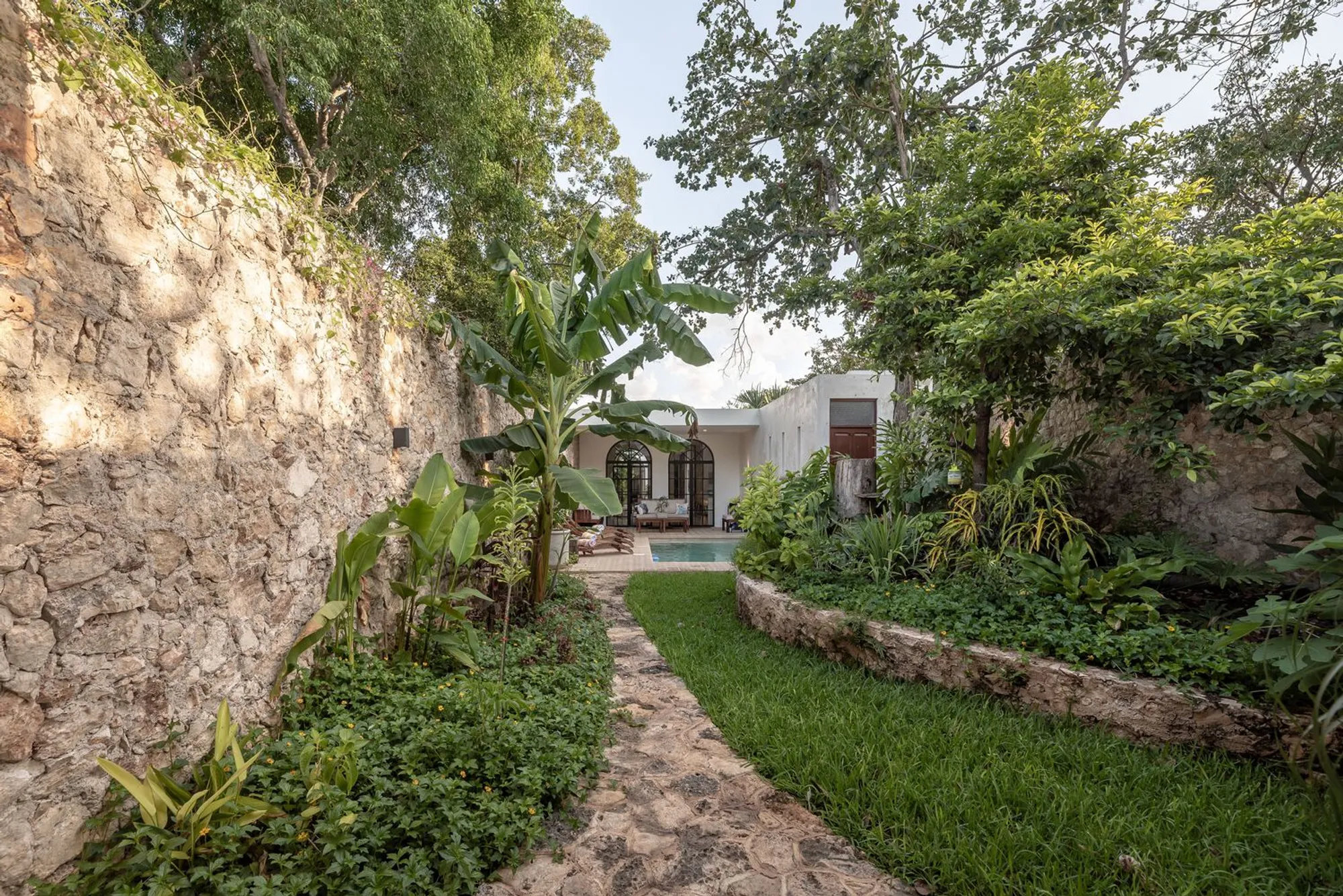
Pitahaya House: A Blend of Architecture and Nature by Taller Estilo Arquitectura
Pitahaya House is a sustainable, light-filled renovation blending architecture with nature, featuring restored elements and harmonious garden integration.


Location: Mérida, Mexico Architects: Taller Estilo Arquitectura Area: 3,186 ft² Year: 2020 Photographs: Manolo Solís Lead Architects: Víctor Alejandro Cruz Domínguez, Iván Atahualpa Hernández Salazar, Luís Armando Estrada Aguilar, Andrea Balam Lizama, Jorge Escalante Chan, Juan Rosado Rodríguez, Juan Diaz Cab, Martha Acosta Pech
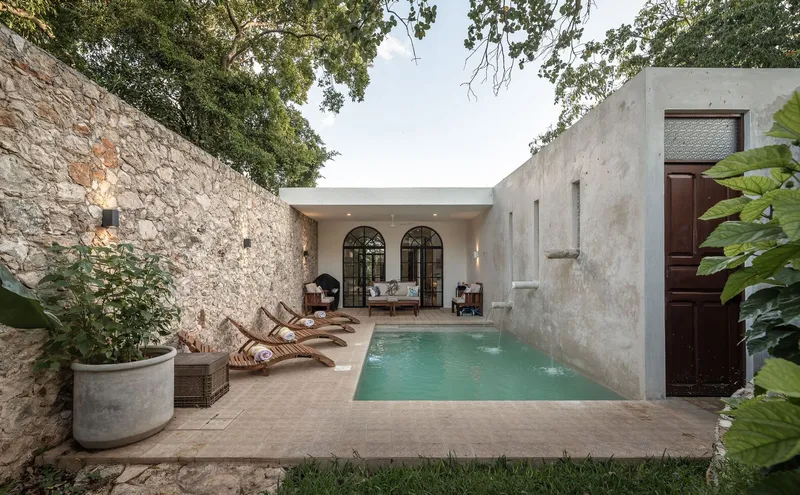
Overview of Pitahaya House
Pitahaya House, located in Mérida, Yucatán, is a remarkable example of architectural restoration and innovation. The house stands as a testament to how modern design can rejuvenate and reimagine pre-existing structures, addressing issues of natural light, ventilation, and spatial aesthetics. Initially a dark, introverted space with spatial discomfort, the project has been transformed into a light-filled, breathable home that harmonizes with its natural surroundings.
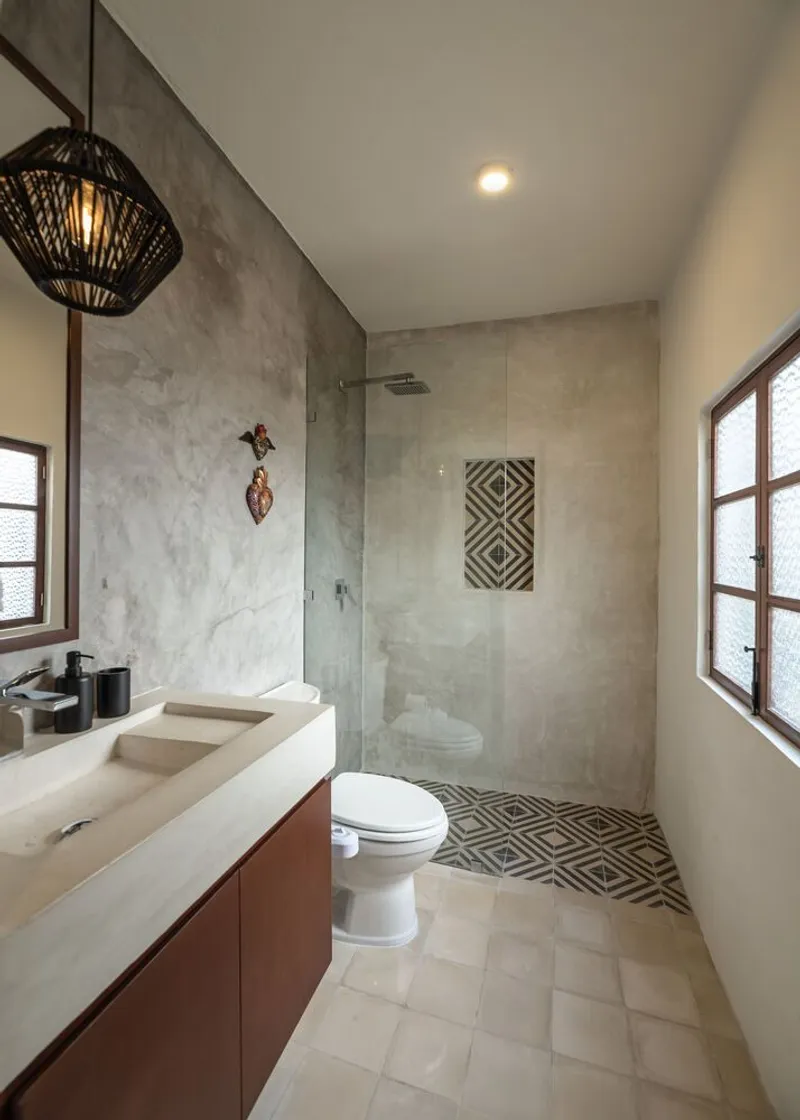
Architectural Transformation: Revitalizing Pre-Existing Elements
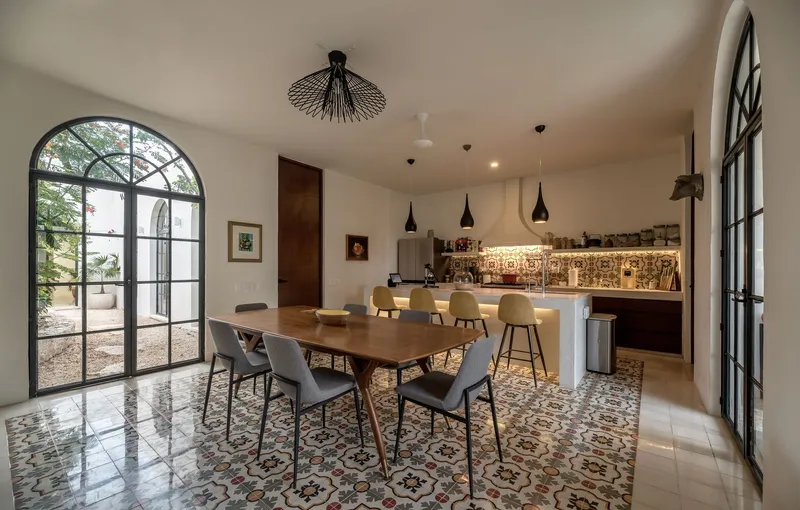
The main goal of the architectural proposal for Pitahaya House was to bring in natural light and ventilation, which had been lacking due to previous alterations. By preserving most of the original structure, the design team sought to reconnect the house with its environment, enhancing its connection to the outdoors. The use of local materials and neutral colors plays a vital role in creating a sense of openness and tranquility.
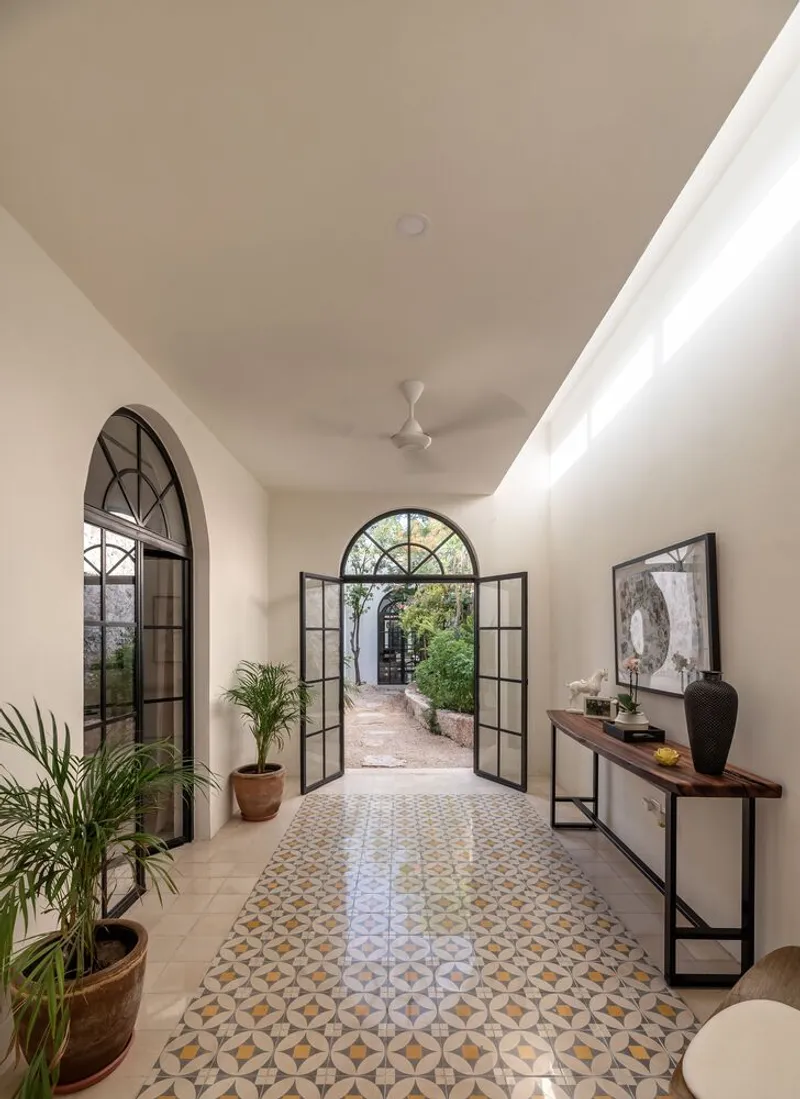
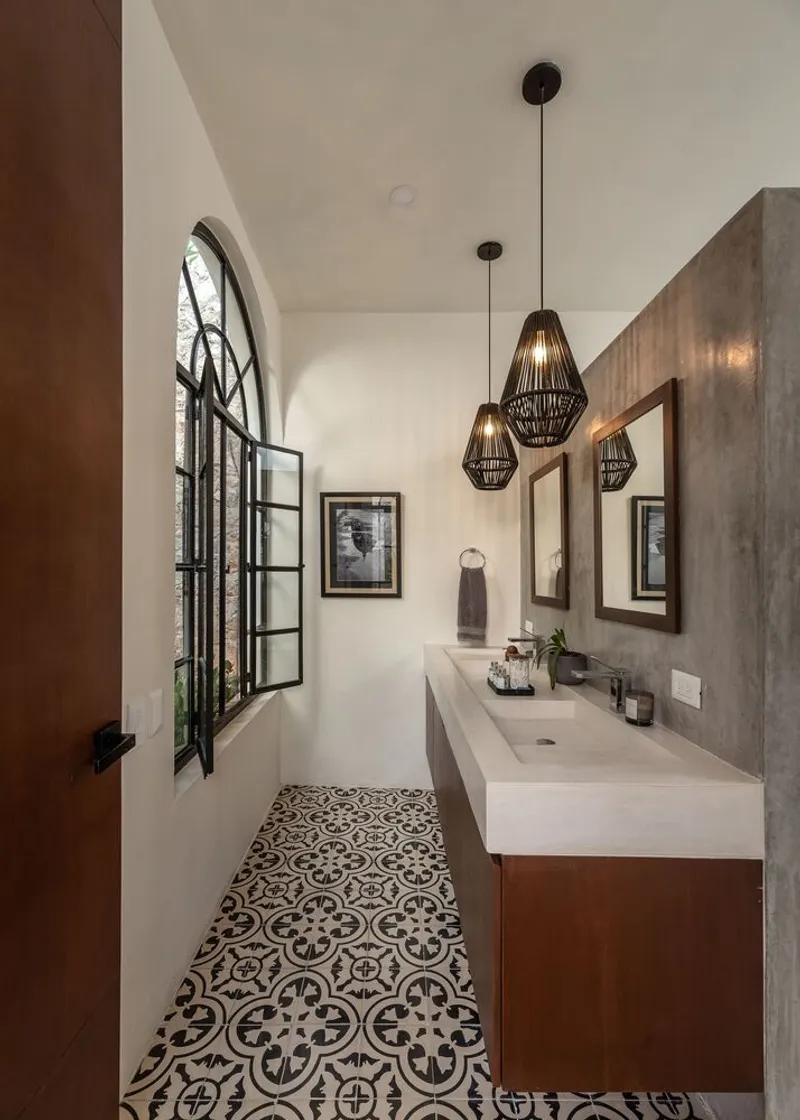
The Integration of Natural Spaces
Pitahaya House is organized around a series of gardens and green spaces, which act as a guiding framework through the house. The design emphasizes natural integration, where paths and transitions between spaces are defined not only by walls but also by lush greenery. The layout ensures that every room benefits from natural light and ventilation, transforming the house into a breathable, organic living environment.
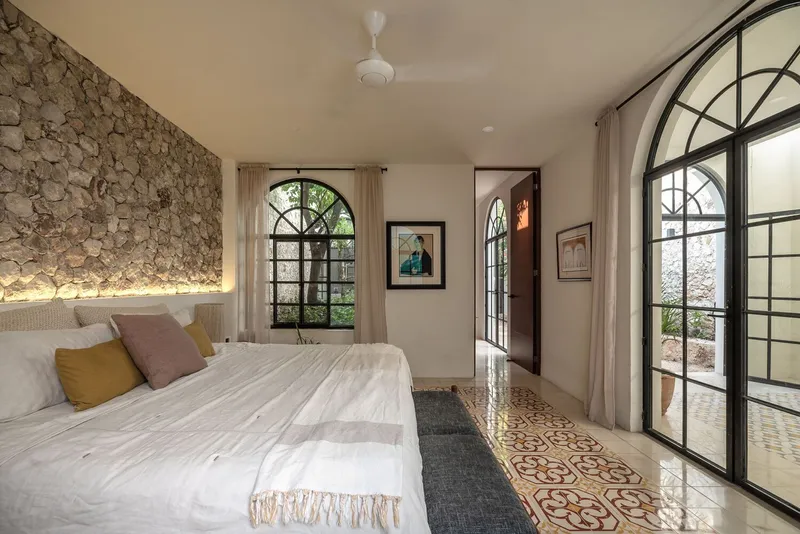
The Path and Layout of the Home
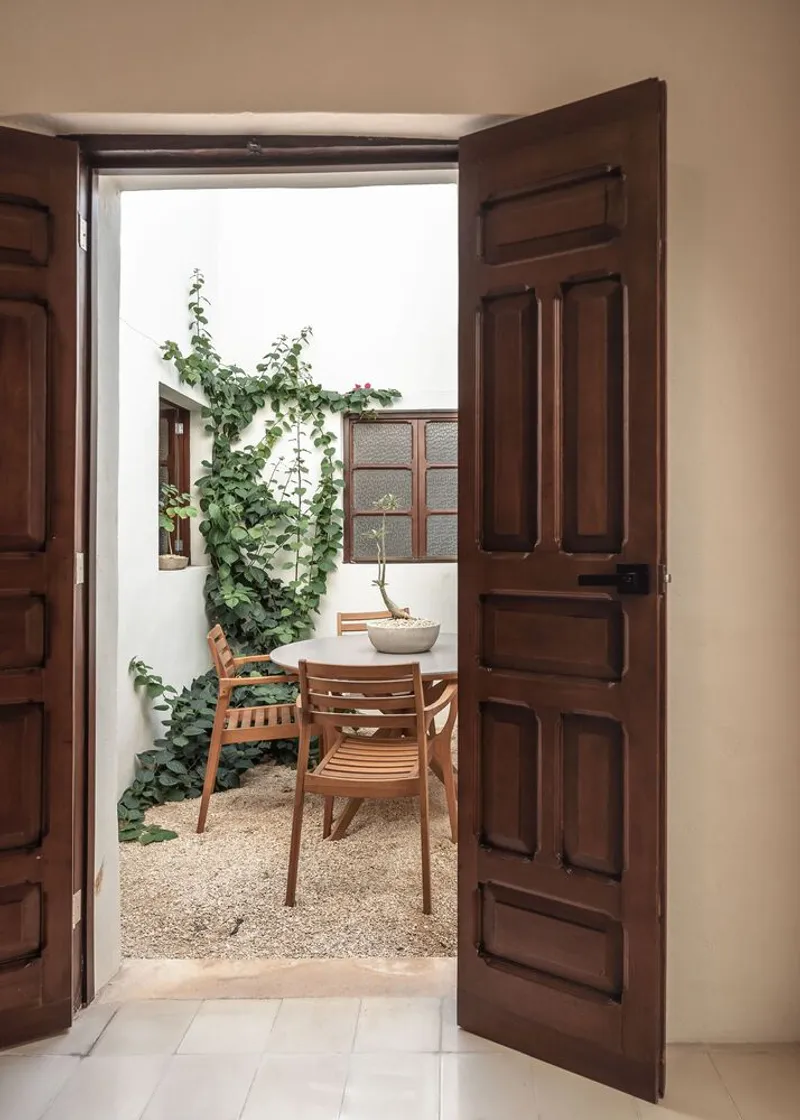
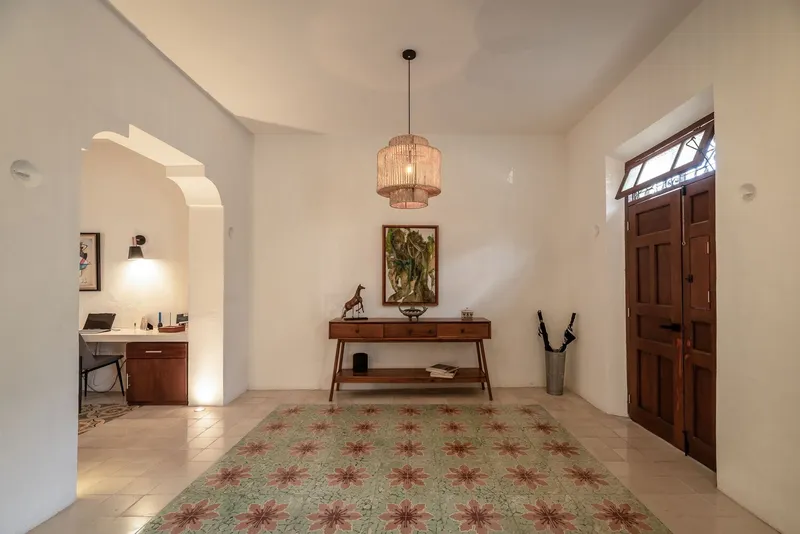
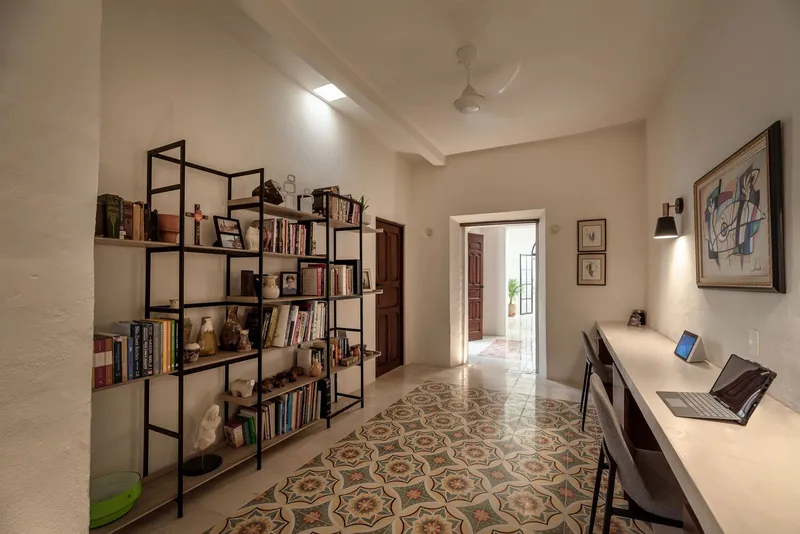
Entering the house, you are led through a linear path that connects the vestibule, living room, and workspaces. One of the key interventions was the removal of the slab in the second bay, which allowed the spaces to be illuminated and naturally ventilated. A significant amount of the existing carpentry was restored and repurposed, giving it a second life and ensuring a sustainable approach to design.
Creating Seamless Connections with Nature
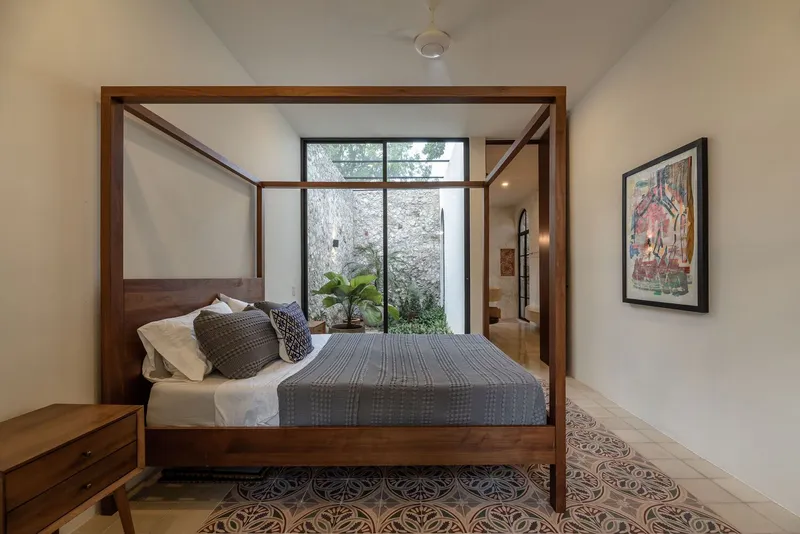
Communication between the various spaces within Pitahaya House is facilitated by the surrounding gardens and trees. The interiors transition smoothly between the built environment and the natural landscape, offering two distinct but harmonious ways of experiencing the home. The careful placement of greenery ensures that each space feels connected to the outdoors while maintaining privacy and comfort.
The Heart of the Home: Social and Private Zones
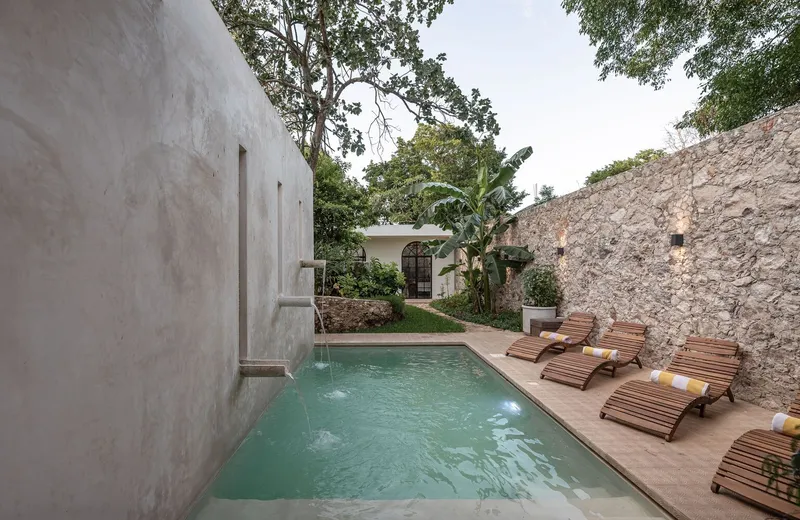
At the heart of Pitahaya House lies the open kitchen and dining room, which seamlessly connects to the social area with its pool—a place of relaxation and enjoyment. The guest area, located at the back of the house, is separated from the social zones for added privacy. Two guest bedrooms, each with its own garden and bathroom, provide a comfortable and intimate space for visitors.
Blending Architecture with the Environment
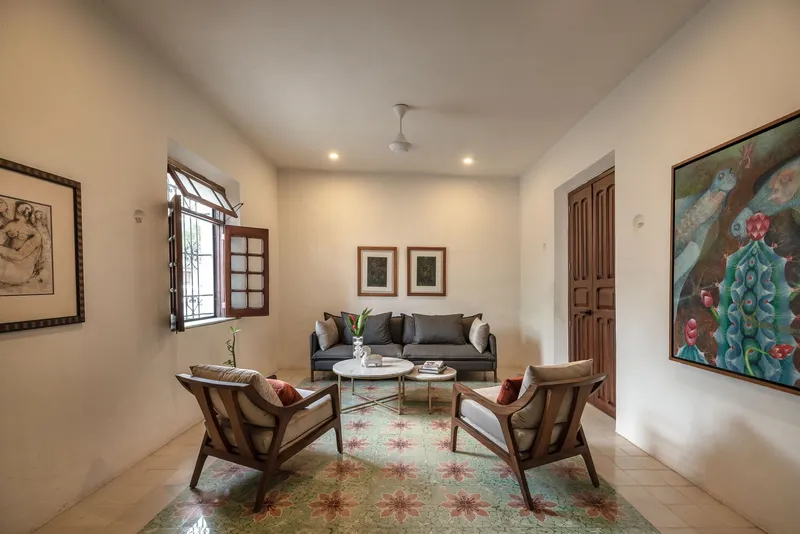
The integration of pre-existing vegetation plays a crucial role in the overall design of Pitahaya House. By preserving the natural flora surrounding the home, the architects achieved a harmonious balance between architecture and nature. This connection creates a unique living experience, where the boundaries between the inside and outside blur, allowing residents to enjoy the natural beauty of their surroundings while embracing the comfort and functionality of modern design.
Living from the Inside Out
Pitahaya House is designed to be lived in from the inside out. The layout encourages the enjoyment of spaces through their natural "winks"—small, intentional design elements that frame views, highlight natural light, and create moments of surprise throughout the home. This design philosophy allows the house to feel both open and intimate, offering residents a seamless connection to the outdoors while maintaining a sense of privacy and security.




Popular Articles
Popular articles from the community


Hill & Cross Opera: Sculptural Opera House Architecture Shaped by Tallinn’s Landscape and Identity
Hill & Cross Opera reimagines opera house architecture in Tallinn through its sculptural hill, civic plaza, glass wave and a luminous cross.

Riyadh For All: Intergenerational Urban Design for Active Aging in Rabat
Riyadh For All reimagines urban design in Rabat with intergenerational co-living, adaptive courtyards, and Moroccan cultural exchange today.
EW PARK: Sustainable Architecture Reimagines the Future of Urban Parking
EW PARK reimagines city parking as a modular wooden tower combining automation, solar energy, electric mobility, and adaptable urban design.

Conexión: Biophilic Design Reimagines High-Rise Living in Hong Kong
Conexión reimagines high-rise living in Hong Kong through biophilic design, green facades, shared spaces, daylight, water and nature within.


Similar Reads
You might also enjoy these articles


Hodi-Mandai Geram
Project Function: Preservation and revitalization of the Intangible heritage and socio-spatial identity of the Hodi by Housing, Cultural Memory Center, Sacred Grove, landscape, local tourism economy


Olio Towers: A Mid-Rise for Performers That Fuses Housing, Rehearsal, and Stage
Located blocks from Houston's Theater District, this modular tower stacks living units around a central performance atrium.

Oasis: Modular Green Housing Carved into Dhaka's Urban Fabric
A shortlisted Plugin Housing entry reclaims unauthorized settlements in Dhaka with stepped concrete volumes, green roofs, and ventilation-driven design.

Black Hole: A Floating Megastructure for the Post-Physical Era
Emiliano Mazzarotto envisions a spherical, self-scaling arena where e-sports, digital hotels, and holographic stadiums replace traditional public space.


Explore Architecture Competitions
Discover active competitions in this discipline



Challenge to reimagine the Iron Throne


Photograph architecture without architects


Illustrate the lost glory of Angkor Wat - Render Challenge


Design challenge to reuse E-waste
Comments (0)
Please login or sign up to add comments
No comments yet. Be the first to comment!