
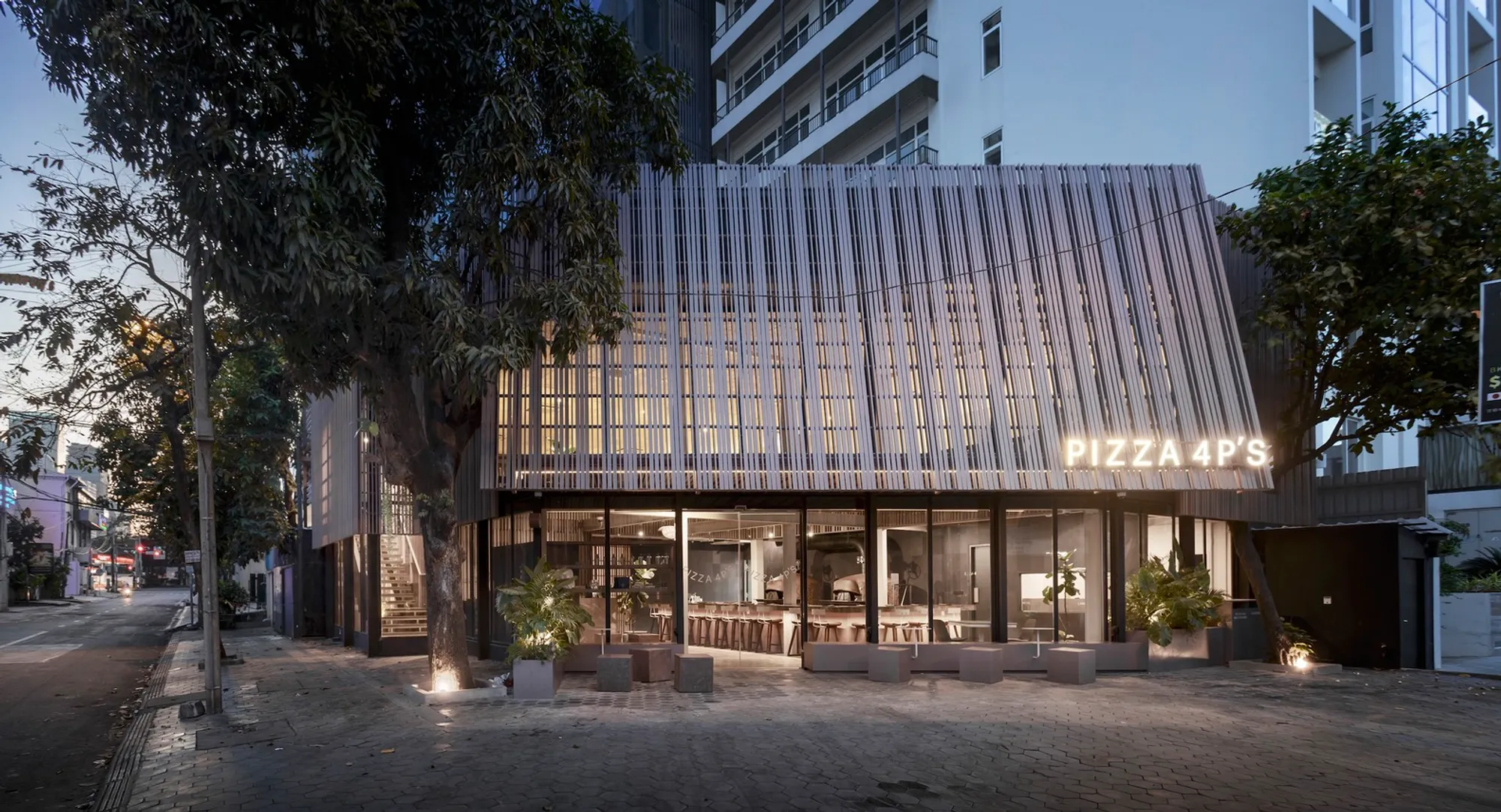
Pizza 4P’s Restaurant in Phnom Penh by Bloom Architecture: A Beacon of Sustainable Innovation
Pizza 4P’s Phnom Penh transforms recycled plastic into vibrant architecture, promoting sustainability through zero-waste design and community engagement.


Transforming Plastic Waste into Architectural Beauty
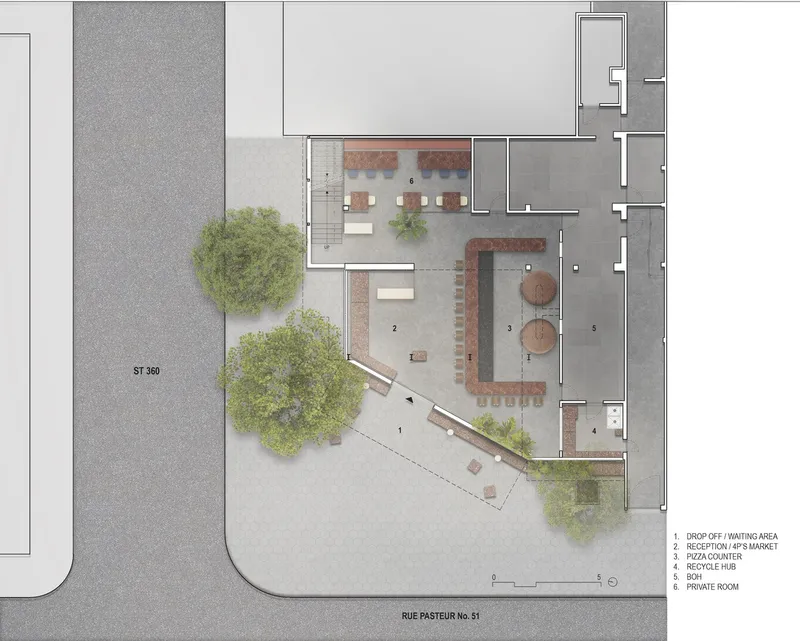
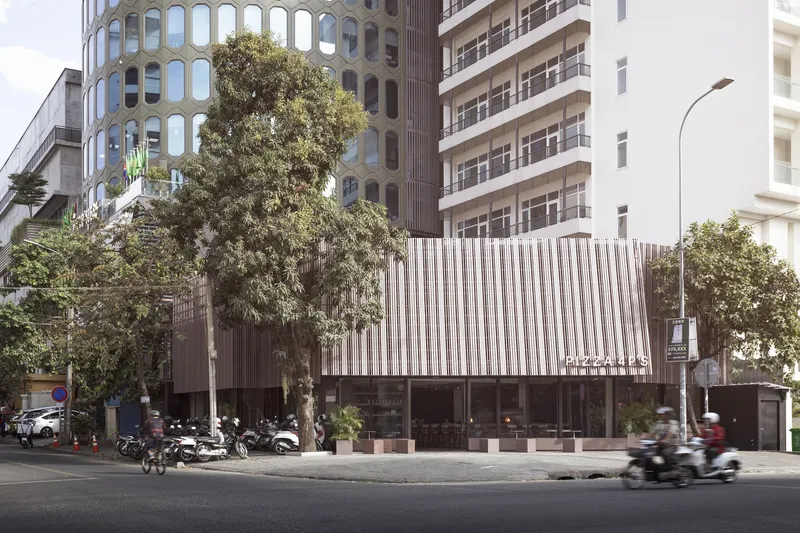
At the bustling crossroads of Phnom Penh’s BKK1 district, the new Pizza 4P’s flagship restaurant, designed by Bloom Architecture, stands as a bold example of how design can turn environmental challenges into sustainable solutions. This visionary project tackles one of Southeast Asia’s most pressing issues—plastic pollution—and turns it into a vibrant architectural feature.

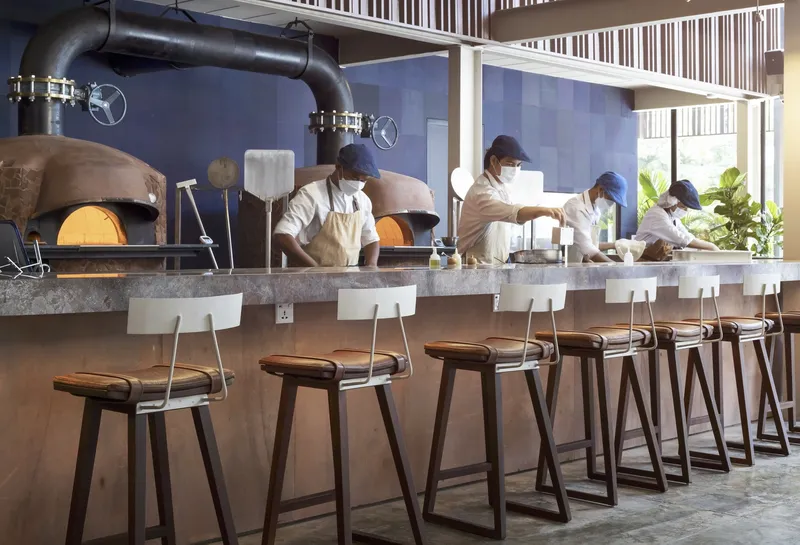
Recycled Louvers Made from 7.8 Tons of Plastic
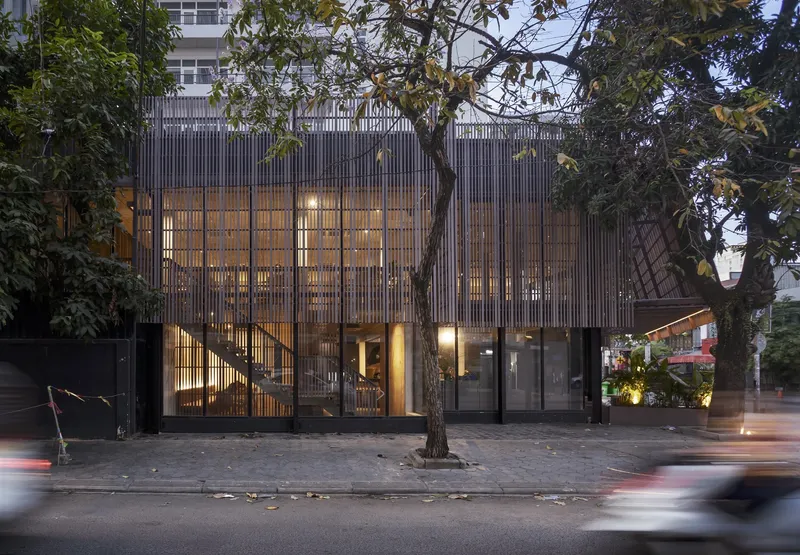
One of the defining elements of the design is the use of recycled plastic louvers, crafted from over 7.8 tons of post-consumer plastic waste—the equivalent of what 70 people produce annually. Items such as milk cartons, food containers, and straws were processed by local partner PLASTICPeople and transformed into high-performance architectural elements that serve both aesthetic and environmental functions. These louvers shade the restaurant’s glass facade from the harsh Cambodian sun, improving energy efficiency while delivering a distinctive visual identity.

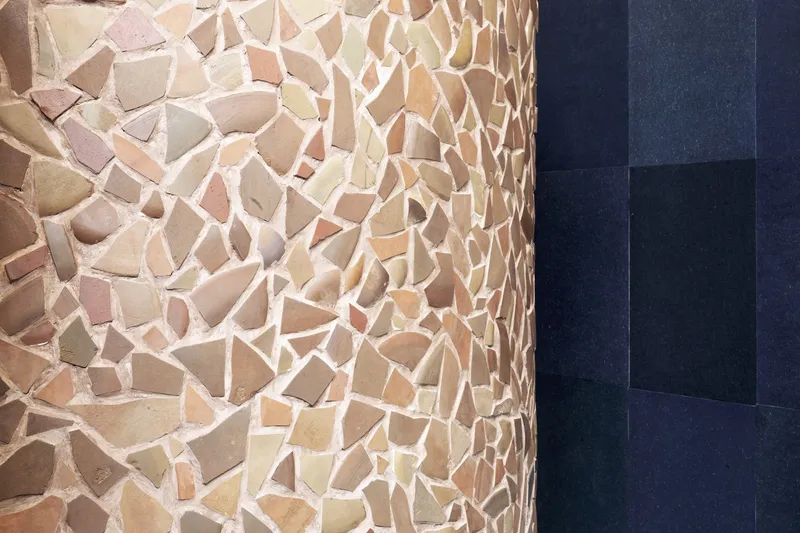
An Onsite Recycling Hub for the Community
In line with Pizza 4P’s zero-waste philosophy, the restaurant integrates a plastic recycling hub accessible to patrons and the public. This feature not only reinforces the brand’s sustainable ethos but also invites customers to participate in waste reduction. It turns dining into an educational and engaging experience, demonstrating that sustainability can be integrated into everyday life.

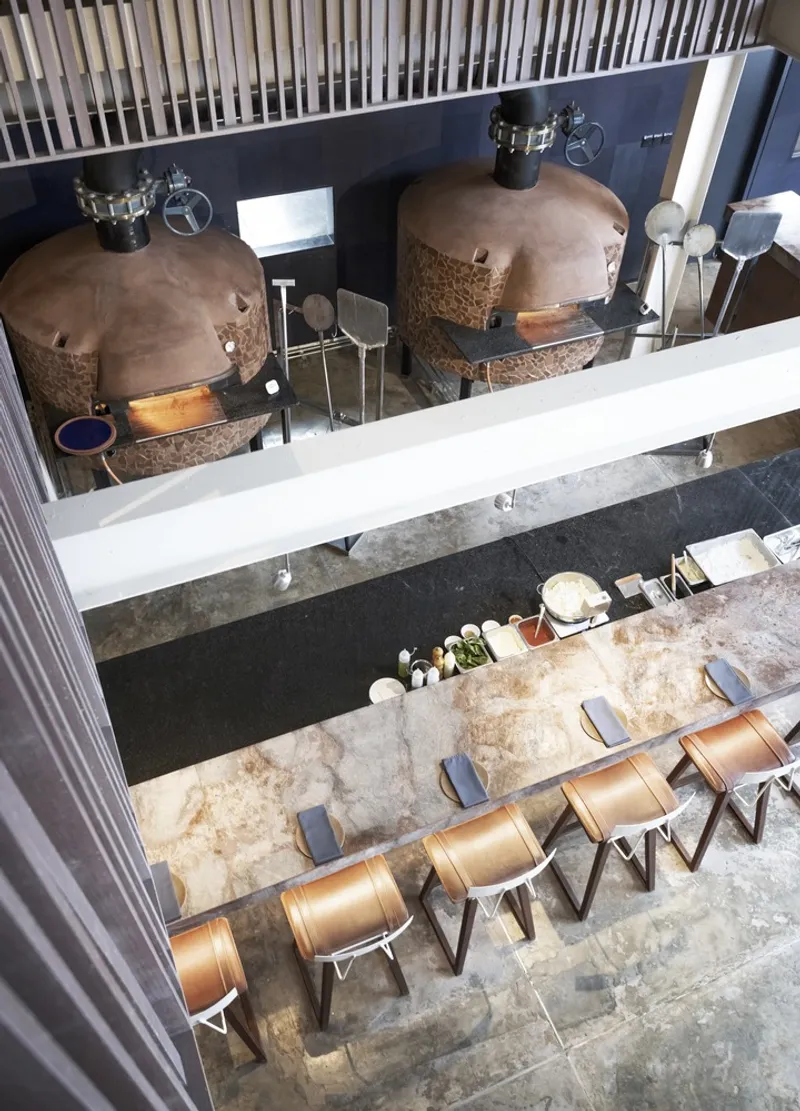
An Open and Inviting Urban Landmark
The structure’s bold, open design mirrors the restaurant’s mission: transparency, community, and a deep connection to local context. Situated prominently in BKK1, the project acts as a landmark in the neighborhood, sparking conversations around reuse, resourcefulness, and ecological responsibility. With an emphasis on local materials and handcrafted elements, the building reflects both contemporary Cambodian aesthetics and progressive global values.

Collaborative Effort with Local Makers and Innovators
Realized in collaboration with contractor REDFURNESSE and material suppliers including A+Set, Dr. Illumination, GOMI Recycle, and PLASTICPeople, the restaurant embodies a model of integrated sustainable design. Each contributor played a key role in delivering a project that exemplifies how creative industries can build environmentally conscious spaces without compromising on design quality.
Educating Through Architecture
Beyond serving great food, this restaurant seeks to educate future generations about sustainability. The playful yet purposeful design encourages curiosity and awareness, showing that even waste materials have the potential for beauty, utility, and longevity.
All Photographs are works of Robert Kleiner




Popular Articles
Popular articles from the community


The Ocean Hive: Sustainable Architecture for a Self-Sufficient Civilization at Sea
The Ocean Hive imagines sustainable architecture at sea, where modular habitats, algae, wave power and ocean waste sustain a growing colony.

The Earth Pod: 3D Printed Homes for Resilient Refugee Communities
The Earth Pod reimagines refugee housing through 3D printed homes made from clay, combining resilience, self-sufficiency, and rapid shelter.

Conexión: Biophilic Design Reimagines High-Rise Living in Hong Kong
Conexión reimagines high-rise living in Hong Kong through biophilic design, green facades, shared spaces, daylight, water and nature within.
EW PARK: Sustainable Architecture Reimagines the Future of Urban Parking
EW PARK reimagines city parking as a modular wooden tower combining automation, solar energy, electric mobility, and adaptable urban design.


Similar Reads
You might also enjoy these articles


Hodi-Mandai Geram
Project Function: Preservation and revitalization of the Intangible heritage and socio-spatial identity of the Hodi by Housing, Cultural Memory Center, Sacred Grove, landscape, local tourism economy


Olio Towers: A Mid-Rise for Performers That Fuses Housing, Rehearsal, and Stage
Located blocks from Houston's Theater District, this modular tower stacks living units around a central performance atrium.

Oasis: Modular Green Housing Carved into Dhaka's Urban Fabric
A shortlisted Plugin Housing entry reclaims unauthorized settlements in Dhaka with stepped concrete volumes, green roofs, and ventilation-driven design.

Black Hole: A Floating Megastructure for the Post-Physical Era
Emiliano Mazzarotto envisions a spherical, self-scaling arena where e-sports, digital hotels, and holographic stadiums replace traditional public space.


Explore Urban Design Competitions
Discover active competitions in this discipline



Challenge to reimagine the Iron Throne


Photograph architecture without architects


Illustrate the lost glory of Angkor Wat - Render Challenge


Design challenge to reuse E-waste
Comments (0)
Please login or sign up to add comments
No comments yet. Be the first to comment!