
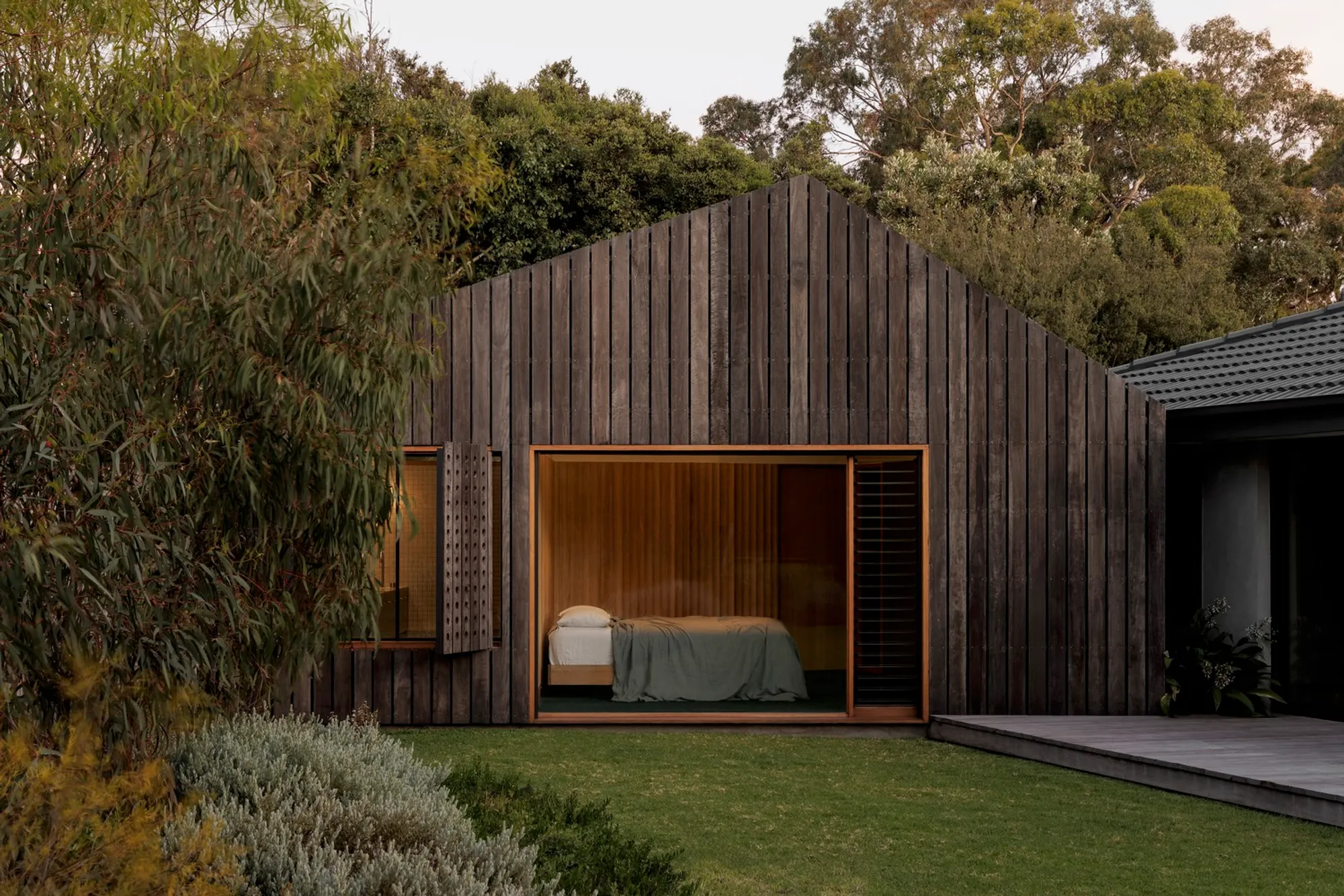
Point Lonsdale House by Solomon Troup Architects
Sustainable coastal renovation transforming a 1980s home into a climate-responsive retirement retreat with adaptive reuse and garden-facing extension.


A Sustainable Coastal Renovation Balancing Heritage, Comfort, and Climate Responsiveness
Nestled in the tranquil coastal township of Point Lonsdale, Victoria, this renovation project by Solomon Troup Architects reimagines a humble 1980s brown brick family home into a sustainable and serene retirement residence. Surrounded by native moonah and tea trees, the design transforms the existing structure into a future-focused, climate-conscious dwelling tailored to the changing needs of its long-time owners.
Project Overview
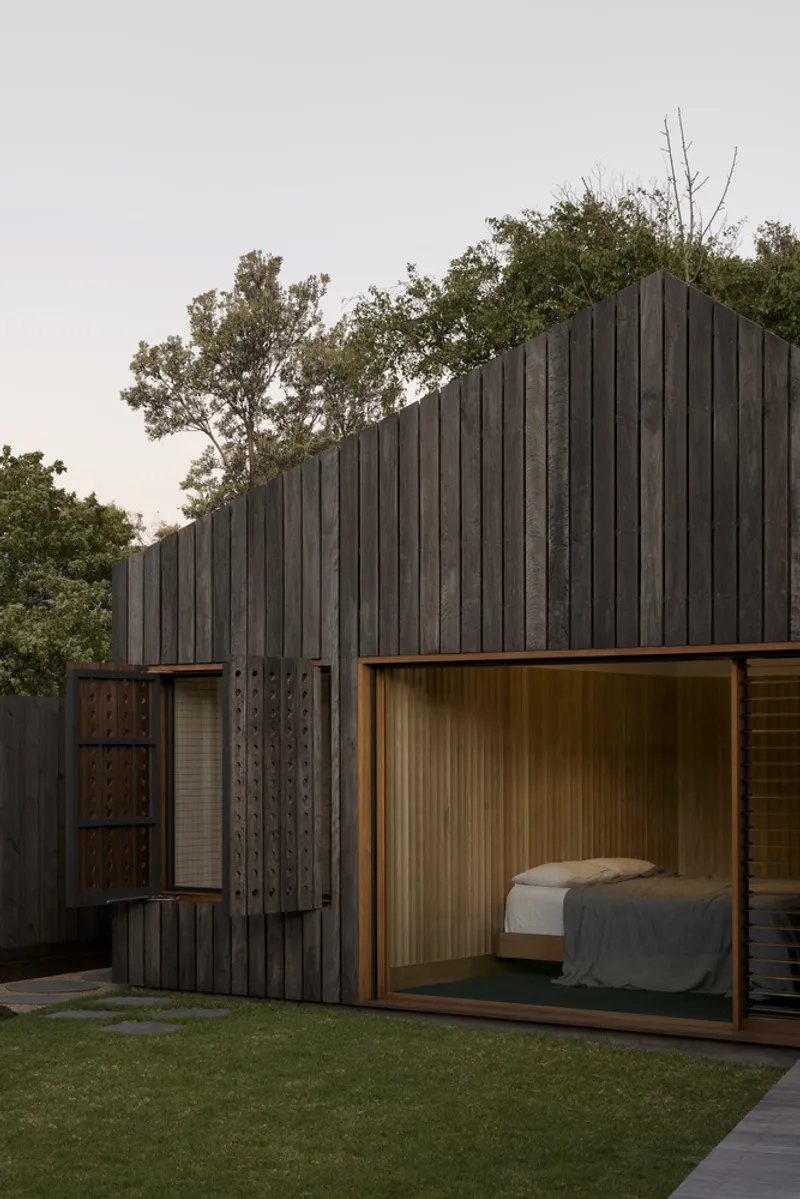
Originally home to a family of five, the brief called for an adaptive reconfiguration suitable for retirement living, while maintaining enough flexibility to host visiting family members. The architectural solution is modest in size but thoughtful in execution, centering on a 40m² lean-to addition that subtly integrates beneath the original roofline.
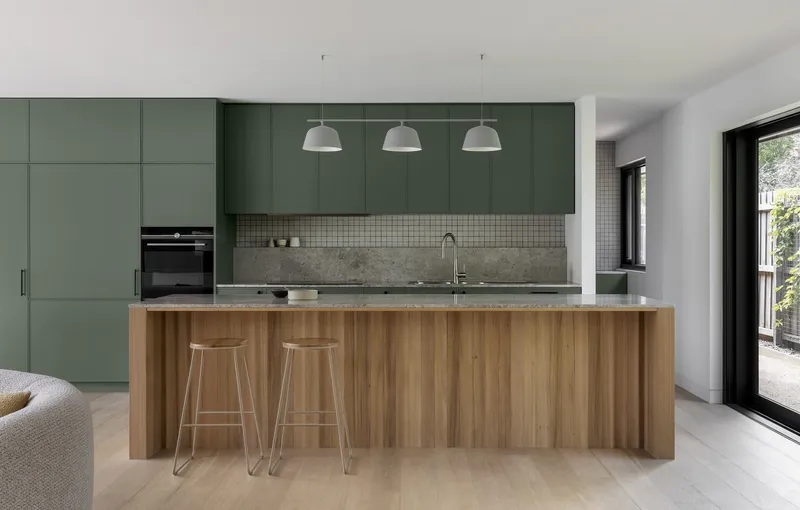
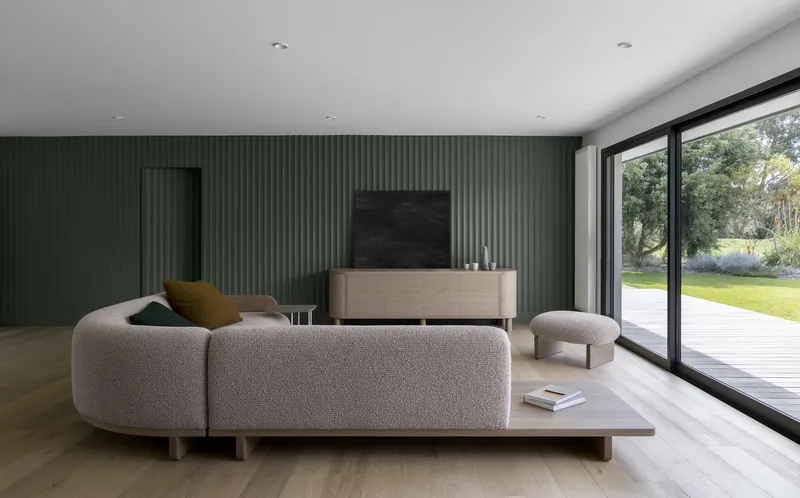
This new addition introduces a light-filled master bedroom suite, positioned to embrace the views of the established rear garden. Simultaneously, the internal layout was reworked to enhance the living, kitchen, and dining spaces, improving flow and connection to the landscape. The existing bedroom wing remains intact, offering private quarters for guests and the ability to close off unused areas for energy efficiency.
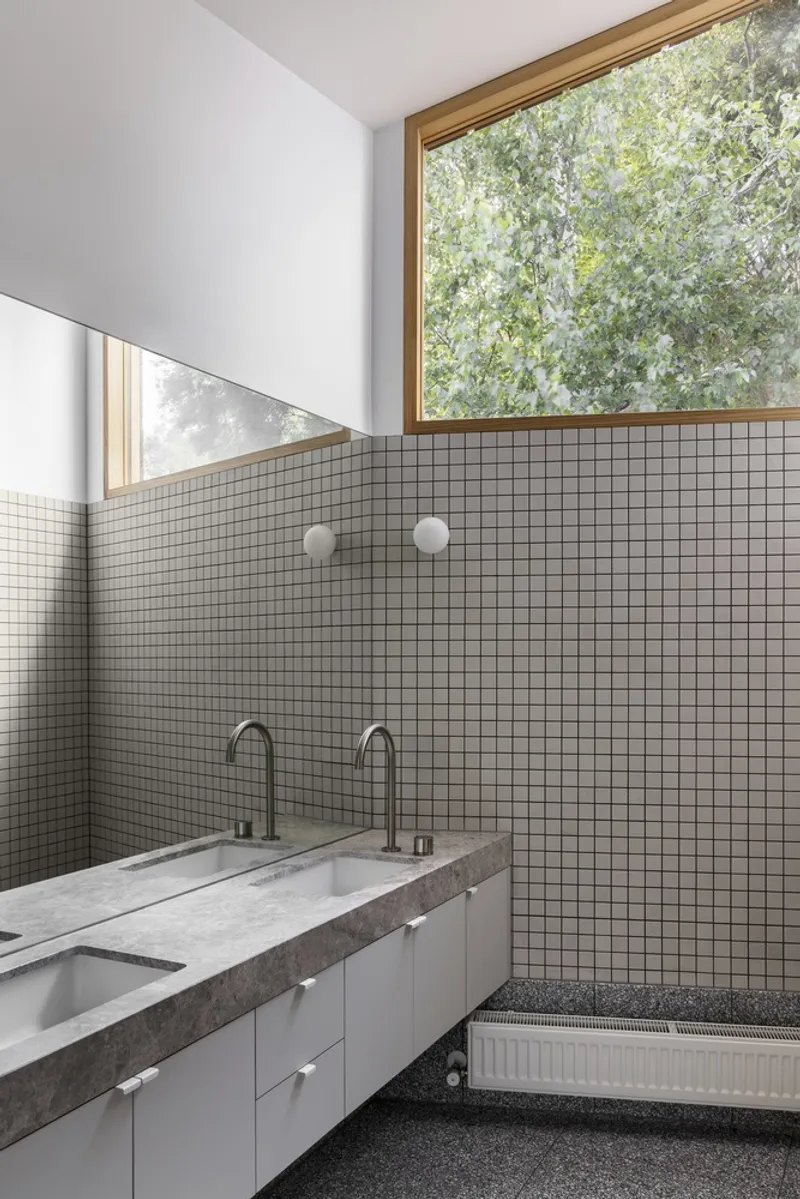
Architectural Strategy and Spatial Response
The design draws formal cues from the original gable-roofed geometry and adapts to the irregular shape of the site, located at the end of a cul-de-sac. This approach allowed the architects to develop a footprint that feels bespoke and organic. From the street, only a discreet glimpse of the addition is visible, preserving the home’s familiar facade while introducing subtle contemporary upgrades.
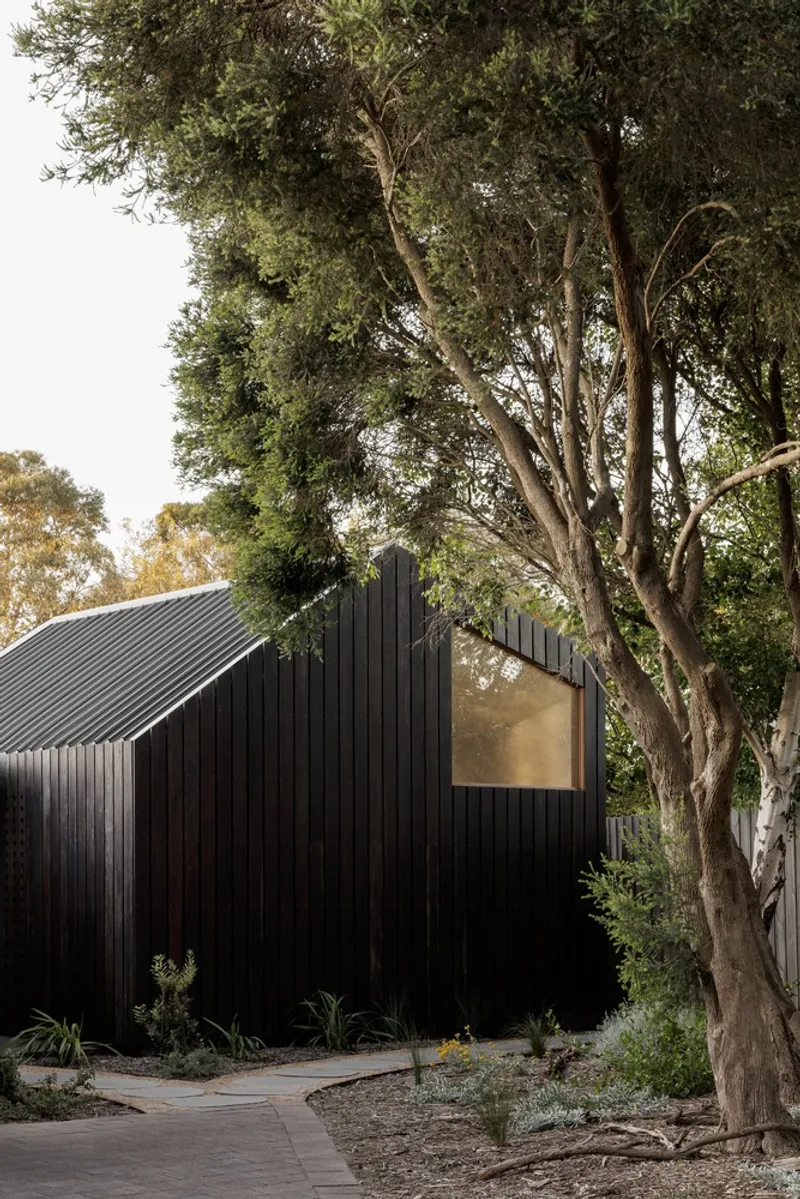
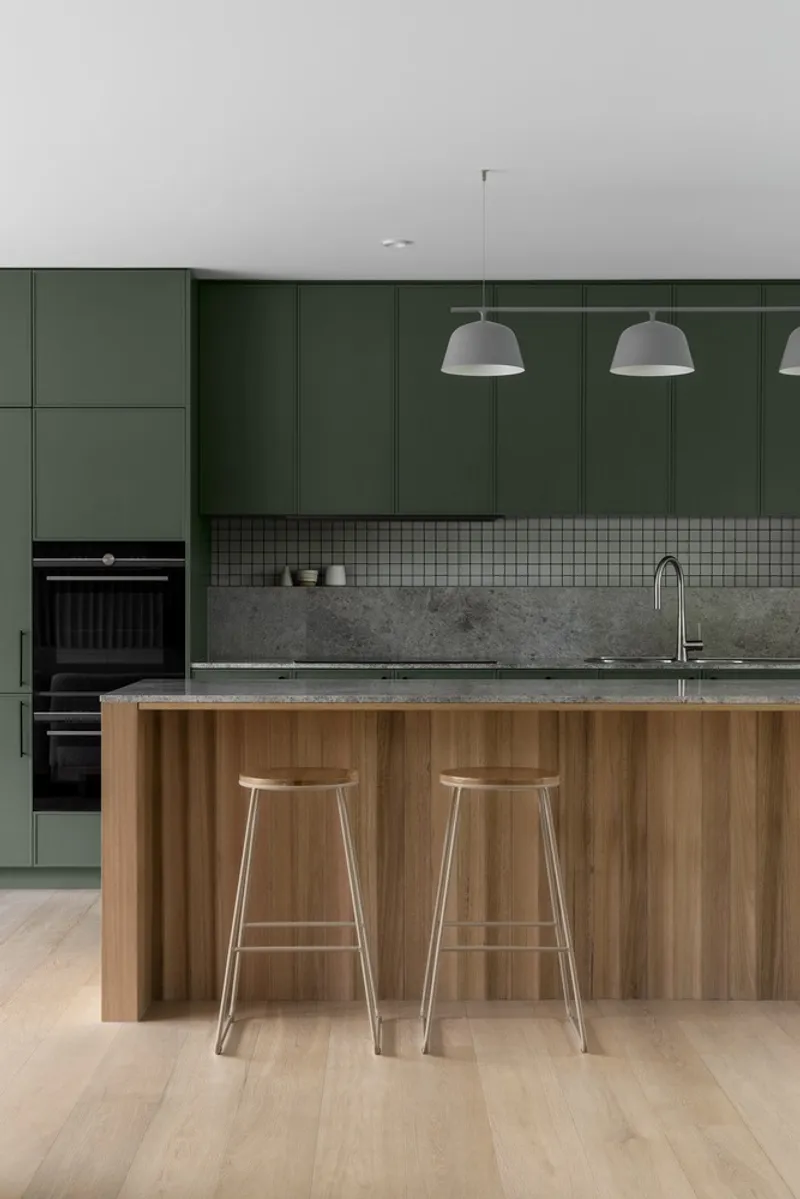
Sustainable Design and Low-Waste Construction
With the global construction industry contributing significantly to environmental waste, the architects prioritized adaptive reuse and material conservation throughout the project. Instead of demolishing existing elements, the team creatively repurposed components: an existing ensuite was transformed into a guest powder room, and an original window opening was reused for the new master suite. These low-impact strategies minimized construction waste and embodied a commitment to sustainable architecture.
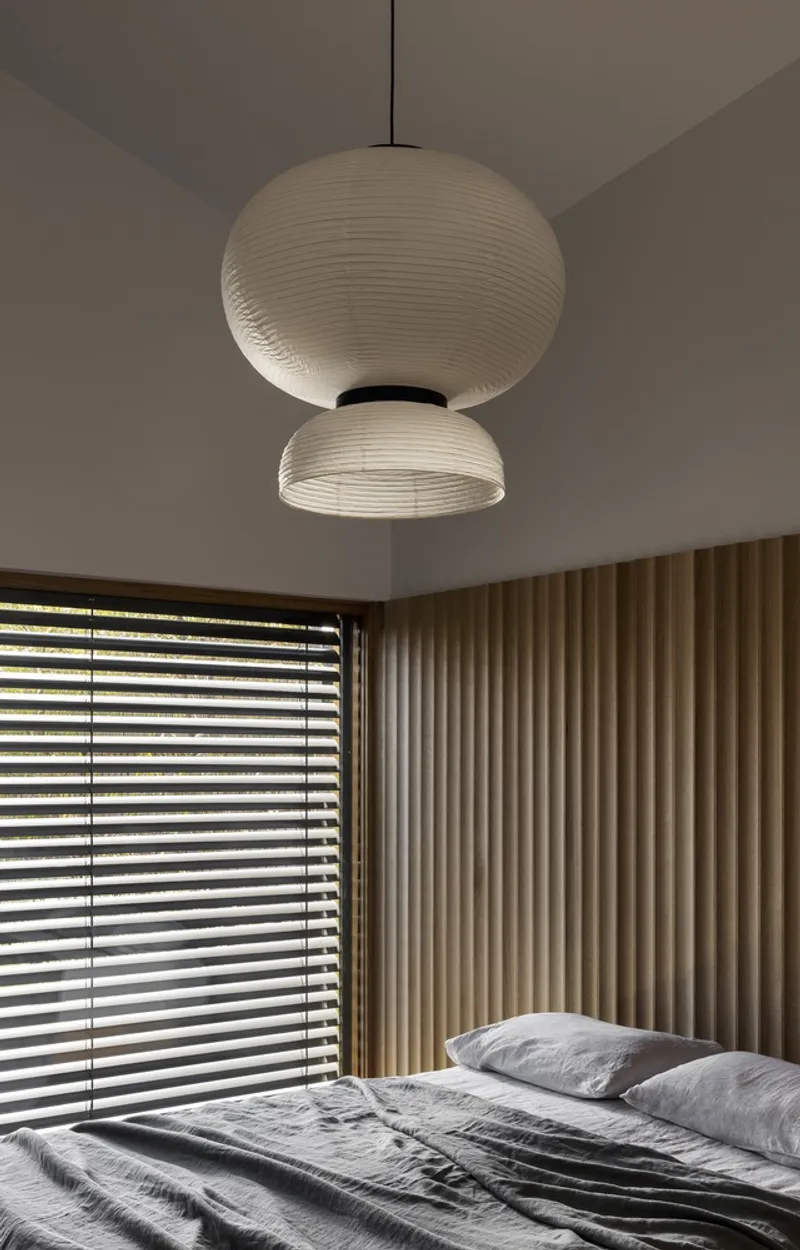
Material Palette and Climate Control
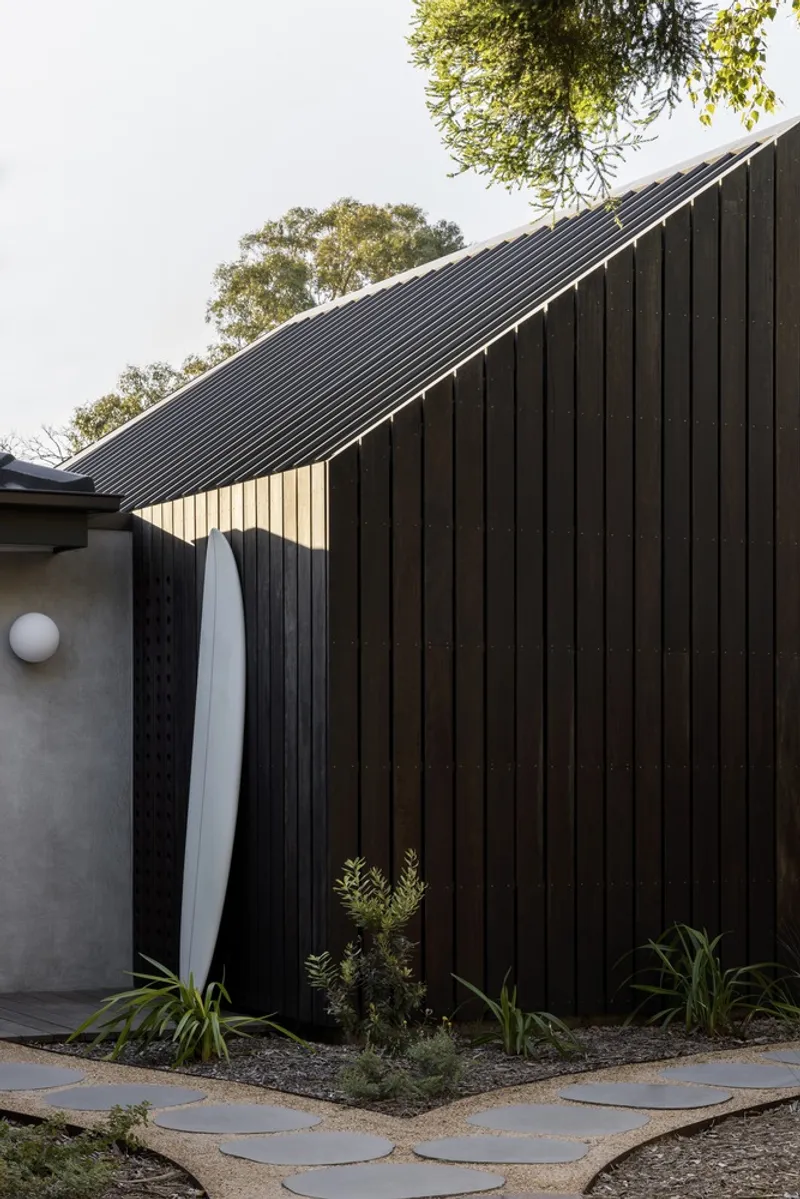
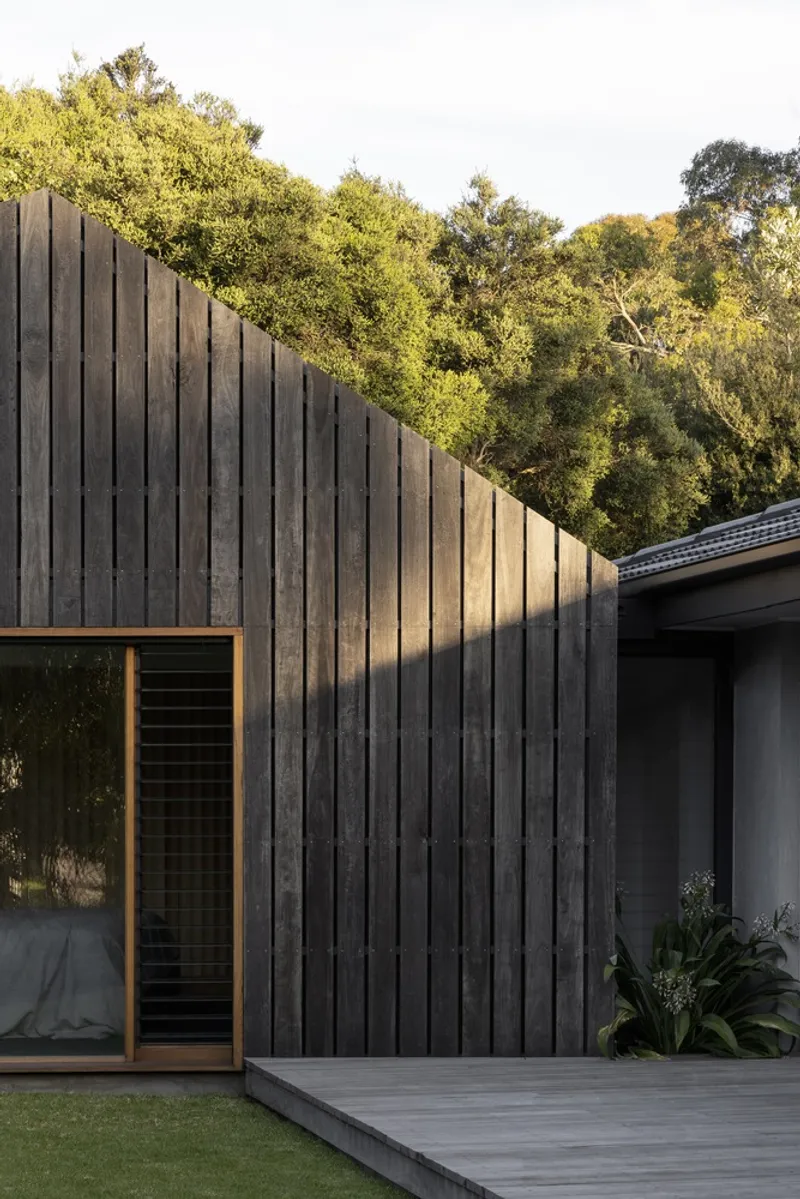
Clad in a spotted gum rainscreen, the extension features an operable façade element that enhances both privacy and thermal comfort. Facing west, the master bedroom benefits from passive shading during hot afternoons, aided by external Venetian blinds that regulate solar gain. This screen not only reduces heat load but also frames the verdant views of the adjacent garden and rarely used public park, offering a seamless connection between inside and out.
A Model for Modest, High-Impact Renovation
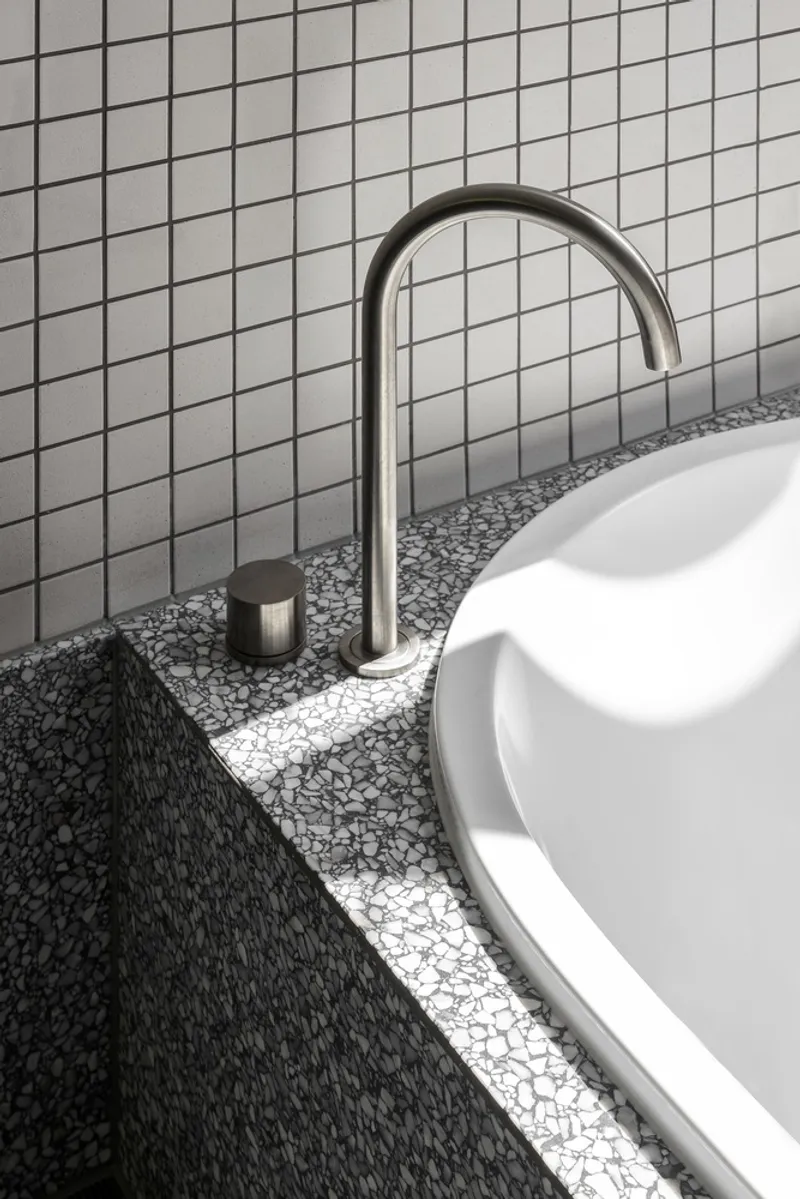
The Point Lonsdale House stands as a compelling example of how small-scale architectural interventions can yield significant improvements in functionality, environmental performance, and livability. It’s a deeply personal project that respects the memory of the original family home while enabling a graceful transition into a new chapter of life.
All Photographs are works of Timothy Kaye



Popular Articles
Popular articles from the community


Play: Fragments of Their World
Familiar architecture becomes modular playground design, creating safe spaces where displaced children can learn, connect, imagine and play.

The Earth Pod: 3D Printed Homes for Resilient Refugee Communities
The Earth Pod reimagines refugee housing through 3D printed homes made from clay, combining resilience, self-sufficiency, and rapid shelter.

Riyadh For All: Intergenerational Urban Design for Active Aging in Rabat
Riyadh For All reimagines urban design in Rabat with intergenerational co-living, adaptive courtyards, and Moroccan cultural exchange today.

Lunar Spiral: Space Architecture Shaped by the Mathematics of the Universe
Lunar Spiral reimagines space architecture through Fibonacci geometry, lunar regolith, levitating habitats, and self-sustaining Moon living.

Similar Reads
You might also enjoy these articles


Hodi-Mandai Geram
Project Function: Preservation and revitalization of the Intangible heritage and socio-spatial identity of the Hodi by Housing, Cultural Memory Center, Sacred Grove, landscape, local tourism economy


Olio Towers: A Mid-Rise for Performers That Fuses Housing, Rehearsal, and Stage
Located blocks from Houston's Theater District, this modular tower stacks living units around a central performance atrium.

Oasis: Modular Green Housing Carved into Dhaka's Urban Fabric
A shortlisted Plugin Housing entry reclaims unauthorized settlements in Dhaka with stepped concrete volumes, green roofs, and ventilation-driven design.

Black Hole: A Floating Megastructure for the Post-Physical Era
Emiliano Mazzarotto envisions a spherical, self-scaling arena where e-sports, digital hotels, and holographic stadiums replace traditional public space.


Explore Architecture Competitions
Discover active competitions in this discipline



Challenge to reimagine the Iron Throne


Photograph architecture without architects


Illustrate the lost glory of Angkor Wat - Render Challenge


Design challenge to reuse E-waste
Comments (0)
Please login or sign up to add comments
No comments yet. Be the first to comment!