

Porous Habitat by Inklusi.dsg: Redefining Student Co-Living Architecture in Yogyakarta
A culturally rooted student co-living space in Yogyakarta that blends village life, climate design, and communal architecture.


A Vernacular Response to Modern Student Life
Located in Sleman, Yogyakarta, Porous Habitat by Inklusi.dsg offers a compelling reimagining of student co-living architecture. Designed as a 12-unit boarding house for university students, the 266-square-meter project responds to both the spatial needs of temporary urban dwellers and the emotional rhythm of village life. With its understated materiality, subtle nods to traditional Javanese architecture, and focus on social and environmental porosity, the project exemplifies how modern student housing can be communal, sustainable, and deeply rooted in place.


Drawing from the Limasan to Create a Contemporary Village
The design reinterprets the limasan, a traditional pitched-roof typology, into a contemporary form that quietly integrates with the surrounding rural context. The concrete massing is intentionally raw, monolithic, and grounded—not meant to dominate the environment but to belong to it. This groundedness is not just visual; it is spatial and social. The building opens itself up to the surrounding village atmosphere, creating a dialogue between its residents and the landscape.
Porosity in this context extends far beyond light and airflow—it refers to a larger spatial ethic of openness to life, community, and the senses.

The Ground Floor as a Social Landscape
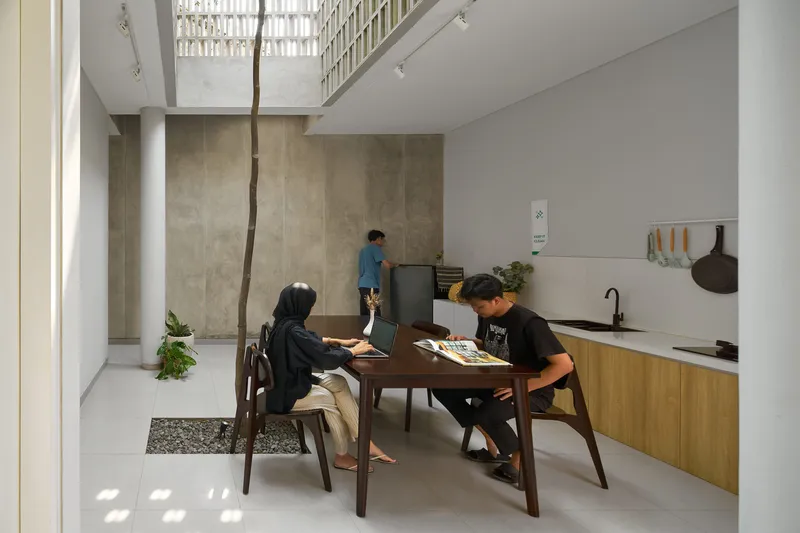
The communal ground floor is imagined as a microcosm of a rural village. Parking spaces use permeable pavers that allow grass and gravel to emerge, reflecting a soft infrastructure that accommodates nature. Shared amenities like the kitchen and dining area are positioned under the shade of trees, encouraging spontaneous social gatherings while providing respite from the tropical climate.

The layout evokes familiarity, not just through its form but also in how it structures community—organic, informal, and respectful of personal rhythms. This bottom-up social architecture fosters a sense of belonging in young students living far from home.
Everyday Encounters in Transitional Spaces
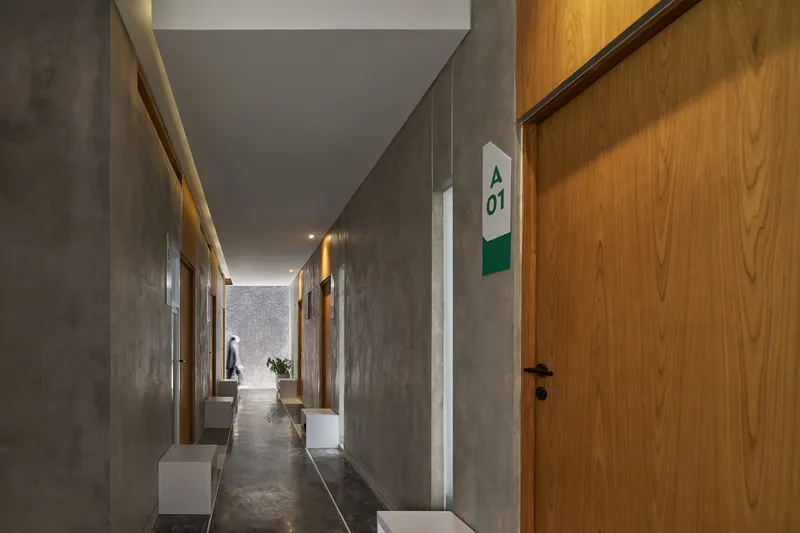
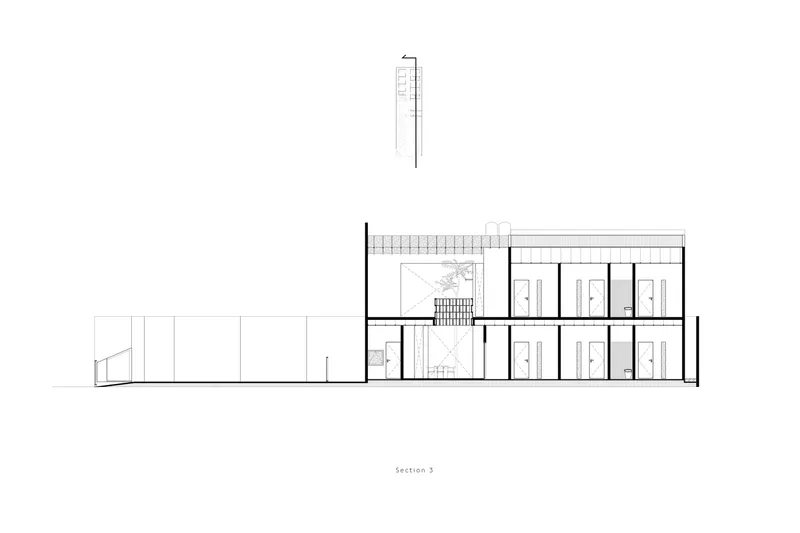
Porous Habitat's corridors are more than passageways—they are social corridors illuminated by discreet skylights hidden within gypsum coves. These bring in natural daylight without harsh heat, creating an atmosphere of gentle brightness. Each unit opens into this corridor with a semi-private threshold marked by a rain string curtain, creating a soft boundary where residents leave shoes, sit on stools, or begin casual conversations.

This small architectural gesture encourages passive interaction, building a safe and supportive co-living environment without forcing socialization.

Private Rooms That Prioritize Climate and Comfort
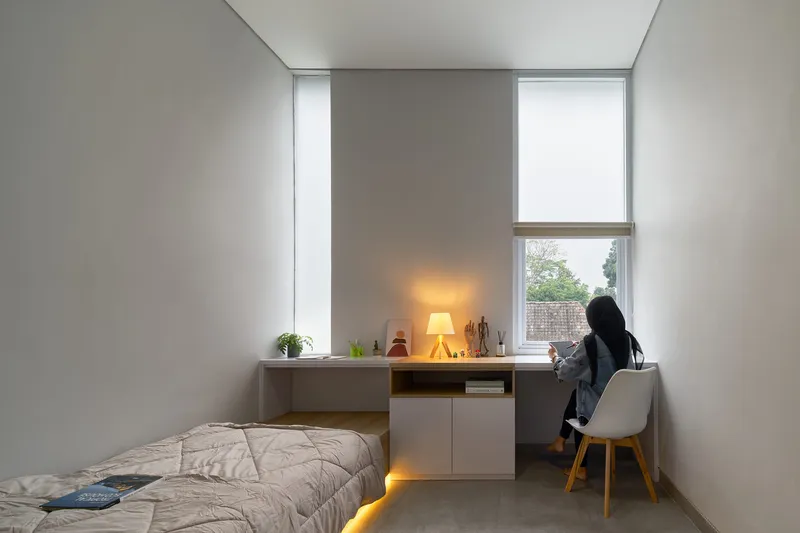
Inside, the rooms range from 9 to 12 square meters and feature two openings to ensure natural cross-ventilation. Each unit is compact yet thoughtfully designed for comfort and privacy. Furniture accommodates local living habits, including floor seating for studying—a familiar, culturally resonant detail that allows students to feel at ease.
The building structure uses a closed portal concrete system with 4.5-meter spans. This not only reduces beam size and cost but also creates narrow air gaps between units, enhancing thermal comfort and spatial porosity without compromising privacy.

Architecture as a Sense of Place
Porous Habitat ultimately offers more than a roof over one’s head—it provides a framework for grounded, intentional living. By honoring the rhythms of both student life and the village context, the architecture becomes a space of quiet optimism. Here, learning and growing are not just academic pursuits—they are also spatial experiences shaped by community, climate, and cultural empathy.
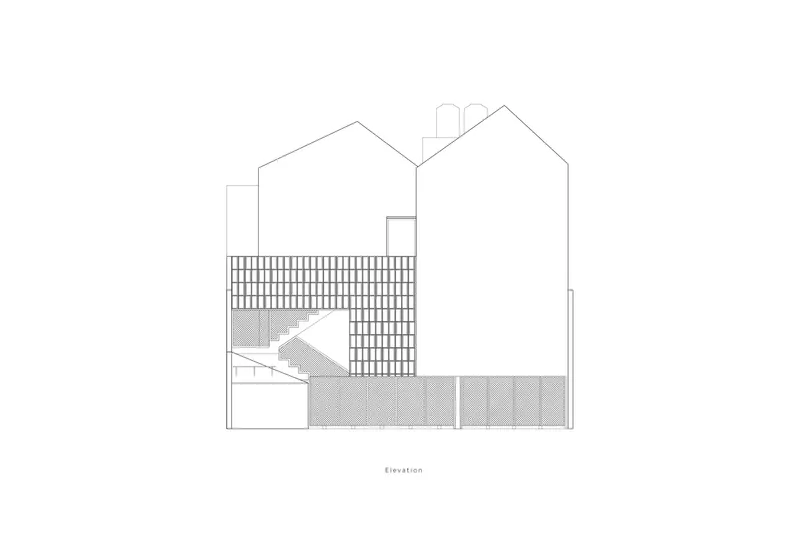

In a time when student housing is often standardized, Porous Habitat stands out as a meaningful example of student co-living architecture that values identity, interaction, and the feeling of home.

All Photographs are works of Ukara Studio



Popular Articles
Popular articles from the community

EW PARK: Sustainable Architecture Reimagines the Future of Urban Parking
EW PARK reimagines city parking as a modular wooden tower combining automation, solar energy, electric mobility, and adaptable urban design.

The Earth Pod: 3D Printed Homes for Resilient Refugee Communities
The Earth Pod reimagines refugee housing through 3D printed homes made from clay, combining resilience, self-sufficiency, and rapid shelter.

The Musturak Paradise: Senior Living Architecture for a Connected Future in Temara, Morocco
The Musturak Paradise reimagines senior living architecture in Temara via private homes, social spaces, culture, community, and shared care.

Hill & Cross Opera: Sculptural Opera House Architecture Shaped by Tallinn’s Landscape and Identity
Hill & Cross Opera reimagines opera house architecture in Tallinn through its sculptural hill, civic plaza, glass wave and a luminous cross.


Similar Reads
You might also enjoy these articles

FAMM Arquitectura Organizes Ten Villas Around Courtyards and Jungle in Nosara, Costa Rica
El Molino pairs two elongated volumes with deep overhangs and timber louvers to build a compact coastal community five minutes from the beach.
Oscar Niemeyer's Ibirapuera Park Pavilions Define São Paulo's Cultural Identity in Concrete and Curve
A constellation of modernist volumes set within São Paulo's most important urban park, conceived for the city's 400th anniversary in 1954.
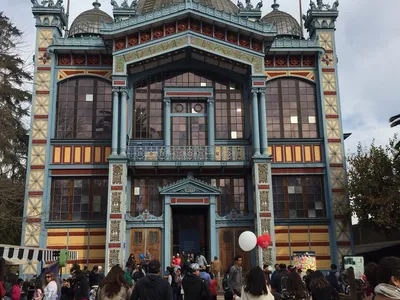
How Henri Picq's 1889 Paris Pavilion Traveled 11,000 Kilometers to Become Santiago's Artequín Museum
A prefabricated iron and glass pavilion built for the Paris Universal Exposition found a second life as a children's art museum in Chile.
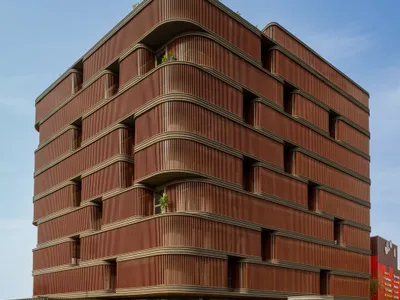
Sanjay Puri Architects Wraps a Jaipur Office Tower in Capsule-Shaped Green Buffers
A nine-level climate-responsive workplace near Jaipur Airport uses stacked planter terraces and aluminium screens to fight 40°C heat.


Explore Architecture Competitions
Discover active competitions in this discipline



Challenge to reimagine the Iron Throne


Photograph architecture without architects


Illustrate the lost glory of Angkor Wat - Render Challenge


Design challenge to reuse E-waste
Comments (0)
Please login or sign up to add comments
No comments yet. Be the first to comment!