
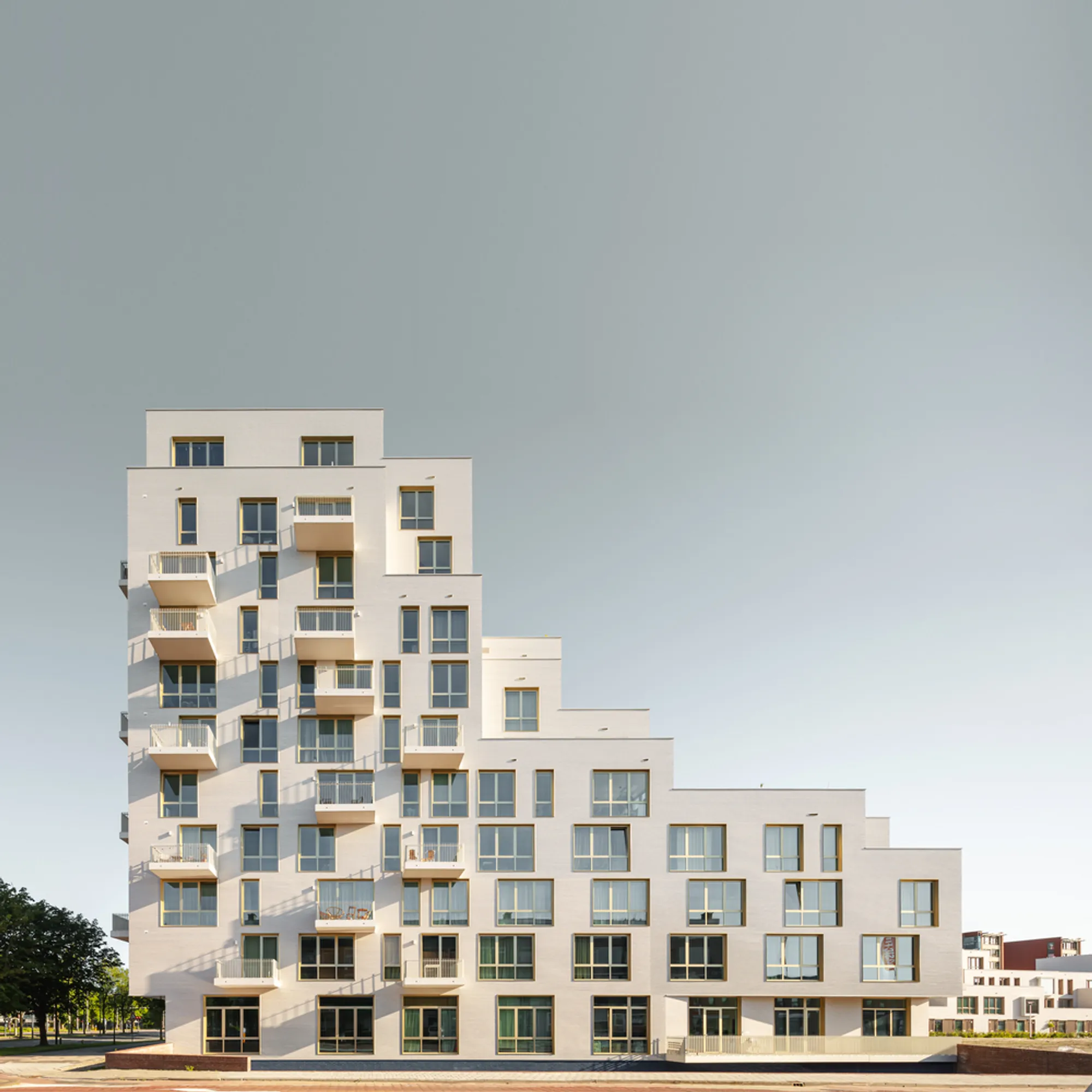
Porseleinen Hof Building: Sculptural Mixed-Use Living in Delft
Porseleinen Hof in Delft combines a sculptural white ceramic tower, ground-access homes, rooftop gardens, sustainable facades, and community-focused mixed-use living.


The Porseleinen Hof Building, designed by Orange Architects, stands as a contemporary cornerstone of Delft’s Spoorzone area, specifically in its westernmost extension known as Nieuw Delft. Completed in 2024, this innovative project spans an area of 11,980 m², merging residential housing, shared amenities, and community-focused urban design. Collaborating with Palmbout Urban Landscape as urban planners and specialists such as IMd Raadgevende Ingenieurs, Nelissen Ingenieursbureau, Abt, Felixx Landscape Architects & Planners, BBN, Fakton, and M+P, the project demonstrates a holistic approach to sustainable, mixed-use development.
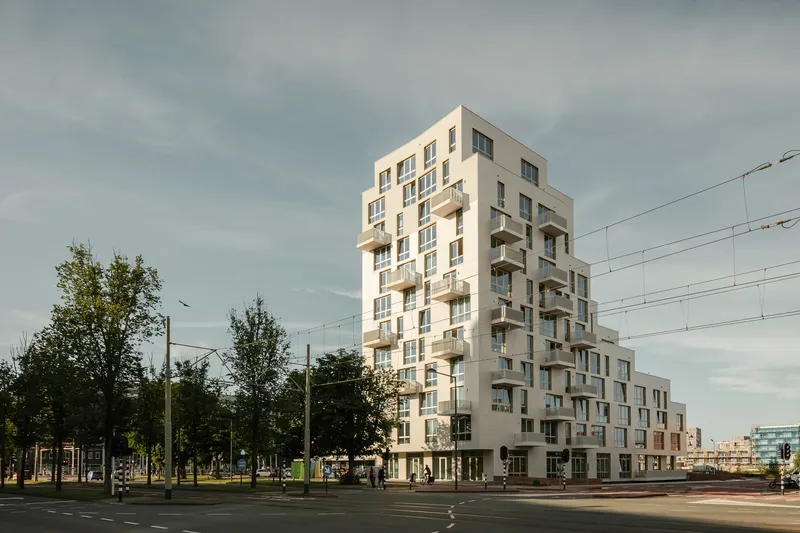
Sculptural Architecture and Iconic Landmark
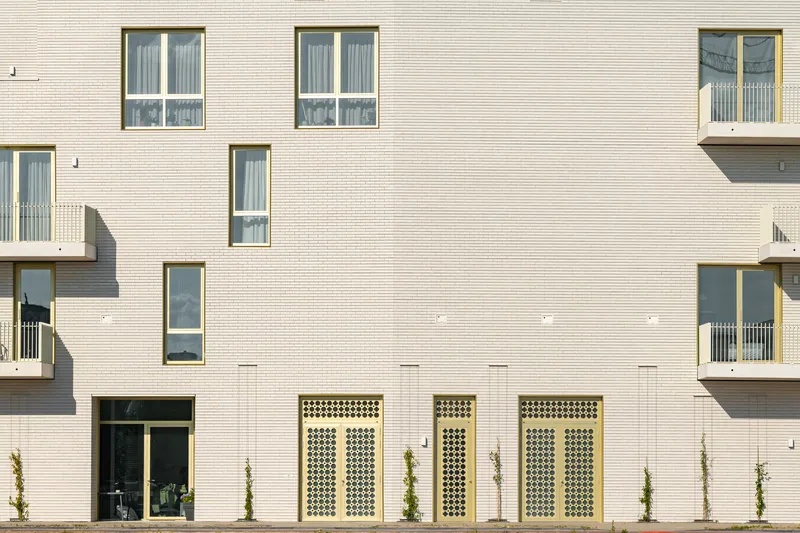
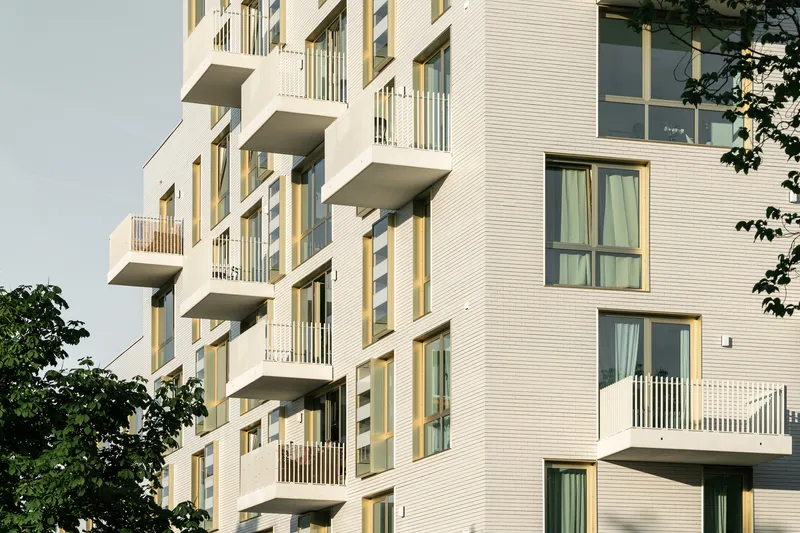
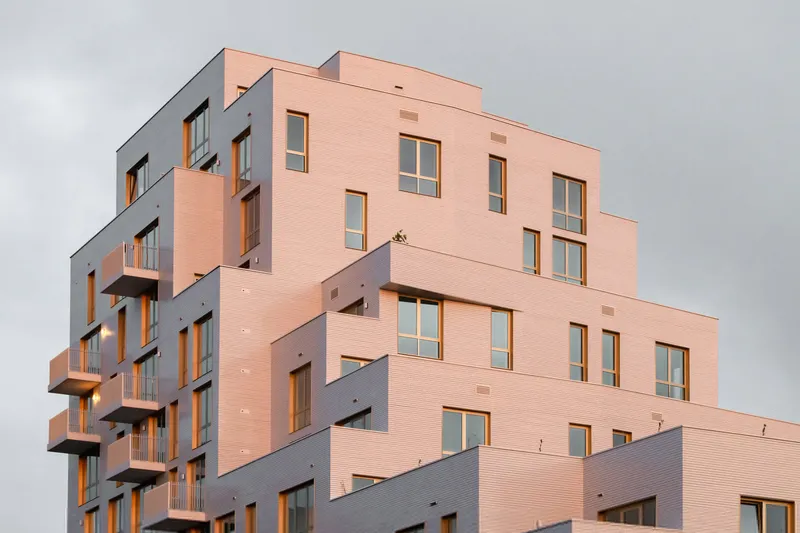
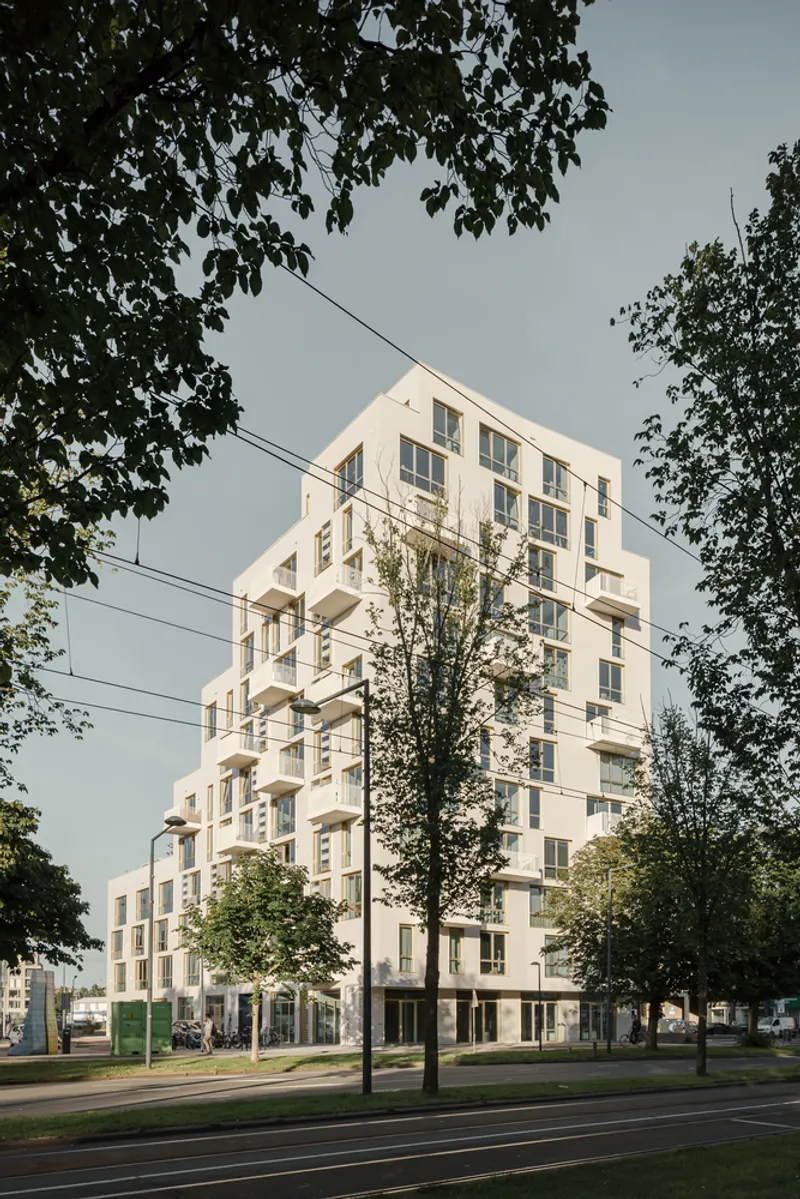
At the heart of Porseleinen Hof is the Porseleinen Toren, a sculptural tower that marks the western entrance to Nieuw Delft. Clad in white glazed ceramic, the tower’s facade alternates between matte and reflective surfaces, ensuring a dynamic presence from every street angle. The tower’s design emphasizes visual diversity and complements the surrounding cluster of ground-access family homes, collectively shaping a vibrant urban streetscape.
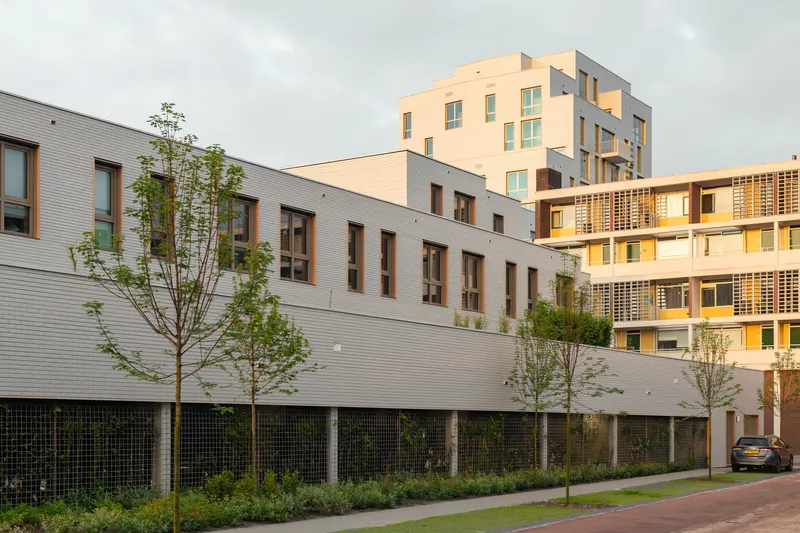
The building volumes are rationally structured, allowing clear separation of parking, bicycle facilities, and residential programs, while simultaneously offering a sculptural expression of the varied uses within. This careful articulation respects the historical context of Delft while introducing a modern, distinctive aesthetic.
Community-Oriented Residential Design
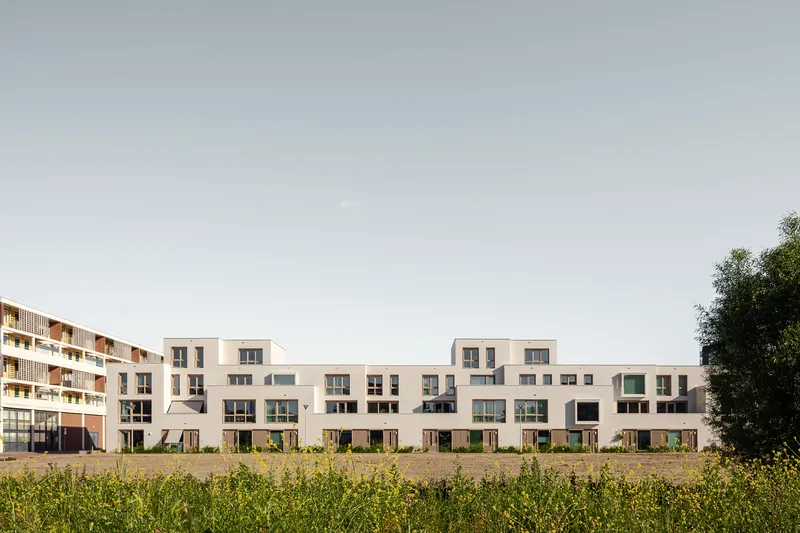
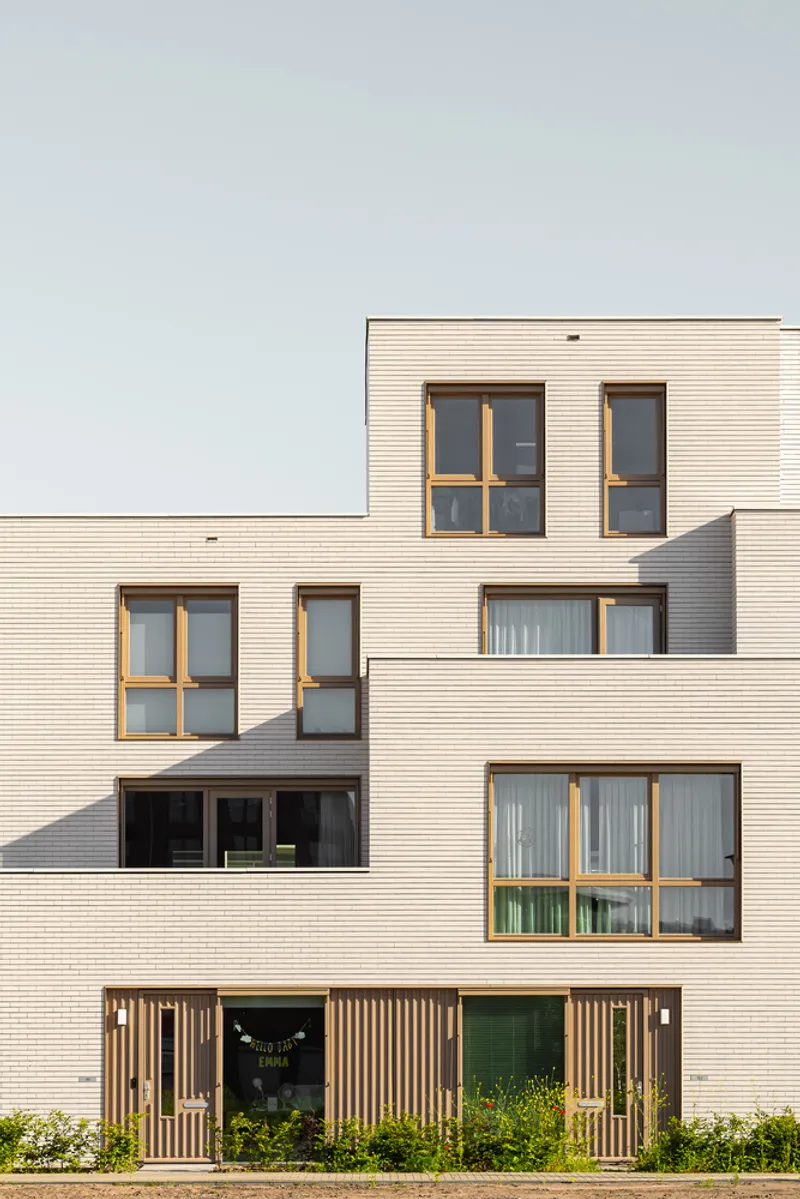
Porseleinen Hof offers a rich mix of residential typologies, including studio apartments in the tower and 17 ground-access houses. The entrances to homes and studios are positioned along the outer perimeter, fostering an interactive street life. Ground-floor spaces adjacent to parking areas accommodate a catering facility, creating active plinths along streets and the central park.
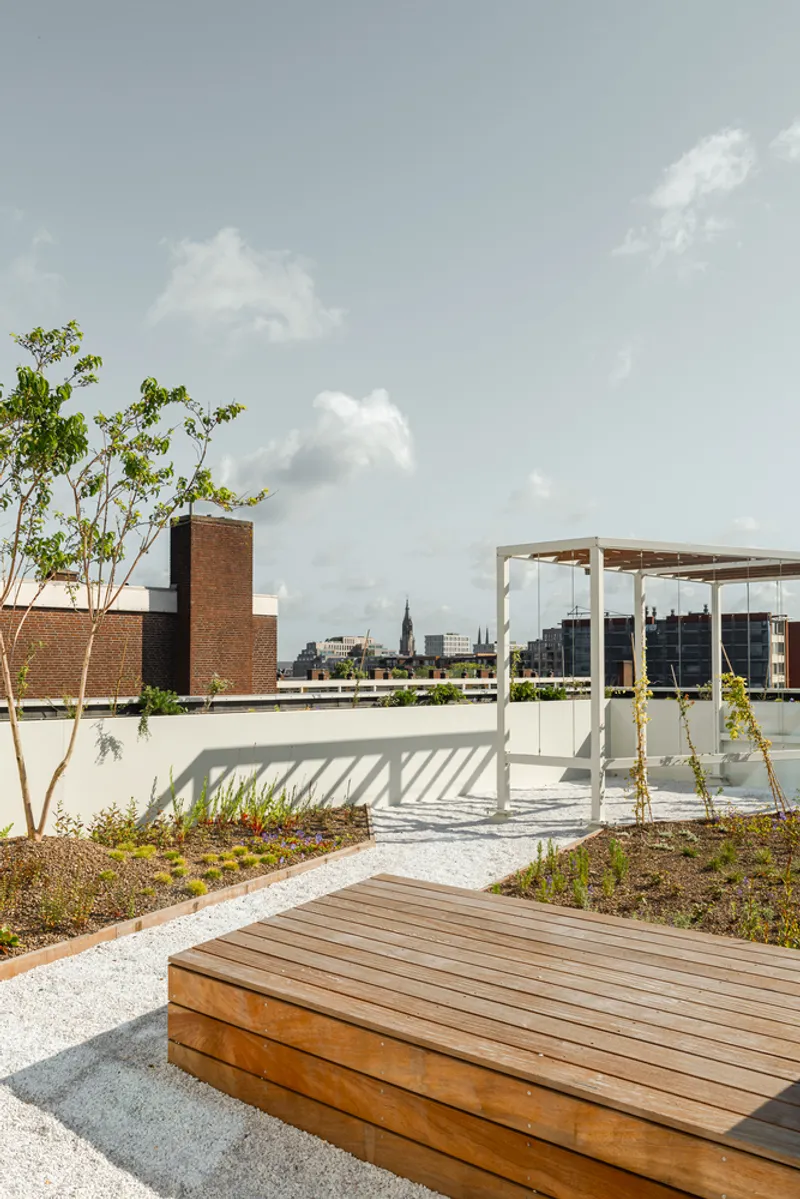
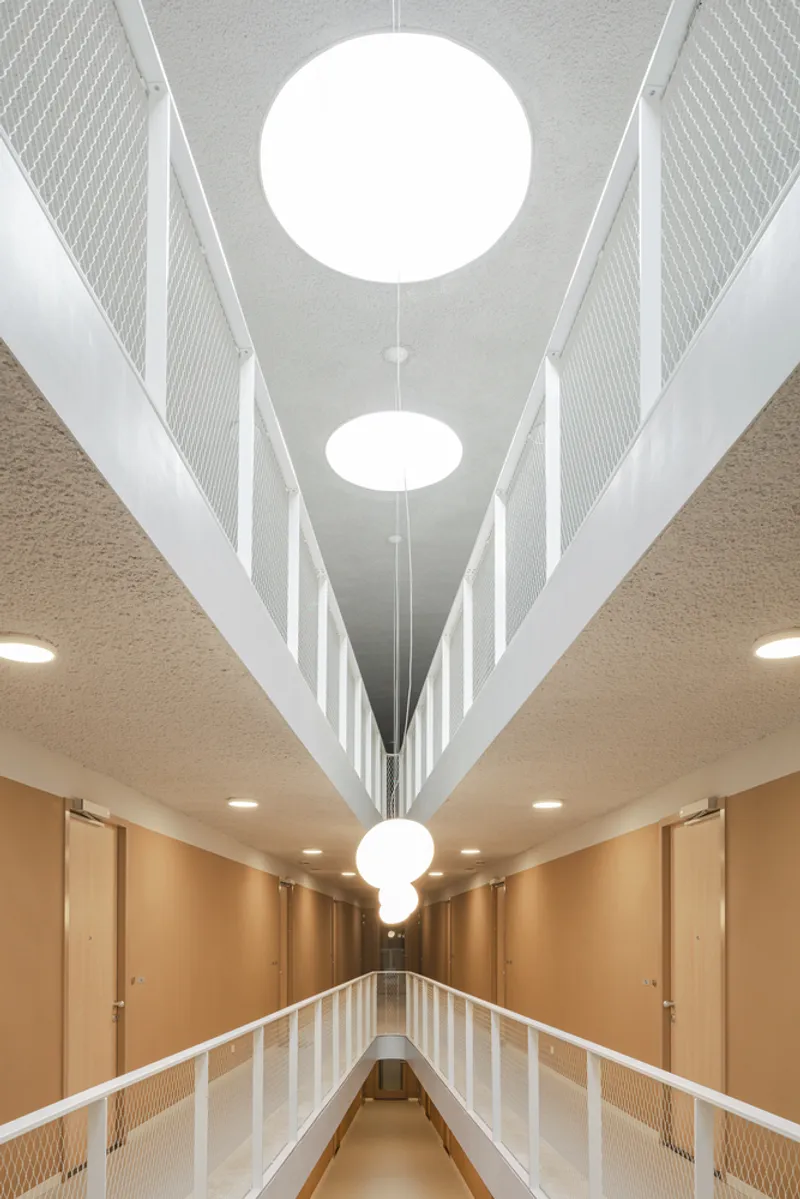
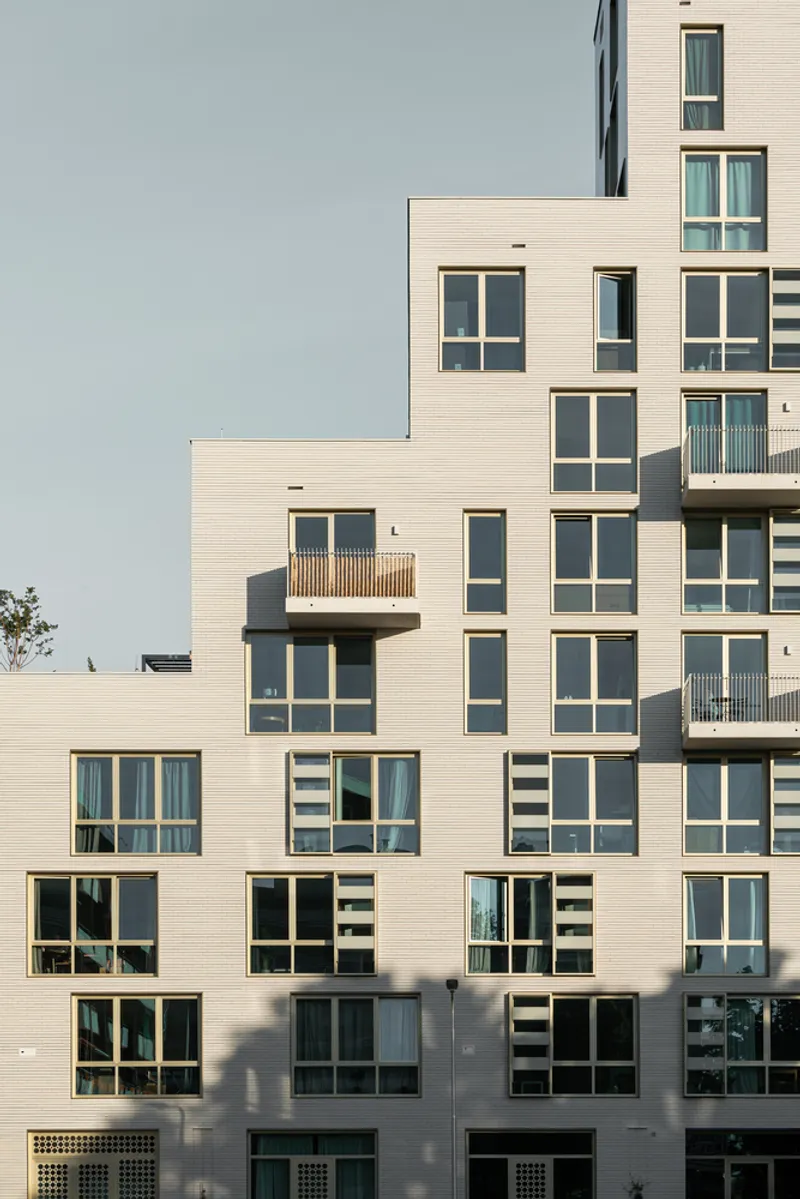
The tower features a central atrium, where natural daylight penetrates deep into the building, serving as a social hub for residents. On the fourth floor, a collective rooftop garden with a Skybar emphasizes community interaction. Many apartments include private balconies or rooftop terraces, while family houses feature spacious rooftop gardens atop shared parking facilities. The facade articulation: through recesses, varied window positions, bay windows, and rooftop extensions, enhances the sculptural identity of the buildings.
Sustainable and Circular Design
Sustainability is integral to Porseleinen Hof’s architecture. The facades employ remountable ceramic tiles, reducing material consumption and enabling full reuse. Non-load-bearing walls utilize timber frame construction, further minimizing environmental impact.
The Porseleinen Toren incorporates an innovative EQw system for heating and cooling, which extracts energy from the air. Solar panels on rooftops supply renewable energy, while rooftop gardens contribute to biodiversity, rainwater retention, and urban greening. Bird nesting facilities integrated into facades further enhance ecological value. Additionally, shared cars in the garage encourage sustainable mobility for residents.
Urban Integration and Masterplan Vision
Porseleinen Hof is firmly rooted in the Nieuw Delft urban fabric, connecting seamlessly to surrounding water and green spaces. Its design embodies the ambition outlined in the masterplan “View of Delft” by Palmbout: “…a differentiated cityscape that respects existing characteristics without simply copying them.” The project represents a future-focused model for mixed-use housing, demonstrating how sustainability, sculptural architecture, and community integration can coexist in a dense urban setting.


Popular Articles
Popular articles from the community


The Musturak Paradise: Senior Living Architecture for a Connected Future in Temara, Morocco
The Musturak Paradise reimagines senior living architecture in Temara via private homes, social spaces, culture, community, and shared care.

Co-Life: Senior Housing Design That Reconnects Older Adults With the City
Co-Life reimagines senior housing design through healing gardens, shared streets, workshops, and a sustainable community across generations.

Conexión: Biophilic Design Reimagines High-Rise Living in Hong Kong
Conexión reimagines high-rise living in Hong Kong through biophilic design, green facades, shared spaces, daylight, water and nature within.

Hill & Cross Opera: Sculptural Opera House Architecture Shaped by Tallinn’s Landscape and Identity
Hill & Cross Opera reimagines opera house architecture in Tallinn through its sculptural hill, civic plaza, glass wave and a luminous cross.


Similar Reads
You might also enjoy these articles

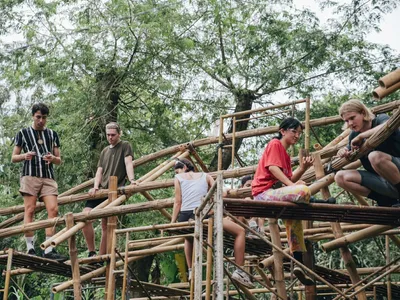
Bamboo Housing Challenge 2026: Design Affordable, Sustainable Homes Using Bamboo
An international design competition by Bamboo U and IBUKU inviting architects and designers to reimagine affordable housing using bamboo — with the winning design built full-scale in Bali.

Computational Design & Education: Beegraphy Design Awards Introduces 7th Category (Featuring Jiyun's Innovative Approach)
Dive into Beegraphy’s 7th Design Awards category, where computational design meets education to create immersive, interactive learning tools, inspired by Jiyun’s work.
From Parametric Lighting to Urban Furniture: Join the 2nd Workshop in Beegraphy’s Computational Design Series
Dive into Cutting-Edge Design Techniques and Practical Applications with Industry Experts

Last Call: Unleash Your Architectural Genius in SHAK's Kindergarten Design Competition
Urgent call for architects to join SHAK's kindergarten design competition before the looming deadline
Explore Residential Building Competitions
Discover active competitions in this discipline


Challenge to design mud housing for contemporary communities


Challenge to reimagine the Iron Throne


Photograph architecture without architects


Illustrate the lost glory of Angkor Wat - Render Challenge
Comments (0)
Please login or sign up to add comments
No comments yet. Be the first to comment!