
Port Tower
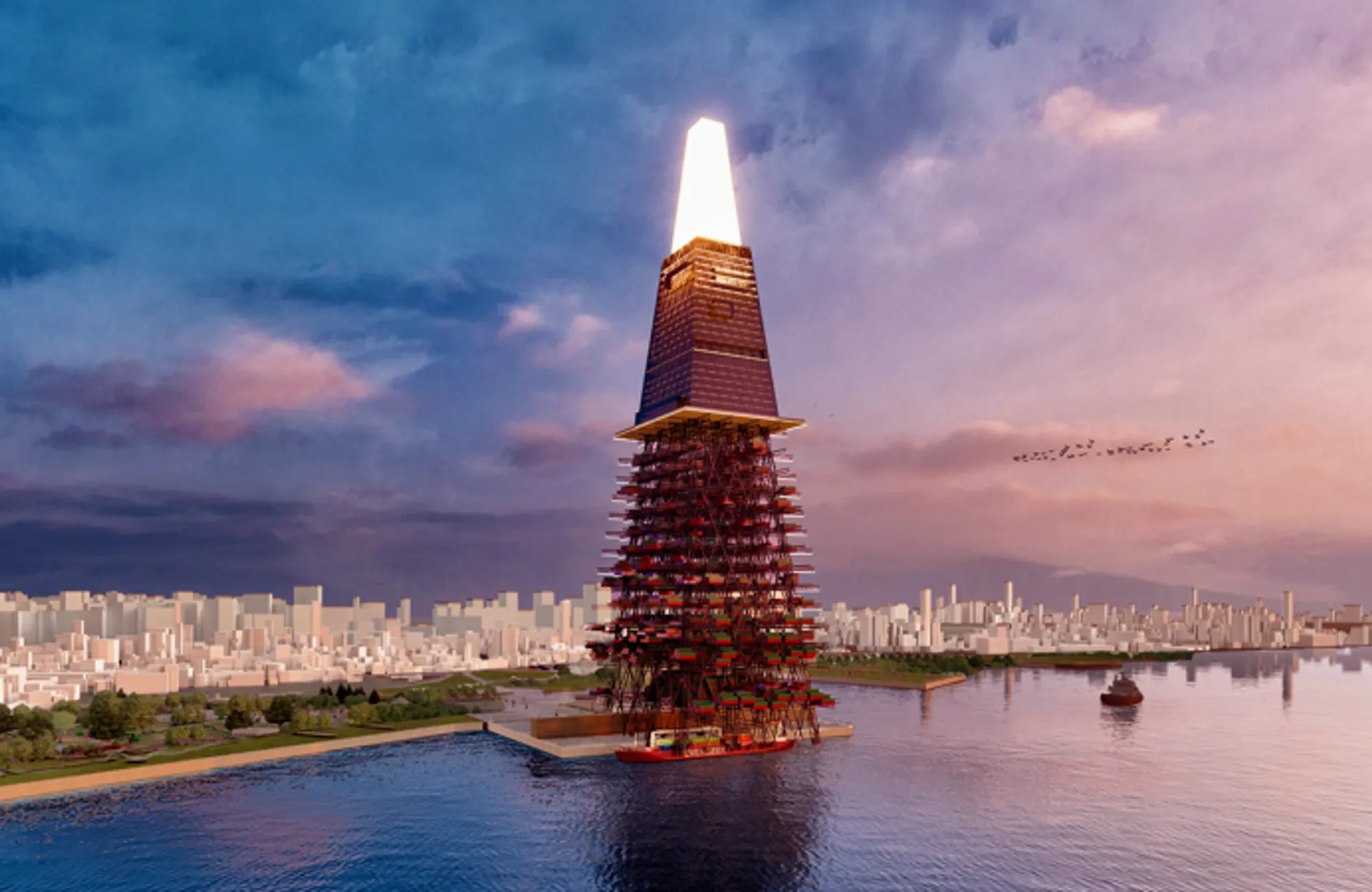
The 'Port Tower', the project is the conversion of all the functions in the Beirut container port into a public space where different groups in the area can come together by gathering at a single poin

INTRODUCTION
Beirut, the capital of Lebanon, whose history dates back to the Phoenician civilization, is a city with a multicultural heritage that has a cosmopolitan character by creating a transition corridor between the Mediterranean and the Asian continent. Life and destruction have come together many times in this city, which has been able to live in peace for many years. With its location in the Arab and Middle East region, religious and ethnic diversity has become a problem from time to time and civil wars have been experienced. Along with the lack of authority, an unequal socio-economic distribution, the security problem and the inability to integrate the social fabric of the city have emerged. As a result of the increase in negative situations in the city and the lack of public space in the city, the problem of trust has been occured in the city and the sense of belonging of the city has decreased. With the lack of platforms to unite the differences (geography, cosmopolitanism, class) in the city, the negativities in the city continued and Beirut could not recover itself.
DESIGN FIELD SELECTION- CONCEPT
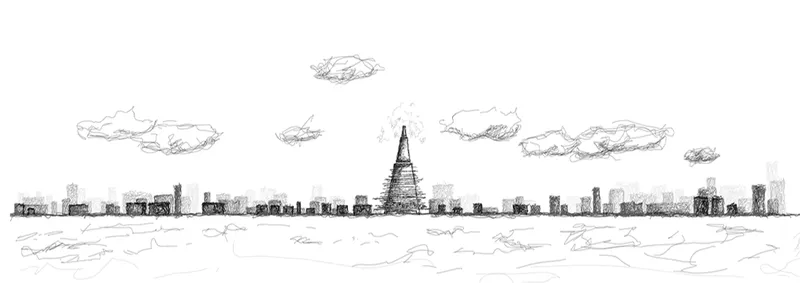
As a result of academic research for Beirut, it is seen that social relationship problems cause ethnic spatial divisions and this is one of the causes of civil war. As a result of the decrease in interaction with nature and the lack of areas where the richness of ethnic diversity can be noticed, fragmentation is seen in the city. The port, which does not have a socio-economic and ethnic character, where the memory of the city is important, continues to exist as a commercial area that prevents water relations with the citizens. The stacked containers are located in the area where the interaction with the sea is strongest, and the container, which is the main commercial area of urban Beirut, cannot see the operation of the port. It has been decided that this area, where different ethnic groups can be together in the city, water interaction with the citizens can be ensured, and the memory of the port can be maintained, will be the design area. By ensuring the vertical continuity of the operation of the port, the functions existing in the port will be gathered in a single area, so a city park will be created where the social fabric of the city can be integrated and the interaction between the city and the water can be preserved. In this way, the operation of the container port, which has a very important place in the city's trade, will be monitored by all citizens. In addition, Port Tower is intended to be a contemporary interpretation of the lighthouse city image that exists in the port cities of the Eastern Mediterranean geography.
SCHEDULE
In line with the target, the Beirut container port has been moved vertically while existing horizontally by researching and determining its operating programs. It is aimed to move the large area currently covered by the containers to one of the docks in the port and to transform the entire remaining port area into an urban platform where the citizens can come together. In this context, the program of Port Tower was created by combining the requirements of urban life and port operation. There will be 4 sub-functions in Port Tower:
Port: It is thought that the existing containers in the port will carry out their processes by their carriers inside the building and on the building surface. It is aimed that the changes that will occur on the frontispiece and the movement and dynamism in the structure of the port can be observed from the city and the citizens of the city will witness the process. As a result of the research on port operation, it was learned that there are two sub-systems as loading and unloading processes in ports and that these systems proceed in parallel with each other, in this direction the structure was designed symmetrically. The distribution, storage, terminal, maintenance-repair processes that exist in the port operation will also continue to take place in the structure. Categorizing and preserving the products in the container is also included in the design scenario. Automatic systems (crane, elevator, rail) are preferred in port operation. A space was left in the structure for container ships to enter. The container will be taken from the ship entering the building with the help of a crane, it will be loaded on the elevator with the rail and crane system, and it will be able to move along the floors thanks to the elevator. Automatic systems can also be controlled by people working on floors and offices.
Office: Office floors were designed by determining the sub-units where the people present in the port operation are active. Attention was paid to ensure the continuity of the social interaction that is aimed to occur in the port area on these floors. The spaces on these floors have been designed in a more flexible setting, and social and green areas that are intended to feed the common area are included. Areas where training can be given about the port are also included in the program.
Accomodation: The accommodation unit, which does not exist in the port program but is felt to be lacking, is also thought to be included in the building. Social areas have also been created in these areas where port users can stay temporarily and similarly existing green areas are included in the office floors. The reasons for choosing the accommodation on the upper floors are that the upper cards are safer (containers and noise are considered). One of the reasons why the containers are on the lower floors is that they do not interfere with the sun-drenched spaces.
Light House: The lighthouse, located on the top layer, was designed with lighthouses in mind, which create a strong image in port cities. There is a viewing area under the lighthouse that dominates the view.
Port Tower was inspired by the Alexandria Lighthouse, as it has different functions, is located in the port city and is an urban image, and it is aimed to be an up-to-date interpretation of the lighthouses.
SUSTAINABILITY
The objectives of the Port Tower project are for the sustainability of the city are; re-functionalizing deformed or unused containers by making necessary inspections and repairs, transforming a commercial area into a public area in a way that can continue its commercial function, creating an area that will ensure social integration, combining nature with the urbanites.
CONCLUSION
The contrasts and differences that played a role in the formation and development of Beirut in the past have been seen as a value in the public memory for many years. With the increase in multiculturalism, cosmopolitanism, religious and ethnic diversity, the social fabric has been separated and social and economic inequalities have occurred as a result of internal problems and external interventions. It has been ensured that the vertical continuity of the port operation, the design of an area where joint actions can take place in this region where sea and city interaction are most intense, and the presence of functional public spaces, thus gaining value in common interaction. It is aimed that the design will continue the port function and integrate it socially. With the 'Port Tower', all functions in the port can be gathered at a single point, and urban responsibilities are fulfilled by transforming the area into a public platform where people from different groups can come together; thus it is aimed to ensure sustainability as social, environmental and urban memory.
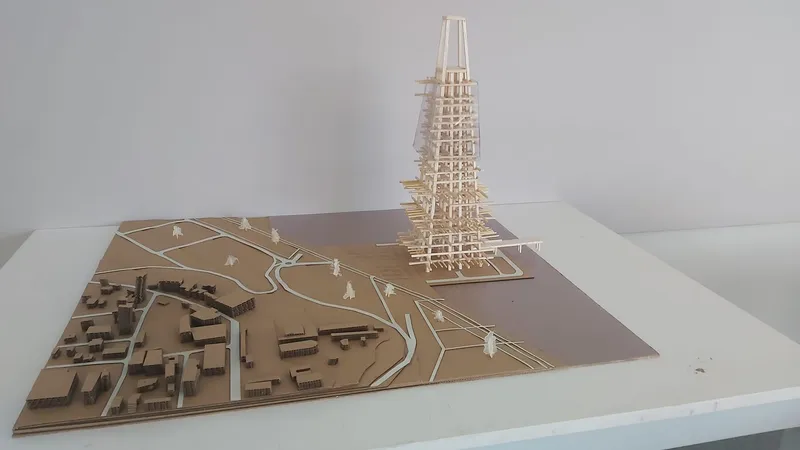
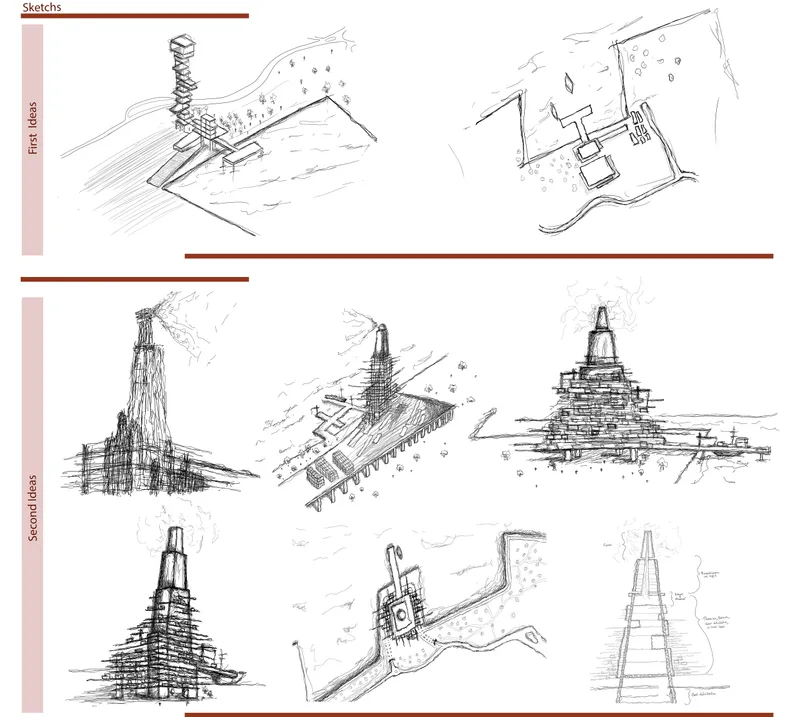
First try to model
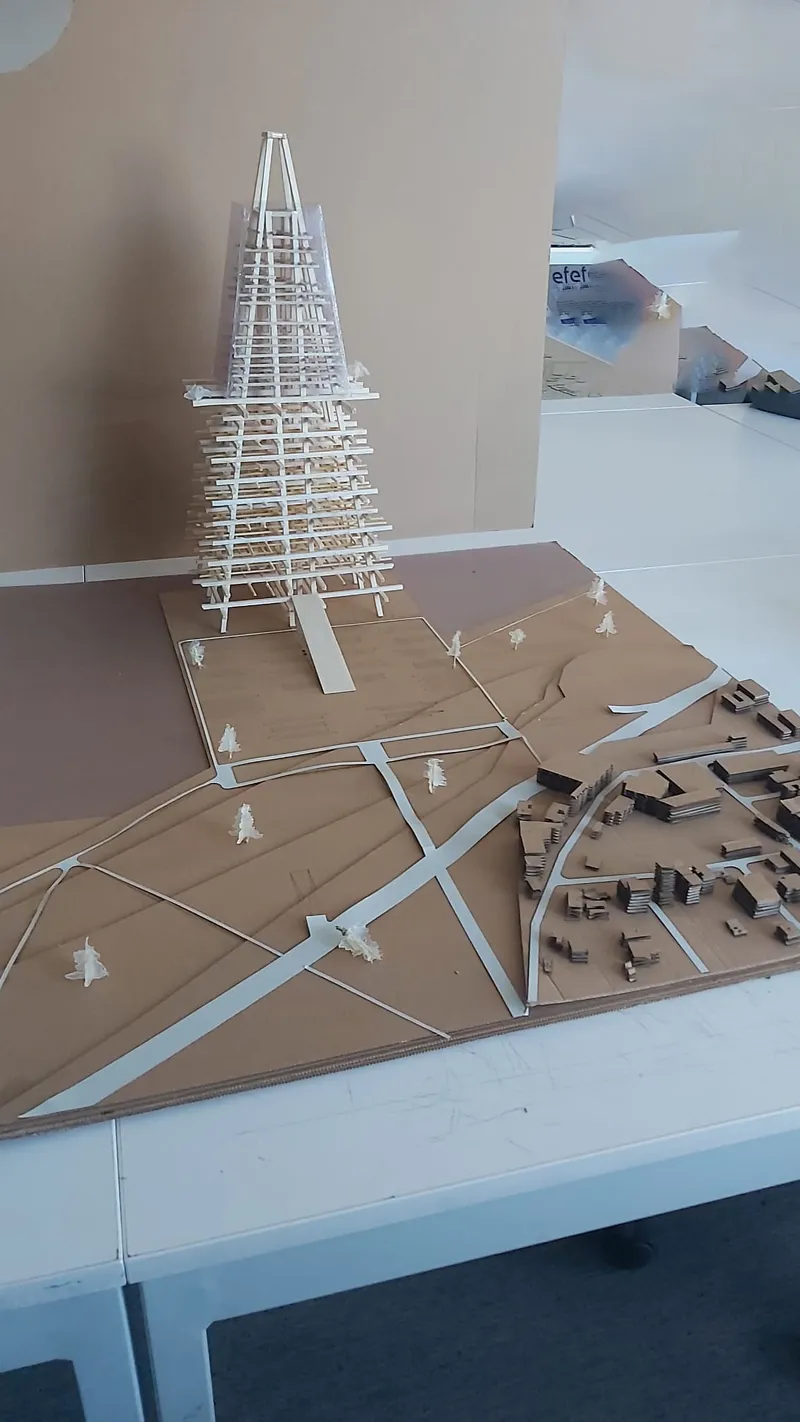
Second try to model
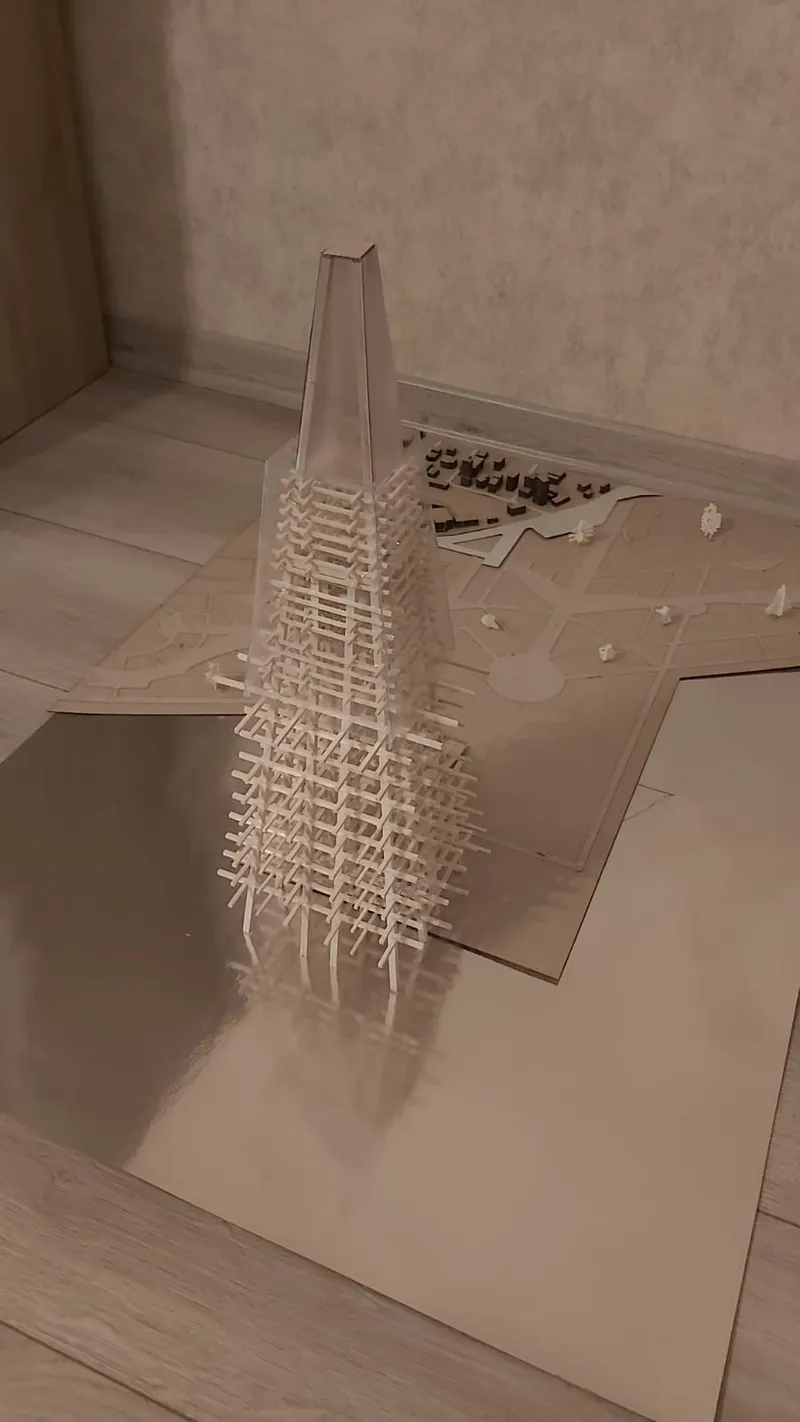
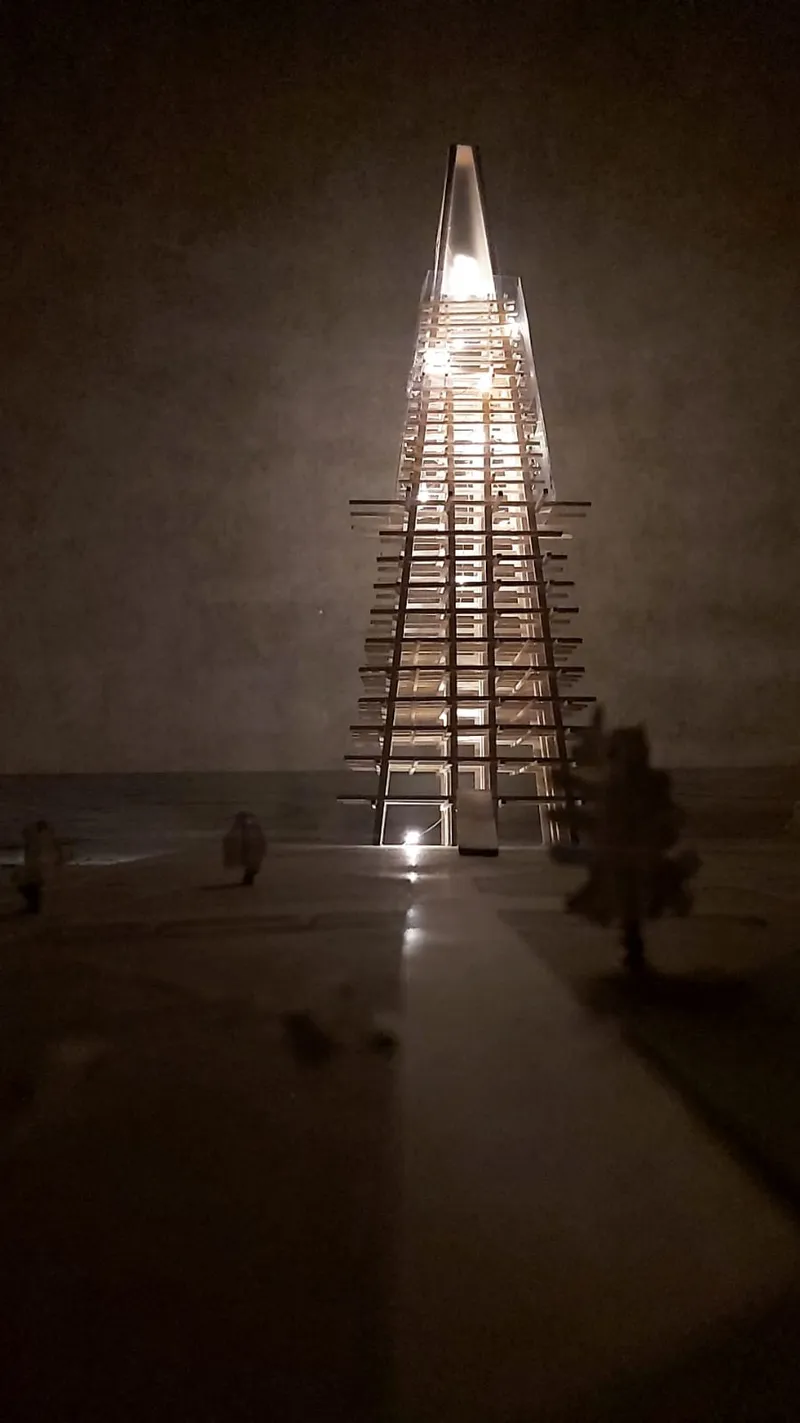
Last model



Popular Articles
Popular articles from the community


The Ocean Hive: Sustainable Architecture for a Self-Sufficient Civilization at Sea
The Ocean Hive imagines sustainable architecture at sea, where modular habitats, algae, wave power and ocean waste sustain a growing colony.

The Earth Pod: 3D Printed Homes for Resilient Refugee Communities
The Earth Pod reimagines refugee housing through 3D printed homes made from clay, combining resilience, self-sufficiency, and rapid shelter.

Co-life: Sustainable Architecture for Age-Friendly Community Living
Co-life reimagines sustainable architecture for seniors through courtyards, rammed earth, shared gardens, and spaces designed for belonging.

The Musturak Paradise: Senior Living Architecture for a Connected Future in Temara, Morocco
The Musturak Paradise reimagines senior living architecture in Temara via private homes, social spaces, culture, community, and shared care.


Similar Reads
You might also enjoy these articles

Day and Night Park: A Time-Based Urban Newsstand in Beijing
A temporary urban newsstand in Beijing blending travel, light, and reading through poetic colors, compact form, and community-focused design.

Modernist Patio Renovation in El Masnou, Barcelona by Oliver Segura Arquitectura + Cebrià Arquitectura
Modernist patio renovation blending tradition and innovation with a movable pool, leveled floors, and Catalan materials in El Masnou.

Alto Residencial Coop: Cooperative Housing Development in Santiago de Compostela by Carbajo Barrios Arquitectos
A linear cooperative housing complex blending white volumes and perforated metal façades, enhancing community living, natural light, privacy, and urban integration.
Vil Genis School by BPA ARCHITECTURE – Massy, France
Vil Genis School in Massy, France, features sustainable design, south-facing classrooms, community integration, accessible spaces, and modern educational architecture.


Explore Water Tower Competitions
Discover active competitions in this discipline




Challenge to reimagine the Iron Throne


Photograph architecture without architects


Illustrate the lost glory of Angkor Wat - Render Challenge


Design challenge to reuse E-waste
Comments (0)
Please login or sign up to add comments
No comments yet. Be the first to comment!