

Queyries Building Transformation by ZW/A zweyacker & associés: A Heritage Restoration for Higher Education in Bordeaux, France
The Queyries project transforms a 19th-century Bordeaux heritage building into a sustainable, modern higher education facility, preserving history.


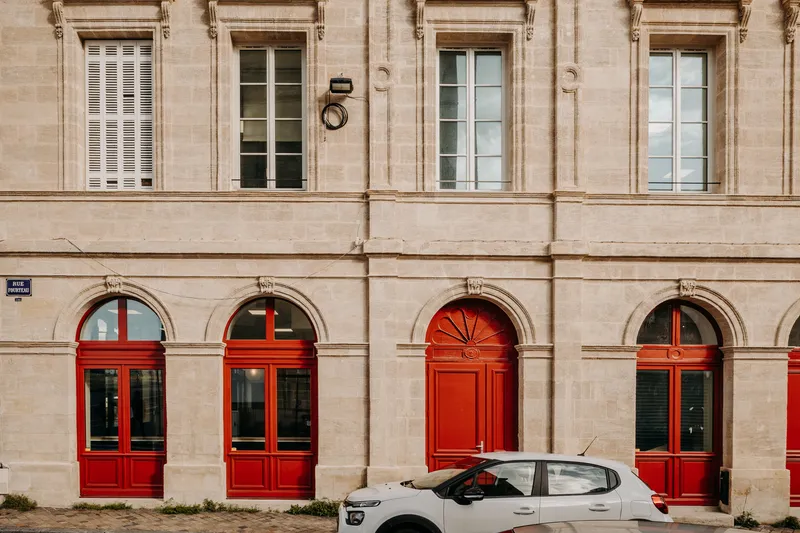
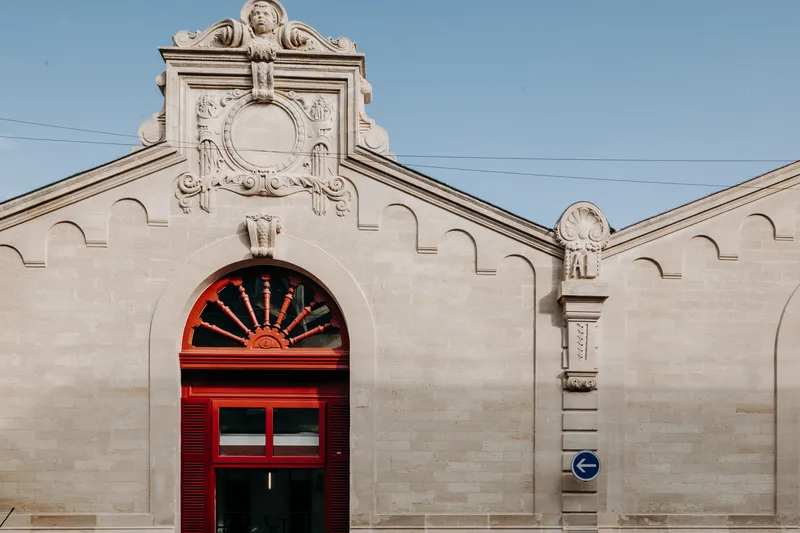
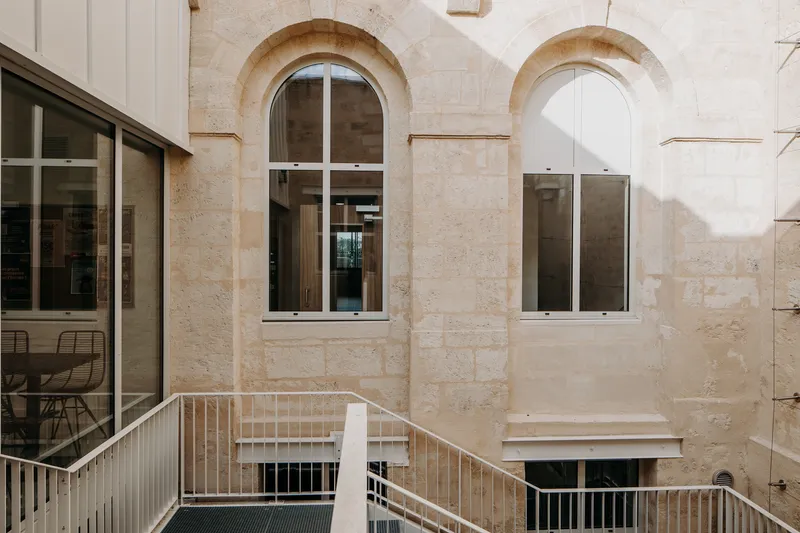
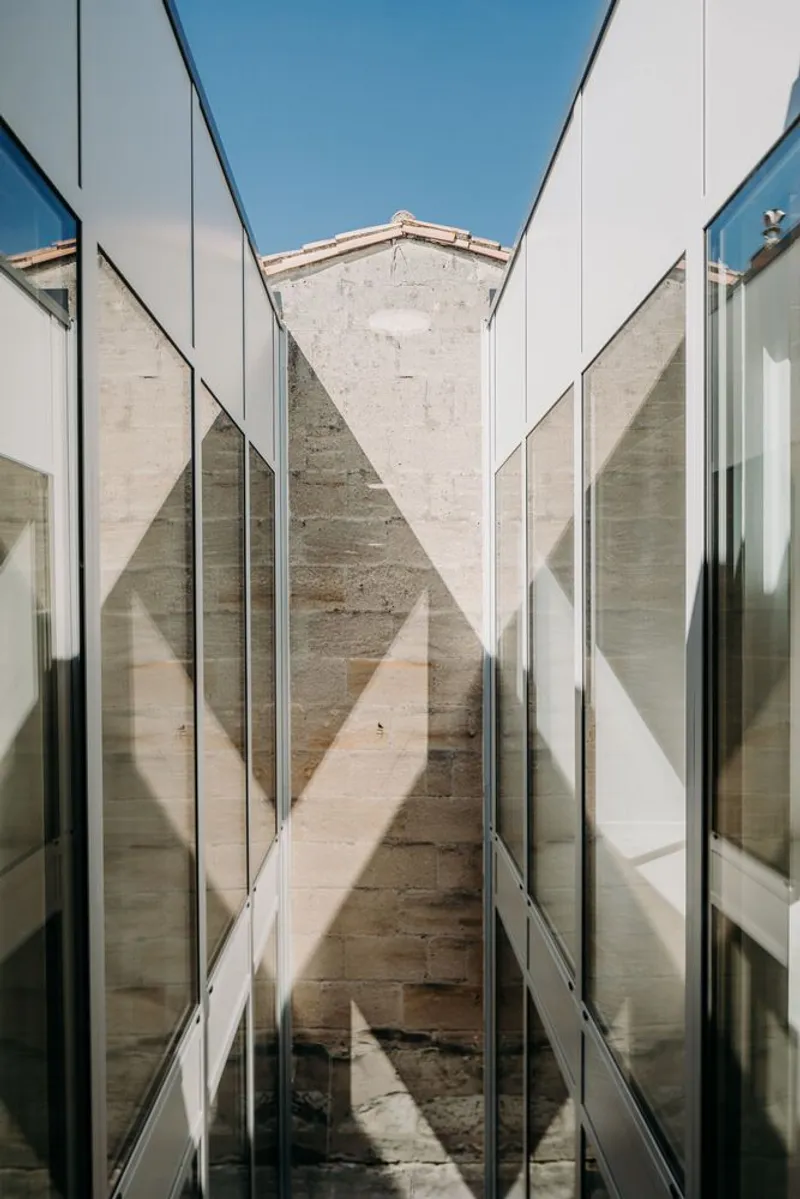
The Queyries project, executed by ZW/A zweyacker & associés, is a stunning example of adaptive reuse and sustainable design. Located on the banks of the Garonne River in the Bordeaux Bastide district, this ambitious renovation breathes new life into a 19th-century heritage building, originally a manor house and rum cellar. With a floor area of 3700 m², the space is transformed to accommodate a higher education program. Completed in 2022, the project not only preserves the building's historic character but also integrates modern architectural solutions to meet the demands of contemporary educational environments.
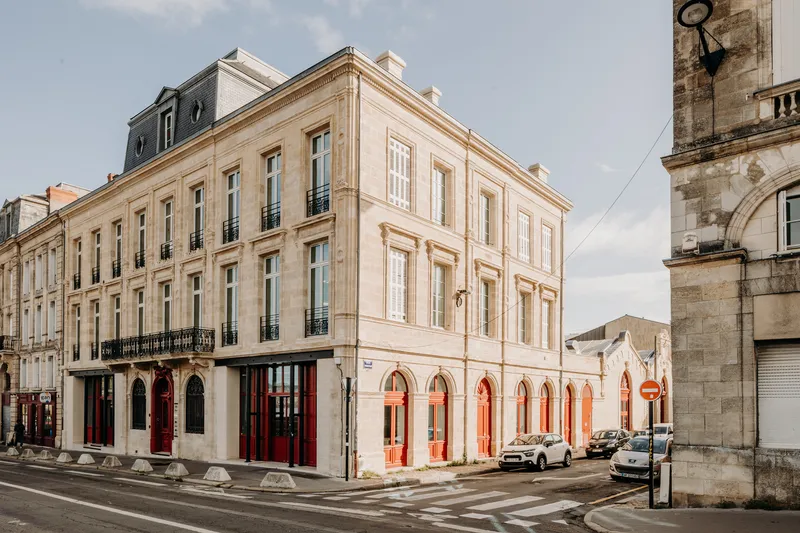
Architectural Context and Urban Integration: The Queyries complex, composed of three interconnected buildings, forms a prominent corner in an urban block, marking the intersection of heritage and modernity. The Bordeaux Bastide district, once a site for vineyards, later became home to trains and factories, now evolves into an innovative, vibrant area of urban transformation. The project aligns with this transformation, embracing the district's historical roots while ensuring a seamless connection with the historic city center. The relationship between the site and the Garonne River creates a unique context for the building's revitalization, where landscape and architecture converge.
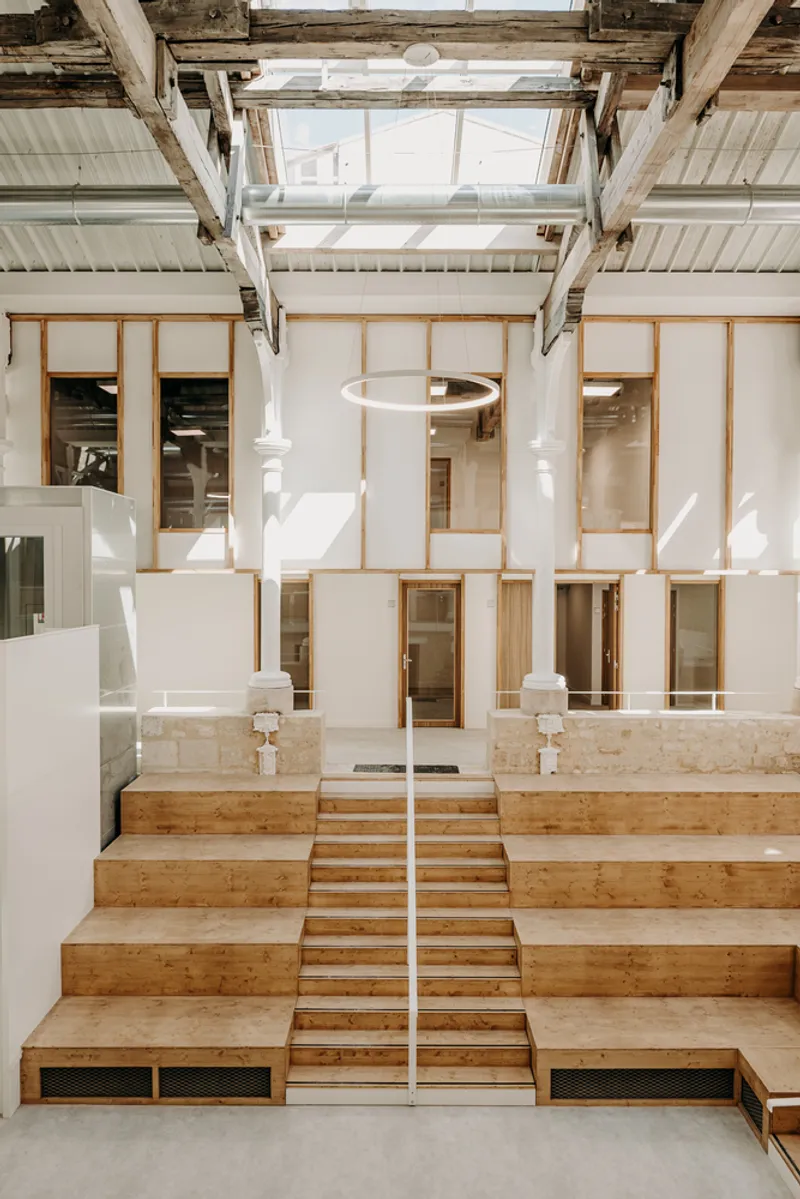
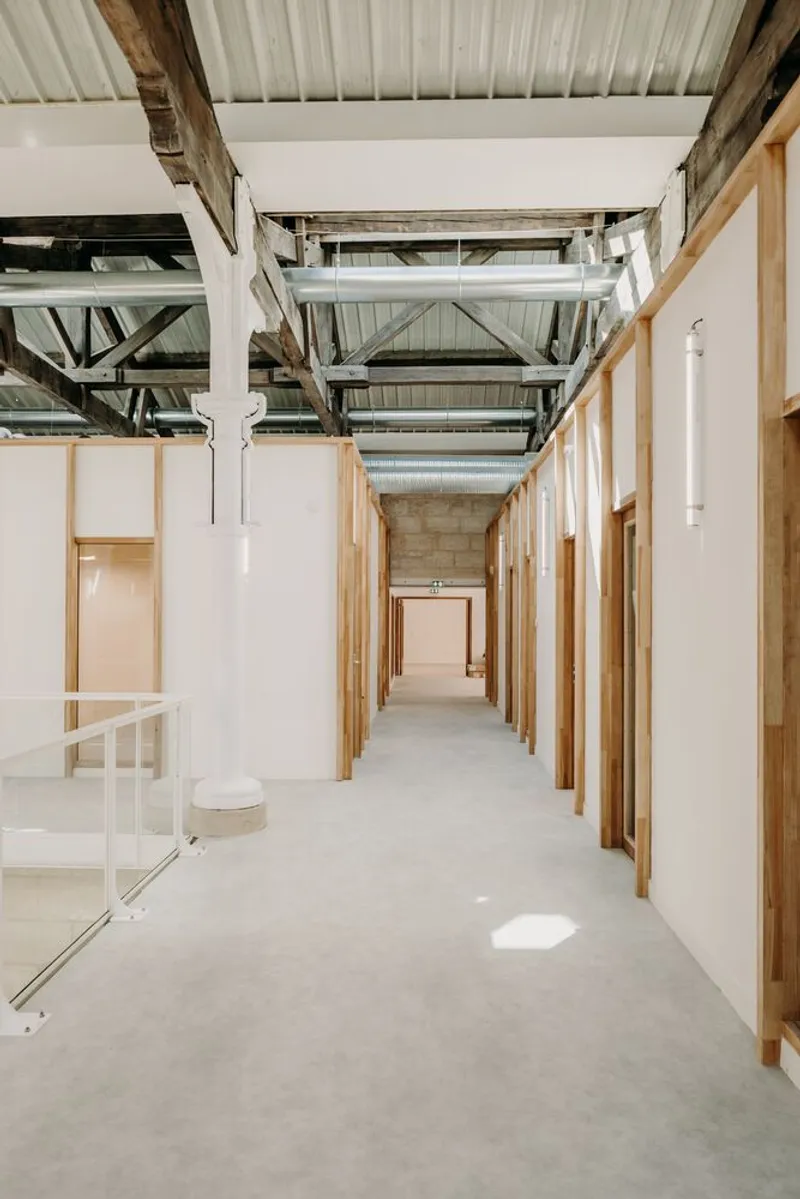
Design Philosophy: At the heart of the Queyries project is a strong emphasis on enhancing the existing structure with care. The design strategy focuses on reusing original elements, optimizing available spaces, and preserving architectural integrity while meeting the programmatic needs of the educational institution. The building's transformation combines fine restoration with a heavy restructuring that maintains the domestic scale and spatial qualities of the original manor house. The result is a harmonious blend of old and new, where remarkable elements are celebrated, and volumes are freed to create a dynamic, functional space.
Architectural Features:
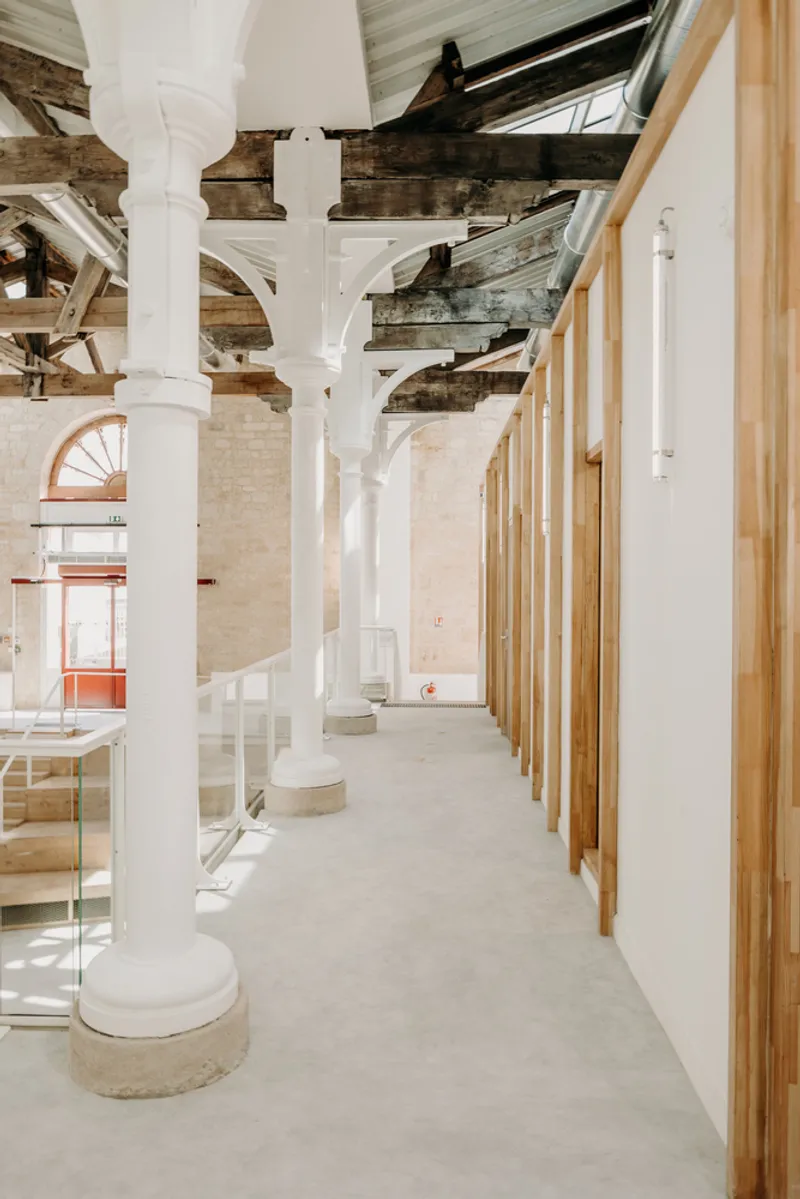
- Heritage Building & Facade Restoration: The preservation of the metal framework and antique features, such as decorative molding and fireplaces, enhances the building's historical value. The restoration of the noble facade and cellar spaces underscores the project's commitment to heritage preservation.
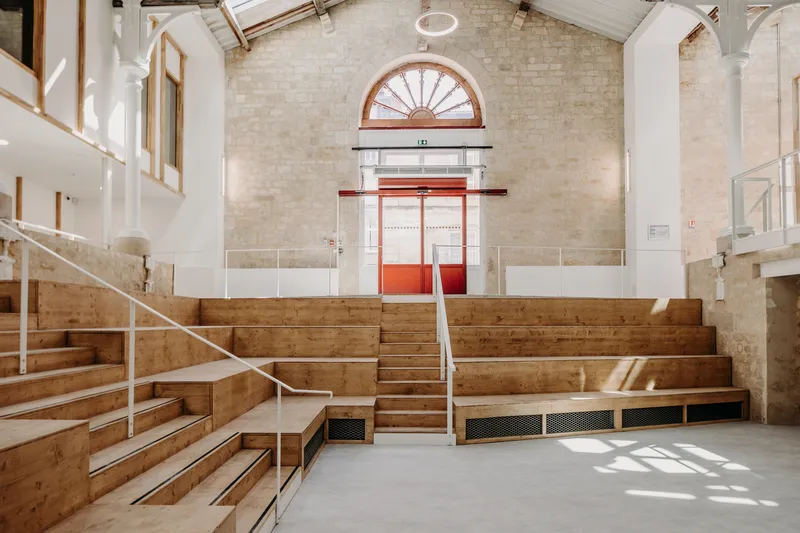
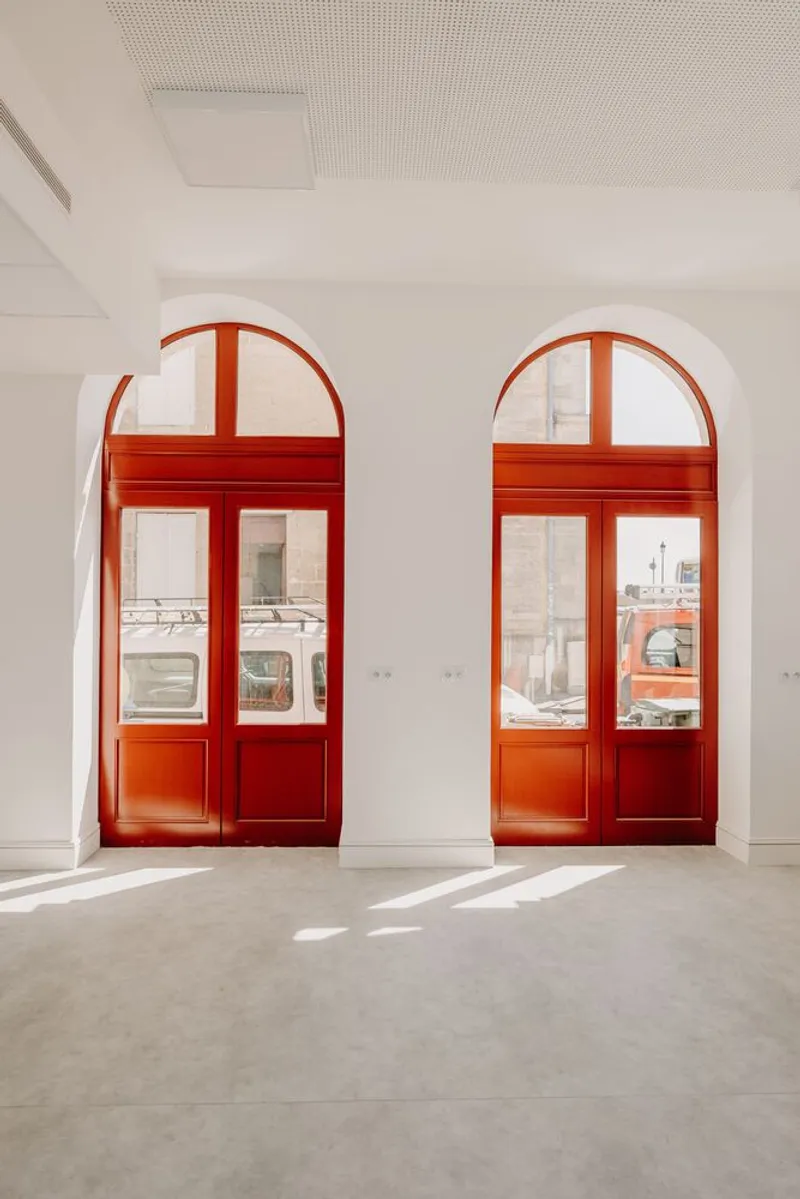
- Interior Spatial Design: The project's layout optimizes the building's morphology, emphasizing verticality and creating interconnected rooms with clear heights. A key design feature is the use of the atrium, which links the various levels and serves as a collective space for students.
- Structural and Material Integrity: The exposed structural woodwork and rum-brick shelves contribute to the building’s aesthetic and structural robustness. This choice reflects a desire to integrate the architectural history with a modern, sustainable approach to design.
Sustainability & Environmental Integration: In line with the principles of sustainable architecture, the Queyries project includes several environmentally friendly solutions:
- Photovoltaic Panels: A 200m² array of solar panels provides autonomous energy production and consumption, ensuring the building's sustainability.
- Green Roofs: Two planted roofs and vegetated gaps have been incorporated into the design, enhancing biodiversity and improving the building’s thermal and acoustic comfort.
- Natural Materials: The use of oyster shells as a planting medium supports plant growth while reducing waste, promoting biodiversity, and supporting the building's eco-friendly goals.
- Biodiversity: More than 20 plant species have been planted on-site to support pollination and contribute to the building's sustainability.
The Future of Queyries: This adaptive reuse project exemplifies how historic buildings can be transformed to meet modern needs without sacrificing their cultural significance. With an emphasis on durability, flexibility, and sustainability, the Queyries project sets a benchmark for future higher education facilities and heritage renovations.
All Photographs are works of Yoris Couegnoux.


Popular Articles
Popular articles from the community


Juan García Correa, John González and Claudia Rueda Sink a Circular Amphitheater into a Manizales Engineering Building
On the La Nubia campus in Manizales, Colombia, the S1 Building folds labs and offices into a hillside of ramped lawns that double as a campus route.

David Macias Steps a Doorless Stone and Plaster House Down a Tropical Colombian Hillside
In the humid hills of Colombia, Threshold House replaces the front door with an open void and terraces its 850 m² down the slope instead of fighting it.

Architekt Andreas Gruber Scatters 23 Dark Timber Chalets Across a South Tyrolean Forest Edge
In Molini di Tures, Amonti Chalets breaks a resort into a hamlet of gabled timber houses, with parking, storage and services pushed into the slope.

U.GA Architects Wraps an Oval Rooftop Pool in Curved Board-Formed Concrete on Busan's Jeollidan-gil
In Busan's Jeonpo-dong, a 454 m² mixed-use block stacks a neighborhood facility, guest rooms and an oval rooftop pool inside spiraling concrete walls.

Similar Reads
You might also enjoy these articles


Hodi-Mandai Geram
Project Function: Preservation and revitalization of the Intangible heritage and socio-spatial identity of the Hodi by Housing, Cultural Memory Center, Sacred Grove, landscape, local tourism economy


Olio Towers: A Mid-Rise for Performers That Fuses Housing, Rehearsal, and Stage
Located blocks from Houston's Theater District, this modular tower stacks living units around a central performance atrium.

Oasis: Modular Green Housing Carved into Dhaka's Urban Fabric
A shortlisted Plugin Housing entry reclaims unauthorized settlements in Dhaka with stepped concrete volumes, green roofs, and ventilation-driven design.

Black Hole: A Floating Megastructure for the Post-Physical Era
Emiliano Mazzarotto envisions a spherical, self-scaling arena where e-sports, digital hotels, and holographic stadiums replace traditional public space.

Explore Urban Design Competitions
Discover active competitions in this discipline

Design challenge to equip cities with modern furniture

Challenge to reimagine the Iron Throne

Photograph architecture without architects

Illustrate the lost glory of Angkor Wat - Render Challenge
Comments (0)
Please login or sign up to add comments
No comments yet. Be the first to comment!