
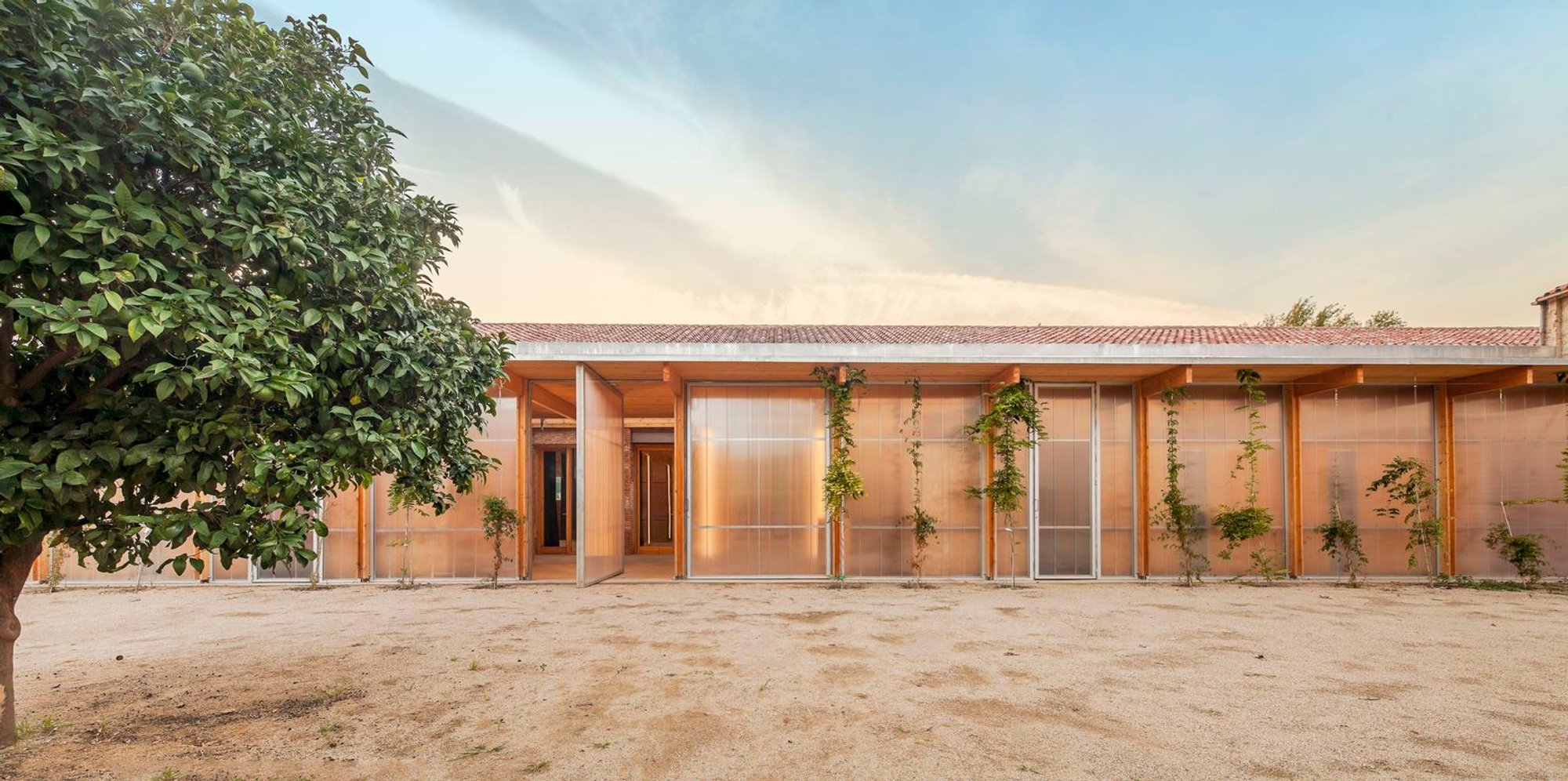
Rehabilitation of Can Luna Industrial Complex by Nil Brullet Arquitectura + Maria Morillo Sedó
The Can Luna rehabilitation transforms historic industrial warehouses into a sustainable cultural hub, blending heritage preservation, adaptive reuse, and community-focused urban regeneration.

The Rehabilitation of Can Luna Industrial Complex in La Garriga, Spain, by Nil Brullet Arquitectura and Maria Morillo Sedó, transforms a historic industrial site into a vibrant cultural landmark. Once an emblem of industrial heritage, the Can Luna complex is now envisioned as a socio-cultural hub that reconnects the town with its past while opening new opportunities for community engagement.
Historical Context and Urban Relevance
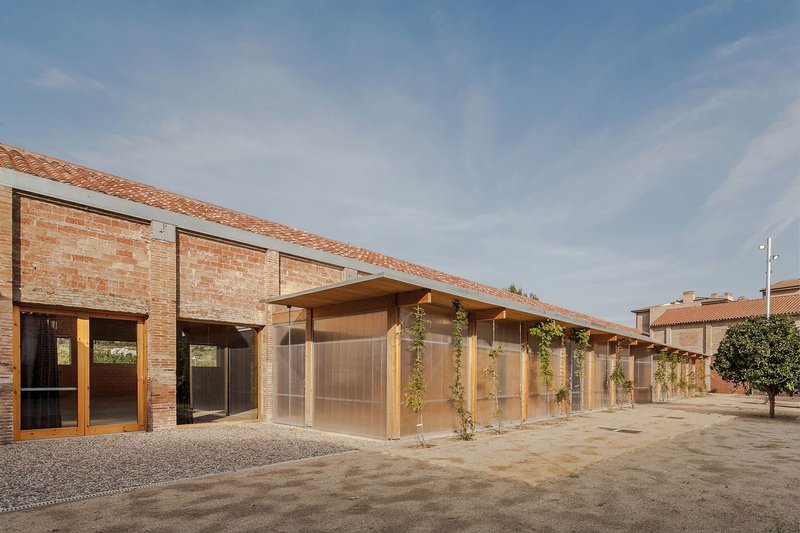
Located northwest of La Garriga and adjacent to the Congost River, the Can Luna industrial complex occupies a strategic position at the edge of the urban fabric. Its rehabilitation not only preserves the architectural character of the warehouses but also establishes a new urban space where industrial memory and civic life intersect.
The city council’s masterplan foresees the transformation of the three warehouses in phases. The first completed phase focuses on the central nave, designed as a multi-purpose space capable of hosting cultural programs, public events, and community activities.
Key Design Strategies
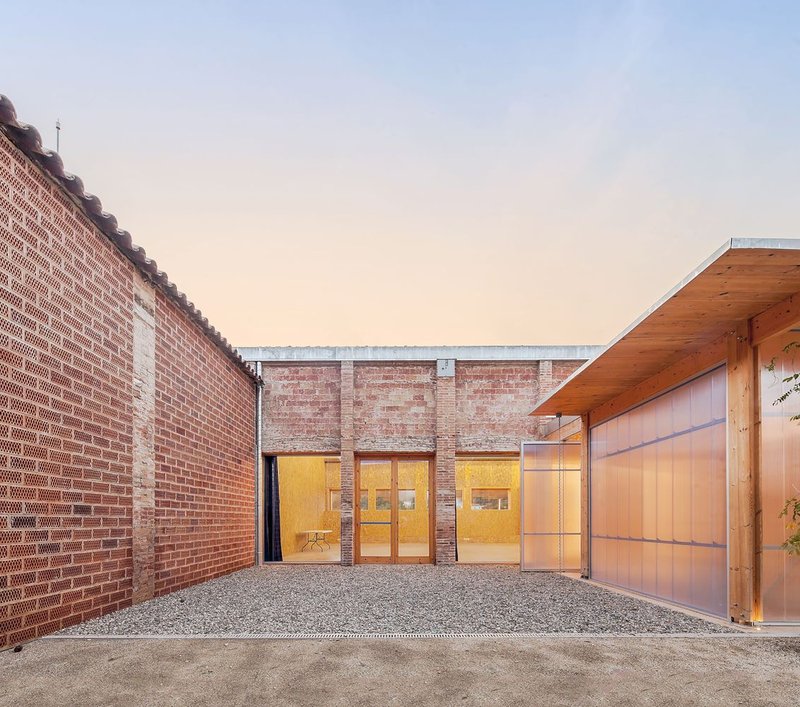
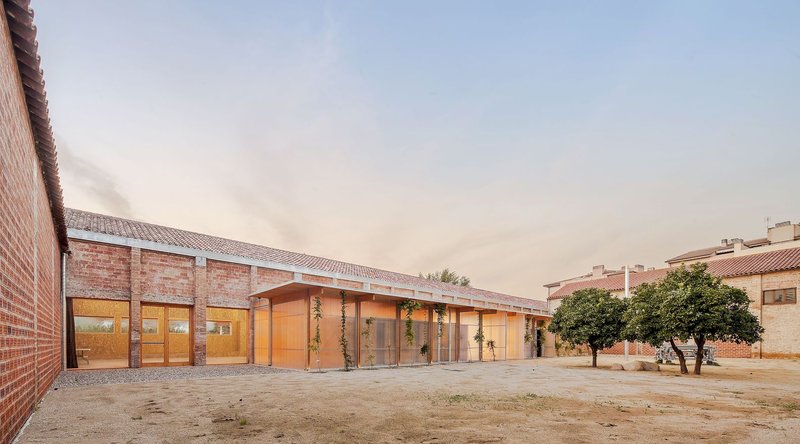
One of the most significant interventions was the recovery of the central courtyard through the demolition of annexed volumes. This strategy restored the original spatial clarity of the complex, giving the courtyard an urban scale and reinforcing its role as a collective gathering space with direct access to the warehouses.
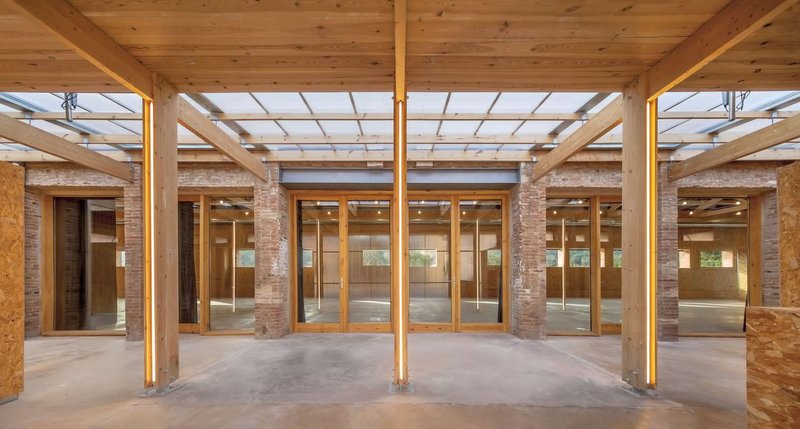
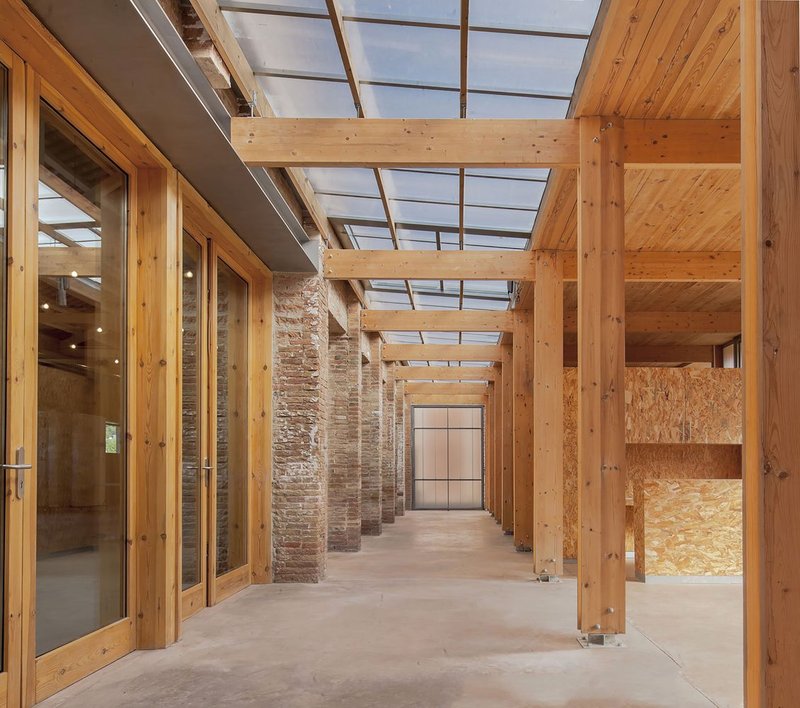
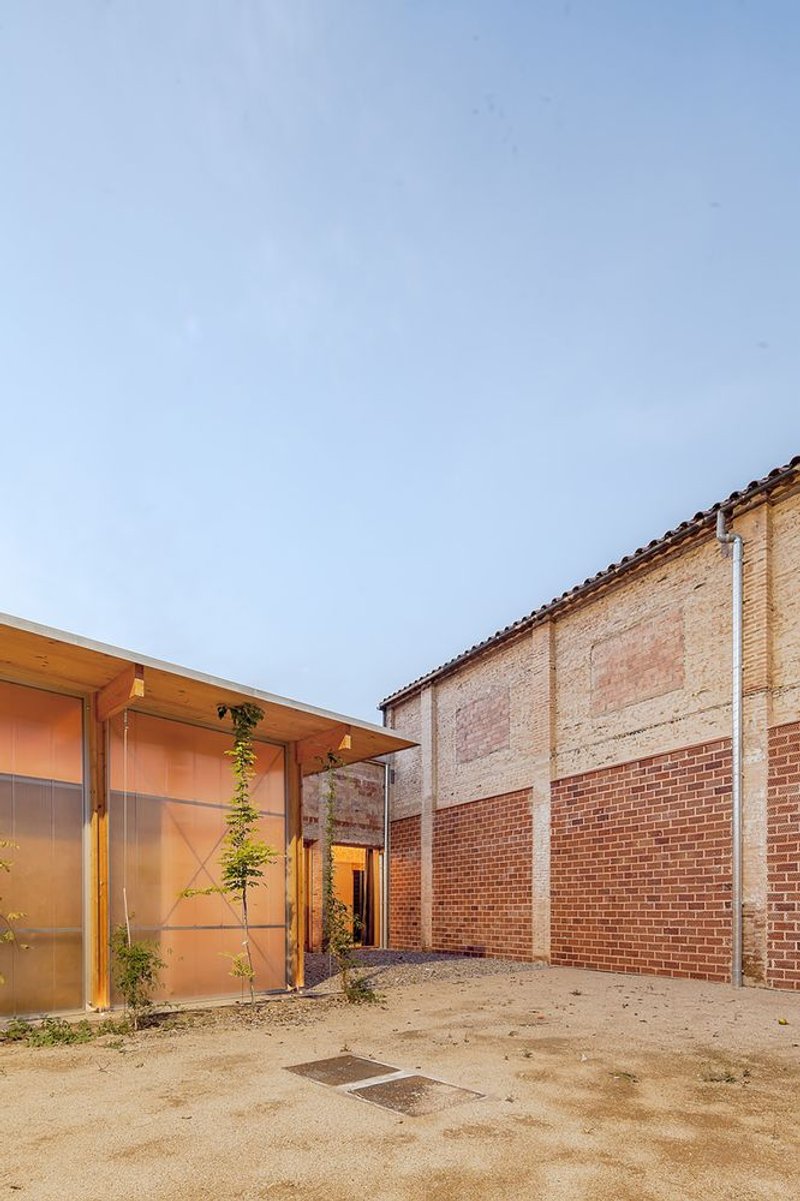
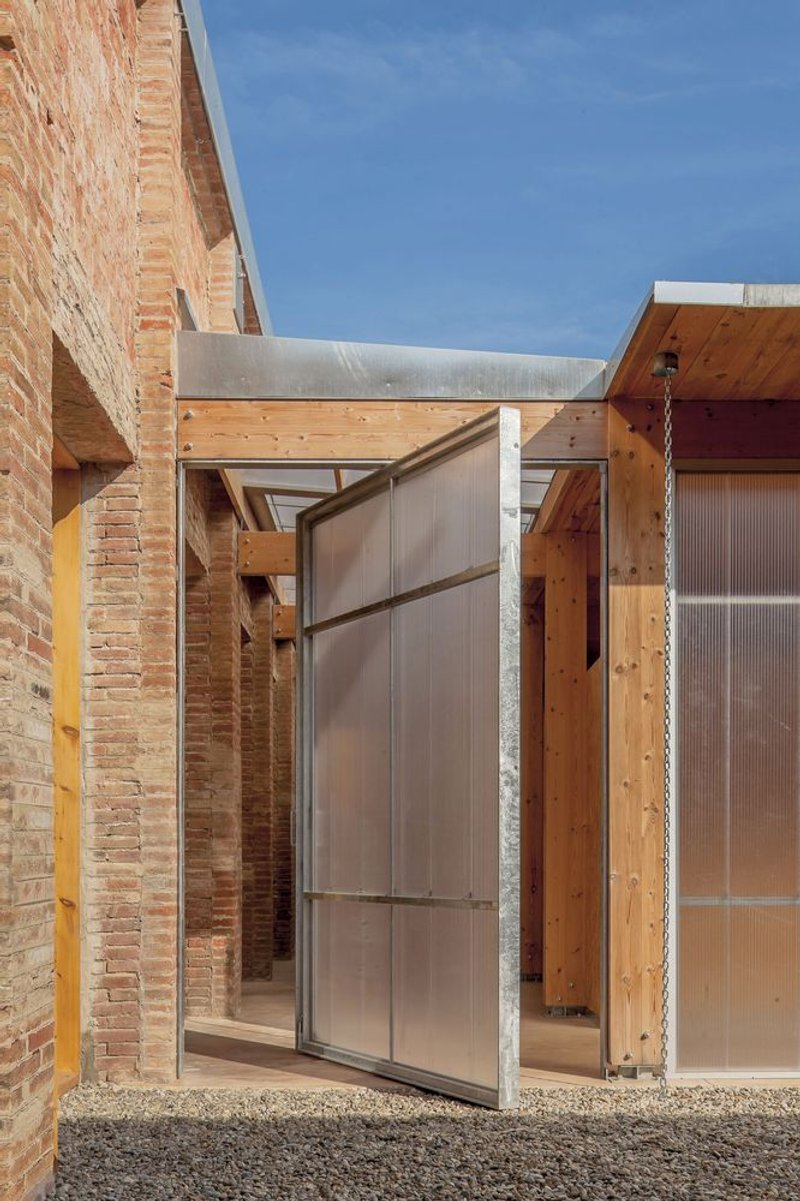
A defining architectural gesture is the construction of a new access gallery that organizes circulation across the complex. Beyond its functional role, the gallery acts as a climate-responsive system—capturing solar radiation in winter, ventilating through skylights in summer, and using vegetation and overhangs to regulate light and temperature. This sustainable approach highlights the project’s commitment to adaptive reuse and environmental performance.
Preservation and Transformation of Hall B
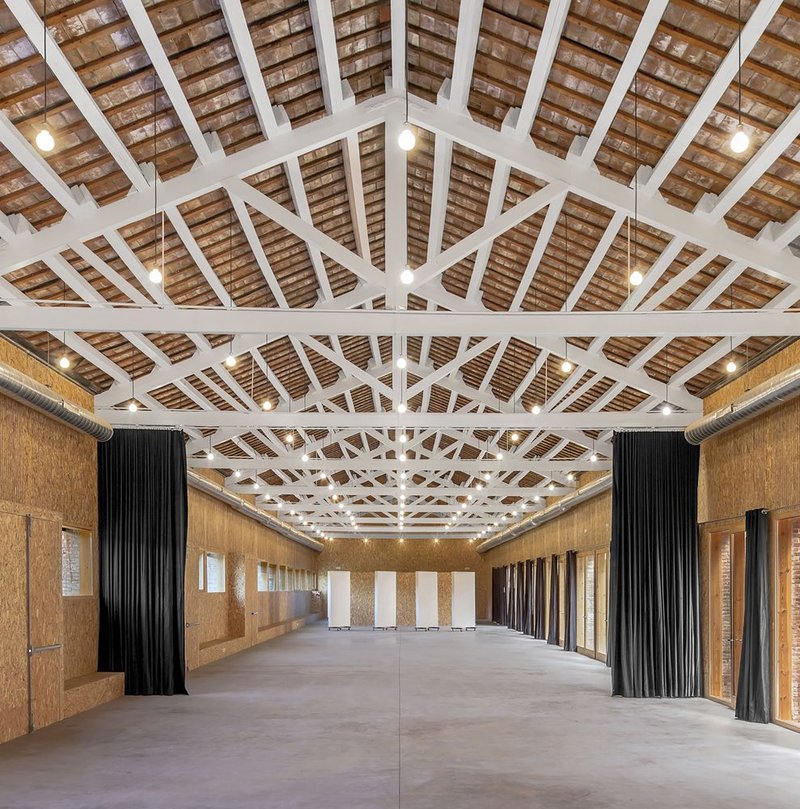
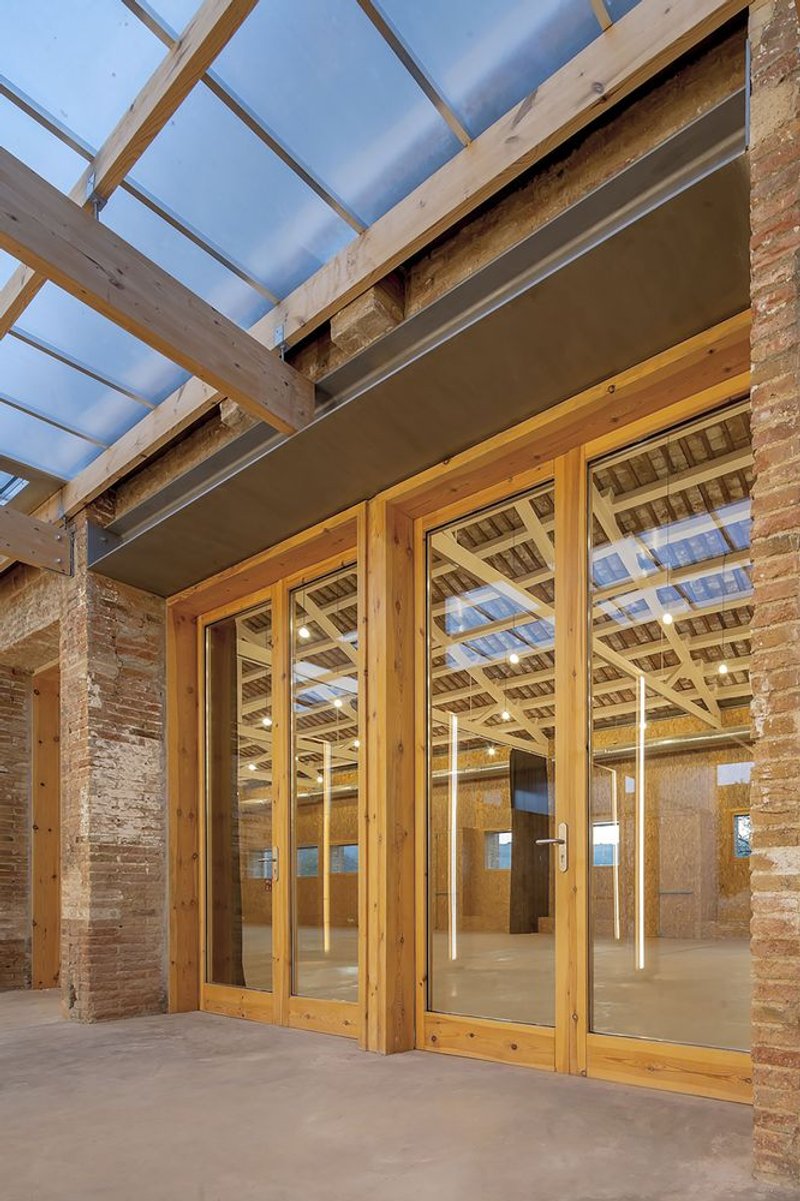
Inside Hall B, the rehabilitation emphasized preservation of its most iconic architectural element—the ceramic roof supported by robust wooden trusses. To adapt the structure to contemporary standards, trusses and purlins were reinforced while maintaining their expressive character.
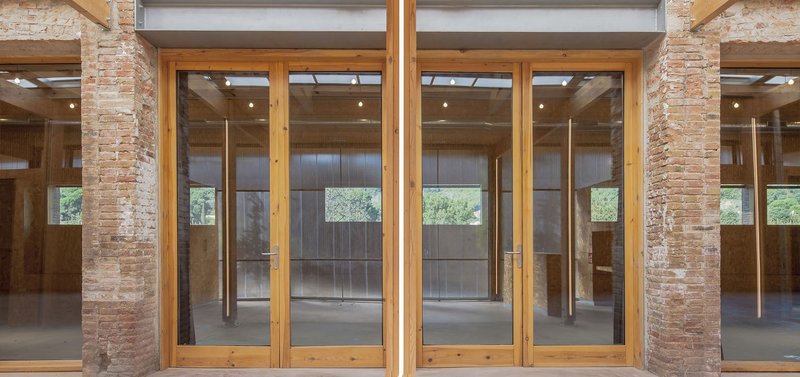
Another major intervention was the demolition of window sills, creating larger openings that improve daylight penetration and allow multiple entry points. Restored façade windows frame views toward the river and courtyard, while the interplay between new transparency and original industrial walls fosters a strong visual permeability. This establishes seamless connections between the courtyard, gallery, interior halls, and surrounding green landscapes.
A Cultural Catalyst for the Future
By balancing careful preservation with innovative transformation, the Rehabilitation of Can Luna demonstrates how industrial heritage can be reinterpreted for contemporary use. The project provides La Garriga with a flexible cultural venue, while its phased development ensures that future expansions remain coherent with the overall vision.
The result is a project that not only revitalizes an architectural landmark but also strengthens the identity of the town, creating a dynamic civic and cultural nucleus rooted in history yet open to the future.
All Photographs are works of Andrés Flajszer



Popular Articles
Popular articles from the community

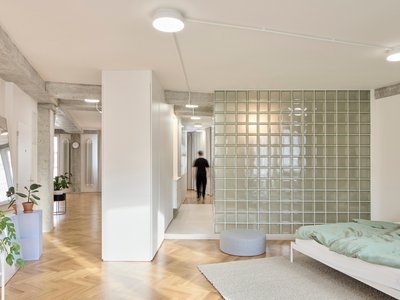
RDTH architekti Rips Out Nearly Every Wall in a Prague Apartment and Replaces Them with Furniture
A 101-square-meter post-war flat in Prague trades rigid partitions for a single rotated furniture block, curtains, and glass concrete.
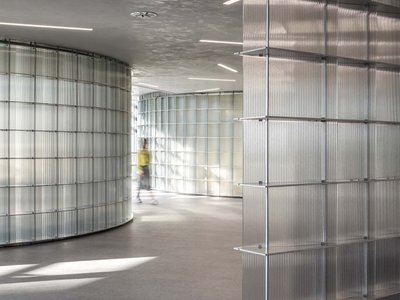
HCCH Studio Wraps a Shanghai High-Rise Office in Curved Walls of Translucent Glass
A 1,000 square meter fit-out in Lujiazui replaces the typical tech-office palette with layered glass, micro-cement, and quiet rigor.
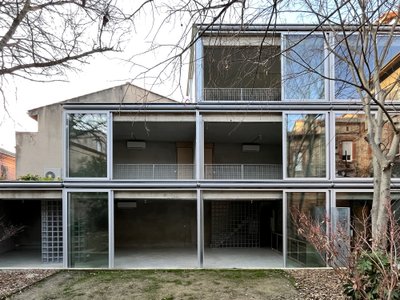
BAST Slots a Four-Story Glass House into a Narrow Gap Between Toulouse Townhouses
In the dense Bonnefoy district, a stepped infill building merges home and office while preserving a majestic hackberry tree.
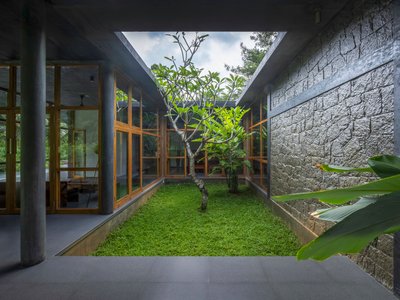
3dor Concepts Wraps a Kerala Home in Mirrored Concrete Arcs Around a Courtyard Tree
In the Western Ghats foothills of Thamarassery, a 270 m² single-story house uses two curved volumes to frame nature as its center.


Similar Reads
You might also enjoy these articles

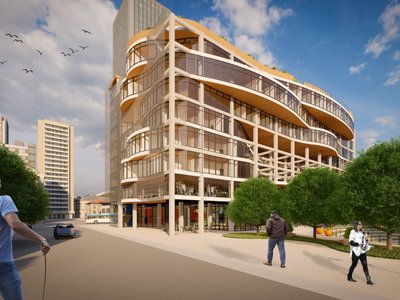
Olio Towers: A Mid-Rise for Performers That Fuses Housing, Rehearsal, and Stage
Located blocks from Houston's Theater District, this modular tower stacks living units around a central performance atrium.
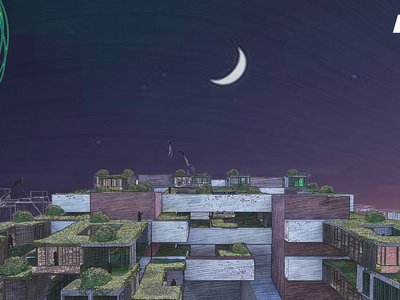
Oasis: Modular Green Housing Carved into Dhaka's Urban Fabric
A shortlisted Plugin Housing entry reclaims unauthorized settlements in Dhaka with stepped concrete volumes, green roofs, and ventilation-driven design.

Black Hole: A Floating Megastructure for the Post-Physical Era
Emiliano Mazzarotto envisions a spherical, self-scaling arena where e-sports, digital hotels, and holographic stadiums replace traditional public space.
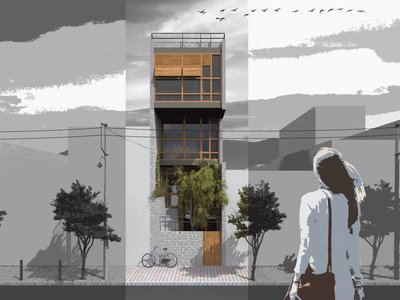
Compact & Sustainable Living in Piraeus: A Four-Level Family Home Built Around Light and Air
A narrow townhouse in one of Greece's densest port cities uses a central atrium and passive strategies to house three generations under one roof.

Explore Architecture Competitions
Discover active competitions in this discipline




The International Standard for Design Portfolios


The Global Benchmark for Architecture Dissertation Awards


The Global Benchmark for Graduation Excellence


Challenge to design an urban locus of culture and heritage
Comments (0)
Please login or sign up to add comments
No comments yet. Be the first to comment!