
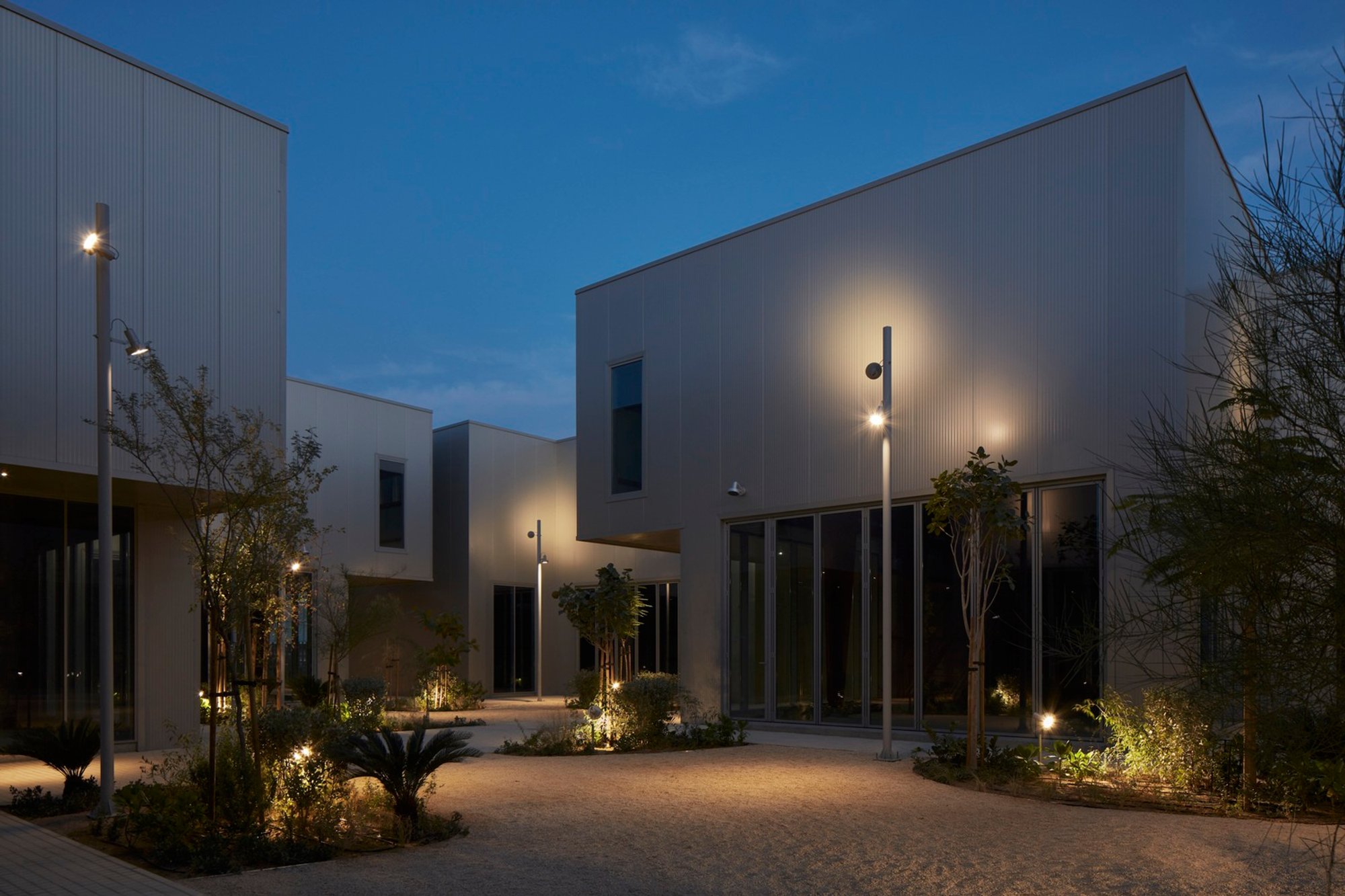
Reinventing Warehouse Design: The CMPLX Commercial Space by BONE
Exploring CMPLX by BONE: A visionary commercial space merging innovative architecture with green, communal environments in Dubai.

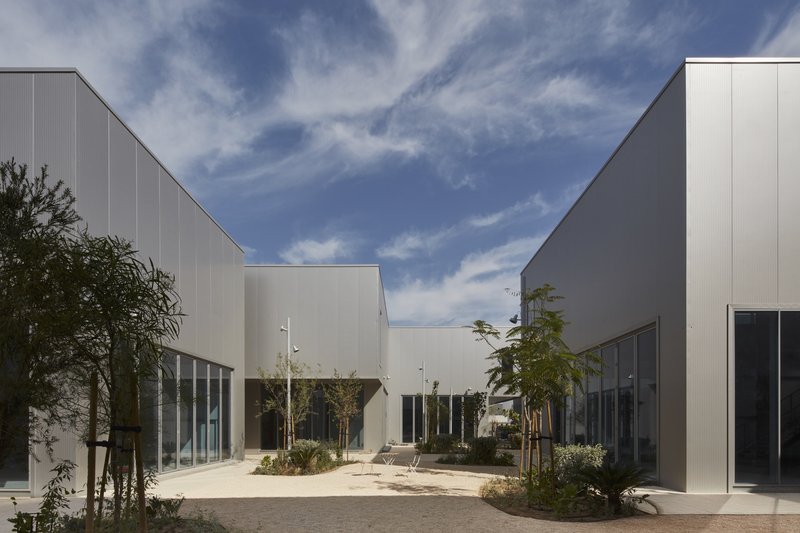
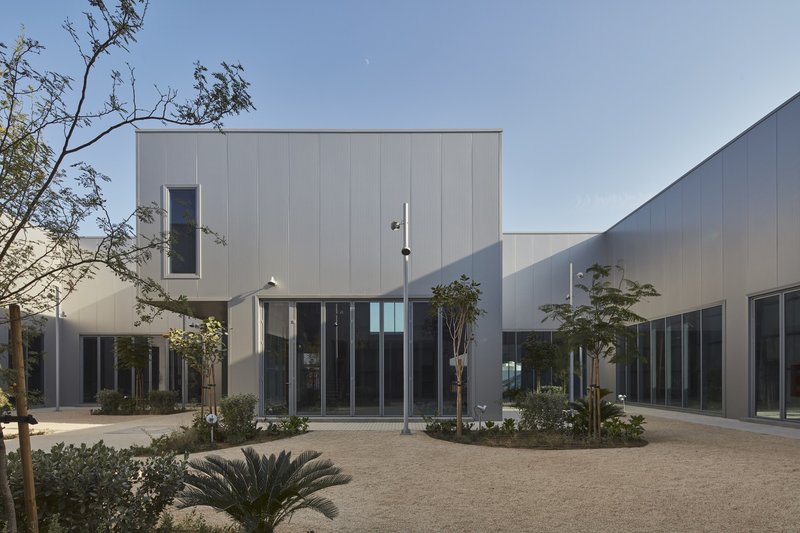
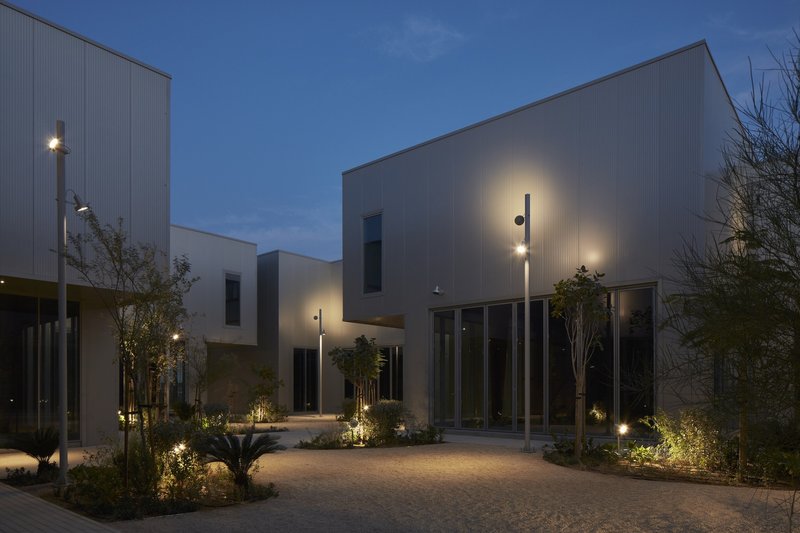
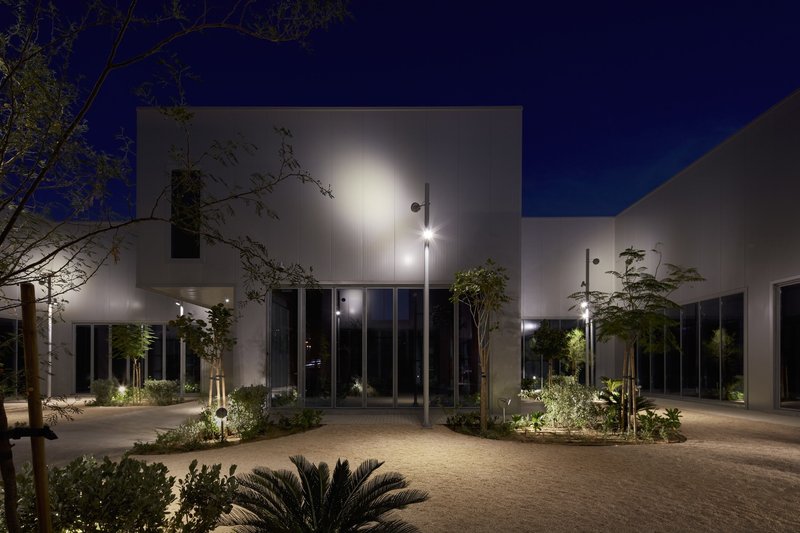
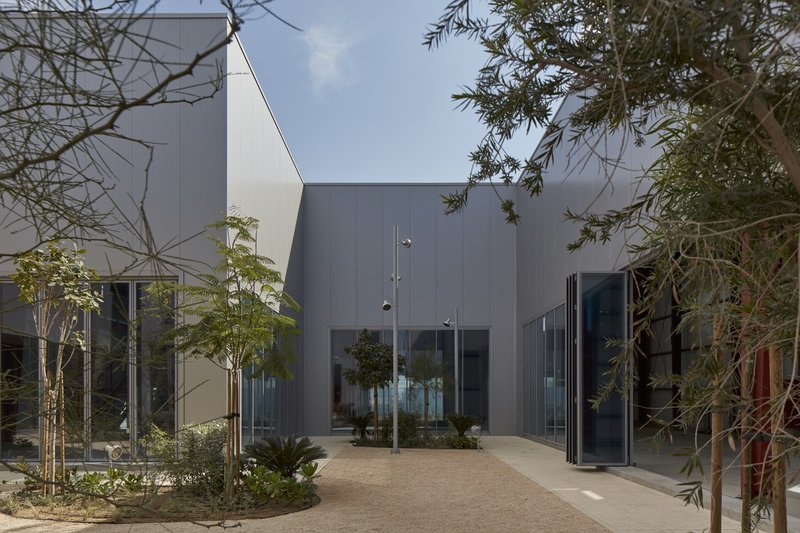
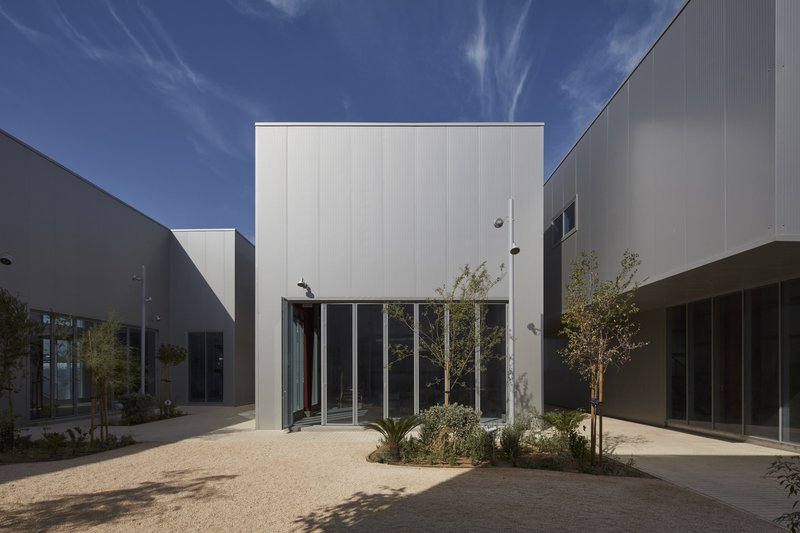
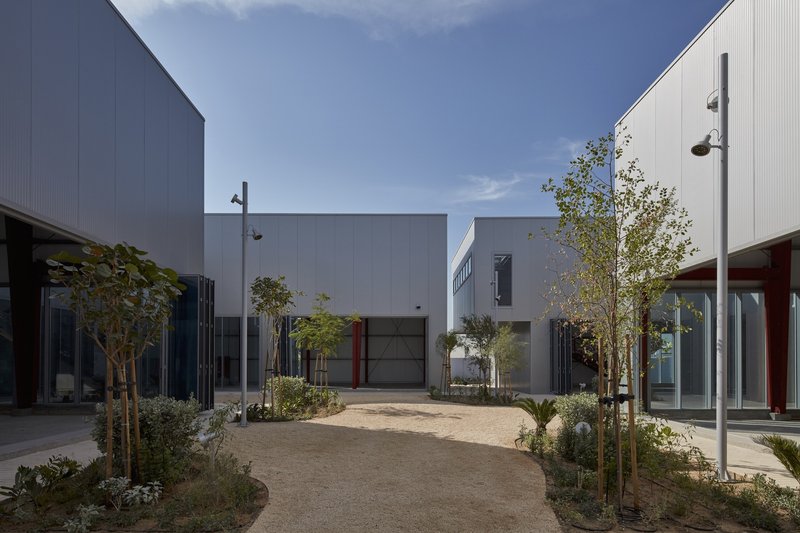
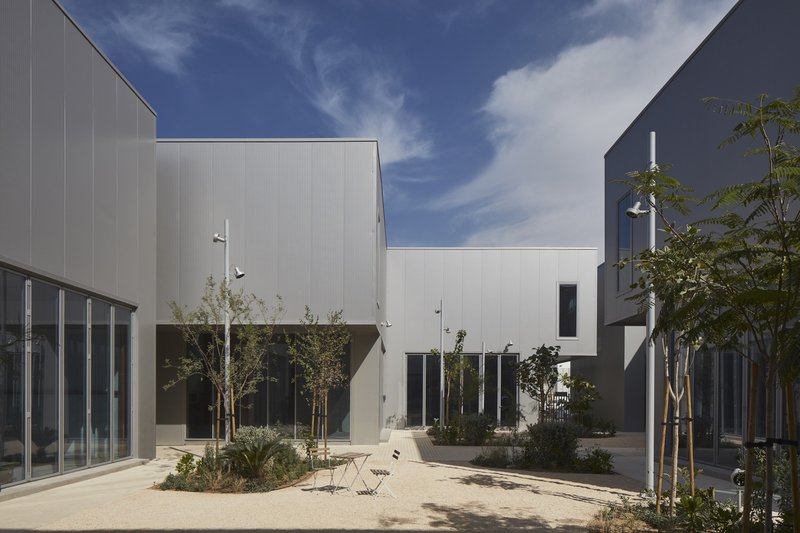
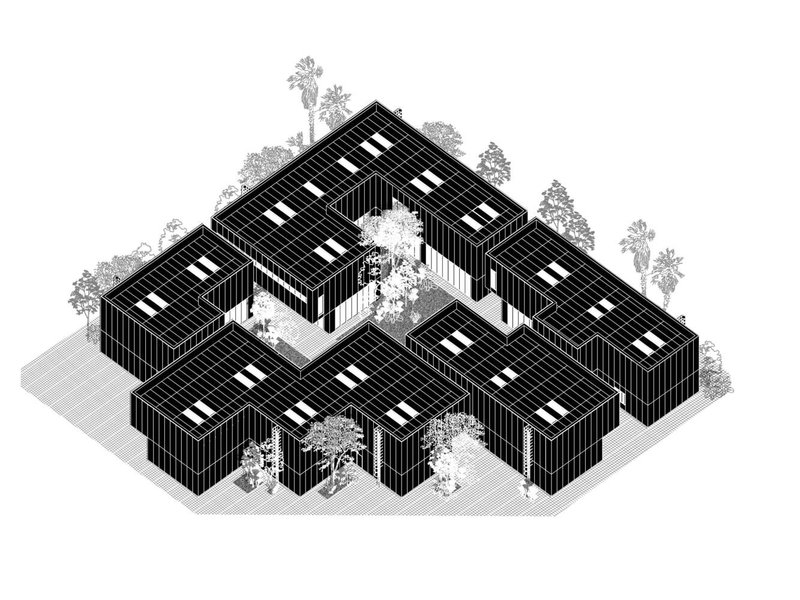
The CMPLX Commercial Space, conceived by BONE in Dubai's Al Quoz Arts and Culture District, stands as a groundbreaking project that redefines the traditional warehouse aesthetic. Completed in 2023, this 3,000 m² development transforms seven warehouses into a cohesive, innovative commercial area. Through the lens of Oculis Project's photography, we're offered a glimpse into a design that prioritizes isolation from the bustling street while fostering a connection with nature.
A Bold Approach to Commercial Space Design
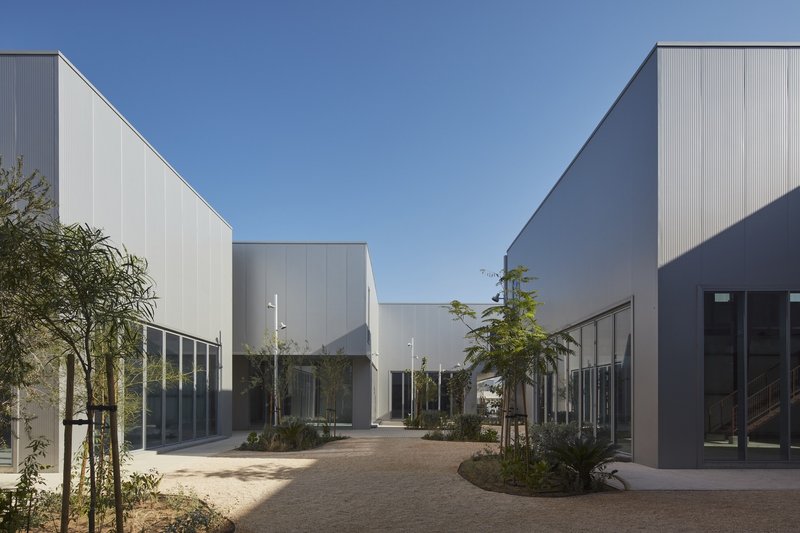
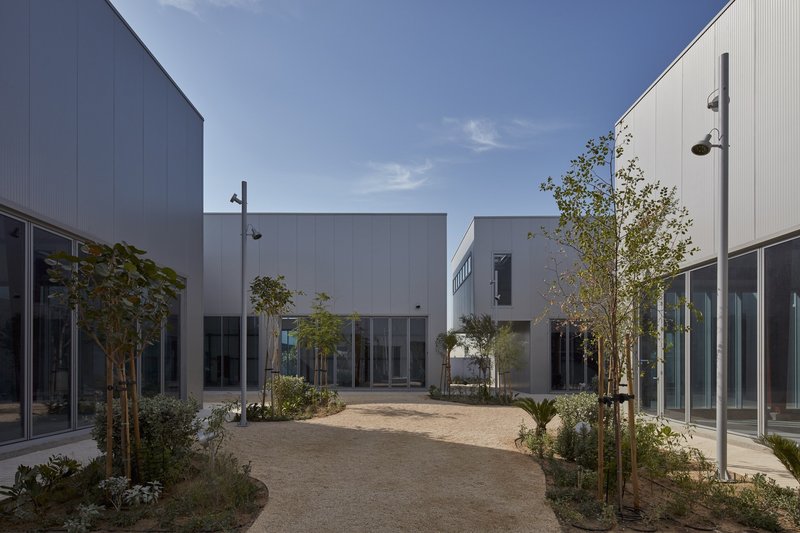
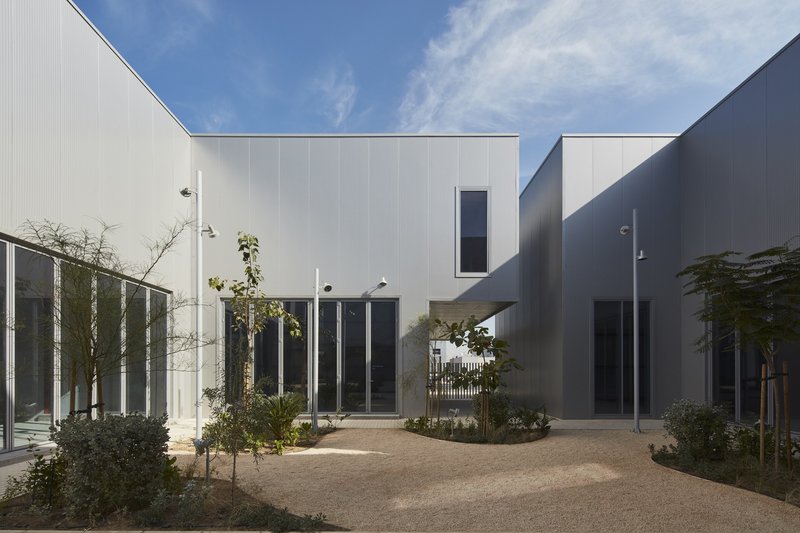
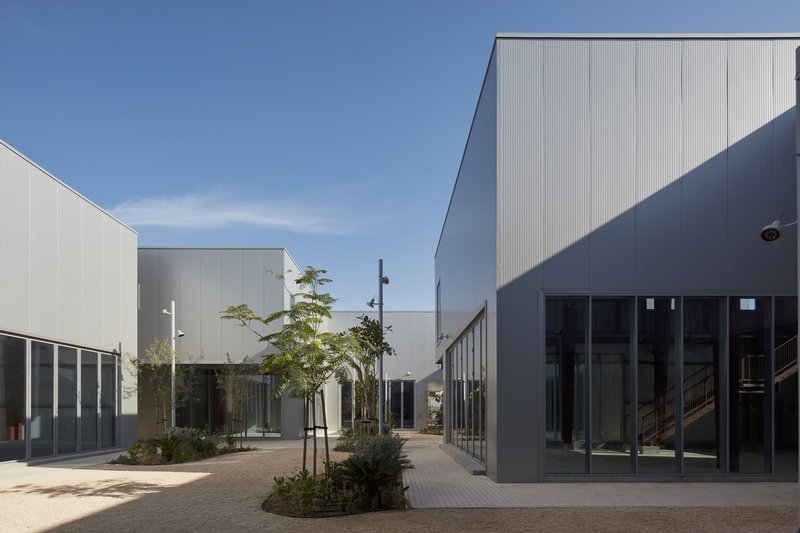
BONE's architectural strategy for the CMPLX Commercial Space is a testament to innovative commercial architecture. The project's blind facade and staggered layout are deliberate choices, designed to create a sense of isolation and tranquility amidst the urban chaos of Dubai.
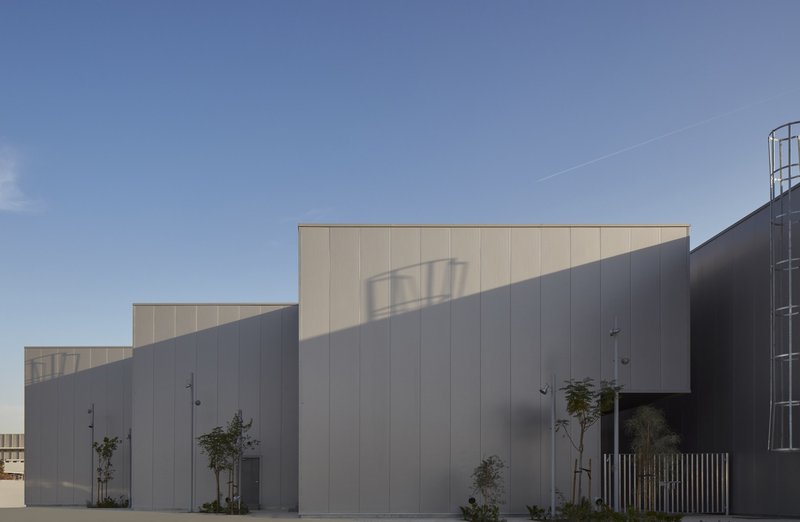
Maximizing Landscape and Light
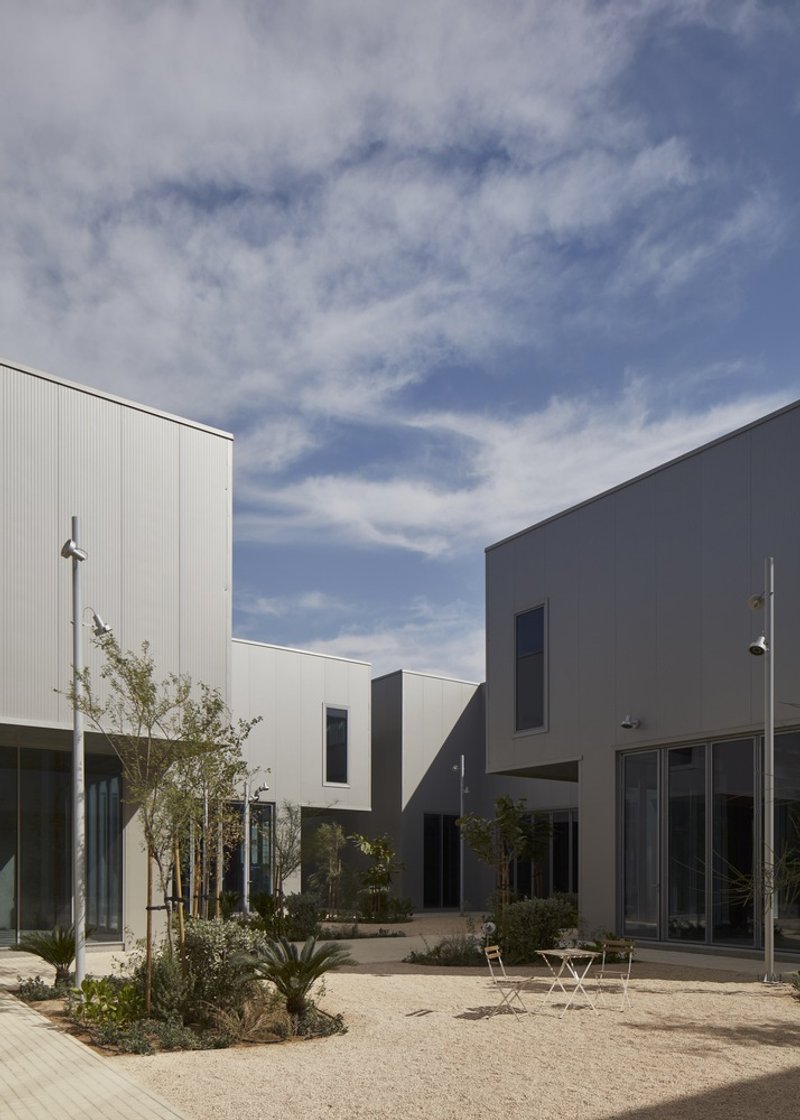
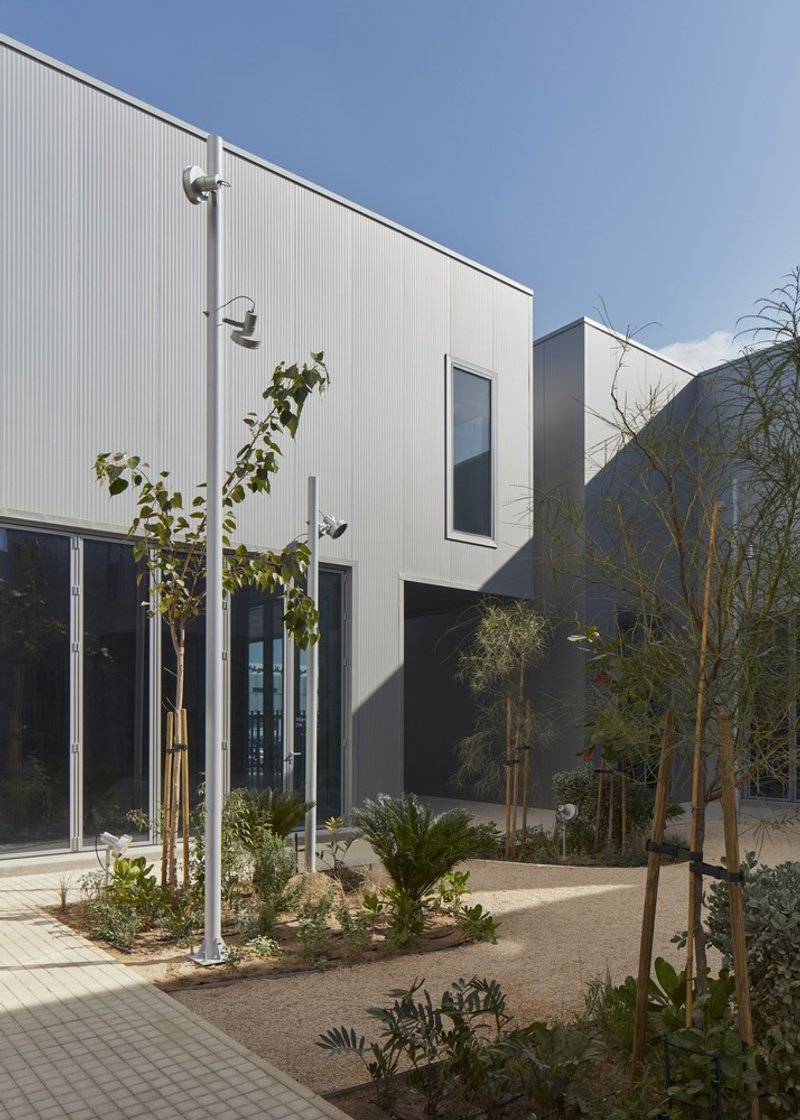
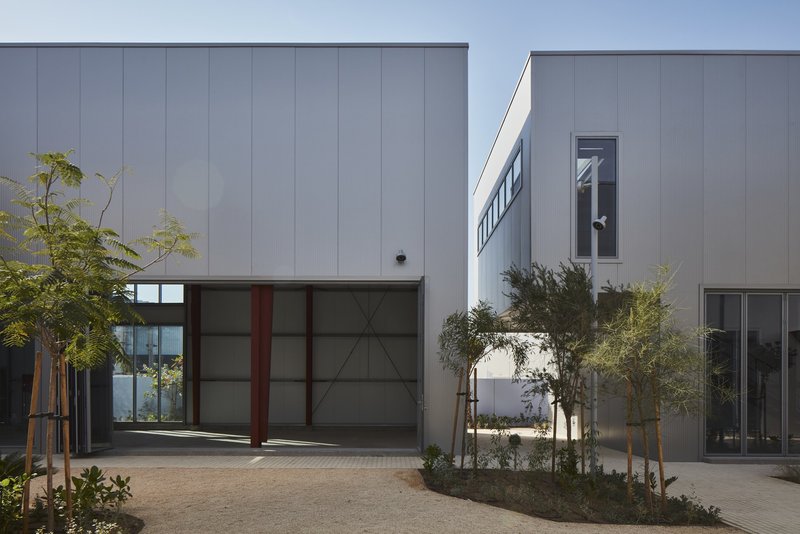
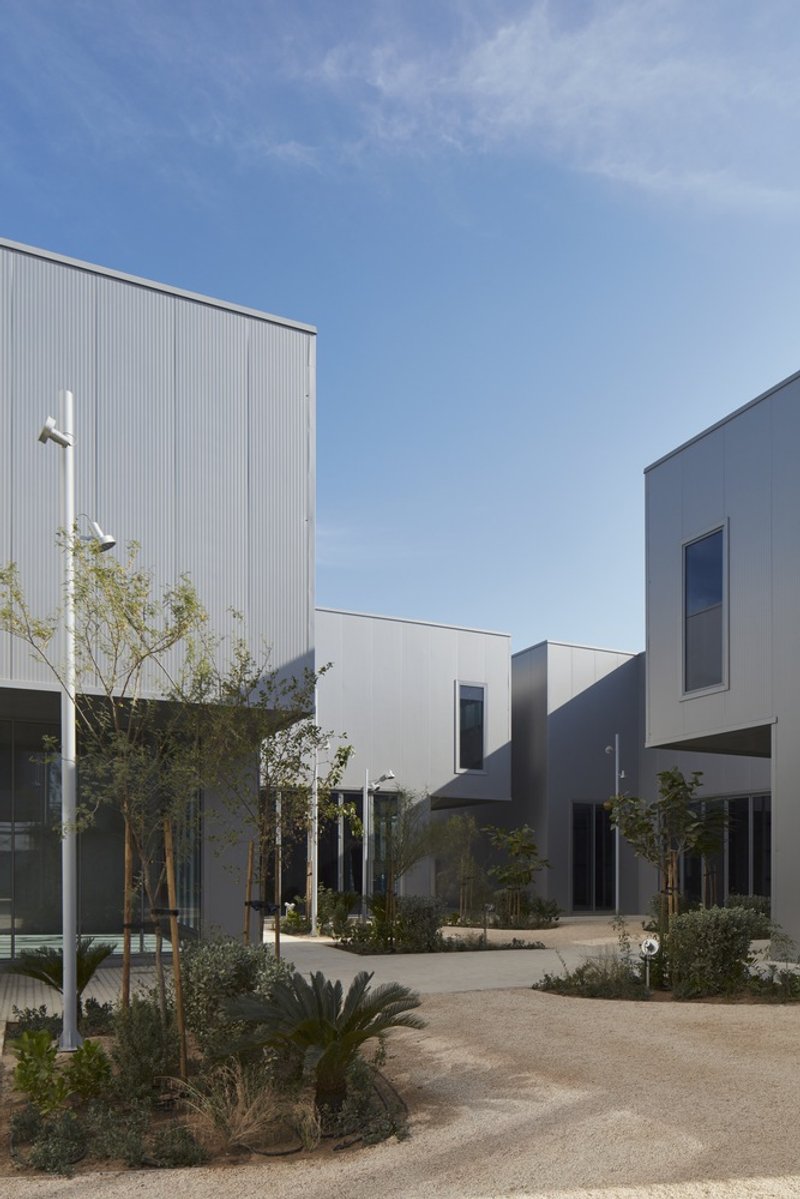
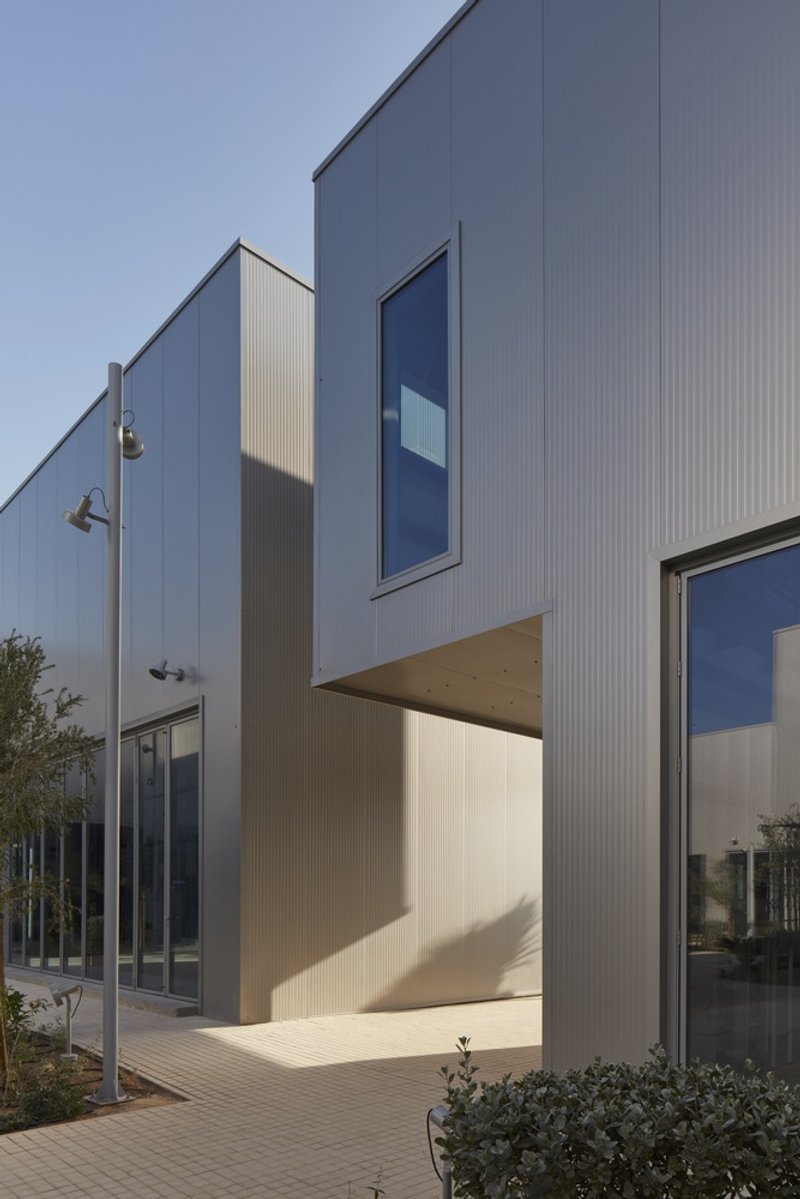
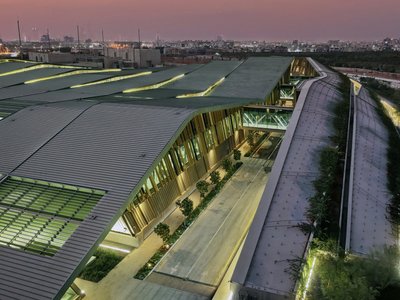
The architectural form of CMPLX has been meticulously shaped to enhance the landscaping area. A notable feature is the mezzanine floor that cantilevers beyond the ground level, not only increasing floor space but also fostering shaded green corridors. These corridors serve as serene transitions between the commercial spaces, emphasizing the project's commitment to sustainable and user-friendly design.
Central Public Garden: The Heart of CMPLX
At the core of the CMPLX Commercial Space is a central public garden, around which the warehouses are arranged. This dedicated pedestrian space becomes a communal hub, inviting nature and sunlight into the commercial environment. This central garden is pivotal in challenging and reimagining the conventional warehouse design, offering a refreshing alternative that integrates public spaces into commercial architecture.
A New Paradigm in Commercial Design
The CMPLX Commercial Space by BONE is a bold declaration of what the future of commercial architecture can look like in urban settings. It challenges the status quo, offering a blueprint for how commercial spaces can be both functional and harmonious with their environment. This project not only caters to the immediate needs of its users but also addresses broader concerns of sustainability, community, and well-being.
In the realm of commercial architecture, the CMPLX project by BONE emerges as a beacon of innovation and sustainability. Through its thoughtful design and integration of green spaces, it sets a new benchmark for future developments. As we continue to explore the possibilities of commercial architecture, projects like CMPLX serve as a reminder of the importance of adaptive and innovative thinking in shaping the environments we inhabit.
All photographs are work of Oculis Project




Popular Articles
Popular articles from the community

A Park Building That Wants to Be a Landscape
Omrania's Operations & Maintenance Building at King Salman Park dissolves industrial program into Riyadh's largest green infrastructure.
Art 1 Office Strips Athens Back to Its Bones
Neiheiser Argyros transforms a 40-year-old Athens office building into a vivid, materially rich workplace anchored by red steel, exposed concrete, and roof
Residence BB 214: Quiet Precision in Ludhiana
Minimalist Architecture & Design Studio composes a residence of white volumes, filtered light, and deliberate restraint in Punjab's urban fabric.

20 Most Popular Commercial Architecture Projects of 2025
From sustainable market concepts to heritage factories, the commercial buildings and proposals that drew the most attention on uni.xyz this year.


Similar Reads
You might also enjoy these articles
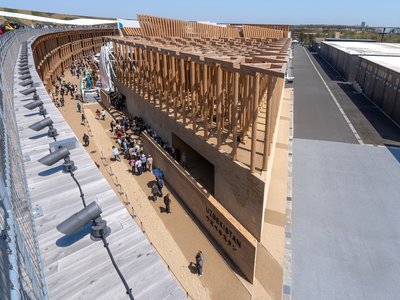
ATELIER BRÜCKNER Grows a Garden of Knowledge for Uzbekistan's Expo 2025 Pavilion in Osaka
A triangular timber canopy and blue-tiled courtyards translate Uzbek craft traditions into a 1,272-square-meter landscape of learning.
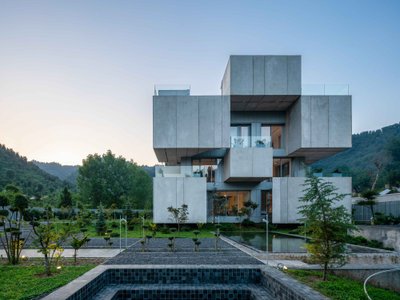
Bood Design Bureau Splits a Gilan Residence in Two to Let the Forest In
Double Side House negotiates privacy and openness through interlocking concrete volumes and planted courtyards in northern Iran's humid Caspian lowlands.
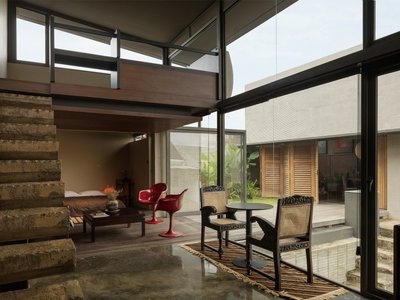
suatudio Splits a Multigenerational Home into Interlocking Concrete Volumes in West Java
Rumah Tahu House in Sumedang, Indonesia adapts to sloping terrain with split levels, timber decks, and deep overhangs for two generations.
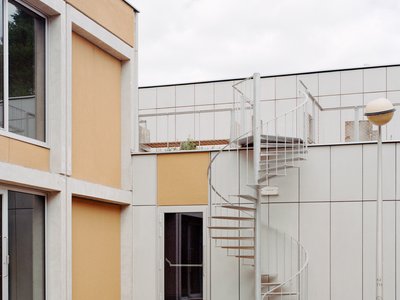
MAKER architecten Rewire a 1972 Brutalist Dormitory on the VUB Campus as a Living Lab
A modular renovation strategy in Belgium breathes new life into Willy Van Der Meeren's modernist student housing without erasing its concrete bones.


Explore Architecture Competitions
Discover active competitions in this discipline




The International Standard for Design Portfolios


The Global Benchmark for Architecture Dissertation Awards


The Global Benchmark for Graduation Excellence


Challenge to reimagine the Iron Throne
Comments (0)
Please login or sign up to add comments
No comments yet. Be the first to comment!