
(RE)INVENTION: Brazil Pavilion at the Venice Architecture Biennale
Brazil’s pavilion reimagines ancestral Amazonian infrastructures through immersive spatial installations, linking Indigenous knowledge with contemporary ecological challenges and future urban resilien


Plano Coletivo Reimagines Ancestral Infrastructures for a Sustainable Future
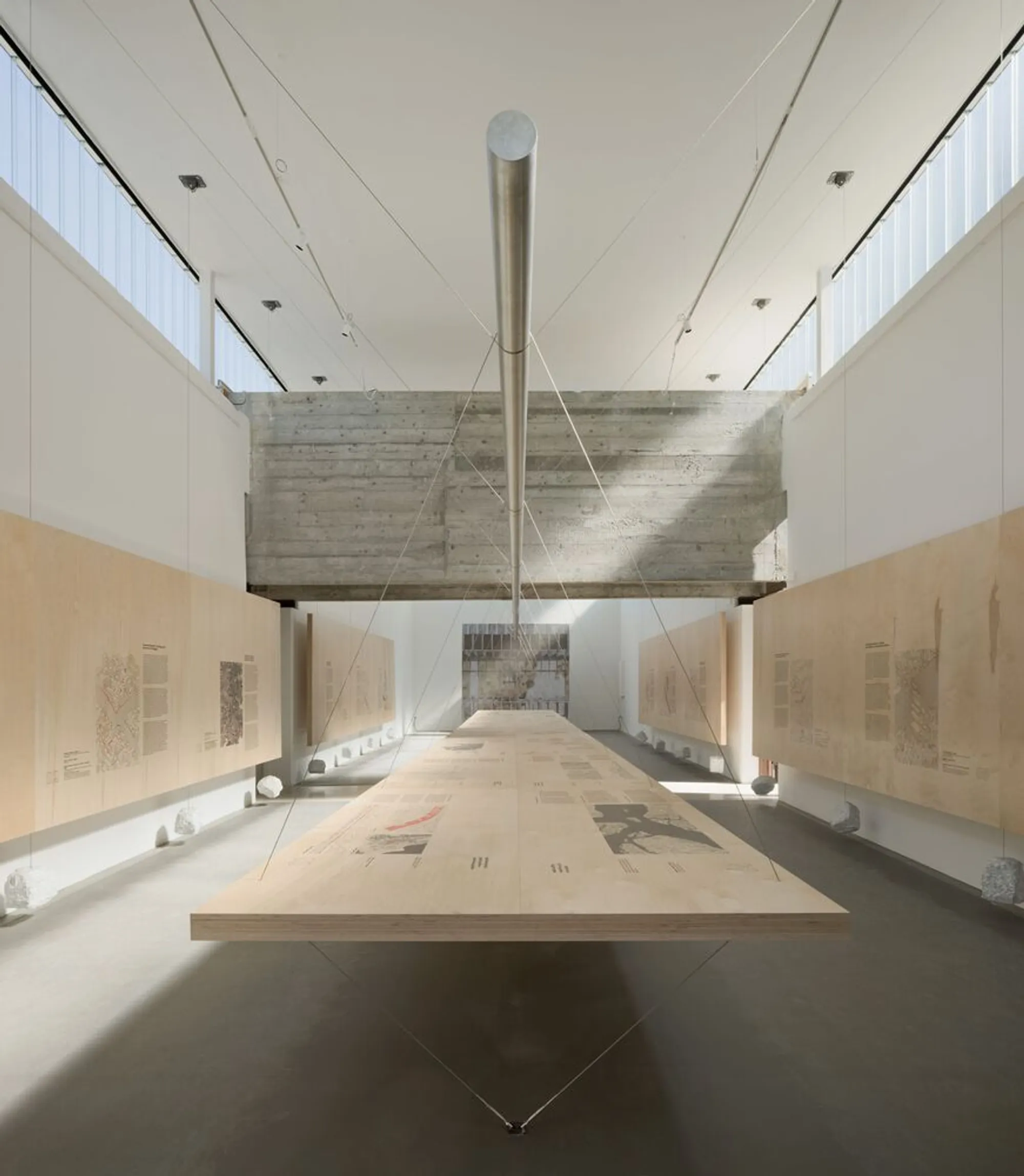
Curated by Susanna Moreira and designed by Plano Coletivo, (RE)INVENTION represents Brazil at the 19th International Architecture Exhibition – La Biennale di Venezia 2025. The installation transforms the Brazil Pavilion into a powerful spatial narrative that bridges ancestral Amazonian knowledge, contemporary socio-environmental challenges, and future design strategies for equitable cities. Occupying 140 m², the exhibition unfolds in two acts that explore time, memory, and the built environment through an immersive architectural experience.
Reframing the Amazon: Ancestral Infrastructures and the Inhabited Forest
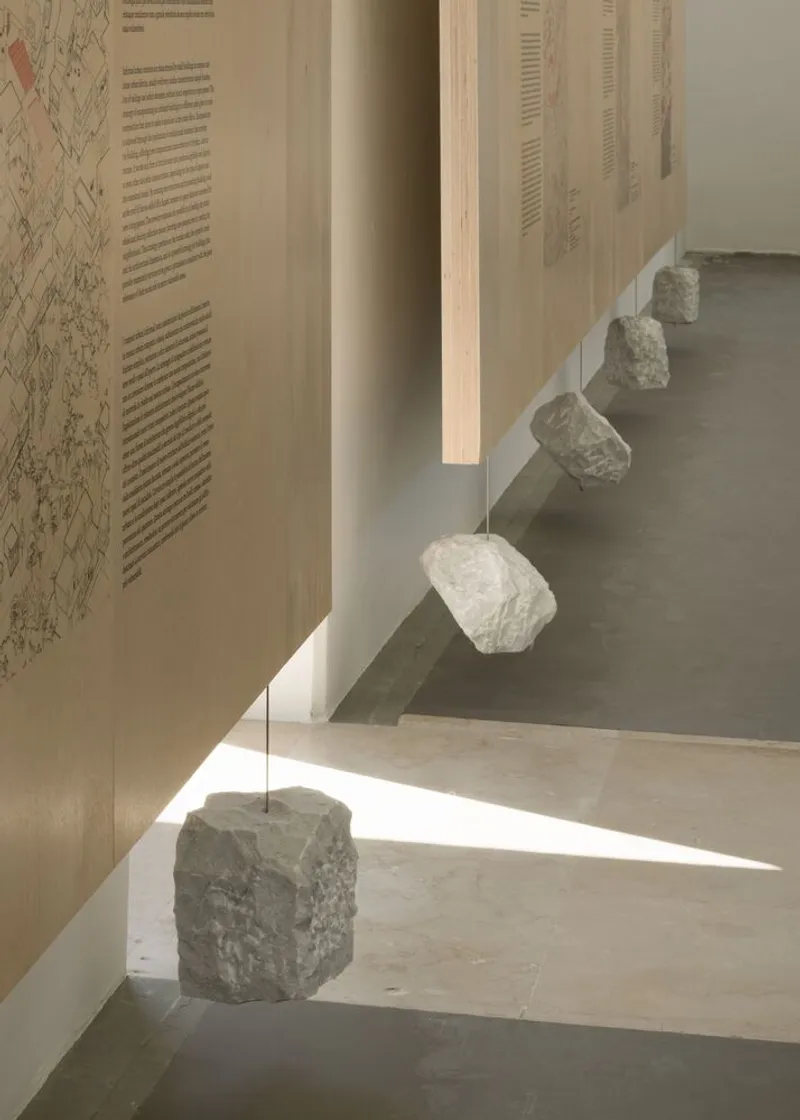
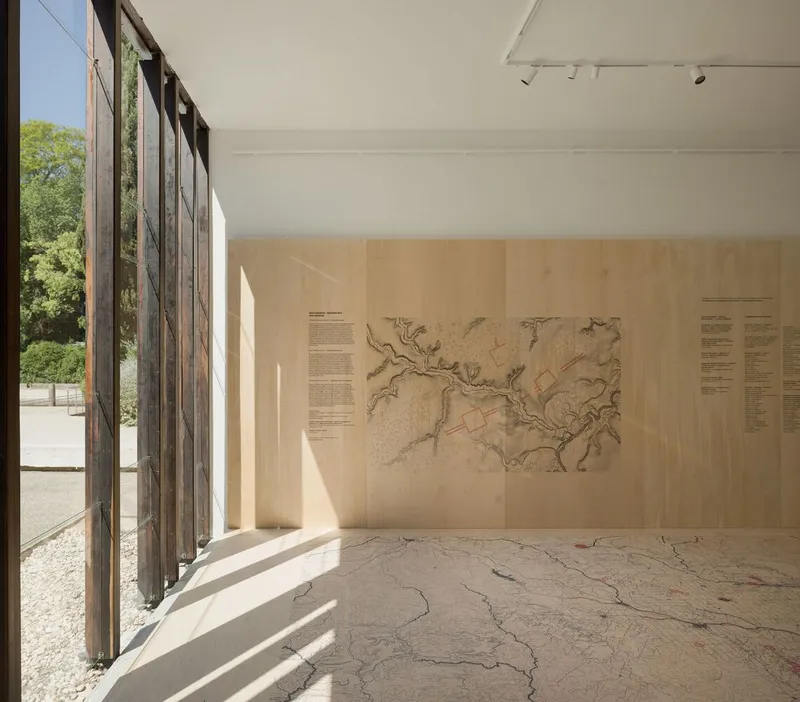
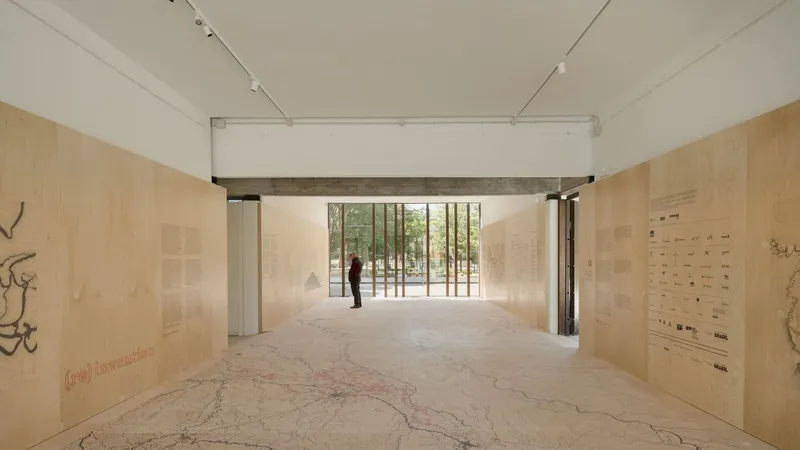
The first act takes place in the pavilion’s smaller gallery, where Plano Coletivo invites visitors to rethink the origins of Brazil’s inhabited landscapes. Grounded in recent archaeological research from Central Amazonia, the installation challenges conventional timelines by revealing how Indigenous peoples shaped the region more than 10,000 years ago. Through earthworks, embankments, retaining walls, and large settlement structures, ancient communities developed sophisticated infrastructures rooted in ecological adaptation. These interventions transformed nature into a co-created landscape, demonstrating a balanced coexistence between humans and the rainforest. This act positions the Amazon not as untouched wilderness but as a living archive of Indigenous intelligence and environmental stewardship.
Contemporary Brazil and the Challenge of Inherited Infrastructures
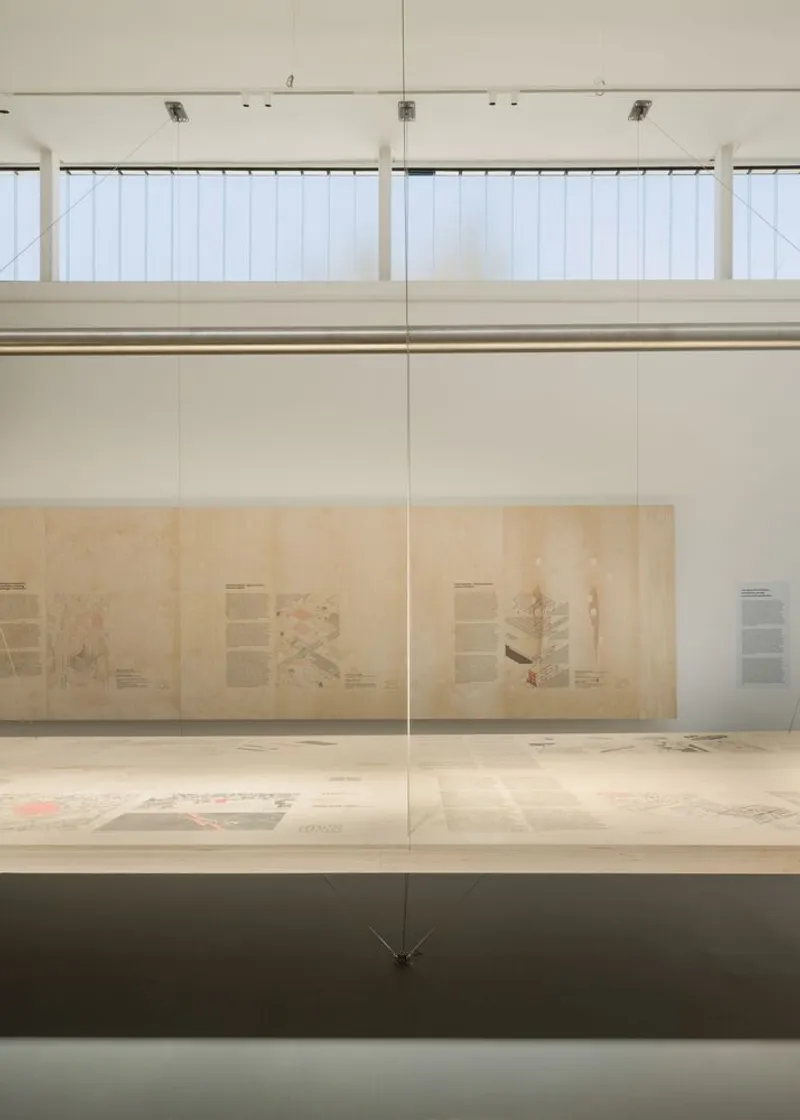
The second act shifts toward Brazil’s present urban and ecological realities. Set in the pavilion’s larger gallery, the installation highlights existing design practices that navigate an unequal yet resourceful infrastructural landscape. These “inherited infrastructures” carry the dual legacy of Brazil’s modern development aspirations and its cultural diversity. Rather than romanticizing past architectural models, Plano Coletivo reframes these infrastructures as pragmatic tools for future resilience. The exhibition questions socio-environmental contradictions, confronts systemic inequalities, and proposes ways to learn from both historical and contemporary strategies. It invites viewers to reflect on how built and natural heritage can guide more equitable and ecologically conscious design decisions.
Reconfiguring the Pavilion: Light, Structure, and Material Reuse
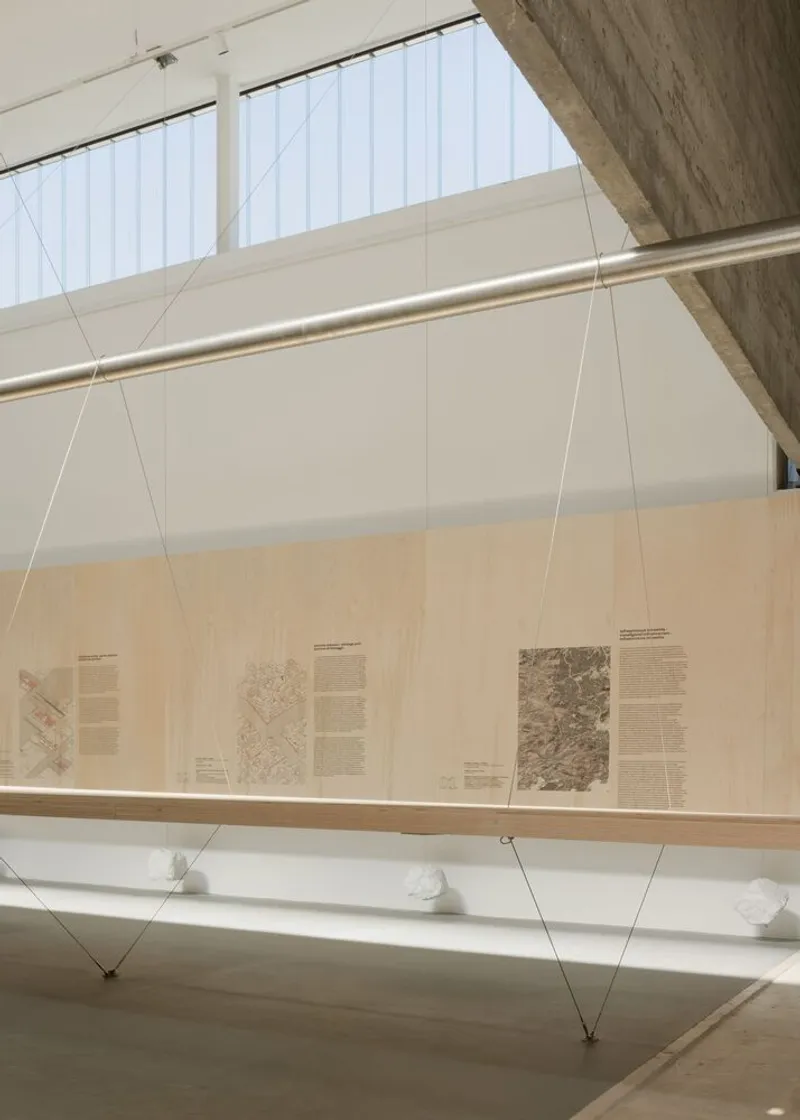
The Brazil Pavilion—restored by Arquitetos Associados and Henrique Penha—serves as a structural partner in the exhibition. Originally designed in 1960 by Henrique Mindlin, Giancarlo Palanti, and Walmir Amaral, the pavilion features two contrasting spaces:
- a glazed lower room opening to terrace views
- a windowless upper room illuminated by diffuse light through high U-glass panels
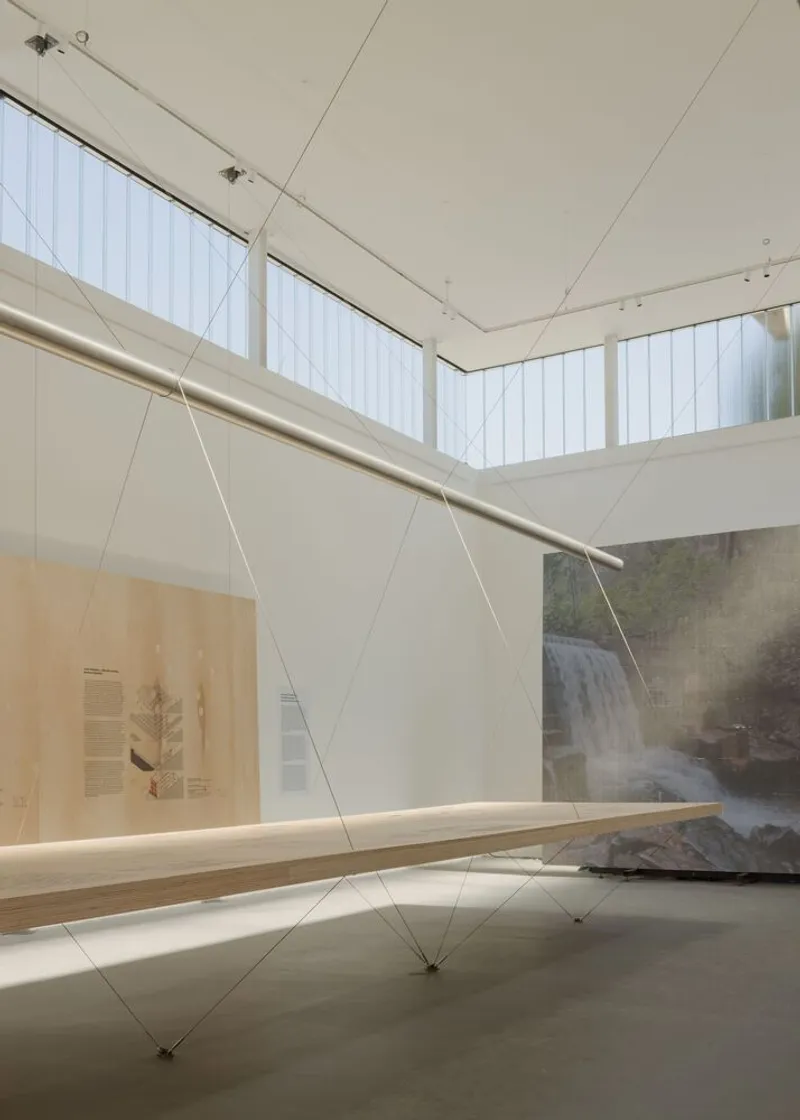
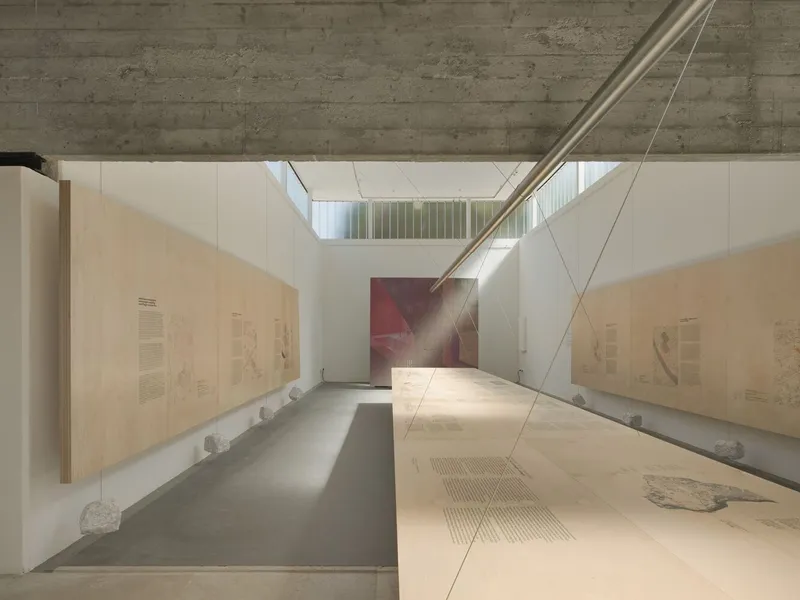
Plano Coletivo responds to these spatial qualities with two distinct installation strategies. In the first room, elements rest lightly on the floor, emphasizing grounded history. In the second room, an intricate suspended system of wooden panels, reforested plywood, steel cables, and marble counterweights creates a floating architecture. Blocks of Carrara marble, locally carved to reduce weight, operate as counterbalances in a system of pulleys and tensioned cables. The suspended table and panels form a new spatial structure that reorganizes the room’s volume while demonstrating material circularity and easy reassembly after the exhibition.
Infrastructure as a Way of Inhabiting
Across both acts, the installation redefines infrastructure beyond its technical role. Using general wood and minimal structural interventions, Plano Coletivo expresses infrastructure as:
- a cultural system
- a framework for coexistence
- a tool for balancing nature and society
Inspired by Amazonian cosmologies and contemporary urban realities, (RE)INVENTION promotes a design ethos grounded in resourcefulness, environmental harmony, and social justice.
About Plano Coletivo
Plano Coletivo is a collaborative group of architects, researchers, and educators committed to exploring architecture as a socio-environmental practice. Made up of ten members from institutions and studios across Brazil—including ARQBR, BLOCO Arquitetos, FAU-UnB, FAU-UFRJ, and FAU-UFRGS—the collective investigates urban territories through critical narratives and interdisciplinary design approaches.
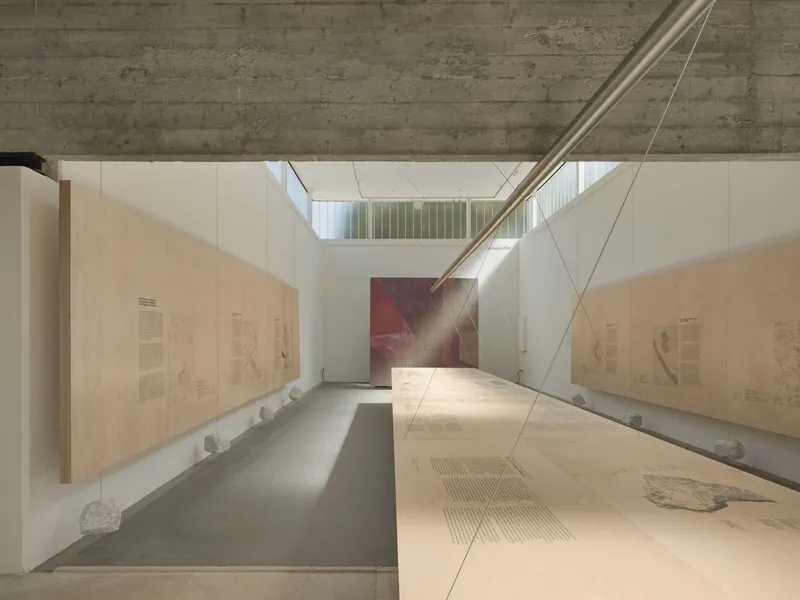
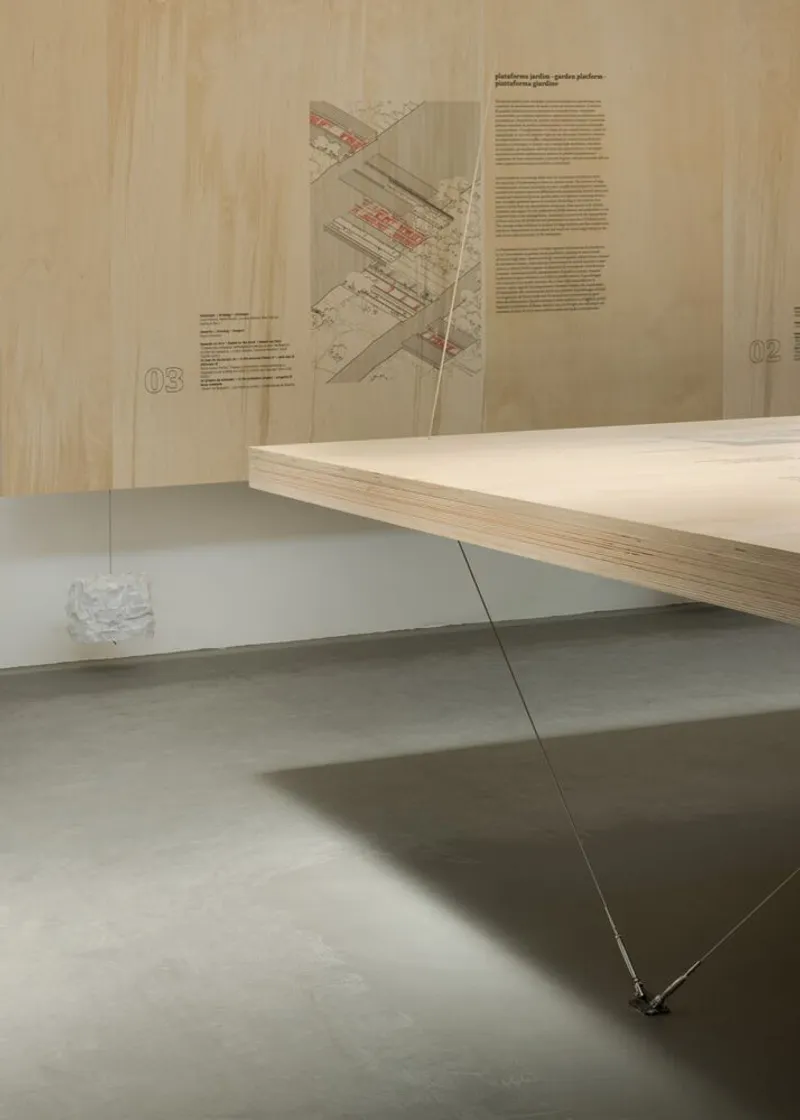
All photographs are works of Federico Cairoli



Popular Articles
Popular articles from the community


The Musturak Paradise: Senior Living Architecture for a Connected Future in Temara, Morocco
The Musturak Paradise reimagines senior living architecture in Temara via private homes, social spaces, culture, community, and shared care.

Hill & Cross Opera: Sculptural Opera House Architecture Shaped by Tallinn’s Landscape and Identity
Hill & Cross Opera reimagines opera house architecture in Tallinn through its sculptural hill, civic plaza, glass wave and a luminous cross.

Play: Fragments of Their World
Familiar architecture becomes modular playground design, creating safe spaces where displaced children can learn, connect, imagine and play.

Co-Life: Senior Housing Design That Reconnects Older Adults With the City
Co-Life reimagines senior housing design through healing gardens, shared streets, workshops, and a sustainable community across generations.

Similar Reads
You might also enjoy these articles


Hodi-Mandai Geram
Project Function: Preservation and revitalization of the Intangible heritage and socio-spatial identity of the Hodi by Housing, Cultural Memory Center, Sacred Grove, landscape, local tourism economy


Olio Towers: A Mid-Rise for Performers That Fuses Housing, Rehearsal, and Stage
Located blocks from Houston's Theater District, this modular tower stacks living units around a central performance atrium.

Oasis: Modular Green Housing Carved into Dhaka's Urban Fabric
A shortlisted Plugin Housing entry reclaims unauthorized settlements in Dhaka with stepped concrete volumes, green roofs, and ventilation-driven design.

Black Hole: A Floating Megastructure for the Post-Physical Era
Emiliano Mazzarotto envisions a spherical, self-scaling arena where e-sports, digital hotels, and holographic stadiums replace traditional public space.

Explore Biennale Competitions
Discover active competitions in this discipline


Challenge to design a portable theatre


Challenge to design a portable music platform

Challenge to design an open learning module for the elderly


Challenge to reimagine the Iron Throne
Comments (0)
Please login or sign up to add comments
No comments yet. Be the first to comment!