
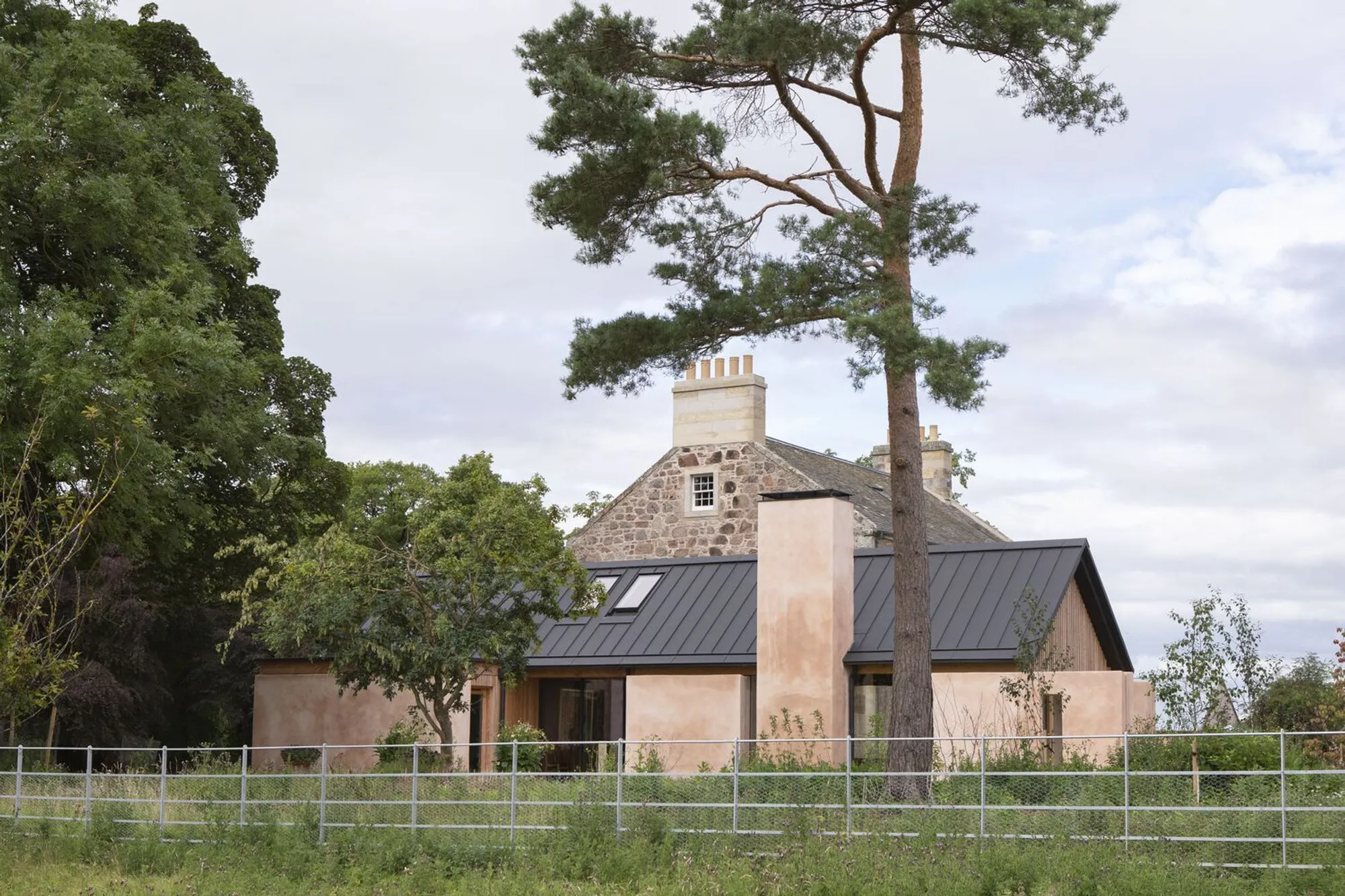
Renton Hall House Extension by WT Architecture
Sensitive extension revives historic manor, drawing light-filled living spaces into gardens through vernacular forms, sustainable timber, masonry, and refined glazing.


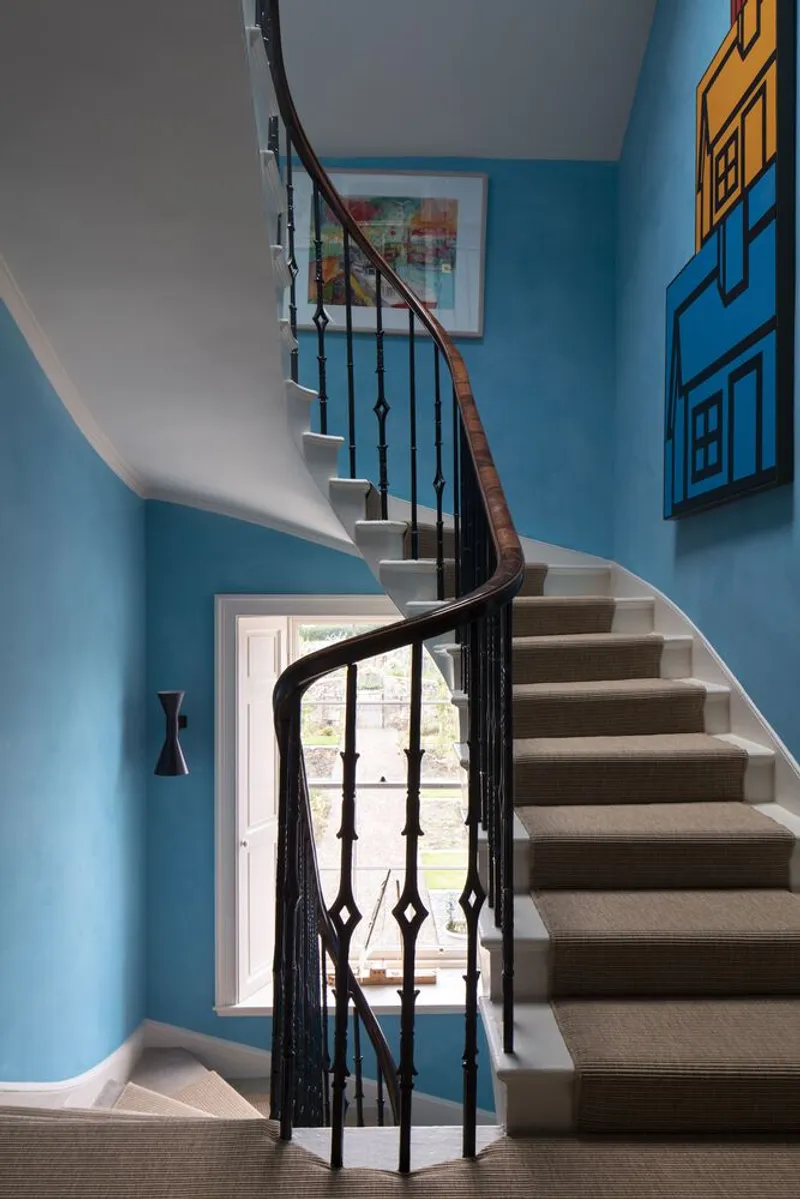
Renton Hall House Extension, designed by WT Architecture, is a sensitive residential intervention that revitalizes a 200-year-old country manor in the United Kingdom, carefully balancing architectural restraint with contemporary living. Left vacant and neglected for over a decade, the historic manor, and its expansive walled garden untended for nearly a century, presented both a challenge and an opportunity: to reimagine domestic life while honoring the site’s deep architectural and landscape heritage.
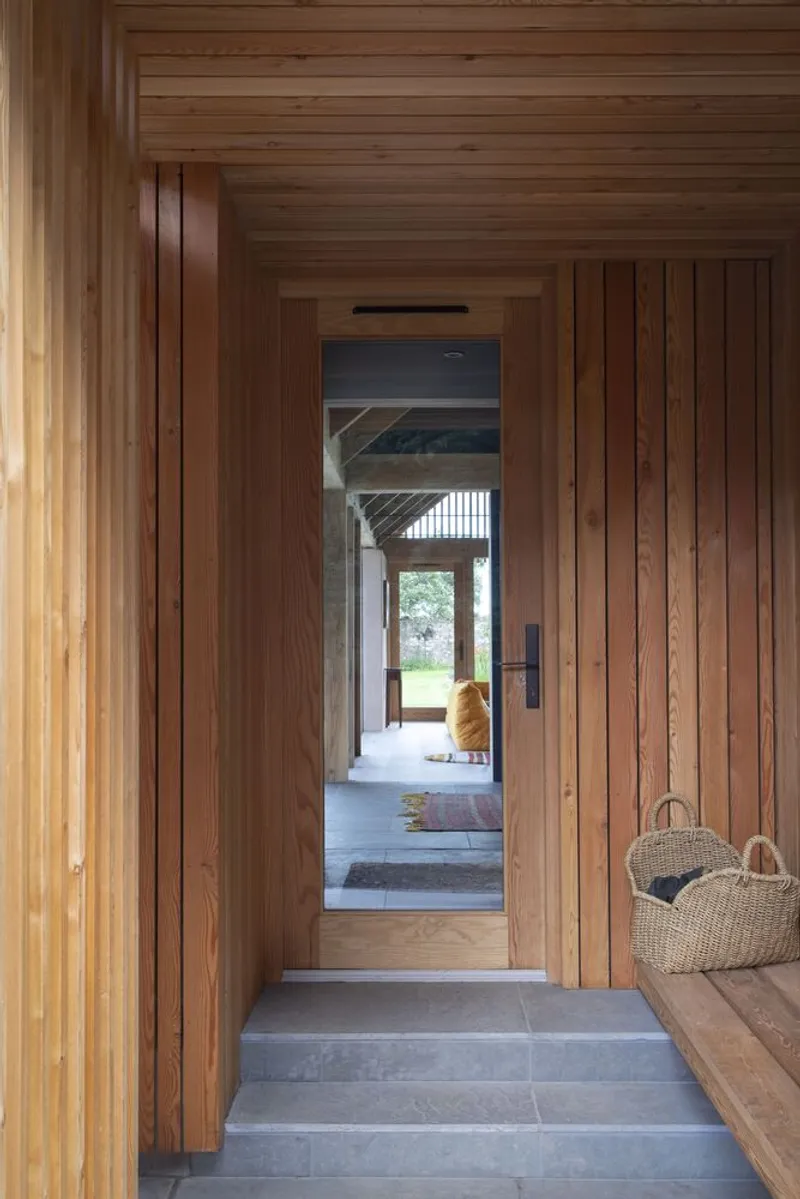
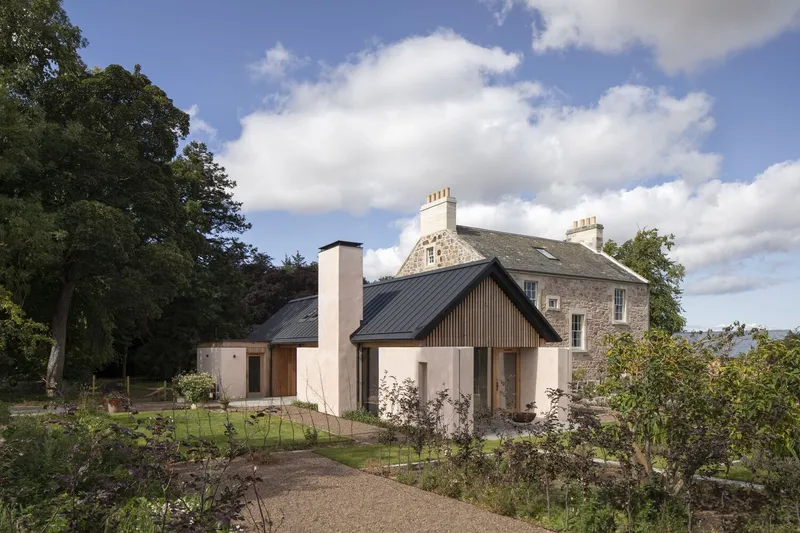
The new extension is positioned to the east of the original house, deliberately drawing living spaces outward into the garden landscape. By orienting the addition toward sunlight, long views, and the historic walled garden, the project establishes a visual and spatial dialogue between old and new. This extension does not compete with the manor; instead, it creates a conversational relationship, acting as a quiet architectural backdrop that supports the gradual restoration of the extensive gardens.
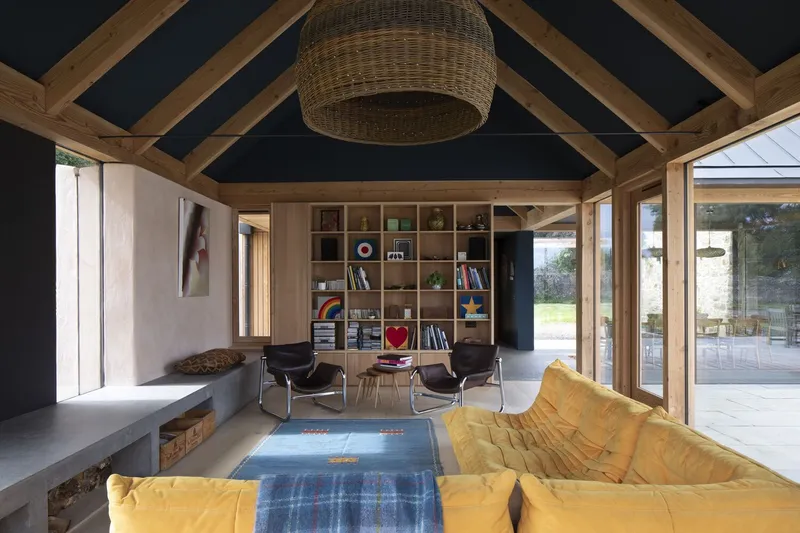
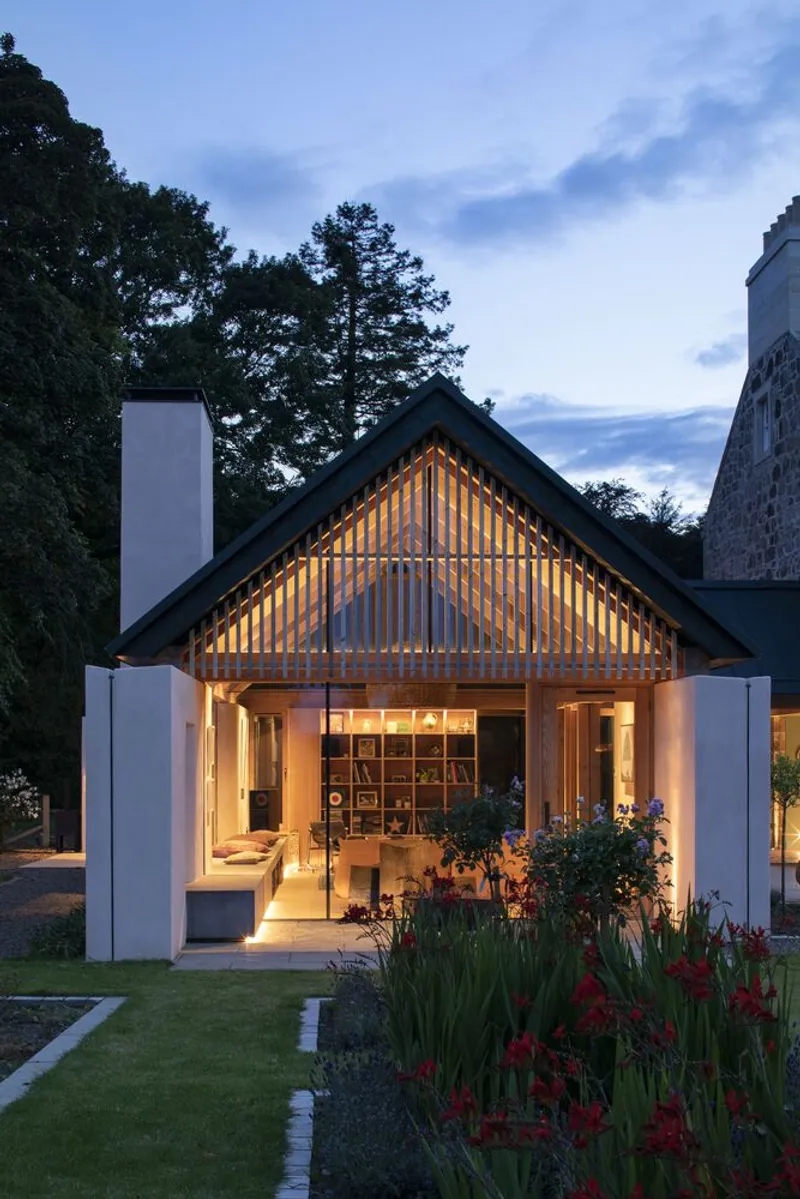
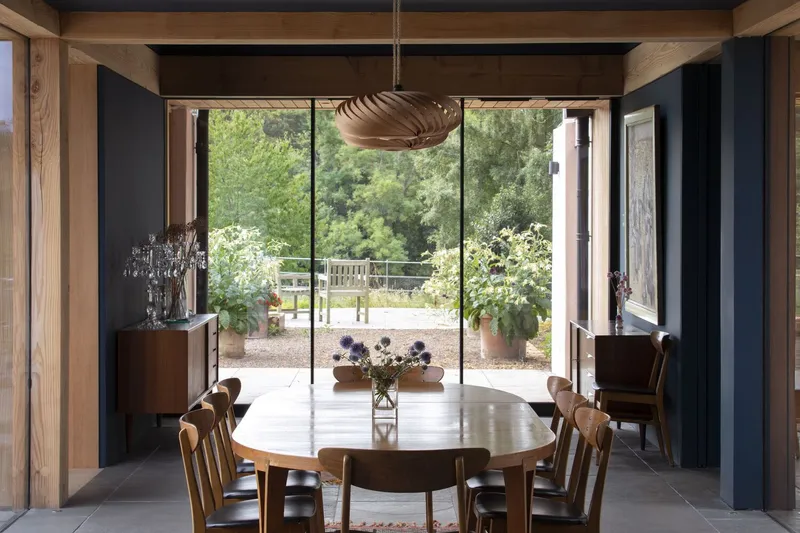
Architecturally, the extension takes cues from vernacular typologies commonly found on historic estates, such as ancillary stables and garden outbuildings. Its form and character remain deferential to the grandeur of the main house, ensuring the historic hierarchy is preserved. The new volumes appear grounded in the landscape, with generous living spaces that feel as though they are borrowed directly from the garden itself.
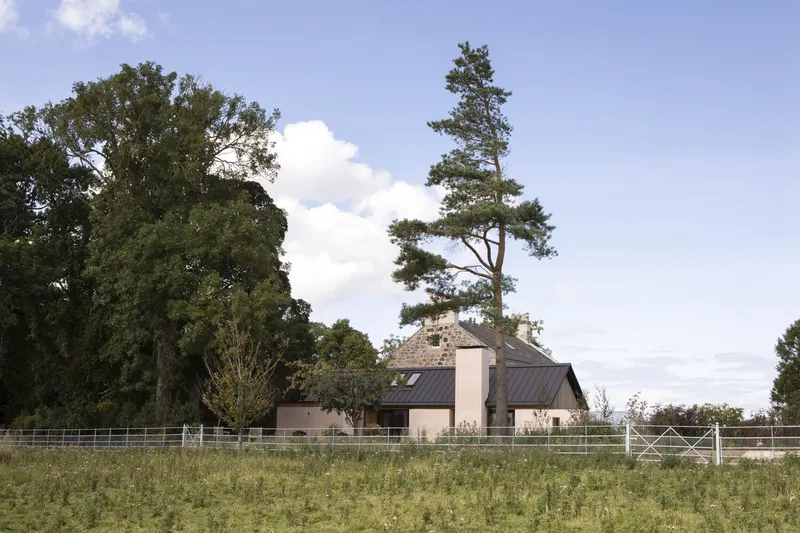
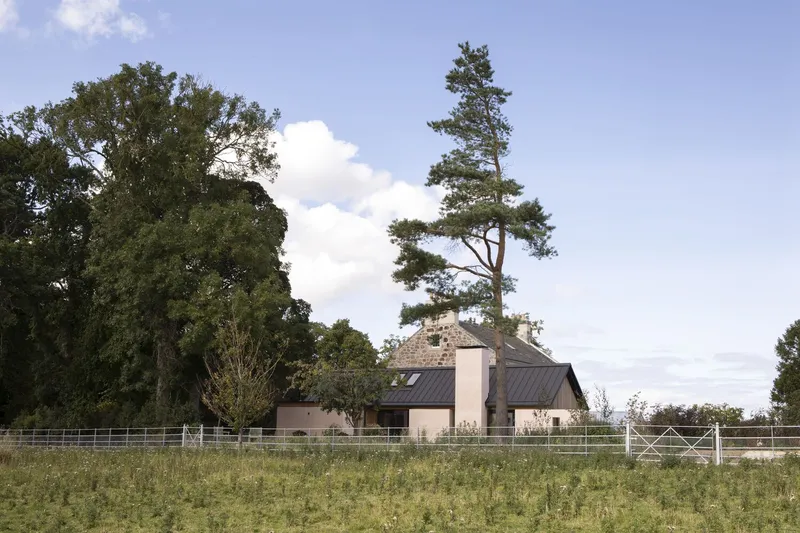
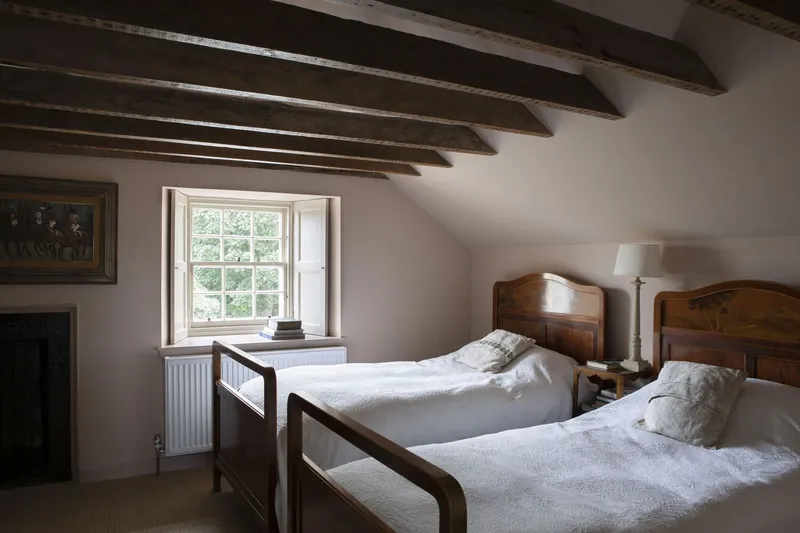
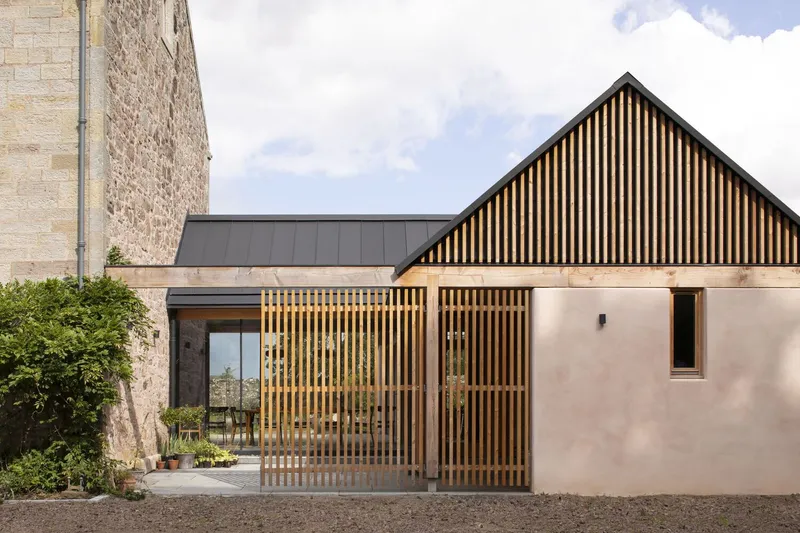
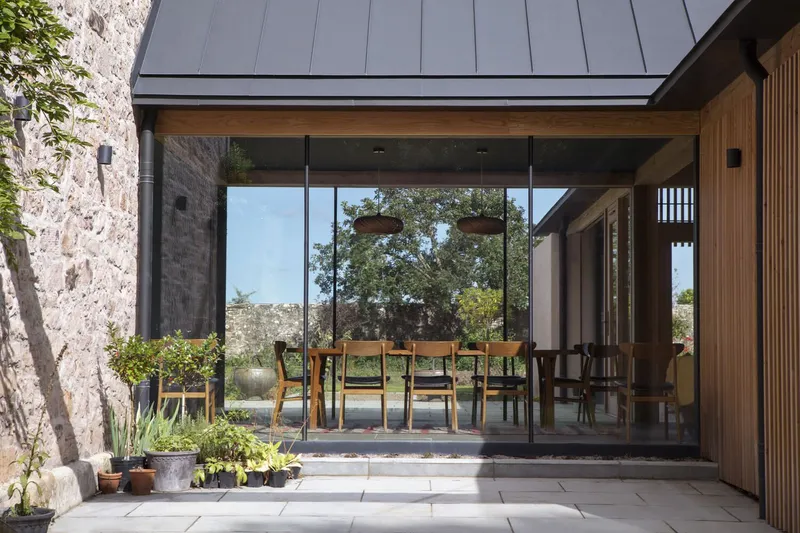
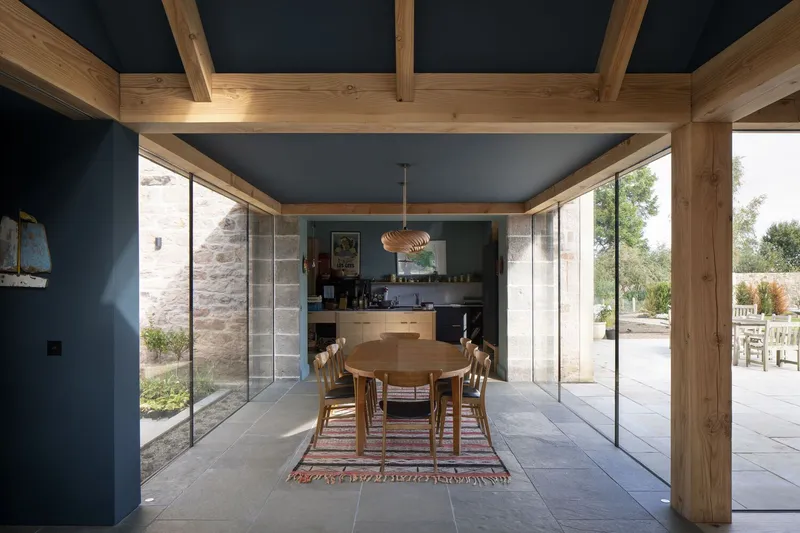
Materiality plays a central role in achieving this balance. A composition of robust, lime-rendered masonry walls anchors the extension within the site, referencing traditional construction while providing a sense of permanence. In contrast, the primary structural framework is crafted from sustainably sourced British Douglas fir, lending warmth and tactility to the interiors. This timber language continues through doors and opening windows, while external larch cladding and screening further reinforce the building’s relationship with its natural surroundings.
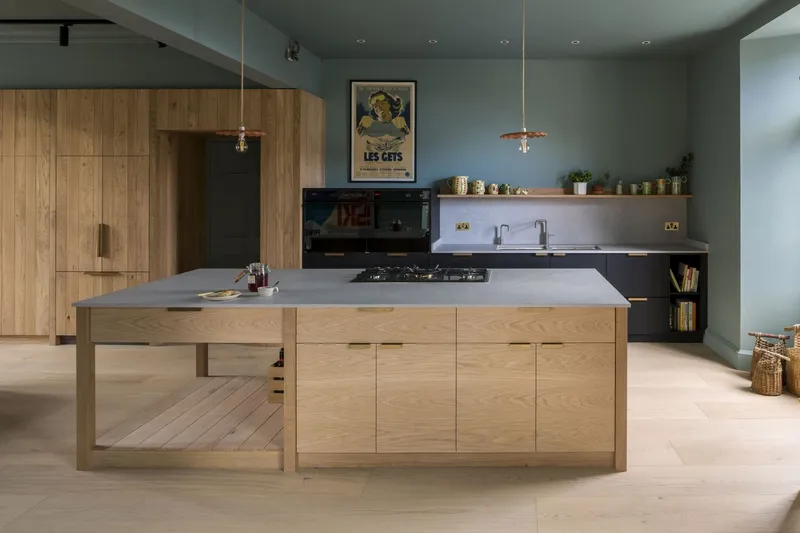
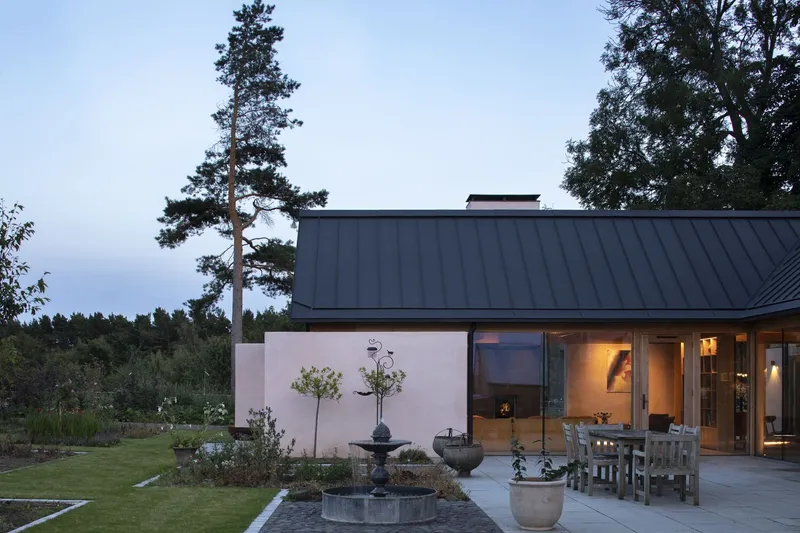
Carefully detailed frameless glazing introduces lightness and transparency, creating a deliberate contrast to the mass and solidity of the masonry walls. These glazed openings blur the boundary between interior and exterior, strengthening the connection to the gardens and allowing seasonal changes to shape the experience of the home. Overhead, a roof of hand-pressed zinc gently sails across the extension, adding a refined contemporary layer while maintaining a subdued profile.
All photographs are works of Dapple Photography, Leigh Simpson




Popular Articles
Popular articles from the community


Riyadh For All: Intergenerational Urban Design for Active Aging in Rabat
Riyadh For All reimagines urban design in Rabat with intergenerational co-living, adaptive courtyards, and Moroccan cultural exchange today.

The Earth Pod: 3D Printed Homes for Resilient Refugee Communities
The Earth Pod reimagines refugee housing through 3D printed homes made from clay, combining resilience, self-sufficiency, and rapid shelter.

Co-Life: Senior Housing Design That Reconnects Older Adults With the City
Co-Life reimagines senior housing design through healing gardens, shared streets, workshops, and a sustainable community across generations.

Hill & Cross Opera: Sculptural Opera House Architecture Shaped by Tallinn’s Landscape and Identity
Hill & Cross Opera reimagines opera house architecture in Tallinn through its sculptural hill, civic plaza, glass wave and a luminous cross.


Similar Reads
You might also enjoy these articles


Hodi-Mandai Geram
Project Function: Preservation and revitalization of the Intangible heritage and socio-spatial identity of the Hodi by Housing, Cultural Memory Center, Sacred Grove, landscape, local tourism economy


Olio Towers: A Mid-Rise for Performers That Fuses Housing, Rehearsal, and Stage
Located blocks from Houston's Theater District, this modular tower stacks living units around a central performance atrium.

Oasis: Modular Green Housing Carved into Dhaka's Urban Fabric
A shortlisted Plugin Housing entry reclaims unauthorized settlements in Dhaka with stepped concrete volumes, green roofs, and ventilation-driven design.

Black Hole: A Floating Megastructure for the Post-Physical Era
Emiliano Mazzarotto envisions a spherical, self-scaling arena where e-sports, digital hotels, and holographic stadiums replace traditional public space.


Explore Building Extension Competitions
Discover active competitions in this discipline


Challenge to design mud housing for contemporary communities


Challenge to reimagine the Iron Throne


Photograph architecture without architects


Illustrate the lost glory of Angkor Wat - Render Challenge
Comments (0)
Please login or sign up to add comments
No comments yet. Be the first to comment!