

Restructuring and Extension of the Académie Fratellini in Saint-Denis By Atelier du Pont
A sustainably expanded circus academy blending heritage and innovation, featuring adaptable spaces, public squares, and bio-based materials in Saint-Denis.


Located in Saint-Denis, within the Greater Paris metropolitan region, the Académie Fratellini stands as one of the world’s most renowned institutions dedicated to contemporary circus arts. At once a higher education school, a creation laboratory, a performance venue, and a cultural hub, the academy has played a pivotal role in shaping modern circus practices since its founding in 1974 by Annie Fratellini and Pierre Étaix. After an ambitious restructuring and extension led by Atelier du Pont, the Académie Fratellini reopened to the public in October 2025, entering a new chapter while remaining deeply faithful to its spirit and history.
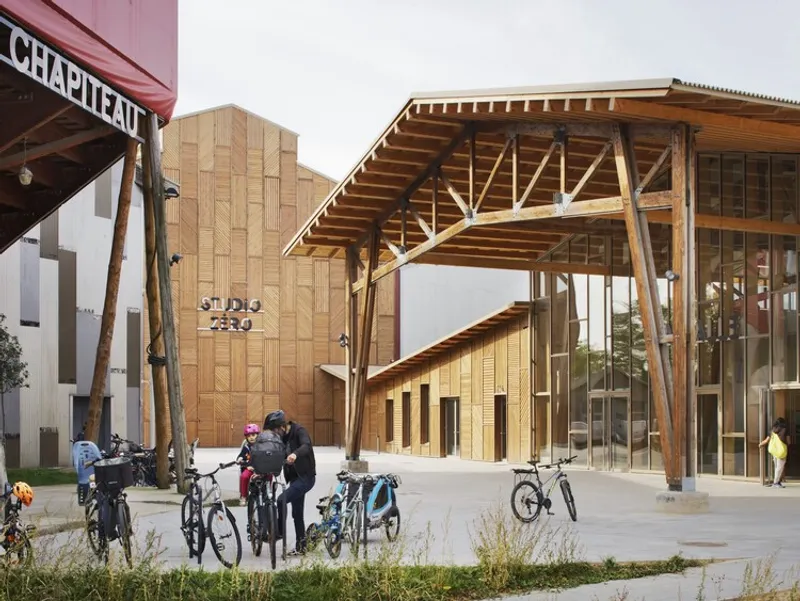
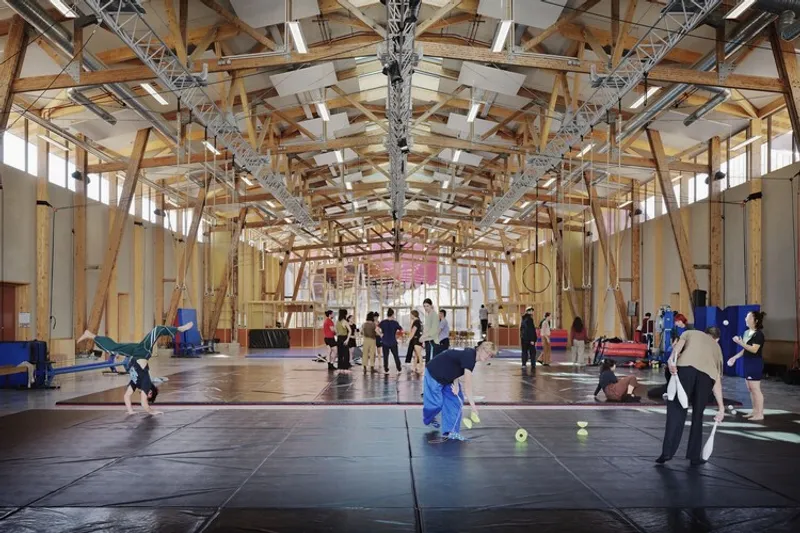
Originally designed as a temporary ensemble by architects Patrick Bouchain and Loïc Julienne, the campus has evolved organically over the past two decades. As the academy expanded in scale, reputation, and activity, the need arose to rethink its spatial organization, functionality, and relationship with the surrounding neighborhood. Atelier du Pont approached this challenge with a philosophy of continuity rather than rupture: preserving the existing buildings, reinforcing their identity, and carefully extending the site to support contemporary pedagogical, artistic, and public needs.
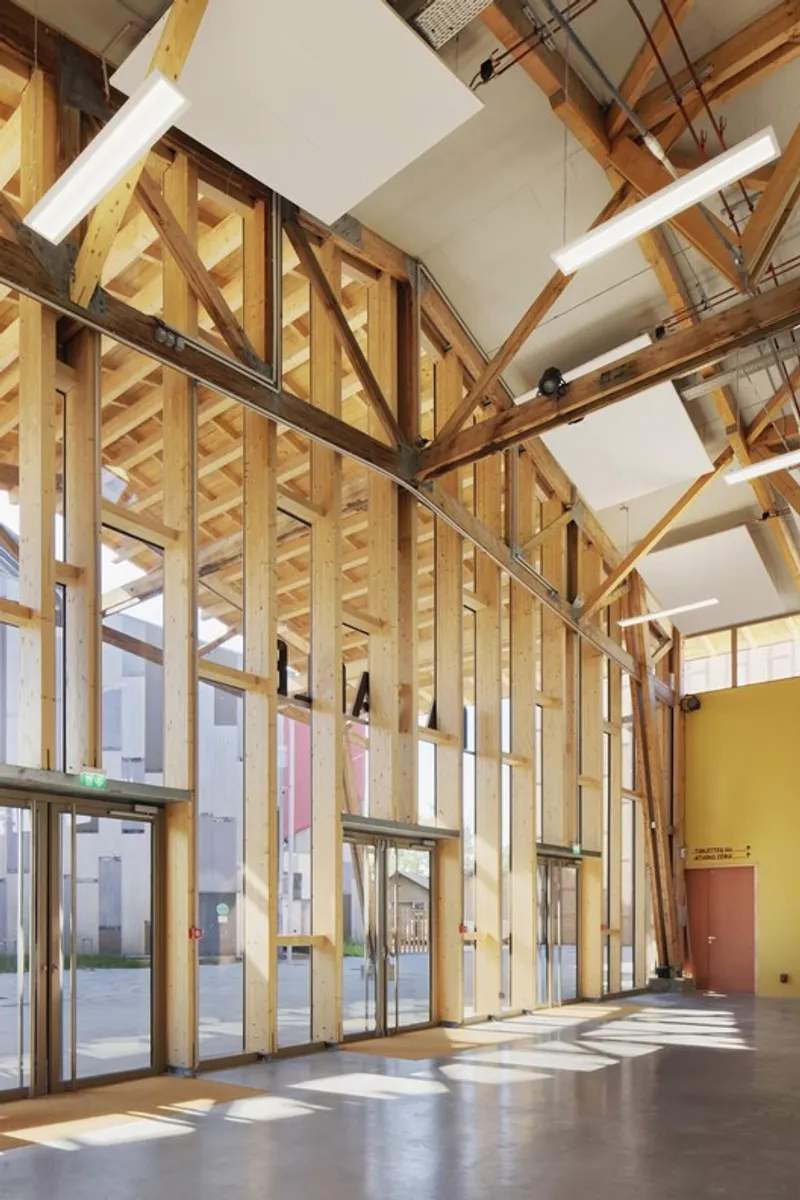
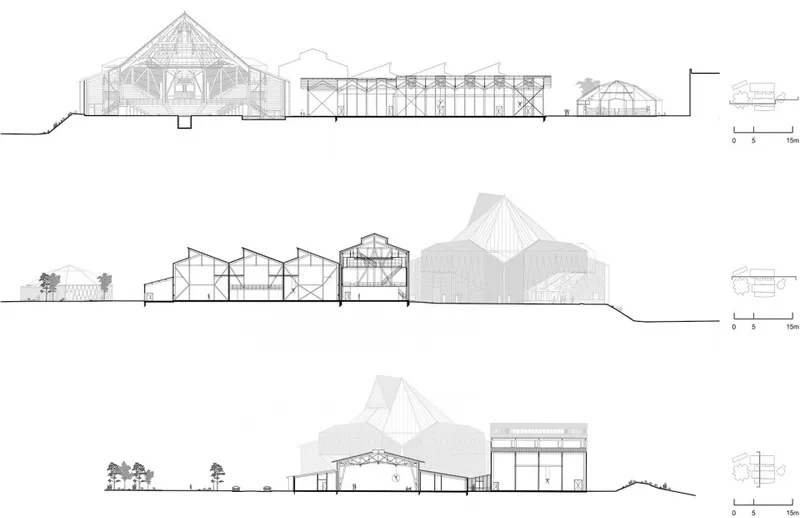
At the heart of the transformation is the reconfiguration of the Halle, now expanded with two lateral wings to form La Grande Halle. This enlarged structure accommodates new spaces for higher education and administration, providing essential facilities for teaching, research, and staff activities. Structural reinforcements allow circus apparatus to be suspended from the roof, freeing the central volume and transforming it into a generous, flexible space for training, rehearsals, and events. The architecture emphasizes adaptability, encouraging simultaneous uses and fluid movement across programs.
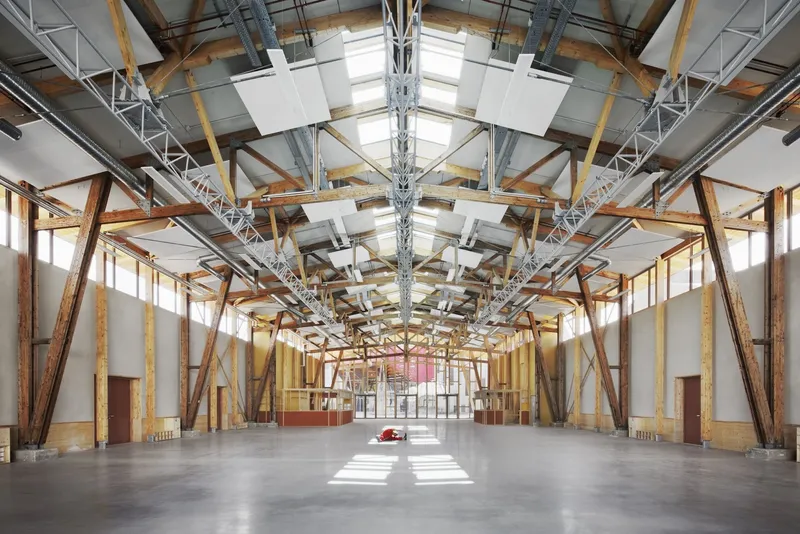
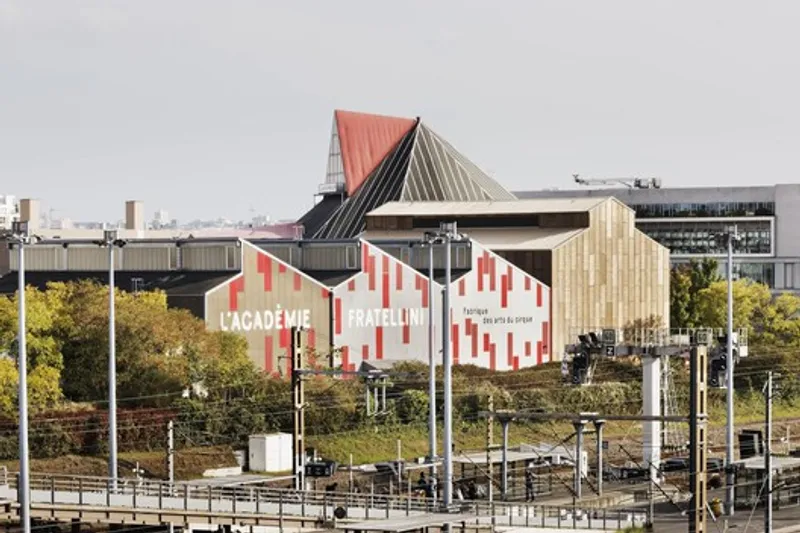
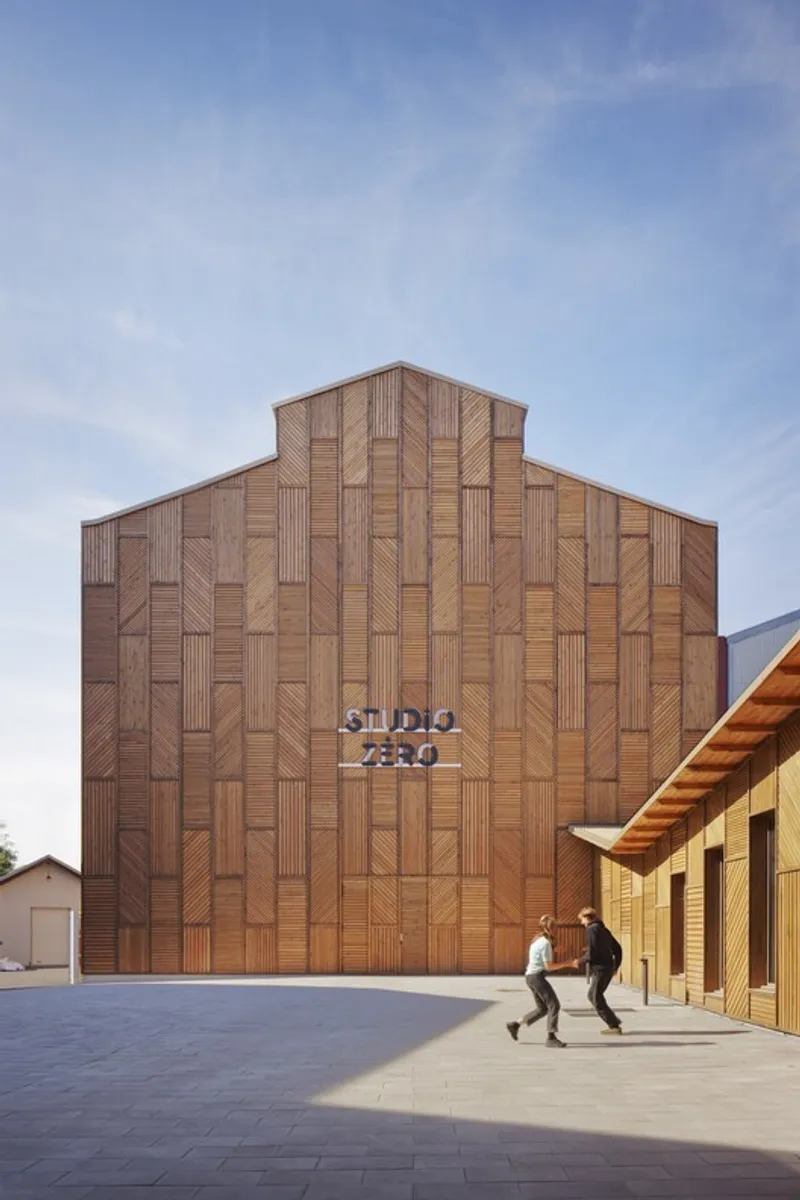
Complementing the existing facilities, a new 17-meter-high creation and performance space, Studio Zéro, has been added. Designed with a frontal configuration tailored to contemporary circus disciplines, the studio expands the academy’s capacity for experimentation, production, and public performance. Together, old and new volumes are woven into a coherent whole through a newly created public square that opens the campus toward the city. This lively outdoor space acts as a threshold between institution and neighborhood, reinforcing the academy’s role as a cultural anchor within Saint-Denis and offering a place for encounter, pause, and conviviality.
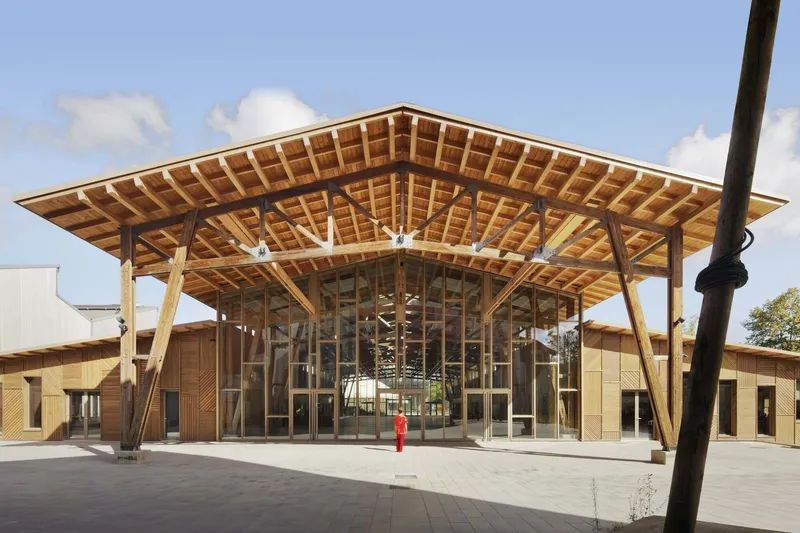
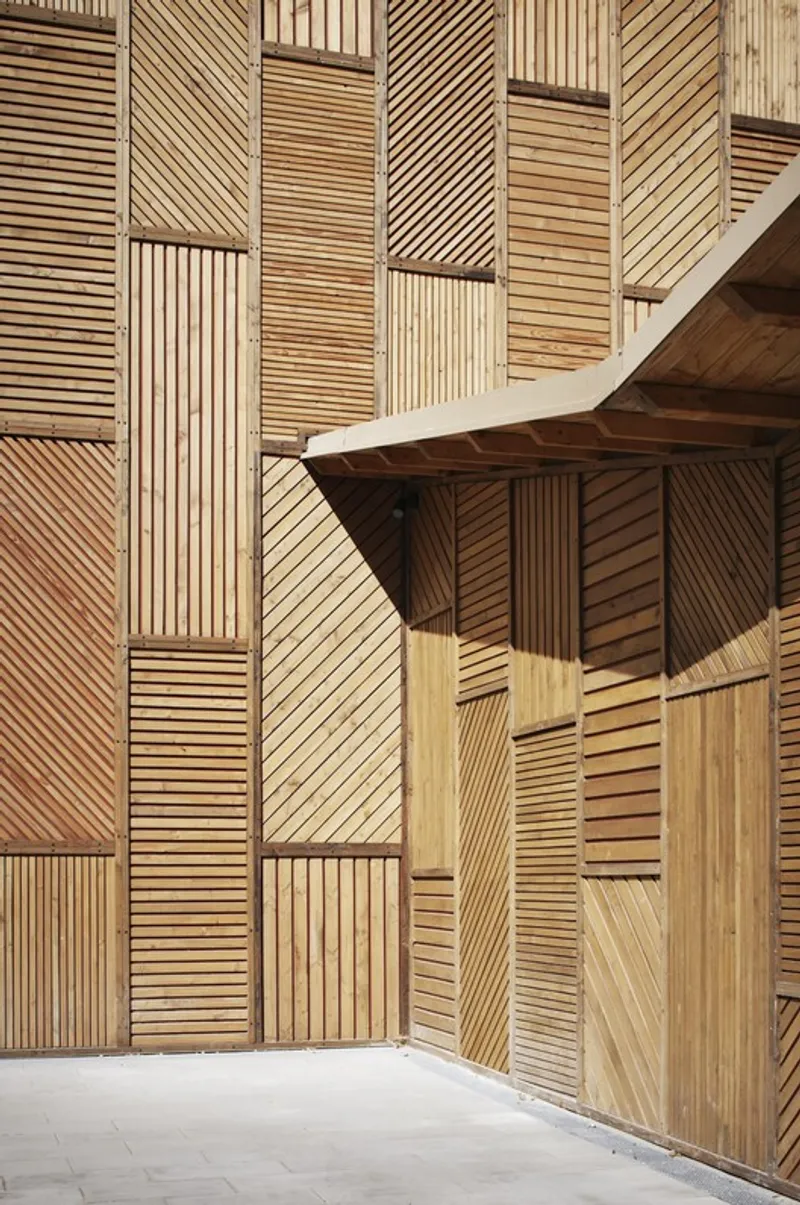
Beyond spatial and cultural ambitions, the project is distinguished by an exemplary environmental approach. The restructuring and extension meet the Bâtiment Durable Francilien Silver standard, reflecting a strong commitment to sustainable architecture. Bio-based and locally sourced materials were prioritized to reduce the project’s carbon footprint and support regional supply chains. In a continuation of the academy’s original ethos, making do with what already exists, Atelier du Pont implemented an unprecedented reuse strategy. A temporary reuse store installed in the Grand Chapiteau during construction facilitated the recycling, transformation, and reintegration of materials, extending the life of resources and embedding circular economy principles directly into the building process.
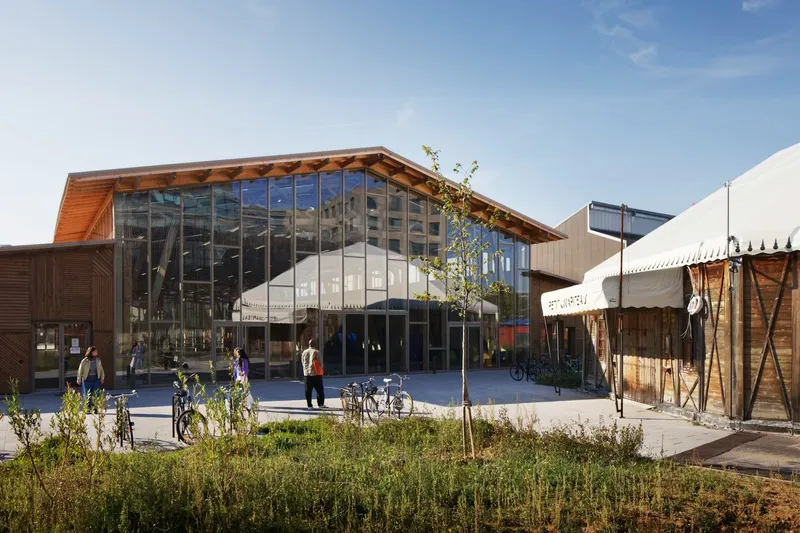
The renewed Académie Fratellini is both resilient and open-ended: a place designed to evolve alongside the artistic practices it hosts. Rooted in its territory, respectful of its architectural legacy, and forward-looking in its environmental and social commitments, the project demonstrates how cultural architecture can grow without losing its soul: supporting creativity, community, and sustainability in equal measure.
All the photographs are works of Camille Gharbi


Popular Articles
Popular articles from the community


GROUP A Strips a 1969 Rotterdam Harbor Headquarters to Its Frame and Wraps It in Timber Louvers
In Rotterdam's M4H harbor district, Ferro Offices reuses a 1969 frame, adds one timber storey and reaches BREEAM-NL Outstanding.

Juan García Correa, John González and Claudia Rueda Sink a Circular Amphitheater into a Manizales Engineering Building
On the La Nubia campus in Manizales, Colombia, the S1 Building folds labs and offices into a hillside of ramped lawns that double as a campus route.

longwave studio Reorganizes a 112 m² Tainan Apartment Around the Daily Routines of a Family and Two Cats
In Tainan, Taiwan, birch plywood, rust-red furniture and a freestanding plaster wall link arrival, storage, work and family life in one apartment.

Architekt Andreas Gruber Scatters 23 Dark Timber Chalets Across a South Tyrolean Forest Edge
In Molini di Tures, Amonti Chalets breaks a resort into a hamlet of gabled timber houses, with parking, storage and services pushed into the slope.

Similar Reads
You might also enjoy these articles


Hodi-Mandai Geram
Project Function: Preservation and revitalization of the Intangible heritage and socio-spatial identity of the Hodi by Housing, Cultural Memory Center, Sacred Grove, landscape, local tourism economy


Olio Towers: A Mid-Rise for Performers That Fuses Housing, Rehearsal, and Stage
Located blocks from Houston's Theater District, this modular tower stacks living units around a central performance atrium.

Oasis: Modular Green Housing Carved into Dhaka's Urban Fabric
A shortlisted Plugin Housing entry reclaims unauthorized settlements in Dhaka with stepped concrete volumes, green roofs, and ventilation-driven design.

Black Hole: A Floating Megastructure for the Post-Physical Era
Emiliano Mazzarotto envisions a spherical, self-scaling arena where e-sports, digital hotels, and holographic stadiums replace traditional public space.

Explore Cultural Architecture Competitions
Discover active competitions in this discipline

Challenge to reimagine the Iron Throne

Photograph architecture without architects

Illustrate the lost glory of Angkor Wat - Render Challenge

Bring back Drive In's
Comments (0)
Please login or sign up to add comments
No comments yet. Be the first to comment!