

Resurrection Chapel by LP architektur: A Minimalist Sacred Space in Austria
The Resurrection Chapel by LP architektur in Austria blends concrete and wood, creating a minimalist, light-filled sacred space for reflection.


The Resurrection Chapel designed by LP architektur in Gemeinde Straß im Attergau, Austria is a powerful example of contemporary sacred architecture that balances simplicity, material honesty, and spiritual symbolism. Completed in 2020 with a modest 50 m² footprint, the chapel transforms an old gravel pit into a contemplative place of worship and reflection.

A Chapel Emerging from the Landscape
Positioned at the extension of a former gravel pit, the chapel establishes a new cultural and spiritual landmark. A striking concrete bracket defines the boundary of the slope, simultaneously anchoring the structure into the topography while creating a distinctive entrance gesture. This architectural move emphasizes the chapel’s role as both a threshold and destination for visitors.


Spatial Journey and Design Concept
Visitors enter through a casually designed forecourt, passing into a covered entrance before reaching the anteroom. Instead of following a direct axis, the spatial journey intentionally diverts the visitor, guiding them from behind into the main chapel hall. This indirect procession creates a sense of transition from the everyday world into a sacred, upward-striving space.
The interior is characterized by a reduction of form and material. By minimizing decoration and focusing on constructional clarity, the chapel cultivates an atmosphere of silence and contemplation—inviting visitors to pause, disconnect, and reflect.


Light, Materiality, and Sacred Atmosphere
At the upper section, the walls gradually dissolve, opening up to vertical façade structures and horizontal interior slats that filter daylight. This interplay of structure and light establishes a spiritual ambiance where shadows, beams, and textures create a profound sense of transcendence.
The use of natural materials enhances this sacred quality. Larch and spruce wood combine with pointed concrete, giving the chapel both warmth and raw monumentality. The contrast between heavy concrete and delicate wooden elements reflects the balance between permanence and spirituality.

Identity and Significance
The Resurrection Chapel embodies an architectural identity that is unmistakably modern yet deeply rooted in tradition. Its design demonstrates how minimalist architecture can achieve spiritual depth without relying on ornamentation. Through its placement in the landscape, material authenticity, and poetic play of light, the chapel becomes a place for gathering, remembrance, and renewal.


All the photographs are works of Albrecht Imanuel Schnabel


Popular Articles
Popular articles from the community


The Amber Palace Opera: A Geological Fiction Surfaces on Tallinn's Baltic Waterfront
Pierre Brillard reimagines a Baltic legend as a public landscape, opera house, and waterfront promenade rooted in Tallinn's coastal identity.
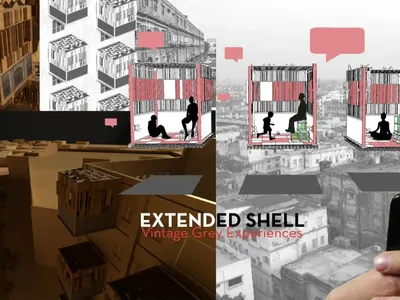
Extended Shell: Retrofitting Kolkata's Balconies as Living Urban Thresholds
A modular retrofit system recovers the social and environmental intelligence of Kolkata's historic verandas for contemporary Park Street residents.
Tsunami Convergenics: Turning Catastrophic Ocean Forces into Underwater Housing Infrastructure
A speculative underwater settlement off the coast of Onagawa, Japan, treats tsunamis and typhoons as energy sources rather than threats.

Temporary Home for Dogs: A Reversed Zoo Rethinks Animal Shelter Architecture
In Bucharest, a sinuous corridor and freed landscape flip the logic of containment, designing a shelter that works to make itself unnecessary.

Similar Reads
You might also enjoy these articles


Hodi-Mandai Geram
Project Function: Preservation and revitalization of the Intangible heritage and socio-spatial identity of the Hodi by Housing, Cultural Memory Center, Sacred Grove, landscape, local tourism economy


Olio Towers: A Mid-Rise for Performers That Fuses Housing, Rehearsal, and Stage
Located blocks from Houston's Theater District, this modular tower stacks living units around a central performance atrium.

Oasis: Modular Green Housing Carved into Dhaka's Urban Fabric
A shortlisted Plugin Housing entry reclaims unauthorized settlements in Dhaka with stepped concrete volumes, green roofs, and ventilation-driven design.

Black Hole: A Floating Megastructure for the Post-Physical Era
Emiliano Mazzarotto envisions a spherical, self-scaling arena where e-sports, digital hotels, and holographic stadiums replace traditional public space.

Explore Chapel Competitions
Discover active competitions in this discipline

Challenge to reimagine the Iron Throne

Photograph architecture without architects

Illustrate the lost glory of Angkor Wat - Render Challenge

Design challenge to reuse E-waste
Comments (0)
Please login or sign up to add comments
No comments yet. Be the first to comment!