
RE·TURN to Nature: Harmonizing Humanity and Wildlife in the Mara-Serengeti Ecosystem
Sustainable architectural project integrating Maasai culture with environmental conservation in Serengeti.


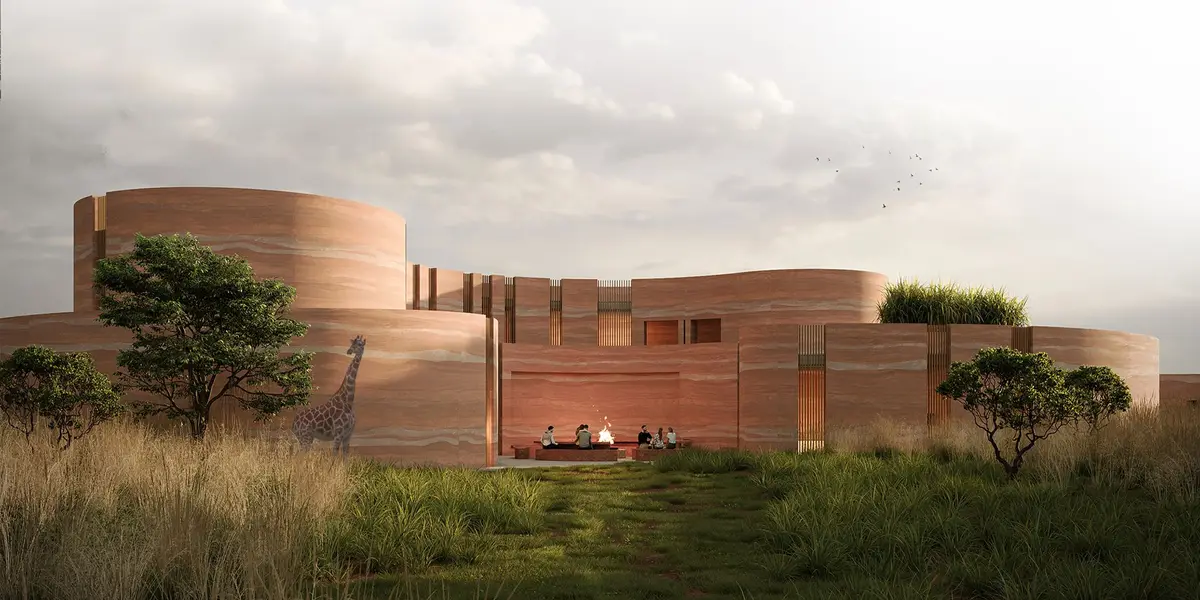
The RE·TURN to Nature project, conceived by Karolina Trębska Winner entry of Nature Untamed, addresses the environmental degradation exacerbated by human civilization. This innovative proposal aims to re-establish the equilibrium between nature and humanity, emphasizing local values and opportunities. By treating humans and wildlife as integral parts of the ecosystem, this project aspires to cultivate a lifestyle deeply connected to nature, inspired by the traditions of the Maasai people.
Components
Maasai Mara-Serengeti Ecosystem Observation Center
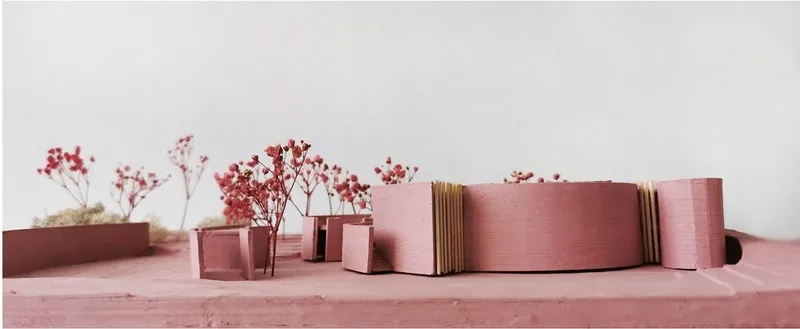
The heart of the project lies in the creation of an observation center and a Soil Organic Carbon (SOC) laboratory. These facilities are designed to blend seamlessly into the landscape, respecting the natural water flow and integrating into the site’s topography.
Cultural and Environmental Significance
The Maasai People
The Maasai's traditional lifestyle is inextricably linked to the natural world. Their activities, from herding to seasonal migrations, are dictated by climatic patterns. The Maasai’s deep respect for their cattle, which they consider family members, exemplifies their harmonious relationship with nature.
Symbolism in Maasai Culture
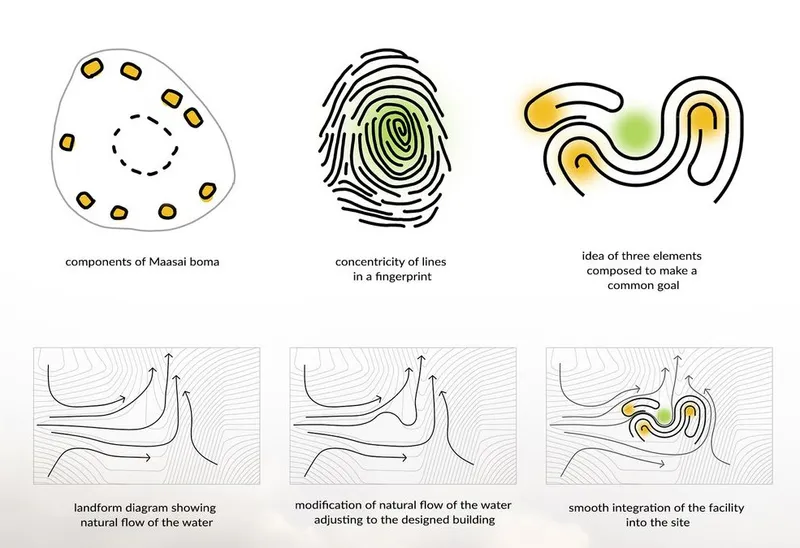
Central to Maasai culture is the insurutia symbol, representing journeys and transitions in both physical and spiritual realms. This motif is reflected in the project's design, echoing the Maasai’s journey from childhood to adulthood and their broader transition through life stages.
Modern Challenges
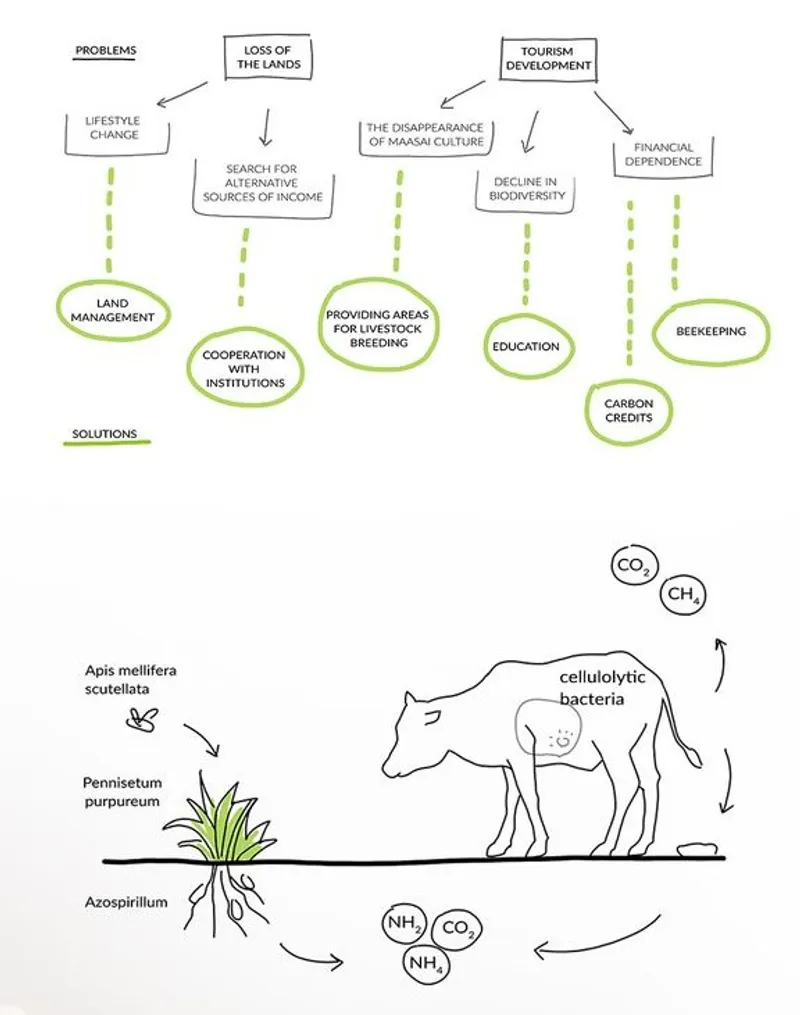
The Maasai have faced significant challenges due to land collectivization, tourism, and climate change. These factors have disrupted their traditional ways, compelling them to adapt to new economic realities while striving to preserve their culture and the environment.
The RE·TURN to Nature project seeks to:
Educate and preserve Maasai culture.
Promote environmental sustainability through carbon sequestration.
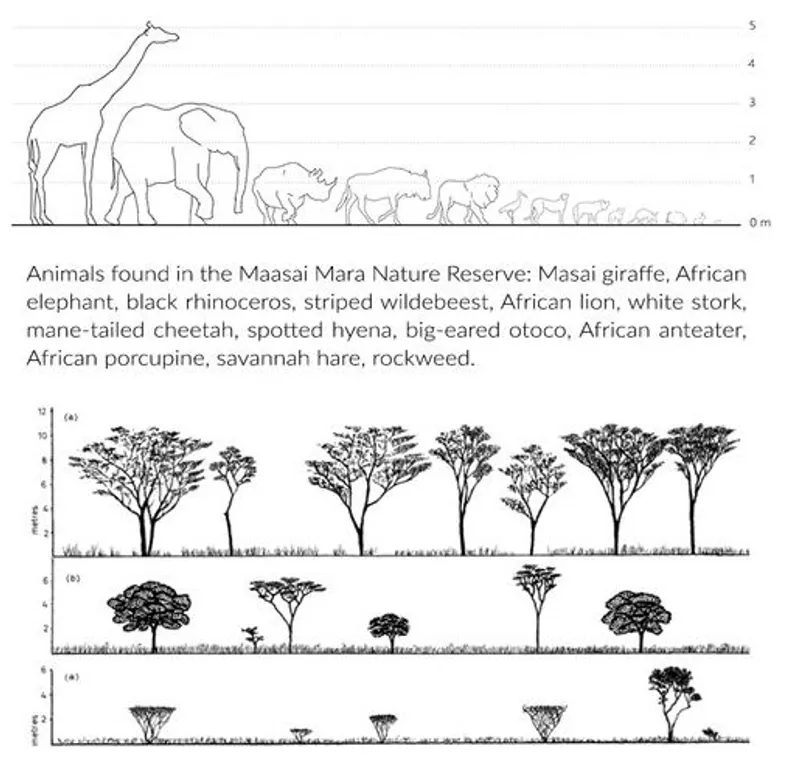
Facilitate wildlife observation and foster a deeper connection to nature.
Design Inspiration
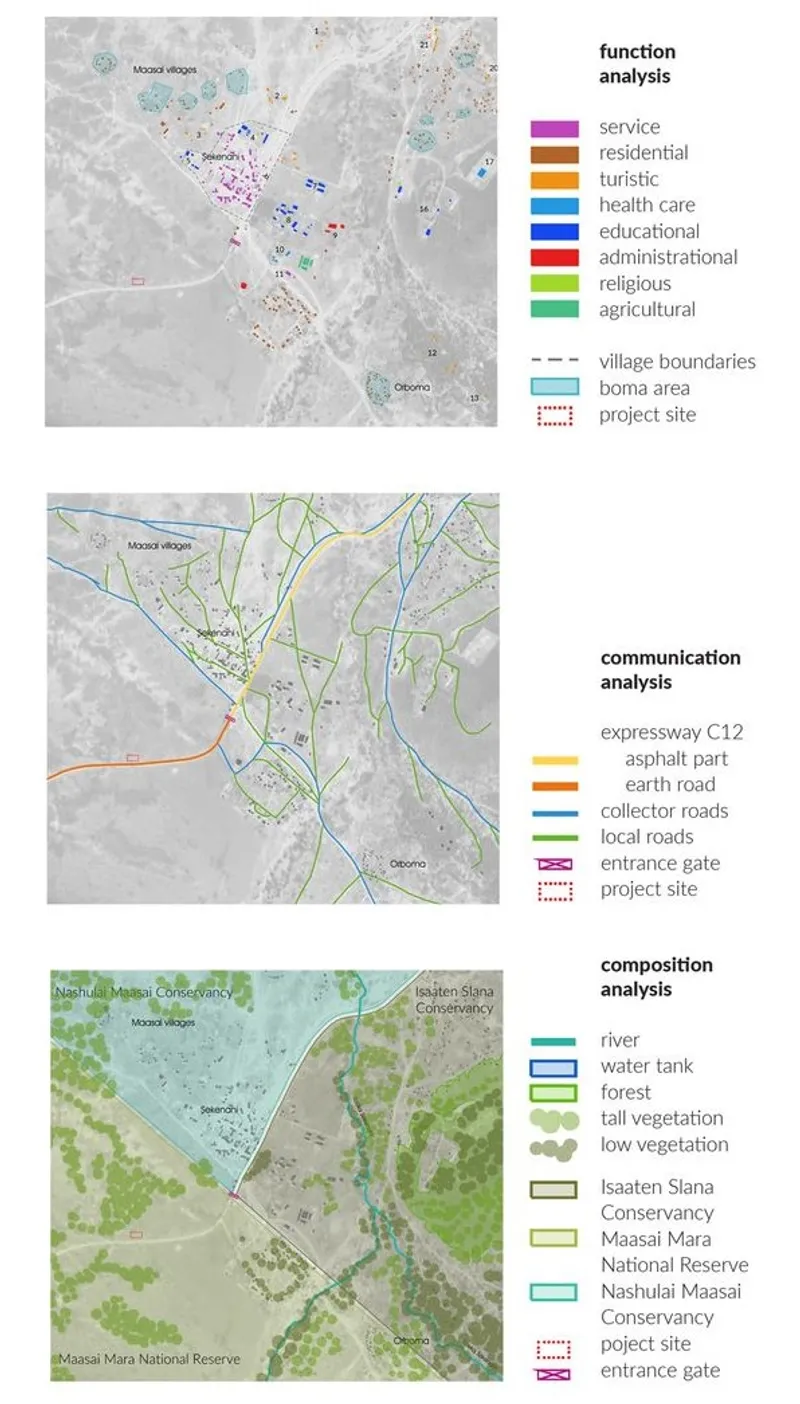
The building’s design draws from the insurutia symbol and human fingerprints, symbolizing humanity’s impact on the environment and the potential for positive change. It aims to evoke reflection on our relationship with nature and inspire a commitment to living in harmony with it.
Site Development
Location
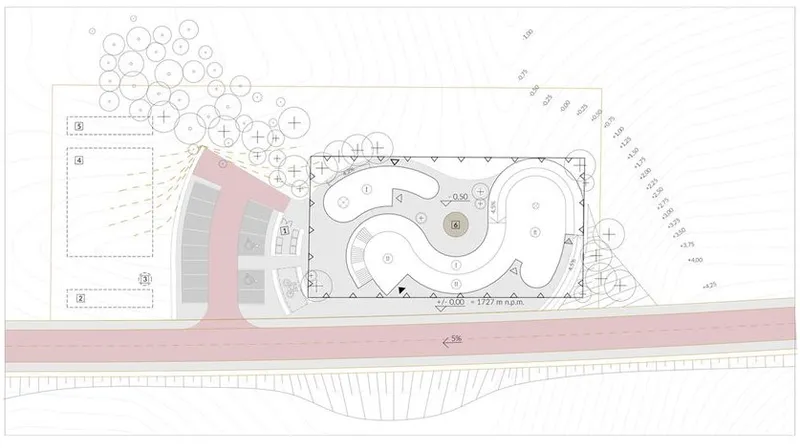
The site is strategically located near the continuation of the C12 expressway, with accessible roads and additional facilities like a bicycle shed, waste collection, and a biological sewage treatment plant.
Facility Functions
The project combines a museum dedicated to Maasai culture, a carbon laboratory, and a viewing terrace. These elements provide educational, research, and recreational opportunities, ensuring a comprehensive approach to environmental and cultural conservation.
Ground Level Features
The ground level includes:
Museum: Narrow corridors symbolize humanity’s limited perspective on nature..
Laboratories: Inspired by the Changing Climate Impact Research Center (CIRC) at Umeå University, these labs measure SOC using advanced methods.
Observatory: Two levels offer expansive views of the savannah and its wildlife.
Community Gathering Place: An outdoor area with clay furnishings arranged around a central fire pit, accessible to all, including wheelchair users.
Level +1 Features
The upper level includes a viewing terrace, office areas, and a conference room. Accessibility is ensured through stairs and ramps, providing seamless movement within the facility.
Sustainable Building Methods
The project employs GLT beams and rammed earth walls, highlighting ecological construction techniques. Rammed earth is durable, fire-resistant, and contributes to soil quality post-dismantling. This method promotes sustainability and aligns with the Maasai’s respect for the environment.
The RE·TURN to Nature project is a visionary initiative that addresses modern environmental challenges by fostering a symbiotic relationship between humanity and wildlife. By drawing inspiration from the Maasai’s deep connection to nature, this project exemplifies a harmonious blend of tradition and innovation, paving the way for a sustainable future.


Popular Articles
Popular articles from the community


Architekt Andreas Gruber Scatters 23 Dark Timber Chalets Across a South Tyrolean Forest Edge
In Molini di Tures, Amonti Chalets breaks a resort into a hamlet of gabled timber houses, with parking, storage and services pushed into the slope.

David Macias Steps a Doorless Stone and Plaster House Down a Tropical Colombian Hillside
In the humid hills of Colombia, Threshold House replaces the front door with an open void and terraces its 850 m² down the slope instead of fighting it.

U.GA Architects Wraps an Oval Rooftop Pool in Curved Board-Formed Concrete on Busan's Jeollidan-gil
In Busan's Jeonpo-dong, a 454 m² mixed-use block stacks a neighborhood facility, guest rooms and an oval rooftop pool inside spiraling concrete walls.

Cube Design Draws an Ecological Corridor Between Two Shenzhen Hills with the Nankai Building
Beside Shenzhen's container docks, the Nankai Building pairs stacked balconies with a climbing green screen to connect two hillsides across its height.

Similar Reads
You might also enjoy these articles


Vereda Arquitetos Renovates a 40-Square-Meter Apartment Inside Niemeyer's Copan Building
A compact unit in São Paulo's most iconic residential tower gets a material overhaul that pairs exposed concrete with bold blue Formica.

Shakur's House: Exposed Brick as an Interior Organiser in a 168 m² Mashhad Residence
Brick moves indoors in this Mashhad residence, where masonry walls, glass partitions and teal planes sequence a compact home without closing it off.

Day and Night Park: A Time-Based Urban Newsstand in Beijing
A temporary urban newsstand in Beijing blending travel, light, and reading through poetic colors, compact form, and community-focused design.

Modernist Patio Renovation in El Masnou, Barcelona by Oliver Segura Arquitectura + Cebrià Arquitectura
Modernist patio renovation blending tradition and innovation with a movable pool, leveled floors, and Catalan materials in El Masnou.

Explore Man & Nature Competitions
Discover active competitions in this discipline

Challenge to reimagine the Iron Throne

Photograph architecture without architects

Illustrate the lost glory of Angkor Wat - Render Challenge

Design challenge to reuse E-waste
Comments (0)
Please login or sign up to add comments
No comments yet. Be the first to comment!