

Revolutionary Stad Ship Tunnel Surges Forward - Is the Future of Transportation Here?
Norwegian Milestone: World's First Full-Scale Ship Tunnel to Reduce Travel Time and Boost Trade Efficiency!

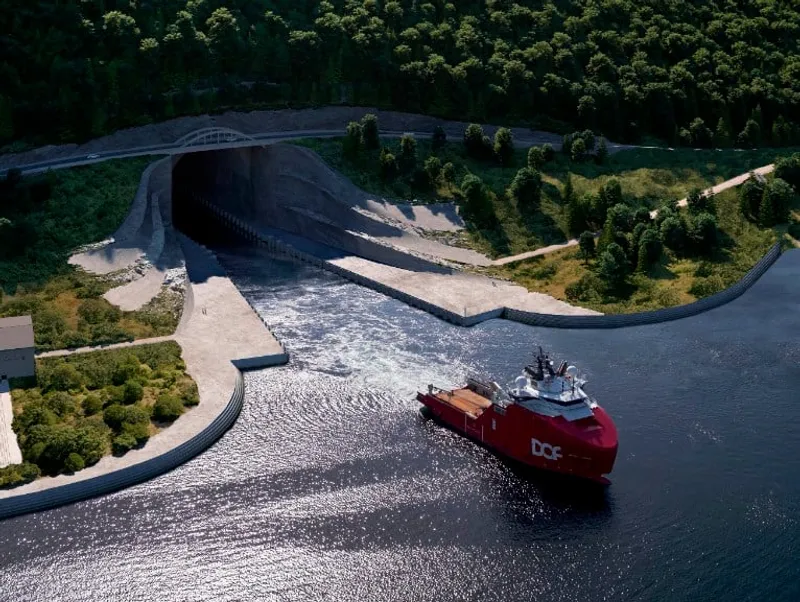
In a world-first project, the Norwegian Coastal Administration has commissioned the construction of the Stad Ship Tunnel to improve the navigability and safety of maritime transport in the challenging and dangerous Stad Sea. Designed by Snøhetta, the tunnel will be 1.7 kilometers long, 37 meters tall, and 36 meters wide, making it capable of accommodating large vessels and providing a safer voyage along the weather-beaten coast.
The Stad Sea is an exposed and dangerous stretch of coastline, where challenging ocean currents and underwater topography create complex and unpredictable wave conditions. The combination of strong winds and high waves can create critical situations for boat traffic, making sailing conditions difficult even on days with little wind. With the tunnel's construction, the aim is to provide a safer and more efficient route for vessels to travel along the coast.
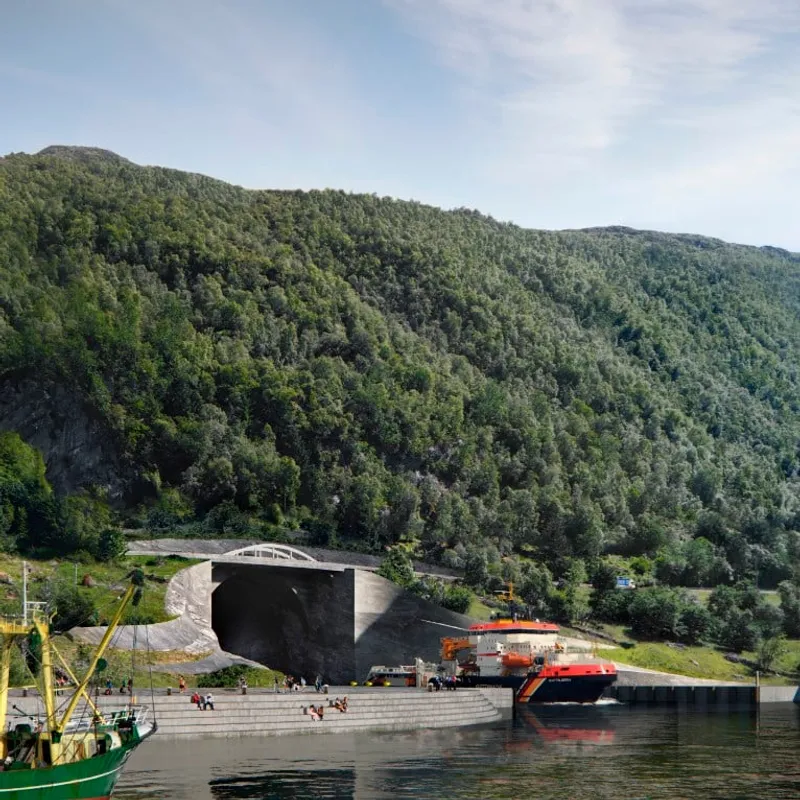
Construction of the Stad Ship Tunnel will commence in 2021, to have the first ship sailed through in 2025/2026. The design of the tunnel entrances by Snøhetta focuses on merging the surrounding natural and cultural landscape with the tunnel's large scale. The area's cultural landscape is dominated by characteristic stone walls, forming clear lines in the cultivated forest. These stone walls are brought into the design of the entrances, creating slightly sloping terraces that blend in as natural elements of the landscape.
To achieve the terraces' natural rough form, wire-cutting and blasting will be used within the precise geometry of the horizontal lines. This design approach creates a link to the area's cultural landscape while providing structural stability for the portal. The stacked stone walls create soft horizontal lines, providing a beautiful visual impression that merges with the landscape. This approach highlights the importance of merging architecture with the surrounding environment, creating a project that is not only functional but also visually stunning.
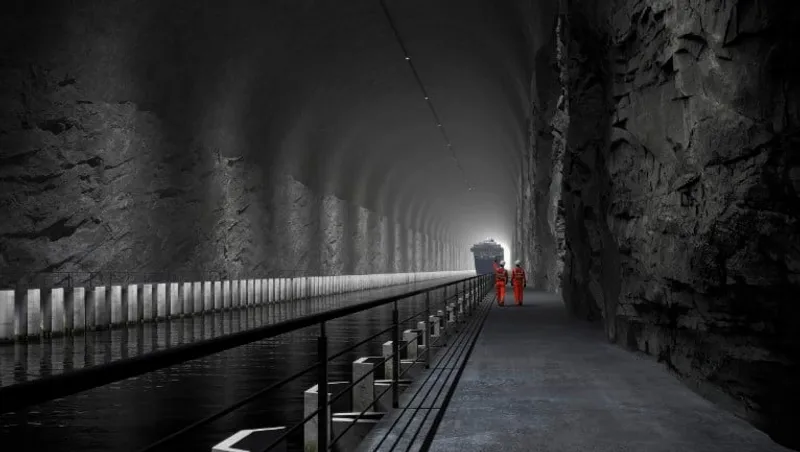
The Stad Ship Tunnel project is a significant milestone in the world of maritime transportation, and its construction will have a significant impact on the safety and efficiency of maritime traffic in the area. The tunnel will provide a safer route for vessels to travel through the challenging and dangerous Stad Sea, reducing the risk of accidents and improving the safety of the crew and cargo. Furthermore, the project's design approach highlights the importance of considering the surrounding environment and cultural landscape in architectural projects, creating a harmonious relationship between architecture and nature.
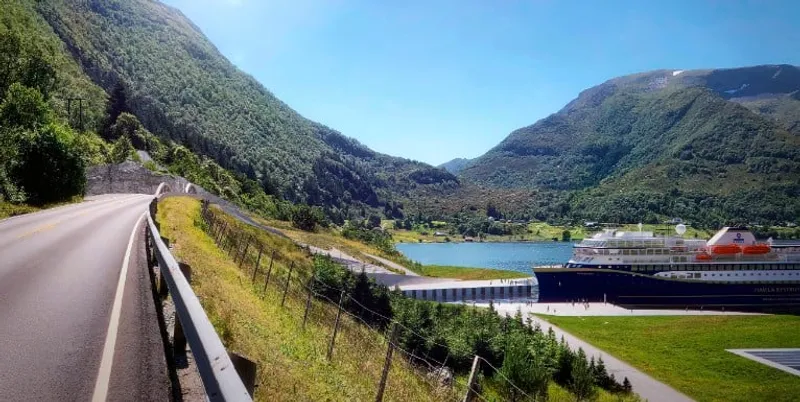
In conclusion, the Stad Ship Tunnel project is a significant step forward in maritime transportation and architecture. The project's design approach merges the surrounding natural and cultural landscape with the tunnel's large scale, creating a harmonious relationship between architecture and nature. The construction of the tunnel will provide a safer route for vessels to travel along the challenging and dangerous Stad Sea, reducing the risk of accidents and improving the safety of the crew and cargo. The Stad Ship Tunnel project is a world-first project that will have a significant impact on the safety and efficiency of maritime traffic in the area, highlighting the importance of considering the surrounding environment and cultural landscape in architectural projects.
References (1)


Popular Articles
Popular articles from the community

Temporary Home for Dogs: A Reversed Zoo Rethinks Animal Shelter Architecture
In Bucharest, a sinuous corridor and freed landscape flip the logic of containment, designing a shelter that works to make itself unnecessary.

The Amber Palace Opera: A Geological Fiction Surfaces on Tallinn's Baltic Waterfront
Pierre Brillard reimagines a Baltic legend as a public landscape, opera house, and waterfront promenade rooted in Tallinn's coastal identity.
Cloaked Colonization: A Mobile Underwater Habitat That Moves Like a Fish
Micah Abaya's shortlisted EHC Pacific entry reimagines ocean settlement as a dispersed network of self-sustaining architectural organisms.

Manzana Morphosis: Stretching Barcelona's Grid into a Living Landscape for 2050
A radical reworking of the Eixample manzana turns density into a tool for generous public space, vertical ecology, and environmental performance.

Similar Reads
You might also enjoy these articles
116 Rokeby Building, Collingwood
Sustainable Collingwood office building featuring double-skin façade, natural ventilation, rooftop amenities, and carbon-neutral design focused on wellbeing and longevity.
Contemporary Apartment Renovation in Spain: RV House by BIAN Opens Up to the Sea
A minimalist 1930s apartment in Santander is transformed into a flexible, sea-facing home through contemporary Spanish renovation.
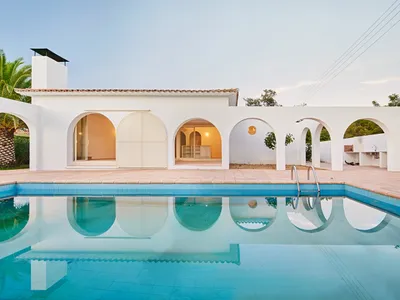
3 Marías House: A Contemporary Mediterranean Courtyard Retreat by Bajet Giramé + Burckhardt
Mediterranean courtyard home blending traditional architecture with modern design, terracotta flooring, flexible interiors, sustainable climate strategies, and garden integration.
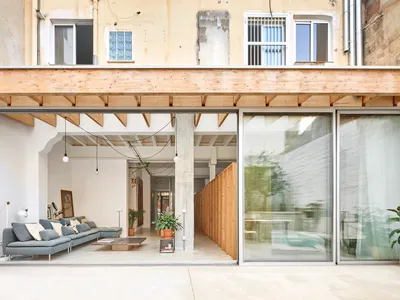
NZ10 Apartment by auba studio: Adaptive Reuse in Palma de Mallorca
Adaptive reuse apartment transforms bakery into light-filled home with patios, privacy layers, and wood interiors enhancing urban living experience.

Explore Transportation Competitions
Discover active competitions in this discipline


Challenge to reimagine the Iron Throne

Photograph architecture without architects

Illustrate the lost glory of Angkor Wat - Render Challenge

Design challenge to reuse E-waste
Comments (0)
Please login or sign up to add comments
No comments yet. Be the first to comment!