

Revolutionary Ventilated Facades: Transforming Building Rehabilitation for Energy Efficiency
Can Ventilated Facades be the Key to Sustainable Building Renovation?


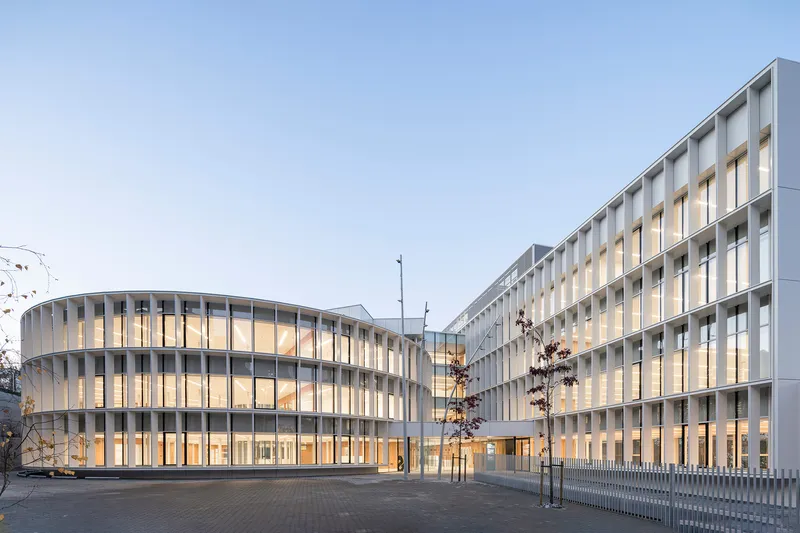
In the pursuit of creating sustainable and comfortable environments, architects are increasingly turning to refurbishment processes to enhance the energy performance of existing buildings. This approach not only improves functionality, aesthetics, and safety but also presents an opportunity to create more sustainable spaces. One key aspect of these architectural renovations is the reimagining of a building's envelope, and this is where STACBOND's composite panel solutions for ventilated facades come into play. By minimizing energy consumption and optimizing thermal insulation, moisture management, and thermal mass, these facade systems offer an innovative and efficient strategy for energy-efficient building rehabilitation.

Ventilated facades are the cornerstone of this approach, featuring a range of key components such as anchors, an insulating layer, an external leaf, and crowning elements. The seamless integration of these components results in a highly efficient and functional structure for exterior enclosures. Anchors secure spaces on the interior leaf, while profiles provide support assemblies. The insulating layer enhances thermal and acoustic insulation, and the external leaf acts as a barrier, creating a "chimney effect" that separates the interior and exterior environments. Completing the system, the crown blocks water and allows ventilation.

The ventilated facade system works by placing an insulating layer and an outer leaf on top of an inner leaf, with a gap in between for airflow. This design strategy enables natural ventilation and moderates the exchange of heat, air, and light between the building's interior and exterior, resulting in improved energy efficiency and indoor comfort.
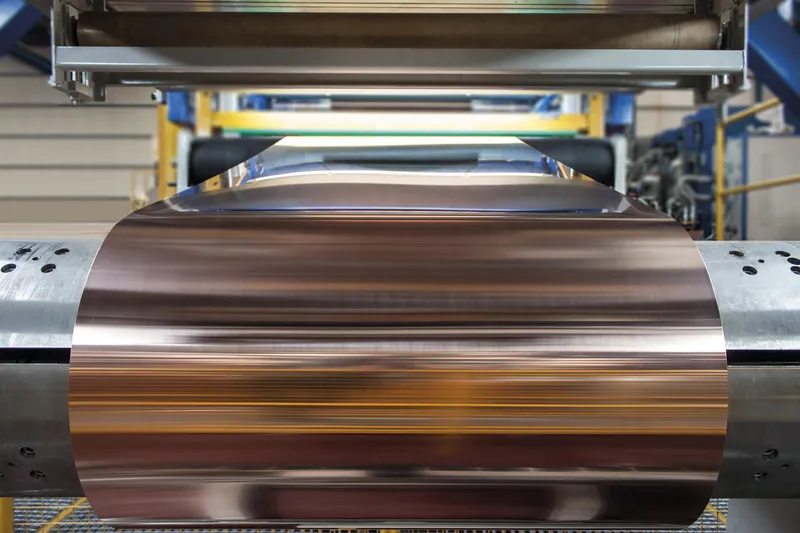
Beyond energy savings, ventilated facade systems offer numerous advantages in terms of habitability and construction. By reducing thermal jumps, avoiding humidity and thermal bridges, and lightening the building envelope, these systems contribute to a more sustainable and comfortable built environment. The use of lightweight materials, such as aluminum, for the exterior cladding further facilitates transportation, installation, and long-term maintenance.
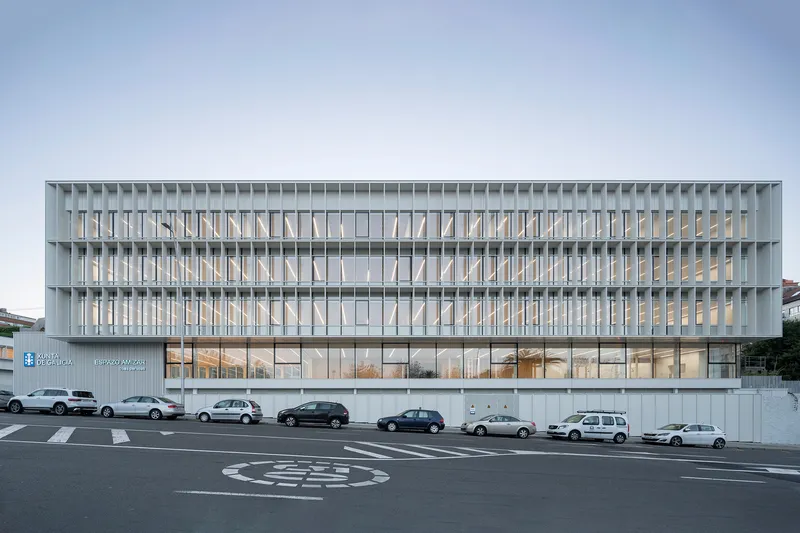
When it comes to selecting the ideal material for ventilated facades, STACBOND's aluminum composite panels (ACP) stand out. Comprising two aluminum sheets and an inner mineral filler core, the ACP offers excellent mechanical properties, including flexural rigidity, reduced weight, surface flatness, durability, and ease of maintenance. Additionally, being a recyclable material, it aligns with sustainable design principles, minimizing the environmental impact of architectural projects.
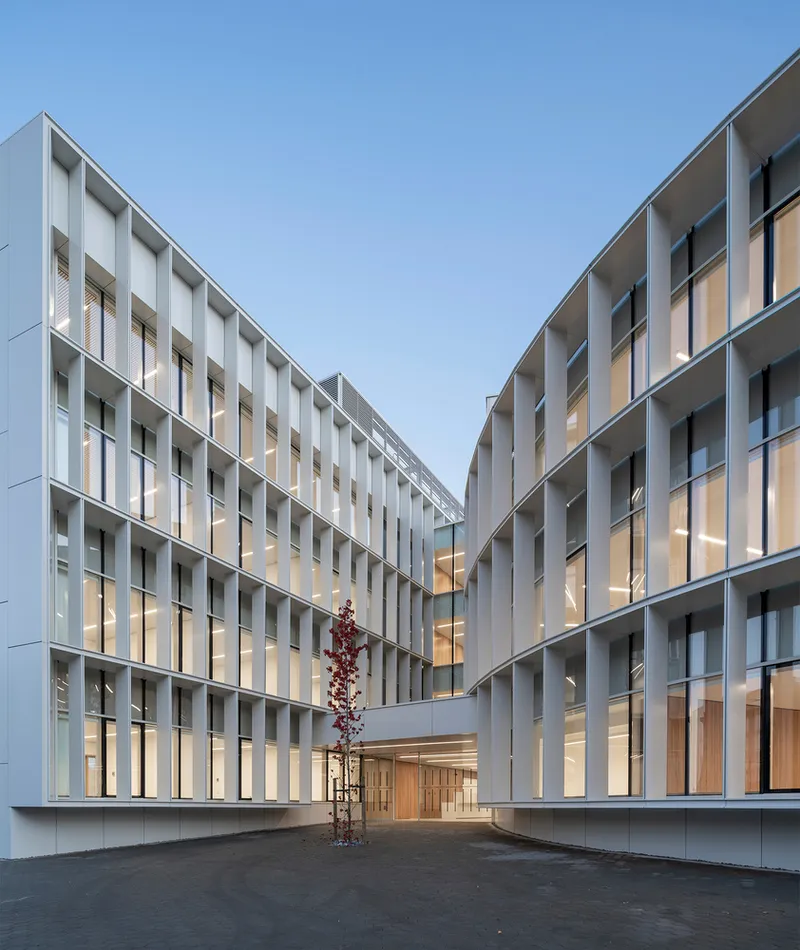
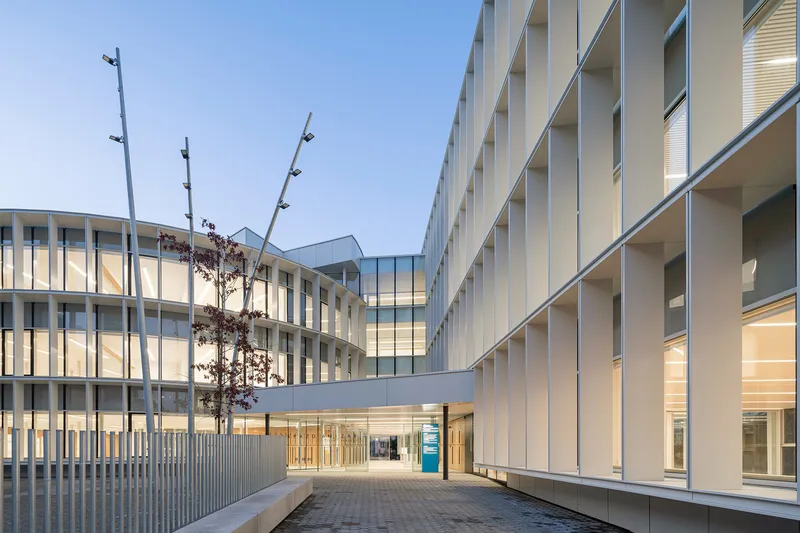
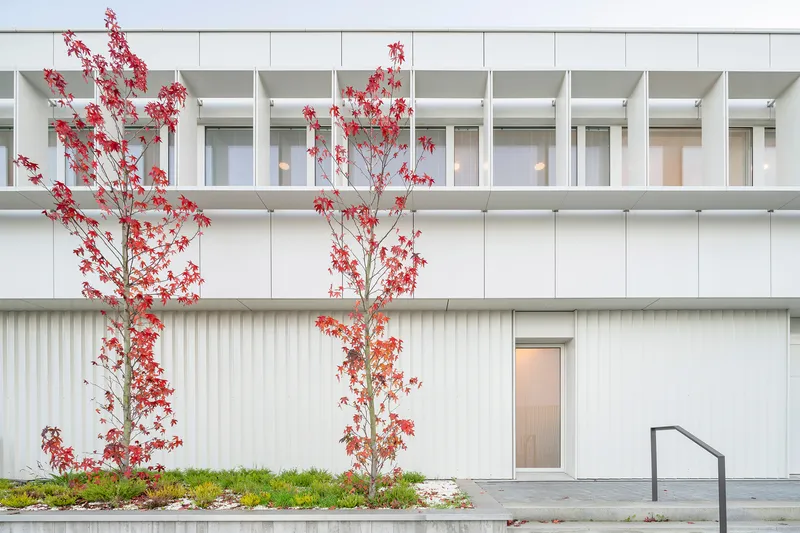
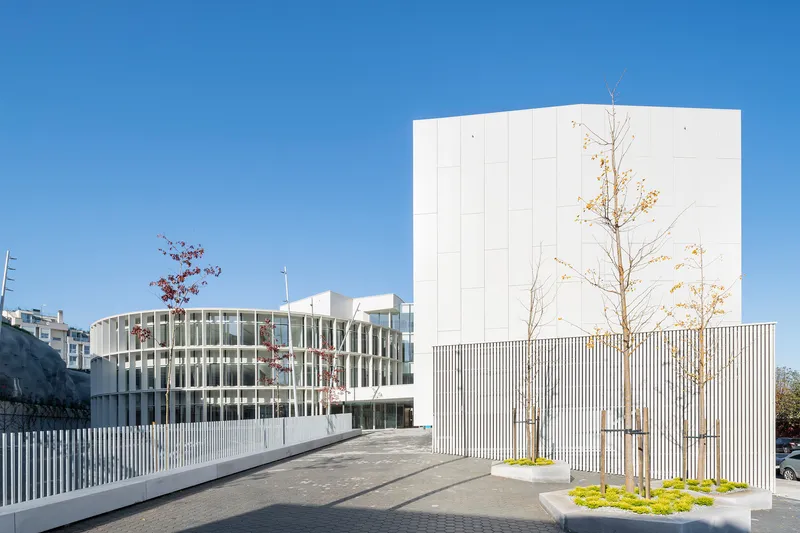
STACBOND's ACP systems come in a wide range of colors, textures, and finishes, making them suitable for various architectural contexts, whether new constructions or renovations of ventilated facades. Notably, the rehabilitation of Espazo Amisar, a governmental building in A Coruña, Spain, exemplifies the transformative potential of ventilated facades. The integration of STACBOND's ACP panels revitalized the entire complex, resulting in a renewed, functional, and durable volume. The contemporary materials and construction systems used in the project enhanced aesthetics while providing energy savings, easy maintenance, and adaptability to the existing structure.
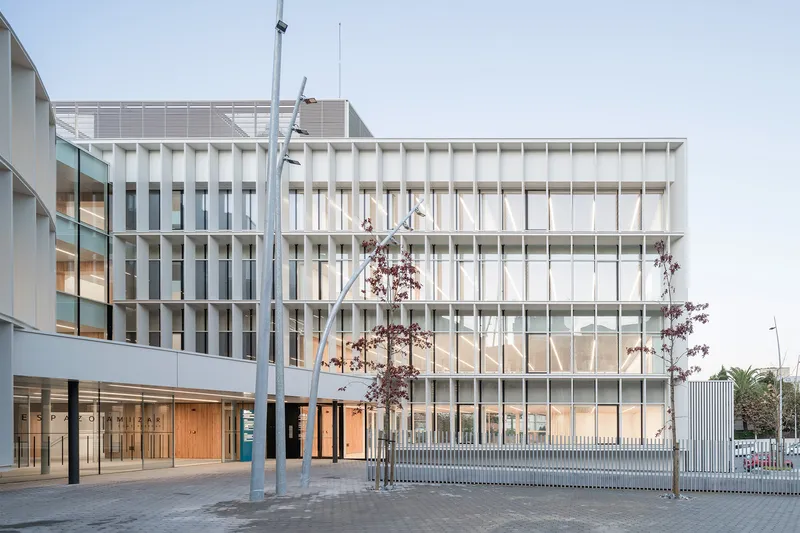
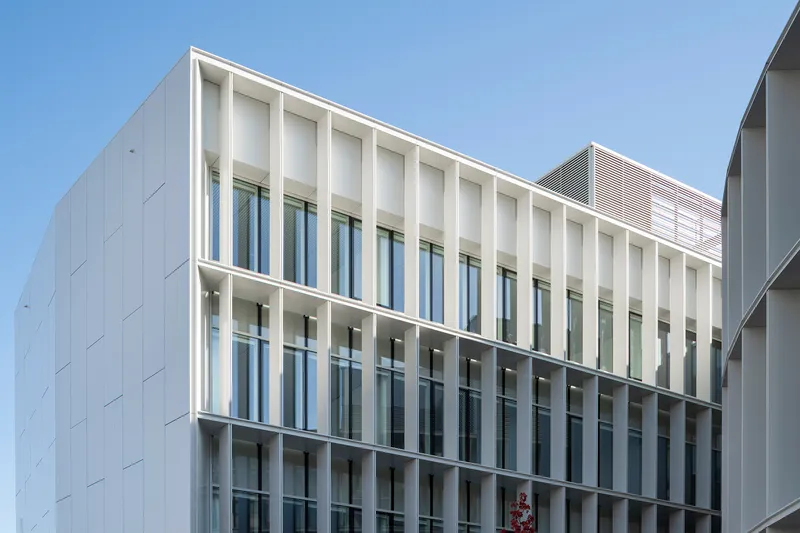
The rehabilitation process of Espazo Amisar employed STACBOND FR composite panels, which consist of two aluminum sheets and an inner fire-retardant core. Beyond their mechanical properties, including high impact resistance and dimensional stability, these panels comply with fire resistance classifications, ensuring safety and compliance with regulations.
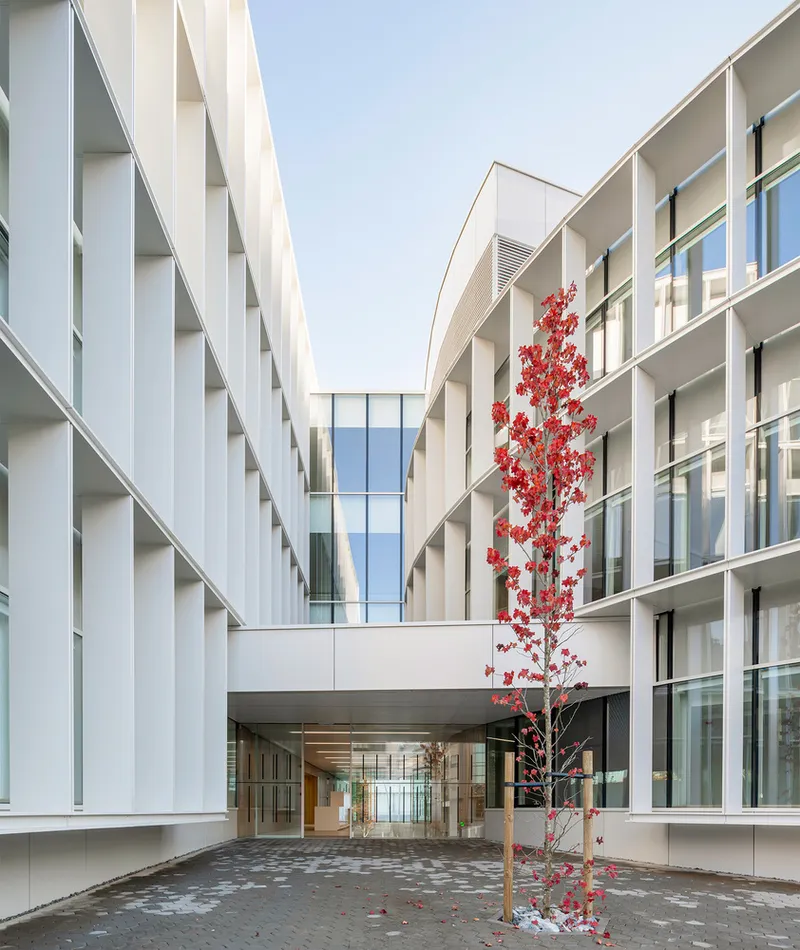
With a range of construction and installation systems available for composite panels, architects have greater flexibility to meet specific architectural facade requirements, and optimize solutions, finishes, and costs.




Popular Articles
Popular articles from the community


The Amber Palace Opera: A Geological Fiction Surfaces on Tallinn's Baltic Waterfront
Pierre Brillard reimagines a Baltic legend as a public landscape, opera house, and waterfront promenade rooted in Tallinn's coastal identity.
Extended Shell: Retrofitting Kolkata's Balconies as Living Urban Thresholds
A modular retrofit system recovers the social and environmental intelligence of Kolkata's historic verandas for contemporary Park Street residents.

Manzana Morphosis: Stretching Barcelona's Grid into a Living Landscape for 2050
A radical reworking of the Eixample manzana turns density into a tool for generous public space, vertical ecology, and environmental performance.

Singing Woman: An Opera House That Performs Before the Curtain Rises
Ovidiu Cristian Pavel's conceptual opera house translates Estonia's choral identity into a sculpted waterfront landmark facing the Baltic Sea.

Similar Reads
You might also enjoy these articles
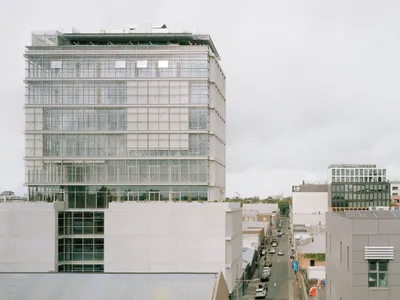
116 Rokeby Building, Collingwood
Sustainable Collingwood office building featuring double-skin façade, natural ventilation, rooftop amenities, and carbon-neutral design focused on wellbeing and longevity.
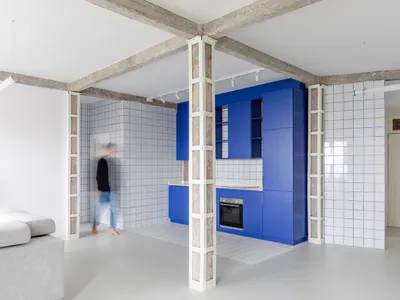
Contemporary Apartment Renovation in Spain: RV House by BIAN Opens Up to the Sea
A minimalist 1930s apartment in Santander is transformed into a flexible, sea-facing home through contemporary Spanish renovation.
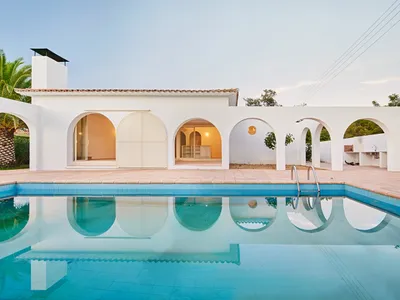
3 Marías House: A Contemporary Mediterranean Courtyard Retreat by Bajet Giramé + Burckhardt
Mediterranean courtyard home blending traditional architecture with modern design, terracotta flooring, flexible interiors, sustainable climate strategies, and garden integration.
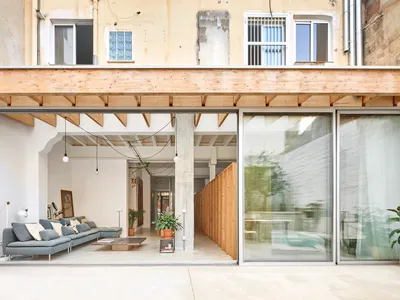
NZ10 Apartment by auba studio: Adaptive Reuse in Palma de Mallorca
Adaptive reuse apartment transforms bakery into light-filled home with patios, privacy layers, and wood interiors enhancing urban living experience.

Explore Kinetic Façade Competitions
Discover active competitions in this discipline

Challenge to reimagine the Iron Throne

Photograph architecture without architects

Illustrate the lost glory of Angkor Wat - Render Challenge

Design challenge to reuse E-waste
Comments (0)
Please login or sign up to add comments
No comments yet. Be the first to comment!