

Revolutionizing Urban Spaces with Computational Design: Urban Furniture & Installations
Exploring the Potential of Parametric Design in Transforming Urban Spaces: A Call for Innovative Solutions in Urban Furniture & Installations


Urban environments are constantly evolving, and with them, the need for innovative solutions to enhance communal spaces. The BeeGraphy Design Awards’ third category, Urban Furniture & Installations, invites designers to reimagine how we interact with urban landscapes through the lens of computational design. This competition is not only a call to create functional and aesthetic urban elements but also a platform to explore the potential of parametrization in shaping our cities.
The Role of Computational Design in Urban Furniture
Computational design leverages algorithms and digital tools to create complex, customizable designs that respond to specific parameters. This approach is particularly transformative in urban furniture and installations, where adaptability and efficiency are paramount. With computational design, designers can create bespoke solutions that cater to the unique needs of urban environments, enhancing both functionality and user experience.
Examples of Computational Design in Urban Spaces:
Metropol Parasol, Seville, Spain: Designed by Jürgen Mayer, the Metropol Parasol is a striking example of computational design in urban installations. This massive wooden structure serves as a public space, offering shade, seating, and an elevated walkway. The use of parametrization allowed the designers to optimize the form and function of the parasol, creating a multifunctional urban landmark.

V-Plaza, Marijampolė, Lithuania: Designed by 3deluxe, V-Plaza is an urban regeneration project that transforms a former industrial site into a vibrant public space. The design incorporates parametric benches and installations that adapt to the site’s topography and user flow, enhancing the functionality and aesthetics of the area.
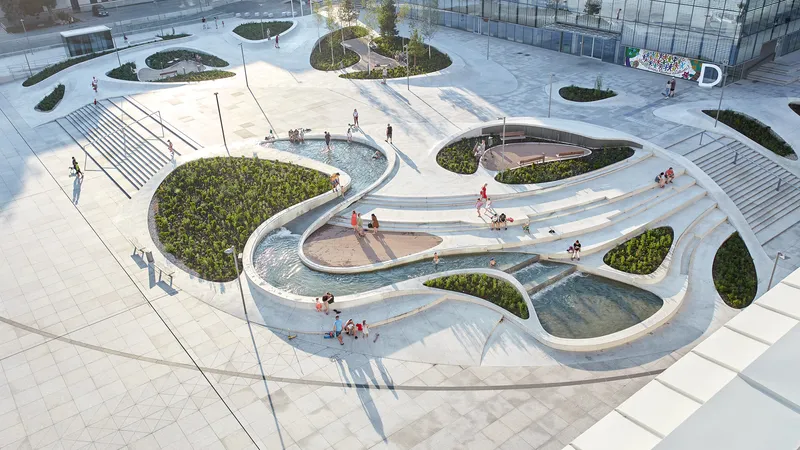
Yongning River Park, Taizhou, China: This project by Turenscape features parametric design in its urban furniture and landscaping. The use of computational design allowed for the creation of dynamic seating areas and interactive installations that respond to the natural environment, promoting sustainability and community engagement.

Designing for the Future
The Urban Furniture & Installations category of the BeeGraphy Design Awards encourages participants to explore the potential of computational design in urban contexts. Here’s what we’re looking for:
- Innovation and Creativity: Designs should push the boundaries of traditional urban furniture, offering unique solutions that enhance user experience and interaction.
- Functionality and Aesthetics: While aesthetic appeal is crucial, designs must also be practical and user-friendly, catering to the diverse needs of urban populations.
- Parametrization: Use BeeGraphy’s powerful computational tools to create adaptable, efficient designs that can be easily fabricated using digital methods such as 3D printing, CNC machining, or laser cutting.
- Sustainability: Consider the environmental impact of your design, opting for sustainable materials and processes wherever possible.

Important Dates:
- Submission Deadline (Stage 1): 2nd September 2024
- Community Voting & Announcement of Shortlisted Entries: 10th September 2024
The BeeGraphy Design Awards offer a unique opportunity for designers to showcase their skills and creativity in the realm of urban furniture and installations. By harnessing the power of computational design, participants can create innovative solutions that enhance the livability and aesthetics of urban spaces. We invite you to join us in this exciting journey and redefine the future of urban environments.
To learn more about the competition and sign up for our upcoming workshop. Let’s shape the cities of tomorrow with the power of computational design!


Popular Articles
Popular articles from the community

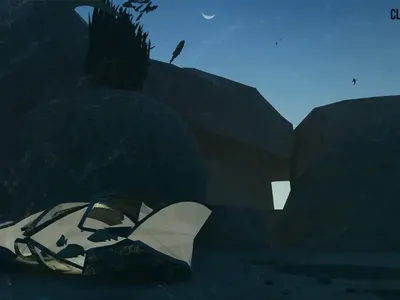
Cloaked Colonization: A Mobile Underwater Habitat That Moves Like a Fish
Micah Abaya's shortlisted EHC Pacific entry reimagines ocean settlement as a dispersed network of self-sustaining architectural organisms.

Manzana Morphosis: Stretching Barcelona's Grid into a Living Landscape for 2050
A radical reworking of the Eixample manzana turns density into a tool for generous public space, vertical ecology, and environmental performance.

Opera on the Sea: Driftwood Logic Shapes a Timber Opera House on Estonia's Coast
Trevor Orgill's opera house translates the entangled drift of floating timber into a civic building where wood, water, and music converge.
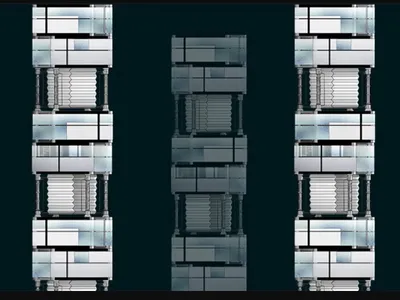
Tsunami Convergenics: Turning Catastrophic Ocean Forces into Underwater Housing Infrastructure
A speculative underwater settlement off the coast of Onagawa, Japan, treats tsunamis and typhoons as energy sources rather than threats.

Similar Reads
You might also enjoy these articles

Day and Night Park: A Time-Based Urban Newsstand in Beijing
A temporary urban newsstand in Beijing blending travel, light, and reading through poetic colors, compact form, and community-focused design.

Modernist Patio Renovation in El Masnou, Barcelona by Oliver Segura Arquitectura + Cebrià Arquitectura
Modernist patio renovation blending tradition and innovation with a movable pool, leveled floors, and Catalan materials in El Masnou.
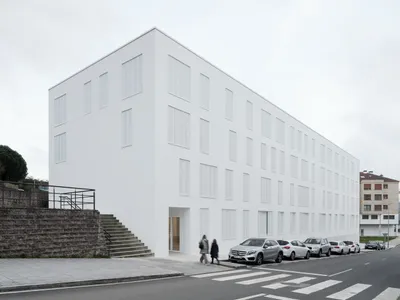
Alto Residencial Coop: Cooperative Housing Development in Santiago de Compostela by Carbajo Barrios Arquitectos
A linear cooperative housing complex blending white volumes and perforated metal façades, enhancing community living, natural light, privacy, and urban integration.
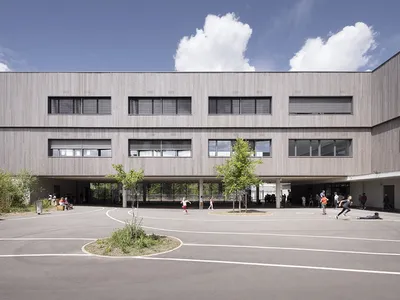
Vil Genis School by BPA ARCHITECTURE – Massy, France
Vil Genis School in Massy, France, features sustainable design, south-facing classrooms, community integration, accessible spaces, and modern educational architecture.

Explore Simulated Urban Design Competitions
Discover active competitions in this discipline

Challenge to design a portable theatre

Challenge to design a portable music platform

Challenge to design an open learning module for the elderly

Competition to design a workstation for architects
Comments (0)
Please login or sign up to add comments
No comments yet. Be the first to comment!