

River Chapel: La Barca By Marina Poli + Philippe Paumelle + Clément Molinier | Piobbico, Italy
River Chapel La Barca evokes an overturned boat, merging wood, light, and landscape into a poetic place of passage and contemplation.


Set along a quiet hiking path in Piobbico, Italy, River Chapel: La Barca is a poetic architectural intervention that blurs the boundaries between landscape, ritual, and imagination. Designed by Marina Poli, Philippe Paumelle, and Clément Molinier, the project unfolds as both a chapel and a vessel, a place of pause that invites reflection through movement, material, and metaphor.
An Architecture of Passage
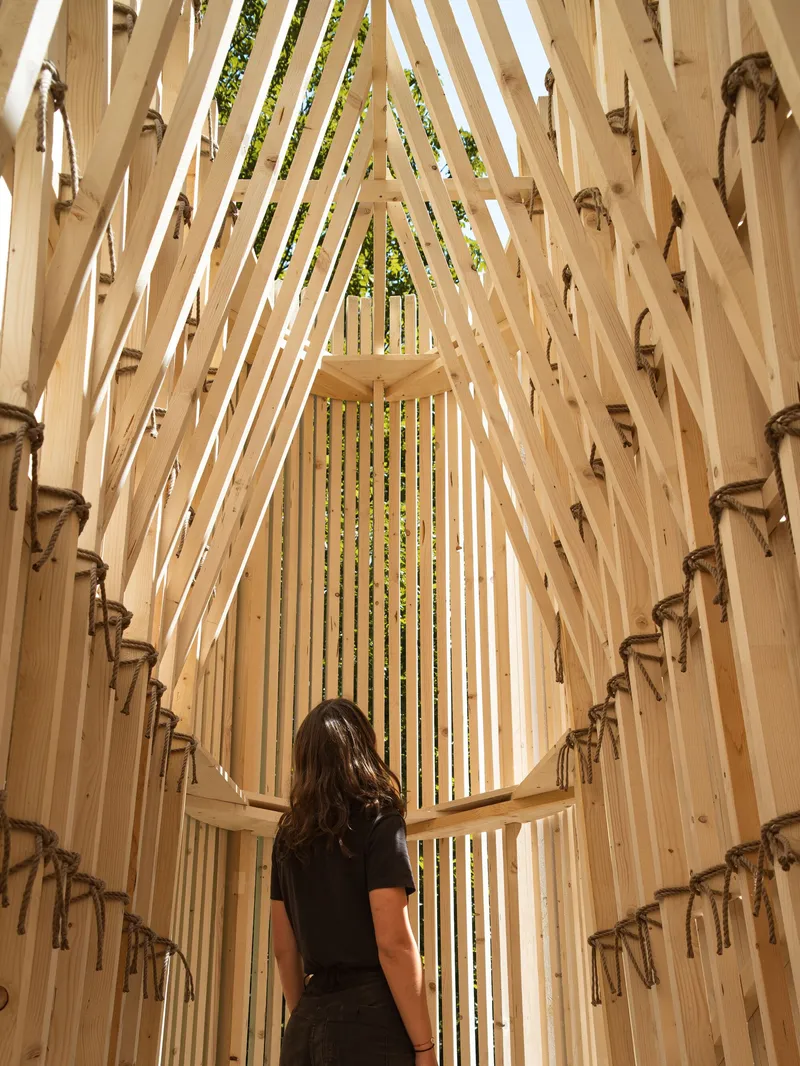
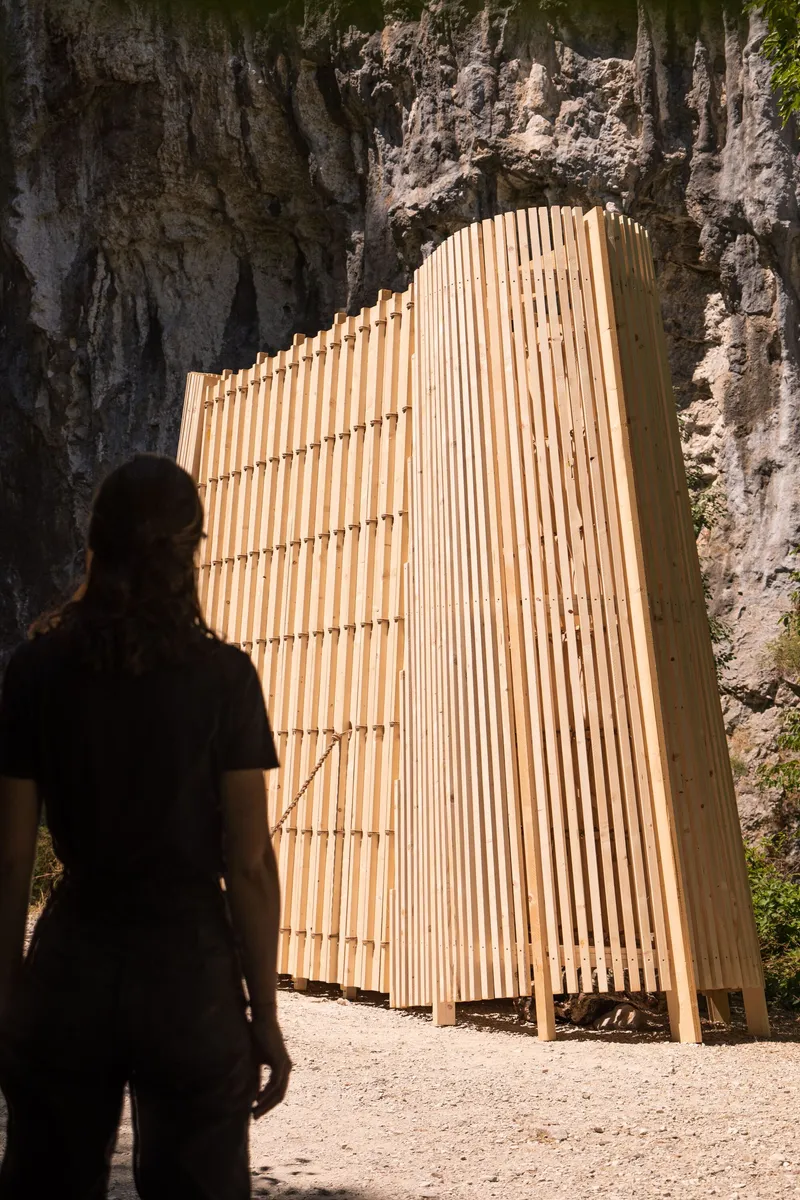
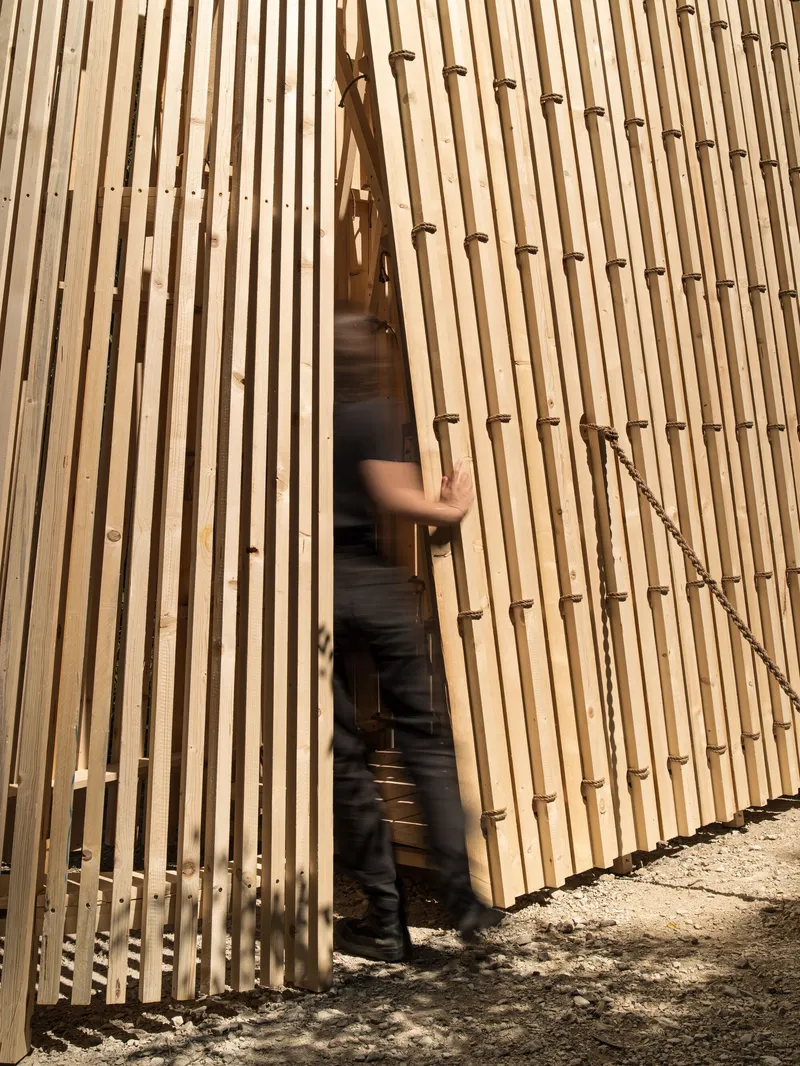
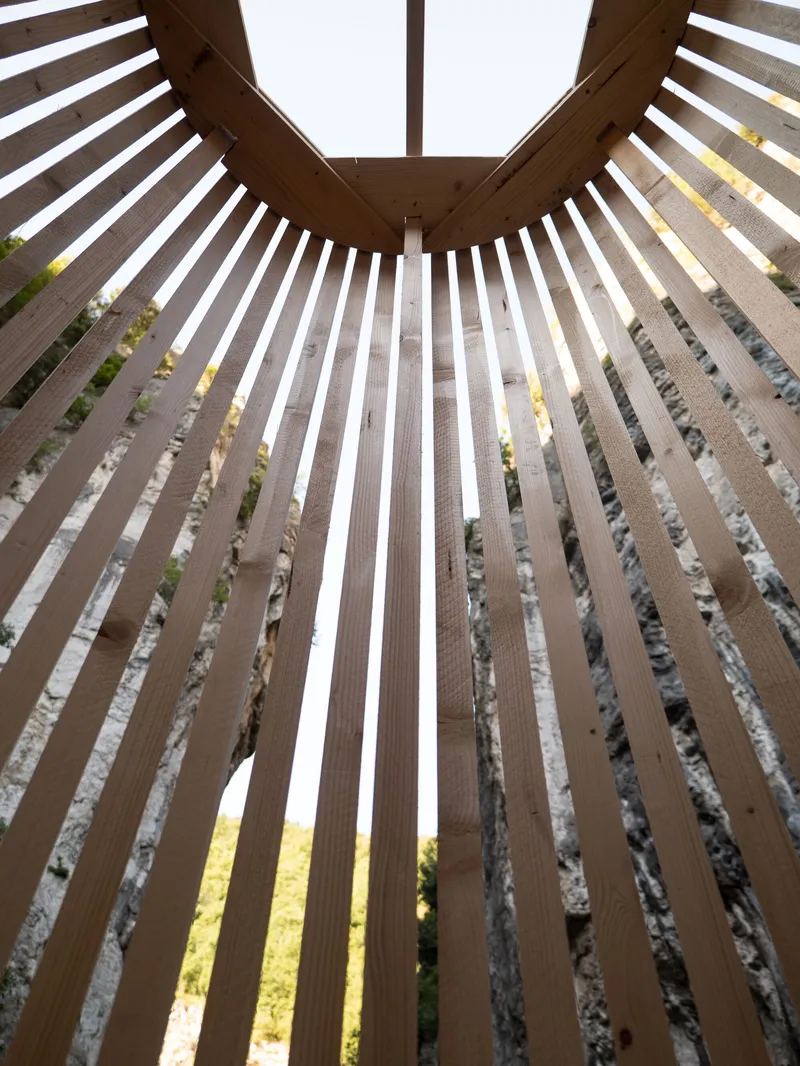
Approached from the trail, the structure first appears as a weighted wreck resting before a rocky threshold. Entry is deliberately narrow, requiring visitors to turn sideways and slip through a thin crack, an act that immediately heightens bodily awareness. Inside, one’s gaze lifts toward an opening above, where light descends as if the sky were falling from the hull of an overturned boat.
This carefully choreographed sequence transforms arrival into a ritual of passage. The chapel is not meant to be entered casually; it is crossed, experienced through the body as much as through sight.
The Metaphor of the Overturned Boat
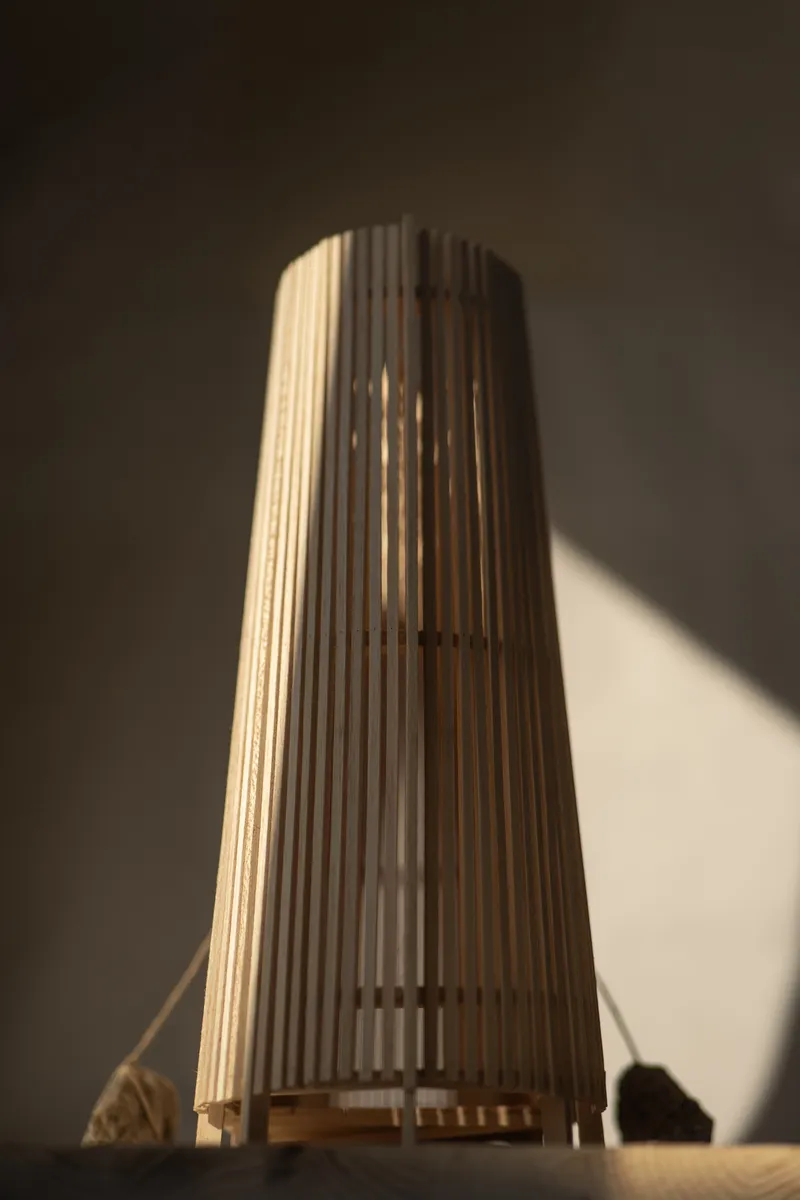
La Barca, Italian for “the boat”, draws directly from maritime imagery. The entire structure evokes an overturned hull, elongated and slender, following the linear direction of the path as though it had drifted from the nearby river and come to rest on land. Its form suggests transition, crossing, and displacement, “as if it had been displaced from the river it follows.”
The chapel stretches forward, guiding each step, reinforcing a sense of progression rather than enclosure. It is both shelter and threshold, inviting movement while offering stillness.
Structure, Light, and Material Expression
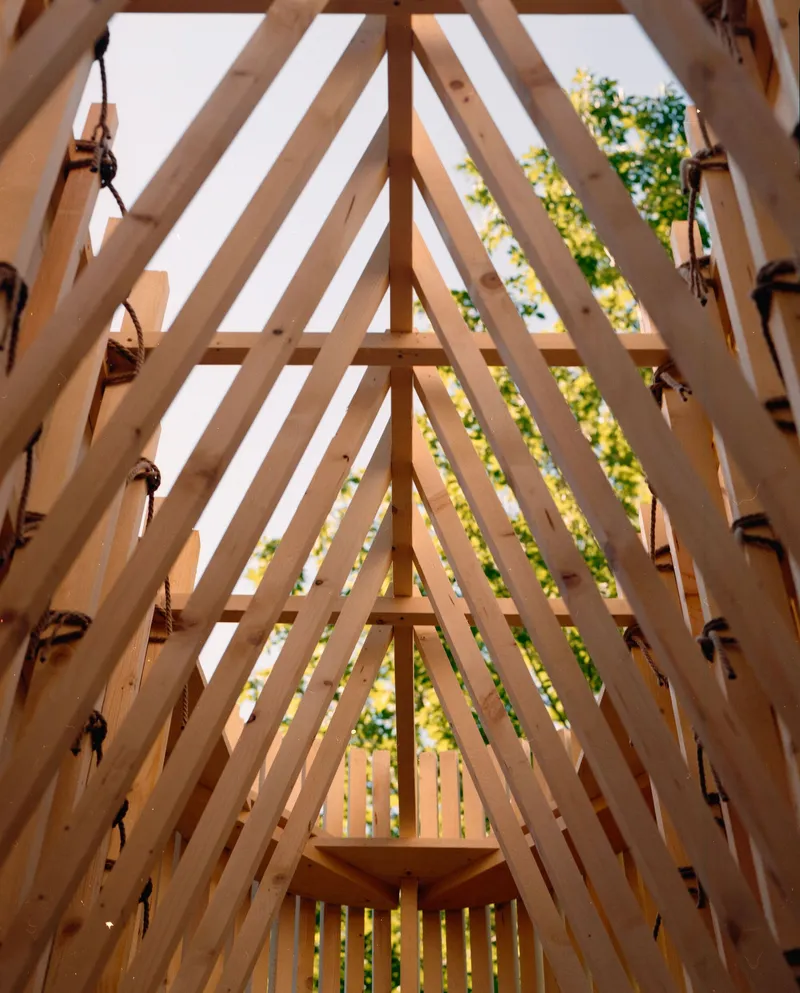
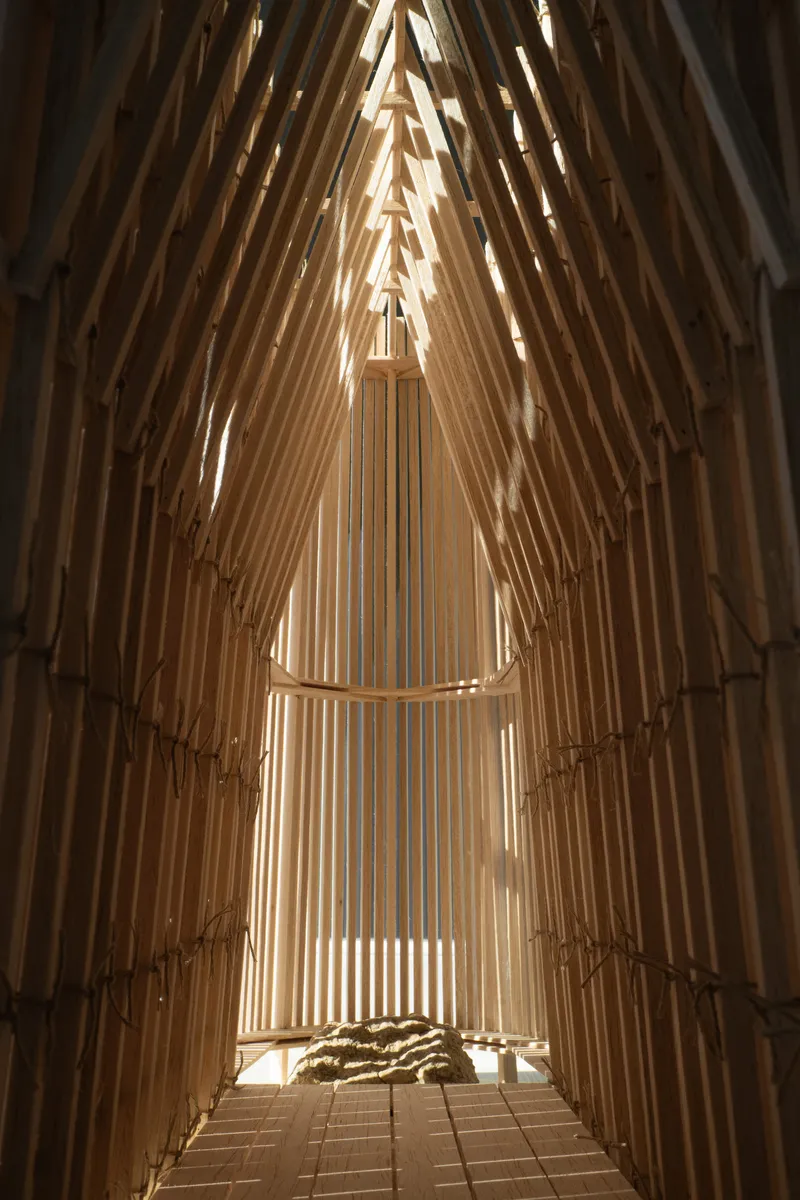
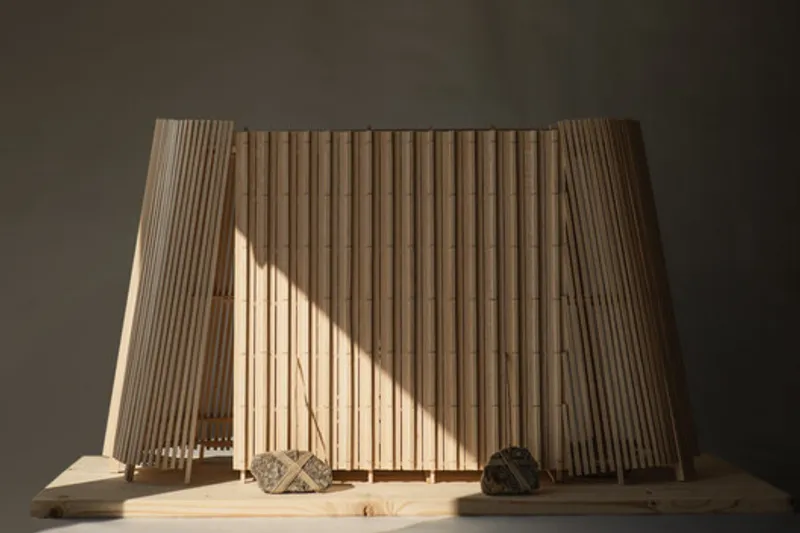
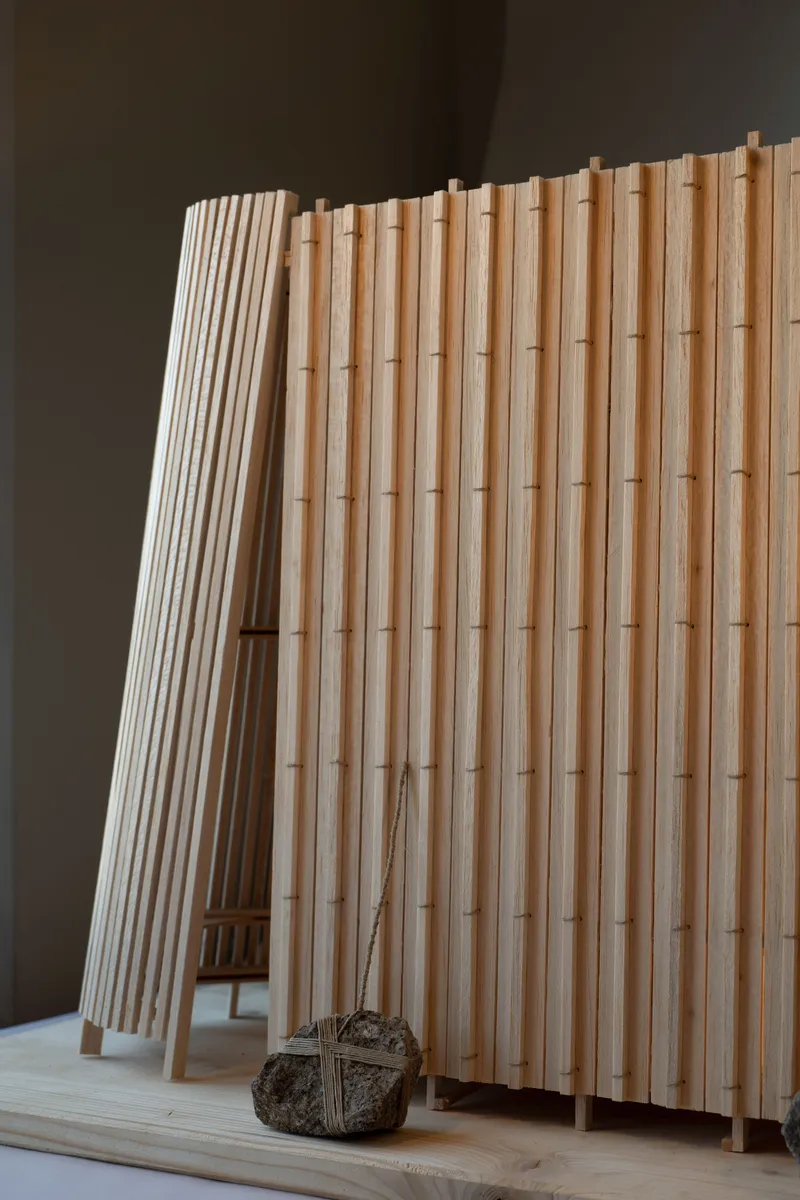
Constructed entirely of wood, the River Chapel reveals its structure with striking clarity. The roof opens along its length, allowing natural light to penetrate the interior and illuminate a rhythmic sequence of floor timbers. These elements are supported by a central keel, a direct reference to ship construction, which draws the eye toward the tapered bow.
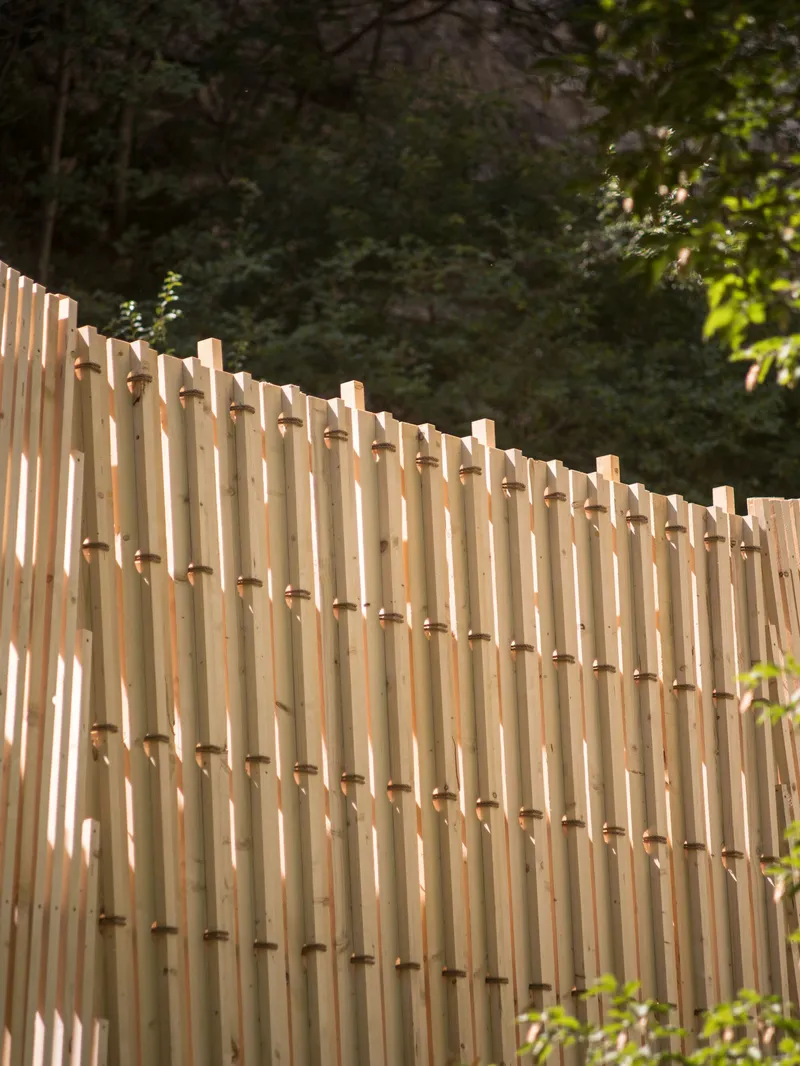
At this focal point, a single stone appears to anchor the structure from within, reinforcing the dialogue between architecture and site. The wooden walls are punctuated by cleats that hold the planking in place, while the floor creaks softly underfoot: an intentional sensory reminder of movement, fragility, and presence.
Spatial Rhythm and Assembly
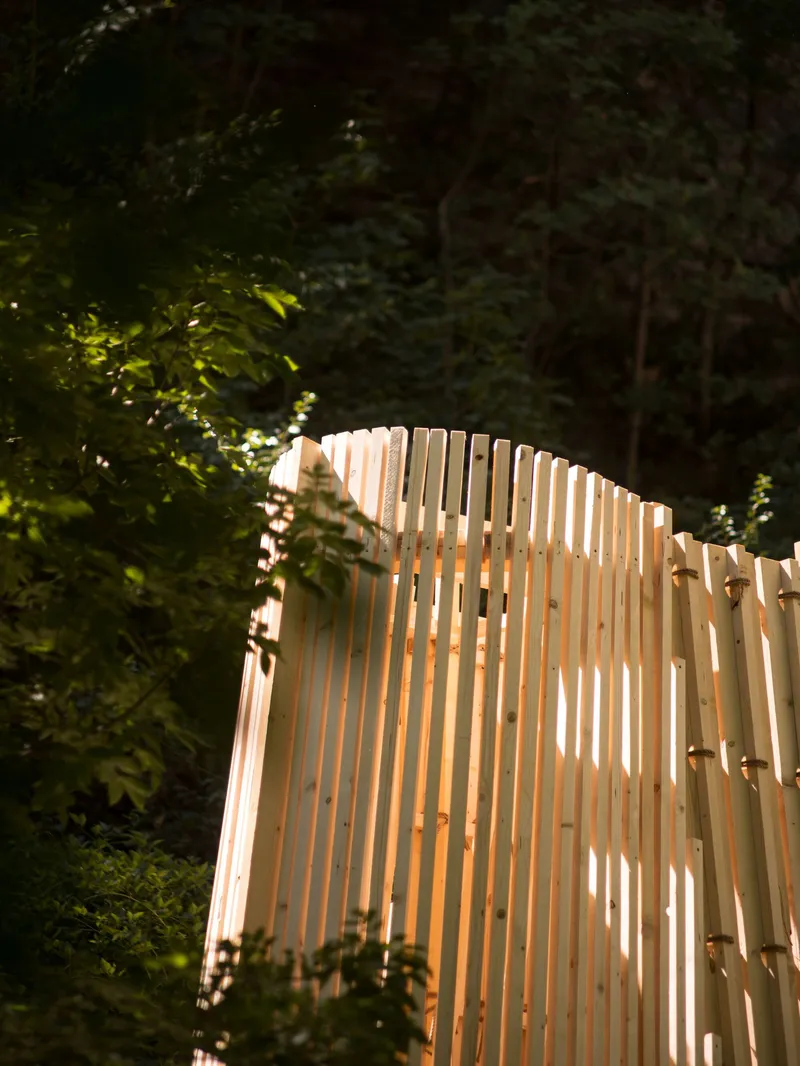
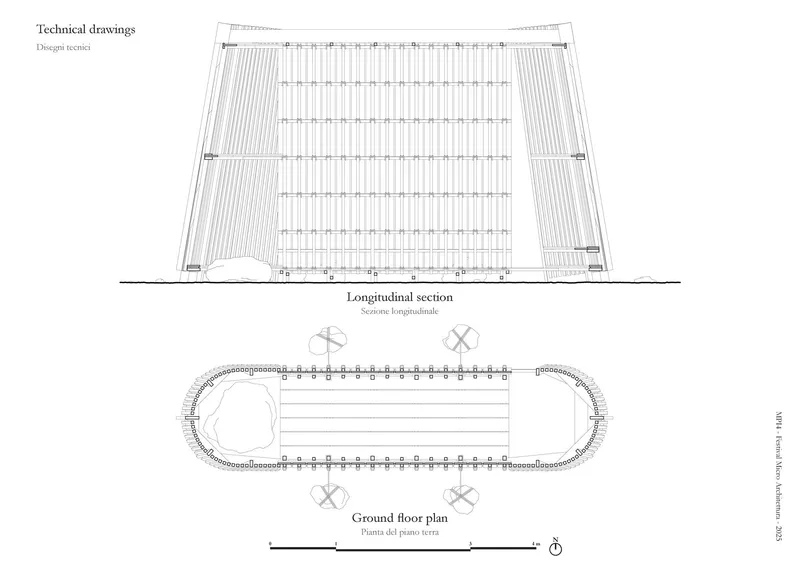
The interior is organized as a longitudinal corridor formed by six wooden porticoes, bordered by two plank walls. At each end, curved half-hulls meet, completing the impression of a boat split and reassembled in place. The ribs are cut directly from wooden boards and assembled in a sandwich structure, emphasizing craftsmanship and construction logic.
The chapel is ballasted with four stones collected from the site itself, grounding the structure physically and symbolically in its landscape. These stones reinforce the idea of a temporary vessel made permanent through its connection to place.
A Chapel Open to Interpretation
Neither explicitly religious nor strictly functional, River Chapel exists in a space of open interpretation. Some visitors see an overturned boat, others a small chapel, a climbing structure, or even a strange, stranded creature. This ambiguity is intentional, allowing the architecture to engage each observer differently.
La Barca ultimately offers a place to stop, to look closely, and to reflect, not only on form and material, but on one’s own perception. It is an architecture of pause and projection, where meaning is not prescribed but discovered.
All the photographs are works of Clément Molinier


Popular Articles
Popular articles from the community


ETEH Reworks the Shared Spaces of São Domingos School in Brazil Around Timber, Color and Hanging Plants
At São Domingos School in Brazil, 436 m² of hall, refectory and library are recast with timber joinery, a yellow and blue code and trailing greenery.

Cube Design Draws an Ecological Corridor Between Two Shenzhen Hills with the Nankai Building
Beside Shenzhen's container docks, the Nankai Building pairs stacked balconies with a climbing green screen to connect two hillsides across its height.


Manzana Morphosis: Stretching Barcelona's Grid into a Living Landscape for 2050
A radical reworking of the Eixample manzana turns density into a tool for generous public space, vertical ecology, and environmental performance.

The Amber Palace Opera: A Geological Fiction Surfaces on Tallinn's Baltic Waterfront
Pierre Brillard reimagines a Baltic legend as a public landscape, opera house, and waterfront promenade rooted in Tallinn's coastal identity.

Similar Reads
You might also enjoy these articles


Hodi-Mandai Geram
Project Function: Preservation and revitalization of the Intangible heritage and socio-spatial identity of the Hodi by Housing, Cultural Memory Center, Sacred Grove, landscape, local tourism economy


Olio Towers: A Mid-Rise for Performers That Fuses Housing, Rehearsal, and Stage
Located blocks from Houston's Theater District, this modular tower stacks living units around a central performance atrium.

Oasis: Modular Green Housing Carved into Dhaka's Urban Fabric
A shortlisted Plugin Housing entry reclaims unauthorized settlements in Dhaka with stepped concrete volumes, green roofs, and ventilation-driven design.

Black Hole: A Floating Megastructure for the Post-Physical Era
Emiliano Mazzarotto envisions a spherical, self-scaling arena where e-sports, digital hotels, and holographic stadiums replace traditional public space.

Explore Cultural Architecture Competitions
Discover active competitions in this discipline

Challenge to reimagine the Iron Throne

Photograph architecture without architects

Illustrate the lost glory of Angkor Wat - Render Challenge

Bring back Drive In's
Comments (0)
Please login or sign up to add comments
No comments yet. Be the first to comment!